Videos / Watch
AppleCare for Teeth: How Dental Warranty Protects Patients and Practices
August 10, 2026 · BoomCloud™
About this video
What if patients could protect their dental treatment the same way people protect their iPhone with AppleCare?
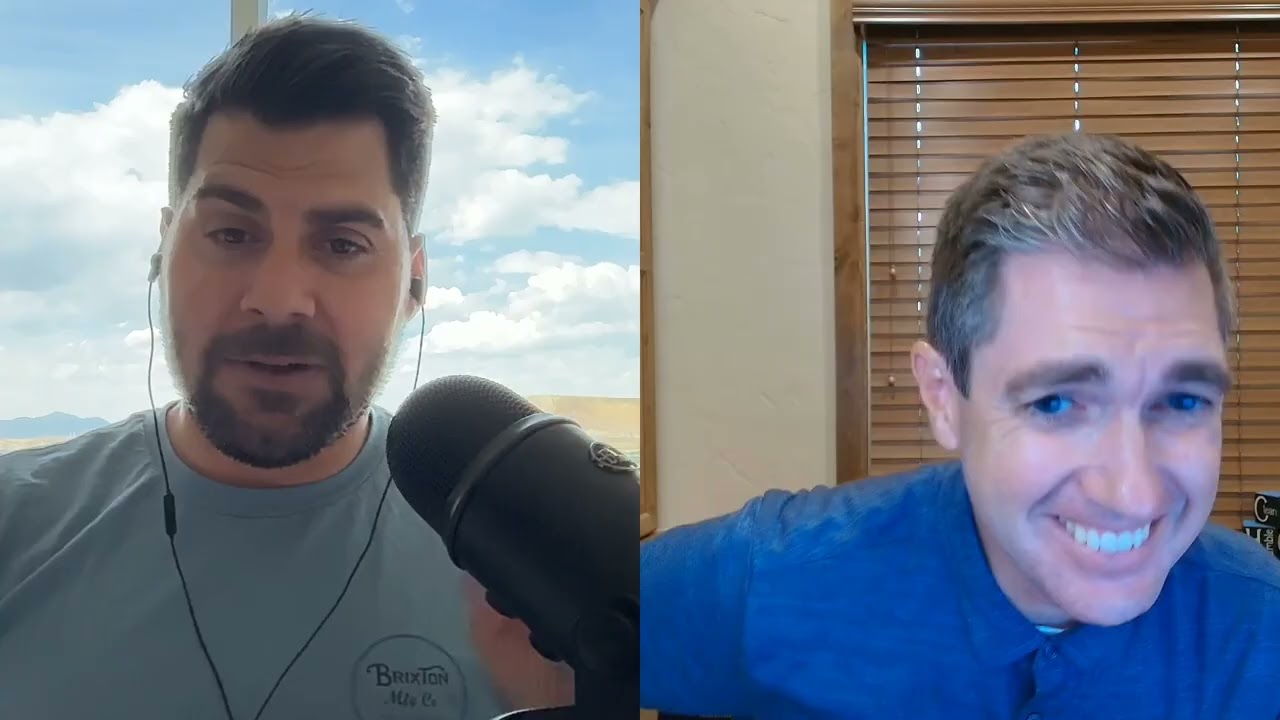
In this episode, Jordon Comstock sits down with Jared Parente to talk about a different approach to restorative and cosmetic dentistry: protecting the work after the treatment is completed.
Jared describes the model as “AppleCare for teeth.” Patients can opt into protection for qualifying treatment, giving them added confidence that if something happens years later, they can return to the practice without facing another large unexpected bill.
And it solves an uncomfortable problem for dentists too.
Instead of having the awkward conversation about whether a crown, veneer, or other restoration should be repaired at no charge, the protection model creates a structure where the patient can be taken care of while the dentist can be compensated for doing the work again.
Jared and Jordon discuss how this creates a better experience for both sides of the chair—and why protecting treatment may become an increasingly important part of building patient trust and loyalty.
In this episode, you’ll learn:
Why Jared describes the concept as AppleCare for teeth
How treatment protection works for restorative and cosmetic dentistry
Why unexpected treatment failures create tension between patients and practices
How protection plans can eliminate awkward financial conversations
Why patients value knowing their investment is protected
Full transcript
Complete text of this video
What's up everybody and welcome to another exciting episode of the navigating dental insurance podcast. I'm your host today Jordan Comstock. Uh Ben is not here. He's probably on vacation somewhere. I don't know. I I've lost track of where he's at, but he'll be on a episode here shortly. But today I got a a good friend uh Jared Parente from Dental Warranty. Jared, what's up, dude? How you doing? >> Hey Jordan, so good to see you. Good to to join you on the podcast again. >> I
know, it's been a minute. I feel like I've been missing from the scene from at least with podcasting. Well, and events. I haven't gone to a lot of events lately either. So and I know you guys go to a ton of events. >> Do a handful. >> Yeah, do a handful. So for for as you coming on, tell tell our our audience who you are, how you got started in dentistry and what Dental Warranty is. I actually was on a text thread the other day and
uh with a bunch of dentists and uh your your guys's company came up like what who who is this company? And I'm like, oh, I I know Jared really well. Like they're it's an awesome awesome company and they can really help you because remakes are a big issue in in dentistry. I know at least they were when I was managing a dental lab. But tell everybody who you are and and kind of how you got started and what Dental Warranty is. >> Yeah, yeah, absolutely. And
obviously, you know, remakes are part of the picture and and there's a lot more to it which kind of goes to the the reason why I'm I'm here um in the the power in the concept and in the program. So I you know, I kind of joke around and I sort of fell into the window in the day in in the dentistry. I never planned on on being here uh and once I got in, um you know, it's hard to leave. There's just so much work
to be done and always a unique challenge. >> There is. >> Right? Between patient and the practice and that relationship is just a super super dynamic one with all kinds of potential pitfalls and so many ways to do it better and to to add to the equation and to help. So, um you know, I've been involved in practice consulting um uh I both in the medical aesthetics world uh and into dentistry. That's sort of how I got involved in dentistry. I was part of a uh
startup um uh that had a network of different providers in different uh spaces of health care including cosmetic dentists and had sort of uh started a a consulting arm of that and um and got more and more involved uh I from marketing end of things and helping practices grow into the operations end of things um and that's where I uh got involved with the early founders of of uh Dental Warranty Corp and uh and you know, we we uh got things growing and moving and here
we are today in in every state um you know, with with a few thousand uh different providers and have have really grown the program. So, um you know, we uh have a really polarizing uh product because for and it's a good thing cuz it always starts really really good conversation about you know, what why the need for something like this. And so, in short form for anybody who doesn't know what we do, uh we're like AppleCare for teeth. So, we do protection plans on on uh
restorative cosmetic treatment that protects the treatment after it's done. So, it's the first and only um of its kind um at the scale in in which we we partner with the practice and patients uh opt to have this life-proof smile protection so to speak so that 6 years after they get it completed, um if anything happens, they come back in and they don't have to have the awkward conversation that I was eating soft bread, whatever it is, um and and the practice doesn't have to feel
um you know, that that awkward tension either where they just repair replace it, make everything good. Uh patient doesn't have to pay again and we've got a relationship now that that compensates the dentist their full original fee to do that. So it's truly a the kind of a win-win scenario. Um and then the the peace of mind also follows the patient wherever they go if they happen to move away or travel and can't get back to that original dentist. Um so that's how it works in
a in a nutshell. >> Yeah, I think that's cool. Like so everyone of my listeners knows that I before I started Boomcloud I uh managed a dental lab and the amount of rem- remakes that happen in dentistry, especially back then, uh was crazy and none of our our practices or the patients had any type of warranty. So they would have to end up paying more out of pocket to fix a crown or whatever or a denture that broke, whatever, right? There's a lot of problems because
every day people are going like this on their fake teeth. Right? That's it's they're being beat up, right? So I think it's a a great thing. I think uh a previous episode you've been on before I'm like, I don't I don't even get like what why does insurance exist when there's memberships and dental warranties? They can really cover the cover everything for a pri- And so there's three things. Uh memberships, warranties, and financing. Like that's all a patient really needs in dentistry. What like the insurance
companies are so silly to me because they're take they're gobbling up everybody's cash and then be like, oh we're going to only do a little bit. We're only going to pay a little bit back, but we're going to keep the rest and put it in the market, right? It's really silly to me. So like really a pa- all a patient needs is a dental warranty plan, a membership plan, and a little bit of financing when they need some type of uh restorative care done. That's kind
of how I I look at it in the industry, which I think insurance is kind of a silly game. >> It is. It kind of is, right? >> Definitely some opportunity there to to figure that one out again. It's been It's been quite the same for just just a few decades. >> Yeah. So So, let's talk about this This has been a question I've been asking every guest this this the past couple weeks. The dental industry is kind of in a weird spot because if you
look at the rolling 5 years, revenue growth in the dental industry is growing at 1.4%, which is great. But then you look at like expenses and costs to run the the business, and that's growing at 4.9%. So, like a one to one to four ratio roughly. Meaning your your revenue is not outpacing the growth of expenses and costs to run your practice, whether it be payroll, supplies, whatever, you know, whatever you got going on in your practice. Like we are in a kind of a weird
funky spot. And like I believe a couple reasons. One, I believe the PPO game we're find it's finally catching up to the industry cuz low reimbursements aren't helping these practices with inflation, right? It's They're really feeling a crunch. So, one, what are your thoughts on that? And like has Have you seen like dental warranty? Does that help with with the the situation in in dentistry? Like I just like to know your thoughts on it. >> Oh, yeah, for sure. We think about this every single day.
>> Sweet. >> Absolutely. And that's exactly, you know, it is quite that simple. It's the squeeze, right? And every practice is feeling it. And And then the other part of that that we're seeing is sort of the delay in decision-making or hesitation is probably a better word with patients and commitment committing to care, case acceptance. So, you know, everyone in their own personal lives as consumers, we see it, you know, there is there is a lot of uncertainty, uh, really unsure about what's next and how
things are going to settle down. Inflation's been a big deal. Um, and so, everybody is thinking a lot more about how they spend their money and decisions they make and and wanting and looking for that kind of that, um, that certainty and comfort and in every decision we're making with our finances. And so, that comes into the door with every single patient. Um, and so, practices, um, have got to step up their game in terms of what they're doing systematically to to, um, to work with
that and to help patients, um, you know, commit more, feel comfortable in these decisions and to to move forward. And so, um, you know, our program fits into that toolbox really nicely. Um, obviously, um, and uh, you know, really hm, this is a big question. I kind of go back to my first comment about it being a polarized concept because, you know, a lot of practices might wonder if you have, you know, if you're not yet working with us, like, why why would a practice need
to think about this kind of thing intentionally? I'm already a great dentist. I already stand behind my care like every great dentist should do. And, you know, our response to that is like, absolutely, a resounding yes, you should. Uh, and and >> Within a within a but but do it in a way that's like supporting you financially versus risking it because my my dad would say this all the time in the dental lab, exactly what you said. I stand by my dental lab work, right? But
then when you look at the economics because of the remakes, it's like, well, we're losing money and we're like we like we can't keep we can't keep standing by it unless we have a a better system and program to help us. >> Right, right, exactly. And it's not even about a high amount of the remakes, you know, that that's that's a part of it, absolutely. Much better for financially, uh, for the practice. Um, and when you do it the right way, you're leveraging so much more
than just getting paid for remakes. Um, you know, when when putting that promise out on the table early in the conversation, when you're presenting uh treatment to patients, when they're experiencing your practice and understanding how you do things, um you capitalize on so so much, uh making the experience end to end way way better. So, not only differentiating your care, uh but but introducing that that level of certainty early into the equation so that even before they get to any big treatment decisions, they know that's
part of it. That's part of the decision. And the byproduct we see is is higher case acceptance. Uh you get, you know, more patient retention, loyalty, expectations are set clearly and early. Um so, the whole thing just goes way better. Um and you know, they they also keep up with their part of the responsibility. So, not only is that when you promise uh to a patient what you'll, you know, what you'll do for them if if things go awry or not as planned, as life happens.
Um there's there's responsibilities in it for them, too. It's not just all on the clinician. >> Yeah, so let's let's walk into that cuz like I'm familiar with what you guys do and I know exactly what you're talking about. Let's let's share that with with our listeners. What um So, you guys have a a great uh dental warranty program for practices and patients. But like you said, it's not just obligations on the practice side. You you um when a patient says, "Yes, I'll I'll add the
warranty." There's some requirements that the patient has to do in regards to what preventive care? Like what do you What do you What do you have? >> Primarily, uh it's keeping up with your prescribed schedule for hygiene visits. So, it's making sure that you're coming in at least certain, you know, number of visits per year, doing your part to keep things in good working order, and keep your smile healthy. Um and then if there are any other things that are part of the the equation for
a good outcome, um that the doctor recommends, then got to stick with it. So, if you got, you know, large implant case and you're a heavy smoker, there's going to be some things tied to that, right? It's like, you got to you've got to, you know, uh, >> But, it's all it's all to help the patient. >> That absolutely. It's it's it's reinforcing healthy decisions and healthy choose choices and routines. That's that's how we describe it all the time. Um, so, it's good for the patient
and then again, uh, that ends up being a good thing for the practice as it keeps chairs full, prevent cancellations, and uh, kind of keep keep the whole thing locked in a little bit better. >> Yeah, so good. So, like, when a practice if if they haven't done a like a dental warranty program before, like, what are what are some questions they typically ask you guys? Cuz I I want to stand by my work, right? I believe in my work, right? That says the dentist, right?
>> Yeah. >> But, it's like, what other Yes, I believe I that is a good thing to stand by your work, but there's so many variables, doctor, that you don't control in your work. From the alginate shrinking and then sending that over to the dental lab and then the the dental lab working off of a a mold. I know you everyone's using scanners today, too, which is I'm sure helpful. Um, but if you're still using alginate, so, there's there's a lot of variables just within that
process of a of of of the res- or sort of care process, right? >> Oh, yeah. >> But, then there's like, okay, does did the did the lab you choose or do they stand by their work and do they do they use quality materials or are they getting cheap knockoff materials uh, that are going to break eventually. So, like, how can you say you stand by your work when there's so many variables? Is kind of how I think. And then, um, what like what are the
common questions you get? >> Yeah. Yeah, and then I mean, not to mention then, you know, all the stuff that are that's completely outside of your your control and reach and touch, you know, what the patient does on you know, when they head out and and get into an adventure >> you got a jawbreaker, yeah, who who knows? >> Yeah, so this just sort of this with one clean sweep it just it it it handles all that. So, um biggest question I think coming into it
is just like, "Okay, I kind of understand um why just, you know, beyond the whole like I already do this and helping them understand the difference between doing it, you know, right and proactively versus having a plan that's reactive and, you know, where it doesn't help you help you do anything on the front end. Um it's it's a question of patient perception. So, if if Okay, if I talk about this early, is this like me bringing up like failure in the patient conversations? It's going to
It's going to plant the idea in their mind that they're going to need this or that that we do substandard uh work or is you know, is it going to make them doubt? And, you know, what practices have currently find and discover when they implement this correctly is it's it's quite the opposite. It's it's 100% the opposite of that. >> It probably gives them confidence. So, like, "Oh, I'm I chose a right provider because they're thinking through these things and they know that, you know what
I mean? Like that's kind of how I look at it." But >> That's exactly how it it plays out. The patient they have they've got all these questions already. If whether they're speaking them out loud or not, they're there. So, by you proactively answering ahead of time and giving them something that's expanded and way outside of of the ordinary in terms of of that that piece of mind and comfort with with their decision and protecting their investment, you're making that experience just night and day way
better for them and you're answering those things proactively. They're going to think more of of your approach to care and that trust level goes goes way up. So, that's then probably the number one thing that we help re- reframe, I guess, for practices coming into the discussion. >> Do any of them say, "Well, I I'm I'm going to just do this on my own?" >> Sure. Yeah, so so uh we get that one you know fairly often. >> Cuz I get that one too right and
it's like of course you can but there's >> You could. >> There's a lot to it. >> Yeah, exactly. I mean and it's just you know the the the the simple first response to that is just like you could like anything in your practice. You know, you could go and do and reinvent the wheel and and you know and then the reality of that is you always find that it's way deeper and more than than you think uh to do it and to do it right
and you know fair amount of expertise and value we bring in coaching you how to implement correctly supporting the team all of that. So and then beyond that it's just specific in our case would be making sure that you've structured things financially and legally as well so that you don't find yourself in a in a spot where you oversimplify what it is to do this state by state and and understand how it works and you end up you know basically selling an illegal form of insurance
or something which you know there's a lot of legwork underneath to make it as simple as we have and um and then you know you also wouldn't be compensated right and and you know sure you find a little bit more difficult to pay another provider a few states away if your patient moves or travels and you know there's a lot to it there that that just the the economics don't shake in a way that's that's as favorable for you and the patient so >> Yeah I
know very cool. Like what what what other like questions are common that you guys get around dental warranties and >> Yeah so those are the big ones. Um you know obviously practices that are so indoctrinated with insurance and frustrated with that relationship that sometimes we get looped into that pretty quick where it's like okay I've got like are you going to pay my claims? Are you going to right? Are you going to just like this sounds all great. It seems almost too good to be true.
Are you going to deny my claims once we get started? And you know, what's very very different about the way we operate is we've summarized and and whittled down the eligibility requirements to a very small core set of things that going into every single interaction and transaction, you should know without doubt whether or not this is something that would be paid or not. We're not I mean this is all and so that's where it's a lot different. A lot of sometimes we'll get a practice and
be like, oh hey, can I get a predetermination? Are you guys going to and it's >> Yeah, they're so used to insurance, yeah. >> Right. And we'll help them through that so they feel comfortable, but like they don't need that. Like small set of core, you know, things that need that need to abide by and if they do that and get used to and comfortable with that small set of rules, uh they know going in on every time. Um and that's why our our approval and
rate is, you know, well 99 plus percent. There's very few things that we call a denial on um uh you know, when there's things that are just get completely out of place. Um >> Yeah. >> Or it's a question of, you know, more like malpractice or something that this isn't designed uh to >> Sure, yeah. >> Have you ever had a case like that where you had to deal with malpractice? >> Uh borderline, you know, it's it's it's just yeah, where it's it's it's just beyond
questionable um as far as the prognosis and and what happened in a certain thing and or just, you know, this what this isn't is it's not a safety net for for for work or or stuff that you expect to fail. Like so it's like, hey, we'll try this course of treatment and I highly think that it's going to fail but not work for you within you know, a year or so. >> would you do that anyways, but maybe the doctor went to a some cool implant
course and learned something new and he's like, I hope I can do it. I don't know. >> Right. Right. Exactly. And so that's another way actually that that we coach practices to sort of leverage this, too. When you got a patient that's like, "Hey, is there any other way to do this? Or do you have a plan B? Or something that's less expensive?" Or, you know, something that you really don't uh recommend for the patient. Um and and it's a way that you can uh make
that tangible and clear to the patient where it's like, "Okay, you know, yes, I can help you by going down this other alternate course, uh but I cannot offer you a 6-year protection plan on that." So, you'll have you know, something that you'll pull back and offer just as uh you know, good practice. Um >> Sure. >> But but you can't just in in good conscience offer something that's extended knowing that that it's got a much uh higher likelihood of of failing. >> With with like
today's technology, cuz like dentistry has come a long way since I've started in it where like the first thing I learned how to do is wax a gold crown, okay? Um and and then cast metal and then stack porcelain for for, you know, a crown. Um but with with today's technology like with the CAD/CAM and the milling machines, do you do you see like less cases fail because because of the technology? Like have you seen anything like that? I'm always curious. >> Yeah. Yeah, so um
this is something that we see us working in um well into the future where we're going to continue developing as a company is being able to highlight um some of these areas and and stuff that you should be paying attention to. Um so, it's it's it's a little bit early for us um and and we have a certain way that we want to publish and share some of these findings um because it can be interesting a little bit uh you know, >> People might companies may
get mad. >> Sure. Absolutely. And that's not our message. So, you know, we we want to share some of those things in a way that is is helpful and is it productive and and encouraging things and technologies and ways of doing a dentistry that is of greater convenience for everybody. You know, faster turnaround, all that is is wonderful for the experience and it's good for good for the patient, good for the practice as well. And there are more moving parts and things that need to be
accounted for for it to work out that way because we do see some concerning trends with with higher failure rates with some of these technologies versus I see that as a good thing that you got you got another company in the industry seeing that and be like, okay, well, how how can we help the the practice owners choose the right partners in in this area of restorative care, right? Like maybe cuz if there's a lot of failure rates that are certain with a certain product I
can think of some from my dental lab days. The first thing I will say I will say is that our our core in that message is not necessarily about a specific company or product and more so around the proper procedures, maintenance and everything in between to to do it correctly because we see more of the the difference in in numbers and results between practice and less of a broad blanket across a certain technology or product. Does that make sense? Yeah. Sure. So, it's like you can
build your you can at least help facilitate the right process to help dentistry with less remakes and less less issues. Yeah. Find more success with that newer technology. That's the that's the idea. It's like you guys should do study clubs and like pick the pick speakers that come and teach the what you're seeing work. >> Yeah, absolutely. >> That would be cool. >> That and that in in occlusion. >> Yeah, yeah. A lot of problems with that, absolutely. I mean, that's why mostly things break, right?
>> Right. No, it's it's huge. It's so under addressed. It's something that is very needed. >> Like at the when we were when I managed a dental lab, right? I can This is why I like talking to you cuz I I was on the in my career I was on the clinical side and I saw a lot of why things went wrong from a lab perspective, right? And yeah, occlusion is one of the biggest things where and and back then when they were pouring models and
letting them sit all day and then calling the lab at the end of the day or whatever, the alginate impressions may have changed and tweaked and it could have messed with the occlusion messed with everything when that happens. >> Sure. >> But anyways, um the I remember that always being the case that that destroyed the the work that we did for practices. It's like, "Oh man, the if they could have just cleared the occlusion, like the the crown would have worked." >> Yes, yes, absolutely. That
needs to be a much bigger consideration in in case design and >> Interesting. That is so interesting to me. Um it's like, "Okay, let's spend a whole episode talking about how to improve occlusion." Very cool. All right, Jared. I This has been a fun episode and I I want to make sure people listening know how to find you and like what talk about the process of like if they were to sign up, you know, for dental warranty. But first, tell us tell our listeners how do
they find you? >> Sure. Yeah, absolutely. I think the the easiest way would be to just hop onto our our main website, so dentalwarrantycorp.com and and get in touch and we've got some resources and things that we can share with you as you're kind of dipping your toes in and and learning about how to add more peace of mind to your to the care experience. Um and then we'd invite you to just do a quick short discovery call with our team. I think that um you
know, whether you work with us or not, we're always open to a conversation and share with you how you should be leveraging you know, the things that we do. Obviously, you'll be able to do a lot more when we're partnered together, but but we'd love to have the conversation and share how it looks how it would look in your in your practice. Um and and then kind of give you the next steps from there, but it's super simple, super easy, and we uh hope you'll take
us up on that. >> How long does it take somebody to kind of get started with you guys? >> It's really as quick as you can run. I mean, the process to to get up and and moving is, you know, a matter of of of minutes and then it's it's a matter of getting your team up to speed with with the concept and then you get assigned a dedicated success coach on our end who's your right hand person from the life of our relationship and so
they'll do an initial kind of kickoff with your team. The biggest focus is what does this sound like when we add it to the our everyday treatment conversations so that it does what you want it to. Yeah. And then and then they'll you know, walk you through how to activate protection plans and um uh you know, getting it on every treatment plan is is probably the the biggest administrative lift and it's very simple, but again, we teach coach how to do that. You create an adjustment
code for it. >> It's just a new process that they're going to get used to is what you're saying. >> Right, but you know, if you're building it into all of your exploding codes and and you know, so goes alongside all the different eligible restorative treatments, it becomes super duper simple. Um and yeah, it's very seamless and and easy to get running. >> Very cool. Okay, so go to dentalwarrantycorp.com. I'll have all those I'll have the URL in the show notes so you guys can just
click, but go there go check out Jared and my buddies over there at Dental Warranty. I think they got a awesome solution in this space. Jared, thanks for coming to hang out with me on the show today. >> You bet. Thanks, Jordan. I appreciate it. >> We hope everyone has a rocking day.