Videos / Watch
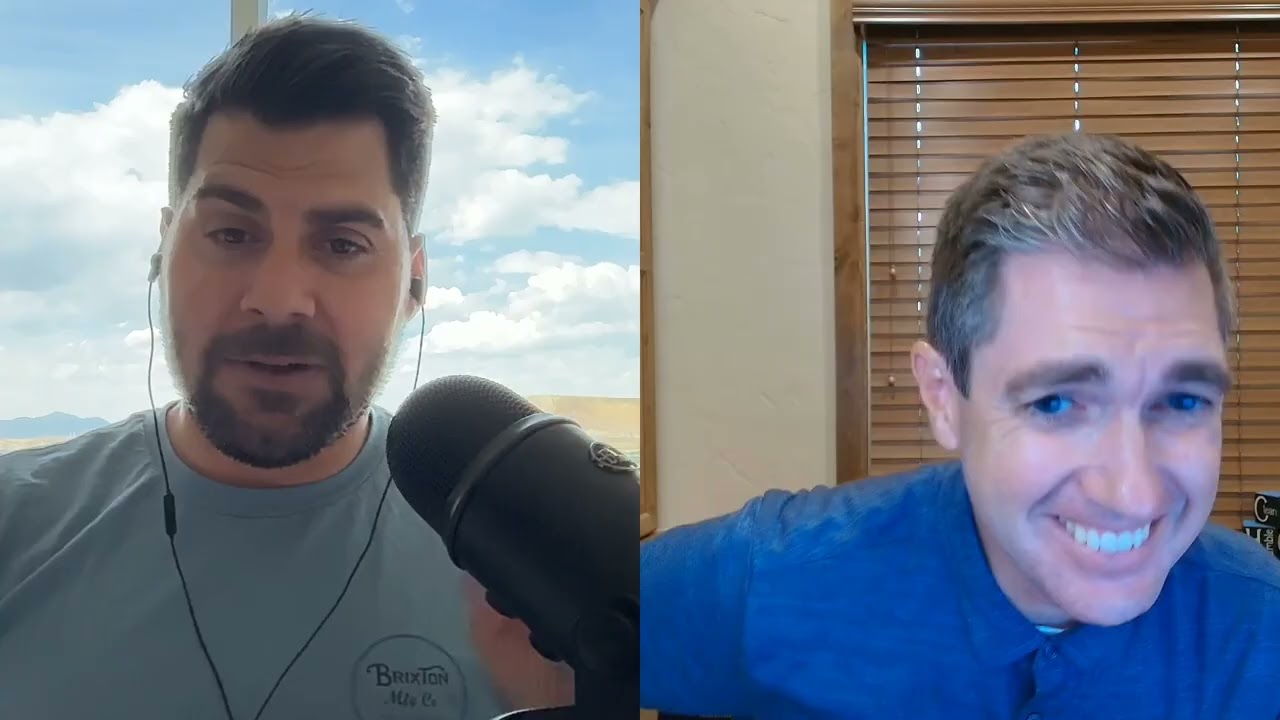
Dropping PPOs, Marketing & Membership Plans with Alex Nudel
August 19, 2026 · BoomCloud™
About this video
Alex Nudel, founder at RevenueWell, has more than 20 years of experience as a recognized dental industry speaker, practice growth specialist, successful practice owner, and digital entrepreneur.
As a dental practice owner, he realized the need for an easy way to handle the routine communications associated with running a practice. He founded RevenueWell to meet those needs, freeing the doctor and staff to focus on what they do best: serving the patient.
anudel@revenuewell.com
RevenueWell.com
Full transcript
Complete text of this video
Welcome to the navigating dental insurance podcast where we don't [music] take from insurance companies. Here are your hosts, Mr. Jordan Comstock and Mr. Ben Tuinei. >> [music] >> This podcast is sponsored by BoomCloud Dental Membership Software, www.boomcloudapps.com, [music] and Veratas [music] Dental Resources, www.veratasdentalresources.com. Enjoy the [music] show. >> Hey everybody, this is Ben Tuinei and Jordan Comstock. Real quick here, we wanted to announce our conference that's coming up here November 3rd, 2018 here in Salt Lake City, Utah. Sorry, November 2nd. >> [laughter] >> That's That's
always great to have a a co-host. >> You're like the You're like the the still small voice in the back of my head. In this case, it was a a nice bass. >> November 2nd. >> [laughter] >> So, November 2nd, folks, check out our website, saynotoppos.com, to register. Uh just click on the 2000 What does it say there? Events? >> Yeah, it's it's saynotoppos.com/event-2018. If you go to the homepage of our website, you'll see it right there at the top of the menu as well. So,
it doesn't really matter if you go directly to that link we said. Um Ben, should we share a promo code right now? >> Yeah. Yeah. So, the promo code that we thought of is INS abbreviation for insurance. So, INS sucks. >> [laughter] >> So, INS sucks is the promo code, and you'll get 50% off if you register there. Uh anything else, Jordan? >> No, that's it, man. We hope to see you guys there. Rock and roll. >> Looking forward to it. >> Welcome to another exciting
episode of the navigating dental insurance podcast. My name is Jordan Comstock, And today, Ben is out working while I'm playing here on the podcast. It's going to be awesome. But today, I have an awesome guest. He's a good friend and a company that is well is talked about a lot on our podcast. I have Alex Nudel from RevenueWell. Alex, what's up, brother? >> How are you, Jordan? Nice to be here with you. >> Yeah, it's good to finally do this podcast. I know we've been chatting
about doing a podcast with you for a while, but it's finally it's good to have you on. >> It's good to be on. >> Yeah, man. So, tell us what um for those of our listeners out there that don't know you, tell us a little bit about yourself. How did you get involved in dentistry? How did you get involved with RevenueWell? >> Um got involved with dentistry in 1997. >> Okay. >> When my ex-wife went to dental school, I just loved all about learning something new
and exciting. I was in the automobile business uh before that. And before that, in the jewelry business and everything that had to do with retail sales, basically. And so, got really interested in being able to just see what's going on in the school Nova Southeastern University. Uh she opened up her first practice in 2001. And at that time, I had sold one of my high-tech businesses. Um I don't know if you are familiar with this thing called iPhone. >> Yeah, yeah, yeah. >> Uh the original
H of came from us. So, that was kind of cool. >> Yeah, cool. >> Very cool. A lot of people don't know that about us. So, basically, sold one of our businesses. Um had a really cute little child just like yourself, a little girl running around that I wanted to spend time with and started kind of digging into what she was trying to do, how she was trying to buy a practice. And she wasn't going to practice for money per se and to be this huge
dentist. She just wanted to work a couple of days a week and uh Patterson Dental got involved with me and said there's more to it. She's going to run out of space. Come take a look at something. And so we decided to build a bigger practice knowing that we're going to be running for a long time. I took a lot of continuous education, went traveling all over the places, the best coaches, and found out that that's a great place to put my money. As an investor,
it's tough to get more than what you're getting out of your dental practice. >> Yeah. >> So that was kind of exciting to me. >> Hiring and getting a coach involved into the practice? >> Uh multiple coaches. One for myself personally. >> Yeah. >> Because I was out of control, unaccountable, and doing everything, and was actually making things worse in the office because of the way that I was acting. Being an absentee manager. >> Yeah. >> Running around, you know, doing my things, and thinking that's
still good. >> Yeah. >> So yes. Early on, early on I knew that I needed a coach. Just like anybody, I know that I wanted my daughter to do karate, she needed a coach. I wanted her to play guitar, she needed a coach. >> A coach. >> Absolutely. So I definitely all into coaching. But really found out as I became a coach myself that implementation was one of the most biggest challenges that I had. And so I've used other systems that were out there. Never had
that one solution that actually do the patient care part of it. >> Yeah. >> And that was a big challenge and got together with some really cool people and we wanted to make a difference in the health care industry and this is how RevenueWell came about in 20 10. >> Very cool. Awesome. And and RevenueWell's it's a Is it a family owned business? >> It's not a family owned business. It seems that way. But it >> Everyone seems like family there, so it's good. >> [laughter]
>> Just because they called me uncle doesn't mean anything. I am the oldest one in the whole entire group of the geniuses over there. I am I am. Uh well, I think our director of marketing is a little bit a couple years older, but we don't say that. We don't mention [laughter] that. We don't mention that. >> Yeah, that's awesome. >> So, kind of cool stuff. And so, as it comes to you with the boom, we started out yeah, just anything that we could take. >>
Yeah. >> Um realized that it was very expensive for us to maintain the path that we were going. Our overhead was really high and our fees were really low with insurance. And at one point, when we had enough patients, I'm not saying that it's a thing for everybody to do, we started weeding out the insurances. And uh once we found out that that was a great thing, we had enough patients to go totally fee-for-service, but we still do everything that we can for the insurance patients.
We get their information, we verify their insurance, and we help them out. But, there are other tools in our bag as well that we have done for a long time and know that even if we want to do it ourselves, we weren't as successful as uh what you and I are going to talk about. >> Yeah, yeah, totally. So, tell us So, you still own that practice. It's still running and operational. >> Awesome. And it's your your >> You're you're partner in it, which is very
cool. Um I love hearing that. Um I I came from the the dental lab side, Alex. I don't know if you knew that about me. So, um and my my whole family, my dad and my brothers manage the dental lab. So, um we all come from the the dental We're all We have family in the dental side, right? >> [laughter] >> That's right. >> Um um on the clinical side, I should say. But, yeah, tell us tell us a little bit about that. You You were
in network with with a lot of PPOs. I don't know if it was a lot. How many? How many PPOs were you at the time? >> 10. >> 10 PPOs, which is a good amount in my opinion. I think if you're over 10 or over five, yeah, you've got to re-look at that. So, what made you guys want to reduce dependence on the PPOs and get rid of some of them? >> We wanted to scale our business and we wanted to increase our hourly production. And
so, we had at that point 20% of our FIFA service patients paying us 30, 40, 50% more. >> Uh-huh, yeah. >> And we said we want more of those. >> [laughter] >> And so, in order to concentrate on bringing those in, we started creating different schedule blocks for FIFA service versus our insurance patients. I'll give you for instance, our peak times, which were our 8, 9, and 10 o'clock appointments in the morning and our 3, 4, and 5 o'clock in the afternoon became only FIFA service
appointments. >> Okay. >> And so >> Go ahead. Go ahead. >> So, we blocked out those times and if there was going to be a crown that was going to be put on for restoration for the doctor or anything else like that, we were going to put a FIFA service patient on there. We started marketing for FIFA service patients when we started doing our new patient specials because yes insurance started bringing us when we first started out some cool patients >> Yeah. >> that had, you
know, working companies around our neighborhood. >> Mhm. >> But once we started doing the marketing, the marketing was 100% focused on FIFA service patients. >> Yeah, let's let's drill into that a little bit because Kevin White was on our show yesterday and he talked about the importance of messaging, right? Marketing messaging. How did you guys craft your your message to FIFA service patients if you remember? >> I do remember. >> Okay. >> It was only 15 years ago. >> Okay, only 15 years ago. >> I
remember. Yeah, so the world of dentistry was very different. >> Yeah, of course. >> So, what we've decided to do was invest into our practice to be able to to that was our like 5-year goal to be able to start providing different types of services where a lot of the services are not covered by your dental insurance. So, we started doing implants, we started doing cosmetic cases, we started doing sleep in the office and stuff like that to where we were able to market for those
type of patients inside of our community and inside of our database. We use and still use Eaglesoft. So, we had these people that we were referring out to a specialist that we started keeping in house and those people were paying regular fees and writing checks and we kind of like that. >> Yeah, of course. Yeah, who doesn't? You don't have to deal with Yeah, all that. >> So, at one point we were marketing for just new patients and then all of a sudden we're marketing for
bridge work and we're marketing for crown and bridge and inlays onlays. We purchased a CEREC with the promise of being able to deliver. Now, just because we purchased a CEREC doesn't mean that 100% of our stuff wasn't being able to be done. I mean, you're talking about in 2004, 2005 >> years. >> We we couldn't. So, our lab is very important to us. There's no question about it. But, we we went that way. We started doing the technology. We went and we bought a 3D unit
and we started marketing all kinds of predictable implant services and the area that we're in most of the people reacted and would come and start writing checks. And so, we started really figuring out what is it that we want to do? Do we want to black out an hour for four surface composite That is going to take, you know, about an hour start to finish and it's going to gross us 200 bucks. Or we're going to do an inlay onlay crown, bridge, uh, implant. So, the
crowns were 1,000 bucks a pop for instance and took the same hour to prep and get everything done. Or place four implants in the same hour for 6,000 bucks. So, we started going out for the higher cases and, uh, succeeded. Not saying that every practice in >> the world would Yeah. >> Of course. Yeah. That That's where things started going that way. And And we still helped the people with insurance, but we've had major problems keeping our fee for service patients. >> Yeah. >> That's where
it all started, uh, going downhill to where they started looking elsewhere. Uh, and there was a start of a lot of advertising on, you know, spend $250 with us, get this cleanings, exams, 20% off. We We just don't know how to handle that and we wanted to implement something like that in our practice as well. And we're not as successful until we went on a program. >> Awesome. Yeah, so I think I think for those of the practices out there that are looking to drop dental
insurance, um, and working, you know, in in the network in in the PPO network, uh, which a lot of our listeners are doing. In fact, I was on uh, following a Facebook post the other day of a practice that was just so sick and tired of of working with with dental insurance. Um, they're like, "We're We're sick of dropping our fees from you know, 40 to 50%." Uh, which is insane to me. Um, and we want to figure out how to, uh, get out of of
network and and all that stuff. I I would imagine that a lot of practices out there, I know for a fact will will try and rip the band-aid off and drop a lot of PPOs right like all at once, which I don't recommend doing. It's kind of crazy to do that. Did you guys You guys It sounds like you guys took it little by little and you looked at Did you look at your like your PPO plans, analyze it, and then kind of drop that and
do some more marketing? Or how did you guys approach that? >> Correct. So, we would have our marketing planning meeting every month and semi-annual and annual. And So, it was a part of our vision is to get rid of some of the insurance companies that were not paying us the fees and also not driving us the customers. And the customers that were coming in from there were, you know, they they didn't realize they didn't know who the dentist was. They didn't know who's making the decisions.
They thought the insurance company had the best dentist in the world making decisions for them telling them whether they should get this crown or not. And and really insurance policies have drastically changed over the years where before you can do something every two, three years, now it's every five years. And patients just don't understand it. I'll tell you the truth, I don't understand it anymore. You know, we have these wonderful people that do it. I know I have dental insurance. And I want to go to
somebody that is going to help me spend my 1,500 bucks, but I I I don't have to go in network. I want to go to where I want to go. And a lot of my friends and our patients are the same way. They just want to go and get the work that they want to get and they have it, they have it, and they don't, they don't. But the retention part of the fee for service has been a big challenge. >> challenge. >> Yes. And this
is what I'm hoping to get some information from you on how to deal with that in a system because a lot of dentists say, "You know what? I'm just going to go get the Delta Dental fee and take that book and offer it to my customers." Not realizing what they're actually doing. >> Yeah. I mean, I always uh You know me, Alex. I'm I'm big with membership programs. Um I think starting some type of membership program to attract the the uninsured and and the the patients
that are going to pay cash, that's that's a way to retain patients because that's as you know is a huge uh point, you know, huge benefit of the practice is retaining patients. You The biggest issue in a lot of practices is they they have attrition, right? >> Yeah. >> has attrition, right? And then at the same time, I think what you guys are doing at RevenueWell with with with patient communication um and getting patients to remember to to make their appointments and to come back or
if they they do treatment, um your guys's software allow If if you like do a treatment plan with with a patient, um your software will will it remind the patient that they've been given a treatment plan and and try to prompt them? Kind of talk about that with with um helping patients come back because that that that is a problem. I mean, I I know the importance of dental care. I don't have dental insurance, Alex. Um and I struggle going to the dentist. >> [laughter] >>
Like I I don't go, right? And >> Come to us. Come to us. >> Yeah, I'll come to you over in Miami, right? I'll fly over there. Is that where the practice is? >> [laughter] >> For sure. >> Yeah, it sounds great. We'll go hang on the beach. Um but um how how does a patient communication software help with uh with bringing patients back in and and and retaining from what from what you've seen? >> [sighs and gasps] >> There's there's many different ways. Because we
actually know the patient, we know the patient's charts, we know teeth numbers and perio pockets and dental codes and all of these things are great. What we do in order to uh get them back in as we stay on top of mind and we absolutely have the healthy patient approach. We want all of our patients to be healthy. We just talk about preventative dentistry and how we're trying to stop everything from happening and so routine is routine. But besides this, I have a bigger question for
you. >> All right. Let's do it. >> I'm going to turn this I'm going to turn this all around on you. >> [laughter] >> And I'm the guest now on my own podcast? >> You are now the guest. And so here's where I'm having all kinds of fun and I want to help my RevenueWell customers. >> Yeah, mhm. >> I want to help them grow and so we give them great information along the way during the year of what they could do with their practice and
the whole nine yards. But how can you help my customers be more successful and grow their practice through your solution? >> Through through a membership program and what we what we're going to do is Yeah, so most practices um want to be out of network or or get out of dental insurance, right? So and that's that's what I'm all about and what our what our solution is all about is allowing practices to create um an in-house membership program to generate one, predictable recurring revenue on the
on the business side of things and then two, to help retain uninsured patients um you know that that need coverage and and some sort of benefit, right? Cuz as you know, Alex, most patients go to the dentist because they feel like they have some sort of benefit, right? A plan or a benefit, right? Um and if a patient like me doesn't have dental insurance or or like over half the United States, they don't have dental insurance, right? Um they feel like they need to have some
type of benefit to go to the practice. So, by creating a membership program in the office, right? The the practice is able to attract a different type of patient, right? A patient that needs dental work. A lot of the times patients are maybe getting ready to retire or they've retired and they're the they're the patients that need dental care the most because their teeth are starting to wear out, right? I saw this countless times that that at the dental lab, right? Most of the patients that
needed the most care didn't have dental insurance cuz they're retired and their their dental plan was dropped and it's really really expensive for them to go and get dental insurance from a provider, right? Out there. So, by attracting that type of patient, number one, you're going to generate a by attracting that type of patient with a membership program, you're going to generate predictable recurring revenue stream for your practice, which is a revenue stream that is very uncommon in dentistry, if you ask me, to have that
pre- predictable recurring flow of cash coming in each month or each year. And then, number two is you're going to allow that patient to get discounts and and deals on on treatment and whatever they need, right? So, I would I I look at a membership program in in in a few ways. One, it's a patient attraction tool, so it acts as a marketing piece for the practice. Two, it acts as a retention tool to help retain the patients because Alex, are you are you Amazon Prime
member by chance? >> I am. >> Okay. Most Most everybody >> As a matter of fact, I I have six apples, two carrots, and three celery sticks being delivered in about an hour. >> I love it. >> [laughter and gasps] >> That's cool. That's super cool. So, as an Amazon Prime member, you probably buy a lot of things off of Amazon because you are subscribed, right? Uh >> And I'll check off that Prime box. >> Yeah, yeah, yeah, the Prime box and everything. So, you are
more loyal to that because to that company because you are subscribed to them and you get benefits, right? As a subscriber. So, the same concept happens in a dental practice. You get more loyal patients. They end up buying more with the practice because of the benefits like the like the slight discounts. And I'm not talking about big discounts like the PPOs are doing. Most practices when they create a membership program, it's like 10 to 20% discount, right? >> So, friends and family type of a deal.
>> Yeah, exactly. So, um that's the retention side where And then a combination of case acceptance, right? Um it's a membership program is a case acceptance tool that allows um the practice to use a discount as a selling strategy, right? In the practice or a case acceptance tool in the practice. Um so up to how much money? Say that again. Up to how much money? >> The same as the 1,500 bucks limit? >> It's an unlimited discount is what So, if I need six crowns, right?
I don't I don't take care of my teeth. Actually, I do. I don't have a crown. >> [laughter] >> Um if I have, you know, a a good amount of work done, there's no limits on a membership program versus on insurance, right? You're limited to a certain amount, right? Um no patient no practice that I've seen they don't add a maximum on there. Um which I >> Do I have to do a predetermination? >> Yeah, I No. [laughter] No, you don't. That's [gasps] the That's >>
Cuz that's expensive. That's expensive. >> Yeah, none of that insurance stuff you've got to do with the membership program, right? It's >> You will never turn me down. >> No, I will never turn you down. I will never deny your claim. There is no claims to deny actually. So, that's >> You mean that patients are actually giving you money right away as they're coming in? They're like, "Here's my money. Here's my discount and everything." And I don't have to go through any of that nonsense. >>
Yeah, exactly. So, that's that's the cool thing about a membership program. You You don't have to deal with the red tape of of dental insurance, right? And in my opinion, I don't think uh dentistry or any health care should have the red tape it has um with what what insurance has done to to the industries, right? Um so, that's that's kind of what a a membership program can do for for attraction, right? Use it as a marketing tool, use it as a patient retention tool. Um
and then a case acceptance tool. Those are the three concepts I typically talk about. >> So, give me a good formula. You know, [laughter] the dream the dream. Would it be 50/50 to have 50% of my patients on insurance that I still get a good patient flow from, that are compliant patients, that are doing everything, and 50% of my patients be members? >> Yeah, I would say most practices that we help are are in that boat, right? Where they're where they're growing their program to a
portion of their their patient base. And then the other portion still is in with insurance or they're trying to reduce that insurance like what you guys did and become fee for service with a membership program. Uh a lot like Gary Takacs. I don't know if you know Of course you know Everyone knows Gary. [laughter] Gary's been on on our show multiple times and I've done multiple webinars with Gary, but um he they went out of network a a few years back. But then he he also
has his membership program to help retain and and attract patients, right? >> Yeah. >> So, um that's >> So, I actually my balance at one point was 50% of my patients were insurance, 30% were membership, and 20% were fee for service without anything. And so, the membership were actually the most predictable patients because they're actually paying out of their pocket and they feel it. They're writing checks. They're coming in. >> Yeah. >> And they were the best patients because not only are they coming in, they
feel confident. Just give you an idea, I'm going through treatment right now, right? And I'm sitting next to a guy that is next to me and I just did a PET scan and the guy next to me paid two and a half thousand dollars for that scan and I paid a hundred and forty-three dollars. >> Uh-huh. >> Through my insurance, 20% co-pay. It's ridiculous. >> Yeah. Big time. >> pays. You don't even have to wait for anything. I'll pay you the full fee just in cash
and it's not possible. So, a lot of people that do go under insurance and so, we actually through RevenueWell have a great way pushing it out to customers that want to buy it as gifts for their kids, for their parents, just like you said. You know, people that are retired are fantastic customers. Their opportunity is all on four. Their opportunity is a lot of implants, a lot of restorative work. They have the money. They want to travel. They want to look good. You know, they they
want to be in all the pictures. So, especially down here. >> Yeah, with the grandkids, right? Pictures of the grandkids. >> [laughter] >> That's right. We have the same teeth. So, it's it's kind of exciting. I'm a huge fan. When it comes to RevenueWell, the cool part about it is marketing it internally. So, I I believe and maybe maybe I'm not right. I believe that you have to market it externally. Absolutely. Go out, spend some dollars, and get your customers. But internally, you can can it
through RevenueWell without having to spend a penny. And actually go after >> The low-hanging fruit is what I usually tell practices. Start with your uninsured patient base and, you know, use a platform like RevenueWell to to communicate with them about it. >> Yeah, and so we actually have a little button inside that says patients that do not have insurance. >> Awesome. >> But at this time of the year, I like to communicate to patients that do have insurance that might not have it. Yeah, they might
not have it. >> Yeah, and >> And that's something >> And uh sorry, I uh t- also keep in mind that open enrollment is coming up, too. So, patients are more uh they're thinking more about their dental plans and their health plans. Um so, if you if your office, you know, is is talking to your patients regularly through RevenueWell and when when the patients are coming in, you need to you need to talk to your your patients about um a membership program, if they would be
interested in switching from their dental insurance straight to your program, right? Um that's what I've been telling people, so. >> That's a good thing. And as well as uh right now is a good time to talk about flex accounts. >> Yeah, yeah. Yeah. >> You know, so we have a great uh pro- protocol to send out to patients, letting them know that we're part of medical, not to forget that if you're not going to have dental insurance uh or if you just decided to buy a
different type of insurance, then go ahead and put it on your flex, cuz that's a great way to pay for it. Have you been uh successful with flex uh getting uh people to get covered for these type of insurances? >> Uh for with with like membership programs, our system allows for that type of payment. Um if if a patient has that type of uh uh funds that they could they could use that to pay for their membership program as well, yeah, which is a another fantastic
idea um for practices at this time. >> Yeah, so that would be able to help out. We could actually predict, knowing that they have treatment plans that they should be doing soon, and if they were to get this program on how much they could actually save if they were to go that way and start building the schedule for January and February right now. >> Nice. Wow. You can do that with RevenueWell in in RevenueWell? >> Yeah. >> So, you can predict >> Absolutely. >> Wow. Go
into details on that. I want to know. >> [laughter] >> We would do a custom campaign. >> Yeah. Okay. >> And so, I'll take a track. Let's say we know that a patient is still has $1,500 left. This is the last year that they will have dental insurance. We're going to prep them for the new insurance in-house policy that we have. And they have two implants to place. So, we'll say let's implants right now and restore in January or February. So, we know that for a
fact that if they do the two implants right now that they're proposed, the insurance will cover half if they were Delta or if they were MetLife. And then, we know that we need an X amount of money for abutments and crowns, and we can already give them the new treatment plan that is discounted if they were to purchase or what they would have to pay if they have no plan at all. >> Yeah. >> So, we can do a comparison. And that becomes a huge and
I don't have to discount it 40%. I could still charge my $1,500 fee >> Mhm. >> and be happy with it. It's not $1,800, but 1,500 bucks is good for me as well. And so, it's predictable things that you have inside your practice management software. So, I would actually run a detailed treatment plan report out of EagleSoft, for instance, of all the patients that have a treatment plan in the last 24 months or even 36 months and see if they have insurance, communicate only to those
patients without insurance that is in right now that they weren't ready before, but now they're ready and they've actually been thinking about it. Things have been bothering them, right? And now with an offer, an opportunity to get an insurance at the beginning of the year or at the end of the year, however it is that they want to do it, it will really benefit them. >> Wow, that's super cool. Yeah, I had no idea that that you guys did anything like that with RevenueWell. So, I
guess I need to do a demo and learn more. >> [laughter] >> So, >> My thoughts are different than most of the people Most of the people that work for RevenueWell are not dental people. So, they haven't been in an office. They haven't written any checks. They don't know what the overhead is. And so, you know, like you've been doing marketing forever. >> Yeah, oh yeah. Uh-huh. >> So, give me an idea if I do external marketing, what is a good return on my investment? If
I spend a dollar, how much do I want back? >> Oh, well, I man, I don't know like that for for a dental office what they would be looking for, but you want more than the dollar. >> [laughter] >> Right? >> You do. You want more than the dollar. What people don't realize is that the first six and a half cents, 65 cents of every dollar goes to overhead. >> Yeah. Yeah. >> So, you so so if you spend a dollar, you know, you need quite
a bit back before you start being profitable. And so, with a case like this insurance, what you're doing, an in-office policy, that is a great ROI >> Okay. >> because you're actually getting cases. It's not just somebody that is buying to get a couple of fillings done or even for that or a couple of prophies a year. These are people that know they have problems and this is I've been tracking. Know that they have problems, who have not been to the dentist because of financial reasons.
Now are starting to find out all over the television that there are companies that are doing these type of discounts and will choose somebody else over you because you don't have it available. That is ridiculous. >> Yeah. No, I agree with you. These membership programs, in-house savings plans, whatever the practice calls it, right? There's a few different words. They they definitely are are growing in popularity and more and more patients are actually searching for practices that have this type this type of program in their practice
because in the United States, over half the United States does not have dental insurance, which is a good thing for those practices that are building and and growing membership programs. So, Alex, any we're getting ready to close the episode here. What Any any final tips or or thoughts for our audience? >> Final tips and thoughts. >> Yeah. >> Make up your mind. Literally sit down and take everything aside and think about your patients. Think about the revenue and think about how you're going to grow your
practice. And you can do a whole bunch of different things and you should do a whole bunch of things. They should not be the only thing in your bag. >> No, no. >> But every practice should have a plan, a membership plan to offer to their customers, especially to the ones that say no. And it should be discussed. The problem is implementing it. The problem is educating everybody on it. So, if you use RevenueWell, you would be able to create a nice YouTube video to explain
the why. Why are we doing it? Why are we so passionate about it? And RevenueWell can get it out there for you. And besides, you have Every practice has a practice inside of it. And what I mean is they say that dentists are not really good business people and they don't have an ability to sell. That is so far from the truth. All of us would love to get the penetration that the dentist 50 60% sales ability. That's crazy. >> [laughter] >> But the other 50
you know, 40 30% represent quite a bit of money. >> Yeah. >> And it represent quite a bit of amazing things that you can do for your community. So, before we go and for RevenueWell customer really starts thinking about it and says, you know, now before the end of the year, I'm going to figure this out and I want to do it. How easy is it to implement a program with you? >> Uh an in-house membership program? With us, a practice can literally sign up with
us and and within a a few minutes to few few days, depending on, you know, their situation and if they've got their plans ready, they can they can set up a membership program uh very quickly and start promoting it through platform like RevenueWell within within a few minutes to a few days uh with with signing up, yeah. >> Do you help them with >> Uh say that one more time, you cut out a little bit. >> [laughter] >> Uh do you help your new customers with
marketing material? >> Yeah, we give all of our our new customers marketing material. We help them we do a plan analysis with all of our our practices that that use our platform and they um make sure they they have it set up to where they want it and then we actually review it as well to make sure that they're making money off of it because the worst thing in the world, in my opinion, is a practice signing up creating their own plan and they are losing
money right from the get-go. So, we we help them analyze all of that as well um and then we give them brochures, we give them uh, custom marketing materials for uh like like posters and and other things like that they can use inside of the office and then like we have some pre-designed like digital social media posts that they can use for Facebook and all their social platforms. So, yeah, do some marketing. >> Last question. >> Yeah, yeah. >> Who collects all the funds? Is this
something that we charge annually, just one-time fee, do we collect on a monthly basis? Who collects it, who distributes it? How do you know, like how does this happen? >> Yeah, that's a great question. So, when a practice signs up with with our software, they um, they link up their bank account with our software. So, our software will collect it but then it deposits right into the practices business bank account or whatever bank account they assign it to. Um, so all the funds run through BoomCloud
but they they're collected and deposited directly into the the practices bank account. Like no funds go and get held into our account. We're not an insurance company, right? It passes right through to um, it the practices account. So, that's that's how that works. A lot of practices will do uh, monthly and yearly plans. So, patients will either pay a monthly for a monthly plan or a yearly depending on their situation. Lot I've noticed a lot of like bigger families will are more likely to pay for
monthly plans and retirees are more likely to pay for yearly plans, right? >> Yeah. >> So, um, those are the types of plans and there's there's pros and cons of both. I I I like both and I would recommend all practices to have, you know, two plans, the monthly and a yearly minimum. >> Yeah. Um, >> but that's how that would work on a on a financial end and then everything is deposited right into the practices bank account. >> Fantastic. Well, I thank you very much
for this time. Next time I will have a lot more questions. >> No, dude, no, this is good. So, if any of our listeners are are looking to uh, find out more information about RevenueWell, where where can they go for that? >> revenuewell.com >> Easy. revenuewell.com. If they want to reach out to you, do you do you email practices? Do they do you allow communication with with people that have questions? >> I am not the best person in the world to get in touch with because
you see me on the road traveling 200 days a year. >> yeah. >> But, yes, if anybody wants to reach out to me, it is a n u d e l @revenuewell.com. a n u g e l @rev You can pop it up probably. >> Yeah, I'll I'll put it in the show notes, Alex, so so they won't mess up. >> [laughter] >> Give everybody my cell phone number. Call me, y'all. >> Awesome, yeah. I'll do that. So, I'll put everything all your contact information in
the show notes, but Alex, it was such an awesome time to have you on our show today. So, we hopefully can get you on the show again in the future. We'd love to pick your brain. You're you're very knowledgeable in the in the the dental space and very helpful in the industry. >> And so are you, Jordan. >> [laughter] >> I'll talk to you soon. Have a good one, Alex. >> Talk to you soon. >> Bye.