Videos / Watch
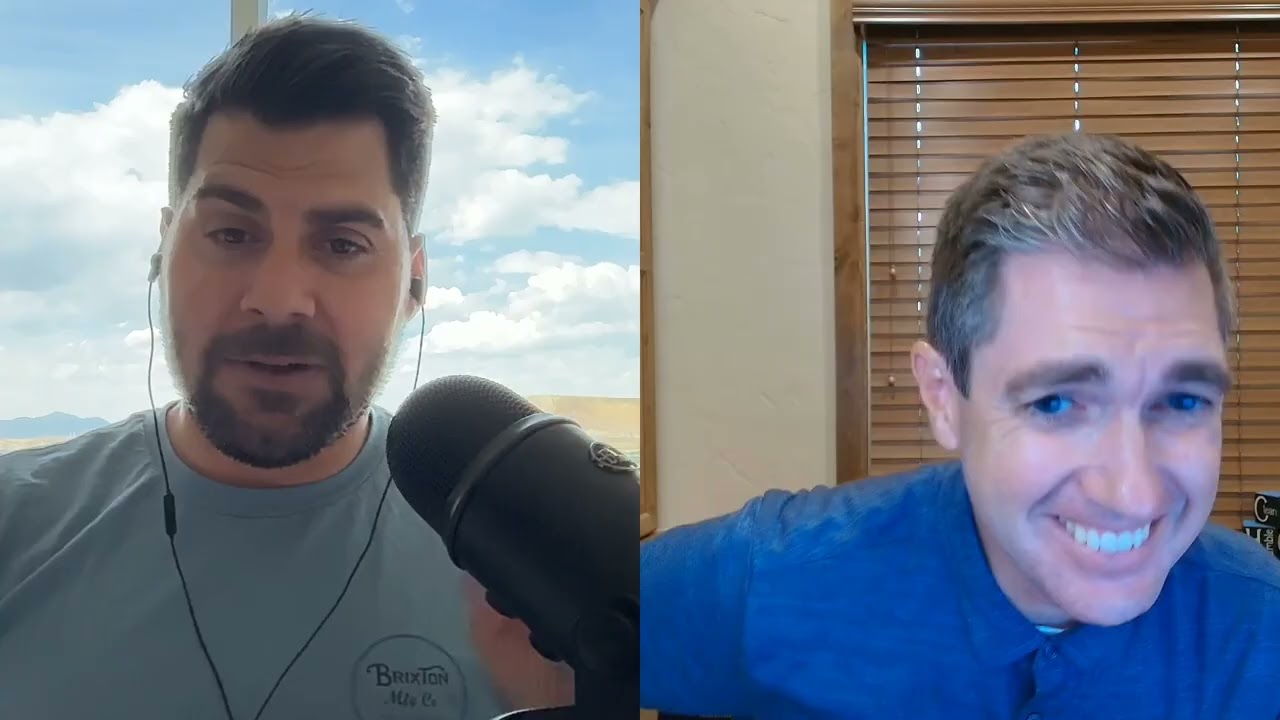
The Million Dollar Dental Membership Plan - Justin Coke
August 19, 2026 · BoomCloud™
About this video
The Automatic Patient Podcast (https://the-automatic-patient-podcast.simplecast.com/episodes/the-million-dollar-dental-membership-plan-justin-coke)
The Million Dollar Membership Plan - Book (https://boomcloudapps.info/squeeze-page1656208290187)
Full transcript
Complete text of this video
Welcome to the Automatic [music] Patient Podcast, where we help your dental practice create a kick-ass recurring [music] revenue model. Here are your hosts, Mr. Jordan and Justin Commtock. This podcast is powered by BoomCloud. Create, [music] manage, and grow your dental membership program. schedule a demo on boomcloud.com. [music] >> What's up everybody? Super pumped to be uh on the show today. I got a friend and an industry expert. His name is Justin Ko. Justin, what's up and welcome to the podcast today, man. >> Hey Jordan, how's
it going? Glad to be here. >> Good, man. Just shipped a bunch of my team off to the Yankee Dental Conference. So, uh it's not as wild as usual in in the Boomcloud offices today, but uh pumped to be, uh going to another event again. So, yeah. How are you doing? >> It was nice. It was nice seeing you guys in New York. I wasn't able to make it to Yankee. I can't fly right now. A little bit of eye issues, but uh I'll plan to
get back at it pretty quick. >> Yeah. Are you guys going to midwinter or any other events? Yeah, the plan is to be a midwinter uh if things work out, but that's that's the plan right now. >> Cool. Yeah, we'll be at midwinter uh at Yankee right now going to Henman. Really, all the big ones this year. So, I I'll I'll go to several of them, but I won't go to all of them because, you know, I got I got a young family and all girls,
they want me to be at home, so I try to stay home. >> I'm a girl dad, too. You got I got two daughters at home as well. That's awesome. Yeah, I got three three daughters and I used to have a dog that was also a female. So, I was really really uh surrounded in all aspects with uh girls. [clears throat] >> It's my world. I got I got wife, two daughters, two female dogs, and a and a company of 250 people with 9 of them
are women. So, I get it. [laughter] It's my world. >> It's your world, man. Yeah. In fact, fun story. My oldest daughter, she's eight, her name is Lennon. Um, and she's a she's she's super rad. She if you go to our website, BoomCloud, you'll notice that there's pink everywhere. So, my daughter is the one that chose that pink and I fell in love with it and now it's everywhere in our brand. The pink inside the software everywhere. And um >> lightning bolt behind you on your
board. >> Yep. I got a a pink lightning bolt. I have pink shoes when we go to events. I have like a pink uh watch band, pink shoes, and pink phone cover. and so do all my employees. And it all stemmed because my oldest daughter, I was teaching her how to set up like websites and that you can control them and change them. And she's like, "No way." And I said, I pulled up the BoomCloud website and because I have access to it and I'm like,
"What color do you want to change that button to?" And she chose this pink color and it just looked really good with with the blue. I call it our cotton candy theme. But, uh, I loved it so much. And uh yeah, my daughters are always a huge influence in in what we do here. They come in, visit my team, and it's it's a lot of fun. So, no, that's awesome. So, Justin, you are the uh do I call you founder or owner of 7 to7 Dental?
What do I call you there? >> Both. I mean, uh yeah, founder, CEO. >> Founder, CEO, owner, all the above. Well, >> uh you started 7 to7 Dental uh over in Texas. uh why don't you tell our audience a little bit about yourself? How how how did you get into dentistry? What did you do even before dentistry? Kind of give that story and and what you guys are doing now at 7 to7. >> Yeah, for for sure. So, it's a it's a common question I get
asked because I'm not a dentist and it's very unusual >> uh for somebody to say that they are a founder and and managing partner of a dental organization if they're not a dentist. So the first thing I get asked when they ask me what I do and I talk about my company and they said, "Oh, you're a dentist." And I'm not. So I I get that question quite a bit. And it's actually quite simple. I was uh I was working in medical device >> uh doing
business development, sales, things like that. Running a small uh uh surgical distribution company in San Antonio. It was uh running it for somebody else, which is great. Um but he made decisions on behalf of the company that were not beneficial to me. uh ultimately and I needed to do something on my own. I'd worked for I'd worked for uh corporate America for about eight years before or probably about six years before I started medical device and and I was ready to do something of my own.
My my friend my really good friend Brian Stewart is a dentist practice uh in San Antonio. Didn't care for the aspects of management, leadership, you know, decision being all things to all people all the time. >> Yeah. All the fun stuff. [laughter] >> Yeah. Yeah. all the things that all the things that make great dentistry great. And uh so we were just in his backyard over beer. We were talking about, you know, life and work. And both of us were pretty disappointed with our work. And
uh so I I proposed that we do something together. And he said, "What do you want to do?" And I said, "I don't know. Dentistry seems like a pretty good gig." He said, "But I think we can do it better." And he kind of looked at me funny and said, "What does that mean?" And I said, "I don't know. Give me a minute. I'll, you know, give me a little bit of time. I'm gonna write a business plan." And uh so I did. I wrote a
business plan for a a dental organization that was high customer touch, a level of customer service that I wasn't used to in the industry and it really wasn't there 15 years ago and extended hours. So, we're open 7 a.m. to 7:00 p.m. Monday through Friday, 9 to5 Saturdays and Sundays. So, we're open almost every day of the year. And that was where we got started. And so, went to the bank, took out a loan that was way too big for my comfort level 15 years ago.
[laughter] We open we opened a small four-out practice uh soon to grow into eight locations about 120 chairs across San Antonio. We got about 250 employees work with 30 plus doctors and orthodontists or general dentists and orthodontists about 40 hygienists about n I think it's 92 dental assistants and then a tremend bunch of administrative team members as well. So >> yeah that's cool. So uh dentistry over beers is how you got into into this world. Yes. Dentistry over beers. [laughter] >> I love it, man. >>
I think some of the greatest things have come from Backyard Beers. [laughter] >> Backyard Beers. No, I love it, dude. That's that's super rad. And you guys have had a ton of success with uh with uh creating and and growing your own dental membership plan, which you know, one of the reasons why I brought you on on this uh the podcast today is because of your guys' success, not only with with your with your practices, but what you guys are doing and how you're growing your
membership plans. So, I think it's really cool. Um, but before we get into that, um, number one, those of you that don't know what a membership plan is, think like Amazon Prime, but for your your patients, where your patients pay you a monthly or yearly subscription in exchange for dental services, savings, and, you know, exams and cleanings. So, if you're not offering one, it's a wonderful way to um, attract and retain patients. But from your your perspective, Justin, why did you guys start offering a membership
plan? because you you started offering one probably before the this interest and wave in the industry of membership plans were you know was was what it is today right so what what was the reason you guys started offering membership plans >> uh so you know for years we called it an IDP or an in-house dental plan we've been doing we've been doing one since 2009 >> and what caused us to do that was you know we were we were one of the lucky ones that got
to open and start a new business right before the 2008 hate recession. So, >> sure. Yeah, >> that was that was a lot of fun and it it proved to us that we knew what we were doing because we got through it. But what we found in being in San Antonio, we had a lot of banking institutions and that during that time there was a tremendous amount of consolidation. What Kobe is the the Washington Mutuals, all of these companies, they were starting to consolidate and that
meant huge number of job losses in in our city during 2009. >> Kind of what's happening right now across the nation. A lot of job losses. >> Yeah, a lot of tech jobs for sure. But yeah, you know, so this was mostly a banking and we had a lot of banks and so they were consolidating banks, getting rid of their employees. And so we recognized very early on that these people were going to lose their insurance. And so we decided to come up with a plan
to it was more of a it was more of a a bridge for them until they could go from this insurance to that insurance. >> Sure. >> But we found that a lot of patients didn't go from this insurance to that insurance. They just stayed on our plan. >> They stayed. Yeah. >> Yeah. They they got sticky to the practice and they liked what we offered. So, they weren't paying the the premium to their next employer. Um the problem that we the problem that we had
with it and honestly the reason that we've enjoyed working with you guys so much is that >> um we didn't have the technology to track and manage it very well. And so I I couldn't have told >> especially at that time. Yeah. 2009 2009 the tech industry was just a baby then. >> Exactly. [laughter] Right. >> Yeah. I I couldn't have told you how many patients we had on it. I couldn't have told you when any of those people were up for renewal. I could have
told you anything. >> Yeah. >> And so, >> were were you guys at that time? Were you were you collecting subscriptions or is it just kind of when they walked in, you renewed them? >> We were not actively I mean, in some of our direct marketing and stuff like that, it was it was in a brochure that we would send out, but it was primarily patients that were coming into our practice. Okay. that you know they came in for our new patient special which is like
a hundred bucks but that's a one-time thing and it's like hey while you're here let's just do this and move you forward and that was kind of our marketing for it. >> Cool. >> But over the years you know we got I I like I said I couldn't tell you how many patients we had on it over the the years before we started working with you guys. But it worked really well. We we knew it worked because we we could we had it in our system
that the patients were there but I couldn't really pull any data on it. So we knew the patients wanted it. We knew they liked it and they they like coming to us and so many people uh you know especially kind of the kind of the whole co era you know so many people started moving jobs and and stopped working at traditional companies and doing their own things. And so I think there was even more need for it probably over the last three years than ever before
because the the job market with gig, you know, the gig workforce and all that kind of stuff, they don't have traditional jobs where they're getting insurance from an employer. So they've got to get it from somewhere. And you know, open marketplace or dental insurance is absolute garbage. In fact, dental insurance garbage at best. And so providing them something that gives them the ability to carry it with them no matter where they are, what they're doing and just carry it along with the body. It made so
much sense to me. >> Yeah. So you saw the demand the demand the demand and the need for it. I mean, if you look at the stats, you know, over half the United States doesn't have dental insurance because I'm sure most most uh Americans realize that, you know, dental insurance is garbage if they do the the simple math, you know, on what they're getting in return, you know, and and what's happening, you know, with insurance, the dental insurance industry in regards to the offer, right? It's
just a terrible offer. So over half the United States doesn't have dental insurance and you throw COVID in there. Um and and just the constant uh even the consistent recessions and and things like that that happen in our economy, the demand just keeps growing. And that's all I've seen over the years is the demand for patients that need some type of mechanism like a membership plan to get access to quality dentistry and and um and save some money by becoming loyal to the office. I think
that demand just continues to grow and and you know we're seeing I I quit I I did a I've been doing a lot of research lately and I found that millions there's millions of searches online every month for dental insurance like alternatives and solutions. Millions patients are searching every day every month for for this type of thing. It's fascinating to me that um the demand for this is so strong and across the nation, right? So, okay. So, you saw uh the need because of the the
your patients were transitioning jobs and you're like, well, let's put you on this and then you realize that it they retained them on that. You're like, okay, this is actually kind of cool. And then you started just offering it regularly and now you offer you it's a subscription uh monthly. What do you offer? Do you offer monthly and yearly subscriptions to your patients that sign up? >> We do. Uh, prior to moving over with you guys, we were it was just a it was a once
a year payment and Okay. They got a bit of a discount for each additional family family member that they brought on, but it was a pain in full >> and that that was pretty traditional. That was well a big part of that was we didn't know uh we we weren't able to to track it uh and bill for it properly because um and and keeping those credit cards on file, you know, we're not PCI compliant, I guess, because we're not Yeah, that that's not how we're
set up. And >> sure, keep keeping patients uh confidential information like credit cards was really kind of outside of our comfort zone. And so being able to build them every month was almost non non-existent. We couldn't do it. >> Yeah. >> We just made it. But that but that makes it to a point where you got a family of four or five where it becomes uh kind of outside of the reach of affordability. And so we we didn't always get those families. And so I really
like the fact that we've been able to take it to a monthly uh annual annual agreement with our patients so they can pay it out and make it more affordable. Do we have patients that still want to pay it in full? Absolutely. We've got some of those we got Dave Ramsey and some um you know where everything's got to be in a plastic bag. you know, this is for dental that, you know, and some >> and we've got a bunch of retired patients that that are
that have very fixed incomes and everything is just kind of the way that it is and they want to pay. So, you know, and we worked with you guys to figure that out so that we could do monthly or annual, but I would say 99% of our patients opt for a monthly option. >> Yeah, that's interesting because like if if I if I owned a practice, I would definitely offer, you know, a monthly membership plan because of several reasons, right? Number one is that it's under
the radar payments. You're not like a yearly payment if it's like $400 a year. Like patients feel that. People feel that, right? Um maybe around a birthday party or a uh like a kid's birthday or around Christmas or you know where they get that money taken out and it's like, "Oh, that actually hurt." Right? So that's why I like monthly is because the under the radar um um payments. I also like them because they're evergreen be because they're under the radar. They they tend to stay
on longer where I've noticed at least with the data I have on our platform that yearly subscriptions tend to cancel or turn out more frequently than monthly uh subscriptions. So, I think that's cool that you guys do that. And you guys actually do something very unique in in the dental space with your with your p your pricing packaging. And um I was inspired by it so much and I'll I'll let you talk about that in a minute because I think it's really interesting. But we were
inspired by it so much here at BoomCloud that we actually for our own service offerings we converted to that type of uh model of of of basically choose your own adventure type model in pricing. >> Funny you say that. I was talking to my marketing director today and I actually use that exact same question. We can choose your own adventure. >> That's what it is, right? And um we we so we switched our own packaging, you know, we we're selling the BoomCloud software and the BoomCloud
marketplace. So um our VP is sales uh Tyson who you met in New York. I think you met him at several times, but um we were hanging out in New York all together, but I remember Tyson coming to me. He's like, I really like what 7 to7's doing with their their packaging. We should consider doing that, you know, to sell our software. And we did that and it increased our conversion rates like crazy. So, why don't you tell our audience kind of how you guys have
set up your your pricing because I think it's genius and I think it really um kind of caters to all types of u of patients and their needs. >> Yeah. So, if you if you look at the traditional model, whether a practice has a membership or they've got an in-house dental plan or whatever they whatever they choose to call it or however they administer it, there's usually a one-sizefits-all option that they put out for everyone. >> And and that one-sizefits-all is typically, you know, a cleaning
or two cleanings a year, exams, maybe an emergency visit, um x-rays, things like that at no cost above and beyond the membership fee. And then and then they sit there and they and they beat themselves up over what the percentage discount's going to be because they're like, I don't want to give away my services. I'd rather mow my grass and do a crown for 30% off. Right? And so, >> um, but the reality of it is is if if you don't give them something that's that
in their mind meets the needs of what it is that they're going to be doing in your practice, then then it's not valuable enough for them, right? And they're not gonna you have to have a a good offer. >> 20, 30, 40, 50 bucks a month for this membership. And so but and then and then setting it up as a one-sizefits-all. Um it everybody wants choices. >> Now if you give too many then then you get uh you get like uh paralysis, you know, like analysis
paralysis from your buyers and they'll choose totally think about it and then do nothing. So >> if it's Yeah. If it's too complicated, people just shut down. They're like, I'm not going to choose. I'm not going to decide. >> Yeah. I call that the cheesecake phenomenon. Cheesecake phenomenon. Right. you get there too many cheese pink options looks like a novel [clears throat] like a like you know like a seven00 page novel can't choose what you want to eat. So you know go to a barbecue place
and you get brisket chicken or >> Yes. >> Right. So you get like three options and but it but what it ultimately does is you set these plans up that are they're going to be mutually beneficial for the practice and for the patient but it also doesn't require somebody to jump into something that they don't need. Let's say you've got a patient that has a lot of they know that they're going to have a lot of dental needs and so they're going to choose my my
my platinum package which gives a lot more service offerings, a lot higher discounts, but it's it's considerably more expensive than my uh than my routine maintenance package which is basically like a preventative and basic services package. And but you know, somebody who's been going to the dentist regularly and may have and may have just recently, you know, retired or lost their dental insurance or choose chose to not renew it, they don't need that. They just want the cleaning aspect of it. They're going to come in
twice a year and they're going to get their cleans. They don't need to pay me the really big and they don't even need to pay for the minimum or the middle one. They need to pay for the the least expensive that's going to get them what they need and we're going to have a patient forever. >> Yeah. you have and then you have patients that really have a lot of needs and they know that and but we even give the option if they choose the least
expensive one come in determine that they have a lot more needs that they've gotten upgrades to that. So we we give them three options and it's uh it's it's better it's good, better, best and >> yeah or low needs, medium needs, high needs. >> Yeah, >> something like that. No, I I think it's amazing. Sorry I I cut you off. Go ahead. >> No, that's fine. And and it's worked really well for us. You know, I've gotten a little bit of criticism from some of my
colleagues. They're like, "Well, that's too hard. You shouldn't have any options." I'm like, "Okay, you do you and I'll do me." And and I found that mine works really really well. >> Yeah. So, let's let's go off off of the data right now because you guys have grown a very successful membership plan. So, you you may have some people say, like you said, well, three plans is too much, but well, let's let's look at the data. Is it too much? Because you guys have, you know,
a growing membership plan. And what's kind of share the stats with what you guys have achieved so far with your membership plan? What what what's the active members? And I know you have mult multiple locations. What uh what are the active members? How much revenue is it producing for membership revenue is it producing? >> Just just so everybody understands, we've been we've been working with you guys since October 21. >> Yeah. >> And since October 21, that puts us what? Right about right about a year
and a half that we've been working with you guys. Is that about right? >> Yeah, I think so. That sounds about right. We've we've grown that and I don't know exactly how many of our old uh IDP patients we everyone that was on an in-house dental plan has since transitioned but I don't know how many of them were transitions or were new uh new members new patients or I I don't have the date on that but >> sure that's fine. What I do know is that
in the year and a half that we've been working with you guys, we've had we've we've had 20 it's just over 2,200 people uh join our membership plan. >> And that's a that's a combination of of uh silver, gold, and platinum. Funny enough, with those with those uh options, I kind of thought people would would tend to kind of go towards the middle. >> Sure. >> And they don't. Um so >> they go the higher end, right? They either go low or they go high. So
>> it's the same on on our packaging, too. I've noticed it's either low or high. >> Our breakup is 45 low, 45 high, 10 middle. >> Wow. >> And I was really blown away because I I thought I knew what the consumer would do, but it it shows how little I know about [laughter] or their decision- making. But what I do know is they needed options and and this allows them. And so, yeah, we're about 45, 10, 45 and and we've added 2,200 patients. We typically
add somewhere in the neighborhood of about 150 to 200 new patients per month. >> Wow. >> That does include that does include eight offices across our city, but >> Sure. >> but but we're still adding about 150 to 200 patients. And funny funny enough, um, a lot of the patients that are joining our membership are not joining in office. They're they're they're patients that have never even been to our practice signing up for our membership. And one of the things that we we have a we
have a person that's their sole responsibility is to manage the membership. And I think um, every new member that signs up, her first job is to call them, welcome them to the practice and get their appointment scheduled. >> So on board them. Yeah. >> So, you have an you have an onboarding person. >> Yeah. >> Or a new patient new new membership patient uh >> committee. [laughter] Well, that's exactly what it is because the one thing I don't want them to do is is join >>
and not show up >> and then and then get nothing from us and then like, well, this is dumb. And and then they forget to call and they're like, oh, well, I see this. I don't need that anymore. So, our our goal and and it's there's been studies that show that the the the quicker you get with somebody who signs up for any type of a a subscription of membership and you get them you get them acclimated and on board and moving forward with it, the
longer they're going to stay on it. So, that's a big deal for us is making sure that we are the first you get a phone call from us immediately immediately to schedule um and get them practice. >> Yeah. No, I think that's really important because I mean um onboarding is so critical like you said, especially in a subscription economy, right? Um and if a patient is signing up online without talking to anybody, it's awesome. You want to quickly connect with them and and get them in
the schedule because a lot of the times we we see that, you know, member patients spend three times more with a practice than than non-member patients from from our data. Um, and I think it's really critical to get these these types of uh patients in because of the value they they bring to the table, right? And obviously it's it's just a win-win for both the patient and your practice. So, with that with that many uh active membership patients, what what what type of monthly recurring revenue
are we looking at here with your platform or your program? >> Right now, we're we're about 85,000 and growing. >> Yeah, that's amazing. So, >> so that's that's that's uh a million-dollar membership plan. >> Yeah. So, and it like I said, it's continuing to grow. So, we're we're really pleased with the results. Um and you know, my my director of marketing, he has he does most of the work on on getting this out to the community. But his goal is to have uh you know, I
I don't think we're going to meet it because we're we're not we're not moving at the trae trajectory wanted. We're kind of staying level on the number of patients that join per month. He was really hoping to skyrocket it, but we're staying very we're staying very consistent, but it he was wanting to have four or 5,000 members by October of this year, which is obviously we're not going to meet that number, but I I don't have any doubt in my mind that we'll probably be somewhere
above 3,000 by October of this year. >> Yeah, I would imagine. What What are you guys doing to to promote externally? So, because you got obviously patients walking in and you're educating them. I'm guessing you have signage and your your team is maybe trained to, you know, talk about joining the membership plan from like an internal marketing perspective. Um, is there any did I miss anything there? Is that is that kind of what you guys from an like as patients walk in, are you are you
is your team or teams talking uh to patients about it? What what are they doing internally? The first thing that we did was uh we we came up with a with a picture that we put in every one of our lobbies and it's basically a bunch of blue umbrellas with a our colors are orange and blue so it works for us but >> sure >> it was a bunch of blue umbrellas with a big orange umbrella sticking above all of them and it says drop the
insurance we've got you covered. >> Yes. >> Got brochures and we've got brochures throughout the office. >> We have uh we have televisions. We have two t two TVs in every single operatory that we have and we use a a marketing uh basically like you go to a bar that has like advertising and then it does some some entertainment stuff like chive or something like that on the back end. We do the same thing. And so >> we make custom videos and do all kinds of
things. And part of that real marketing is going to be for our membership plan and and trying to convince people to kind of transition away from dental insurance. We don't tell them that dental insurance is bad because that's the last Yeah. You don't want to talk negative. We can >> you don't want to tell somebody that their baby's ugly, right? And >> yeah, especially like to a patient like behind the scenes like, you know, we can make fun of insurance all we want, but when you're
talking to patients, I think there needs to be a little bit more class, right? And not >> Oh, there's there's always and you know, when we're talking to patients, we're like, "Oh, we love your insurance. It works great in our office, but we don't really mean it." I mean, it works it work it does work good in our office as good as dental insurance can. >> Sure. Yeah. No, I like that. And so um but yeah, we we started kind of just internally starting the wheels
marketing. But um our team because our team is so comfortable talking about a dental plan just modifying the verbiage to a membership and having options was not really that difficult for my team. It's not we weren't adding something a new layer of complexity that they had never seen before. >> Yeah, it's pretty simple. >> So that was helpful. We just had to kind of get everybody on board with what the different tiers were, which wasn't too challenging. Um, my my hygienists really like it. My my
treatment coordinators love it because, you know, you can take somebody that's got a, you know, a $5,000 treatment plan and it's got a $5,000 treatment plan and say, "Hey, you know, if you joined [clears throat] our membership, you'd save this much money." And they could kind of show them options. A lot of times patients are saving more on their restorative side >> with than they pay for the membership for an entire year, right? So yeah, my treatment coordinators absolutely love it. They they won't shut up
about it to patients that come in that don't have some type of insurance. >> Yeah, a good treatment a good treatment coordinator is valuable be especially with membership plans because they understand the both the pains of the practice and the patient and they can kind of use those two to create a really good relationship between your patients. That's awesome. So, oh go ahead. Once we once we kind of got the internal stuff mapped out, we need to start looking at our external side, our directto patient
marketing. So, uh that's something that we have always done. We've always been very big on directtoatient marketing because it I look at I look at marketing much like I look at dental supplies. If you don't have dental supplies, you can't do the dentistry for the patients. But if you don't have patients, you can't do any dentistry. >> Absolutely. I look at it kind of like air where a lot of practices look at it like an expense. I look like I look at it as a requirement
to run our business. And so we've always been very heavy in the marketing. We do direct mail, we do PPC, we do SEO, we do uh geo targeting for uh around emergency care clinics for you know like urgent care clinics. We we're on Hulu. We do geoence geo fencing on Hulu. um uh Pandora, you name it. We do all kinds of stuff. We're we're on our local radio stations, you know, the soccer mom, the top 40 radio stations. We're We've been marketing with those guys for
years. We do DJ testimonials. So, all the DJs that talk for us, they're all of our patients and they >> Oh, that's awesome. >> So, and you know, we sponsor UTSA. We we do all this sponsorship stuff. And so, we we had a pretty easy time getting it out there. is just kind of modify your message a little bit and say hey look what we got here and it's been very very effective. >> Yeah. So, it sounds like you guys use multiple form multiple marketing channels,
which I would obviously recommend because that's how you grow. There's no one silver bullet marketing channel that's going to work, right? Um, I mean, what I would recommend is you if if you're if you're new to marketing your practice, choose one, get good at it, and then and then bolt on the next one, right? And keep adding uh multiple marketing channels because it obviously could get overwhelming if you're trying to do all of them at once. But from radio ads to direct mail marketing to uh
PPC or Google search ads um and the the Hulu commercials, that's actually really creative. Uh I don't think you see too many dental offices doing that. So that's really interesting. And I would imagine it's digital a digital advertising platform. So it probably be pretty straightforward to set up from what it seems. >> Yeah, my marketing director handles it all from his office. He does it, you know, it's it's nothing just and we make we regularly every month we're making new videos and so we've got a
work with a company that does professional videos for us. And so every month we're making a video about something either it's a training video or marketing video or talking about end ofear benefits or membership or whatever it may be. And what I think what we run primarily on on Hulu when it's not a specific time of year that we're promoting one thing or another is our membership. >> Yeah. Yeah. And how on on like a Hulu type commercial, how are you getting people are you getting
people to call or are they scanning like a QR code from the TV? What like what are what are they doing? >> Typically we we've got a QR code that comes up on that ad. >> Our goal is not for them to call >> about the membership. It's to go and and look at it. And so um it takes them to our landing page. The QR code takes takes them to the membership landing page. >> Um I don't want them to call it first and say,
"Hey, tell me about your membership." >> Yeah. You know, we take, you know, we take about six to 700 phone calls a day from our patients trying to schedule appointments after this that and the other. >> So, you're trying to manage that. Yeah. >> Trying to manage just ask, you know, answering a million questions that we actually have answered, you know, frequently asked questions on our website. So, we encourage them to go there first and then if they have questions, obviously call. But that's that's kind
of the direction. But it also, you know, it's also very easy for them to sign up right there. It's like boom, here you're here. Here's what it is. and they'll sign up. >> Yeah, that's that's really interesting. And you you guys have a like a marketing team, right? Is that Travis? Travis is the marketing guy, right? >> You call it a marketing team. Travis is the marketing team. So, Travis is all things marketing. >> That's the beautiful thing about marketing though because it's a it's a
one to many uh type uh department or or system in a business. So, you don't need a large marketing team. And because you guys have how many locations you guys have right now? >> Uh we've got eight. Well, nine in May. So nine nine locations in May and you got one guy doing all the marketing for all locations. So that that which is pretty cool because like I said marketing is a one to many type um business uh function. So you really don't need a ton
of marketers. You just need one one guy who's smart. Yeah. A good one. Right. So and and that's the fun part too is that's my favorite part about business is marketing. Um, you know, and that's my knowledge of marketing. That's how I was able to start my company, BoomCloud. And, uh, with my knowledge of marketing, I was able to scale it, just being one one dude at the time. Right now, we got a whole team. But, no, that that's the power of a good marketer. So,
a nice job finding Travis. I don't know how you found him, but uh, Travis, right? Do I >> That's right. Travis. >> Okay, cool. Um, I I talked to lots of people, so sometimes I get names mixed up. Um, one of my last questions I have for you, uh, we didn't talk about this, but I've I've been getting this question a lot, and I know you have experience with it because I want to connect you with several, uh, practice owners that have dealt with this. Um,
there's a practice up in Idaho that I talk to a lot that it's on our platform and and they're like, "Jordan, we got all these practices kind of, uh, very similar to your setup. I think they have a few practices and they're non they're non- dentists, right, that own them." and he's like, "We got all these uh all of our our associates, you know, our dentists that work with us. The hardest thing that we're dealing with is is getting them convinced on the membership plan because
they think that, you know, they want to collect full fee for their what they do, which I totally get. Like I I get it. I am also a big believer in in if you if you are strategic with like discounting and helping patients save then it could it will pay way more than than um you know trying to collect 100% of your fees. So you got uh practices or dentists that you know are have a hard time with the the the mindset and then you have
also dentistes dentists that may maybe be associates and they're like well how do I get paid for this? Right? So that those those are the two questions I have for you. How did you solve that with all the docs you work with? >> It was a very it was a very tough time of life. [laughter] It was it was it kind of goes back to the beginning of our conversation when I was talking about doctors not wanting to give away 30% because they're like because >>
and and and I understand the the initial principle. >> Yeah. If I if I if I get something if I get $1,000 for doing something and then I do it for $700, I lost $300. >> Sure. >> But but what but what they're missing is is that a 100% of the thousand procedures that you present are not going to do it. So if if a 100% of your patients always did everything that you wanted when you said to do it, there's no there's no reason to
have anything like a membership that gives discounts and benefits and reasons for them to get this stuff done. But what ultimately happens is is that you present this $1,000 treatment or this 10,000 or whatever. Let's say a thousand for mass $1,000 procedure and and we're talking about fee for service, right? We're not talking about insurance specific fee for service. Very few people are going to do that unless they're in pain. >> And if you say, but if you say, "Hey, here's a membership that as a
practice owner, I'm over the course of a year, I'm going to collect." Now, the associate doesn't get this, but the but the practice, $400, >> and then but the associates also want they they say, "Well, I want some of that." It's like, "Well, you're not paying for any of the hygiene that we're doing for free." So >> yeah, >> this is a wash. But >> so so you say, okay, well, you know, maybe maybe 10 to 20% of the patients will do that. So out of
10 procedures, you're going to do two on the high side. >> Yeah. >> So you're get So you're going to get $2,000 worth of production. But if you have somebody on a membership who has who has made a personal commitment to your practice and to getting their dental care done, >> commit a commitment with their wallet >> and [laughter] so they had to pay for it. So now now they want to use the benefit that they've paid for. And so okay, now I'm going to do
uh $700 crowns. So let's say it's a 30% discount. I'm going to do $700 crowns, but I'm going to do 50% of the ones that I present. >> Sure. >> So now I'm five instead of two. >> Yeah. >> So now instead of doing $2,000 worth of production, I'm going to do what? $3,500 worth of production. >> Yeah. >> Yeah. A lot more. I've almost doubled it. And if I and if I can increase that just one more, then I' i've more than doubled the amount
of dentistry that I'm going to do. Yes, it takes a little bit more time. But the associates aren't paying for the supplies. The associates aren't paying for anything. The only the only thing is is a little bit of difference to how they get paid. But if they weren't doing those other crowns at $700, you know where they would be, >> right? >> Behind a computer doing nothing. So, it's it's a matter it's a matter of filling chairs with reasonably priced dentistry that doesn't cost the practice
money. You don't want to do things that are going to lose you money, but >> if the associate wins, the practice wins, and the patient wins, >> totally. >> There's no reason not to do that. And and and it's funny because when we first did this, I got doctors that that are doing, you know, Delta Dental's probably the largest dental insurance in the country. Most practices, even those that don't accept most insurance, many times will accept Delta because they make it so challenging to be out
of network with them. >> Yep, they do. >> They'll sit there and they'll do Delta dental crown fees for, you know, in San Antonio, our Delta dental crown is $640. My usual and customary fee for a crown is $1,250. And they do those all day long. And they've never said a word about it. Mhm. >> And we roll out our membership plan and [laughter] and the crown fee is like 750 bucks. And you would have thought that I that I just stole their child or something.
[laughter] Do you do this to me? And and so I mean it we went through this. I had some doctors that were like, "Hey, no, I get it. I understand economies of scale. I'm going to do more work. I'm gonna >> Yeah. >> And then I had some that didn't. But they also the big one of the biggest challenges I had is like look you guys are acting like every single person that walks through here to do dentistry [clears throat] with you is going to be
a platinum member. And I said but I said but think about the data behind this. I said we we saw we saw 47,000 hygiene patients last year and 2200 of those are membership patients. >> So it's a small percentage of everyone that [clears throat] we're seeing. So you guys are really overestimating how many membership patients we're seeing. But you should want to see membership patients because and here's the number one thing to get past associates with because most associates are paid off of net production or
collections. >> Sure. Yeah. >> I don't have to deal with any other people other than the patient to get paid for the work that you've done. I make it a between the doctor and the patient and we collect that money. So that means that you get paid right now. There is no there is no fear of the insurance company going uh that's not in their policy. Uh you can't do that. Uh you can't charge a patient. No, you can't do this. We don't tape crown. We
don't see that that needed this. Oh well, you should have done a we're going to downgrade that from a bridge to a partial because they are missing a tooth in the other quadrant. None of that nonsense. So everything that you agree with of the patient, you're going to get paid for and you're going to get paid quicker because we're not dealing with third party payers. >> Yeah. So uh we'll sum it up for them. So number one, a membership plan can act as a attraction tool
or marketing tool. It allows uh the practice to generate predictable recurring revenue, which is a cash flow strategy. It it appears that membership plans help increase the conversion rates of treatment acceptance. So it's a sales tool [laughter] and then um it helps uh retain. So, it's a loyalty system. And number three, the last one would be an avenue to reduce dependence on PPOs. Did I miss anything there, Justin? [laughter] >> You nailed it. The reality of it is >> Oh, and a patient experience tool because
you don't have to deal with the the the BS of uh dental insurance and the patient doesn't have to, neither does the practice. [laughter] One of the I would say one of the I mean very rarely are are our patient frustrations do they come from the interactions and the dentistry that's being done. >> Sure. >> It really comes from some kind of misunderstanding about how their insurance works >> they're in and and you know how much the insurance cares? >> Zero. They don't care. >> You
know how often they answer the phone and answer those questions in a way that the patient's going to understand? >> Zero. But you know who always answers their phone? >> We do. So we get to be bad guy on behalf of the insurance company something wrong. And and a membership allows us to not have those miscommunications. It's like >> here's what it is. >> Here's what your discount is. Here's how much you owe. And we're going to do that for you. And you're not going to
get a bill from us later because this is what it is. >> Yeah. Simple. >> Yeah. >> No, I love it. No, thanks for answering that question because I I may link you up with a couple uh practice owners that they may need help with uh their associates and kind of because you you you've expressed your your your story to me in in New York and I thought it was interesting how you were able to handle that and and coach your your team and I think
it it requires some leadership skills and I think uh that that's awesome that you were able to do that. But dude, I I appreciate you coming on this show and and sharing uh you know, information to our listeners about how you've grown a million-dollar membership plan and growing, right? It hasn't stopped there. That's a beautiful thing about these membership plans. They're not static. They continue to grow and offer more value the more effort you put into it. So, I think it's amazing. So, um, for all
of our listeners, I do have a book, um, that teaches you how to grow a million-dollar membership plan, teaches you how to think about marketing and a lot of the things we talked about, uh, on on the show today. So, go to boomcloudapps.com and I have a free book section on our, uh, homepage that you can go to and grab those books. Um, it's fantastic. So Justin, I I know you also own a a little company called uh Treatment 247, which is another software tool. Why
don't you explain a little bit about that and direct some of our listeners over there so they can check that out, too? >> Yeah. Uh thank you for for uh plugging us. I appreciate that. So basically treatment 247 I created this back in 2010 >> um >> because I'm just a I'm just an old salesman at heart and I found that practice the practice management software that we have is absolutely horrific. any dentist, any any office manager, any anybody that works in dentistry that needs some
type of administrative or or realistic understanding of what's going on knows that Dentric, Eaglesoft, Open Dental, all of those and almost all of them anyway are pretty much garbage. They can't they don't track anything. >> Yeah. Chart and a schedule. That's about it. And so and and the treatment plan that these things spit out was was so confusing. patients would, you know, I had patients ready to move forward as I would treatment plan them and then they would see this treatment plan with a bunch. It
looks like they I may as well have rented candies. I mean, it was they they couldn't make heads or tails out of any of it. So, I created something that allowed us to present dentistry in in layman terms. So, instead of, you know, a resin composite, two surface posterior says filling, right? And >> and then and it took all of the numbers out of it. It took all of the the fee, the insurance coverage because I felt that that was lying to patients, telling them how
much their insurance was going to pay because we don't actually know. >> You don't know. Yeah, >> we don't know. We we and and you can say the word estimate to patients all day long, >> but they still think it's >> so we just changed it to how much the patient owe and you know, they're like, well, how much is my insurance cover? Like it's going to take care of the rest. And but more importantly than that, so we we created this very simple uh treatment
plan for patients to use. And we've even improved it now where it's a it's a full from start to finish payment payment uh platform. So the patients got a QR code on their treatment plan. They can scan it, make their payments. It ident lets us know when those payments have been made so we can schedule the patients. But so if they don't want to make the decision right in office, they need to talk to somebody. They don't have to call back and pay for it. Um,
but it's a CRM and for anybody that's ever been in in a business environment, CRM is imperative for you to understand are >> and Dentrics has no CRM. Eaglesoft has no CRM >> and none of the practice managements have a CRM. And so, um, every patient that you create a treatment plan for in Dentrics, when they walk out of the door, if they don't schedule and do that dentistry, right, then they just they vaporize in into thin air. They're gone. your team doesn't know how to
follow up with them without looking back days and days and days on your schedule, then looking at the treatment, going to their chart. So, we created a CRM. Uh we're we're synced with Dentric, Eaglesoft, Open Dental, so everything is real time. Uh so, the second you put it in Dentric, it's back in our it's back in our side and it keeps track of um everything. It keeps track of who the doctor was, who the treatment coordinator was, all the notes that the treatment coordinator leaves about
what they talked to the patient about. It has follow-up. So, it will remind the treatment coordinator next time they come in. Here are all your follow-ups for the day. Then you can you can set the managers can set objectives for them on follow-ups, things like that. >> But cool, >> millions and millions and millions and millions of dollars that most practices have in opportunities that never get touched again until that patient comes back for their six, eight, 10, 12 month recare visit or 18. You know,
most patients aren't even on a six month. So, it's just millions and millions. And so what most practices do is they're like, "We need more new patients." It's like, "No, you don't. You need to be more effective with the treatment plans that you've already done." >> Yeah. No, I agree with that. No, I I think you guys have a really cool product. And in the same way I think about um Yeah. most practices think they need more patience, which I think obviously you don't want to
turn that off, but there's probably more value in in the existing customer or patient base than what most practices realize is. that that's why I think most successful companies grow is because they realize that they don't want to ignore their current customer base or patient base because of the the opportunities that probably are sitting right under their nose and they already have a relationship with those patients, right? So, I think >> new patients are new patients are a must in any in any business or new
customers, new patients because you're gonna have natural attrition. People are going to move. People are going to go somewhere else. um whatever the case may be. But so many I mean really I believe that probably the most mismanaged business in the world is hygiene department of any dental practice and they allow the patients to just go away and and and they don't it's like they've got a database of patients that that are that were their patient and they just like well they just keep filling them
with new patients and and so it's probably >> get them back. Yeah. >> Get them back. I know that's one thing that I look at being, you know, obviously I don't run a a dental practice, but business is universal. I run a software company and our existing customers there's a lot of value um you know packed in there and and offering them new services or ways to help them you know grow their membership plan is that's how I think about it like and I'll let my
VP of sales you know focus on the new customers but I'm I'm focused on adding more value to our our current customers right and learning from them. I think that's, you know, really how successful companies, you know, grow and and and become better. So, man, um, share the website. What's the website for treatment2247? >> It's treatment2247.com. That's the word treatment, the number two, and then sen.com. >> Cool. I'll put that in the show notes. Go check their that product out. Justin, man, thanks again for coming
on the show. I I hope all of our listeners have learned something new today. I always do when I talk to uh you. It's it's always fun to pick your brain and and see what's made you successful. That's one of my favorite things about podcasting is learning from other people. So, thanks again and uh we hope everyone has a rocking day. >> Thanks, Jordan. It's always a pleasure to talk to you, buddy. We'll see you soon.