Videos / Watch
The Prison That Changed Dentistry: Roy Shelburne's Story Every Dentist Needs to Hear
August 6, 2026 · BoomCloud™
About this video
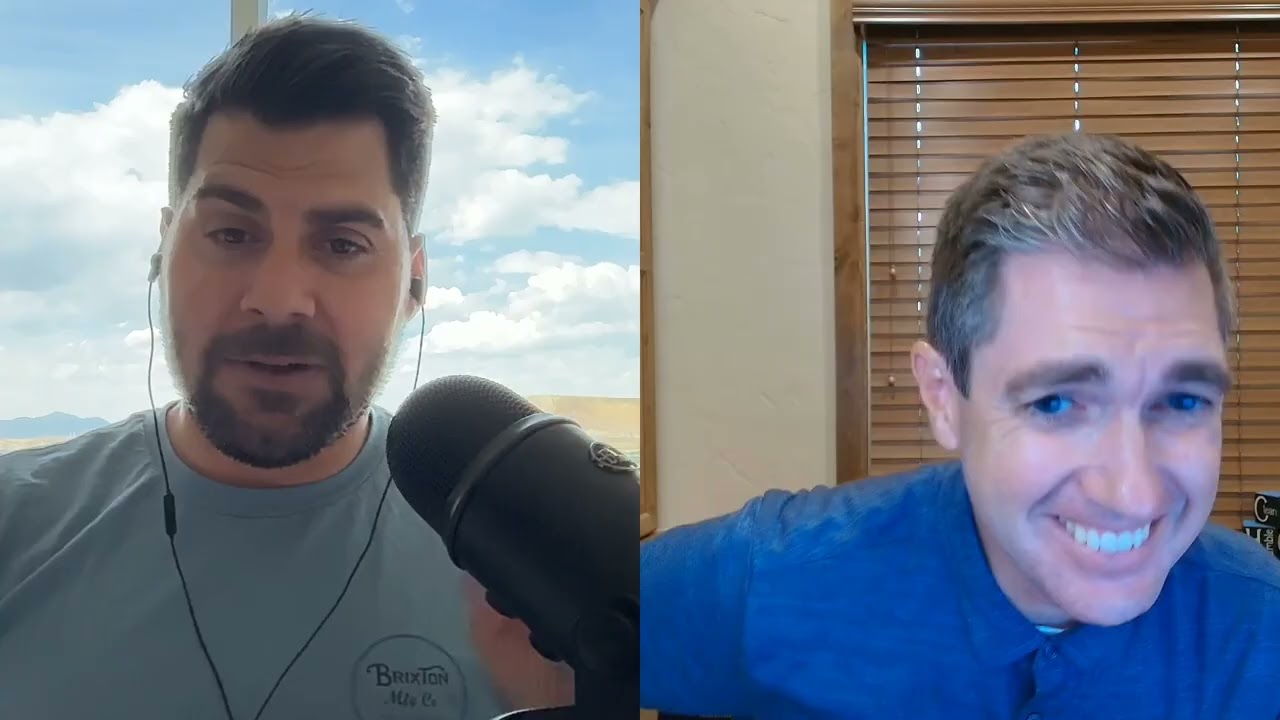
What if one billing mistake changed your life forever? In this powerful episode of the Navigating Dental Insurance Podcast, Jordon Comstock sits down with Dr. Roy Shelburne to discuss one of the most remarkable stories in dentistry. After being convicted of healthcare fraud and serving 19 months in federal prison, Roy dedicated his life to ensuring no other dentist experiences what he did. Together they unpack the legal pitfalls of dental insurance, documentation mistakes that can lead to fraud allegations, why ignorance is never a defense, and how practices can protect themselves while improving collections. They also discuss the financial pressures facing dentistry today, strategies to reduce dependence on PPOs through patient membership programs, and why recurring revenue creates stability in an increasingly difficult reimbursement environment. This episode is a wake-up call for every dentist, office manager, and dental biller who wants to protect their practice, improve profitability, and avoid devastating legal mistakes. The transcript centers on Roy's experience, the importance of documentation, fraud prevention, insurance compliance, and financial resilience.
Resources
Dr. Roy Shelburne - https://royshelburne.com/
Manage and Grow a patient membership plan with BoomCloud – https://boomcloudapps.com
Full transcript
Complete text of this video
What's up everybody and welcome to another exciting episode of the navigating dental insurance podcast. I'm your host today Jordan Comstock with me a dear friend and amazing person in the dental industry Dr. Roy Shelburne. Roy, what is up man? How are you doing? >> I'm doing great. You know life were any better I guess I would it would be illegal again. >> [laughter] >> Fantastic. Yeah, let's let's actually get right into it because you have you have an interesting story an interesting and difficult story that
you've gone through. But I've known I've known Roy for a long time. We we met probably probably through ADMC, right Roy? >> I think so. A few months ago. >> Yeah, so like right right when I was starting boom cloud. I I think I I went to one of the first ADMC events. It was in Hawaii, which is my favorite place in the whole world. And I think that's where I met you. >> Yeah. >> Did you go to the Hawaii one? I think it was
>> That was a great meeting. Yeah, had a great time there. >> Yeah, perfect. Yeah, so it was I think it was in Hawaii, which is the perfect place to hang out and meet somebody. >> This is true. >> Yes. [laughter] >> This is true. >> So so I was on Roy's website this morning and I read a piece of his his website that I that I want to kind of just set this up so people can you know know who what what Roy's gone through.
So it goes like this. Some some dentists may fear litigation, but few worry about going to prison. On October 24th, 2003 the FBI broke down the back door of Roy's office and confiscated all of his business and dental records. Over the course of the next 3 years every aspect of his life was subject to the closest scrutiny. He was indicted in October of 2006 and March of 2008 Roy Roy was found guilty of health care fraud. Racketeering and money laundering and spent 19 months incarcerated in
federal prison in Oh, at the federal prison camp in Manchester, Kentucky before his release in 2010. Roy, welcome to the show. I'm so glad that you're here to educate our practices. Like I said, I've known you for a long time and you're such a wonderful person and so fun to hang out with and talk to. Um so, let's get into it, Roy. I'm I'm sure you'll go deeper in your story, but let's walk through it. >> [laughter] >> Yeah, I guess the listeners are kind of
scratching their head and go, I don't think I've ever heard a CE quite like that before. >> [laughter] >> Yeah. And to be honest with you, my passion is to be the last dental professional who goes to prison for things they didn't know or understand. So, >> Yes, absolutely. >> Um you know, I was a big CE guy. We lived in the still live in the same place, western part of Virginia, as far west as you can go and still be in the state. And on
October 24th, 2003, I'd flown from Virginia to San Francisco, California to the American Dental Association meeting. And it was 2 years after 9/11. Rudolph Giuliani was the keynote speaker. Of course, he was mayor of New York when the Twin Towers came down. He was speaking on leadership, and I was so into what he was saying that when my phone began to vibrate in my pocket, I didn't notice it, but the gentleman next to me did. He elbowed me, he said, "I think your phone is vibrating."
So, I folded my phone back up and put it in my pocket, and it was my wife who was calling. She wasn't home, she was visiting my daughter at Virginia Tech at the time. So, she knew I was at this meeting and would not normally have interrupted, so I thought it was a mistake. So, I folded my phone back up and put it in my pocket, and I waited for Giuliani to finish. And as everybody filed out of that large auditorium in San Francisco, I opened
my phone, I called my wife. It connected, and there was silence on the other end, which is unusual for my wife. She's usually started her sentence before the phone connects. She starts her >> [laughter] >> life. But, there was silence. I said, "Debbie, are you there?" Finally, she said, "Roy, I am. Are you sitting down?" Have you ever had a phone call like that? >> That is not a good start. Yeah. >> No, not a good start. I knew what was coming next was not going
to be good. I said, "Do I need to be sitting down?" She said, "Yes, Roy, you do." I said, "What's up?" She said, "James called." He was our custodian, took care of the office. Um He said, "James called." She said, "James called to let me know the FBI has come to your office. They battered down your back door and they're taking all your records." I said, "Are you sure?" She said, "Yeah, he sent pictures." A gut punch, obviously, and I I tried to reassure that must
be a mistake, something's going on, and that they should not be so. Never really believing that that was the case, but I tried to make her feel better, hung up the phone, and I was sitting in this now partially empty ballroom in San Francisco trying to figure out what I was going to do with the rest of my life, and I thought, "Well, I'll call my office." It was Friday, no team was there. I didn't expect anybody to answer, but you know, four rings and somebody
picked up. "Hello." I said, "Hello, who is this?" I The voice said, "Who's this?" I said, "I'm Dr. Shelburne, the person who owns that office and the phone you're talking on. Can you tell me what this is about?" The individual introduced himself as an FBI agent and explained that I was a target of health care fraud investigation. That he had executed a search warrant and they were gathering evidence to determine whether or not they were going to move forward. And I asked him, I said, "What
is this about?" He said, "Doctor, you know what this is about." I said, "I'm sorry, I have no idea." >> No. >> "Do I need to be there?" And he said, "No." "Do I need an attorney?" He said, "I can't advise you." Hung up the phone, went back to the hotel. Luckily, there was a seat open on the flight back home, flights back home. Uh packed up my stuff, went to the airport, got home at about 10:30, 11:00 that night, and drove past my office surrounded
by crime scene tape and multiple FBI vehicles. >> This search and seizure just happened to occur the day before county's fall festival. There were booths set up on the sidewalks, there were parades through town, and guess what the topic of conversation was. >> That. >> Uh yes. Yeah. Um largest town in the county, uh very rural, very poor. Um population of the town is 1,800, population of the county is about 20,000 at the time, so very small rural Yeah, everybody knew everybody else, so everybody knew
what was going on. Um we were under investigation for over the next 3 years. Everything in my life was overturned. They had more information about me than I had about myself. Um at one point, three te- teams of officers I had three kids that were in universities at the time. Three teams of officers on the same day at the same time went to the bursar's office, got my children's schedules, enlisted help from campus police, who took them to the classroom my children were in. They interrupted
the classroom, they flashed their FBI insignia, and said, "We need to interview these students." Pulled my kids out >> Jeez. >> classrooms and interviewed them individually for about an hour and a half to 2 hours each. As a parent, >> How old were Yeah, that's How old were your kids? >> They were 20, um 20, 20, 19, and 17 at the time. >> Got it. >> So, >> Wow. >> Yeah. Um there was no stone unturned. Um was indicted 3 years and 3 days after the
search and seizure I was working came back home is Thursday which was our early day we started at about 6:00 in the morning and got done about 2:30 3:00 in the afternoon had gone home there was a knock in my door at about it was about 4:00 4:30 and the officer that I spoke to when I called home from California during the ADA meeting was at my door and he said Dr. Shelbourne I'm here to arrest you. Um escorted me into the kitchen I had handcuffs
on I had a chain around my waist attached to the handcuffs so I couldn't raise or lower my hands any further than maybe 2 in had leg irons on was being read my rights the phone began to ring. My wife was on my right shoulder with her right hand on my show on my left shoulder right hand on my shoulder phone began to ring she turned to answer it and the officer stopped her and said Dr. Shelbourne we can't or Debbie we can't let anything interrupt
this proceeding please do not answer the telephone so she didn't she turned back around put her hand back on my shoulder and it was my daughter who was calling we could hear the answering machine pick up and her message which was through her tears mom dad they're here they're taking my car I don't need my car. What's going on at home are you guys okay? Because I was charged with racketeering and money laundering it allowed the government to confiscate everything I own so that officer came
with seven other officers so there were eight officers all together to arrest me they came with three flatbed car haulers they pulled the vehicles out of the garage put them on the flatbeds and took them away they took possession of all our bank accounts and all our assets at that point. Try to hire an attorney and expert witnesses and prepare for a trial with nothing. >> Yeah. >> Kind of tough. >> Yeah. >> The The was in started in February of 2008. It was 9 days.
Um the government brought uh 118 instances that could be construed as health care fraud. And I only needed to be found guilty of one of the 118. >> Oh my goodness. >> So and I was charged with racketeering and money laundering as well. So they threw the book at me. Um trial lasted for 9 days as I said. The first 3 days were about our lifestyle. And the things that we had, the cars that we drove, the vacations we went on, making the jury believe that
I committed health care fraud to fund my lavish lifestyle. >> Sure. Geez. >> So um we prepared for the allegations. We didn't prepare for the evidence they brought that made us look like rich abusers of the system. Um was found guilty on all charges. The jury finds guilty or innocent. They are never made aware of the amount. The amount that I got that I wasn't entitled to and did we make mistakes that we did get money that weren't entitled to? It was a Medicaid issue and
over the 6 years they did the investigation, we were paid 3 and 1/2 million dollars. And at this point typically if I have an audience I'm lecturing to, I'll ask them, "What do you think the uh the government determined that I got that I wasn't entitled to of the 3 and 1/2 million?" And we get have guesses all over the board. But the amount that they were able to establish I received that I wasn't entitled to of the 3 and 1/2 million dollars was 17,899.57 which
is 0.01% of the amount that we collected. Yeah. >> And I thought that was a pretty decent error percentage, but the government did not. So I I went to prison for funding my lavish lifestyle over the course of 6 years with 17,899.57 cents. >> So like I said, one of the things that I didn't understand was the definition of intent to defraud. I knew it meant if you intentionally submitted claims for patients you never saw, for services you never did, that's intent to defraud, but it's
much broader from a legal standpoint, which includes blind disregard, which means if you continue to make similar errors without having systems to to identify and correct those errors, then that's intent to defraud. And do we make mistakes? We did. >> Sure. >> Shouldn't it have been returned? Yes. My My point always was if I got anything that I wasn't entitled to, happily I would have be happy to return it with any interest or penalties added to it. Never given that option. The best option I ever
got to settle before going to trial was 3 years in prison and a restitution of $300,000. That was the best offer I ever had. So, um that's my story that I'm sticking to. >> For the $17,000? >> For $17,899.57. >> Yeah. Man, that that number seems to get old to say that. >> Yeah. [laughter] And typically I ask So, I got $17,000 I wasn't entitled to, and how many of you pay taxes? And I hope everybody raise their hand because if you don't raise your hand
and pay your taxes, you're going the same place I did. >> [laughter] >> Yeah. >> But how much do you believe that the government and you as a taxpayer to investigate, to prosecute, and to incarcerate me? >> Yeah. >> And conservative estimate is $1.3 million to regain $17,899.57. >> Yeah, sounds like an inefficient government. That's not That's not surprising to me whatsoever. >> Yes. >> Right? Cuz like >> Clearly that's that's true. That's true. >> Yeah, so I like this is a crazy story for $17,890.53.
>> [laughter] >> Did I Did I get the cents right, Roy? >> Yeah, yeah, exactly. >> Okay. >> So, my my life since then, I've become an American Dental Association subject matter expert on documentation, billing, and coding. I'm an insurance billing expert. I I'm I'm passionate about being the last dental professional that goes to prison for things they didn't know or understand. So, um to be able to protect yourselves, do you need to have systems to identify and correct errors? Yes. Do you need to be
perfect? No, nobody's going to be perfect, but implementing those systems will help take that off the table. Um and a lot of people ask me about insurance. My position is it's it's a necessary evil, I suppose. Um are there ways to be able to navigate our world today in dentistry and be little or no interaction with an insurance plan? Yes, that's possible as well, but the choice is yours. I can't say this is this is what everybody should do because you can't say that. >> Everyone's
different. Everyone has different goals and they're in different markets. >> Absolutely. >> All that stuff. Yeah, absolutely. So, let's talk about it. Well, one one thing I I've been thinking about, you know, before you you came on today, I'm like, all right, so you go through that cuz I I knew the number already. We've talked before. Um and I'm like, that that's a lot to be thinking on for Was it You were in 3 years? Was that the >> um 19 months in federal prison and
6 and 1/2 half a halfway house. I was actually sentenced to 24 months, and to be honest with you, um because I was found guilty of not only health care fraud, but racketeering and money laundering, going into sentencing, the sentencing guidelines established the maximum and minimum amount the judge can sentence you to. >> Mhm. >> And going into sentencing, the sentencing pre-sentencing report established that the minimum amount of time I would spend in prison was 17 years. Which is probably a life sentence for me. I'm
not a young man. >> Yeah. >> But 6 days before I was to be sentenced, the Supreme Court defined a single word in the money laundering statute and there was one count of health care fraud, one count of racketeering, and five counts of money laundering. So, the biggest weight in the sentencing piece came from the money laundering convictions and >> Sure. >> the Supreme Court defined a word in the money laundering statute in a way that my attorney read their definition and said, "I think the
way they define this word, it no longer can be applied in your case." So, he wrote a motion to the judge prior to sentencing asking him to set aside the money laundering charges based on the Supreme Court decision that happened 6 days before I was to be sentenced. >> Wow. >> And going into sentencing, the best I could ask for was the 27 years. It went up to um 29 years for the maximum. So, the range was 17 to 29. So, I was thinking the best
I can do is 17 years. >> Wow. >> And the judge did rule in favor of my attorney's motion to set aside the money laundering statutes, which reduced the sentencing guidelines minimum to 47 months and he actually did me a favor by deviating. It's very rare that a judge will deviate from the mandatory ranges, but instead of going the minimum 47 months, he actually sentenced me to 24 months. And in it is >> Wow. >> justification for that, he said a verdict in my favor could
have been equally possible and um for that reason that's considered reasonable doubt and he actually halfed it which made it very much nicer. So from 17 years to 24 months that's pretty significant. >> That's a big deal. Yeah, wow. So uh like mentally every time I talk to you you seem like you have a good attitude today. And you're you're positive. I've always enjoyed chatting with you. What when you went through that mentally that's extremely difficult. And it's probably extremely rare I would imagine for a
dentist. I don't know if you've know the stats maybe maybe it happens more frequently than we're told. >> Um it's what much less than 1% but it happens nonetheless. Regular insurance companies have have taken action as well but the money needs to make sense for them. They're not going to come at a practice over $17,000. >> Yeah, this is Medicaid so government has the funds. >> Right. They don't well they don't care about the money they want to send a message. >> Interesting. >> Yeah, and
I'm the messenger I guess. Um but I was able to get through that. I'm a man of deep faith number one. >> Yeah. >> Number two I have a wife that is a saint. If we live until July of next year we will have been married 48 years. >> Wow, congrats. That's so cool. >> She came to visit every single weekend except one and the weather was so bad that weekend that even the guards couldn't get in and out there was so much snow. >> Wow.
>> She didn't come that weekend so if you want to see a picture of unconditional love I can show you one of this lady. >> Yeah. >> And divorce is not something we would ever consider but murder's not out of the question so if you read my obituary she's probably put me out of my misery. >> [laughter] >> And the three kids in spite of what we went through um I have a son that's a dentist, a daughter who's a pediatrician, and a daughter who's a
doctor of audiology. So >> Oh, wow. >> they have been very successful. I have friends that have remained faithful. I've learned who my frenemies are. That's the friend your face and enemy behind your back. >> Yeah, I'm sure you learned a lot of that. >> I have had great support from the whole dental community. >> Yeah. >> For sure. >> Yeah, so DentalTown they came together and put together a fund that helped me get my license back because of the conviction, lost my license to practice.
Um I was able to reapply. In Virginia the minimum period of revocation is 3 years. So I was able to reapply for my license in 2011. Um was really shocked. They did restore my license. So and the American Dental Association maintained my membership the whole period even while I was in prison and without a license. They were supportive as well. So the dental community has been supportive. I have a family that loves me, friends that support me, and a faith that sustains me. So I'm here
with a smile on my face because I know what's really important and it's not what's happened, it's who you are and >> Yes. >> as an individual and what you contribute to your fellow man. And I hope by sharing my story I When you put yourself out there like this, there's always the chance that somebody will say, "You got what you deserved and should have been worse." But >> Of course, even though they don't know all the details. >> Well, you know, I >> [laughter] >>
I I I may have been that person had I not gone through this process myself. So I want to I want to put a face to what can happen, but also you know, a lot of lectures say they don't want to scare you. I tell them I'm I'm not that guy. I want to terrify you. >> [laughter] >> But I also want to give you the tools necessary to protect yourself so you only need to be afraid if you choose not to implement what you need
to implement to support and defend yourself in your practice. So, like I said, that's that's that's my goal. That's my hope to be able to share the story. >> Yeah, so yeah, let's let's get into it. What So, what are some basic 30,000-ft view um tips or coaching that you typically tell practices um when they when they call you up for help or when you're speaking at at at conference? What what do you typically talk about? >> Well, documentation is the foundation of both protection and
reimbursement. >> Yeah. >> You know, when I when I'm lecturing, I'll ask, you know, people in the audience, if you're a dentist, raise your hand. Hygienist, raise your hand. If you're a business person, raise your hand. That individual who is responsible on any level to submit a claim to the insurance company, raise your hand. I said, "Hang on just a second. Keep your hand up if you always get the information you need from your doctor in that clinical record to be able to send a clean
claim to the insurance company. Keep your hand up if that's the case. You always get that." And I less than 5% keep their hand up. If doctors are listening, the thing you can do to increase your reimbursement, get paid for what you deserve, is to give that person who submits the claim the to the insurance all the ammunition they need to get that claim paid. Number one, it will get you paid. Number two, it will protect and defend you in the event that there is a
malpractice claim, if there in the event that there is a complaint to the Board of Dentistry, that is going to protect and defend you if you are careful to cross your T's, dot your I's, and keep all that information there in that clinical record so that anybody who reads it, it's a story from beginning to end. Anybody who sees it knows what you did, why you did it, who did it, the whole who, what, when, why, how, if it's there, that is going to defend you
in the event that there is a complaint to the board, and if there is a malpractice action against you, that's going to protect you as well. Attorneys don't like complicated, difficult cases, and if they ask for copy of the clinical record, and they get a clinical record that substantiates what you did, did, supports what you did, it's very unlikely that that action will move forward because that is a tough case to make. They don't want to have to fight a tough case. >> Yeah. >> So,
that's going to get you paid, it's going to protect and defend you, and it will give, especially in today's world where there are multiple doctors in practices seeing the same patient, it gives them the information they need to hit the ground running, rather than have to draw back and ask questions and figure out what was done and why it was done. So, that's going to speed the process as well. So, it's it's going to, um, streamline the whole system that you have. And number two, beside
the documentation, you need to have an audit program in your practice >> Mhm. >> where, from time to time, you pull a random, maybe 20 charts. And you do an internal audit. And in that audit, you make sure that all the Ts are crossed and Is are dotted, and that you record that action that you took to identify errors, to correct them, and to implement systems in that documentation process where you don't drop the ball moving forward. For example, you figure, okay, our health histories are
not being updated appropriately. This health history in this clinic, or this a clinical issue with this patient, was not updated. What do we do to make sure that this doesn't happen in the future? So, it's it's part of the improvement process that, in medicine, our doctor brothers and sisters, that's part of the process because of joint accreditation. Um the system is very stringent in medicine, not so much in dental, so we need to be careful about auditing periodically. And the more errors you find, the more
frequent you need to do those audits. If you go through the audit system and you've you've worked through so that you're hitting all your expectations, you don't have to do that as frequently, but you need to put that in place and you need to document what you did, when you did it, who was part of the process, what you discovered, and what you did to improve that process moving forward so you don't continue to make the same mistakes. That takes blind disregard off the table. So
>> audit system >> Yeah, and thirdly, know what you're doing. If an insurance company requires six different things to be able to approve a crown or endo or whatever that is, know what those six things are and always give them that information. It's a whole lot easier to work a little bit harder to send a clean claim than it is to try to clean it up once it's been submitted, denied, or they've requested additional information. Give them clean information to begin with and it will greatly
increase your reimbursement, it'll keep you out of trouble, and it will give you so much time back that you have to use to be able to go through that claim again and figure out why it was denied, what you need to give them. And as an aside, insurance companies typically, if it's borderline, whether or not it should be approved or disapproved, denied the claim, they will always deny it. Because in 75% of the cases, a denied claim is never followed up on by the number of
offices in large. They don't >> They know the stats. Yeah, so like okay. >> Yeah, they don't have time to do this. So it just it it's in that drawer that who knows how many claim deep it is where the insurance company has denied it and needs to be followed up on. You know, clean that up. Fix it up so that you send it claim that claim in clean to begin with and not have to clean up the mess afterward. >> Did you say 75% of
the time practices aren't following up with Wow. >> I go to NADP, the National Association of Dental Plans, and the AA um CD, the American Association of of DC, dental consultants. Those are not the consultants that go in your office and help you um clean up what you're doing. Those are the consultants that work for the insurance company and determine whether or not they're going to approve or deny that claim. They have meetings, too, by the way. They're interesting to go to. >> They're interesting to
go to and you learn a lot of information and they, you know, at lunch you ask that question, you know, um if you have a claim that is borderline whether or not it should be accepted and paid or whether it should be denied, what do you do with it? And they all say, "We deny them." Because and I ask how many of those and they statistics show that 75% of the claims that are denied or even request additional information are never acted upon. >> Wow. That's
insane. Well, here here's a stat that I read the other day on the industry. It's from the ADA. >> Mhm. >> Uh it's kind of a concerning stat like you just like the one that you just reported. >> Verifying. Yeah. >> Yeah, so ADA says that the current state of the industry it we're kind of like in a stagflation uh type of situation where revenue growth over the last uh 5 years is 1.4% in the dental space. And expenses have outpaced that uh by like almo-
4.9%. So, roughly three and a half times more than the revenue growth. >> Yes. >> How I read that, you know, when I read that type of stat, I'm like, "Okay, it seems like the low reimbursements and the insurance issues that, you know, dentistry is facing is finally catching up and and not keeping um at pace with where inflation's at and the current state of the economy, right? What are you Like, that's how I interpret it. What Like, how do you interpret that? >> No, that's
absolutely true. >> [laughter] >> You know, there there are all kinds of issues and statistics, but, you know, the the increases, if they occur, they certainly don't occur often enough to keep up with inflation and >> there again, will our providers of our supplies, are they going to take pity on us and say, "Oh, you're in all these different plans and I know you don't get reimbursed very much, so we're going to give you a break." Does that happen? No, it doesn't. It costs the same
amount to see a patient who is in the most abusive plans than as they do with that fee-for-service patient who pays out of pocket. So, >> Yeah. >> um and is it going to get any better? No. Um and you know, our world is so funky. There you know, one of the strange statistics, like ask questions like, "Why has our insurance annual maximum increased? Never." Of these people >> Yeah, $1,500, $2,000. It's the same >> It's that same range, yeah. >> as it was in 1976
when it was implemented. In 1976, $1,500 would re- rehab a mouth. >> Yeah. >> Now, it won't even do a root canal. >> So, >> [laughter] >> Jeez. >> You know, as far as has it kept up with inflation? No, but the reason why that hasn't increased is of the individuals in the United States with dental insurance, what percentage actually use their annual maximum? >> I would have I mean I would imagine those uh I would imagine it's kind of low. >> 7% >> 7%? Wow.
>> Yes. Yeah, so we have so many people that are covered with dental insurance that never use it at all. >> That's actually a really interesting stat. Um cuz when I look at um as you know, we help practices with their patient membership plan, so a cash pay option. Cuz you know my my thoughts about insurance aren't aren't the positive thoughts about insurance. I will say that. >> I I would I would venture as far as people who work in dentistry their perception of dental insurance
is universally negative. >> Yeah, I've never met anyone that's like, I really like this PPO plan. >> I [laughter] love it. >> As long as I've been I Yeah, I'm sure you've seen that as long as you've been in dentistry, too. So, when I when I looked at you know, a group of our practices um and we we found we looked at three patient types is kind of how I classify in the office. We look at the cash patients, we look at the PPO patients, and
we look at the membership patients um in my world. >> Yeah. >> And um I thought it was interesting because uh the cash patients when we're we're talking about case acceptance now cuz you you just told me that 7% don't uh >> Only 7%? >> Only 7% use the $1,500 or $2,000. >> Yeah. >> Which is insane. Um especially with I know how much dentistry costs today. Um >> [clears throat] >> the uh the cash patients we we found uh would say yes like 22% of
the time, and the the cash patients are like, if you ask any doctor in dentistry, cash patients are king, right? And then we looked at the the PPO patients, and they had a slightly better case acceptance rate. It was like 30-ish percent, maybe a little bit. 32 to be like exact. And then we looked at the membership patients and it was in the like the 40th percent, right? They say yes more. And my interpretation of that data set is, okay, well, if somebody's willing to invest
into their health into their dental health care um out of their own pocket and pay a monthly or yearly subscription, they're probably going to take it more serious. And with all the practices that, you know, we work with, um and and when I interview these practices, their their membership patients become their ideal patient profile eventually, right? Cuz they're like, okay, these these patients say yes, they're committing, and we don't have to uh work with all all the all the nuance of of reimbursements and all that
stuff, which is never fun. Um >> Ultimately, they have skin in the game. I look at >> Yes. >> um membership plans like having a season pass for >> [laughter] >> Yeah. Yeah. >> You you know me. I'm I'm a Disney guy. We have season passes and we go all the time. >> All the time, yeah. >> Because we have invested, we have we we get discounts when we go. There's It's It's the same thing. And and, you know, as a as a consumer, I do
that because I have that season pass, that membership. And I think there's there's a mentality, I'm paying for this, by golly, I'm going to get the major benefit. And by doing that, if I go through this entire treatment plan, I get this amount back, which pays for my membership. >> Yeah. >> So >> Yeah. It's a It's a mindset shift where I think most uh patients that are on a PPO plan, maybe their employer's paying for it and they don't really care. It's like it's not
first thought. >> Yeah, it's it's it's invisible. It has no value because ultimately when they go to the dentist, they're going to not only use their insurance, but they're going to have to pay out of pocket as well. >> [laughter] >> Yeah, isn't that silly? >> So, that's that's kind of like, "Okay, they not paying me what I'm worth because they have to pay for this insurance plan and oh, by the way, I'm going to pay out of pocket when I go, too." So, it's not
a benefit, it's a detriment. I still have to pay. And that's the reason why I think people with dental insurance don't utilize it. The number of people who have had it for When I was practicing and when I'm speaking, I asked the same question, "Have you ever had a patient who's had their dental insurance for 7 years and they are going to lose it in 4 days and they come in and they want everything done that they didn't have done in that 7 years in the
4-day span?" And they laugh and everybody raised their hand. This happens all the time. >> Yeah. >> It's it's not an incentive to go to the dentist. And you know, the insurance companies say, "We're going to send you a lot more patients as a result of your membership here." I don't find that to be the case. >> Yeah, every practice you look at, it's it's the it's the same. It's not the It's not the true driver of cuz the practice still has to pay for marketing
and and attract the the the patients. It's not the insurance company purely uh doing that for them. >> No, they're they're like >> which is interesting cuz when you if you look at it as a marketing expense, which that's how I would look at it if I were operating a dental office today. And the average write-off, I think is like I mean, it varies, but when you look at the average, I think it's like $37,000 a month. Some more, some less, obviously. Um which is what?
400 $40,000 roughly a year or if you do the math there, what? 17, 18 million dollars over a career in dentistry? Something like that? Um which that that's a lot of write-offs that if if you're doing that too much or if you're not optimizing like um, and and getting you know, the max reimbursements or or renegotiating or just going out of network or fee-for-service. Um, that's a lot of money over the time. >> It is a lot of money and even more terrifying is not knowing
that amount. >> Yeah, there's a lot that don't know. >> There yeah, well, they number one, they don't look, but number two, I see so many offices that when they post, they post the right off schedule fee rather than their office fee. So, they have no clue how much they're actually writing off. >> That's what I keep hearing. That's that's >> terrifying to me. So, you if your office overhead is 75% and you're writing off 35%, guess what? You are losing 10% every time you see
one of those patients because they reimburse less than your overhead. >> Man. >> And if you if you don't have the statistics and the accurate data to be able to determine just how much you're writing off, that's to me terrifying. >> So, data integrity seems to be an issue still in dental. >> Oh, gee. You cannot operate an efficient dental practice without having the data and information you need to make informed decisions about number one, your participation, your staffing, your overhead. You you can't do that.
You can't you're you're you're driving blind. Why would you do that? >> I don't know. So many people do that. Unfortunately. Yeah, I was shocked to you know, to talking on a with a practice the other day and they I'm like, how much are you writing off? They're like, Jordan, we don't know. I'm like, Why? And exactly what you said because they're putting in the the insurance company's fee schedule, which doesn't do them any favor or it doesn't do the zip code of dentists any favor,
because if they need to go if they need to go and like if they're trying to renegotiate, the insurance company is just going to look at that data and be like, >> You're paying 100% of your fees right now, so why in [laughter] the world would we need to increase them? >> Yep, which makes it difficult. And I know here like I'm in the beautiful state of Utah, which there's a lot of practices that practice with too many PPOs here is is what I've seen in
my career, and I'm sure I don't know if you've consulted with anyone here in Utah, but it's kind of a wild place when it comes to PPOs. I mean, >> It is, and to be honest with you at this point in terms of the the plans that are now being marketed to individuals and to businesses, the vast majority are PPOs, like in the 90%ish. >> Yeah. Well, and and what's the good the the so-called good uh PPO plan? Was it >> That's an oxymoron. >> I
know. It's when I whenever I hear I kind of laugh, but there was like a They're not doing They're not giving it out anymore. People uh the dentists that had it are locked in, but they're not uh they're grandfathered in, but they're not I'm trying to remember what it's called. >> Premier. >> Um yeah, premier. >> Yeah. >> Um they're not They're not doing anything like that anymore. That That That seemed to be more of the Like when I've talked to practices, like, "We're going to
keep that one, cuz that one's okay. That one's better than what the rest." >> [laughter] >> But they're not doing that anymore, I guess. >> No, no, they aren't. Um they they grandfathered the individuals in who had it prior to, but they drew the line and depending on the state, probably 10-15 years ago, they said, "Okay, no more premier." >> So, you'll see a generation of dentists that yeah, don't even They're dealing with like these PPO plans. >> the scary part is if that person who
comes in to buy the practice, the valuation will be based on the premier reimbursement. And as soon as that practice is sold to the new dentist, they don't get the premier reimbursement anymore. They get the PPO reimbursement. So, instantly, the income of that practice decreases whatever that percentage is from premier to PPO. And if you have a new graduate who comes in sees the numbers, this is a premier practice, they get reimbursed this amount, they transfer the practice, and then the new dentist is not in
premier. >> Oh, goodness. Does that I would imagine that creates a valuation issue when it comes to buying a practice? >> is not worth what it was prior to because the premier is no longer available. >> Which is unfortunate for the buyer and for the seller. Like both both are That's a issue for both cuz it's like the buyer can't get >> If if the buyer If if the If the buyer is unaware, they're blindsided. But if the buyer is aware, the selling doctor will be
asked to reduce the price based on what is going to be the expected income once that change occurs. >> That's unfortunate. >> Because that's for both the two of them, yes, absolutely. So, anybody win? The insurance company, but that was it. >> That's another reason why I'm I love membership plans is because they they they can transfer over to the new doctor and the valuation Like when I when I consult with practices and and say, "Hey, you you got a really healthy membership plan." And uh
there was one practice years ago that they sold and and sent me an email cuz we we we had I'd coached them to grow really successful membership plan. I think they had like eight or 900 uh patients on it. And it was like generating 30 or 40,000 dollars of monthly recurring revenue for the practice, and he sold it to a I I think it was uh an emerging DSO or something emerging multi-location. I don't know if it was a DSO. And he he uh called me
after it happened and he's like, "Holy smokes, I'm so grateful I did that because um I realized that those membership patients could transfer over to the next buyer. And the the valuation from that revenue remained intact, right? He didn't have to discount it like he like he would if you were a premier practice. >> Right. >> Unfortunately. So, no, that's really interesting. Really, really interesting. All right, Roy. So, this is this has been such a fun conversation. I love talking to you. >> [laughter] >> We're
kind of geeks about this stuff, isn't it? Aren't we? >> I know. It's kind of like >> It's like >> It's kind of like, "Why why are you so into dental insurance? It's horrible." And I said, "Well, I try to, you know, make it as easy and fun as possible >> Yeah. >> we can. Like I said, um it's it it's it's an evil that exist in dentistry and if you don't address it, then it's not being addressed. >> And it could be miserable for you
if it's not. So, it will. Yeah, it Yeah, it's not a maybe. It will be. Um so, for for my listeners that are that are, you know, hearing your story, what um and if they're like, "Wow, I really need I need help from Roy." Um what do you recommend they do? Do you have a website? Do you do you >> Yeah, I have a website. Just um Google Roy Shelburne. Hey, it's my grandson. >> Hey, grandson. >> A blurry [laughter] grandson. >> A blurry grandson. What's
up, dude? >> I have a treasure chest. >> Treasure [laughter] >> He has a treasure chest. >> Oh, a treasure chest. >> Yes, he does. >> That's really fun. >> I want to show you this ring. >> What you got there? It's blurry now. >> He's got he's got a ring. He got it yesterday at his >> pirate camp. >> pirate camp. He went to pirate camp this >> It's okay. >> That's pretty cool, dude. How how old are you? >> Did you tell him how
old you are? >> Uh I'm five. >> He is five. You're going to be on 25. >> I have a six-year-old girl and uh I would imagine she would like to see what's in >> Your sister's three? >> Yes. [laughter] >> So fun. We got a a special guest on the podcast today. >> [laughter] >> So funny. So uh Google Roy Shelburne is royshelburne.com? >> royshelburne.com. Um my email is r o y _ shelburne @hotmail.com. >> Awesome. I'll put that >> lot of fun, too. >>
Yeah, that's awesome. My uh girls are here in the office today, Roy, so uh every when you were talking they would uh they're jumping over my window trying to make me laugh, so uh We've got the same uh the same uh situation today. >> Yeah, exactly. It's kind of like how I I'm visiting. We're going to Busch Gardens when? >> Today. >> Today. Oh, cool. >> Yes. >> Fantastic. >> Yeah. >> That's awesome. Well, Roy, I'll let you go and hang out with your family. That's
so fun. Oh, we got the other one. >> [laughter] >> We got another one. >> So funny. All right, with that said, we hope everyone has an awesome day and reach out to Roy. Awesome story, Roy. Have a good one, man. >> Thanks. >> We'll see you. >> Okay.