Videos / Watch
Creating a World Class Team with Sherri Nickerson
August 19, 2026 · BoomCloud™
About this video
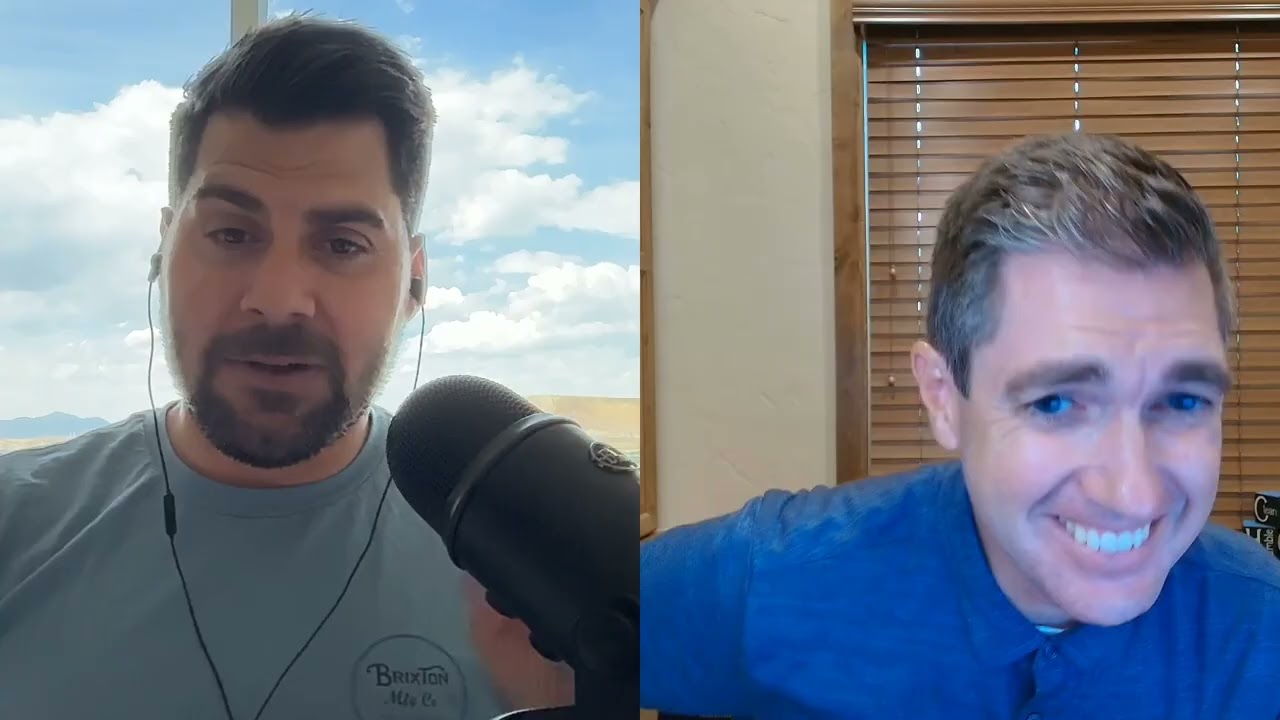
Sherri has decades of experience in coaching dental practices throughout the United States. She specializes in team culture and has proven that good culture leads to a World Class Team. During this episode Sherri shares her knowledge on how basic communication skills can enhance the culture of a dental practice. She provide key insight on how team communication leads to great patient communication. We talk about how to resolve complaints by team members or patients in a way that disarms people, positively, and allows all parties to move on.
To contact Sherri please email her at sherri@nickersonconsulting.com.
Full transcript
Complete text of this video
[music] >> Welcome to the navigating dental insurance podcast, where we don't take from insurance [music] companies. Here your hosts, Mr. Jordan Comstock and Mr. Ben Tuinei. >> Welcome to another exciting episode of the navigating dental insurance podcast. My name is Ben Tuinei, again solo host for today. Jordan Comstock has been busy in tying up. You probably notice this pattern that either Jordan is the solo host on some episodes and then I am solo on others. And mainly because Jordan and I run two different businesses. We
both live here in Utah. Both of our offices are here in Lehi, Utah. Um, but his office is 3 miles from mine. So, we don't see each other often in person. Um, although we do enjoy having um, awesome guests on the podcast even though we do these podcast episodes separately. We want to thank our listeners for the feedback that you've given us for the topics that you're interested in hearing about. And it's our goal just to make sure that we deliver content that is relevant, uh,
content that is based upon people that, you know, are in day-to-day active coaching or either practicing in dentistry or at the at the front office in in whatever capacity. So, thank you for your feedback. It's been, uh, really, really helpful as we craft and plan for future episodes. Today, we have a wonderful, like a really awesome topic that we're going to talk about, but we have the pleasure of having my really good friend Sherry Nickerson on the call with us today. Sherry, thank you for spending
time with us. >> Well, thank you for inviting me. I'm excited. >> Yeah, you know, I've known you for a few years and, uh, and I've been wanting to have, uh, an episode with you for the longest time now. >> [laughter] >> And so, thank you for for making time, you know, to to chat with me on the podcast and you know, Sherry, just want to go through your history. You know, it seems like you're you're such a guru when it comes to front office training,
you know, the management component of dentistry, which today we're going to talk about one component. Uh but if you don't mind sharing with our listeners, um how did you get started in dentistry? >> Yes. Uh well, I actually started out as a dental assistant and then an RDA. I went to front office, insurance billing, uh case presentation, and I just loved it and I was going into practices and building the hygiene department and the practices would double and then I would just feel like, oh, I
better go to another office cuz now everything's done. And so I ended up um finding out my calling is to be a dental consultant so that I could go in and help many practices instead of just staying in one. And uh so from there, just went into uh what you and I did is the office manager training for 3 days in Palm Desert, which was awesome. And helping other practices succeed. >> Yeah, that was so much fun. Um Sherry had me wear a skirt and uh
had me dance in front of uh the participants on that beautiful golf course in Palm Desert. >> [laughter] >> That was so much fun. If you haven't seen his dance, you must You got to have somewhere that where they could see that, right? >> [laughter] >> I try to hide that. Anytime, like we had a a neighborhood luau about a year and a half ago and uh people asked me, hey, can you do the haka? So I did it, but and they're you know how in
this day and age everybody pulls out their cell phones to record. And as they were at the very beginning, I said, this this does not go on YouTube or Facebook." >> Hahaha. [laughter] Maybe because I I I don't want people to know that I know how to do the haka. >> [laughter] >> I'll be asked everywhere I go to do it. But >> Well, it's it's very powerful when you see that and um especially when you did that right before you spoke and kind of really
um lightened up the room, so to speak, when you have a lot of people in the room, a lot of team members and doctors, you know, that they go, "Hey, you know, you're human just like me." [laughter] And uh they have a tendency to, you know, be open more open-minded. >> Well, when you yell at people before you deliver a presentation, [laughter] it gets them to listen. >> I guess they would have to, right? >> [laughter] >> You scare them into listening. >> Oh. >> Oh,
that's too funny. Well, you and I were introduced by Amy Reynolds. Back then, she was Amy Desha. Um I believe you you two worked um together at one point in the past, right? Uh >> At uh Mercer? >> Oh, yeah, at Mercer, yeah. >> Yeah, so I've been with uh a few consulting companies um after I, you know, I was no longer I got into that field. Um I worked for Mercer Advisors uh for 8 years, never worked in California. They flew me everywhere but working
in California. And then uh Fortune Management for several years. Uh now it's my own company and um I like that because now I can design the right program for each of my clients. It's not just the cookie-cutter one. It's, you know, what works for the practice. So, that's it. That that I like. >> That's awesome. Well, those you bring up some very recognized uh brands that you've been with in the past. And um well, and then, you know, when when you and I met I think
we met at the CDA a number of years ago. >> Mhm. >> We've collaborated with a bunch of groups since then and I've just been really impressed with your knowledge and understanding and your ability. You both you and your daughters. Your daughters uh uh deal with um uh design, right? You know, the office design and all that, which I've seen their work and it's beautiful. >> Yeah, they are amazing. It So, it's a sister company. It's called Nicholson Design. >> Yeah. >> Um yeah. >> Well,
that's awesome. Well, I if if you don't mind, I would love to dive into today's topic. >> Okay. >> And um so so what we what we agreed upon to chat about is um uh communication, you know, listening in a dental office and and the importance of communication. And and this kind of all um you know, this is an important area in an effort to build a really great world-class team, right? So, >> Yes. >> a few questions that I have for you, the first of
which is why is it so important that we talk about communication and listening? What why why is it important that we talk about this all the time? >> Yes, and it it is like one of the things that I just do all the time because, you know, at the offices they get in their day and, you know, they talk and then they don't really listen. So, communication um and listening are two different things. So, it's how we communicate something and then the other person really listening
and understanding, you know, the whole purpose of what they're trying to say and and getting it. Cuz a lot of times we can just you know, we think we're listening, but we're really not. >> Right. >> So, um I would love to share some steps when you're ready um of what everyone can do to really see if they're doing the communication and listening. >> Yeah, yeah, we um you know, one one area that I kind of um you know, when it comes to communication and listening
you know if you want to get a really good example of the the the struggles you know I don't want to you know I don't want to throw any of the team members under under the bus you know because everybody's trying to do their best you know but at the end of the day it's this it's the skills that are lacking in terms of the communication and listening that are that are very obvious if you are the patient and so what what I when I was
working at a group practice in Arizona a number of years ago we had team members cold call or have their spouses cold call some of the offices and we would record those calls for training purposes you know >> Mhm. >> and it was amazing that when you replay those tapes well back then those tapes for team members and the team members listen to them and you start to see them cringe it's like I really sound like that they're like holy smokes I am not listening and
I I didn't even address their concern or I didn't even acknowledge you know and and and these are really good people and good individuals but it's kind of like when you are playing a sport you know when you're playing a sport you're you're engaged in an activity that that you may or may not have been trained to do >> Yeah. >> but there's no way for you to improve unless you see how you're performing right >> Right. >> and so what I what I highly recommend
people consider is recording calls would you agree that recording calls is perhaps maybe a good idea to kind of figure out ways to be better with how we communicate with people over the phone >> Oh definitely it you know it's it's true with everybody you know this isn't just about your environment it's also your personal life >> Yeah. >> You know. >> Yeah my wife threatened to get a hidden recorder >> [laughter] >> I love it. >> because she's like I'm serious you never listen to
me and it's so funny because um I'm not the only man that that does this. I guess I guess all husbands do this. >> Yeah. [laughter] >> And I'm not even aware of it cuz it's like she's like I told you this thing the other day and like I don't remember it. I'm not even trying to be deceitful. She's like I'm just going to start you know I'm going to get a hidden recorder. We're going to record every conversation and I'm going to train you on
how to listen better. >> [laughter] >> Well, funny. Well, you know what that just triggered something for me because it's like you know how you're talking whether it's a patient, your spouse, your kids and you're talking and they're looking at you and they're nodding their head cuz they're looking at you and what's going on in their head is they have a committee going on in the and they're having a whole meeting and so when you're when they're when you're done talking, they're done with the committee
and then they go what? What did you say? What does that mean? You know, and that's the the the part where in um dental offices is you know that when you're doing case presentation with your patients and they're looking at you and they're saying yes and the doctor says well they said yes and and then they walk up to the front and they don't schedule. >> Right. >> And they completely didn't get it. You know, that's that communication and listening. >> Yeah, I I totally get
it. You know, those those two things are often like listening is sometimes lumped in with communication but I think I like your perspective on separating those two in terms of understanding that they're two different things, you know, that you need to learn. Um >> Mhm. >> In terms of just communication in dental office, you know, what what areas in in in a dental office need clarity when it when it comes to communication? >> Yes, that you know, the well, and I'll go through a couple of
them because it's really important. Um a hygiene department um is critical because they're talking up to the patient, educating them, and especially if they have gum disease, you know, what what do we need to do? And making sure that the patient walks away with some knowledge and understanding the why they need certain procedures and that they follow through with that and they stick to the that plan to help them get healthy. It's also important, you know, you know, case presentation like I said with the patient
so that they understand, you know, what's going on and team to team is is important because we could have a morning meeting. I call it the morning purpose meeting because what is our purpose today? Um, and we're talking about everything and we want to make sure that what we discussed in the morning purpose meeting is going to play out in our day. >> Right. >> You know, dentistry is not black and white as I always say, you know, things do change, but at least if we
have our purpose for the day and we understood in the meeting what is the plan, then your day becomes if there's a flow. And and everybody gets it. Um, it's also with the doctor, you know, that how many times have I heard, oh, well, the doctor's not coming to meeting, but you know, the team will do the meeting. Well, he's not there and he's your leader, you know, besides everybody else being the leader, we need the leader there, too, and listening and understanding and communication, you
know, and what's the plan? You know, so it's really very, very important is that um, you know, I guess you could say what is your key message >> Mhm. >> and what is the purpose of that statement is your communication. >> Yeah, I I love that. I I particularly love the part about um the leadership component. You know, I have I have personal experience there for for many years uh when I first started my business um I did not have regular team meetings with my team.
I kind of met with them one-on-one and said, "Okay, this is what we're what you're what you're supposed to do and what what your responsibility [clears throat] is." Um but but I you know, after a couple of years I noticed that we've had issues, you know? >> Mhm. >> And it it it was issues related to how the pass-off between one team member to another, you know, because everybody had their roles and responsibilities which were made up by me. But there was no smooth transition, you
know? And it was it was just it was a function of lack of communication. So, I asked Jordan in my office, I said, "Not Jordan Comstock, but my Jordan, to put together some team meetings um and because I was traveling so much, usually those team meetings I was either on a plane and I know you can relate to this, Sherry. >> Yes, I can. >> [laughter] >> And and as a result, Jordan ended up running these team meetings and you know, Jordan's not the owner of
the company and I I missed a lot of these meetings and would listen to the recordings later and then provide chat feedback on our chat communication portal. Um but I noticed that my my philosophy wasn't being conveyed, you know? People weren't really adhering to what I was hoping the training would bring. >> Mhm. >> So, I decided to find a time that I would would commit to and never travel. So, I found a pattern. I found a day and a time that would I would always
be available in the evening. And we would have these these um video meetings in the evening after hours. And I noticed that within the within 6 months of me being consistently present at these meetings, holy smokes, did things change in a good way, in the way that I really wanted the business to go, you know? And and that that that's a personal example for me at least that when the leader is not there, I mean, ultimately you know how things should go or you you have
kind of an idea of how things ought to be. But even if it's your best person, you know, your right-hand person, that person may not always convey what you want to have in terms of the outcome of communication training. >> Exactly. Exactly. >> So, no, but thank you for bringing that up because I think that's that's [snorts] so important, you know, you you have a mission, you have values. Only you as the leader can can really be the most effective in getting those things implemented among
your team members. Um no, so I >> I'd like Yeah, I'm sorry. >> No, go ahead. Go ahead. >> Uh yeah, I wanted to add on that cuz you said um the vision um and your core beliefs and values um are extremely important with a team and the doctor as a group, you know, because we're you know, it's it's about building um the culture in in the practice. And in order to do that so that everybody's on the same page and everybody understands what what their
role is and if someone else, you know, let's just say they needed to hire someone new, well, that person's going to, you know, has to come into this culture and be trained in that culture, not to just bring in stuff, you know, it's cuz they did they made that unity, you know, of that home. And that comes with uh the communication and using uh the seven C's, I say, um in that so that you can build the practice so that it can run on its own,
but also not And I shouldn't say but, and um the leader is always going to be present and and be consistent, like you said. >> Yeah. >> That's what makes the change is is the leader being consistent and and knowing that the team feels that you're interested and that you're not just, you know, out there. You're You're working. I I get it, you know, cuz I fly a lot, too, but it had to be where I needed the time with my team, also, is to make
sure that we were clear. >> Absolutely. You You mentioned seven C's. Are Are you willing to kind of give a just a brief overview of what those are? >> Sure. Um, so if whoever's listening to this, you can write these down. Um, so the the main one is is starting out with what is your key message, and then what is the purpose of that communication that you want to make sure it goes gets out there. So, that's the the um What do you want to call
it? The main part of it. From that, you're going to list one through [snorts] seven. And number one is clear. So, you want to make sure that whatever it is that your message is is what's clear. Um, so that we're not just making it so it's uh you can take from it what you want and figure it out yourself. It's being very clear at whatever it is that you want to have done. >> Right. >> Okay, from start to finish. Um, then keeping number two would
be concise. So, keeping it brief, um, Um, and and knowing exactly A B C D, these are the steps I want for this topic, okay? So, whatever that key message was. Number three is concrete. So, when your message is concrete, your team will have a clear picture of what you are telling them. So, you know, um, we'll have to think of a good example to give at the end. >> [laughter] >> Um, then number four is being is correct. So, double-checking to make sure that there's
no mistakes, that you know, if I was the person listening to me, what do I want to make sure I know, and make sure it's correct. >> Right. >> So, being laser sharp focus on what that key message is. Number five is coherent. So, the key points that are relevant to the key topic. A lot of times, you know, that we have a topic and then everybody goes off in a different direction. You got to stay to the topic. And and focus and zone in on
that and making sure that everybody's clear on that, which will then, you know, keep the flow of the message consistent. Because we're talking about that one thing. Uh, number six is going to be complete. The team now has all the info information, so they can make an informed decision or take action on what that message is. Because now they know exactly what he wanted or she wanted. The seventh one is courteous. Is and that's your your um, keeping your your team's viewpoint in mind so that
it's not just you, it's going to be about all of us as a team to build that. Their their decisions and uh comments are important and to be looked at as it's not just what he says or she says, it's about what the team agrees. And that is how I coach in the dental offices that I go in is that we do have team meetings at at once a month in their office and we go through these steps on anything that we talk about or do
and making sure that everything is concrete and that we have action steps and who's doing what and what does that look like and you know, and then you have the follow-up plan. So, these are seven really really important steps to be a world-class team. >> Love it. I absolutely love it. I've been taking notes and looking at this. I I can see how this could be very much applicable even for my team, you know, in terms of >> Oh, it's for any any any business, any
your home life, your [laughter] your you know, and if you would like, um Ben, I'd be more than happy to send the diagram to you. Um and you can you know, the and the uh what the words mean. So, I would be more than happy give that to you. >> That would be awesome. Thank you so much. Yeah, I I think this is excellent. I I I know that um you had mentioned or at least included somewhere in your notes that you had um Do you
Do you recommend doctors have agreements with their teams on on like communication policies or protocols? >> Oh my god, thank you for mentioning that. Um because after what we just said, >> [laughter] >> um is now and and a lot of times when I present this to a group, um you know, they go, "Oh, I know, you know, an agreement, you know, we all write it out and blah blah blah. I have found by using this that the agreements is that by typing it all up
um and everybody reading it when it's complete after we had discussed what we're doing, what's the decision making here, and who's doing what, then everybody signs it and it goes into your employee manual. And this way, if things come up and we go, "Okay, so what happened? We We discussed this and this is what we all agreed to." And here's the copy. You know, this I mean, it's like a no-brainer. Um I also I And feel free to if you would like to give the agreements
out to anybody that reaches out to you. I'll send you a copy of that and it does give a list of other agreements you can talk about. Um but putting that into place um And I think I did send you a sample of one that was for fogging. Uh >> Yeah. >> you know, for the COVID. And it was interesting when we went through this um with this practice. We just did this a week ago or week and a half ago. And nobody really understood what
the fogging was. Everybody's doing it. Everybody's, you know, knows thinks what they know. But when we sat down and and put it into detail, what's the purpose of it, you know, where's this going to happen, how much time does it take, what's what's the formula for You know, we actually went through every little detail and typed it up on that sheet. Um I don't know if you have it in front of you. I don't think I made a copy. But um it meant so much more
and we all walked away going, "Wow. Now I get it." >> Yeah. >> And and now we can save some time and where do we you know do this and where do we do that and how does that look like? What does that look like? It has helped them so much. Um >> Yeah, no I I love that. I I I need to put together agreements with our team because um I I I see the psychology behind this when when you have a protocol that they
agree to and more of just a way of being that they agree to as well as it pertains to communication and listening. And when they step outside of that and they you have a signed document you know, I'm sure I'm sure uh leading up to showing them the sign signed document there's some disagreements, you know, there's [snorts] some bickering and you know, arguing. But showing them the agreements they will, you know, I just want to remind you these are things that we all agreed to. I
think you disarm people at that point, you know. >> Mhm. >> You sort of get them to to calm down a little bit and it's a reminder that oh yeah, I did I do remember reading that, you know. >> And yes, and when you have that meeting when you start to do the agreements and the why you're doing it um is that every it needs to be stated. This is a open, honest communication workshop and I want to get everybody's input. Nothing Whatever anyone says, there's
nothing wrong. Everything is needs to be discussed so that we all agree. If one person disagrees, raise your hand. Let's hear what you have to say and what would be a solution. >> Right. >> You know, you might go a different way, who knows. Um so it's just really putting taking that time to do that and each agreement usually takes a good hour and a half. So if you think you're just going to type something up for 5 minutes, it's then it's not really the agreement.
>> [laughter] >> Put some thought into it, you know. >> Yes. >> Yeah, I I really I really like that. Um so, what about um what what what's your advice or four four things you think or four wise things you think we should keep in mind when you know, sort of sort of thinking about these communication and listening protocols with our businesses? >> Yes. Um And I'm going to say I I have four things I'd like to share. Um is you know, a lot of times
we we speak the words that come out of our mouths don't really listen to what you know, they don't it that the words don't hear what you're trying to say. So, in other words, you know, it's um sometimes we say things that we don't mean. It comes out differently. And it that's why it's interpretated differently. And people take things either the wrong way or the right way. So, it's really thinking first before you speak is one thing. Or if you're not sure what they're saying then
you say, you know, stop and just say, you know, [clears throat] what what I I hear you saying is am I correct in this? So, that you make sure you understood what they were trying to say. >> Mhm. >> [clears throat] >> You know, and as long as you communicate that to each other and it makes it all good. Another one is um it's great to be passionate about anything you do in life but you just can't take it personal. So, what I mean by that
is I'm very passionate about what I do. And I can go in and you know, I never let a minute go by without doing something. You know, that's just my passion part of it. And if someone could take that as boy, you're just you know, doing too much or whatever, I can't take that personally. I have to remember, you know, I'm here for a purpose. I'm here to teach you. I'm I'm here. I don't want to walk away without you feeling good about what we did
and how we can keep that communication going. So, you can't take anything personal personal. So, I think everybody can relate to something. >> Yeah. >> You know, that you're really passionate about and that someone says something and you go, "Oh god." >> [laughter] >> And I Right? Um and then stepping back and build a bridge. >> Mhm. >> So, especially with team with team um you know, as things go on during your day with the back office, uh the hygienist, the doctor, the front office, you
know, "Oh, she did this or did that." You know, just you know, hey, step back and and build that bridge with that person. You know, and you know, I know your intention wasn't this. So, how can we fix this? And it sounds so simple and it's so hard to do um but it's important that you do do that. Um and then my my final um wisest thing is to find a solution and then move on. You know, don't don't keep it with you and and fester
about it and then a month later, "Well, you did that." You know, ah, get rid of it. Um the more that you do these four things, your team will unite very quickly. Um and that's you know, I I I have to say because it was one of the things that Mercer Advisors, they were the most incredible um organization that trained me. I mean, I cried through the training. And from that and all, you know, the knowledge from other places and whatnot, uh they would always We
had 60 consultants out there in the in the US. And they they're stationed or stationed or whatever you want to call They work from their homes uh that were in New York and and Kansas City, Utah. Um and whenever a doctor said, "It's my team." They would not send anyone in there but me. And they would fly me from California to Maine. I went to Maine. And it was all about the team. And I would be there for 4 days and it was like going into
um a den of wolves and coming out as as all hugging and loving each other. It It was incredible how we can do the transition. And it's all by communication. >> Yeah. >> And listening to what everyone had to say. >> That's >> [snorts] >> That's power right there. >> [laughter] >> I think >> I'm telling you. Yeah. And it was like I they were flying me out for 8 years every Sunday and I'd come home Thursday nights, do my reports, unpack, pack, and back out
on Sunday. >> Wow. >> So, yeah, for 8 years it was like that. Um and I learned a lot. I learned a lot. And I bring that with me now to other offices. >> Uh you know, when we hear communication skills and listening skills, I think for the average business person we tend to write it off, you know, because >> Exactly. >> you hear this often, but we we make the big mistake of writing off probably some of the most important things that we should be
focusing on regularly, you know? >> Mhm. >> I mean, think about it. When you're dealing with people with insurance and there's an issue, when insurance makes a mistake on a claim, you know, or they deny it and then the patient has to incur more out of pocket, you know, it's it's the dental office that usually fields the complaints regarding insurance-related issues, you know? >> Mhm. >> And so, I have a a question for you particularly about this, but I remember looking at a Facebook post that
a week or two ago, um and it was um Dr. Tow. Do you know Leonard Tow? >> Um doesn't sound familiar. >> So, he's out in the East Coast. He was he was he was relaying his experience and he was um he sat next to um a customer experience executive for Marriott. And then they they started to have a chat about how do you deal with people that are upset, you know, and and how do you how do you deal with uh uh patients or customers
that are upset in an effort to avoid having them give a negative review online, you know? [laughter] >> Oh, boy, yes. >> And her her response was, you know, well, number one, what you said, you know, you have to actively listen, you know, listen to the facts and and their feelings and don't don't try to make a rebuttal. Just listen, you know? And make sure you're really listening. And [clears throat] then the the second step is you want to offer an empathy statement. Uh you don't
ever argue with the patient, and you don't apologize at this moment yet. You just offer empathy because you want to make sure they understand that they feel heard, you know, and they feel that you feel their pain, you know, and that you understand where they're coming from, whether they're right or wrong, you know? In the end, >> [clears throat] >> they they these people just need to vent. And then she said, "And and then afterwards, that's when you apologize. When they understand that you understand them,
at that point, you can go ahead and offer an apology. And then show the patient that you really understand and under and and you really know how they feel. And when you do that, it disarms them. Almost all the time these patients sort of tend to calm down a little bit. You know, the funny thing is is that I'm a I'm a uh my wife and I are are married to vacation club owners. >> Mhm. >> And we went to Tahoe last year. I made a
reservation, and we decided, "Well, you know, we have a a car that the lease is up later this year, and we've we're not even at 20% of our mileage. So, we're like, we're going to drive out to Tah- Tahoe from Utah, you know, roughly a 650-mi drive." So, it's about 8:00 p.m. and we're about 50 mi away from the resort. >> [laughter] >> I asked my wife, "Can you find the confirmation, and can you can you call them and just let them know that we're going
to be there?" She calls, and they're like, "Well, we don't actually have a reservation for you." >> Oh. >> Mind you, this is >> No. >> This is in the middle of COVID. So, these resorts are always sold out because they can only have so many people in their facilities. >> Right. >> And we've been driving for 7 hours already, you know, and we And then they say, "We don't have a reservation." And I am ticked. I'm so mad. I'm like, "I made this reservation a
couple days ago." Anyway, we get to the hotel. They say, "Just you know, just continue to come." They they kept telling us, "Oh, don't you know, we'll we'll we'll you'll you'll have to pay." Um and we're like, "Well, we have all these we have like 4 years worth of points that we haven't used." I'm like, "I have to pay? That's why I made this reservation." >> Exactly. >> You know, you So, you understand me. I was really mad. >> Oh, yeah. No, I get it. [laughter]
>> But I was trying to be a good customer because I I hated when people get upset at me for something that and they don't give me a chance to fix it, you know? >> Right. >> And I kind of give people the benefit of the doubt. Like, you know, I'm going to give them an opportunity to fix this. So, we get there and I pay and I'm like, you know what? I am not turning around and I I almost told my wife, we're just going
to turn around and drive back home another 8 hours but I was like, I was too tired, you know? >> Right. >> [laughter] >> So, I I paid and I'm like, you know what? Screw this. We'll just pay and then they said, then you can talk to the vacation people the next day because their offices were closed. We couldn't even call them. So, the next morning I called them and um they applied this exact same technique. They listened then they offered an empathy statement and then
they apologized. But, you know what they did? >> What? >> Is they not only did they refund what I had already paid, they had already upgraded us to a suite, you know, a big big suite um and and and they only charged us for the one bedroom. Um but they refunded my money. They then added another year's worth of points to my account. >> Wow. >> And I was blown away. At that point I was like, I'm a fan, you know, I love it. But, you
see I I didn't I I really didn't give them the most difficult time. I was patient. I was kind of I was angry on the inside and I really wanted to vent. And they let me do that on the call the next day. They let me vent and I was polite about it, you know, I was like, you know, I you know, nothing against you. I'm just frustrated because we have all these points. And then they called me back and they, you know, not only did
they did they disarm me but they went above and beyond. Now, when you think about applying this in what what you're talking about, Sherry, you know, this whole communication and listening skill. >> Mhm. >> Um the issues as it come, you know, as it pertains to patients, the average patient, almost well, sometimes it seems, at least in my world, that it's always related to insurance, >> [laughter] >> you know. >> Yes. >> One way or another. How you know, how does communication and listening work when
you're dealing with insurance and all the complexities and the potential anger that patients can have regarding insurance coverage, lack of coverage, or whatever it may be. What what is your thought on that? >> Yeah, there's there's a we can this is going to open up a whole big bottle of thoughts and stuff because you know, in in with insurance and especially if you have several PPOs or if you have HMO or Medical, whichever is in your practice or fee for service. Um there there is a
tendency that the how they insurance is sorry, my mind is wrapping around what I'm trying to say. Um is that if we don't have our computers, our management system set up with our insurance companies as a whatever those fees are, um there's always an issue. Um meaning that I could you know, put together a treatment plan and it could be for a thousand dollars, let's say, and they're on a PPO insurance and the insurance is really only going to pay 700 and the front office is
just trying to do a financial arrangement, so they're estimating and it's not correct and the patient ends up paying either more or not enough and that's where the the issues come in with the patient because you said, I said, you know, and it's it's all of that. So, my recommendation is that if you do have PPO insurance is that you do put them into your management system and there's always uh no matter if you're on Dentrix, Eaglesoft, or uh or any of the other programs, there's
a a button, you just call them, it'll print out your UCR fee on your insurance claim form and on the treatment plan with the exact amount the insurance has estimated to pay. So, the patient can see, okay, so there's automatic savings of $300 because I'm with Delta, let's say. Um and the patient portion is 50% of that uh cuz it's a crown of the 700 and that's what they pay and we let them know this is only an estimate. We have them sign it um and
we'll say, you know, you pay your portion here. It's There's If we owe you, we're going to send you a check. And if you owe us, I'll send you a statement. But I always say, if we owe you first, cuz that's what they're going to hear most importantly, right? That's the listening again. Um so that's one example. Another example of the listening with insurance [clears throat] is after the fact. And let's just say a patient comes in and is upset and and I agree with you
on the Marriott tactics there. I'm a Marriott person myself. Um and they have always taken care of me and and upgrading and and the points and all of that. So, keeping that in mind, that's how I want to be. So, let me hear your concerns. I understand what you're saying. All that must feel awful. Um that's your empathy. And let me see what we can do. Cuz you're breaking down the barrier because they're not going to hear you until you do. Because they're so angry and
and their committee's going on you know, in their head while you're talking whether it's in person or on the phone. And they don't even hear one thing you're saying. So, it's it's a really important is to, you know, build the bridge. Step back and build the bridge with them. >> Mhm. >> Uh if they're in your office, you take them to a separate private room so that they're not yelling in front of other patients, you know. >> Yeah. Yeah. >> [clears throat] >> I I I
like that, you know, and I think every office can relate to that because, you know, when we're dealing with human beings, we're never going to escape conflict, you know. >> Exactly. >> As nice as you can be and sometimes being nice doesn't necessarily calm people down. You know, there are just some personalities out there. They're just always going to be tough to deal with. >> Right. >> But I think in the end, no matter no matter what the personality type is of the individual, these communication
skills, they work in general, you know, on vast majority of the people. And then for those that are just the the patients that just give you a hard time that we at least you'll know that, okay, you know, if uh if this patient is going to be this way, then you have a right to dismiss them, you know, and move on, you know, with >> Right. Right. Exactly. But you do want to um you know, because I I'm in a lot of offices and and I
do listen to how everyone answers the phone or they meet and greet patients in or checking out, the hand-offs and all of that. Um and I I have seen a lot of difficult patients in that arena, you know, and all it takes and I've done it myself because I can't help it when I'm in an office cuz I used to be an office manager and did all those roles that I can just jump in >> Right. >> and totally get it and and help coach the
you know, the person I'm working with you know, how that should look not in front of the patient. So it's not like you know, listen to me kind of thing but doing the role myself with the patient and showing the person that's listening. So that next time it happens, you know, how to handle that. >> Absolutely. Yeah, lead by example. Love it. >> Yeah. Yeah, exactly. I mean I'll even answer your phone. >> [laughter] >> I have I have been I swear to God I have
done this. I have gone in and we talk about case presentation and how do we do that and and we role play and in a room. And this is how it looks and you know, let's get comments and whatnot and then you go, oh I got a difficult case coming in at 1:00 can can you do that one with me? And I will. And we'll sell it. Or you know, the patient accepts the the treatment and and they schedule and they pay. So what happened there
is is really seeing that we don't need to talk a lot and we need to and that's a whole another uh podcast there >> [laughter] >> Uh so I won't do that now to you. So but it is it's about communication how that looks and and really knowing, you know, what the patient reading the patient, you know, what's what's their body language? >> Yeah. Yeah, it's um it all ties together, you know, and and the communication component. I mean you can apply it we can talk
hours and hours and hours about the different components of communication and listening. >> Oh, definitely. >> Case presentation is a very interesting one because um you know, what you find there is very basic communication skills, listening skills and so forth. Um being concise is a big one, you know? Have Have you watched that cartoon Ratatouille? >> [clears throat] >> Or heard of it? So, it's a little rat in Paris that becomes a chef. >> [laughter] >> I'm going to have to I'm at my grandson's house,
so I might have to look that one up. >> Oh, yeah, you should. Watch it with your kids. It's a really fun It's a really fun a show for kids, a cartoon. Um, but there's a part where the new owner of the restaurant comes in and he's a younger guy and they're like, "Okay, now you got to give the speech, you know?" Um, the the the the morning huddle, if you will. >> Yeah. >> And he he he stands up on um a chair and he
starts talking and talking and talking and then, you know, and then time passes and when they show his cooks, they're all asleep. Because he's >> [laughter] >> talking for a long time and they're like, "This guy is not making any sense, you know? We're all bored to death. Like, what are we doing here, you know?" I think that's an over exaggeration of being you know, an example of you need to be concise. At the same time, I I'm a big believer that less is more when
you're trying to make a point, you know? >> Yep. Yep, that's number two on our list. Concise and keep it brief. >> Yeah. >> You know, because when it gets too long and and think about that as a patient in the chair. >> Mhm. Yeah. >> You know, I I I went in I need to get two implants and I went to a specialist in my area in Palm Desert and I you know, they didn't even do the COVID screening till after I was sitting in
the chair. So, that was That was a negative for me. Um, but then the doctor comes in and for an hour he is talking and talking and talking all about everything else except for the two implants I came in for. I left without even knowing what I'm going to do with that. So, obviously I'm not going back to that practice. So, you know, doctors think that more information is good. It's not. >> Yeah, less is more powerful. Being straight to the point, you know, and having
very powerful examples of of to convey your message, you know, and I I agree, you know, less is less is more when it comes to anything, you know, and um it when when it comes to, you know, influencing people to do what you want them to do or solve resolving concerns, whatever it may be, you know. >> Exactly. And and you know, I specifically said, "I'm here for the two implants. I want your opinion." >> Mhm. >> [clears throat] >> That was the first thing I
said. He never heard it. He didn't listen to >> [laughter] >> Oh. >> write him a letter and just say, "Hey, you know, just to help you out, you know, I want to give you some pointers and but you know, I this has been really great information sharing. I know you and I can chat for days, but unfortunately, [clears throat] we don't have that that much time, you know, and so uh the nuggets that you shared have been extremely helpful. And my recommendation for listeners is,
you know, I've known Sherry for years and you know, she's she's magical when it comes to um these communication uh tips and techniques, you know, team training, you know, team training, oh, holy smokes, you know, the culture that she implements in these in in uh dental practices uh really turns things around for the better, you know, in a big and meaningful and noticeable way. So, Sherry, if listeners have questions for you, they want to learn more, perhaps uh uh question on the agreements that you talked
about and the other points, how can they get a hold of you? >> Oh, sure. Um well, actually, I'm going to give you my cell phone. Um it is 442 222 4205 Uh if I do not answer the phone, please just leave your name and number and what practice you're from, and I will get back to you on the same day. Uh if you would like to send an email instead, that's fine, too. It's Sheri, s h e r r i at nickerson consulting.com. And the
website is www.nickersonconsulting.com. >> Perfect. >> So, there's three ways, and I I would be more than happy to answer any questions from anybody, and if they would like a copy of the agreements, um I am certainly okay to send that over so you have a format. >> Thank you, Sheri. So, for those of you that are driving or otherwise occupied, don't worry about rewinding or do rewind to listen to some of the the important parts of what we talked about today, but the contact information for
Sheri is going to be in the show notes. So, just click on those, and then below the description of this episode, you'll see her contact information. Sheri, any final thoughts for our listeners today? >> I just want to say you're so wonderful. >> Oh, thank you. [laughter] >> You know, um well, you are. You've been a great help for me, uh especially about insurance. Um that, you know, that's a whole 'nother can of worms there. Um you know, fighting with insurance companies and doing what's right
[music] um for the practice. And I appreciate all your help, and I enjoyed very much to be on this call today. And I hope we get to see each other soon. >> Yes. Yes, COVID looks like there's uh it's almost over. It's almost over, folks. Hang in there. Um [music] great great days are ahead, and I hope to get back to the meeting, Sheri. Maybe we'll plan one or two. Oh, yeah, we'll plan one here in Utah cuz I'm uh being now being affiliated with a
larger group [music] here right of self-managing it. So, we're going to be planning some CE, some local CE, and we'll have you come out. >> I would love that. I would love that. That would be so much fun. Only if you do the dance. >> Oh, yes, I will. I promise. For you, I will. >> [laughter] >> For our listeners, Sherry is a great resource I see you see here. She's extensive extensive knowledge on culture and communication and listening. Um so, reach out to her if
you have questions, and I encourage you to work with her if you can. [music] Uh but Sherry, thank you so much for your time today. Thank you so so much, and uh hope you know we'd love to have you back on the podcast. So, we'll send you another invitation on that, and uh >> I would love that. >> Yeah. >> We could talk about case presentation. >> Yes. >> With insurance. >> Yeah. Oh, yeah. There that's a topic we can talk about for hours. >> Oh
my god. >> [laughter] >> That would be an awesome topic. >> Yes. Well, thank you again, Sherry. We wish you the very best and uh hope hope all is well and that you keep smiling out there in California. >> Thank you so much. I'm giving you waves cuz you can't see me. >> Likewise. >> [laughter] >> All right. Thank you so much. >> Drive safe and be happy. >> Thank you. Bye. >> [music] [music] >> Mhm.