Videos / Watch
Doing Case Presentation the way millionaires do it, with Craig McVey
August 19, 2026 · BoomCloud™
About this video
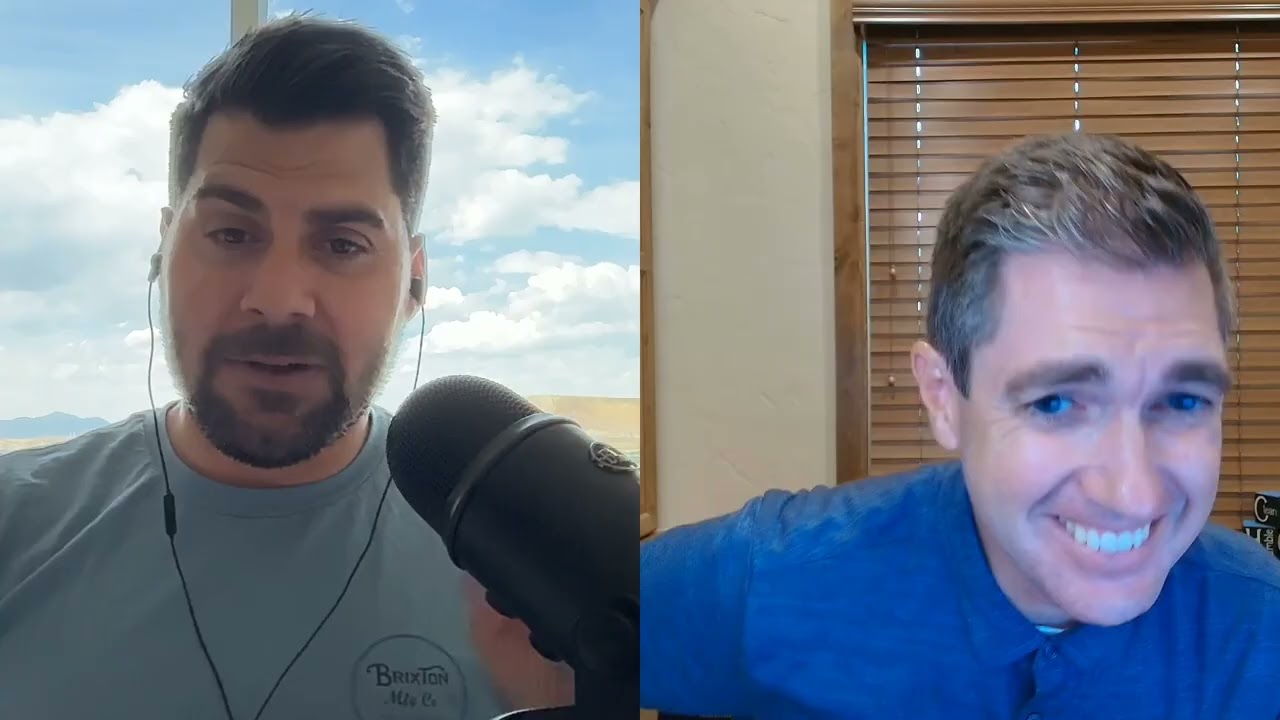
Craig McVey is a Rockstar dental coach and consultant. He's a very qualified MBA that has been in the dental industry for the last 15 years. He started his career with the Levin Group and has most recently been a part of the Quantum Leap Success group. Craig is known for maintaining a long term and very productive relationship with his clients.
During this episode Craig talks about his style of case presentation. He goes through a number of simple techniques and processes that are proven to increase case acceptance in a big way.
Our take on mastering case presentation is that at some point, the need to participate with insurance plans is less important. Maintaining a high level of case acceptance is one way in which dentists can shift their practices back to an insurance independent/fee for service model. We highly recommend following the techniques Craig shares in this episode to get you there.
To contact Craig please email him at ctmdent@gmail.com.
Full transcript
Complete text of this video
[music] >> Welcome to the navigating dental insurance podcast, where we don't take from insurance [music] companies. Here are your hosts, Mr. Jordan Comstock and Mr. Ben Tuinei. >> Hello there everybody. This is Ben Tuinei. Welcome to the navigating dental insurance podcast. I'm your solo host today. Jordan Comstock, who normally co-hosts with me is unavailable for this particular episode. Uh but it's still great to have be with you. It's great to chat with you. It seems like um uh in this this day and age, the webinars
and the podcasts are becoming popular and I've been receiving feedback from our listeners on what they want to hear. And so certain topics as it pertains to insurance or non-insurance topics that they want to dive into. And today is one of those topics. Is uh we're going to we're going to dive into a little bit about some case presentation with our guest. Uh who I'd like to introduce right now. His name is Craig McVeigh. He's been in dentistry practicing as a a consultant for over 15
years. Works with practices all over the country. Uh has an MBA and he's just a phenomenal when it comes to understanding the business of dentistry and then coaching on several different components on how to how to be successful as a business operator. Um the great thing about Craig is I also work with a lot of his clients. And uh we try to maintain long-term relationships with our clients. You know, we're in it for the long haul with them. And that's the pattern that we see with
Craig. Is that uh his clients are long-term clients. I think that should speak to his uh ability, you know, his uh performance as a as a practice coach or practice consultant. Simply because you know, often times when you get clients, they're they stick around with you for a year and then they don't renew, you know? Um and that might be uh for a variety of reasons. In my mind, the non-renewals are are likely because of the low performance on the coaching side of things. But, Craig's
business model is is designed to maintain a long-term client, and we definitely see that with the mutual clients that we have with him. Uh so, Craig, welcome to the program today. >> Thank you, Ben. Appreciate being here. >> Yeah, that's great. And so, uh I like to always ask this introductory question uh just so our listeners get to know you a little bit more is how did you stumble into dentistry? >> [laughter] >> I say stumble because I stumbled into dentistry by accident. >> I'll try
to keep this short. Uh you know, I got my MBA out in Hawaii. Um and um my son's godfather is a plastic surgeon. Um [clears throat] and they were always, you know, stressed out about the business aspect of their practice, successful practice. Um and my wife at that time, it, you know, when we moved back to the mainland, just said, "You know, you ought to look for something where you can consult." Cuz I love teaching. I spent many years in Cutco Cutlery. I actually opened their
their operations in Hawaii starting in 1991. And grew from one office to offices on four different islands. So, I enjoyed the the presentation aspect, and really that with their training, the Vector Marketing was huge business acumen with them. So, simply, Ben, I one night I just got on on the computer, and I found a opening at the Levin Group, which at the time I didn't know was the largest dental consulting company. And I got a call the next day, and literally got hired, and within 2
weeks I was I was there. That that was it. >> [laughter] >> So, I had to learn from scratch. Um but, you know, having the business acumen and and education was probably the most important thing. >> That's awesome. You know, you mentioned one thing here that kind of caught my attention that's kind of off topic is I didn't know that you uh did you go to Manoa? >> No, I wasn't I went to high school in in in college in the mainland in California. My mom
is from Hawaii. >> Oh. >> Yeah, she grew up in Wahiawa and um she was a she was a Leilehua Mule and >> [laughter] >> yeah, she did go to UH Manoa and and studied a little bit of business there. So, I was very always very close with her side of the family and decided I needed a change and Cutco was looking for someone to take you know start something in the islands. That's what took me over there. >> That's awesome. That explains your emails when
you you open them with aloha. You know. >> Yes. >> [laughter] >> So, you're you're a true Hawaiian brother then. So, I you know my mom's from the Big Island from Hilo. And we don't go back often to the Big Island. We we went earlier this year and I got to tell you man it there's something about you know, being Polynesian and and going back to the islands and now viewing it from the perspective of a tourism experience, you know, not as a local but going
back home, you know, it's it [snorts] the islands like they just call you, you know, they're like like come home. You know, how you doing my you know and all that all that fun stuff. So, I'm so thrilled to hear that you you also have that those ties to Hawaii. I actually almost went to UH Manoa. >> Mhm. >> University of Hawaii. I was recruited on a scholarship to play football. But I ended up signing with University of Arizona and and that's where you're at right
now, right? In Tucson. >> [laughter] >> On TV all the time getting ready I think they have a home game this weekend. >> There you go. There you go. Yeah, that's really cool. Really cool. Well, awesome. So, you work with the Levin Group and um and of course you've worked with some other groups now but today you're independent, right? You have your own firm. >> Right. >> That's awesome. >> Yeah, and you know, really through the last 7 years working at at Quantum Leap Success in
Dentistry who was founded by Dr. Mike Kessner who has you know, he wrote a book out out there that was I think the third edition came out in 2012 on having a million dollar practice. He was really my mentor in terms of you know, how dentistry has changed in the last I would say 7 to 8 years and especially the philosophies he had in terms of of light case presentation like we're talking about today. He has 14 of his own practices built them from scratch basically
and is highly highly successful and and so I'm lucky that I do get to carry on on his philosophies. I talked to Dr. Kessner quite a bit and I get to carry on his philosophies that bottom line Ben, they just work. You know, it's very very simple. I like simple. >> Mhm. >> And when you're dealing with a business model like dentistry which to me might you know, is a upside down business model meaning you know, you're you're it's the business owners that are working and
the providers that are working with the customers. It's not like a business owner that has a bunch of customer service reps that work like in a retail environment or I use the analogy like a you know, like a auto parts store. Right? They don't have the time hardly to to really spend time on the business. So um keeping things simple is is the best approach in my opinion. >> I like that. And I agree. You know, sometimes we over complicate things and over analyze and over
assess and have all these different spreadsheets that really serve no purpose >> [laughter] >> or maybe too aggressive. >> It doesn't mean any action. >> Right. Yeah. >> Implementation. It's it's like you know, the the whole concept which is a true concept of lag measures and lead measures. You know, looking at lag measures all day doesn't really do anything to move the needle. Right. So. >> Yeah, absolutely. There's a There's a restaurant out in um I think France. Uh interestingly, all they sell are tomahawk ribeyes.
That's the only thing they sell. >> Wow. >> And um they don't use any fancy seasonings. It's just salt and pepper. Uh the interesting thing about it is that and and and I learned about this particular restaurant from the perspective of how to keep things simple in a business, you know? And I'm very I'm sure that you probably have some ways to liken this in the case presentation as well, which we'll dive in into here in a minute. But I love that fact that people go
to this restaurant because it's known for these gigantic awesome tomahawk ribeyes. And they don't serve any sauces or anything, you know? They they they put it on the grill and then they just serve it up with the bone and all that, you know? And and you can't order it um rare, medium rare, or medium, or medium well. They cook it the way they cook it and you eat it the way they cook it and it's consistent every single time. And it's uh it's a little bit
between rare and medium rare, you know? And that's that's sort of the type of um customers that they draw. But the interesting thing is is that they are always sold out. >> Mhm. >> A simple business model, they serve a a piece [snorts] of steak, a very big piece of steak, and they're the only seasonings are salt and pepper, and that's it. And yet they're sold out, you know? You have You have people from all over the world that go there. And and and sometimes I
think gosh, I can do a ribeye in my backyard. I can do a tomahawk. >> Mhm. >> Um but a lot of people say that, you know, the the the steak expert, people that that grill for a living, >> Yeah. >> they say that when you go to this place, there's something about it, just the simplicity about their menu, that makes it a wonderful experience. And I don't know what it is cuz I been there yet. When I think about that from a business perspective, keeping
things simple, >> Yes. >> you know, oftentimes when you keep things simple, um you know, you you you cut out a lot of the unnecessary headaches about business operation, you know? Uh in the sense where you can you can focus on a lot of things and not be overly stressed because you have a simple operation that's very, very successful. I want to kind of dive into the case presentation components and and and and briefly Well, I just want to ask you you know, the case presentation
is is one where you see a lot of articles about it, a lot of different perspectives on case presentation. And yet, it seems to be one of those areas, at least from my experience, that is very, very much lacking in many dental practices across the United States. Why do you think that is? You know, where it's such a it's a topic that is widely known, and you there's always a case presentation lecture at every dental convention, in fact, multiple case presentation lectures. And yet, this is
an a huge area where practices suffer. What's your take on that, and why do we suffer with this? >> It's probably because my opinion is, Ben, that in order to move to a model that works, because the old models simply don't work. Over-educating patients on dental treatment doesn't work. There's no data that says that works. And that's that's the old model. The old model is educate, educate, educate, unless they were talking about a, you know, a single-unit crown. Educate, talk about the crown, talk about build-up,
all of these things. Um and then their their quote-unquote dental IQ will be increased, and that that would help them to make a decision. That's simply not the case anymore. So, so the challenge, getting back to your question, is moving from that old model to to one that actually really works, takes a change of behavior. And behavior changing behavior is much, much harder than any other type of change. You know, uh Brian Tracy says 95% of what we do in our everyday life is habit. >>
Mhm. >> It's hard to change habits, you know? And so, imagine that now as as, you know, I teach a model, you know, where it's talking about treatment acceptance as a team activity. It's not It's not the doctor's activity. It's like the treatment coordinator's activity. It's a team activity. So, now you have more moving parts, if you will, to change behavior. And and that's what has to change. So, it also takes time. It takes practice. It takes role playing. It takes an understanding, um of understanding
why these behaviors actually encourage patients to say yes to treatment. >> Yeah. Yeah, I like that. So, change changing behavior, it's kind of like, uh at least the way I view that, um you know, as a a Polynesian guy that has, uh you know, I've I've been through bouts of, uh struggles with my weight, you know? Right now, I'm sitting comfortably, um back to regular exercise regimen, which I used to do when I was in college. Kind of got away with that when I got married.
I moved away from that when I got married. Um but, you know, I I I think it's just just human nature. I enjoy food, you know? And I struggle with it over the years. It took me 10 years of going through maybe 100 different diets. >> Mhm. >> You know, the diets, you do the diets, um and then they don't work because you gain that weight back, right? What I learned is that the changing of behavior, to me, is sort of like a change in lifestyle.
>> Mhm. >> And funny thing, Craig, is that what works for me is actually eating Polynesian food. >> Nice. >> You know, the greasy luau, you know, the the kalua pig and all that. >> Yeah. >> And very similar to what, uh what people view as a keto diet, >> Mhm. >> to me, it's just uh the high fat content, high protein, um and and some carbs, very little carbs, combined with a life a regimen of exercise. And in the last couple years, boom, dropped 100
lbs. >> Oh, wow. >> And I've I've kept it off. >> Yeah. >> And it all it all goes back to this change in behavior. For me, it was a change in lifestyle that I could live with, you know? Can you speak to So, this sort of change of behavior in terms of case presentation. So, we're getting out of the old overeducating, and it sounds like to me we're going back to the theme of simplifying things, right? >> Absolutely. >> Can you go through the process?
Like, how do you how do what do you need a Like, what are some of the simple things that you you need to look out for when you're going from the old model and shifting to a more simple model of case presentation, more effective model, I should say. >> Well, yeah, I mean, as a as a consultant or a coach, we have a we have a huge advantage over dental teams because we we do spend a lot of time in dental offices and observe. And I
love observing because I I put myself in the shoes of the patients, and I can see how they react to a hygienist or to a doctor or to a even to a front desk. And over the years, you start seeing And And, you know, Ben, you you travel, right? I mean, it's kind of the same thing with traveling. And I mean, passengers aren't the same passengers they used to be, right? It It's It's like all these different um areas that you see. But when we go
back to a dental practice, it's you see behaviors in patients that change. Um First thing off First of all, I always say, you know, patients' attention span is so limited. >> Mhm. >> They don't pay attention. Why? It's not because they're being rude, it's because they have all these other things going on. You have the onset of of the old cell phone, right? Let's talk about a smartphone. Um you know, that that takes away from our attention because we feel we have to be available to
that or tied to it every single day. >> Right. >> You know, people um you know, they've got a lot of things going on. A lot of times they're over scheduled. So, when we go back to things like you know, educating and one of educating patients, the reality is less is more. >> Mhm. >> You know, less is more. So, diving into some of the key aspects of it is number one, the best tool, in my opinion, to get patients to say yes to treatment is
an intraoral photo or an intraoral camera. >> Mhm. >> They need to see what a hygienist or doctor is looking at. And it can't be achieved with a mirror. So, this by doing this, it actually gets them involved in this treatment diagnosis process or or in the treatment acceptance process. They can see it. You don't really have to say too much to a patient about a molar that has a lot of decay or has cracks all the way [snorts] around it. You don't really have to
say much when they have a picture sitting right in front of them. >> Right. That's the evidence. >> That's it. And I can relate a real quick story is that I took in my car when I used to live up in Phoenix in it for an oil change and I get a call from the guy saying, "Hey look, I want to show you a picture." And he text me a picture of one of my front tires and on the inside you can see kind of some
some thread coming through. Um and he said, "Look, you you need new tires." Well, I I did get new tires, but if you never showed me that picture, and he just called me and said, "Hey, you need new tires." Chances are I'm like, "Well, I I don't think so. You know, I didn't even see anything, right?" I didn't see anything when I'm driving. So, intraoral camera is is is one of the key things, you know, is is because like I said before, you don't really have
to say much. >> Mhm. >> What you say is important though. Okay? What you say is important. So, let me go on to another philosophy of Dr. Mike Kessner, and that is besides less is more, um and not over-educating, is the doctor being the {quote} {unquote} second opinion. So, if a patient A patient generally will spend more time with their hygienist than they will a doctor throughout their throughout their life at a dental office. So, the trust factor and rapport is generally built with a with
a hygienist. If a hygienist is doing a prophy, and they go through and they're doing a good compulsory, you know, look around the mouth and so forth, and then the doctor comes in and does his exam, the doctor starts bringing up all of these indications. Some patients might think, "Well, my my hygienist was just in there. I see her all the time. How come she didn't say anything?" >> Right. >> Okay? So, our model is if a hygienist does that routine, you know, compulsory look around
with a camera, and starts taking pictures of the areas of concern. And before the doctor come in, they sit that patient up and say, "Look, I want to show you some pictures, and I'm concerned about these areas." Then, when the doctor comes in and maybe confirms it's a crown or it's a filling, the patient at that point is is pretty much agreeing because, "Hey, the hygienist saw it. Now, the doctor sees it, so it must be real." >> Yeah. >> Okay? Um and that takes a
lot of pressure off the doctor. So, that's kind of the doctor's a second opinion. Um it's not It's not that the hygienist is diagnosing. It's like anything else, okay? It's funny to see It's fun to see a patient who's never had intraoral pictures. Cuz usually the first thing they say is, "I don't want to see it." >> [laughter] >> However, once they do see it, they they're You've created an experience for them that that is something that needs to be maintained cuz they're going to expect
it the next time. So, um so, that's kind of again, doctor being the second opinion. Now, what does that do? When we're handing off to the doctor and say, "Hey doc, I just talked to Mrs. Jones about this. Let me show you this picture." Then it allow it honestly saves the doctor a lot of time in the exam. You know, they can start off with that indication and then go ahead and finish their exam. Right? But again, that's why we talk about a team activity. It's
it's not the doctor generally, it's not the treatment coordinator. >> Mhm. >> I love that. I think you know, from a polling standpoint, the Gallup polling every year they put out the most trusted professionals in the United States. Every and and they do this for every country. Interestingly, in New Zealand, dentists are ranked number one as a most trusted professional. Here in the United States, the most trusted professional according to Gallup are nurses. >> Mhm. >> And in that article, hygienists actually fall in that category.
They're viewed in the same light as as a nurse from the patient's perspective. The dentists in the United States are ranked fifth. So, still pretty high. But that really fits with what you're teaching here and what you're saying is that when the doctor comes in and sort of is a second opinion and and the hygienist actually, you know, pointed out that there's an issue here and the doctor will be able to take a look at it further. I actually work with a lot of clients that
have mentioned to me that that that method actually really works, you know. The visual component with the intraoral cameras, but just the simple aspect of, you know, having tag teaming with the hygienist to help create that trust with the patient in the sense that what's going to be you know, what the doctor's going to see at that point diagnosis is real, you know. >> Yeah. Yeah. >> So, that's the part that takes time because this is something that's not done in most of most of the
dental practices across the country, right? It's usually >> It's getting more and more prevalent. >> Yeah. >> Okay, it's more and more prevalent and they say they take pictures. I mean what I tell hygienists is you take a pic you take pictures with every and all patients that sit in your chair. >> Mhm. >> And the and the the comments I get sometimes and I'm going to actually go as far as say push back sometimes is well, you know, I I have patients come in and
and their oral health is great and there's nothing to take pictures of. I said, well, you want to take a picture of what you just told me. Okay? Take a picture of how great their home care is. >> Mhm. >> Right? Praise them. Tell them this is the reason why you come see me every 6 months so we maintain this. >> Mhm. >> That way it does two things. One, they'll for sure keep coming back. Okay? And two, it keeps them in that behavioral change or
that habit of taking pictures. Because what I've seen over the long term, if they start picking and choosing who they're going to take pictures on, eventually they stop taking pictures over time. >> Yeah. You know, funny thing is is I actually take pictures of my my son's teeth. He was eating Oreos like this like a a few years back. He was eating Oreos. >> [laughter] >> And I you know, I sent him to the bathroom, go brush your teeth. And I knew that his teeth were
going to come back and there were going to be some Oreo stains in there, but I'm in my mind I'm going to like, okay, I'm going to teach him the reason why he needs to brush his teeth. >> [laughter] >> So he comes back and I snap a bunch of photos and I I said, "Did you do a good job?" He's like, "No, I Well, yeah." He always says, "Yeah." You know, most of the days like, "I brushed my teeth." And I look and there's all
kinds of plaque. I'm like, "No, you didn't." So I'm having this constant debate with my now 10-year-old about brushing teeth. >> Ah, okay. >> A few years back I'm like, "I'm going to get him. I'm going to trick him into the reason why he needs to brush his teeth." So he had Oreos, brushed his teeth, came back, I snapped a bunch of photos and sure enough there there these black spots. They looked like cavities. >> Wow. >> And I showed it to him and I said,
"Look, you're developing cavities. Now, I'm going to have to take you to the to the dentist to to get those fixed." He started bawling. He's like, "No!" Cuz he's on the no cavity at the dentist. He's he's, you know, for for uh his age, he's one of very few that has no cavities. So, he started bawling and he goes back to the bathroom and he brushes and brushes and brushes. Uh and and sure enough, he he gets all the Oreos out. Um but that was a
little trick I used on him a few years ago and he he doesn't really miss brushing his teeth a whole lot now. And from time to time, I'll take photos of his teeth just to sort of show him like, "Look, there's some this might be an area of concern, you know, that that you need to focus on." But I I I I don't know what it is, but it's just the psychological for him, it's that he's like, "I need to make sure my teeth are perfect.
And I can't afford to have a cavity, so I need to make sure that I brush every single day." I used to brush his teeth up until he was age eight. >> Wow. >> And then I was like, you know, at that point it's like he, you know, he brushes his teeth and then I'll kind of follow up here and there, but now he's doing it 100% on his own. But you when you take that simple concept and apply it to adults, it it seems to
have the same effect, right? >> [laughter] >> For me, tricking my son into it, but for patients, you know, not necessarily tricking them, but using some visual techniques in an effort to get them to stay committed, but also to commit to treatment that they can visibly see. >> Yeah, they can see and it builds trust. You know, that's the other thing. It's it's you know, being straightforward and transparent about treatment needs is important and that doesn't take long to convey that. You know, um talking with
one of my clients in in Parker, Colorado who actually takes the time to use the internal photo to do before and after on restorative treatment, you know, to to to build trust or or when he when he would say, you know, pop off an amalgam, he would take a picture and show them what's going on and and just and so that they trust that what he is saying or he said before is really true. And so the camera is a is an amazing tool. It's an
amazing tool. Um and uh that is something that that if it's incorporated will help quite a bit. Okay. >> I like this because when you have that visual evidence, at that point uh when you're submitting to insurance and the claims get denied, um you have a much easier time explaining to the patient that well, this wasn't what they call auto adjudicated claim. It really didn't go through the hands of a clinical professional. Let's just resubmit it because we have the evidence indicate that the treatment was
necessary, uh medically necessary according to your benefits. So, I have a lot of clients that that do uh indicate that the camera is not only from uh case presentation standpoint, but it it really does help make the insurance company look bad >> Mhm. >> when they deny claims and there's sufficient evidence. You know, they deny claim, they say that well, this doesn't fit our criteria for coverage. I'm like, seriously? We actually have a a photo >> [laughter] >> to back up the fact that that there's
a crack in the tooth right there and you're saying that there's no crack. >> Mhm. >> Or you're saying as an insurance company that um another uh restoration like a an onlay or a filling would be more appropriate. Things like that that help you retain that trust with the patient saying, well, the insurance company doesn't really know what they're talking about probably because it was auto adjudicated. We'll resubmit it again just just so that they know that here's the evidence that they ignored the first time
around. I bring this up because in this day and age, Greg, so many insurance companies are throwing dentists under the bus, trying to pit them against their patients um in the sense of um, putting distrust between the patient and the dentist. You know, at least making the patient distrust the dentist. So, the skills and and the process in which you described has a direct impact on how we deal with insurance, you know, from a clinical perspective. In this game In this case, you know, a claims
denial perspective, you know, that a lot of practices are seeing. In terms of case presentation, do you know, and I don't know the answer to this, but I'm just curious, what is what is the just the national average of case acceptance? >> You know, it varies. I mean, if you talk with, you know, like in Dr. Kestner, you know, his experience, um, and ours, too, when we when we go into practices, say back, you know, a few years ago, number one thing is they really don't
know. Most practices don't track case acceptance at all. At least don't track to a point where they get where it's accurate. They may track it by dollar. They may say, "Hey, we presented $150,000 in treatment, and 100,000 of that was accepted, so we're at we're at, you know, whatever that is. Um, 75%. Or, yeah, whatever, 50%, whatever it is. Anyway, but they're only tracking dollars. >> Mhm. >> Right? So, if you ask Dr. Kestner, you know, the experience of our company working with him was, you
know, it's generally between anywhere like 20% or 30%. But, what does that mean? Right? That's that's the thing. Case acceptance, and I'm I'm glad you brought up tracking, because, you know, in order for for practices to understand that they need to make a change, they have to look at the opportunities that they're missing. >> Mhm. >> So, track I have my clients track case acceptance separately. And they track it, and I look at three basic numbers. One is, they write down every treatment plan that they
have, how much was presented, how much was accepted. Um, so, there's then there's a a percentage that says, "Okay, out of, let's say 100 treatment plans, if if 50 of them were accepted in whole or in part, meaning the patient scheduled an appointment, then their treatment plan acceptance is 50%." >> Got you. >> Right? Another tally on there, another number I look at is if you add up all of the treatment plans and divide it by the total number that was presented, what's the average size
in dollars of that treatment plan that's presented? And you can also do with that with what's accepted. Okay? >> Right. >> Because that kind of gets back to another another area we want to look at, and that is we don't really see a lot of success in these huge treatment plans. You know, 10,000, 12,000, 8,000, you know, especially for new patients. They if we take another approach and look at, "Okay, what's the priority?" We I know we have other things to do, but we focus on
the priority first, and then let's take care of these other things. Patients are more apt to say, "Okay, yeah, I want to do that." You know? But if we don't have the data, if we don't track simply data, then we don't know where we are, and that's where we're missing the opportunity. Now, where should practices be? They should be be between 75 and 85%. >> That was my follow-up question. That's pretty >> And it can be done. And then And it's And it's like I'm going
to go back to a This is my unofficial poll, Ben. I do this with every hygienist that I meet, every new hygienist. I will ask them in a group settings. We usually do a a sit-down training initially. I'll ask them, "Okay, out of all the patients that come and sit in your chair, new patient recall, right? How many out of 10, in your opinion, need some kind of dental treatment?" And the average I always get to. Some people say eight or nine, some people say six
or seven, but the average is generally seven. Okay? >> I can narrow down seven. So, if seven out of 10 patients that the hygienist see need some kind of dental treatment. It And it that could be from perio to restore, right? >> Right. >> Then our our I mean, realistically speaking, seven out of 10 patients should be getting some kind of treatment. Right? You know? But, it's not it's not two out of 10. >> Mhm. >> It's not three out of 10. Right? So, that's an
eye-opener because if the staff hears that, if the staff hears, "Well, you mean seven out of 10 people that sit in your chair, hygienist, need treatment." That's a lot of opportunity, especially if they're only at 20 or 30% in actual treatment plan acceptance. Right? >> Right. >> Yeah. >> Yeah. I mean, this when I started in dentistry, this was a major issue. We had uh at one of our locations alone, um big practice, you know, we had uh uh I think 16 operatories. And [clears throat]
we started to look up the numbers, you know, there was a lot of production. The production was for the most part anywhere between at least I see not production, um treatment plans that were being presented to patients uh you know, every month it consistently hit between $650,000 and $700,000. >> Mhm. >> But, the the revenue for this group on a monthly basis was around $200,000. >> Mhm. >> So, we identified like there's you know, there's a lot of treatment walking out the door and never coming
back in. >> Sure. >> So, these are some of the things that we focused on. We actually hired a business banker and brought in some really good presentation skills. And he adhered to the simplicity the simple component of treatment, you know, just the high level of things. And we didn't implement everything that you're talking about today, um which I wish going you know, rewinding the clock, I wish we did. I wish we bought an intraoral camera. I wish we had that tag team between the hygienist
and and the dentist. Um, but we we were able to to raise to uh more than double the um revenue for that group in every single month. Just all we did was brought in somebody that was really good at presenting. And he kept the presentations very simple to the extent where uh patients had trust, you know? And then the the key thing with what you said, the big treatment plans. We had a we had a financing plan for them, an in-house financing program. It's to to
where, you know, in in the business banker's mindset, he's like people would be more than happy to pay monthly payments than see a a $15,000 bill and and and think that they have to pay all this today. >> Mhm. >> You know? People people eat in smaller chunks, you know? And that really helped in terms of, you know, as an eye-opener on so many different aspects of there's so much treatment that patients need but they're not coming back in. And who knows if they're going to
other practices to get that done, you know? >> And statistics say they will. >> Yeah. >> Because, you know, I mean, because you know, especially general dentistry, it's needs-based, right? And so, you know, part of like of this model, what I really love about this model that I teach is that we're not selling dentistry. Okay? What we're doing is we're bringing up a need. And a lot of times we're going to bring that up in a priority order. We're going to show you. Now, the other
one of the other probably the biggest component, that's one of the hardest behavioral changes, is when we're talking about need, is you know, how do we, you know, everything that we do as consumers when we purchase something is all based on value and price, right? Everything. Everything from a candy bar to a house, right? Is we will weigh out the value and price. So, when it comes to building value with patients in regards to treatment, it's it's not about education because then you'll lose them, right?
You'll confuse them. And if if people are confused, they don't buy or they don't make a purchasing decision. Building value is, you know, what's valuable to them. It's kind of like with that car tire I was telling you about. It's valuable to me at that time I was dating my now wife, driving between Gilbert and Tucson, which is about, you know, 90 mi. Yeah, it's valuable to me to have new tires. I don't want to get a blowout driving to Tucson. So, the So, one of
the things we teach, and again, this is another thing that has to be that behavioral process, is is when we're talking with patients, Mhm. and we're bringing and we're showing them an issue or a problem, okay? We're really hygienists and dental staff, especially clinically, they're good at talking about the problem, showing the problem. We're also good at the solution. Okay? >> Mhm. >> What they're What they need to add to their repertoire is the urgency on why this needs to be done. >> Mhm. >> And
this is another big area to create this urgency. So, what is urgency? Okay? Our definition or my definition of urgency is communicating to the patient the consequences of non-treatment. >> Right. >> What's going to happen if we don't take care of this molar that has cracks on four sides? Because in dentistry, clinically speaking, any kind of They don't get In cases like like cracks indicate don't get better over time. >> Mhm. >> They simply don't. It's not a bruise, it's not a broken bone. And if
we're conveying to them, "Hey, I don't want this to get worse or this tooth You see these areas here?" pointing to a picture, "These are cracks, and that tooth is going to break. >> Mhm. >> And I know that Dr. Jones is going to want to do something to either help save that tooth or make sure that doesn't happen now." >> Right. >> And so, it's nice that we're able to show a picture and talk honestly that hey, we care about you and and we need
to get this done. Right? And and feel honest and straightforward with patients. >> Mhm. >> Right? And you know, not everybody's going to accept treatment plan. I mean, that's just the way it is. You have people who leave, but you know what? If they're coming to their 6-month appointments, we'll see them on unlimited exams at some point for [laughter] that same like for that same indication. You know, um but that's that's a part two is like creating that urgency, consequences of non-treatment. Again, we have found
is is one of the best ways, along with a photo, to get patients to say, "You know what? You're right. Um I I should probably get that done." >> That's awesome. There's a friend of mine up here in [clears throat] Salt Lake City. And I'm I'm mentioning this, I don't recommend, at least uh I'm only mentioning mentioning this just for giggles and kicks, not as a recommended phrase to use with patients. So, he says, "Whenever patient says, 'So, what if I do nothing?'" Uh he the
dentist, he pauses and he he looks at the patient and he says, "Well, do you want TO DIE?" >> [laughter] >> EVEN IF IT'S JUST A FILLING, YOU KNOW? HE'S LIKE, "WELL, do you want to die?" And then he pauses and waits. He doesn't see the patient's reaction. And the patient's like, "Seriously, I could die from this?" He's like, "No, I'm just kidding." >> [laughter] >> But he says that just in an effort to disarm patients, you know, to to have a little bit of chuckle.
But for him, it it works. But he also goes into exactly what you mentioned, the urgency, you know, in the sense of, "Well, you may you may not die, but um you know, there are risk factors, you know, that And then he goes into the the clinical risk factors. His his case acceptance uh based upon the metrics that you the tracking metrics that you went up you've gone over is above 90%. You know, he gets the vast majority and he does all on fours, he does
uh multiple implant cases. He's actually one of the the the uh implant firms here in Utah that's probably more well known. But, you know, there's a lot of merit to what you're what you're going through, Craig. And I think you know, a lot of dentists might feel a little bit overwhelmed in terms of where to start. So, we could sit here and talk about this all day long and provide detailed information, which of course, you know, to respect your time, we don't want to do that.
>> [laughter] >> We want to make sure >> Yeah, there's a lot more next to it. I mean, um the the best way we have found to get something like this kicked off is is especially when we get new clients is we we go in and just train. You know, we just go in and do a um you know, 4 to 5-hour workshop that covers not only these steps I'm talking about, but really the the why behind all of these different things. You know, again, it
is a paradigm shift. It is it is it is hugely a paradigm shift um where again, before, hey, let's let's do an hour comprehensive exam, right? Or Dr. Kestner talks about when he was back starting doing 90-minute comprehensive exam to build the trust. You know, when now we see a tremendous amount of success and new patients coming through hygiene, the doctor may spend 10 minutes with them in the comprehensive exam. Because it's the whole team activity that builds that trust and that rapport, you know? So,
it's highly efficient. And it and the results uh speak for themselves. I mean, I'll I had a client who I still keep in touch with. Um probably one of the nicest guys I've ever met, and his wife was kind of the part-time office manager in Las Vegas, and they were doing about 5 65 70 uh collections a year, and and really he really focused on the case presentation method. Didn't change his hours, didn't change his staff, and within 18 months was a million-dollar practice. And it
wasn't a huge boost in new patients. It was simply they they made the decision and he made the decision, "I'm just going to do what you folks tell me to do." And that's what they did. And now they maintained that that uh million-dollar practice status since then. And that to me is one of the best um examples of of just taking it seriously and grasping it. And what did it cost them? I mean, really, they didn't Again, didn't have to add staff, didn't have to add
days, and nearly doubled their practice. >> Absolutely. So, folks, as a component to this, as it ties how it ties into insurance a little bit more, uh just in the interest of time, I'm going to uh cut a separate episode to talk about how case presentation, when you master this concept, how it impacts practices from an insurance participation perspective. Um but for the time being, I I don't want to take the focus on Craig with with this particular topic. We'll speak about that on may perhaps
even the next episode. Um but for those of you that uh might want to get a hold of Craig, Craig, what's the best way for people to to reach out to you directly for uh any additional questions or if anybody wants to retain you? >> Yeah, the My email address is probably the best way. Uh my company is called CTM Dental Consulting. Um my email address is a very simply c like in Craig, t like in Tom, m like in Mike dent, d e n t,
at gmail.com. And I am open to, you know, chatting with anybody um any kind of advice I can give. Um obviously, if you if there's some training you want to be set up, what's nice about working for myself, I can be as flexible as possible. Uh but I do, I talk to uh you know, dentists all over the country and and um I actually had a been one time I actually had clients in Hong Kong and in Shanghai. >> Oh, wow. >> American was trying to
find an orthodontist out there for a couple years. Um, that was very cool. And I'll just say dental office is a dental office. No matter no matter where you are around the world. So, um and I had a lot of clients in Hawaii just because I was I was kind of from Hawaii. So. >> Yeah. >> But if you have any questions, yeah, it is it is a process, but it's definitely um something that it really doesn't cost an investment for a practice. These are This
is These are again are changes in behaviors that are basically going to take you know, what What are you doing now? If there's one thing you can change your practice to make you more profitable without investing really in money no much money at all, this is one of the things that can completely transform a practice. And that's why it's our cornerstone, you know, my cornerstone of consulting is is I I still go back and review this with all of my clients constantly, constantly, constantly. >> Well,
this is this is just perfect, Craig. Really appreciate your time today and sharing this information. For those of you that are listening, we'll post Craig's contact information in the show notes for you to just click down on that drop drop menu to see Craig's email address where you can email him directly if you have additional questions or if you want to chat with him directly. >> [music] >> I highly recommend Craig. You know, we again we work with a lot of his clients and what he's
talking about today is definitely things that we do see in action in those practices. And for the most part, those are very very successful practices. Craig, thank you so much for your time today, buddy. It's always great chatting with you and I really appreciate I wrote a lot of notes in an effort to mine some questions, but I wrote notes because these were new things that I hadn't heard before, a lot of them that are helping at least for me to build my knowledge base around
this topic as just an observer of what goes on in dental practices. Uh Craig, any final thoughts for our listeners? >> Yeah, no. Um thank you, Ben. I mean, I've enjoyed working with you for for years and and what you do and help my clients. I'm not an insurance expert like you and so it's great having resources like you and love the podcast and just love chatting with you about this and you know, I'm in this to to help clients. I I love what I do.
I've been doing it a long time and watching clients become successful and then and just like you I'm sure, you know, when they start seeing light at the end of the tunnel and really making changes, that's exciting, you know, really exciting. >> It really is. >> I appreciate you Ben. I I appreciate you having me on. >> It's been my pleasure Craig and to our listeners, hope you enjoyed this episode. Until the next time, I wish everybody the best of success and [music] a great day
today. Thank you everybody. Thank you Craig. >> You're welcome. Thanks Ben. >> [music] [music]