Videos / Watch
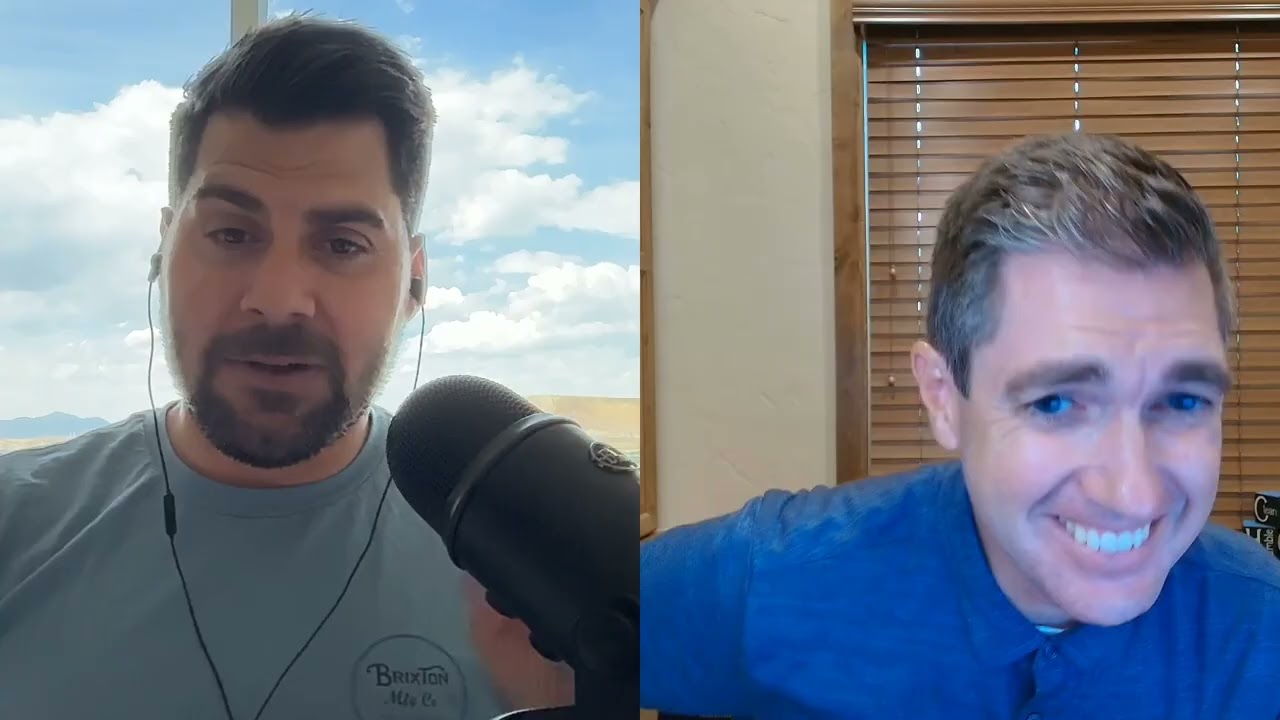
How to Become FFS with Debra Nash
August 19, 2026 · BoomCloud™
About this video
Debras Website: https://debraengelhardtnash.com
Make $50k/mo with a membership plan book - https://bit.ly/3zGT9nx
Full transcript
Complete text of this video
Welcome to the navigating dental insurance podcast [music] where we don't take from insurance companies. Here are your hosts, Mr. [music] Jordan Comstock and Mr. Ben Tuinei. This podcast is sponsored by BoomCloud Dental Membership Software, www.boomcloudapps.com, [music] and Veritas Dental Resources, www.veritasdentalresources.com. >> [music] >> Enjoy the show. >> What's up everybody and welcome to another exciting episode of the navigating dental insurance podcast. I am your host today, Jordan Comstock. And today I have a very fun guest, the one and only Deborah Nash. Deborah, what is up?
>> Oh, [laughter] man, everything is up. And you know what's really interesting, we're talking about navigating insurance. You know, right now as as in my consulting faction of what I do, a lot of my calls have been come and help me get out of insurance. >> Sure. >> Come and teach my team, what do I do? How do I get out of not maybe not every plan, but some plans? And some of them are how do I get out of out of how do I transition
out of these plans? >> Yeah, no, it's a big it's a big topic in the industry today is getting rid of those insurance companies cuz as you know, they cause lots of problems. >> Well, because here's In fact, we talk about we talk about statistics. When I'm looking at data for a for a practice, we look at profitability. Um one of the things I always that I always want to say and I say in my lectures, I say it to my clients, I want to take
a look at your gross What was your gross production and what was your net after write-offs? >> Sure. >> And write-offs could be the benevolence of the doctor, the family members, the discount. But the other one I'm going to take a look at, what was your insurance write-off? And you and I were having a previous conversation about I had a client in Murfreesboro, Tennessee and it took me a long time to learn how to say Murfreesboro. >> going to say that's that's a tongue twister. >>
And it's [laughter] spelled so weird. Um, but I looked at their um gross versus their net, and they wrote they wrote off $367,000 in insurance write-off insurance adjustments based on what their what their >> 367,000 >> 7,000. So, what they were at their actual fees were basically at what their you know, what their agreement was with their the plans when they were in network. And here was the weird the sicky really sickening part. They were paying the associate on gross production not net. So, the associate
she was being >> Money they don't have. >> She's being compensated for money they would never get. >> Yeah. >> It's not even like it was an accounts receivable bill issue. >> Yeah. >> They're never going to get that money. So, so the question always is, how can I afford to get out of insurance? Well, there's $367,000 that you're never going to see. >> Wow. Yeah, that makes me that makes me sick. >> Yeah, that's a lot of write-off. It's a lot of write-off. >> That's
a lot of lot of cash for lots of different things in the practice and and for the practice owner personally, right? That's insane. What um um I and the it's crazy that the industry's been accustomed to working with insurance like this to me. For some reason, I I mean, I've been in the dental industry for some time and I I still I'm like, man, why why do so many people work with insurance companies and and the PPOs? It just doesn't make any sense to me. Um,
you know, and and maybe part of it is I I grew up watching my mom work with PPOs cuz she worked from home when I was a kid, and I heard her cussing and screaming at insurance companies all the time, you know, after after she got off the phones with them. Maybe that's maybe that's kind of how I I look at them cuz it's trauma from my childhood. >> Well, it's interesting. I'll give you an example. Just just happened a few moments ago. Um, uh Ross's
Dr. Nash's and Dr. Remlinger's treatment coordinator came in and we're trying to deal with a It was an accident claim patient had She had said she had a stroke, she fell, she broke some teeth. So, it is becoming a medical claim now as well, you know, as opposed to dental. And Ronda is she said, "I was just spent 2 hours on hold with the insurance company." She says, "I can't I I can't spend 2 hours on hold with an insurance company and I explained to them,
I see I have patients. I can't I don't have 2 hours to spend." >> Yeah, that's insane. >> And it's crazy. And we're doing this as a courtesy for this lovely person. And this is a unusual, but it amazes me. Okay. It amazes me about I hired often times doctors will hire somebody to do nothing but insurance in their office and I always say, "You know what? If you could minimize your insurance involvement and you could have that person calling patients on the phone and getting
them back in for treatment or getting them back into the hygiene schedule or re-engaging them in some way as opposed to listening to bad music from MetLife on [laughter] the phone." Um, I would rather have them do people work instead of paperwork. So, >> Totally. >> Yeah. So, [laughter] if I can eliminate or minimize that and get them, you know, and help my patients understand that what our fees are all about and we'll do our very best to help you maximize or or utilize whatever insurance
allowance you have, not insurance benefit. It's an allowance and we help them understand that. We're going to do our very best to help utilize whatever insurance allowance you have. However, um, we will not do it um, if it compromise We're not going to We're not going to compromise or uh, limit our treatment based on the exceptions or exclusions of your plan and compromise our standards. >> Yeah, no, I at the dental lab when I was at the lab years ago, I mean, I saw cases like
that coming all the time where um, it it feels like the you know, the insurance companies are in control the quality of care that we should be giving to patients and insurance kind of the way they do their plans and their their all their their their >> [laughter] >> Um, >> Oh, we get to swear ON THIS? OH. >> OH, YEAH, you can swear. Yeah, THIS IS THIS IS YEAH. >> OKAY, I DIDN'T KNOW THAT. >> DAMN, I'm good now. I'm really [laughter] good. >> Yeah,
yeah, these I literally have shirts that say uh F that EP videos. So, I it's pretty crazy. Um, that's how I feel about it. Again, back to the childhood trauma listening to my mom. >> Yeah, there you go. Yeah. >> [laughter] >> Um, no, but I I it's it's interesting that it affects the quality of dentistry to patients. If I were a patient and I saw you know, if I understood that that that you know, that I was getting a lower quality crown or or whatever
it is I'm getting, I would I would be worried that because I I care about my health and even if it's just my teeth, the teeth are really important, you know? Um, I just I don't it doesn't sit well with me. It's never It's never been something that I've liked hearing in the industry. And that's what's, you know, over the years that's what I've fought to help the industry to change. >> think what's really important when we when you talk about affordability of dentistry, here's something
that um, I'll never forget, you know, people who have maybe um, don't have the same amount, they don't have the same financial means as someone else. They they have to afford to do it right the first time cuz they can't afford to do it over. >> Yeah. >> So, I mean, it's you know, and I always have these analogies. My Everybody laughs at me, "Oh my gosh, Deborah, here's another analogy." So, when I had my when I had my yard initially when we moved into our
house and I had my yard landscaped, I chose the lowest bid. >> Sure. >> Like and I got what I paid for. It all had to be redone because when they put the trees in, they didn't unwrap them, they all died, they it wasn't They didn't uh treat the soil properly. They didn't put in any French drains. And you know what? Shame on me. I learned my lesson. I learned my lesson. So So, the question is for a lot of doctors, do you want your practice
to be known for go see Dr. Smegley because he has the lowest fee possible or go see Dr. Smegley because they take your insurance or do you want to be known as go see them because they're going to take really good care of you and they're going to love your dentistry and it's going to last? >> Yeah, totally. You know, that I mean that's something here with with our team we're always talking about, you know, we're not the we're not the cheapest. We want to provide
the best, you know, with with our services here and I think that that's something that I've always believed in that there's obviously a market for for cheap patients, but I don't know. I I've dealt with that the at the dental lab days and it's not They're not the funnest patients. >> Well, and you know what's interesting because the the the patients who want to pay the least want to get the most. They have a tendency They They have a tendency to be to be the most
demanding. They're snarky. Yeah, I think about I think about um most people who listen to this podcast know that I'm married to a dentist. By the way, if you had have ever told me I was going to be married to a southern bald dentist and live east of the Mississippi, I would have said never in a million years. He was not a client. It's not like I was sleeping with a client. He was not a [laughter] client. And he became a client after, but but um
now he has since sold the practice. I didn't know if you knew that, Jordan. I think you did because we're boom because we work with Boom Cloud. >> Yeah. >> And uh um but now now his his new employer has retained me as his consultant, which is kind of fun. >> And you guys are still you run the Nash Institute. >> We still run the Nash Institute, yeah. But I I think I mean So, my husband has been a fee-for-service dentist since the '70s and I'll
actually tell you the story cuz he tells it in his sort it's sort of a it's sort of kind of a even a Roy Shelburne story. So way back oh yeah. So way back in the early 70s he had a little small practice in Eden, North Carolina and I know he's going to be comfortable telling be telling the story and he um he was taking insurance and he wasn't a PPO but he was taking insurance and he had a a patient that the husband wanted him
to extract the wife's teeth and give him dentures. And he said, "You know I don't need to do that. I can restore them." And so he says we don't need to give her dentures. Well, the something happened and for some reason the the the the husband was upset that Ross would not do these dentures for this patient. So he's he actually called the board and said, "You know he he's not going to he's not treating my wife the way I think she should be treated. He
wants to do this restorative dentistry." And oh yeah. And so they came in and audited Ross's records. They came in and I mean they shut him down. They didn't take him to jail like they took Roy but they shut but they audited him and the board audited him and they they scrutinized why did this patient why did you have this patient come in for an RPC? We want to see the data and and I mean it was and he's and he won. I mean but it
was arduous and it was heart-wrenching. >> Yeah, I bet. >> And but he said, "You know what? I am never after that." He said, "I am never going to let a third-party dictate my standard of care. I am never going to let that happen to me ever again." And from that point on he said, "I am strictly going to be fee for service. I am going to dictate my standard of care. I am not going to because I'm thinking about this. If I'm if I'm a
member of a lot of PPOs so this PPO has this standard and this one has these requirements and this one has you know when the moon is in the seventh house and earth aligns with Mars then you can charge [laughter] the patient this amount of money. And Ross just said, "You know what? I offer my patients one standard of care." So, when patients call the office and they ask about insurance, >> Sure. >> and we are So, we are really kind of a unicorn because we
are out of network, we're strictly fee-for-service, we have no accounts receivable, we collect everything prior to care, um especially for big cases. Every Yeah. >> So, when patient But patients call us all the time and they say, you know, "Are you in my Are you in my plan? Or do you take Delta?" And my answer always is, "You know, I'd be happy to tell you how we handle insurance. We'd be happy to tell you that." Um I said, "Before I do, may I ask you a
few questions?" I said, "How did you choose us? Why did you choose us?" And um why did you choose to call us? And they said, "Well, I I Googled you." I said, "Oh, so you got the opportunity to see the type of work that we do. And you had an opportunity to to watch the video and and learn a little bit more about Dr. Nash and Dr. Werlinger and get to know us a little bit." And I say, um yeah, I say And most of our
patients choose us because of the quality of care they're going to receive and their commitment to the type of work that we do. Most patients don't choose us because of insurance coverage. Let me tell you how we handle insurance. >> Love it. >> We don't I don't say that. I don't say that. >> Yeah, yeah. >> We don't. >> So, but I tell them, I say, "We You know, we will we will do our best to help you utilize whatever allowance you have coming. As a
courtesy, we will electronically file your insurance for you to be reimbursed by your by your by your company." >> Sure. [snorts] >> Um you know, if there's a if there will do our you know, we'll send all the data, we'll send all the information that they need to have that claim processed. And here's something that a lot of a lot of patients don't know and I like to educate them and I'll say, "You know, one of the reasons we do this is that we don't know
if your coverage is going to change and and insurance companies have the um capability and the license to change your coverage on a month-to-month basis. So, it's It's annually. It's It's It's monthly. So, if you, you know, and it's your employer who chose the fee schedule. >> give notice? >> No. >> Wow. >> They don't have, yeah. So your employer chose the the allowance that they're going that they consider to be usual and customary. So when your insurance company talks about usual and customary fee, it's
the usual and customary fee that your employer said that they're going to establish that as your fee schedule for your for your your company. So usual and customary fee is the the established fee that was arranged by the human resource company or the human resource department and that particular insurance company. >> Wow. >> So if the if the >> know that. >> Yeah, so if the if the company, if my company went to you, the insurance company, and I said, "Hey Jordan, your company's charging me
too much for my premium, and I'm going to have to start shopping." You're going to say, "Well, I can lower your premium. We'll just lower the fee schedule for the patient." >> Interesting. Yeah. Interesting. Well, I don't I don't give my employees dental insurance. They all have dental membership plans with one OF OUR CUSTOMERS. >> SO DO OURS. >> YES. >> SO DO OURS. We have You know what's interesting, of course, we offer free dentistry for our team, but we don't offer free dentistry for our
team's family members. So guess what? Our team family members are on membership plans. >> Membership plan? No, that's awesome. >> So I mean they get a Yeah, so they get a courtesy. But I think what's more importantly, I mean when I say to patients that we'll do our very best, however, we will not we do not have insurance companies dictate the standard of care that we're going to provide you. Our fees are based on three things. >> Yeah. >> You know, and I always say, "These
are the And I always doctors say, "What were those three things? What are those three things?" So the three things that we base our fee, we establish our fees are are based on number one, the skill required to do it right, >> Yeah. >> the time >> is a skill. I mean >> Yeah. Yeah. The time it takes to do it well, and the materials, the laboratories, the technology that we use so that we know your restorations will endure that they're going to last. >> Yeah,
that's awesome. >> So and I actually use lab as an example. I say you know there's some some dentists who might choose a lab that is a very low fee and some dentist um send their lab their lab work to China and they get they get the they get the crown back for $29 and it looks like a $29 crown. I said you know we use We use the we use the best labs in the country because we want your restorations to endure and we want
to be proud of what we do and you know whether you paid $400 or $4,000 if you're not happy you paid too much. So those are the conversations that we have to help the patient um understand about about insurance and uh and why insurance should play such a minor role. But I you and I were having a brief conversation before we started and I said you know if we want insurance to play a minor role in our practices and we don't want the patients to make
decisions or or or um calibrate their their treatment based on insurance why is it the first question we always ask? >> Yeah, why is it always like well what insurance do you take? >> Yeah, so I say hi my name's you know Deborah Nash and I like to make an appointment for um for a new patient exam or a new patient consultation. Um I'm trying to wave off my and I see somebody over here in the distance who wants to pop his head and he doesn't
realize we're podcasting. SO I'M LIKE DR. NASH GO AWAY. STEP AWAY. [laughter] Step away. >> I had that I had that happen to me the other day too. >> Yeah, I didn't close the door and say podcasting session. But I so we we always ask that question first of all what insurance do you have and then we spend 10 minutes explaining insurance involvement and deductibles and maximums and allowances and and so then we wonder why the patient focuses on insurance because we did. The other thing
I hear a lot Jordan when I go into offices I hear this this you will not believe I hear this. So, the doctor will the doctor will present an amazing treatment plan. And the patient will be released to have a conversation about uh finances. >> Okay. >> And the treatment coordinator or the dental assistant, hygienist, receptionist, whoever that person is who's going to be presenting the financial arrangements and potentially the treatment plan to the patient says, "Oh, I see the doctor has this treatment plan for
you. You know your insurance only has a thousand dollars allowance." It's like talk about a Debbie Downer. >> Yeah. >> And literally, [laughter] you know, say, "Oh, yeah, this is a great treatment plan. You know, this is a twelve thousand dollar case. You know, your insurance is only going to cover a thousand." >> Yeah, that that will close the deal. >> Yeah. >> No, we can't Yeah, I hear that a lot. Well, you know, you or or or and if I could do the visual, I
have doctors who do who I watch them and they they do it they examine the consultation and then they roll their dental chair back in into they roll it into the hallway and they yell down the hall, "Hey Doris, what kind of insurance DO THEY HAVE?" >> [laughter] >> AND I SAY, "Wait a minute. You're you're determining >> You're determining your treatment plan based on their coverage?" >> Yeah. >> You know, I mean >> Well, yeah, I I remember one day at the dental lab, I
got we got a lab slip that said, "Please fabricate >> [laughter] >> the lowest and cheapest cost crown possible due to the patient's insurance." And I was shocked when I read that lab slip uh years ago. I'm like, "I can't believe that that's the mindset that that that that not only in obviously insurances created, but we as as dental professionals have done and encouraged and encouraged, right, over time. >> Yeah. >> So, it's insane. So, I got I got a question for you. So, a lot
of practices that that speak with us here at Boom Cloud and on and our podcast as well, they're they're wanting to reduce dependence on PPOs and insurance. They want to be comfy for service. What I know you work with a lot of practices and you do your courses at at the National Institute. What are What are some of your tips on on on beginning the journey to becoming fee for service? >> Um yeah, right, cuz it is a journey. And right now, um I will tell
you that I would I would I would say the majority of maybe kind of the majority of large uh sect of my clients right now are how help me transition out of insurance. >> Yeah. It's a big thing uh in the past couple years. >> Well, and look what's happening. Um look, if not only are they reducing their coverage, they're reducing their allowances, they're reducing their allowances and they're asking the doctor to do to to jump through more hoops to get the lower fee. So, now
if I want to do a post core build-up, I have to send a photograph and a radiograph, a pre-operative and a post-operative photograph and radiograph. >> Wow. >> Like it's almost like the insurance says, "We don't trust you." >> It's like, "Hey, the insurance the insurance companies now are becoming the IRS. Let's just make it more complicated." >> Yeah. >> [laughter] >> So, it's crazy. So, the first thing that needs to Yeah, so I think the first thing that we that you need that the office
needs to do is that they they need to run a report and say, you know, what percentage of my patients have insurance? They might be surprised. And they could look at their top how many how many of my have are Delta, how many are MetLife, how many are Cigna, what percentage of my patient base have these plans? And so, the first thing I And And you also have to be careful if you're going to sign up for a plan, you know, you you don't you want
to want to be careful that you're not caught in this umbrella. And sometimes the whole Yeah, now you've got an umbrella of plans and you thought you were signing up for one and and you now have seven. So, do your due diligence about what plan you're signing up for. But let's say you're wanting to transition out. First of all, find out what percentage of your patients um are are on that particular plan. And then I would also take a look at the fee schedule of that
plan. So, if you're Let's say if you're if your crowns are the standard crown is $2,000 and that plan will cover um oh, you know, like $480. You have to take a look at Am I Look at my Look at my write-off. How many So, here's the question. How many fee-for-service patients would it take to replace that insurance patient? So, I'm only getting So, I'm losing what? 500 and I'm I'm losing if I if my crown's 2,000 and I'm and the the insurance company's going to
make it I don't like math, so let's make it easy. My My insurance My crown fee is 2,000. The insurance is going to cover me at 500. So, I'm losing $1,500 per crown. >> Yeah, that's insane. >> How many patients fee-for-service patients would I need to replace >> or >> that? Very few. >> Yeah. >> I would need two. Two, maybe three. [clears throat] So, I can take a look at What What are What would be my plan if for whatever reason I lost that percentage
of patients in my practice because I'm I'm no longer participating in that plan. How long would it take me to recoup the cost? How much am I writing off for that plan? How long would it take me to recoup that cost by moving fee-for-service? And And then I would start um if I'm if I'm getting ready to do that, then I would start a campaign for those patients. And I And I would say this, I've seen some letters, Jordan, that my other my colleagues have written
that really make insurance out as the bad guy. And that's, you know, we know that they are the the evil ones. We know that. But we don't want to >> much the devil. >> Yeah, we know that. But we don't want to We don't want to pit ourselves against the insurance company to the patient. >> Exactly. >> So, the letters the letters I mean I think I read one letter from a consultant that said something like, "We can no longer afford to be on your plan
because it doesn't even cover our costs." And most patients think that dentists are rich. >> That's what it said? >> Well, I mean it says, yeah. >> they said. >> That's what they said. So I So now the patient's going to say, "Well, dentists make a lot of money, so they're basically saying that they're not willing to take this cut." Um and they're going to pass that off to me. The dentist can afford to take the cut more than I can. So I never want to
say it's we're we're we're dropping this plan because they're cutting their costs and um we're losing money because of that. We want to say that we are no longer going to participate in this plan because it's compromise There are limitations, there are exceptions, and there are exclusions are compromising our standard of care or potentially compromising our standard of care. >> Sure. >> So not it's not has nothing to do with the money piece, even though that is the that internally is one of the reasons. The
other the patient reason is that we are eliminating ourselves from this particular plan because um their dramatic changes in their in their in their structure is going to compromise our standard of care. >> Yeah. >> And our commitment is to you, not to your insurance company. >> Love it. Yeah, no, I think that So So step one is to look at the data and the opportunities, you know, of you know, what how many uninsured, how many insured, how many are on certain plans. >> How much
are you writing off and how would you you know, how much are you writing off and how would you how long would it take you to recoup that for a few percent? >> love that. And then and then and [clears throat] then um really getting the verbage down cuz that >> Oh. >> understanding how to communicate to patients. Um so my brother My brother's our chief operating officer here at BoomCloud, and he's been reading He read 30 business books this quarter, and he reported to the
leadership team here. He's like the the most important books that I've realized that are that I've been reading are communication books. >> Oh. >> And because it happens all the time. We're communicating with people. You and I are communicating right now. We're communicating with customers, internal employees, my wife, my kids, right? Communication is one of the the the the most important tools that we can use not only in business and in practice management but just in in life in general, right? So I think yeah, to
your point, making sure you're using the right words and >> Well, and you know, it's going back going backwards sort of >> going back going backwards sort of um cuz I have to make sure that also if you're getting ready to to drop a plan, you have to find out what your contract reads, how much notice do you have to give as well. So you you can't just drop a plan. You have to you have to give them notice and you have to know that if
the if the plan is 90 days, then you're going to be you're going to eliminate eliminate that plan as being a preferred provider. >> Mhm. >> You you're going to you know that they are going to send that those the a letter. So you want your letter to beat their letter. >> Uh I see. >> So you want your letter >> to beat their letter cuz they're going to get that letter. But you also know that there's requirements that if you've already initiated treatment on the
plan, you have to finish it on the plan and those are there's some requirements to do that. But I think what's most importantly is not is the team has to be on board with this. So we want to we want to help the team we want to avoid the team saying, "I'm sorry, but that's the doctor's new policy. There's nothing I can do." >> yeah, that is a good >> Yeah, because that's basically saying, "I don't agree with that policy or that protocol, but there's nothing
I can do about it." And what that is also implying is it's it's wrong. Yeah. So when you say, "I'm sorry." or you're saying unfortunately um you need to say, you know, um I understand and appreciate the standard of care that she wants to provide the patients, and I can see that she gets frustrated and she feels like her hands are tied when she's limited by the restrictions of that that plan. >> Yeah, no, no, that's good. That's a great tip. Um another thing that I
I mean, when I tell practices that cuz like I said, 95% of people when they call us at BoomCloud, but they're trying to reduce dependence on PPOs and become, you know, more fee-for-service. >> Well, it's a great alternative. >> Yeah. >> It is, and I think um obviously setting up a a dental membership plan is super critical from what I've seen out there. Um as you're looking at the the data, like Deborah said, looking at the who's insured, who's who and which plans they have, who's
uninsured, who's inactive is something that we look at you know, at BoomCloud um because a lot of the times a patients go inactive cuz like, "Well, I I don't have dental insurance, so I can't go to the dentist anymore." You know, a lot of people think that way. So, we we take the those buckets of opportunities, and we always recommend um educating those patients on on joining a your dental membership plan, right? It's a key to number one, uh a key to creating cash flow or
predictable recurring revenue as you're as you're going out of network, and then a key for as a retention strategy for for those types of patients. >> Well, >> Go ahead. >> I'm sorry. >> You're fine. >> I had a little bit of sugar. I had some I HAD SOME COCAINE. [laughter] >> I HAD SOME COCAINE. >> I HAD A LITTLE BIT OF COCAINE AND SOME SUGAR. >> OH, MAN. MY FACE is going to be hurting at the end of this podcast. [laughter] >> So, so I
think what's really important is when you take a look, you could also take a look at your um your pocket Here's what's the kind of the good news cuz we all hear says we all hear the bad news the bad news. So, here's the good news. The good news is our aging population, number one. That's good news. Aging population and people who are doing early retirement, they're not going to have dental insurance. So, we should be running a report in our office. If you're get when
you're getting ready to do a a membership plan, you should be running a report a report in your office. I want to contact every one of my patients who's 55 years and older >> Yep. >> because I know that they're going to be transitioning out and/or their companies may be limiting now because they're trying to reduce costs. They might be limiting the the benefits or the in their compensation packages. So, I want to make I'd run a list of everybody who's 55 or older and say,
"You may be no longer being offered uh in dental insurance." So, we have a plan we have a we have an alternative. Here's the other thing that's so cool. So, I can't do this if I I can't do both. I can't have dental insurance and in-office membership plan, but this what we're doing right now, this Zoom thing we're doing. Have you heard of Jordan, have you heard about the Zoom boom? It's called the Zoom boom. >> I don't know. I don't know. No. Maybe. >> You're
you're you're frightened, aren't you? You have no idea what I'm talking about. WHAT IS >> [laughter] >> YOU KNOW, A LOT OF MY FRIENDS SAY THE SAME THING. OH MY GOSH, what's she doing now? So, [laughter] they're calling it the Zoom boom and here's what happened. The app this whole pandemic situation and all that's happened in we all learned how to do this. We all learned to have Zoom meetings. >> Oh, sure. Yeah. >> Corporates, professionals, you know, people you know, who are you know, high
executives are doing this and they're on Zoom and they're going >> [laughter] >> Yeah, like I've noticed my diastema like sometimes. >> like this. So, they're like, "I And so, what happens what So, that's called the Zoom So, now plastic surgery and cosmetic aesthetic elective treatment has at an all-time high. >> Yeah, I've seen I've I've noticed this too with practices that use or you know, have a membership plan. They're adding like Botox and things like that to their membership plans. >> Oh my gosh, and
we can't do in North Carolina we can't do that, but >> Yeah, I'm sure there's state regulations. >> When when we have when our patients look at the fact that they can do cosmetic dentistry and they can receive a we offer 10% courtesy on their on the restorative treatment. They say, "I'm going to get 10% off of my elective treatment?" Well, you're going to get 10% off of all of your treatment, but I could do I could do my veneers and I'm getting a I'm getting
a a discount. I'm getting a You're getting a membership courtesy is what you're getting. >> It's not a discount. We want to We know You're getting a membership courtesy. >> Savings. Savings and courtesy. I like courtesy. >> Yeah, you're getting a membership courtesy. It's like Well, I I want this. >> Yeah, totally. >> So So some of them some of the patients actually want in-office membership because they are they are of an age that they are losing their benefits and this is now they're looking at
Re-Care and wanting to be in Re-Care. We I'll tell you why we did it for a totally different reason. >> Yeah, tell us why. Well, yeah, cuz we'd like to know. >> know. I don't know. Yeah. >> Well, here's our situation. We get a lot of referrals in our office for cosmetic and aesthetic treatment. >> Sure, yeah. >> And what would happen many times is they would come in and and if they were if they were referred by another dentist, we always send them back to
the other dentist. I mean, we would never keep a patient in our practice because that then we lose our referral source, right? >> Oh, sure, yeah. >> If you were Dr. Comstock and you are a general dentist and you referred We have a We have a general dentist here who's 5 miles away, and she's probably referred six new patients six patients a month for cosmetic treatment. Well, we're not going to keep that patient. >> Yeah, who's going to do the cosmetic case? >> And send them
back for restorative treatment, right? Or we're going to lose that referral source. But, if they if they have come to us for a different reason they've come to us from some for some other reason they weren't referred by a another dentist or a specialist, um often times they will say, "Well, I want I'm going to go someplace else to have my teeth cleaned." And I'll say, "Well, you might want to stay here and here's what we have to offer you. So, our our reason for doing
it, which is probably not usual, is patient retention. >> Yeah. >> We We offered We decided we wanted to offer a membership because we wanted to inspire the patient to stay in our practice. >> Yeah. No, I think that that is a very important quality of the membership plans is is a retention strategy. You know, and you know, um what's actually interesting in regards to the, you know, subscription dentistry, or whatever we call it, right? Membership plans. I'm seeing more uh practices offering uh unlimited whitening
membership plans. In fact, there's a there's an office here there are 13 locations now. That's all they do is like whitening subscriptions. And that's something that That's something that you could offer to your insured patients and your uninsured patients. And and get a get a retention or or subscription >> And if you were want it If you were wanting to um really build up a brand new practice, if you were a young office, and you're coming in, and you wanted to And you needed to build
more new patients, what a great way to do that. >> Yeah. I I mean, that's something I know what I think I read a stat like 56% of Americans are happy with the color of their teeth. And I remember at the dental lab, we we when we did like the shade matching, you know, when patients would come in and and do shade matching with us, nobody was ever satisfied with their current like color >> Yeah. Yeah. Yeah. Yeah. Yeah. >> "Well, can you make it a
Can you make it Yeah. Can you make it a little bit lighter?" I was like, "Whoa, okay, this is going to be like a fluorescent tooth next year other, you know, A3 teeth, or whatever, you know?" So, um but that that is something that is interesting that I'm seeing that that there's there's actual businesses now in dentistry that are just only doing teeth whitening membership plans. >> Well, if you And you probably know this because you're pretty savvy marketer and social media expert far more than
me, but the number one searched words in uh on the internet in dentistry, teeth whitening. Number one Google search. >> And from a marketing standpoint, Deborah, this is how I look at it. I even have a on my I have giant whiteboards in my office next to my studio here that are from floor to the ceiling and I have it designed out I call it the practice revenue engine. And the fact that you said that that's the first thing that patients are looking for in a
practice, I call that front funnel opportunities or top funnel opportunities. I'm using marketing jargon. But from my perspective of running any type of company a practice, software company, dental lab, you want to be able to generate predictable recurring revenue or any type of revenue really, but predictable recurring revenue from anywhere from the front funnel, you know, when patients are discovering you all the way to the back funnel. And that when I say back back end, that's going to be like all on fours and the bigger
type of treatment, cosmetic >> Right. >> treatment. So, you want to be able but my my point is you want to you want to be able to track those those those patients searching, you know, and looking for teeth whitening and then getting them on in some type of retainer plan like a unlimited whitening membership plan. So, that's kind of how I look at it, especially for finding new patients and and but also attracting your uninsured to pay you a a subscription or your >> Well, you
know it's really interesting because yeah, it's also interesting that um patients who are searching for teeth whitening or for cosmetic and aesthetic dentistry >> Oh, yeah. >> probably have other restorative needs. And you're going to have you're going to have to do a limited consultation. You're going to have to make sure that you're doing some sort of periodontal evaluation and making sure that because if you're going to put impression trays in a patient's mouth or you're going to do all you want to make sure that
they're that they have that they're that they're healthy. So, >> if they're going to get you know, crowns or veneers and maybe they're not happy they're not happy with the color, you got to do the whitening stuff first and then the next step >> Well, and yeah, and what actually what happens sometimes is you know what they only they only want to be able to they only want to to afford see now notice how I say that they only want to afford the uppers they only
want to afford the uppers. So what they'll do is they'll whiten the lowers before they do the uppers to get these as white as possible so that they can match the color that they want on top. >> Sure, interesting. No, I I just thought that was fascinating that you know a lot of practices are starting to do that with with it within our platform but just down the street here in Utah there's there's a whitening only practice that does a membership plan. I just and I
called them I called them up the other day I'm like how many I'm I'm like I'm so I'm such a geek Deborah. This is what I do on my spare time. I called the office up and I'm like how many members do you have on your membership plan and they're like we have over 2,000 active whitening membership patients and I think they're charging $39 a month for whitening unlimited whitening and and and then they get a discount on you know other other types of products they
have there and I'm like holy smokes that's a million dollar business just with whitening. >> Well, think about I mean in terms of subscriptions and and I mean sometimes people don't even know they have them. I know here in um and I I don't know how if the franchise is national I'm sure it is but there is a they call it it's called Amazing Lash it's a lash extension yep my wife does lash extensions um and my friend Mike Buckner says whatever Carly needs to do
if she wants those lashes she gets those lashes but she looks great in those lashes so she gets them. So you once again you subscribe to because my friend our friend Penny you subscribe to their lash club >> subscription or something >> Yeah, and you get x amount of visits per month for that fee and it's lower than if you went in without being in the lash in the lash club. Yeah, so same thing applies. Yeah. um >> I think that's interesting. >> It is interesting.
>> It's definitely something that, you know, we're at least I'm seeing, you know, practices that are going fee-for-service. That's That's definitely a necessary step that they need to take aside from all the the the information you gave us. I have another question. I I think there's Okay, you can think about that question. Finish Finish your comment and then because it's there you know, there are a lot of cuz cuz I'm kind of a um I'm a rogue on this. There are so many people who say
the DSOs are swallowing up general practice. Yeah, I've heard I've heard that ever since I started the dental lab like 15 years ago. Oh, you know what? I remember when I was first in the dental industry, um you were Like we're going to die. Yeah, I I wasn't born. Oh, we No, there was a big cover on Time magazine and it was called Doc in a Box. And that was where they started talking about franchise dentistry and they were talking about, you know, the Walmart dentist
and the and the DSO dentist and you know what? Um yes, there I mean it they're they're going to be there. So it's So it's also it's like any kind of it's dentistry in general, you can choose am I going to have be a high fee low volume practice? Am I going to be a low fee high volume practice? There's no right or wrong. It's what do you want to create? What do you want to What do you want to brand? Am I going to be
a DSO office? Am I going to be a a boutique fee-for-service practice? I mean Stay in your lane. Stay in your lane and and if you're going to be in the lane of fee-for-service um practice then you've got to behave in a fee-for-service way. So you have to have things like in an office membership plan. You have to go above and beyond. I you know, I always say to my team, if we I mean, our fees are in the 90th percentile. Nice. So I say, you
know what? We Our patients aren't going to say, "Oh my gosh, that's a beautiful crown and it's worth that." So they're not going to say, "Yeah, this is worth that kind of money because it's a beautiful crowd." They're going to say, "It's worth that kind of money because of the way that I treated while I'm there." >> Yeah. >> And the professionalness of the team and the follow-through and all of those things. So, do we have DSOs? We do. Yeah, we've had DSOs forever. Do we
have I mean, are the is the fee-for-service practice dying or dead? I don't think I don't think it is. >> I don't think so. I think I mean, I've seen more and more practices be you know, headed that direction and and becoming that fee-for-service, right? I don't I definitely don't think it's dying and you know, there's there's a lot of different business models that work in dentistry, which is cool. Um >> Yeah. What's your question? >> My last question for you is what are some you
you've worked with practices across the nation on becoming fee-for-service? What what are some of the challenges when a practice becomes fee-for-service? >> A lot of it is there's the fear factor. >> Yeah. >> Am I going to lose these patients? >> Yeah. Am I going to lose these patients? >> What's going to happen to my patients? What's going to happen what's going to happen to my patient base? Um and here's the >> What what really happens cuz fear is one thing and emotional distortion from that
fear is what >> that emotional distortion. >> Yeah, yeah, that's my favorite word. >> I've had dates I've had dates that they mostly were emotionally distorted. >> [laughter] >> Me too. Uh >> Yeah. >> What cuz that is something I hear all the time is like if I like I literally was talking to a practice in in Hawaii the other day helping one of my sales people out cuz he was talking about his fear of if I go down if I go if I become fee-for-service,
I'm I'm going to lose all my patients. So, that's a fear and it a lot of a lot of the times is over exaggerated. What is the reality that you see out there? >> I think you know, the reality is typically what I have seen is that you might you might lose a a percentage. Now, once again, okay, once again, I would say you've got I would include it all the data that you're collecting. That you need to do a possibly a demographic psychographic survey and
find out what percentage of my my patients in this community have you know are are um committed to or are dependent on dental insurance. So, for example, do I have a major employer in my town and all most of the patients in in this area are work for that major employer. And that major employer I have a there's a client in Nashville. So, they most of their patients work at the hospital across the street. >> Sure. >> So, they have to take a look at they
those um employees at that major hospital have Blue Cross Blue Shield. Well, they have to take a look at 65% of our patients have Blue Cross Blue Shield. Am I going to drop that plan? Um I probably wouldn't drop that plan. But I have other plans that I would that I would drop. So, it's still it's still affects my bottom line. I can still improve my bottom line in other areas. So, it doesn't mean you're going to say, "I'm getting rid of all the plans." >>
Yeah, yeah. >> have if you have a major employer and most of your patients come from that employer, that company, you're probably going to keep that plan as a courtesy. You're going to keep that plan cuz it's 65% of your base. >> Yeah. >> But I would say on the average most offices lose somewhere from between 15 and 25%. >> Mhm. >> Um you know, but that doesn't mean that they're not going to come back. They're going to say, "You know what? I tried to go
to another office and I didn't get the same I didn't get the same care that I got here and I'm willing to >> willing to to pay the difference. >> Dentistry is is a relationship business, right? And um a lot of that >> I wish everybody knew I wish everybody realized that. >> It really is. >> Yeah, it is. >> So, going back looking at so making sure you understand your data. Meaning when I say data, that's all what Deborah talked about. >> Get your data.
Fear Overcome your fear. >> Yeah, and data will help you out. >> those things. Yeah, what what Okay, so there's always that cuz I What is that that what what that cute little phrase? um Um What if I jump and I fall? Oh, but what if you jump and you fly? >> Yeah. >> [laughter] >> Wonderful. And a lot of the times, I mean, I've I've heard stories over and over again of of, you know, practices having that initial fear and it be that being the
challenge becoming fee-for-service, but then they they actually one day go down that journey and and and go down that road and they're like, "Wow, why didn't I do this 10 years ago?" Or whatever it is. >> Exactly. Insert your years of business, right? >> Yeah. >> So, I think it's really interesting. So, any other challenges you you see out there that that practices face when they become fee-for-service or or when they become fee-for-service are they uh happy and excited? Like, is What's What What is it?
What's the end game? >> Okay. I mean, I think you're so that is such a a really cute and >> [laughter] >> kind of juvenile question because how many doctors would like to be paid full fee for their treatment? I mean, if you charge $2,000 for a crown and you are electing to receive for 750, you realize that you're not getting paid for I mean, I go back to data. Okay, how much does it cost you to fabricate that restoration? >> So, and if you go
back further, how much did it cost you to go to school and learn the skill that you're using? >> yeah. But, let's say it's costing me $30 an hour for a dental assistant. I use one there. And it's costing me $400 $300 to have the crown crown fabricated. And even if I'm doing an in-office it's costing me $75 an ingot and it cost me $90,000 for the piece of equipment. So, people always say, "Oh, it's a CEREC." Yeah, well, you know, that it >> operating that
machine. >> And the human operating that machine. So, how much is it costing you to fabricate that crown? You should be making four times what it's costing you. >> Sure. >> So, so you you do you take a look at my insurance the insurance isn't covering that. So, I think that the um um I think the other piece is the doctor has to be the leader and have that commitment. That commitment to say, "Hey team, um, I want to do this. I want to do this
and I feel really I mean, Ross never wavers. He never wavered. There is never a even a thought that he would go you know, he'd go in network with any any plan. And some patients will say, "Why aren't you in my network?" And we say, "You know what? We'd be happy to share that with you. It's because of the caliber of of the dentistry we want to provide you and it's the it's um it's the commitment we have to to not to to not compromise our
standards." And I and I always say this, there are so many dental insurances, there's hundreds of thousands of different plans. And they all have different exceptions and exclusions. You see your plan and you see the exceptions in the in and exclusions from your plan. But there's hundreds of thousands of them and when we decide to participate in one, that actually um dilutes our standard because now we have to comply and we have to we have to complement all the different exceptions and exclusions. It just makes
it cleaner for us to do it one standard of care for all of our patients, helping you receive whatever allowance you have coming. Um and it just our relationship is with you the patient and the quality of care that we promised you, not the compromises that we're willing to make for the insurance company. And you know, I don't want to you know, sometimes if I'm really comfortable with a patient um and we've known each other, you know, I gave them a I gave them a hit
in 2012. And I I can say, "You know, >> [laughter] >> insurance companies want to look at the difference between what an insurance building looks like and what a dental office looks like in terms of ambiance, how many stories do they have? How much How much does a CFO of an insurance company make? Tens of millions of dollars as opposed to I mean, so they want to make at least 20 cents on the dollar. And when, you know, um so that's their their that's their goal
is to make 20 cents on the dollar. And, you know, so they're in the money-making business. So are we. I mean, we're in the money-making business. But I think when the doctor turns to the team and says, "I need your help and I need us to work through." I think the other the other obstacle is when you don't work through, which we talked about earlier. When you don't work through the communication skill on how we're going to present it to the patients, what we're going to
say, how we're going to tell them, and making sure that the entire team is comfortable, you know, not not scripting it, but giving them kind of >> framework. >> a framework, and then letting them use their own words to say, um so here's what I sometimes will ask I forgot about this. Um sometimes I'll I'll say to the team when we're talking about doing this, and I just do this with a I'm getting ready to go back to an office in Baltimore. We're now on phase
two. And I said, "All right, let's let's just let's just think about this." So let's just say the doctor said that um she is offering you 30 $40 an hour. However, she is a PPO dental practice. Therefore, um and she's a PPO dental employer. So now she is actually going to going to pay you 40% of your wage because she's a PPO employer. >> Yeah. >> So you're so even though you were she said she'd pay you $40 an hour, she's only going to pay you
40% of that cuz she's a PPO. >> Yeah. >> [laughter and gasps] >> So that means out of the $40 Yeah, and they kind of go "What?" I go, "So what you're basic So what How would you feel if the doctor said, 'Hey, um I'm a PPO employer, so I'm only going to pay you 40% of your $40 wage.'" Well, that's Yeah. And then they kind of go I Then they go I get it. I get it. >> analogies analogies do work. >> A lot. A
lot. >> smart way to communicate. >> but you when you when you tell when you explain it to the patients the team that way they they say, "Now I see why we can't cut our costs like that." You know? >> Yeah. Yeah, no it makes sense when you explain it that way and I think that especially if you can talk that way to you know your patients, I think that's a really smart way to go about it. I mean I think you can talk that way
to pretty much any patient. Hey, imagine if you know I was your employer and you got I said I'm going to pay you 40 bucks an hour but because of the certain plan you're on I'm going to give you a a discount off of that and pay you not 40 bucks an hour. >> Yeah. [laughter] >> Right? No, that I think that's a good way >> that by 40%. >> 40%? >> Yeah, or 60%. >> Yeah, you want to come join my company still? >> Yeah.
Yeah, I'm a PPO. Yeah, so I think I think that getting the getting the team on board. So, getting your data, so if you were if you were saying here are your steps, getting your data, making sure that you've got all that information, how much am I how much am I writing off every year, how much would I what would I have to do for a fee for service fee for service treatments would I would would would cover those costs. Um it's probably going to be
far less than you think. Um am I going to do I'm going to do a demographic psychographic survey of my community? That's easy to do. There's companies that will do that for you. Do I have a major employer in my practice then but the bulk of my patients come from that employer? What is their plan? By the way, another way for in-office membership plans to work and I know Jordan you talk about this. I know I I'm going down a totally different path but >> I
have a >> when you get these small these small companies and say, "You may not be able to offer dental insurance for your patients. We have a plan for them. You might want to refer your patients to we could work in partnership with you to invite your your your employees, excuse me. We could work in partnership with you to invite your employees to participate in an office in our office plan." >> Yeah, we could sell we could sell with that all the time with our with
>> Yeah, maybe the employer pays part of that that membership fee. I don't know. >> I mean that's what I do with all with all my employees. I pay I pay 100% of their their dental membership. >> Yeah. >> Cuz I'm nice. I'm the best boss in the world. >> Because you're like the guy you're like the guy who bought the hair club. Not only did you were you a client, you actually did your hair. >> [laughter] >> So so I think that that's I think
it's also you've got to get your team on board and you've got to make sure that you that you understand how what your timeline is in terms of getting out of that particular plan and get your letter ready and make sure that the letter isn't punitive and it doesn't denigrate the insurance company. It's all about we want to always provide our patients with our best the best care possible. And we have found that this particular plan limits our ability to do that. Not that we can't
afford this plan anymore because it's it's it's too you know, it's not covering our costs. Just say it's you know, it's restrictions >> Make it about make it about the benefit to the patient. Not about your overhead. >> Not about our overhead. Your patients don't care about your overhead. >> No, they don't. >> So not about it's not about overhead. So make sure that the letter is patient friendly and make sure that the timing is that that letter and once again, I got to sit down
with my team and help them understand um you know, how we are going to talk to the patients by that. In our office that we just say we we collect uh the fee at the time of care and we will will as a courtesy as a courtesy, we'll electronically file for you to be reimbursed. >> That's awesome. No, I love that. So that uh this has been an awesome episode. >> Oh, can I say one more thing? I know I'm probably done. >> Okay, [laughter] ORDER
A PIZZA. ORDER A PIZZA. WE'RE going to be here for a while. >> [laughter] >> HERE'S THE OTHER HERE'S WHAT'S ALSO IMPORTANT IN in a timely right now. You're going to say, "Oh my gosh, I'm never going to ask her back cuz I can't get her off." >> I will always ask you back. >> Because think about this. Right now everybody's worried about this great resignation of team, right? >> Sure, yeah. >> We're short staffed. We can't find them, blah blah blah. So I don't need
as many team members if I don't participate in I don't need an insurance coordinator because I'm not going to participate that heavily with insurance or or I'm going to outsource it if I do, but I that I can repurpose the people that I have and that I don't need as many as I don't need as many staff. >> Sure. >> It would make sense. I just worked with an office yesterday in Florida and they were talking about adding another person and I said, "You know what?
If you took her off this task and put her onto this task of engaging patients, >> Yeah. >> you'd be far you'd be ahead. Don't bring another person and you don't need another person. You need to repurpose her. >> Yeah. No, that's fantastic. >> So, less insurance, less insurance That's why I get paid the big bucks. >> [laughter] >> Less less insurance dependence, that person can focus on other more >> Other critical things, yeah. >> Other cost cost per um income in producing tasks. >> Yeah,
and that's that's the I mean, that's a good business model when you we got all your team focused on revenue producing >> back to what I said earlier. People work, not paperwork. >> There we go. Love it. Deborah, so tell everybody listening where where can they find more information about your consulting and the Nash Institute? I know you speak a lot. Any you got a site that a website that you can share? >> have a website. Yeah, they can if they want to just it's it's
easy except my name is spelled wrong. I mean, it's not spelled wrong. No, I'm no it's just so you know, it's like I wanted to use every letter in the alphabet in my name. >> [laughter] >> So, no it's Deborah, but I'm d e b r a not the other way and I'm Engelhardt. It's e n g e l h a r d t Nash n a s h at you know, so deborahengelhardtnash.com or deborahengelhardtnash@gmail.com. Um >> I'll make sure I put everything in the show
notes. >> You can my cell phone number down. If people have questions, I do not have a meter on my phone yet. I don't have a meter. I'm not an attorney. I don't start to the time clock doesn't click on and I don't do that yet. And I've never I've only had one person ever abuse my my telephone time and it was a spouse of a doctor and I just said, you know >> call Deborah now before she adds that meter. >> [laughter] >> Yeah, no
no meter. I love what I do. You know, I have to say one one thing as we close. Um somebody was talking to my husband who's been a dentist for 42 years and had the cosmetic and aesthetic. He probably because he's been fee for service and he and he gets paid on everything he he does and so he's a happy dentist. He's not >> Yeah, he's happy. >> a He's happy all the time because he's getting paid full fee. He's not feeling um resentful or bitter
about I I did this beautiful work and I only got paid 40% of it. But I think what's also important, he said, "You know what? If I didn't have a passion for this, I wouldn't have been doing it for 40 years." >> Yeah. >> And I think I feel the same way and I know you feel the same way. If I didn't have a passion for what I what I do, I'd stop doing it. My friends say, "When are you going to stop working?" And I
say, "When I stop loving it, I'll stop doing it." >> I think that's that I mean, I'm the same mindset. I love what I do, come to the office every day excited to work with the people and help the practices that we do. So I I love that that's your mindset still. >> Yeah, that's mine. >> Love it. Deborah Deborah Nash everybody. Deborah, thanks so much for coming on the show. >> you, Jordan. Always. I'll see you I'll see you at a big meeting, AADOM. I'll
see you >> AADOM ADAMS see we'll see each other we'll see each other a lot through through uh >> We will. >> in a in multiple states. >> thanks for the great service that you have. >> Thank you. >> All right.