Videos / Watch
Ending the cycle of failed associateship and partnerships in dentistry
August 19, 2026 · BoomCloud™
About this video
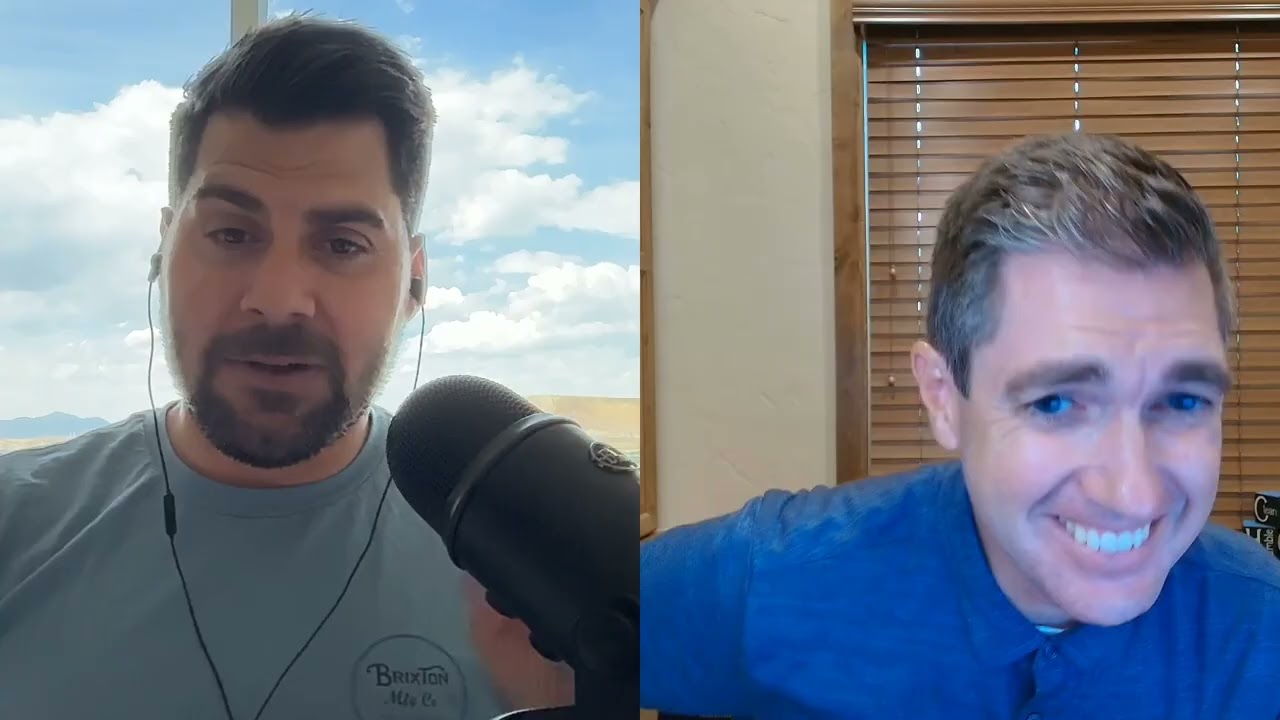
Bob was a hospital CEO before he found his second calling, dentistry! Bob brings decades of experience into dental and takes a deep dive on leadership styles as well as relationship dynamics in dentistry. Both he and Bryton share their knowledge on how and why partnerships and associateships tend to not work well in dentistry. Arguably, most partnerships outside of dentistry tend to follow a same pattern of failure over time. With key positions like an associate dentist or partner, Bob and Bryton provide feedback on how to ensure that such relationships are set up for success the first time around.
To contact Bob or Bryton directly email them at bob@dentistpartnerpros.com or bryton@dentistpartnerpros.com, or visit www.dentistpartnerpros.com to learn more.
Full transcript
Complete text of this video
[music] >> Welcome to the Navigating Dental Insurance podcast, where we don't take from insurance [music] companies. Here your hosts, Mr. Jordan Comstock and Mr. Ben Tuinei. >> What's up everybody? Welcome to another exciting episode of the Navigating Dental Insurance podcast. I'm one of your co-hosts, Jordan Comstock. With me as usual, Mr. Ben. What is up? >> Dog. What's up, Jordan? >> How you doing? >> Pretty good, man. Pretty good. How you doing? >> Doing good. Busy day. Busy day today. We had a ton of interviews
over here at BoomCloud, hiring a bunch more people. So, it it was a fun but also exhausting day. >> [laughter] >> I feel you. That's sort of sort of the theme of business owners these days is that uh the work-life balance seems to be a little bit in in question more so than it was four or five years ago, but at the end of the day, we're just trying to have fun. Help people. >> I mean, that's all I'm doing. So. >> Well, thanks for that
intro, Jordan. So, I'll introduce our our guest uh well, our guest speakers today. We have Bob Spiel, who of course has a an amazing book on leadership or coding. Is that right, Bob? >> Yeah. >> Out there on Amazon. You got the one that I have there. Whoops. Oh, sorry. My my son moved it, which is a leadership book. And then of course, we have uh Brian with us today. How's it going, Brian? >> Good to see you, Ben. Glad to be here. >> Yeah. I
think this is an important episode because both of you sort of come come with knowledge surrounding leadership, but as well as the the topic that we agreed to talk about today is sort of you know, the quote-unquote marriage of partnerships and associateships in dentistry. But, we're going to talk about that here in a minute. What I would love to ask first is just your background. Like how did you get started in dentistry? And sort of what interested you in in joining, you know, at least building
your career serving dentists in the country. Maybe we'll start with you first, Bob. Is that okay? >> Yeah, Ben, I'd love to. Thank you so much. Great to be with you. Ben and Jordan, thanks for the invite. Yeah, just to give a quick quick bio. I, you know, there's a phrase in the industry that either dentistry finds you or you find dentistry. Okay. Ben and literally dentistry found me while I was consulting in medicine. I've got a a background in healthcare. I was a hospital and
surgical center CEO back some 22 years ago. And when those gigs ended kind of unceremoniously, which happens in medicine, I started consulting. And I found that I was really good at it, but I didn't enjoy it. And just happened to have a friend of a friend who said, "You know what? I've got this guy. He's a neighbor of mine. He's a dental consultant. He's been doing it for 30 years. He wants to sell his business." And so we made an introduction and I didn't buy his
business, but instead had to make introductions. He mentored me for a couple of years. And the the thing that I loved, and the guy's name was Larry Wintersteen. He was a a dental consultant for like 35 years, lived in Boise, Idaho. And Larry opened up to me the world of dentistry in terms of teamwork, leadership, and communication. Just through his own perspective of what's the what he called the hidden game of dentistry. The game underneath the game, you know? And and once I was able to
really see what was going on, it just lit a fire in me because the things that I have loved in my own career have been building amazingly effective teams, uh teaching, and and developing really great leaders, and then creating communication systems and channels that lead to even greater success. So, it's kind of like, man, uh I I very quickly shifted my entire consulting focus to dentistry. That was about 16 years ago. I haven't looked back. Uh once in a while I dabble into a medical practice
and I'll always afterwards look at my wife and say, why in the heck did I decide to do that? Um It's It's so much more messed up to be there and added and so much harder to do, you know? And so, why dentistry? Um candidly for me, it's because I love the fact and and again, this is a Larry Wanestein thing that he helped me see is that dentistry serves people and and we're working on smiles and working on health, but what we're really doing is
we're affecting hearts. Okay? This is a people business. If there's a people business in America, man, dentistry is it. >> Oh, yeah. >> And and that just really lit a fire in me and and haven't looked back and have loved every minute of it. Most of the time it doesn't feel like work. It feels like fun. >> Yeah, that's That's when when you know you got it right. >> Yeah, >> [laughter] >> exactly. Yep, that's completely true. >> Yeah. So, one follow-up question to that. >>
Yeah. >> I'm sorry, go go ahead, Bob. >> No, go ahead. Go ahead. No, your turn. >> So, you said you started in dentistry 16 years ago. >> Mhm. >> So, here's a funny thing is is I started my career in dentistry about 16, 17 years ago and this is my first profession. This is your second profession. >> [laughter] >> Yes, it is. Yeah. >> So, for our listeners, um you know, one of the thing about Bob, if you Google his his name, Bob Spiel, you'll
find that he's on Gordon Christensen's um leadership team, like the speaking group in dentistry. [clears throat] >> member. >> faculty member. >> That's cool. >> So, so Bob has a lot to bring to to the table, which leads us into Brighton, you know, which is he's part of of Bob's team in terms of this whole area of coaching, consulting, and and sort of uh creating this leadership dynamic to help practices dental practice owners in a better way. So, we have Brighton here that tackles that same
area uh side by side with Bob. So, Bob, anything else before we move on to Brighton and his background? >> Well, I just want to tee Brighton up for a second. So, um you know, Brighton and I are are are are great friends. Uh we met probably 7 8 years ago. And the thing that I saw in him was fire, passion, a great heart, and and also a real desire to really affect people, and a pa- and a love for leadership. And so, about 2 and
1/2 years ago, maybe 3 years ago, we started talking about, you know, maybe we could do something together. 2 and 1/2 years ago, we launched what we call Dentist Partner Pros, which was a spin-off from my consulting business, and we'll go into more of that in a minute. Um and it's been fabulous. It has been so much fun to be able to mentor not only Brighton, but the other members of my team, teach them all about dentistry, and also uh put together a service that we
think is really really powerful for the industry and the profession. >> That's awesome. That's awesome. It kind of reminds me, and forgive me for this analogy, >> [laughter] >> uh as it pertain when you have this sort of um dynamic of two really great professionals that that work together, right? >> Mhm. >> You created so- somewhat of a powerhouse of a relationship. >> But the dynamic is set up for the next person to carry the legacy forward, right? >> Correct. >> And uh just for giggles
and kicks, and don't hate me for this, but what came to mind was a movie that I watched in 2007 called American Gangster. >> [laughter] >> Nice. >> Yeah. You you had You had [laughter] you had Bumpy Johnson an amazing heart he he's still a beloved name. And and this is not the listeners I'm not I'm not calling Bob Bumpy Johnson. >> [laughter] >> Hey, that's going to be his nickname on Zoom >> [laughter] >> But the funny thing is is that Bumpy Johnson and I
studied this in college. Bumpy had an apprentice by the name of Frank Lucas. And Frank Lucas carried Bumpy's legacy. Uh Bumpy had a heart attack in a front furniture store and he was >> not call me Bumpy then. All right. >> That's exactly why I wanted to put that dis- disclaimer. No trigger warning here because we're not talking about things too crazy. But but Frank Lucas carried that legacy on, you know, in terms of what Bumpy did. And and the the the thing that really stood
out to me is um every Thanksgiving Bumpy would have semi loads of turkeys to give out to to to the residents in Harlem. And um Frank continued that for the rest of his gangster career. Um so in a roundabout way when you when you think about like gangsters that do good, uh there's Bob Spill. >> [laughter] >> Nice. >> Thanks, Ben. >> And then and then Brian is is here to sort of help carry that legacy on into the into the extended future, right? >> Exactly.
You got it. You got it. >> Sorry for polluting the image of who you are. >> [laughter] >> That's all good. I'll be the Frank to Bob's Bumpy any day, so. >> [laughter] >> Oh man, that was good, Ben. >> No, no, I just wanted to have fun with that because in terms of this whole dynamic of partnerships, you know, they're designed in a way to carry In my mind at least, I'm hoping my son will be my my my right-hand man in my business at
some point in years, you know? >> But the idea is to carry that legacy on because what what what what the younger generation do is they build on what we didn't do in our generation because we didn't have the tools, technology, or understanding of those things at the time. >> Exactly. >> So here's Bob in terms of CEO for hospitals, getting sort of diving into dentistry 16 years ago. Brighton, love to learn about your history. >> Yeah, happy to share it. Not I don't have as
much to share, but it's still >> no gangster life. >> Yeah, that's on the down low, so we'll we'll keep that in the in the back burner. But no, so I I started in business. It's been about 8 years now. I originally was chief sales operator for of all things a pest control company. So I started a pest control company with a guy, took it to seven figures over 2 years. Wasn't an owner. So it was time to move on. Started a marketing company with a
a friend of mine and we built that up to seven figures, multiple seven figures. Wasn't an owner. I was the COO, wasn't the owner. And so I was ready, I'd kind of earned my stripes if you will, and in the process Bob had become a great mentor of mine and so I started, "Hey Bob, can you tell me more about what you do? I want to learn about this." So I made my own way, went on a few trips with him, and we started talking about
this idea of helping solve this associate hiring problem in the industry. And that turned into what we call Dentist Partner Pros now. So we co-founded Dentist Partner Pros, like Bob said, about 2 and 1/2 years ago. And since then it's been my entire focus and obviously Bob's huge focus and it's what we we to do. So we help burnt-out dentists get their life back by hiring the right people and forming great partnerships. We used to say we formed dental marriages and prevent dental divorces, but that
was a little weird. So, >> [laughter] >> we don't say that as much anymore. But, in some ways it's it's really what we do. We we really help people hire right, stay together, and then make sure they got a great team surrounding them. So, >> Yeah. >> that's a lot of what we do. >> If it's one thing that I've learned over the the past several years of of running BoomCloud is you want to hire right or it causes so much pain. >> It's one of
the biggest things you can do. >> [laughter] >> Yeah. So, to to go back to what Bob said earlier, dentistry definitely found me because without Bob I don't think I would ever hopped into it. And I think originally I joined because the opportunity. You know, there was great opportunity. It's a fantastic industry. It's growing. It's normal. All those things. But, then I've stayed because of the incredible people that I've met. Like you, Ben, but also all the dentists and the practices that we get to work
with. One of our favorite things is going into a practice, getting to know the team. It just brings some of the most caring, down-to-earth, easy-going people because they're a people-first business that [snorts] happens to make really good money. But, I mean, that that's just how it how it ends up working. And so, I may have got into it originally for that, but I've stayed because I love helping the people. They're just so fun to help and they're appreciative when they get really great work. And so,
yeah. >> That's awesome. It's hard to not be tempted to ask are you on the open market, right? I'm just kidding. I know >> [laughter] >> He he has ownership this time now, Ben. >> Yeah. Yeah. We are we are >> We had a deal. >> We locked that in, man. [laughter] >> Yes. >> Earn it. >> No more free agency. >> We have applied the lessons that we teach our clients >> [laughter] >> Exactly, yeah. >> our own company, so >> There you go. Are
you guys mainly helping practices find associates to partner as you know, in in the practice? Is that the main >> Yeah, great question. Our our main main service at Dentist Partner Pros is what we call the associate hiring system and it's exactly that. We help private practices find the right dentist who stays, fits, and makes the practice money. You need all three cuz if you don't have them, then it doesn't work out. And that all started because in the industry, 75% of dental associateships fail within
1 year. >> Yeah, that's a challenge. I've I've heard that. >> It's bonkers. It's it's totally crazy and it's a number we've accepted to be true and then of that, 50% of partnerships fail within five. Um and so >> Yeah. So even if they go all the way through, decide to get married, if I can use that phrase, and then just after five years they have a divorce. >> Wow. >> Yeah, so there's there's this underlying current within the industry of we don't do a great
[clears throat] job partnering. >> Yeah, so so stat number one, it sounds like practices are they want to I know a ton of our clients at at Boom Cloud want to add associates. We get >> Exactly. >> people all the time asking, "Hey, do you know any associates?" I'm like, "Not really." Uh but I know who to send them to now. Um Yeah. Um the reason why why that's a challenge is it because they're not giving them ownership in the practice? >> Man, what a big
question. >> Yeah, it much much >> deeper than that. >> Yeah, there's a lot to unpack it. Creating a path to ownership is a great way to bring on high-quality, good associates, but but the a big caveat to that is it has to be a practice worth bringing on bringing on a partner to. >> Okay. >> So lots of times dentists will look in the mirror and they'll look at their practice, they'll feel overwhelmed and busy and exhausted cuz they're working so hard and they think,
man, if I just get an associate in here, it's going to solve all my problems. And it's just not true. A lot of practices think they need an associate and the reality is they just don't. They need to fix their systems, they need to fix their communication, all that stuff, right? >> [laughter] >> Right? So, there's that part. You need to have a practice that is without a lack of a better term worthy of bringing on an associate or prepared to bring on an associate, can
actually do it successfully. The owner has to have the right mentality that I want to grow this pie, I want to share it. I don't want someone to when when an owner hires an associate dentist to say, I want to just shove all the stuff I don't want to do on their plate so I don't have to worry about it anymore, it never works. It just It just doesn't, right? Uh so, yeah, that that that's when you start to piece apart like why do so many
of these associateships fail, I think those are some of the indicators. We've also identified, hey, if you're not aligned in in values and how you practice, practice philosophies, yeah, money, how you personality personality styles, how you deal with money. These are all factors that when you're saying, let's just hire an associate, you don't consider because most people when they hire someone, it's just off this gut emotional feeling of like, hey, you seem cool, we like some of the same things or we went to dental school
together or hey, you're a friend of a friend, let's you know, hey, here's an offer, let's see if it works out. There's nothing more expensive that you can do to your practice than hiring the wrong dentist. >> [laughter] >> Or the wrong anyone. >> Yeah, yeah. >> But but it's but especially Jordan, the wrong the wrong dentist though because they're so integral, you know, they're part of the foundation. >> It's part of the offering. >> It it it it stinks to hire the wrong front desk
person or the wrong hygienist, but you can extricate them a lot easier than you can somebody who's part of the production team. >> No, I I Yeah, that makes sense because they're part of the offering, they're part of the patient experience. >> They are. >> So that Yeah, that is a critical hire or partner. >> Yeah. >> That's interesting. All right, so you you said another stat um that after 5 years the partnership goes sour. So what what are the causes? What what's going on? >>
Bob, you want to take that one? >> Yeah, you betcha. What we have found that even if they get to the point of saying, "You know what? Let's formalize this." >> Mhm. >> There are certain, if I can use the phrase, hygiene factors that partners should engage in. >> That's nice. >> Okay? To make sure the partnership stays together, thrives, communicates. Frankly, so much of it, and if I can use an analogy, it's like marriage. Okay? You've got to keep the relationship fresh, you've got to
keep communication open, you have to have the same direction where you're going with things, you've got to decide how you're going to treat the kids. Okay? Which means how are you going to lead your staff. >> It's so true. Yeah, I love that. It's the same thing, you know. It really is. >> It really is. And and and and so often you get into this mode of what we kind of like a parallel track, you do your thing, I'll do my thing. >> Yeah. >> And
and then suddenly three or four years later little things turn into bigger things, communication doesn't happen, resentment builds in, then somebody starts to make more money or something happens or there's a wedge issue, and then poof it just it's blown apart. >> Yeah. >> Okay? Um and and the shame of it is, just like in a marriage, so often that doesn't have to happen. Okay? But it really takes often a skilled third party that can help sort everything out and help keep things together and thriving.
>> Mhm. >> Okay. So, we work on both of those stats, you know, we try to prevent the dental divorces and we try to to create really solid associate-ships leading to partnership. Um because our view is and and we're big proponents of private practice. Um in fact, if I can bring this up, I I launched a podcast last fall called Just Say No to the DSO. >> Yeah. >> Because I'm Okay. Because I'm very, very pro private practice and not in favor of private equity climbing
in. >> Mhm. >> Me, too. >> Okay. Perfect, you know. It uh There's a story I could tell you about that. Somebody I talked to you today who'd been in uh DSO land with private equity for 35 years and why she finally left. But um anyway, we believe that one of the biggest Achilles heels that we have in dentistry is the inability for dentists to be able to add dental team members, other dentists to their team. You know, the other one, Ben, is what you work
on and you do Jordan so well is this whole payment structure, insurance. Okay? And how do you how do you extricate yourself out of that trap, so to speak, and actually begin to practice dentistry the way you want to instead of the way the insurance company's telling you have to. >> Sure, yeah. >> Okay. So, we think both of those are like absolutely vital for private practice to be able to to thrive. >> Yeah. Yeah. No, I like that. So, you mentioned something interesting here, Bob.
>> [clears throat] >> Something that kind of stood out in one of the last things that you mentioned, the inability to add team members as an associate, right? >> Mhm. Yeah. >> Um I understand the logic of that because when I'm hiring for my team, I want to build team members that adhere to my philosophy. >> Mhm. >> That adhere to all the standards that we live up to, right, in terms of how we deliver >> Sure. >> services to our clients. >> Your culture, your
values. Yes. >> What's What's the disconnect there when, you know you have the owner that hired the associate and then the associate that doesn't get along with the team members, the assistant or hygienist that they're working with? What Like what is Like in layman's terms as it pertains to an associate or an owner that's dealing with these problems? What's What's the disconnect there? >> Okay, well then let me let me let me just go off of this right now and then I'll Okay, you use an
example of a movie from like 2007 or so. [laughter] I'm going to use an I'm going to use an example of a movie from like 1963, okay? [laughter] >> Is it a gangster one? Make it a gangster one. >> Jordan, it could not be more opposite than the gangster [laughter] movie, okay? You know, if if if if you want to have polar opposites, I'm just presenting one. It's called The Sound of Music. >> Yes. >> [laughter] >> I love that movie. >> Okay. And and And
do you remember the scene in The Sound of Music where the dad, who's a drill sergeant, you know, lines all the kids up and says, "Here's your new mother." >> Yeah. >> Okay. And how it went over. >> Yeah. >> [laughter] >> You know. >> That's the exact question I was going to ask Bob is how many times have you talked to a practice owner where a team where they you you show up and you say, "Hey, how did the associate hiring go?" Like, "Well, we
didn't know they were going to start working here until today." Or we just found out about it. They just showed up one day and we learned about another dentist. So, all the time. >> All the time. >> Can I share experience that we just went through today here at Boom Cloud in in regards to hiring, which I I love our process here. Cuz we don't make decisions in a in a What do they call it? A silo? >> In a vacuum. Yeah. >> In a vacuum.
Here at Boom Cloud, we want to get our teams involved. So, we're looking we're in the process of hiring a a head of sales, right? A director of sales for our our young sales team, right? That that desperately needs a great sales tactical leader, right? >> Mhm. >> So, what we did today is yeah, we're not going to surprise them. And also, we want them to be part of the process so that they're they love the decision. They're They're >> Yep. They're bought into it. Exactly.
>> So, we literally had I think five or six candidates in a group today. Basically, network meeting and our reps literally we bought pizza and everyone's talking and networking and and talking to these five yeah, five candidates, right? And then of course, one by one we're taking them in into uh uh the candidates into an office interviewing them and >> in the the dark room with the with the the light, right? You know. >> Yeah. [laughter] Yes. Lot of pressure. >> Yes. >> But that's what
That's what gangsters do, Jordan. >> But yeah, yeah, yeah. >> [laughter] >> We operate like gangsters here at BoomCloud. But the the real interview was not the interview with me and my executive teams. The real interview was with the the networking and the collaboration with our with the teams that they will they will they will manage, [clears throat] right? So, after that whole day, we have a very unique hiring hiring experience here. Um we we sit in the corner of our office with couches. It's like
our family room, right? Here at BoomCloud. And we literally just said, "Hey, who brought the most value to you as a rep as an individual contributor? >> Mhm. >> What what candidate brought so much value that you can't stop thinking about them, right? And of course, we had a vote. We We collaborated with it. We had awesome conversations about every candidate, but there became top two and then they you know, found the the one They found the one and they know in a couple weeks that
there's a new leader that's coming in town and they're in love with the value that they brought to them. And then >> And they're And they're How we behind that leader. >> Oh, yeah. Yes. >> Yeah. So that's that's how we hire at BoomCloud. It's very unique. That the first thing I said to the five candidates there, I'm like, "I bet you guys never been in a in an interview process like this." And they're all looking at each other. No, right? They're like, "No, this is
this is so unique." And like, let's explain the psychology behind it. So >> So we we wish we wish we could get five associate dentists in the same, you know, great [laughter] great group at one time. >> Yeah, that's hard. >> Doesn't quite work that way, but your process is exactly what we found early on in doing this is it's the anti um Sound of Music, okay, approach. >> This is your mom. >> This [laughter] is your mom, you know, live with it, okay? When when
they chose Julie Andrews in the end, it's the same idea that we we will take the team and include the team through the whole process. >> Yeah. >> So >> interview interview them up front. Um we want to understand their culture, their values, who's going to fit here, get their opinions about it. And then from that, Jordan, instead of getting five people in a room, what we create is what we call the avatar of the ideal client or candidate, I mean, okay? And and that ideal
candidate is a listing of characteristics that then that is the person we're going after. So um think of us like eHarmony for dentists. >> Yes. >> All right? >> Love it. >> That's that's literally what we're doing, you know? We We now know who is going to fit in this practice. And the cool thing is through our whole process of of resume checking, CV checking, interviewing, surveying, checking references, etc., we can come up then with an actual candidate fitness score. Says this person just like I
was I was on today with a client in Boston who's bringing somebody on next week for a onsite interview. And she is a 92% match across everything. And and why we approach it that way is is Brighton brought it up. So much of what we do in hiring is we hire based on gut. >> Yeah. >> Okay. And then we back it up with our mind. >> Mhm. >> And we want to flip that entire process and start with the mind and then confirm it with
the gut. >> Mhm. >> Okay? [clears throat] >> It's like making the most logically emotional decision you can make. >> No, I love it. >> decision. Yeah. And and go back to what you were doing, Jordan. Stephen Covey put it, you know, no participation, no buy-in. >> No buy-in. >> And exactly. And if the team is going to be the people that supports this person, that gets them busy, that talks to the patients about them, then we've got to include them in the process. >> Yeah.
It's so critical. It really is. And I agree with we we use a people analyzer tool here that helps us kind of make the decision from a logical standpoint and then we go and like, "Hey, culturally, you know, and we kind of rate we rate we have a rating system." So, I yeah, I think that's love it that. It's so hard in dentistry, it seems, because well, number one, the practice owners are probably too busy to sit for two-hour lunch meeting like I did today and
interview five associates, right? >> they are yeah. >> It's a huge problem. Yeah, like this idea of creating the exact ideal fit of who's going to fit and then to go through the process of recruiting and then trying to actually vet all those candidates >> Yeah. >> with a sufficient [snorts] amount of time. It's like there's just no way, right? So, they're going to skip, they're going to go they're going to make quick decisions, or they're going to put off it and then it's they're going
to lose great candidates. There's just too many things for them to juggle, honestly, for them to do the process justice. The way that that would serve them best, it's really really challenging for them to do it. >> Do Do most practice Oh, sorry, Ben. >> No, no, go ahead, Jordan. >> I was I know this is kind of your forte here. So, you >> [laughter] >> I guess it's just it's just fresh on the mind from today. Um I I think and here's my chief revenue
officer calling right now cuz he had a final interview with one of them. Um I'll call him back in a minute. Um do most practices struggle with uh because you we talk about like core values and making sure that's a culture fit, which is so huge. Do most practices just fail to implement core values and is that what's causing um these problems in dentistry cuz it's not just with the associates, it's with every other practice uh >> team member, right? >> Yeah. Yeah. Is that the
position? >> one of the core issues? >> Good question. I mean, I don't know if we can particularly speak to, you know, is core values the the actual issue. But culture exists whether it's intentional or non-intentional. It exists, right? And our ability to create that culture is one of the biggest uh indicators of retention, right? So we can go into two practices. One's got a strong leader who's made intentional decisions to create a great environment and their team stays. Just they do. You know, they've got
employees there for 10, 15, 20 years. It's a family-like feel, right? And and when you've worked with people for that long, it's a culture that people want to be a part of. Whereas vice versa, you've got a practice who's struggled to keep people. They haven't created an intentional culture. It's usually a fire uh running around with your head cut off kind of feel where everybody's constantly stressed and there's not a lot of uh intentionality around creating that culture. We You have to admit that culture plays
a part in your retention. And that's associates, that's assistants, that's hygienists, that's front desk, that's everyone. Culture is a really big part of that. And that's obviously what we believe is the culture is a predominant reflection of the primary leader in the practice. So that that culture is a reflection of that doctor. >> And that sure. >> Yeah. >> Yeah, that makes sense. Well, so with that said, Brian, it's like, >> [clears throat] >> you know, um people have grow up in different backgrounds, right? >>
Mhm. >> Uh different cultures. >> Some are gangsters, some are Sound of Music people. >> What I will say is that when I compare my gangster story with with Bob's story, mine is a little BIT MORE POSITIVE. >> [laughter] >> I'M JUST KIDDING. >> YEAH. >> You know, what I'm saying? >> Mine Mine ends with Nazis and, you know, >> [laughter] >> Nazis and yeah, so yeah. And your story is much more positive than mine. >> No, no, but American Gangster is not for every but
like I read about it and then I watched the movie. I'm like, "Holy smokes. This is really violent." >> [laughter] >> Sound of Music is a safe zone, you know. I forgot the question. Was it me asking the question? >> No, we were asking. >> We [laughter] were We were talking about We were talking about the leader and how the doctor is a reflection of the practice. >> Oh, yeah. >> But the practice the practice is a reflection of the doctor. >> Right. >> Or doctors.
>> Okay, thank you for reminding me. >> [laughter] >> So when you think about about relationships, naturally, nobody is a fit with anybody, right? Just anybody. >> Mhm. >> We we all have sort of an avatar of our own, right? Or an avatar of >> Yeah, we do. Yeah, persona, yeah. >> Yeah, you could have three different people. Professionals, very high highly educated, but only two of them will get along, right? >> Mhm. >> Yeah. >> How do you sort out those dynamics? >> It's a
better Can Can I share with you a really fast conversation? >> Yes, sir. >> [laughter] >> Yeah. But one of the ways that we do, frankly, is is we're just like Jordan, you mentioned, you know, personality uh assessment. We are big believers in DISC DISC, okay? We're DISC certified providers. We we DISC survey the primary leaders, we this survey all the candidates. Yeah, but what's really fascinating is that we and I don't understand why, but in love opposites attract. >> Yes. >> But in business opposites
repel. >> Interesting. >> Okay. So, what we try to do, we don't try to find somebody who's a clone of the primary doctor, but if you if you know the DISC model, you try to find somebody who's got a linkage to them. So, they've got something that they have in common, but they're not necessarily the same person. If they're the same person, the practice itself just kind of flounders. >> Yeah. >> Um but if if you can find a complimentary strength that really helps them move
forward and they become stronger together. >> That's what I wrote down. This what I heard is you got to find somebody that'll complement your skills, not oppose >> Exactly. >> or mirror them to a T. That makes perfect sense. >> [laughter] >> I I think of this all the time, especially today being it fresh on my brain. The uh this particular sales leader that we're bringing on is uh the has some similarities to me and to some of our other leaders on our leadership team. But
there's one thing that part of his personality's like very like detail oriented and um and a lot of my my leadership team, we're not really high level, right? And it acts as it acts as a strength all of a sudden to the leadership team in that area, right? Is that kind of what you guys are looking for is >> Mhm. >> Yeah. Yeah. >> Is >> The complimentary strengths. >> The same thing. So, I'm an I've an identical twin brother. And he is our chief operating
officer at BoomCloud. And we you look at us and like, oh yeah, they're twins, they're got to be the same, right? We couldn't be we're we're crazy different, but very similar. Um and his strengths complement my weakness and vice versa. And it's been like the best partnership. Um even though he's he's my brother, we we don't fight. You think we would, but we don't because we we have healthy conversations. We'll say that. But his compliment his strengths and my weaknesses they they go together and and
vice versa with him and and me, right? And that's been a very fruitful relationship. Same thing with some of my other leaders. It feels like they've got more strengths, you know, that that kind of boost up my weaknesses and that seems like it's working. >> Yeah. >> So that is that the key? >> [clears throat] >> Yeah, what's interesting about forming a a dental partnership, you know, or bringing on an associate is they almost have the same job. >> Sure. >> Compared to where, you know,
where where you and your brother >> Two different roles, right? Yeah. Different roles. CEO, yeah. >> We kind of play in our own worlds, right? And but in in dentistry they they share a lot of the same stuff. They share the same they share the they share the space, they they do the same kind of work. And so yeah, when when Bob says we want to find somebody that's complimentary, if if I'm a practice owner and listening to this, you're you're considering hiring an associate, okay?
There's two two parts you really need to consider. It's both what are my needs clinically, you know, what are we doing now? If I bring in someone that can either compliment or do what we do, but we don't want somebody that is totally off left field. Often times doctor owners will be like, man, it would be really nice if I brought in someone that did all these other specialties and and kind of we had our own within. We find that can work sometimes but also can
be really challenging, especially if you're trying to replicate yourself through transition or something like that. So you got to think of clinical issues, clinical needs. And then it's non-clinical needs, personality needs, culture needs. Often times dentist owners who we talk to typically only think of clinical. They think of clinical and then are they easy enough to talk to. Okay, both play a huge role in identifying who's the fit. So, we the way that happens for us is that ideal avatar Bob mentioned. If you're practice owner,
you can do the same thing. You can sit down, write a list of 20 to 30 characteristics of anything clinical non-clinical clinical you want to see in a candidate, ask for your team ask your team for their feedback, and then start going through the process of trying to find candidates that meet who that ideal avatar is. Um [clears throat] cuz that will allow you to take kind of what Covey also says begin with the end in mind. That's that full principle of this ideal avatars. Begin
with the end in mind of who's going to be the right fit for our practice both clinically and non-clinically. They you got to do both or else you're you're shooting yourself in the foot. >> I used to think about that when I was dating. It's like if I kiss this girl, is this going to be like a good long-term thing for me? You [laughter] know, like seriously, I would think about that cuz it's like do I [clears throat] want to >> I love your analogies today,
man. >> down that route, [laughter] right? >> Yeah, yeah. >> That's sort of a juvenile way of summarizing what Brian just mentioned, but that's what I [laughter] had in mind. >> It's good though. It makes sense, Ben. It's Once again, simple messaging resonates with people. So >> So So Ben, if if I give this girl a frozen turkey at Thanksgiving, will it be >> [laughter] >> a long-term deal? >> Only if it's a Polynesian girl. Our love language is food. >> [laughter] >> That's awesome. So
So you guys, if if we can just round this out, so what what what we have found works, I mean, beginning with the end in mind is critical, including the team is critical, knowing how to interview, knowing what the surveys are telling you, then coming up with a win-win agreement that's reasonable, okay? Um and that's one of the things we do for our clients is we we take that over take that over and we negotiate the terms, okay? They're in agreement with our general terms, but
we can finish it up with them. And then from there, how do you set the associate up for success? >> Mhm. >> Okay? When that person arrives, or even before they arrive, what are we doing in order to ensure that they have a pathway to to winning, you know, and becoming a really long-term part of the practice and and a successful part of the practice? And and it it we love it when we see those relationships just take off and flourish and the senior doctor, the
owner doctor says, "Man, I I just can't believe how great my life is now because we found the right person." Conversely, the when they haven't found the right person, you know, going back to what we said at the very beginning, the costliest mistake you can ever make is to hire the wrong one. >> Yeah. Oh, yeah. >> Yeah. And and the wrong the wrong partner can really be even more challenging. >> I've been in that boat. I've I've been in that boat. I had >> I
have to agree with you. >> Yeah. I think all of us have. >> Yeah. And you learn from it. >> Yeah. Like even the right one, like when you hire the right one, and then what you mentioned at the very end is how to set them up for success, right? Cuz you could you could have the right one staring right in your face, but if they're not being successful, I I actually see this a lot where really good good-minded solid dentists, you know, younger dentists, become
associates and they have a skill set and they're hungry. And they want to go to work, but they're sitting on their they're sitting in their Well, they're sitting in their office. >> They sit in the office. Yeah. >> Yeah, the entire day they're sitting in the office. >> Yes. >> They have no opportunity to gain the warm and fuzzies about these this is the right fit for me, right? So, naturally they start shopping around. That time they spend in the break room doing nothing, what are
they doing? They're looking for other jobs. >> Exactly. >> Probably. Or playing video games. Yeah. >> [laughter] >> Well, wow. Um, this has been sort of a jam-packed This is amazing. >> Seems like we need to have part two. >> Yeah. [laughter] >> This has been a great episode. >> I kind of feel like now we've sort of wet the appetite of those that are interested in this topic. Um, how do they contact you, Bob, and how they how do they contact Well, we both you,
Bob, and Brighton. How how do people contact you if they have questions? >> Sure. >> Yeah. >> Go ahead, Brighton. Why don't you >> The best thing to do is you can go to our website dentistpartnerpros.com. Uh, it is being renovated, so hopefully, uh, the new one comes out later this month, um, well, later in May, but uh, there is a free training on there. So, if you if you had if this was interesting to you and and you would like to learn more, we've got
a free training on on our website called save 150 hours on your next associate hiring. And uh, you can get free access to that. We'd be happy for you to do that. Um, you can email us if you want if you have any more questions for us, if you'd like to learn more. Uh, either Brighton, that's b r y t o n [music] @dentistpartnerpros.com, or Bob @bob @dentistpartnerpros.com. His is a little easier to spell. Maybe I should change my name. So. [laughter] >> Yeah. >> Um,
but the other thing we >> Or change your name to change your name to info, okay? >> Or I was going to say Bob. >> Or or or >> Yeah, there we [laughter] go. Frank. Yeah, exactly. Um, but also we'd invite anyone that's interested to go check out Bob's podcast, Just Say No to the DSO. It's >> Awesome. >> It's fantastic and they've done a really great job of pulling back the curtain. So, [music] uh, yeah, highly recommend it. >> We'll share those uh, links in
our show notes. >> Yes, please please do. >> That said, you guys are awesome. Oh, go ahead, Bob. >> But Jordan, the the only the only way I'm going to come back though is if there was actually American Gangster >> [music] >> 2. >> Yes. >> Oh, yeah. >> I would settle for >> Or or Sound of Music. Either [laughter] one works. >> Nice, man. This has been an awesome episode. Thanks so much Bob, good seeing you again. Brian, nice seeing you too. >> Yeah. So
with that said, we hope all of our listeners have a rocking day. >> [music] [music]