Videos / Watch
How to Improve Patient Experience in a Dental Office
December 4, 2024 · BoomCloud™
About this video
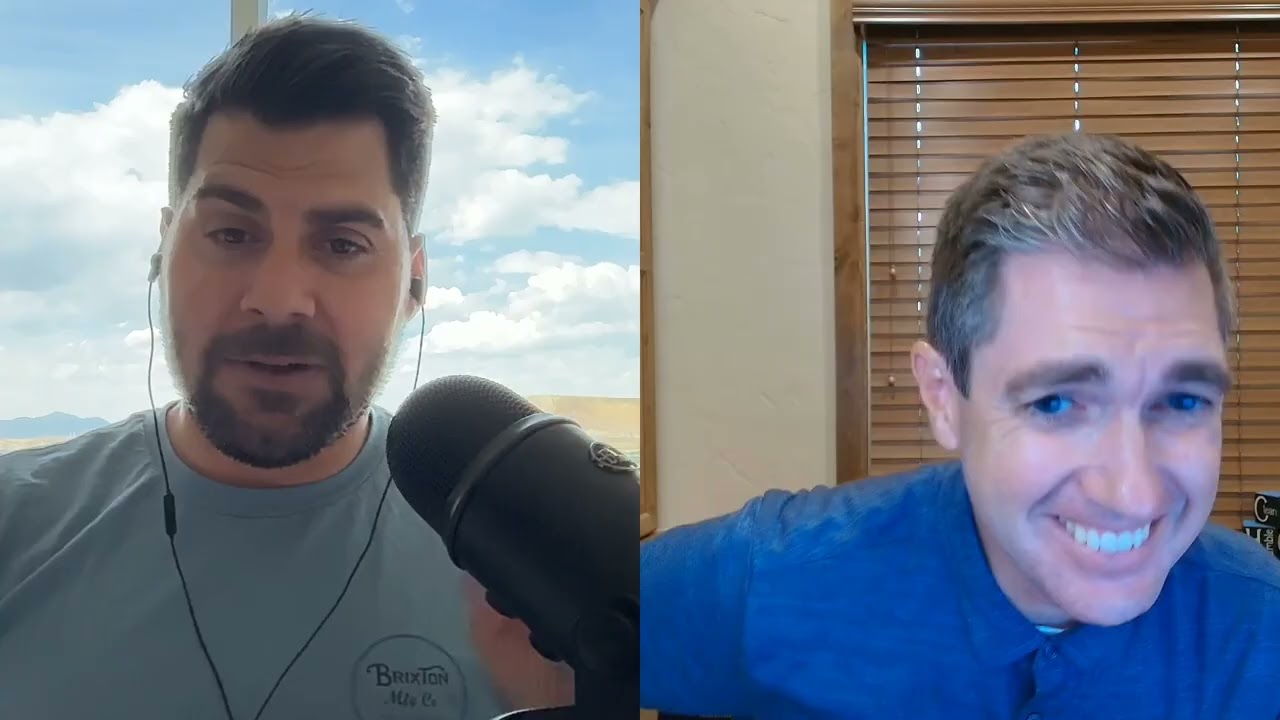
In this episode of the Navigating Dental Insurance podcast, Jordon Comstock hosts dental consultant and coach Deborah Nash for an insightful discussion on enhancing patient experiences while addressing the complexities of dental insurance. The conversation delves into effective communication strategies for handling common patient questions about insurance, the benefits of in-office membership plans, and the importance of relationship-based care over transactional approaches.
Deborah shares practical advice on how to shift from policy-driven to patient-centered conversations, emphasizing the need to educate patients about insurance limitations without alienating them. The duo also explores key differences between PPO, cash-paying, and membership patients, backed by data insights. Deborah offers actionable tips for building trust, creating a seamless patient journey, and maintaining a high standard of care.
This episode is packed with valuable advice for dental professionals aiming to foster loyalty and achieve financial clarity while navigating the challenges of the modern dental landscape.
www.boomcloudapps.com
Full transcript
Complete text of this video
what's up everybody and welcome to another exciting episode of the navigating dental insurance podcast I am your co-host today Jordan Comstock with me a special guest Deborah Nash Deborah what is up how are you I'm I'm well I'm really well yeah excited to have you on the show today yeah I'm excited to be here we're gonna talk we're gonna talk a lot of insurance and all that fun stuff that you see every day I do with my with my clients and of course I mean people
know that um yeah I'm you know so married to this Southern ball dentist that hasn't been Insurance uh he hasn't been involved in insurance for over 35 years maybe 40 now so um yeah he I help my other CL I help my clients navigate their insurance situation so I'm not anti- insurance it's just it's how it's how you work with it and how you help the patients understand how we you work with it that's the that's the key so it doesn't become the focal point that's
my whole premise hey insurance is a great thing uh you know and in fact you you know you always think you have to have questions with me you know that I can have this conversation so a lot of people here's my little history and this there's going to be a qu might get a prize they might get a prize you know so you probably know this when was dental insurance first introduced to the consumer was it in the 1970s 1960s how 1957 1957 completely wrong it
hasn't changed since the 1970s is what most people say you know what it hasn't changed since 1957 here's what's interesting so Washington Oregon and California added it as a supplement to the medical plan for unions in 1957 what do you think was the average allowance per year in 1957 was it a thousand bucks it was okay it was hasn't changed much yeah and and the argument that insurance companies have is that and they what they well 50 well here's the other interesting interesting Factory 50 only
50% of Americans have dental insurance and I know a lot of doctors think well that entire 50% of the Americans who have it are in my office thank you very much or want to be um so 50% of Americans have dental insurance yep and what insurance companies contend is that 177% of the 50% actually use Insurance yes yeah use their down insurance so so then the question is that so their question is why should we have to change the maximum per year because it's not being
used anyway geez yeah yeah that's there isn't that interesting it's it's sort of like three blind people describing an elephant and they're all standing in different locations yep yep yep um they're seeing it from a totally different perspective than interesting than the patient than the dentist the dental practice and then the insance company yeah where they're all looking at it at different perspectives from different perspectives so that is interesting so how does the dent office navigate that that's the that's the question yes that is the
question yeah so with that said give our audience a little bit on on who you are most people know who you are yeah um um but give a quick rundown on that and then we'll get into all the details and the questions yeah um yeah I can say you know that uh I've been in I've been in this industry since uh the mid 80s I was actually recruited out of an audience by a major consulting firm really yes yes so my dentist that I worked for
by you know I'm a I'm a school teacher by by by degree by you know and school teacher yeah and I was recruited by my dentist to come work in his dental office that was sort of the interesting but all the bond issues failed and nobody was hiring a liberal art school teacher back even back then even back the in the um 70s they were having trouble with Team you know Staffing in the Dell office we think it's a crisis now it was a crisis back
then at any rate so he hired me but I had a dentist who really loved this speaker he's not he doesn't speak anymore but he was part of a lot of people don't know here's another little history was he was actually a a partner with Dr James pride and they developed the The Pride Institute he was really Jim Pride was sort of the design um instructor how to build a dental practice to make it functional and Dr Phil Whitner was sort of the practice management expert
that and they partnered that's how that all happened at any rate I had a I had a dentist who was truly a Phil Whitner groupy and anytime Phil Whitner was close to where we we were we we're going yeah we're going so Phil Dr Whitner sort of said my gosh I mean how many times are you guys going to be here at any rate um he recruited me to come and be a consultant for the pride Institute and I was a pride consultant until the until
the mid 80s and I started my own company in 1985 um because I wanted more control over the kind of Consulting and coaching that I could do I didn't want I didn't want to be I didn't want it to be so um systemized that I couldn't Veer off um from you know the cookbook or the manual which was exceptional material great material great uh a great product for for dental offices but I wanted to be able to customize it I wanted to create a more of
a boutique style Consulting process for my clients so I started in 1985 um then I started so I started uh Consulting and then from there stemmed off into speaking and and um and writing and um doing you know and that and since I've been doing it ever since yeah and then 1995 I married a feif for service Southern ball dentist in moved Southern ball that's how you describe I married a southern ball I'm married and you know I always say and you know it's funny because
um he always says do you always have to tell them that I'm bald and I well they they I think they know I think they can tell it's pretty clear I think they pretty pretty much know Southern too so I think these things are self-evident yeah yeah had a famous speech I all these things are self-evident um that's famous speech so um yeah and then in we started um in 1997 we were married in 95 and he already had a little tiny teaching Center but we
started the Nash Institute for dental learning in 1997 that is focused on um cosmetic and aesthetic techniques direct indirect in full mouth Rehabilitation and then we also have a dental business school that we do two-day uh training like you know for dental teams and then I also do a team communication Workshop because so many people come to uh the clinical portion and they say I need to get my team to talk like that I need to get my how do I get my team to say
that how do I and I said well we can teach them and so we created a workshop to do that and that's kind that's great and I would imagine those those soft skill trainings is like really really important for most uh practice office managers even even the practice owner should have some soft skills well absolutely in fact um I do this thing and when one of the things we'll have to talk about someday I have these six critical questions that help your patients say yes okay
and two of them are from you know our do the doctor the questions that the doctors would ask but when I first met Dr Nash um I'll be really formal when I first met the bald one right the bald one that's who you're talking about baldheaded southern guy um first met Dr Nash um at an ADA meeting in Seattle I was speaking and and he told me who he who he was and what he did and I was West Coast he's you know he's southern east
coast and I said you know it's one thing to know how to do the treatment clinically it's another thing it's another set of skills to know how to talk to the patients and help them understand appreciate and accept the treatment and want to pay for it those are two still different skill sets and actually they don't teach the second skill set in Dent they have to kind of learn it trial by fire yeah and so now you've got sometimes you have a dentist owner who's trying
to teach their team how to talk to patients when they really really never learned how to do it themselves yeah they they and they don't know what they don't know so they don't know yeah but but you know what's really great now in in our industry is because actually I mean you always say you know make you know how do you make um lemonade out of lemons what are the things that the pandemic did is it got people it inspired people to go online and learn
I mean it really did sure so I think there's more learning um availability now than ever before um it's how it's applied and it's you know it's one of the things and you know how the doctor takes that doctors and team take it and apply it to their practices but there's so much education that's available um to which doctors can subscribe doctors and teams can subscribe um that if they applied it um then absolutely it would it would help them yeah yeah that's a key they
learn but you need to apply you know well I think sometimes in fact I was talking to to one of our other friends as a consultant and a coach and and we were talking about that that sometimes um we we stop before we start and we say oh my team will never do that or you have team members who will say our patients are different our practice is different you know we work in a small town patients will never accept it our patients and it's like
so they they stop you're stopping before you even try yeah they stop before they start yeah that's interesting yeah let's get into it so um we were talking before we started the recording on some of the the things you're seeing in the the dental social media groups on insurance all that fun stuff that happens every day there in those groups there's a there's a lot of information that we can take from those groups and talk about on a podcast or or an article I've noticed and
there's a lot of information on in in all kinds of Facebook groups I mean oh my gosh I mean I wonder what I do in the morning because I'm an early riser like I was up at four this morning and the next thing I know I know um I wake up early too and next thing I know it's like 6:30 and I have been reading Facebook groups I've been reading what's been going on you know with Nifty Thrifty and D nachos and Kyle Summerford office managers
and adom and you know bringing all that information together and say okay here's what's happening in our Dental world and it's a there's a lot going on there is a lot I was on I was on a podcast earlier today uh and the podcast was all about the AI shifts in in with dental insurance which I I'll I'll ask some questions with you there there's a lot happening there on the AI side too um which is interesting but let's let's get started I got I got
my first question for you okay ready yeah um what do you what do you say when a patient or when a patient says do you accept my insurance how should we handle that in the in the dental office I I see a lot of people just reactively responding what would you suggest you know it's interesting that you would bring that up because I was just training a team in Vancouver and I said okay if a patient calls and says do you take my plan um her
first response is unfortunately we don't well you've just lost this per I mean if that's the first thing that bye okay bye thanks so if they're shopping so I think first of all I think it's important two things that are important oftentimes dental offices lead with the question hi my name is Deborah Nash and I'd like to make an appointment for cleaning exam and and and x-rays or J I'd like to establish my records and oftentimes the first question is do you have insurance or what
insurance do you have yeah so now we start the we start the entire relationship all about insurance and we spent and I say well I have Disney plan 2000 oh Disney plan 2000 here's how we handle Disney plan 2000 patients and we spend 10 minutes talking about exceptions limitations deductibles Max in the Nuance of insurance and and then we wonder why the patients become so focused on on their insurance plan well we we focused on it first so I think it's always a do you take
my insurance I think the the autor response I've never seen to um to uh to I I was trying to find another word for lie um tell the truth about whether or not you do or take insurance but there's a way there's a Nuance of how to do it so sure we haven't taken insurance for 35 years and and I always respond by this and say I would be happy to tell you how we handle Insurance yeah that's great so I will be happy to tell
you how we handle insurance now once again again in our practice even though we are not in network we're strictly Fe for service um we have a lot of patients who have Delta who have met life who have Sigma who have all those plans so if they say well I I have you know I do you take Delta you know what we we do have patients in our practice who have Delta here's how we handle that so that's great I'm not going to say yes we
take all plans yes we do we have patients in our practice who have Delta here's how we handle um is how we handle that and so I think um that's that's also important that rather than saying I unfortunately we don't or no we don't participate and the other thing we have to be careful about and I was just reading this on one of the Facebook groups about denigrating um the dental insurance to the patient because now it's it's the dental insurance against us and I don't
want to create that environment no you know what so I say you know what we will do our very best to help you receive whatever Dental allowance not benefit and we never I want to avoid saying we're going to maximize your benefits because it sounds like we're going to try and manipulate we will do our very best to receive whatever Dental allowance your employer has provided for you your employer bought a plan so you know among under Delta there are literally tens of thousands of different
plans your employer selected a plan for for the employees we will do our very best to help you receive whatever allowance your employer has chosen so and that is you know so um and then I will go on to our philosophy of how we handle that and see you know one of the reasons that we do not we participate in an outof Network relationship with that plan you know so as we don't take your insurance or we not in network we participate in you know in
an outof Network relationship with that particular plan because the doctor decided several years ago where the doctor decided that um would it be he or she or they they would rather um uh adhere to their standard of care rather than try to comply with this with the different exceptions exclusions and restrictions of any particular plan yeah so they would they would like to make sure that all of our patients are receiving the same ex exceptional standards that our office can provide without the limitations exceptions or
exclusions of any particular plan and that's why we participate in an out of network relationship with them and do patients resonate with that when you say hey we're at a network but the reason why we do this is because we're unrestricting ourselves yeah and I think we go back into to also say um we will file your claim electronically for you to receive um you know for you to receive the reimbursement from your from your insurance company there was a question that came up on a
Facebook group that you know if the patient is if if we if we are not in network that means the patient is going to be receiving the check yeah so the question came up so um how should we handle Financial Arrangements well for me I think that's fairly obvious I mean if the patient is going to be receiving the insurance check then the patient should be paying the the the uh treatment charges at the time of care so and I think it also goes back to
that the more matter of fact we are about it that we I'm sorry sorry but you know this is how we have to do it when the patient says apologetic yeah you don't need to be apologetic well there's a whole lot of office I mean doctors even Jordan doctors apologize if if I came in with a broken tooth oftentimes the doctor will say I am so sorry you're going to need a crown I'm sorry you broke to and you're gonna need a crown I'm so excited
to help you fix the problem I have a solution you came with a problem and I have great news I have a solution yeah so there's that switch so so I also like to make sure that the patient knows that you know what you are very lucky that you have a supplement to your dental to your dental uh your dental treatment 50% of Americans have some sort of supplement and you're among that group so it goes back to that yeah so we'll do our very best
to help you receive whatever supplement or whatever allowance your employer has provided for you so that's great Yeah clean simple verbage we have you take care charges that your charges at the time of treatment we have found that most insurance companies reimburse the patient within about seven to to 14 days of um you know of their care now the patient may say oh my gosh I didn't realize I was going to have to pay out of pocket then what am I going to launch into I
mean now we're kind of started talking about financial Arrangements say you know what if that is not something you expected that we do have we do offer um financing in our practice so we could absolutely we have resources for that if that is something that is going to make it more comfortable for you absolutely yeah we see that too on the with the with with the membership patients that incorporating that uh automatically talking about financing is really important because they're not you're not submitting claims right
to an insurance company you're like yeah you're a member of our practice and you get you get benefits for finance payments right for being a member here's another cool thing oh I have to tell you this story I don't know I don't know if I've shared this with you so there was a woman who came into our practice and you know that our office we we're boomcloud um subscribers so our PA are introduced to boomcloud and you know we are free for service how and she
came in and then and I have to explain ethnicity because most people understand she was a she's a very strong German woman okay older and she she says Deborah I want to I want to be a patient here I want to be a patient here but you don't take my insurance why am I paying my insurance for my insurance and I said you know Elizabeth I'm wondering the same thing your premiums probably cost you more than our in office membership plan so wouldn't it make more
sense for you rather than to pay and she doesn't work you know she's paying private rather than paying for dent Insurance why I would think that you would want to subscribe to our in-office membership plan because not only would it is it less expensive than your insurance premium but then you also receive a 10% courtesy on our on our fees and she said why am I not doing that I I don't know why aren so I think it's also using in-office membership as that means to
say you know one of you know oftentimes what our patients even recognize is that um Insurance um is isn't as cost effective as not subscribing to your to your um employer plan and moving working with our in-office membership plan and actually they found out they they actually saved money oh yeah yeah yeah it's way better um I know I'm a I'm a new membership patient today no you mention that I had atient yeah I had a dad who called and he said Deborah I'm thinking of
putting my daughter on my my dental insurance and I said well let's talk about that for just a minute so your daughter is 15 and she's probably not going to need a l lot of major dental treatment I mean you know you guys are been to the dentist and so it's going to cost you how much to add her to your to your to your insurance plan at work he said about $150 a month something about that I said sure So times 12 yeah so wouldn't
it be more cost effective to have her be have a membership plan in the office that would cost you x amount of dollar um I mean that's less that's more than half 50% savings by he she he said oh my gosh so I think that goes back to having that person the front Des not having a scripted pad answer all the time about insurance you know and yeah that's really critical to have let's have a so I think you could also even say you know what
let's have a conversation about how we handle Insurance in a very friendly way and a less officious way avoiding the word our policy is so even if we're going to ask our patients if you notice when I said we have you take care of the your charges at the time of care will electronically file for you to be reimbursed by your insurance company I didn't say our policy is for you to take chares of the time yes so let's talk about that a lot of lot
of practices I mean I've been in the dental industry for a long time whenever I go visit a a practice or or just hear them on the phone when I'm in an office they're very uh policy focused how do we become less policy focused and more patient experience focused yeah and I think that's absolutely in today's world especially now you probably you probably heard this term I was talking to um another podcaster I'm happy to mention his name because I love him I Kirk I love
Kirk Barr oh yeah Kirk's awesome yeah yeah so I just did a I was doing a podcast with him earlier and I said you know we're living in what is called an experience economy yes and what that means is that people are buying the relationship with their with that service or that company or that product as opposed to the transaction and so many times what we've done in in Dental history is we talk to the patient about the transaction what we're going to do to them
what we're going to do for them you know all new patients get a full message of X-rays and they get a comprehensive examination and they get an inal camera uh photograph and they'll do we'll do oral cancer screening and you'll be peronally probed and then we're going to do give you a write up a treatment plan for you tell you what your insurance is going to cover and what your out of pocket expenses are going to be I know and we sort of throw this up
at them and we give you the menu of transaction yes as opposed to that's industry jargon right that patients are like what I know yeah yeah I mean obviously we talking about you're GNA be probed at your first visits like really you haven't even dated you know then you want to probe me I geez yeah chill out or it sounds like I'm going to be gone into an an OU of outer outer space experience I'm going to be taken up to some spaceship and being I'm
going to be probed and then brought back down I don't know um so I think it's important to say you know what really in our practice one of the most important things that the really things we take pride on is relationships we we develop with our patients what we do what we do clinically is the byproduct of establishing relationship with you we want you to feel comfortable and confident that you've chosen in the right office for your care someone you can trust someone with Integrity someone
who will be thoughtful you know and all that and and what we do what we offer is beautiful Dentistry but more importantly what we establish is relationship with our patients yeah no that's great yeah I know I know every you can feel the difference when you go into a practice that's like policy focused versus like patient experience focused you can completely feel the difference you can feel the difference on the phone yeah oh my gosh this is so funny and I wish I could I'm G
to try and pull it up because I want to play it in one of my show there's a something that that came on Facebook and you know there's Larry David um who's got that oh yeah that comedian and he's at a restaurant and he said and she have you seen this it's hilarious and she said I've watched the most of Larry David stuff yeah David party of four and he says well there are three of us and she said is your fourth person here and he
said no and she said I'm sorry we can't seat you until your fourth person is there and he said why not and she said that's our policy yeah he said but we're gon OCC but we're gonna occupy the table the three of us are going to occupy the table she said but our policy is that we will not see you until the fourth person is here well so they they went into this circle of but that's our policy but we're going to sit at the table
the three of us will be there at the and and so finally he he pulled somebody who was sitting at the bar and he pulled it he said will you be our fourth person and so he comes back and he says okay we're a party of four now I mean it's ludicrous yeah and many times we say all new patients have to you know you're going to be receiving an email that will have your forms to complete so make sure you download those and complete them
before you come in please arrive 15 minutes early and bring your insurance card with you please park in the blah blah blah we give them all the rules and regulations of becoming an a patient in the practice as opposed to this is how we're going to make you feel while you're here and we're going to make it as seamless as possible um we're g I'm going to guide you through this so feel well taken care of and you know you're in the right place you know
and yeah you know insurance is let's face it Insurance isn't going to pay for everything no not so I I will buy from people that I like I will buy from people that I trust so at some point there is going to be a conversation about um whether or not the patient feels that they chose well and once again about it goes back to Insurance um my husband is funny because when he's talking he's typically talking large cases yeah um so if the patient cosmetic nice
cases yeah yeah you know full mouth rehabilitations and yes you know composite bonding and and um so if the patient says well what about my insurance and he says he says you know I don't know a whole lot about insurance but I think that most insurance companies pay about $1,000 dollar that's their that's their kind of their annual allowance yep and he says is is a $1,000 going to make a difference in choosing your care yeah that's great yeah he I mean he'll he'll he'll approach
the question um especially when you can get like a like you can Finance it and like oh no insurance actually really isn't a big deal I can Finance it if I need it to yeah yeah that's why they work really well together so dental insurance is not the financial answer for most patients it's once again it's an additive it's a supplement it's an allowance it rarely unless I am um you know if I am under contract with several you know you know in network you know
ppos and then um that I am relying on insurance and I'm also I mean once again I'm not saying it's a bad thing but you have to tell yourself that if I'm going to rely on insurance coverage then I have to tell myself that I'm going to be taking anywhere from a 40 to a 55% cut in pay and if I'm going to do that first of all I need to make sure that I'm that I'm calculating that here was here would have been my gross
production was my net after insurance writeoffs or after offs here's my here was my net so if I'm you know talking to uh Associates or talking to team members here was what our gross production was but after ride offs here was our net so I want to make sure that I'm you know comparing apples and oranges so I have to tell myself that if I'm going to be riding off 40 to 55% because I'm working under contract under certain plans what am I going to need
need more of patience I'm gonna need more patience yeah yeah I can choose to have fewer patience and and gain more more income with fewer patients or I am going to have to seek out more patients because I'm getting less of I'm getting less income I'm getting less reimbursement from the Dentistry I'm not saying one or the other is wrong you just have to you have to you have to understand that and they will they will those practices will operate differently the Fe for service less
insurance dependent practice is going to operate differently from the insurance dependent totally Insurance dependent or heavily Insurance dependent practice the other day Deborah I was on this topic of you're talking about patient cohorts um this is what I do on the weekend when I'm bored I guess um I'm like hey what are the differences between a PO patient like the financial the geeky stuff the business stuff right what are the what are the the differences between a PO patient patient a cash paying patient and a
membership patient right and how you're talking about this uh just triggered this uh weekend exercise okay it wasn't a weekend exercise I'm kidding I recorded a a a podcast a couple Fridays ago with Dr Dan Nelson and um he is one of our uh clients here at boomcloud it has a amazing uh membership program that they've grown uh over in Idaho and um we digged into all their data and we found that that poo patients on average for his practice and these are his stats right
for his practice Yeah they spent like roughly around 400 or $500 a year you know with the practice or the year we looked at it then we looked at Cash patients they spent about $900 that's interesting we know why you just said it the 40 to 50% discount right um I would imagine they gave a discount to the the cash paying patients but interestingly enough the we looked at uh case acceptance for each cohort the PO patient case acceptance was about 30% yes I'll do the
treatment cool yeah you're use like you're using the the benefit the the allowance right that makes sense the the the cash patient said yes about 20 to 24% of the time right to to treatment because they didn't have an allowance they don't have things right right um and then we looked at the membership patient they spent on average $2,200 a year that's including the subscription right and they said yes the treatment about 40 40% of the time so I'm like oh that's really interesting why is
that right well we know that that a a a PO plan helps patients say yes to treatment because of the allowance The Limited allowance right but after that they can't really go they don't really go past that and you made a comment earlier in the podcast that insurance companies they don't the the reason why they haven't increased it from like, 1500 to 2,000 or 300 allowances because like well nobody uses it my theory is that well was because you guys designed a plan that has limits
right so the patient of course isn't gonna use all of it because of the limit the limiting and the red taping and all that fun stuff you guys do it's almost like you've been in business insurance companies have been in business for some time they know what they're doing well they perfected their business model and I remember back in the day way back in the day um insurance companies their goal was to make at least 30 cents on the dollar and when yeah and then when
when it when it dropped down to they were only making 14 cents on the dollar they said okay we got to fix something sure because think about it I mean I mean and and once again hey more power to them but if you take a look at the annual income the annual salary for a CEO of an insurance company and the annual income of a private practice dentist yeah drastic difference very different like shockingly shockingly different um yeah um and overhead different and building is different
once again they are what they are and you know what I will say this once again I'm gonna um um I belong to a group called The Academy for private dental practice it's a great organization and it's been around plus years they have a meeting every year um in March yeah I think we've been to it a couple times with you yeah this um this year it's going to be in Tucson last year one of our Keynotes was the incoming who's now the current president of
the ab Brett Kessler Dr Bret K he's a very he's a um uh inspirational he truly was I mean he was very impactful speaker one of the things he said about insurance and I I embraced it I understand and he said regardless of what you want to say bad or good about insurance sure um it did bring people to Dentistry who may not have sought Dental Care yeah sure so he said you know you have to because you know a lot of people um are not
thrilled that Delta is all over the Ada site the you know the 88 page and there was a dental school I just saw this on Facebook this morning I geek out between between 4: and 6:30 in the morning we all geek out and read I read all these pod the Facebook groups and you know blah blah blah and apparently there's a dental school and their dental clinic is called the Delta Dental Clinic at that particular school okay and um who I mean who subsidized that yeah
oh sure got insurance companies subsidizing uh dental schools it it's not that it's it's not that it's Dental Dental IND Insurance dent insurance is not going to go away it's how you learn to communicate what it will and will not do for your patients I love it and what you expect it to do and once again I think you have to be realistic um you know if you have a high volume low Fe practice I mean I have this I have a client in uh in
Iowa and she said you know I'm busy she's now dropping plans she said started her practice three years ago and she's a boom Cog client she started her practice three years ago she brought she she needed to build it quickly and she brought people in because she participated on these in all these plans and then she realized I am booked out and I think I saw her February maybe and she says I booked out until December but I'm not making any money oh wow she's booked
out for uh for she can't she's back she's booked out until December but she's not making any money because she was participating in these plans and so she was um accepting the fee that was on these plans so I remember being in her office and she was talking to um a patient and I believe it was um a removable partial denture and you know that because you're lab guy lab person envisioning how to create it right now so yeah so yeah put your lab hat on
so what is a lab fee for a uh upper removable partial denture what's the lab fee for that oh gez now you're testing I've been eight I've been like nine years out of the dental lab I don't know but on the average a few hundred I don't know oh I no I'm gonna it's probably four or500 right yeah probably removable partial denture yep all in with all the all yeah all yeah yeah yeah um her that plan is going to reimburse this doctor $660 for this
removable partial denture okay she is going to the patient is going to have to come back how many times for that denture yeah time how many how many visits so the doctor after paying lab might might net not before overhead not before person not before rent not but she might net $300 and some dollars after insurance after she pays her lab bill yeah and then and then she's got to have yeah the hours from employees supplies and all that stuff yeah she's got to turn the
lights on she's got to put the key in the door there's some there's some removable Dentistry that like when when the practices get their their check from the insurance company they're underwater already yeah so I always say to the patients you know once again we'll do our very best to help you receive whatever and well we go back to if the patient says how much do you charge for same thing do you take my insurance we always we always say I'll be happy to tell you
how we held insurance we I'm avoid saying unfortunately we don't or what insurance do you have no we're not in network I'm going to hang up the phone I'm not going to say we take accept all insurances without limitations so you know I'd be happy to tell you how we handle insurance and we can talk about that plan and we can say this is this is the relationship we have with that plan we are in an out of network relationship with that plan but I think
it you know it even goes back to how much do you charge for same thing you got a telephone Shopper and and back in the day when we heard that there was a patient on the telephone who was shopping he was like oh it's a shopper shopper sounds like a yeah it's yeah exactly they're a buyer yeah and say we'd say things like I'm sorry we don't quote fees over the phone n ner ner or you can't can't quote a fe over the phone until you
come in for a complete examination and x-rays and then we'll sit down and tell you what you need yeah you know you know once again I'd be happy to discuss our fees with you yes I'd have yes yeah before I do can I ask you a couple questions and then what I'm getting around to you know how did you what inspired you to call us I mean it sounds like you're looking for get curious yeah so tell me a little bit more about what you're looking
for um what when I'm asking questions I'm in control yes so but I also think if you're getting ready to talk about your fees and you know our fees are based on three things our fees are based on the skill required to do it right the time it takes to do it well and the materials that we use the Laboratories with whom we partner um the quality of care that we seek to provide our patients so that we know that you're going to be satisfied with
your end result yeah so fees are based on skill time and materials and and I will actually even say to the patient I love that fees are based off of skill time and materials and quality you can add quality there too yeah yeah um well once again skill to do it well time the time it right yeah so time it takes to do it right means quality um and then I will say to the patient you know if you're looking for the practice with the lowest
fee possible we may not be the practice that you choose yes that's that's that's not what we're known for yeah we want to make sure that you've got quality yeah yeah you know so we would rather you know what and our our feeling is whether you paid $400 or $4,000 if you weren't happy you paid too much and if you didn't receive if you didn't feel that you were taken care of in the manner which you that you should come to expect then then we we
would rather explain our fees once than after ever than ever have to apologize for your experience in our office yeah no absolutely I love that and it marries into even talking about insurance once again yeah um you we're just not going to let the the exceptions or exclusions or limitate limitations dictate the quality of care that we know we can provide yeah that we know we can provide the opposite of that is years ago when I was at the dental lab I remember receiving a lab
slip that said it's said this word for word please fabricate the cheapest Crown possible because the patient's uh P the insurance right right and I'm like geez doc like one if I were the patient and I saw that I would be angry yeah because I'm like I want quality things wherever from from medical professionals I don't want the cheapest thing and this is the real Pati there's definitely patients out there that want the cheap things right but here's but here's the other reality of that I
will I will um I don't even know where I heard this it might have been one of my clients might have been my Brilliance one night I don't remember but um people who don't have a lot of means need the best because they can't afford to do it over that is so good think about it say that one more time that was great yeah people who don't have the means or people who are who you know who don't have a lot of money actually AB should
be getting buying the best because they can't afford to buy it again they can't afford to do it over yeah so once again I mean I I use kind of an analogy when we first built our house yeah years ago I chose the cheapest landscaper sure had to have it redone yep because they took shortcuts short changes uh they didn't unb they didn't un unbind the ball at the bottom of the trees the trees died I mean they didn't grade the the soil properly they didn't
create French drains where need French drains needed to go I was naive I didn't know so when it all kind of failed it's like I kind of got what I paid for yeah often the cheapest thing is that becomes the most expensive thing because of the doover the redo or whatever it may be yeah that's actually I love that I I love that phrase that was really cool I think the other thing too was this was from one of my clients this is funny so I
had a I did some work I also do some work like with with plastic surgeries and surgeons okay and I have a client in Seattle um he's a plastic surgeon and he does very very very well he's got an entire he has an entire wall of Chuli glass okay oh entire wall of his CH glass collection and when you get off the elevator before you walk in his door he has a Chuli glass piece is probably 4 feet long and 3 feet high in this case
I mean it's amazing well my client's mother goes to this doctor and I was talking to him norm and I said oh my gosh he said you know my mother is not wealthy and I said and um I said she's not and he said no but you know what poor people like nice things too yeah they do it's like and there's ways for them to get it well and why would you treat anyone why would you treat anyone differently based on um what what you assume
their financial status to be yeah because I could sing that I don't have money and I do and I could sing that I do have money and I don't yeah you're absolutely right treat everybody the same and you're and you won't be in trouble oh I love that man there's a lot of good on Liners in here this is great no I love it um Deborah this has been fun um I've lost track of time I don't even know when we started I know it's just
been great I think it's goes back to I would hope that what would happen is is I think is important for team members to hear this because they've got we've got to get out of the mindset of all patients are Insurance driven all patients are finan um all patients can or can't afford I hear so many times and you probably hear it too you know our patients are different our practice is different patients will never they never would go for it we tried that before we've
heard that before it's like wow um so once again is what what we started at the top of the hour so you're stopping yourself before you start and you know what if you think you're gonna fail you're right if you think you're gonna win you're right yeah either way yeah you're right such a good that's such a good saying Deborah you got a website I'm on it right now you've got these power tips for powerful Dental practices it looks like yeah um how do people learn
more from you because I've taken a bunch of notes here and it's like I scribble a lot when I'm talking and um but they're so valuable and and and I say that because a lot of what you're saying is universal that I can apply to even my own company I'm not a dentist I don't own a dental practice but I am a in a customer business and uh everything you said here can apply to you know my own company and H how do our listeners get
more from you oh that's so fun they can go they can go on my website and request more information they can I can actually I would be happy to throw out my cell phone I don't have a meter on it mean they can call me on my cell phone they can text me um I think you I'm getting ready to do a uh virtual I was doing a zoom training for an office um at the first of part of December and she actually heard me speak
and then she went on and say hey would you do would you do a zoom workshop for my team so yeah i' like to have them hear you um my cell phone number is 704 904 3459 if you miss a digit and and say 3458 you're going to call Ross and he won't know what to say you know the ball guy will be clueless the Bob guy will say you know now you know when I give up a phone number here's what I often I see
isn't that isn't that an O isn't that o a zero it's a it's a seven zero zero yeah zero people we all say oh it's not an O It's a zero S zero yeah yeah things are clarifying I I always say zero and people always repeat it back to me and they say oh and I go am I right are they right does it matter it's a zero that's awesome yeah I punch it in I'll put your I'll put your your website as well in the
show notes yeah reach out to Deborah she down business school too and I'm doing one I'm doing New Jersey California and charlot um there's scho to days we we should uh have you do a session here in Utah at our office office here I think that'd be cool oh my gosh I should we should so many practices here in need deborra oh and so many practices are in Utah and so many D companies are in Utah Utah yeah you're all in Utah and you know you
kind of mingle yeah we're all on the same street it's funny like literally I can throw a rock and I can hit solution reach I can throw another rock and I can hit I can hit weave and I can throw a another rock with a little bit more thrust and I can hit Dental intelligence uh they're all we're all here it's weird it's I have to say it's it's probably the fluoride in the water that's created so many Dental tech companies here in Utah yeah well
okay and without offending anybody and I say this and we won't get into any sort of religious things it's probably because Jesus did visit the American that's it you na it you know that that's the that's the reason that's what I heard I mean I was talking to he assist he assist in Utah here yeah that's so funny I love that so much go to Deborah's website book her go look at her speaking schedule register for her business uh courses she's amazing as you've just witnessed
on the show today with that said we hope everyone has a rocking day see you my dog says goodbye