Videos / Watch
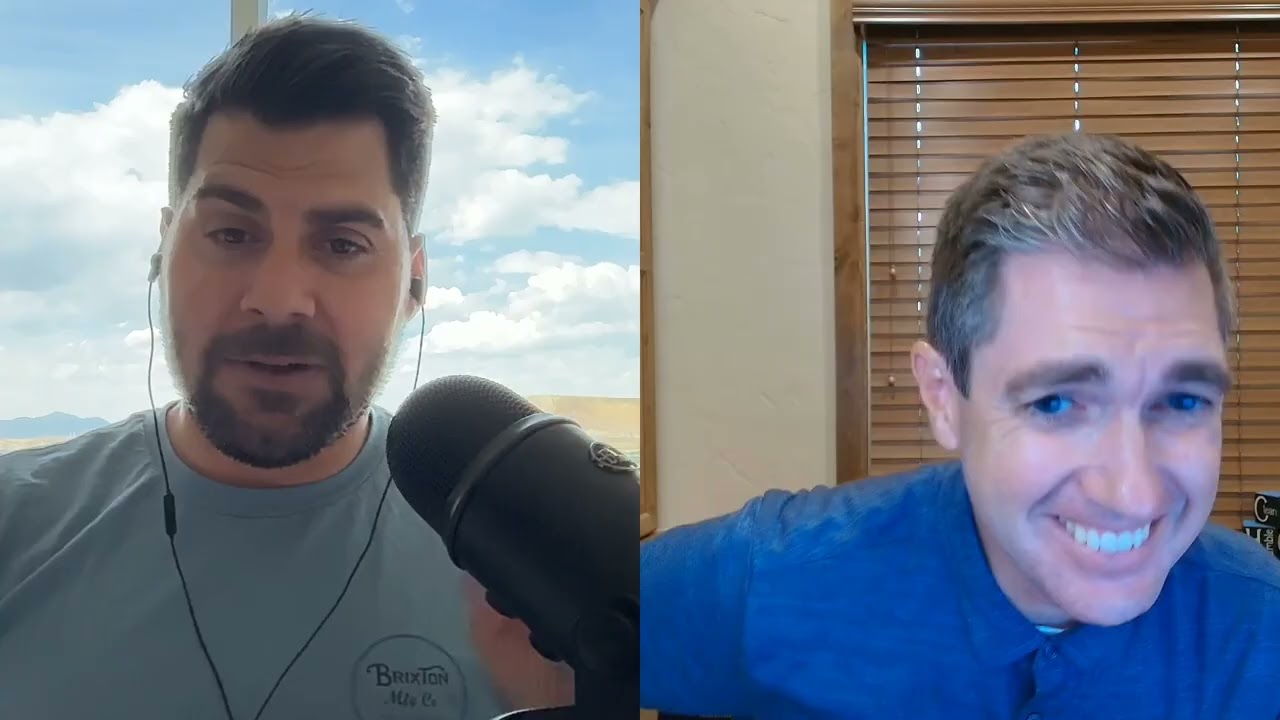
Episode 24: Identifying how and when to drop a PPO with Bill Rossi
August 19, 2026 · BoomCloud™
About this video
This episode provides pure education on how or when a dental office can drop certain PPO networks. In no way does this podcast support or promote PPO boycotting in any way. The intent of this podcast is to provide education on how doctors can identify if they are ready to drop any PPO network and how to properly prepare themselves for a transition to out –of-network.
Our Guest, Bill Rossi, has over 35 years of experience in dental practice management. He and his associates are actively involved in the ongoing management of over 250 practices. They deliver more results to more clients in the upper Midwest than all other consulting firms combined. Bill says, “Each month we monitor over 30 million dollars worth of dental activity. Each year we do over 600 on-site consultations. This gives us a deep and wide frame of reference. Our clients expect straight talk and good results and that is what they get. We know how to bring out the best in you and your staff to get things done. We promise we will never pressure you or ask you to pressure your patients. You will never be locked into a contract. You will not be subjected to boring meetings and canned programs. You will receive top-notch management support. You will be in control of what happens in your practice.”
To contact Bill please call him at 952-921-3360. His website is www.advancedpracticemanagement.com where you can find a number of articles and references about his work with offices nationwide.
Full transcript
Complete text of this video
[music] >> Welcome to the Navigating Dental Insurance Podcast, where we don't take from insurance companies. Here are your hosts, Mr. Jordan Comstock and Mr. Ben Tuinei. This podcast is [music] sponsored by Boomcloud Dental Membership Software, www.boomcloudapps.com, and Veritas [music] Dental Resources, www.veritasdentalresources.com. Enjoy the show. >> Welcome everybody to another exciting episode of our Say No to PPOs podcast series. This is Ben Tuinei. Got my co-host Jordan Comstock. How's it going, Jordan? >> Good, man. How you doing, Ben? >> Doing very well, thank you. You know,
uh we have an awesome guest on. We've been looking forward to this interview for quite some time. I shouldn't say interview because I think uh our good friend Bill Rossi. How you How's it going, Bill? >> Oh, good. Thanks for Thanks for having me, Ben. >> You know, it it's funny because you write so many articles on Dental Economics. Um I hear your name all over the country. And just this year we start to get to know you, and I in in my heart I'm I'm
thinking gosh, I should have known Bill for a number of years. I should have been referring clients to you because for those of you that are listening Bill is the only dental consultant. Do you Do you use that term to to for yourself, Bill? >> I wouldn't say the only, but I I I think I've I've been in the wars as much as anyone uh has with uh people moving out of network. So, no, I'm not the only, but I've been in that world for a
while, yeah. >> I I think you're the only one that actually specializes in that area. I don't know anybody else that That focuses strictly on this area of of um consulting or coaching. And I I just want to reach our listeners a few things about you if you don't mind. >> Yes, but I have to say Ben, I have to say I don't specialize. I mean I do this area a lot, but I'm primarily, you know, my homies up here are 200 some [clears throat] dental
offices and in the matter of course in this world, I've had to deal with the PPO things and we've had such a bloody battle up here that it's become a sub specialty as it were. So I had to jump in and say that. Now I'll shut up. >> [laughter] >> No, you're you're well, our mutual friend Kelly Larson, she just she worships you. She was on our podcast. What was it Jordan? 2 3 months ago? >> Yes, yeah, she was. And I speak to them once
a week it seems like. >> Yeah. And we're we're meeting with the Revenue Well folks here on Thursday evening in a couple of days. It's actually tomorrow tomorrow night. >> Yeah, tomorrow night. >> And those folks just have nothing but great things to say about you. >> Every day. >> Oh yeah, that's very nice. Yeah, thank you. >> For our listeners, so Bill, it's pronounced Rossi, right? Bill Rossi? >> Rossi, C. >> Okay. I've I've heard your name. Just wanted to make sure. Bill Rossi, I've
heard him at I think Woody Oaks does a conference in Florida where I first heard your name and read the magazine, read the articles. So for those of you that are listening, this is Bill's background. So Bill Bill has been working in dentistry for over 35 years in dental practice management. He and his associates are actively involved in [clears throat] the ongoing management over 250 practices as he just mentioned. They deliver more results to more clients in the upper Midwest than all other consulting firms combined.
So Bill says each month we monitor 30 million dollars worth of dental activity. Each year we do over 600 on-site consultation. This gives us a deep and wide frame of reference. Our client clients expect straight talk and good results, and that is what they get. We know how to bring out the best of in you and your staff to get things done. We promise we will never pressure you or ask you to pressure your patients. You will never be locked into a contract. You will not
be subjected to boring meetings and canned programs, and I'm sure everybody could appreciate that. >> Yeah. >> And you will receive top-notch management support. You will be in control of what happens in your practice. And I think our listeners can appreciate that, Bill. I think your background does speaks enough for itself. You can find a number of articles on Dental Economics and other magazines that Bill has written. And we'll also post >> a while. It's It's been a while since Dental Economics. I did a bunch
with the profitable dentist so on the PPO thing as you know, Ben. There's a bunch in that one. Yeah, I'm sorry. >> No, no, no. That That's great. What we're going to do is I I found all your articles on your website, and so we'll post your website on our show notes. And I invite those of you that feel that maybe even feeling shaky about exiting insurance networks or joining insurance networks, whatever that may be for you. I I do recommend that you listen carefully and
definitely reach out to Bill and his team and learn about what they do cuz I think Bill is a great asset in the industry. But Bill, how how did you get involved in the PPO play in developing a reputation for helping doctors make decisions to exit insurance networks? >> Yeah, I'm not a theorist. What happened is in Minnesota, you know, through the course of helping run these practices or advise them, we had a fairly we have a fairly nasty version of Delta here, at least we
used to. They're pretty adversarial. And there's other PPOs, too. And as they came on board just as a matter of course, especially for my clients with the sort of of the pinky Dawson stripe, they were trying to leave Delta anyway. Well, what happened was in 2001, uh Delta kicked off 71 doctors. We call them the Delta 71. They kicked off doctors that they didn't like the procedure mixing. Now, in Minnesota, uh where most these doctors were kicked off were, uh you know, they were overnight uh
out of network with 2/3 of their patients. I mean, that's how deep the penetration is here. So, the Minnesota Dental Association called me and said, "Bill, will you help us write a letter for clients to send to their patients and help them to this?" And I said, "The last thing they should do is send a letter." So, I met with a lot of those doctors and through that sort of really intense uh period of time, we helped a lot of doctors deal with the transition. And
then [snorts] since then, of course, it's not just Delta, it's MetLife, it's DentaMax, it's all the others. But, uh that's where we really kind of sort of developed a reputation that Woody Oakes heard about it and invited me down to Texas uh and that's where I started speaking on and writing it more uh because it's spreading across the country. So, we got it from uh sort of a nasty volcanic battle here in 2001. >> Cool. Uh follow-up question to that, Bill, cuz as [clears throat] So,
our business is PPO fee negotiations. I I receive lawsuits every time I say something wrong on this podcast. >> [laughter] >> I shouldn't say say something wrong, but say something that would offend an insurance carrier. Do you see any of those any types of those power plays going against your business? From the insurance carriers? >> Well, I am careful. In fact, uh I really um I really like to keep a low profile. I mean, I could I I wish I could post on the website all
the clients we've helped with this and even the negotiation fee but I face, but I don't want to. And one of my messages when I talk to doctors that are actually leaving Delta or any PPO. I don't have any particular favorites or disfavors. Is when you do so, you do not want to diss the PPO. It doesn't do you any good. So, the method we talk about is to make sure that no one's reputation, not even the insurance companies, is hurt as you make the transition.
Uh but the truth is that did happen in 2001 here and that's a fact. So, hopefully I can't get sued over facts. >> [laughter] >> And a lot a lot of people that Delta kicked out of the network, uh there were probably some greed heads there, but most of the guys in that were MAGD, AGD, Pinky Dawson. These are all the kind of dentists that put a lot of time into diagnosis and stuff and they probably were over treaters as far as the insurance company is
concerned. As far as they're concerned, they were being excellent dentists. And so, uh that's sort of what happened with that. But I'll be I haven't been pursued. A client colleague of mine in this area was uh by Delta some years ago and but that's all been settled. >> Very good. Well, if it ever happens, don't ever worry or fear it because I'm I'm like you. I I try to keep a low profile, but it's hard to avoid these insurance carriers wanting to bully even firms like
us and right now we're not engaged in direct conflict with an insurance carrier, but we battle them every single day. When I started, we got letters from many of them and they were cease and desist letters, threats of lawsuits and we hired and retained an attorney to this day. We still have that attorney on retainer. Um but but insurance carriers, I can only imagine that they don't like the advice that you give these doctors to go out of network and they don't like the advice we
give the doctors to negotiate fees. They certainly don't like Jordan and Jordan helping doctors build membership programs. >> Well, [laughter] you know, I tried to I've got several calls into, you know, DDSPV, the main Delta. I'm just trying to fact check them to make sure that I'm speaking the truth and their department of communications doesn't communicate. So, uh uh my my whole thing on this is this. There's always a natural tension in the marketplace between buyer and seller. Buyer needs seller, and seller needs buyer, but
they have different interests, but they also have an interest in maintaining a relationship. Likewise, dentists need insurance companies or are helped by insurance companies. Insurance companies certainly need dentists, and they both need patients. And so, we're all in this uh together. And it does not have to be adversarial, but it has to be balanced. Now, what you guys do in your fee negotiations, and I've helped offices might take a negotiation a little different, but yours I think is uh really taking that to another level. Uh
uh is, you know, uh we're just trying to balance the power a little bit, and uh so it's not all insurance companies' way. They have the suits all day long running the numbers, so it's good that they can hire a suit like you that can run the numbers back at them. And uh cuz the dentists are focused on their patients. And so, uh I like to think that it's just a matter of balancing the marketplace. It isn't a matter of, you know, war. It isn't, you
know, Okay. >> Agree 100%. >> Yeah, I agree with that, too. So, Bill, how how do you know whether or not a practice is in position where they can leave a PPO participation safely? >> Okay, so first thing on this is uh when I get calls from doctors and they're all juiced up like they are in Massachusetts right now from all >> Yeah, oh yeah, oh yeah. >> [laughter] >> Yeah, and they the first guys that call where I'm going to drop Delta blah blah blah
and fire and brimstone, I go, "No, you're not. Calm down." I mean, I've been in enough of these fights that you never go into things so emotionally. And the first thing you always do, even with Delta, even though it might seem hopeless, is you always try to negotiate first. Now, with these massive Delta plays like in Massachusetts, not so much. But uh if a doctor's gone to the no negotiation phase uh phase, what I'm talking about is doctors with multiple PPOs, which is mostly what we
deal with nowadays. Uh so, leaving Delta side and the whole Massachusetts thing, when it the first thing they have to do is negotiate cuz you never get in a fight if you can avoid it, okay? >> Right. >> Then once they've negotiated, the next thing I call is assessment. What I have to do is see, okay, uh you've done that. Now let's see if you're ready for a fight. By that I mean, again, I don't want to sound adversarial, but I like the analogy. That's when
it kind of reaches a bit into practice management because I can't tell someone to dump 200 of their patients, let's say, or take put at risk one of their patients if we don't know if the practice is otherwise able to go through it, weather the storm, you know, that sort of thing. So, uh we look at the practice and make sure that it has at least you know, if they have 800 active patients and are getting five new patients a month and the whole practice you
know, that you you can't do it. If they've got if the doctor's booked out forever, they're under uh they're they have not enough capacity to keep up and they're collecting 65% of their produce and they're otherwise healthy, I say go for it. So, the first thing is the practice has to be fit enough. And that doesn't mean they have to buy some big consulting program, but they have to at least be I won't take them through a fight unless I know they can >> Handle it.
>> do do well cuz most of my clients, as we said at the beginning, are long-term clients and I have their data before, during, and after. That's what makes me smart about this and I won't do anything that will hurt a client. So, if I say to someone you can leave a PPO, they can and we'll get out the other end. So, that that's the first thing. So, um Yeah, I look to make sure that they have enough volume. They have to have a good number
of new patients. The thing that you'll find, I'm sure you guys have found, the doctors that have the most PPOs and are really like buzz kings, I call them, they're really they're just fanatically busy, you know? >> Yeah. >> They're the ones in the best position to drop them, but their psyche is not to because they're just geared to I'd rather eat pop I'd rather eat cardboard than just sit here with my mouth up. I mean, they just will They they they're the ones that are
doctor, if you have tons of PPOs and you're busier than uh you know, uh mustard trying to catch up or some stupid phrase like that. If you're really busy, you're the one that can drop a PPO, but you don't think you can. And um then you have another doctor that's very anal retentive, has three new patients a month, uh does, you know, and they're the ones that are feeling righteous and the ones most inclined to. So, anyway, we make sure that they have good momentum in
the practice and there's that's a whole subject in itself. The next part is how do you say which PPO to drop first, right? That's the next thing. >> Mhm. >> And and uh it isn't necessarily the one with the lowest fee schedule. Yeah, that can be it, but what I look for is let's say someone has a PPO Let's say it's PetLife or I've got the blues or something. I mean, make up whatever name you want. >> Mhm. >> So, uh anyway, let's say it's MetLife.
And we look at the practice and it's 15% of the doctor's practice and they're doing over a 30% discount, close to a 40, and they're a pain to work with. And the practice is otherwise healthy. I say to the doctor, "The MetLife, let's check out the MetLife auto network benefits in your area." Now, you used to be able to just grab someone's uh benefit book. You go, "Here's in network, here's out of network." What we do is we do the research online and we find out
for the major, like I did a one of these exorcisms in Canton, Michigan near the Fort Fort Patrick, okay? In Detroit. And so, what we do is we looked and said, "What are the out of network benefits?" And the surprising thing about MetLife is they're just a total pain in network, but they're not that bad out of network, mostly. >> Right. >> And so I'll be in a room full of dentists talking about this. Half will be on MetLife, half won't. And the half that are
on it think there's no life afterwards. And the half that aren't on it go, "What are you talking about?" And it's just a weird So they don't see both sides of the curtain. So here's the deal. You got 15% of your practice. I say to the doctor, "You know what? If let's say uh just to be very conservative, if you drop MetLife, you could lose half your MetLife patients. If you do things the way I tell you, I don't think you will. But let's say you
could. Could you live with that? Yeah, I've got plenty of money. I'm good. Okay. Okay, so half is let's call it 8%. Now if you lose 8% of your patients over next month, that's a bad thing cuz that's that hurts. But if you lose 8% of your patients over a 2-year period, you can heal up over that, no problem. Okay? And if people do it the way we talk about it, there's two things. One is we minimize how many patients leave uh by the way the
patients are handled. Two, we slow down any loss. So it's not only limit the bleeding, it's slow down the bleeding. And by doing that process, uh just like you've said on previous podcast, it takes about a year and a half to two years to kind of go through the process uh to kind of get to the other end of the tunnel. Uh but what I look for is bite-size PPOs with decent out of network benefits in a practice that's otherwise healthy. And most doctors there's a
lot of doctors that could drop PPOs that don't. And uh you've got you guys and the other groups that do it. And after you after you negotiate, sometimes you have to throw down, doctor. Now here's something I know you guys know about. I've had doctor I had a doctor call me from Bal- Baltimore. She goes, uh "I want to drop United Concordia." And I so she I said, "Why?" Well, they uh I just would not they stink. They pay low. And I said, um "Well, have
you negotiated?" Yeah, they don't negotiate. And I go, "They all negotiate. I mean, they all negotiate. No, they don't. I said I said send them a drop notice. Because you could We went to the analysis, right? Send a drop notice. And the next day, I mean, the next week, United Concordia goes, "Okay, we'll give you a raise." Um so so so sometimes, you know, how much power would a union have if a nervous went on strike? You know, doctors sometimes you got to throw it out.
Yeah. And now, sometimes I tell that I'm kind of half kidding. You could say to a PPO, "You know, the hell with you, Ben PPO. I'm dropping you." And you send a drop notice, and they don't respond, and they don't give you a raise. You can call them up say, "Ben, I was just kidding. I love you guys. I uh >> [laughter] >> Let me sign Let me sign back up for that PPO. I mean, all right, I'm not going to really drop. I mean, it's
I call that PPO poker." But uh but what happened is she threw down, and they gave him a raise. Now, then get this, a few months later, I'm getting up to go on Justin for my second talk there. I get a call for that very same office. And they say, uh United Concordia wants to go back in the deal. It's been 7 months since we did this. They want to go back to the other fee schedule. I said, "Well, threaten to drop again." And 5 minutes
later, they go back, and they said, "Yeah, they backed down." >> [laughter] >> So, I mean, I hope no one from United Concordia is listening. In fact, uh Ben, maybe you should go by and zap the If we have to I don't know if you can edit, but zap that out. >> If you >> [laughter] >> Uh >> But but that's that's the kind of thing we see. Sometimes, by threatening to drop, you don't have to drop. >> Right. >> Interesting. And And you I know
you guys have seen that, but sometimes you have to drop. >> Yeah. >> And if doctors don't start dropping, we're just going to keep racing the bottom, guys. >> That's right. Yeah. Well, I like what you mentioned about this whole exorcism thing. >> [laughter] >> You said you perform perform an exorcism in a practice, and all I can think about is what my wife tells me she's going to knock the devil out of me. >> Uh >> Yeah. Yeah. Yeah. [laughter] You know, I actually I
also think when I get a call from like Massachusetts or something, I feel like that old guy at the beginning of the movie in the desert, if you remember that. Like, there's a black dog and a white dog fight fighting each other in the desert and the phone rings and he's go, "Oh god, not another one." You know, uh >> [laughter] >> You know, the reason I call it an exorcism is because what I have to do is really treat the fear of the staff. They're
afraid they're going to lose >> Yes. >> jobs and they're and they're afraid the patients are going to be mad at them. And so, what we do a lot is therapy. I don't send out scripts and stuff because if you don't have the staff really buying into why the transition's taking place and that patients are still being treated fairly, they will not make it work. So, don't Don't anyone want to call me up and ask for scripts, don't don't even think of doing it. >> [laughter]
>> I agree. I agree. I think we have the same approach there in in terms of I do some coaching on the billing side and I know when it's not going to work if a practice isn't fit enough to or they're not emotionally there. Maybe I should send them to you to you to do an exorcism and then send them [laughter] back. >> So, [clears throat] Bill >> But, uh yeah, go ahead. >> Oh, no, I was I was just going to ask another question unless
you want to You had something else to ask. Okay. >> Go. Go. Go. >> No, this is this is really great information. So, just just for a review and I'm I'm learning here on how I can qualify by even people that I speak with and and I can think of over a couple hundred of them when you said that they have to be fit to drop an insurance plan. >> Yes. >> go through that whole process and then you go through the whole exorcism practice there
to help prepare them uh eliminate the emotions and and help help them with their fitness test in terms of being successful at exiting any interest network. But, what other factors do you um or should the doctors think about before I should also throw in there before joining or leaving a PPO. >> Okay, yeah. Uh the here's a main thing is you never join or leave emotionally. Okay? >> Okay. >> So, lots of times they go, "Oh, we got a new PPO coming to town. Uh the
Frederickson family uh says I got to join it. I hate to lose them. I better sign up." And so, if a new PPO's coming to town, I just go, "You never sign up right away. You wait and see what happens. You wait and see if the out-of-network benefits are good. You never cut yourself in order not to bleed." >> Right. >> Uh and so, you wait. And likewise, if you're going to drop a PPO like these guys out Massachusetts that are mad, you never do it
without thinking. And on that fitness test stuff, again, I have no interest in spending my life in airplanes flying around doing camp program. I got my own deal up here. Uh I don't advise a practice on how to go through a transition unless they're already pretty fit, and usually we tune up a couple things. But I have no interest in That's That's why there's a million other management consultants. They can worry about that stuff. >> Yeah. >> Okay? >> Yeah. >> Okay. But if they're going,
"I'm fit enough. I'm ready. I'm psychologically ready to drop. What's the process like?" I like to start with a small one because it's a dress rehearsal for a big one. >> Yeah. I I like that. I think um Do you know who Gary Takacs is? You heard of him before? >> Sure. Sure, I've listened to his stuff, yeah. >> So, Gary's a good friend, and and that's what he says, too. Um he said his his process of Excuse me, of [clears throat] um you know, not
necessarily a an area that he focus on focuses on for every client, but I think he does uh a great job at it, and he mentioned exactly what you said as you starting with the smallest plan just to kind of test and see how well the staff does, and then move on from there. >> Right, it's a dress rehearsal, and what happens is uh like in practices, once we've done this, uh you know, the the staff uh get confident in it. Now, part of the reason
for this training is so much has to do with the attitude of the staff. Like I said, they're under You can't give them a chance. They have to really feel that what you're doing is fair and just and there's and that's the whole thing. Now, if they feel that, I always talk about that I grew up with dogs, so I'm used to dogs. I never really been afraid of I grew up on a farm and I was never really afraid of dogs. There was probably rabid
dogs coming by once. I didn't was it wasn't even afraid of them cuz you just get used to them. But, I know this and you know this, if someone's afraid of dogs, they sense it. If you they're you're hesitant, they you know, they come at you. Likewise, if the front desk staff is skittish, the patients will sense it and you get more hostility than if you have everyone calm. So, we're trying to keep everyone calm and that means the doctor has to back up the staff
because I'm going to tell you this, King, if you leave a leave a PPO, you will lose patients. You just probably won't lose as many as quickly as you think if you do it the right way and you know, let's look at that 15% example. Uh if you get through that transition and otherwise keep your stuff together, you're going to add three to four points to your collection percentage. If you're collecting 100,000 a month, going through that transition is three or four thousand a month more
collections now next year and so on. Pure pure free money. Um >> Yeah. >> And [snorts] so, um it's it's it's well worth uh understanding that there may be some loss of patients. But, the revenues will go up, but we don't want to lose patients and we want to lose any patients we can as slow as possible slowly as possible. >> I know I know Jordan has a question, but Jordan, if you don't mind, um >> Go ahead. [clears throat] >> So, we actually had um
Weston Lunsford from Dental Intel on a couple of months ago on our podcast. >> it. I listened to that. Yeah. >> And it's so interesting because he and I text and and chat all the time about practices that are going out of network and he says al- almost all of them, the revenue goes up. There is some attrition, but the revenue overall goes up and if they're patient that first year, um that the years that follow, the revenue always tends to go up with these practices.
>> If they're otherwise healthy. >> Right, if they're otherwise healthy. And there are some practices that I know of on my website, I don't can't believe it's still there. I need to go edit that, but that was a 2011 example of a practice that dropped MetLife. They most of their patients were MetLife, and it just hurt them so much. They lost I think the doctors lost $300,000 in revenue. And that's an example of a practice that's not fit to drop a PPO plan. So for those
of you that are considering adding or dropping, this I think this is a great great information. >> Yeah, I agree. >> Oh, go ahead. >> Well, here's one of the main things that doctors want to know, and I want to make sure that I say to reassure you guys. Again, we're talking about balancing the marketplace. And so, uh one of the things that I get asked is how many patients do you think I'll keep? Now, I've got longitudinal data on this because remember those doctors in
2001, you know, 15 >> Yeah. years ago we talked about? We still have data on these dudes. Some of them. [laughter] >> Now, let's say that you're a dentist in St. Paul, and 2/3 of your patients were with Delta Dental in 2001. It's 15 years later. Do you have any Delta Dental patients? >> Sure. >> You're out of network. Yeah. How many do you think you have? Well, to make a long story short, you have about half the number of people that your neighbors would if
they stayed in network. So, uh that's not chicken feed. And St. Paul is a third of the practice, right? >> Right. >> But my point is you would think it'd be zero. It's a third. It's about half. So if And that's the most drastic type of, you know, leaving that Delta is the most drastic type of transition. But there is life after it, and those practices do okay, but they can't just leave a PPO or Delta. They have to be also working on their marketing and
other things. They can't just >> Yeah. >> disdain PPOs. They have to In fact, I say that the dependence on PPOs causes a management to be lazy. And so, you just kind of throw stuff in the schedule, and it's sort of like, you know, if you have to pay more attention to the management, you actually end up with a better practice than if you just lean on the suits, the PPO, to throw people in your schedule. >> Right. Yeah. Interesting. So, Bill, um I got another
question for you. What What are the key numbers the practice should look look at as it goes through this transition? >> Well, uh this I'm I kind of agree with the I want to do the, you know, I was doing that before you were born to the dental guy. [laughter] And I I met a I met with those guys, but I the metric I've been using for over 30 years is exams. He talked about visits. I use exams, which is you know, continuing care, new patient,
you know, recall, new patient, emergency exams. To me, that's a definitive definition of a patient flow. Retail sales and they talk about how many people go through the cash register lines, you know, trans I use that one. And that's the number that your dental guy was talking about. And so, we look at that number and see if there's momentum in that before the drop. That's part of the fitness test. And then as we take people through this, we're watching this number just like you would the,
you know, altimeter on an airplane or something, if I said it right. You know, you're going Are we maintaining patient volume? Cuz a lot of times, these practices have latent potential, and if they're juicing the recall and other things when they're going through a transition, you'll see the collection percentage increase while the volume stays the same. And the other statistic I watch, which is again, they've come to the same conclusion. I got there first. Uh [laughter] but in the same conclusion, uh is you look at
There's two ways you can increase production, either seeing more people, e.g., exams, or doing more for the people you see, e.g., production per exam. And so, I look at the production per exam, to that's like torque. You know, so let's call exams RPM, that's torque. And you're looking, you may be crank the torque up the case acceptance, the amount of It's not just case acceptance, it's the range of services do you offer ortho, are you doing implant? All those things increase the production per exam. And
at the same time you're looking at the number of exams, and if you watch that plus the collection percentage as you go through these transitions, you can come out just beautifully at the other side. But you definitely have to watch your patient flow. You can't go by his last week's schedule full or not. You can't do, you know, seat of the pants. You have to look at the actual numbers. >> That's awesome. >> Interesting. >> So, I can only imagine that there's some training that's needed
on the team member side, the staff members. Is there any training needed on the team members? >> Yeah, that mostly has to do with, you know, how they tactfully handle new patients calling. We still call offices, I know you do. Do you take MetLife? No, we're out of network. And there's You don't want to be sneaky, but there's better ways to handle that. Our offices worse will someone calls and you go, "What kind of They'll ask the patient, "What kind of insurance you have? MetLife? Well,
we're out of network, so you know." What's going on in those offices is they're playing defense, you know? When someone calls your office, you you don't want to go to insurance unless they go to insurance. You want to make sure they know how to talk to existing patients, so they Here's the thing, if you do it right and don't send letters, you get to see every one of those patients one more time. That's a huge deal. The average frequency in patient visits per year is about
one per year. I mean, that's a gross uh generalization, but it's So, this means that if you get to see everyone face-to-face, but the staff has to know how to deal with it. If a patient leaves, they have to know how to do so tactfully. If a patient's ticked off, they have to know how to handle it well. That's where the staff training comes in and the doctor support cuz you can't beat up the go to staff and go, "Well, you screwed up Mrs. Smith and
I lost a patient, you know, doc." You go through this with your staff. They got to know you got their back. And I have to do therapy on the doctors, too. [laughter] >> Yeah, makes sense. Um so >> come they come out the other end they come out the other end with a lot better picture than they think. I'm telling you doctors, you're much more likely to be able to drop a PPO than you think. You won't lose your magic. >> Yeah. >> And but you
don't drop all of them. It's a matter of the right balance. We used to balance fees. Now you balance of the right amount of PPOs. That's how you set your fees. 100 PPOs, low fees. No PPOs, very high fees. You balance it by how many PPOs you have. >> Interesting. Awesome. So, how how can the process of leaving a PPO actually strengthen a practice in general? >> I like we mentioned before because you're not because you're taking a harder look at things. It's sort of like
remember the balls it took or ovaries or whatever you when you first went into practice or started your business. You [laughter] know, it took >> Yeah. >> It took a lot of courage for a doctor to even select a practice to join or buy a practice or start a practice. That took courage. And um and and what happens is as we get more busy and complacent we lose courage and everyone knows that to be successful you have to be hard working versus lazy. You have to
be honest versus sleazy. You have to be skilled versus ignorant. And everyone forgets about this one. You got to have some courage. >> You got it. >> courage makes up for a lot of sweat sweat. So, if you have to face that you're going through this transition, it makes you look at how is our business how's my website? How's my marketing? How's all this stuff and uh going through? Every doctor kind of knows about that, but they never really, you know, pay attention to it. So,
a little bit of danger makes a practice better. >> I agree. I agree with that. >> I like it. I That my number one complaint um well, for those of you that are clients, this is not against you individually [laughter] or directly, but my my number one complaint in in this industry is lack of courage when it comes to these insurance carriers. There's always that fear of these insurance carriers are going to fight back. They have more lobbying dollars. They have more attorneys and a greater
ability to intimidate and make us go away. And the reality is is that I have I haven't seen it. I mean, I've I've been a recipient of a dozen of lawsuits, and I'm still here. And in the end, you just have to be a good risk taker and and a calculated risk taker. I like what um >> Yeah. >> I like what what's-his-name Dr. Mark Costes says is uh I think it was Mark Costes. Um risk takers, real risk takers, they jump off cliffs and they
develop wings on the way down. >> Yeah, yeah. >> And and sometimes you have to do that with these insurance carriers because I think I think your process, Bill, is more methodical. It's more educated in terms of finding ways to retain certain PPOs, drop ones that that you don't necessarily be need to be in network with. Whereas most of the processes that I'm aware of in determining which PPOs to drop is a guessing game. Yours is is very very educational. So, what are the bottom line
benefits, Bill, of leaving a PPO in general? >> Well, it does balance your, you know, it it balances your fees and your profitability and it it it's a huge I mean, I have a frequently seen doctors that are collecting 65 or 70% of their fees now, and that's just ridiculous. So, it adds more to the bottom line, so you have more resources. And you think insurance companies keep you safe, but you're dependent on them. That doesn't make you safer. So, it's a matter of independence, not
just income and a sense that you can kind of have control of your own destiny. It's not just up to the suits at the PPO and it's you know, you have a say. So, there's a lot of good stuff with this. I mean, can you imagine if our business plan we had someone telling us what to charge? I mean, we'd just be so ticked and then and then the other bill. >> [laughter] >> And and the other thing those in-office programs like Jordan, I I really
believe in those. I have seen and got data to prove that being with those in-office programs, the biggest benefit isn't new patients, but it's like giving patients a magic pill that doubles or triples the amount of dentistry they do. And so, if you don't you don't have those plans going, you're asleep. >> Yeah, I agree. >> I agree with that, too. >> I think I think the bottom line here is that the listeners need to get to know you more. And we really appreciate you spending
time on our podcast. I know you're a busy guy. Every time every time you and I connect, you're on the road going somewhere beautiful around the country. Uh sharing >> Or- [laughter] like Ortonville, Minnesota? >> Yes. >> Yeah, like that place. Haven't been there, but it sounds like a nice place. >> Well, >> [laughter] >> bad place. >> It isn't. No, there it is. >> Well, like >> Nice people, but >> a few weeks ago, I think you were headed to Pennsylvania last time uh when
we spoke. And you mentioned to me that in your meetings, you asked doctors, "Who's in network with MetLife? Who's out of network?" Jordan, you remember that meeting up at Weber State University when I asked that same question? So, this was >> Oh, yes. Yes. >> This was right after I talked to Bill. So, I I I was inspired to ask the same question and I did. And it's so funny like more than two-thirds of the room, hands went up were in network. Out of network, a
handful of them raised their hands and I I singled them out. I said, "How how's your experience been?" And they said, "I don't know why everyone else in here is in network with MetLife. >> [laughter] >> They say, "We get patients from you guys all the time and we're out of network." And so, and you know, I was trying to bring up a point to them that being out of network doesn't necessarily mean you're not going to grow and you're not going to have patients. So,
that's something new that I learned from Bill is that being out of network doesn't necessarily mean that your practice is going to fall apart. Bill >> any individual plan might have half the market, but if you look at it, no one, not even Delta, has 100% of the market. Therefore, it's possible to survive outside. And I do have to say this, I talked about the courage thing. Let's say I'm dead wrong. Let's say that the prac we know you go through it. How many decisions and
business decisions you have in life when you're making 50, 60, 100,000, 200,000 more a year, but if it doesn't work out, it's completely reversible. Because if you don't give the insurance company the finger on the way out the door, you can always call them and say, "Hey, hey, I was kidding. I love you guys. I want >> [laughter] >> I want to come back." I mean, you don't have any capital outlay if it works out, okay, you're better off. If it doesn't work out, okay, and
you haven't burned your bridges, you go, "Hey, can I come back?" And they'll go, "Love to have you back." So, and I haven't, by the way, I've never had a client have to do that, but I'm just saying, think of that compared to the risk in starting up a practice or building a new building, it's chicken feed and the revenues are unbelievable. >> Yeah, I agree that there Delta has years ago they started this policy in a lot of states. If you cancel the Delta network,
you have to wait 1 year to 2 years to rejoin. >> Oh, yeah. >> And you have to pay a fee to go back in network. So, I've heard stories of doctors dropping Delta and then doing what you said, Bill, is they're begging to go back in network and Delta says, "No, you got to wait." So, before >> I've seen them go back and no problem unless they are one of the ones marked. I think they threaten to do that, but if you don't make a
big deal. And by the way, so I I've seen people rejoin, but Delta, again, tends to want to do everything the nasty way. Yeah. >> Yeah. >> Seems like it. >> Yeah, I agree. Well, Bill, it's been a pleasure having you on our program. I am >> Yes, it has. >> positive people have questions for you. Is it okay if they contact you or your team member if they have more questions about what they heard today? >> Yeah, uh here's what I'd say. Don't call and
just to me about Delta any longer because [laughter] I've heard it all. I mean, I feel your pain. I feel your pain, you know, and I won't be mad. But, if you're seriously considering dropping PPO and you've already gone through the negotiation process uh with Ben's company or whoever, uh then it's we can talk and it doesn't cost you anything to call me for 20 minutes and you won't get any hard sell because I don't want to get involved unless I think I can do some
good. So, they can just call me and my They can Google my name, Bill Rossi, they'll find my website, check out that stuff or call me at 952-921- 3360. It actually is good to call me cuz I don't usually do a lot of emailing and texting. I'm usually in a car or in a meeting. So, uh sometimes the best way for us to get together is by voice. So, if you've been through negotiations and you're thinking, "Should I pull the trigger?" Uh I'm happy to help.
>> Absolutely. >> Awesome. >> Thank you, Bill. >> Awesome. >> I'm going to post that number in the show notes. I'm going to post Bill's website on in the show notes. I We both highly encourage that you call Bill. Uh I can guarantee that 95% of the listeners on this call are candidates to talk to Bill about getting out of some of those PPOs. >> Your life will be much better. >> Yeah. And as a person that has seen doctors leave PPO networks uh Bill's way,
I can tell you that their lives their lives are much much better off being out of network and gaining more revenue that way. Bill, thank you so much for being on the program. We really appreciate your time. Know you're a busy man, but uh we uh want to say thank you from the bottom of our hearts and uh we look forward to future conversations and hopefully we want to set up something here in Utah. Do you Do you take speaking events across the country, too? >>
Yeah, I'm going out to Massachusetts to deal with that thing, and I do Yeah, I do speaking events, sure. >> Okay, so there's >> It's And I think you're going down to Destin this year. I've done that gig, but aren't you going there, Ben, in April? >> I think so. I have a couple events in April on on the list. But yes, I am going to Florida, too. >> Yeah. >> Nice. >> So, but no, I I I bring that up because there are a lot
of listeners that reach out to us for speaking, and I highly encourage having Bill at at one of your meetings, conventions, study clubs. So, contact him in his office, and trust me, they'll be a great resource for you. Bill, thank you again. Appreciate your time today. >> All right. Thanks, guys. Very good. >> And that's it, folks. We'd like to thank you, the listener, for making this podcast happen. We are a young podcast, but we are growing at a fast rate. In 3 months alone, we've
captured over 20,000 listeners, [music] and our support is growing day by day. One way that you can show your support for our podcast is to simply tell a friend about us. If there is an episode that you enjoyed, feel free to share it. Also, if there is a certain insurance-related topic that we haven't covered just yet, we'd love to hear about that. Please email us and send us a request at help at veritasdentalresources.com. Veritas is spelled V as in Victor, E R I T as in
Tom, A S. Help at veritasdentalresources.com, and we'll make sure to include that request in our next and future episodes. Again, thank you for your support, and we wish you the best of success. >> [music] [music] >> Hey.