Videos / Watch
Periodontal Disease + Covid = Inflammatory Overload Distress with Tonya Loving, DDS and Danette H...
August 19, 2026 · BoomCloud™
About this video
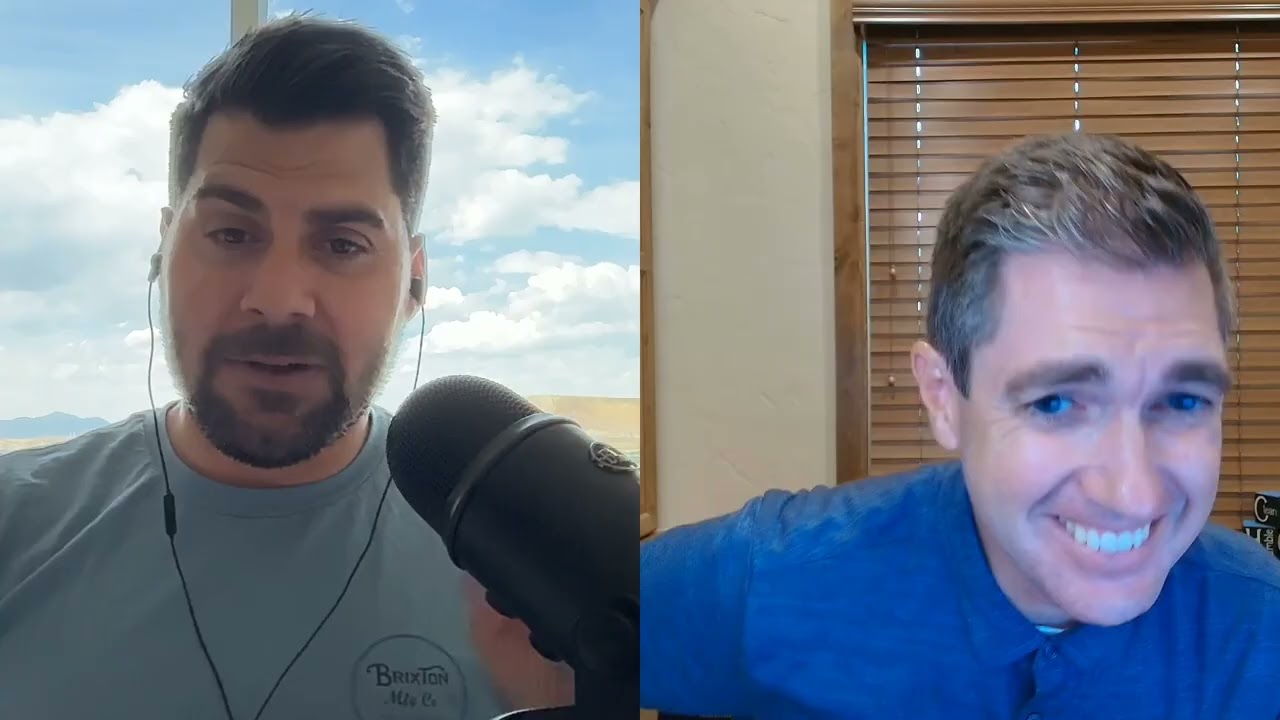
During this episode Dr. Loving and Danette talk about the rise of perio disease and why we should be focusing more on perio protocols. There's no doubt that the current pandemic has influenced bad oral hygiene habits (or lack thereof) among the general public as we learn than 75% of those above age 30 have some form of periodontal disease. Dr. Loving and Danette share their experience and give instructions on how to develop a solid perio program within your practice. They both share key insight on how to manage a successful perio program while dealing with the frustrations of dental insurance and low reimbursements. This episode is jam packed with a lot of great information and we thank Dr. Loving and Danette for taking time to chat with us on the podcast.
To contact Dr. Loving or Danette please reach them here:
Danette Hamilton
Full transcript
Complete text of this video
[music] >> Welcome to the navigating dental insurance podcast, where we don't take from insurance [music] companies. Here your hosts, Mr. Jordan Comstock and Mr. Ben Tuinei. >> All right, welcome to another exciting episode of the navigating dental insurance podcast. My name is Ben Tuinei. Today I'm going to be your sole host. Um my trusty uh colleague Jordan Comstock is not available today. Uh Jordan's going through a hiring frenzy and has some a lineup of interviews to uh fill a very urgent position within his BoomClub business.
Um but today uh we are recording this um March 9th, 2021. Um it's a beautiful day here in Salt Lake City, Utah and uh we have two wonderful guests, which I will introduce to you today, uh Dr. Tanya Loving and Danette Hamilton. Both of which are coming out of uh the state of Washington, I believe. Right? Or at least here, let me let me read their bios I'm really excited about their appearance on our podcast here today simply because of their background. And we have a
very very awesome topic lined up. Let me introduce both of them to you real quick. So, Dr. Tanya Loving uh is a Well, she's a retired uh Well, she did she she did practice dentistry, but she also has uh Danette Hamilton, who's a registered dental hygienist. Um both very experienced dental professionals collectively providing the insight of a dentist, dental hygienist, dental consultant, and a dental broker. When Danette joined uh Dr. Tanya's practice in 1999, uh it was the beginning of a unique working relationship and a
professional friendship. Tanya and Danette work together uh today as uh under under the business name Dentistry Reinvented to assist Northwest dental practices with growth and development. And Dr. Tanya is one of a few dental consults consultants in the nation who has owned and operated a multi-million dollar dental practice. She attended the University of Washington earning a bachelor degree a bachelor of arts in English and then attended UW's School of Dentistry. She purchased a four chair practice and within five years expanded to maximum compact capacity at
that office and increased production to nearly five times of when it initially it was purchased. Her next endeavor was building her dream office a 3,500 square foot seven operatory 17 17 staff members and over 3,000 active patients. During the last five years of practice her office model achieved the top 1% of all dental offices in the nation. Wow. Consistently her hygiene department produced over 1 million dollars per year. That's very very impressive. Dr. Loving passionately enjoyed 17 years as a practicing dentist before selling her practice
uh Loving Dentistry in 2011. She then created a consulting firm called Loving Dental Solutions. >> [snorts] >> Uh Dannette Hamilton studied dental hygiene at the University of Pittsburgh prior to pursuing her Masters of Health Administration degree at the University of Washington. Dannette practiced chairside dental hygiene at some of the largest and most uh progressive dental practices in Seattle and the Eastside. She also observed different practice models when providing temporary hygiene services in over 50 general and periodontal dental practices. After meeting Dr. Loving she was employed
at Loving Dentistry for 15 years and acted as her lead dental hygienist. Dannette created Synchronized Dental Systems where she educated dental practices on how to provide profitable hygiene services. Dannette also gained a dental broker experience with APEX the largest dental brokers in the United States. Dr. Tanya was a great influence on Dennett's daughter who is a practicing dentist in Chicago. Dr. Tanya and Dennett, welcome to the program today. It's so great to have you both. >> Thank you very much. Good morning. >> Yeah, good morning
to you both. I I really love reading your history and it's quite impressive and I'm so glad that you're out there helping dental practices with the so many different areas of expertise or so many different refined uh areas that you know so well and one of those areas that we're going to talk about today is this whole issue surrounding periodontal disease. You know, periodontal disease plus COVID you know, that definitely does equal somewhat of an inflammatory overload of distress on on people in general. Um you
know, I I live in Utah where Utah is um you know, one of those states that has more relaxed standards in terms of you know, business operations. Definitely do follow you know, CDC standard guidelines, but you know, I'd say about half the people here um are very cautious and the other half are sort of just wanting to get out. But the consistency that I see among the people here in our state is that people have postponed and pushed off uh dental work. And then the other
thing I'm seeing is that the average weight gain among the people I know is kind of crazy >> [laughter] >> over the last year. >> Yeah. >> It's kind of crazy cuz last year so at the beginning of last year I I I started to run again. And uh back in my college days I used to run 5 mi a day five times a week. And so I I started off last year walking 5 mi a day because it'd been more than 10 years that I
kind of gave up that routine. But now I'm running about 5 mi uh three times a week and then doing doing other stuff during the other two. Um, so I lost weight um over the last year, but the vast majority of the people I know have gained weight. Uh combined with the fact that they have not really been proactive in in getting their regular dental hygiene done, my suspicion, and this is just from, you know, nothing nothing clinically related or scientifically related, my observation is that
perio disease is probably on the rise. >> Yep, you're spot on. You are spot on, Ben. >> So, why should we care about perio disease? What is What What is this whole like hype, you know, in terms of uh why this that why this Why are these uh periodontal disease in terms of it number one being so ignored among the public, but in dental practices, why why should we be focusing more on perio disease? >> That's a great question. Well, because periodontal disease is truly the
foundation for the health of both our patients, but also our practices. And whenever something's foundational, it should get our attention because we know the importance of a foundation in all aspects. We currently have some great information. We know that the CDC reports that nearly 47.2% of adults indeed have some form of periodontal disease. That's pre-COVID. And if we're talking about adults over 30, we know that that number exceeds 75%. Again, pre-COVID numbers. Um and then you couple that with the complicating factor that most patients, they
really don't believe they have a problem. Um they don't believe It It's hard to see, right? It's often asymptomatic. They often don't have any big issues telling them that they have periodontal disease. And then we add that and we couple it with the new research that shows that people with periodontal of the and remember we're talking about over 75% of the population over 30 years old, any of those people who contract COVID are three three and a half times more likely to be admitted to ICU,
they're four and a half times more likely to need a ventilator, they're nine times more likely to die. >> Wow. >> And so, when you couple periodontal disease, this inflammatory disease that exists in 75% of our population over the age of 30, you add COVID, it's a very dangerous recipe. Because we know, newest research says nine times more likely to die. And then on top of this recent and highlighted research, we already have a heap of information that proves periodontal disease is linked to diabetes, pancreatic
cancer, respiratory diseases, uh it doubles your risk for heart attack, three times the incidence for stroke, and you know, this list just continues to grow. But the real hope is that with COVID, maybe a positive spotlight and the link between periodontal disease shows that as dentists and the profession, we can actually elevate the standard of periodontal care. And you know, the takeaway is that there's an undeniable link between periodontal disease and critical health issues. And it's time to really focus on that. We know that periodontal
disease is a risk factor for COVID, and it fuels our current crisis with the pandemic. Um the parallel between periodontal disease and COVID it really could serve as a valuable educational tool to allow us to help patients understand that treatment of periodontal disease can reduce COVID complications, as well as, you know, a myriad of other serious systemic diseases. So, that's exciting. But you know, to launch into that, we really have to wholeheartedly believe, um Ben, we need a team um that's led by a proactive uh
dentist who says "Absolutely, each and every one of us in this office believes that periodontal disease and its treatment are science-based. And it contributes to the overall health and wellness of each of our patients." >> Mhm. >> And it's also chronic. We know that periodontal disease, it requires a lifetime of monitoring, management, and treatment. And so again, I I reflect back to that's talking about 75% of our patient base that's over 30 years old. And how many offices are doing that? Pre-COVID and now we're looking
at COVID. So it's really time to get back and look at how are we treating our patients? Not just pre-COVID, but you know, COVID is leaving a footprint for us. And I think it's important that we gain something positive from it. And then we need to calibrate and create a unified hygiene program that benefits our patients. They're the center. They're the sole reason of why we want to do better. And then we really have to know the science because the science proves that periodontal disease and
its treatment are science-based. They contribute to our patients' overall health and wellness. And the science really does provide those dentists and hygienists with information, statistics, and education that will allow us to overcome patient barriers to non-treatment because we talked about so many of them, they don't believe it, they don't understand it. And so that puts the the ball back in our court to help patients understand, to educate them, and to get them the treatment that we know that works, that that yes, indeed saves teeth, uh
but does so much more. >> Yeah, I I I really love that. You know, it's so it's interesting because um uh earlier this week, no, no, last week I was uh browsing on one of the the dental Facebook pages, and you often see this concern come up where uh you know a dentist and hygienist are seeing a new patient that has just recently come in and the hygienist is definitely recommending that uh the patient uh have a a protocol of scaling and root planing. So they
present this to the patient and the patient protests. You know, the patient says, "I don't have gum disease. I just want a a free cleaning." Um you know, of course this is an insurance patient with that sort of insurance mindset that I can get a free cleaning or at least that's what what my employer told me that's covered. Um >> Yeah. >> And so now you're fighting and battling the patient cuz the patient's also saying uh you know, my last dentist and [clears throat] uh hygienist
that I've seen I've they never once recommended or or at least mentioned to me that I had gum disease. And who knows whether that patient is telling the truth or not, you know, uh especially if they're a new patient. Um but I I I know a lot of practices battle with this because you know, if they really did have another dentist or dental office that they were seeing, you know, you don't it's hard to throw others under the bus, you know, as professionals you want to
you want to maintain a high level of professionalism when it comes to referring to other professionals that are equal to you, you know. >> Absolutely. >> And but at the same time we're we're we're challenged with the ethics because you know, well periodontal disease is important. If a patient has periodontal disease, you have an you have an ethical um obligation to report it, right? To to let the patient know. Informed consent is is part of the law. Uh but how do you how do you how
do you deal with that, you know, when a patient comes in and says, "I just want a free cleaning." You know, they're all like >> Right. >> [laughter] >> Right. Absolutely. And I think what you know, what we really have to do is dig down and educate. And we really have to say, "Here's what we see now." So if they bring up the fact I've never been told this, we have to say, "You know, I understand but I I need to tell you what we see
today." And um I think it's really getting back to educating that patient that I understand a lot of people um think that coming to the dentist is really just about saving teeth, but we are actually here to improve your overall quality of life, and then really explain to them what is our mission statement in regards to periodontal disease, and really helping them understand that we are proud to provide preventative and proactive periodontal therapy. And it's in the pursuit of saving teeth, but also improving patient overall
health and quality of life, and maybe sharing with them some of these statistics, and we'll get into uh Danette will just about how we continue to give them some details and information, cuz you're right, we're dealing with people who who kind of don't believe, and who are who are thinking, "Well, why? And if it's nothing they can see like an open wound, is it is it really as significant as it sounds?" So, I think the biggest thing is initially is about having the the practice make
a commitment uh both individually and as a team that they're going to commit to providing the best periodontal care possible. And uh we also have to own that that requires immense communication. It takes a lot of effort and really dedication to create a unified program. In other words, we're going to talk about how it requires every member. We think of a periodontal program as not requiring much from the dentist uh assistants nor the front desk, when in actuality, it's a team approach. Um it requires each
one of those dental professionals to individually commit to the patients and to each other. So, that's kind of exciting, and um part of that is creating clinical standardization. And what I mean from that is it's the point where everyone on the team needs to remember that improving the level of care for our patients it's going to take effort, detail, and teamwork. It's not easy, because what you bring up, Ben, is very real. We have patients who they've never heard it, therefore they don't believe it. Uh
they're in denial. It's one a big step just for them to come to the dental office in a pandemic, but the point is we want to make sure they're educated and understand. Because you're coming, we want to take good care of you. That's part of it. And in fact, you're a lot of these people are very scared to come to the dental office. They're frightened and fearful just to be out of the house, let alone sitting in a dental chair. But we want them to understand
and find comfort that we know that by keeping your teeth clean and reducing your inflammation, we're reducing your chance of having complications from COVID as well as all the other things we talked about. So, remembering that we all play a role is important and that we're all there to provide the best care in in a unified environment is key. And the doctor ultimately does have the accountability of leadership. And he or she really needs to place periodontal health as a foundation for overall health, but also
all restorative health. So, those are key points and then I'll let Jennett kind of share about the role of the hygienist as well as other providers in the practice. >> Well, thank you. Yeah. So, first of all, I have to tell you one of the reasons I was so attracted to working at Loving Dentistry is because Tonya was one of the few dentists that said, "Okay, people, we're doing perio here." Because so many offices, the dentist leaves it up to the dental hygienist to do that
and they're kind of set in their own clinical setting. So, having her reinforcement was huge and it just let the dental hygiene department go and do their job as they should do. So, anyway, again, increasing wellness for every one of my patients uh just makes my job better, makes me wear a new professional hat that I enjoy. Uh because it matters what I do. I'm adding value to the practice. I'm adding value to the patient visit. So, as a hygienist, basically, I'm more or less leading
the collaboration of this perio program. Even though the dentist said we're doing it, the hygienist is the one who actually gets all the team players involved. When Tonya and I do periodontal management programs in office, we have a staff meeting so that everyone's involved, not just the hygiene department. And uh that it's just so key. But anyway, what do I do as a hygienist? I'm collecting data. I'm using it to educate patients. I'm motivating patients with it. I'm bringing in scientific evidence why this is so
important. And then, uh basically, one of the key things is educating the patients properly and directing them to what their next visit is going to be and charting that. We'll talk about that later. But also, within the context of the team collaboration, I we're also educating the assistants. Why are they so important? I need them to be helping uh the hygiene team to be perio charting. And what does that mean? As And then, the front desk is even more critical. Uh basically, the front desk at
they're reinforcing the education about periodontal disease to patients that call to cancel appointments. Uh if someone calls to say, "Oh, I don't know why I'm coming in in 3 months." Well, we know some breakdown happened. But the front desk person can say, "Oh, you're due for a periodontal maintenance visit. And the reason we're doing that is because every 90 days you need maintenance, and science tells us why." They're also informing the patients about their insurance benefits. But also, with already built value into the visit, uh
the insurance is really secondary, although most patients want to believe that it's the most important. And also, just helping the front desk is helping them to keep the appointments, the scheduling, you know, cancellations, the dialogue that it takes to keep people on task. It's really important that all team members are on task with that. >> Yeah, I I love that. I last year um I was uh researching to um put an article article together for Dental Economics >> [snorts] >> um surrounding this whole issue behind
insurance participation and what that actually means for the public and what that actually means for uh the dental practices. And I came across an article by by Gallup or at least a poll by Gallup. So, Gallup does polling as you know. And >> [clears throat] >> for the last 20 plus years, especially last year, um the number one most trusted professional consistently have been nurses. And within that same polling, the interpretation of a nurse include hygienists. And uh and then as you look down into that
uh that polling data, the fifth most trusted trusted professional are dentists or anybody any any type of dental specialist. And when you think about that, you know, patients come in and they have this insurance mindset, you know, I just want my they they they they say I just want my free cleaning. You give them education and then of course, you know, hopefully a lot of those patients move forward with the treatment that you're presenting. But I but but I think we underestimate the trust factor, you
know? Um when people say I want my free cleaning, to me, that's money related, you >> Right. >> want to pay anything. They just want to get a a free cleaning. And it's also a lack of understanding on what their condition may be, you know? And whether they've seen another uh dental office recently or not, I I agree with you that the education is so key and paramount to sort of get these patients to understand that, you know, it it it is your it is your
ethical obligation to make sure these patients understand where they're at today. You know, you can't speak to what was presented to them in the past. But today, >> [laughter] >> this is where you are at, you know? And and and and I I I feel like here in Utah, the rate of under-diagnosis with perio is so high. And it's getting better, you know, as as as professionals like the both of you are are getting out there and and getting um dental practices to overcome the fear
of presenting perio. It seems like the lawsuits here in Utah, malpractice suits, are are almost all surrounding the fact that the patient says, "Well, can you just do this? Can Instead of doing doing the scaling and root planing, can you just do my free clean?" Or in in instead of uh you know, doing this, can you can you do that? You know, and and and the that is essentially treatment that they don't need, but treatment that they're pushing on you to do, you know? And so
you you so you you you engage in this whole, you know, battle of supervised neglect and and the patient's understanding of the legal system and suing you for not doing the treatment that was recommended or the treatment that was necessary or needed, you know? And and I feel like perio is probably a really good place for many, many practices to start in terms of revamping a protocol that that fits in line better with legal and ethical obligations as it pertains to informed consent, but also a
way to sort of establish the true nature of the condition and make sure patients understand the condition of their their oral health at that time that you visit with them. And that leads into the next question is, "Why is perio diagnosis and treatment so important? Why Why should it be a focus in practices these days?" >> Absolutely. And I think that's the key. I'll I'll just backtrack a little bit, but that is the number one reason um for malpractice lawsuits. It's lack of treatment for periodontal
disease. >> That's crazy. >> So, you touched on something that you may not have even known, but absolutely. And I think that's why you want to get everybody on board. That's why you want to make sure that you're treating people properly, that you're doing um all of the things that are really necessary. And there are a lot of details, and I think Ben, that's why it's so important that we have to start with a plan, get the team involved. You got to um make sure that
everybody knows their role, and that um the planning starts with a morning huddle. We know about that, but really just making sure that everybody's prepared and engaged, um you know, figuring out all the details from exams and x-rays and perio charting and fluoride and eligibility and focusing and forecasting on this visit, but also having an understanding of uncompleted treatment, or if there might be some same-day treatment that would be recommended. And really just best preparing on how to coach, service, educate, and treat each patient that
you see of each day. And that requires time and energy and research, and those details are what make all the difference in regards to having a proactive and a premium periodontal program. And um the challenge is, when we say that 75% of people over the age of 30 have periodontal disease, how many practices, if you look at what how they're treating their patients, are they meeting that standard? Are they treating 75% of those patients over the age of 30 as a guideline? And that's just, you
know, a 30,000 foot viewpoint, but that's how you can just quickly assess your program and see. And are we looking at details? And, you know, some of the things I love Dannette to talk about is, what are our non-negotiables uh when we're looking at those details for treating gum disease? And periodontal charting is one of them, and there's a vast difference in how people will perio chart. So, maybe go over that just a little bit, Dannette, in in regards to what What details do we need?
>> Right. So, you know, periodontal charting is the road map. It's just telling me what am I seeing. And unfortunately, that happens within probably the first 10 minutes, maybe 15 minutes of the appointment, and we only have 60. So, there's a you know, right there is a little bit of disconnect. So, you have to be good at this. First of all, I have to tell you that within uh a team of hygienists, everyone is charting a little differently. So, anyway, you you need coaching on that.
We need to talk about it. We have to be talking amongst each other, telling another hygienist, "Hey, come in. Probe this pocket. Let's let's talk about this to get the team unified." Because you we want everyone to be looking at a mouth and deciding the same the same direction we're going to go on this patient, because it leads your whole program. But anyway, with the charting, it's so many details that are so important. Um and I'm not going to go through every item between between pocket
depths and bleeding points, furcations, lack of attachment, uh frenum pulls, recession, all of it adds up to a picture of what does this person's mouth look like, and what are we going to do to help them get better. And we use that a periodontal charting, which we do orally, by the way. We have a dental assistant taking down the details. We ask the patient, "Be listening for this." And then we use it as a starting point for their patient education. Because as they as the patient
hears, uh "We've got recession. We've got furcations." And we're telling them, "What does that mean?" It just helps me to tell them what the next step for care is. Uh it's it's very important that patients understand what does a 4-mm pocket mean. And I love when patients come back, and they say, "Oh, I had all those fives. Can you please tell me are they still there? That tells me that I educated them well. And we also need to be putting that in our chart notes so
that when the patient comes back, let's say I'm not the hygienist seeing them. I need the previous hygienist to know what are we watching? What are we looking at? Because I hate to tell you this but within dental one dental practice, frequently one of my biggest complaints or many complaints I get from hygienist is I treatment planned uh uh scaling and root planing and the patient came in, accidentally got a prophy and then they come back and they say, "Well, the last hygienist said I didn't
need anything." It happens all the time Ben because chart notes aren't done properly. But anyway, that uh that leads the way for uh the periodontal charting is my road map that is so important. >> Yeah, I you you bring up something very important. Just uh the the communication, you know, the notes uh so that you know, if it's if it's a different hygienist seeing this patient in the future. I actually hear about this quite a bit among our clients uh who deal with this all the
time where the patient is in ac- active uh uh periodontal maintenance but they come in and they report it as a prophy, you know. And then they try to go back to bill insurance for the next visit as a perio maintenance and the insurance says, "Well, you you downgraded them to a prophy and unless you go through the whole protocol of doing two uh quads of scaling and root planing, osseous surgery, or something else that would trigger reactivation of perio disease or per- perio maintenance." The
insurance the insurance industry, they capitalize on mistakes like that, you know? >> Right. Absolutely right. >> so it's a ripple effect. It's not only the the patient has a misunderstanding of their true true oral health but now you're dealing with insurance uh which is you know, also uh going to lean on on on the side of throwing you under the bus to the patient, you know? Cuz sometimes these insurance companies will call the patient and say, you know, they'll they'll just rip you to shreds in
terms of saying, "Well, they're probably diagnosing things that you you don't have." And all that. You hear this all the time. Um but I kind of I I want to keep the focus on this whole uh periodontal protocol because I I love it. I think this is something that's needed in the industry and there needs to be a better understanding of how to implement these things with a high level of success in dental practices. You know, when when we we think about the pandemic, so a
couple of months ago I actually did get COVID. My my wife and I we both got COVID. And every day since then I noticed that I'm a lot more sluggish when I wake up. Like when I last year with all the running and exercising and all that, I couldn't wait to get out of bed. You know, I usually wake up an hour before my alarm alarm clock and my body's like, "Let's go. Let's go. Let's go." Now that I've had COVID, my body's changed, you know?
It's I I really have to push myself to exercise and it's kind of like being a teenager again where all I want to do is sleep, you >> [laughter] >> So So naturally, you know, even though I was in the opposite trend with with with what you usually see with the weight gain, people working from home, eating more, drinking more sugary drinks, and their [snorts] teeth are just, you know, they're rotting and waiting to be fixed. Uh I I I have seen changes with my own
personal um effects of COVID. And and so the question becomes, you know, when it comes to periodontal disease, is it is it ramping up during the pandemic? Or what Or Or my suspicion is that it is. And if it is, why is periodontal disease ramping up so much during this pandemic? From From a clinical and professional perspective, what what's your response to that question? >> Well, first of all, just the people afraid to come in because of COVID is huge. Many patients are 1 year overdue.
They come in and you just learn about not only are they overdue, but the stress that they've endured, regardless of whether they were home, so many people fell asleep at night in front of the TV, never brushed their teeth, drank wine, ate excessively, wake up the next morning to think, "When did I brush my teeth the last time?" I'm not joking. You know, we we laugh about it as we identify, "Hey, we all did it once. We all did it." So anyway, [laughter] you combine that
and guess what? They run out to Costco. They're wearing a mask. Should I brush my teeth? You know, normally you would, but you got the mask on. Why brush your teeth? Nobody's going to see that crud in there. I mean, I'm being I'm joking, but it's really true. And then add that add mask mouth. Honestly, when you're wearing a mask, you're breathing through your mouth. You are not breathing through your nose. And all that calculus, bacteria, food debris, materia alba, it's drying on there. The amount
of calculus is just so much greater than before. So all the good healthy habits, I mean, I say to people, "Everything starts in your mouth. What you ate, what you drank, how you flossed, and what you said, and what you committed to. It all starts in your mouth and it leads to health and wellness. Smoking, alcohol, food, sugar." [snorts] So I'll tell you what, are people more prone to periodontal disease? Absolutely. There is so much breakdown. But yet people are still under so much stress, so
it's another layer of something that they need to deal with. But it's just so important that we diagnose, we monitor, we treat. And I like to take people from thinking, "We don't want We We are doing preventative, but it's really we have to do therapy. We have to do therapy to prevent future problems." I'm trying to keep them focused on have having a healthy mouth, healthy um bone at age 70 and 80, not just at age 30 and 40. We need to take this down the
road, the long haul here. And I believe as health and wellness are getting more of a focus uh with with COVID, the pandemic, we need to capitalize on it because people will listen. So, you know, just just doing all of that and then um the unfortunate thing is insurance. Tanya and I believe that we diagnose as if we have no insurance, but then we use insurance as sort of um so to speak, it's just really like you've got a little bit of a savings account, but
that isn't that isn't what you're I mean that isn't the end all. We can't rely on insurance. Insurance is decreasing yearly. So, we stress that we have to add value to every appointment. We treatment plan as if there is no insurance. If they have insurance, you know, it's it's just a it's just an added measure, but it's nothing to rely on. >> Yeah, I agree. It's it's crazy because since since being in this insurance world, I've completely changed my view on on [clears throat] my own
family's priorities [snorts] when it comes to health and insurance. Um I often don't carry my insurance card around simply because I know if I need treatment, I need it urgently. I'm just going to I'm going to seek the best help possible and then we'll deal with insurance later, but you cannot negotiate your health and allow insurance to sort of feed you the wrong perception of what your health ought to be, you know? And when it comes to gum disease, I am so shocked >> [clears throat]
>> at the disconnect between insurance and um the the condition of the disease itself. And I part of me feels like the reason why we're at such an a state in dentistry where there's so much undiagnosed periodontal disease is simply because insurance gives the wrong message, you know? And and and and when a patient goes to get a case of scaling root planing, like you see this all the time with dental plans like United Concordia and Delta Dental. And by the way, if any of the
United Concordia representatives or Delta representatives are listening to this, this is a Ben Sweeney statement, so leave Dr. Tanya and Dana alone. >> [laughter] >> Because because this is my opinion and this is this is reality. You submit a case of two quads or four quads of scaling root planing, these insurance companies come back and then they say, "Well, we we're we're denying this because we don't see enough bone loss." And they only throw out one component, you know? Or it's only 4 mm meter pockets
or whatever it may be, you know? And it's so [clears throat] ridiculous because in your mind you're thinking, "Holy smokes, if whoever denied this claim would would see what we are seeing, you know, beyond what you submitted in the narratives and the x-ray, they would agree, you know?" But often times I think it's just it's just how the system works, you know? They just they just deny, deny, deny. And so a lot of dental practices kind of think it takes so much time to deal with
insurance, even the planning stages to plan treatment and have insurance, you know, to deal with, you know, a lot of practices get frustrated, so they just drop it. They're like, "You know, we're just going to stick to doing prophies from now on." Or whatever it may be, you know? But how how can practices afford to invest the prep work involved when it comes to insurance, you know, especially when insurance is frustratingly low on the reimbursement side of things? All the work that's involved in the prep
work for a patient that has periodontal disease, what's your recommendation for for practices that that are looking to address this particular issue? >> I love that question, Ben, because it's universal, right? And I every dental office deals with the frustratingly low reimbursement rates, but I think we got to get ahead of it and that is, you know, really break away from the shackles that insurance is going to dictate treatment and the way to do that is up front, you know, want to spend the time educating
the patient on the why and customize what they need for them, not focusing on insurance. So, I think we we actually get in front of it by telling them you know, often insurance won't cover this sort of procedure because they're going to wait until you have permanent bone loss. We want to get in front of it. We want to be preventive. Kind of like we want to like help you not have a heart attack and instead of treating the damaging effects of a heart attack. It's
the same thing with gum disease. We want to treat it beforehand. We want to treat it before you have bone loss and tooth loss or that heart attack. And so, we're going to get in front of it. We're going to put out there that it your insurance very well may not cover it, but insurance isn't in the business of keeping you preventatively healthy and improving your overall quality of life or saving your teeth because their goal is that if they don't cover it today, their only
goal is that next time when you need it and you're in that bad shape where yeah, it's critical now that you have a different insurance company. So, I think getting in front of the talk is most effective and you know what? We're not here to what we're here for is to deliver the very best quality of care we can for you. And we're excited that we know treatment makes a difference. It saves teeth, but it also impacts lives. >> Yeah. I like that. Put the focus
on health rather than insurance. And it's and sometimes when you say stuff like that, a lot of practice, you know, a lot of dentists and even team members, they kind of raise their eyebrows and say, "Well, that's easier said than done." But I think it takes time, right? You know, and and and when you really when you really think about implementing that, you know, it's it's health first. Insurance is not even second, you know, that's totally down the road. You know, I understand that financials you
know, the affordability of dental care is important. But the most important thing is your health, you know. So I think in in in many dental practices it's it boils down to their mission, you know, who they are and and why they're there. You know, and and having that having that that mission and focus sort of implemented first in your team members um eventually it'll trickle down to your patients where your patients will buy in to your philosophy, you know. But it But in terms of the
the very beginning of looking at your mission how do you how do you incorporate either a mission statement or a focus uh of your philosophy into a dental practice? >> Well, actually it begins with that uh patient education, that communication piece with everybody saying the same thing. But But really from a hygiene perspective, you need to know how to detect disease and diagnose uh you know, correctly. And And that's that actually takes some practice, but we train people on that. And then just like medicine, we
have to be um we have to be educating people the why. Why are we doing this? As a hygiene uh hygienist that likes to educate because you need to, you always bring everything down to being relatable to patients. For example, if they had a wound that was the size of a palm of their hand, you know, if we took all the lining of the tissue, put it on your hand, that that your whole hand would be covered. And then we begin to just educate them if
you had that kind of infection, would you run to a dermatologist to get it treated? You bet you would. If your nail beds bled every time you touch them, you would run to the doctor. Well, guess what? The unfortunate thing about periodontal disease is pretty asymptomatic until it's really bad. So, for the majority of the population, they don't even know they have it, but as we're educating them with when we're doing the periodontal charting, we begin to instruct them, "Hey, a prophy is preventative." It's basically
just a little fluff and buff, and then the therapeutic appointments are just so important to explain to them, you know, scaling and root planing. That's a therapeutic therapeutic visit. And once we've done that, that brings you to a maintenance schedule, basically for the majority of the rest of your life, similar to diabetes. So, the way you educate, the way you bring it so that it's relatable to your patients is just really important. And above all, you use different materials to educate, pictures, intraoral cameras, and then
basically even more important than that, honestly, Ben, is your documentation. So often when we go into practices and they say, "Why was this denied?" One of the most frequent things is they'll put a case type of a two when the patient is actually a periodontal case type three, and it's an automatic rejection from the insurance company. So, documentation is so important, and really a lot of offices need unified documentation. Many practices, each hygienist is doing their chart notes independent of each other, and there's just no
cohesiveness, there's no training. This is what's important, this wasn't This isn't important. Like, personal notes aren't as important as case type and getting that correct. And things like just knowing exactly what treatment was performed. Often times, uh one hygienist will call it one thing and actually there's some ethics involved there because if you're doing a periodontal maintenance and you're billing out a prophy, that's just wrong. Uh obviously for the opposite reason it's wrong, too, but oftentimes they're under um estimating what they actually did. Also, patient
concerns. Uh is a patient complaining that they have bleeding every time they brush your teeth? Medical history, uh blood pressure, oral cancer findings. When was the last scaling and root planing done? Just so many different points. Do they smoke? Do they vape? Uh bruxism, stress, heart disease, pregnancy, diabetes. It The list goes on and on. Chart notes are just so important. Staging, grading, um tissue tone. I mean, just all the clinical details are very important. >> Don't you think then that one of the attractive things
and what makes it exciting of a clinician is that when we talk about these things with patients, you know, creating the specific, almost legalistic and clinical documentation, but when we're speaking with our patients, we have to have enthusiasm. And we have to be positive because we're glad we diagnosed it and found it because we can get in front of it. Um it's not gloom and doom. It's not sad and scary. It's we're positive about it because we know we can make the mouth healthier and the
body healthier. And so we're excited for that. Um that gives us great purpose and ambition and motivation for increasing health and wellness. And well, at first, if you haven't done it, it seems scary. I think, you know, early on I I learned a statement that really propelled me and that was I would rather apologize once for the fees than a lifetime for the neglect. And that really helped propel me as a clinician. I wasn't going to think about insurance exclusively. I'll let them know and I
want to provide information, but if you have insurance, it's also not a negative, it's a blessing cuz it will help in some way, but don't expect it to cover everything. And that's same with any insurance. We have a part in it. And so anyway, I think it's important to say I think it's important to be positive and enthusiastic in all realms in regards to if we find something great, we can treat it. If you have insurance, it might not cover it, but it'll help somewhere along
the way. So it's all still positive and I think that's important. >> Yeah, I I think you hit [clears throat] the the the nail on the head in terms of that positive reinforcement. You know, for some people it's a total shock to hear that they have gum disease and you know, it's just it's just kind of like losing you know, the grief. What is it? The the steps of grief, you know, where there's >> Right. >> Initially you have denial. It's like, "No, no, no, no,
no. I I don't >> Exactly. >> And and with with education and positive reinforcement because you know, it to to to the average person I think to most people hearing that they have gum disease is so it's a blow, you know, to their ego. It's a blow to their to whatever it may be, you know, it's it's it's a punch to the gut. So >> Mhm. >> the following up with an aspect of positive positivity saying, you know, we're going to take really good care of
you. We're going to get this under control and things are going to be great. And I kind of like how you did your your spin on on insurance, you know, it's it's a great help, you know, it's a good help. It it may or may not cover as much as as much as you would want, but >> Exactly. >> it's a benefit. It'll be there and will help will help you figure that component out. >> Yeah. >> You know, we're running out of time. We can
talk about this stuff all day long, but just just a last couple of questions. You know, we talked about insurance reimbursement, you know, and the stresses of dealing with insurance, especially the insurance perception among the patients. How do you advise your clients regarding the stresses of fair reimbursement for premium periodontal care? >> Well, one of my favorite things is the simplest is consider an updated fee analysis. And and I know you can greatly help with that, Ben, with Verato's services, but make sure we're we're getting,
you know, fair reimbursement with just our fee analysis and our numbers. Um a couple quick things also, um just make sure that you charge for whatever you perform, regardless of insurance coverage. A big one that we see is accept accept time limitations. Don't expect maximum results if you don't give yourself the proper amount of time. And really time is what you're charging for. So, we got to keep that in mind and make sure that that's balanced. Um never judge or or assume that a patient can't
afford treatment. Focus on optimal treatment instead and let the patient decide if they can or can't afford the treatment. Um avoid inaccurate hygiene diagnosis, right? And um especially when in the rapid pace of the visit, it's easy to under diagnose. So, we got to go back to making sure we're detailed. And once we under diagnose, then it's hard to re-correct that. So, making sure we have that on the forefront it's key. And then bottom line is just understand the value of perio for your patient, for
your practice. And if you truly believe that, accept that, understand that, that translates directly to the patient and that knocks down the barriers uh that causes to not have patient acceptance. But again, I think I'll I'll just hit on this again. Patients shouldn't feel judged even if they decide to decline treatment initially. That's okay, too, because sometimes it takes them a while, like you said, Ben, to accept it. And then once we get those things down, we can we can delve into trying new things. There's
lots of new and exciting things in the arena of dentistry and periodontal disease treatment. So, I really I would I would say this, it's really time for us to educate patients on how bacteria inflammation affects more than just the mouth. And not only for practitioners to know that, but to share it with our patients openly and um help them understand that there is a total body and mouth connection and that wellness approach, we can we have lots of things to utilize in the treatment of periodontal
disease, so that's positive and really we just need to move forward and and know that building a period a successful periodontal program um it just requires, you know, one step at a time. >> I love that. Dash, I I I wish we had uh the the entire day to to talk about this stuff and all the great information that you have to share. I think you're only just kind of scratching the surface in terms of this awesome information. Um for listeners that are interested in in
maybe reaching out to you directly or learning more about some of the things that you discussed, uh do you have a website or any contact information that you're willing to share? >> Absolutely. We are at Dentistry Reimagined and we would love to hear from anybody and eager to answer any questions and love to provide solutions. We're about, you know, unlocking the potential in practices, but also allowing professional and personal satisfaction. >> Yes, absolutely. And I I can tell just in in chatting with both of you
for the last uh 50 minutes that you you you know your stuff >> [laughter] >> and you're I love hearing the passion behind your education. Um and and I highly recommend for listeners that um that want to uh build a perio program or at least expand it, uh if you have questions surrounding, you know, how to get team members more motivated to to to do perio or at least to incorporate more perio in practice or as well as other stuff because I know that this is
not the only uh topic in a dental practice that both Dr. Tanya and Danette can cover. Please reach out to them. We're going to post their contact information in the show notes. So, for those of you that are driving or otherwise occupied, click on the show notes for their contact information and please reach out to them for more questions if you're if you're interested in in this particular topic. Dr. Tanya and Danette, any closing statements or closing thoughts for our listeners today? >> Well, I would
just like to say we appreciate the opportunity and Ben, we appreciate the services and how you've helped some of our local clients and we thank you very much. >> Absolutely. This was a joy. >> Oh, it's [music] it's been a pleasure. And thank you so much for both of you for taking time out today. And for our listeners, I hope you appreciate and and find value and I know that I do. I know that many of our listeners will found so much value in the topic
today. And again, reach out to both Dr. Tanya and Danette for more information. They're they are a a great asset >> [music] >> in terms of turning things around in your practice in a positive way. So, that's it for today, folks. We we want to express again, thank you Dr. Tanya and Danette for the wonderful topic and the wonderful interview today. We wish both of you the very best. >> [music] >> And to all of our listeners, stay happy and stay healthy out there. Take care
everybody. >> Thank you. >> Thank you, Ben. >> Thank you. >> [music] [music] >> Mhm.