Videos / Watch
Mastering Associate Success with Dr. Addison Killeen
November 4, 2024 · BoomCloud™
About this video
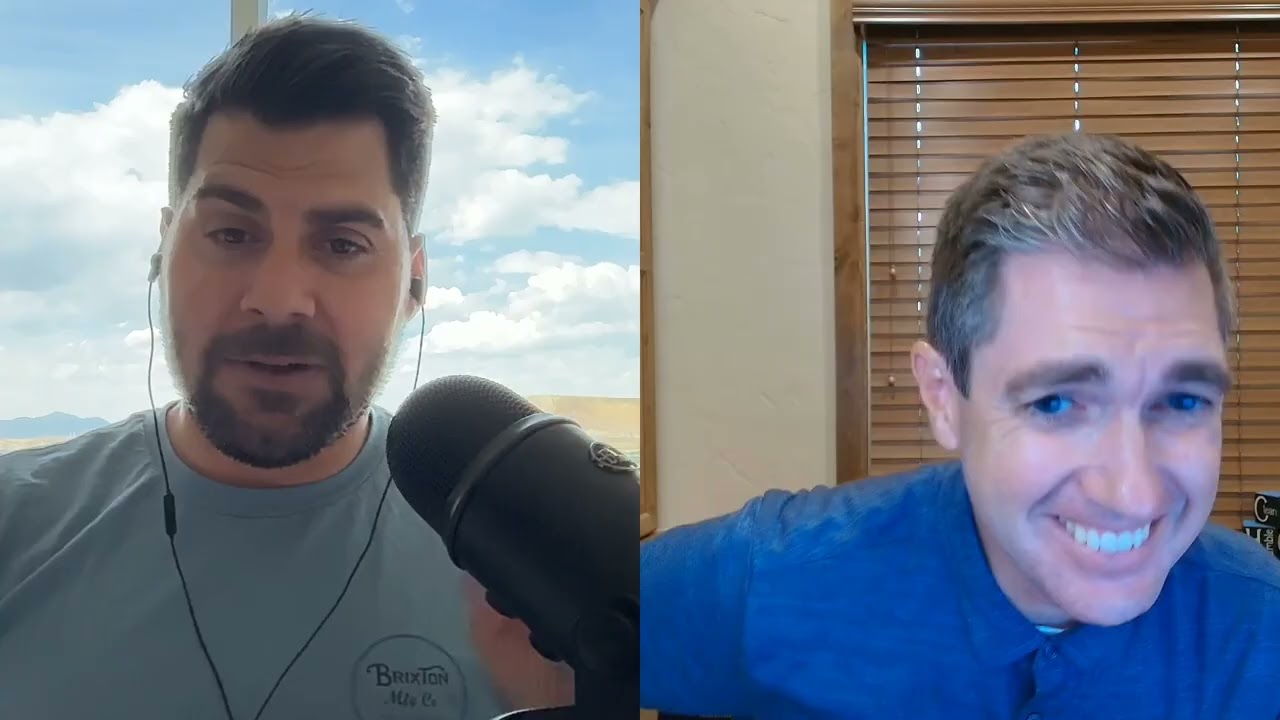
In this insightful episode of the "Automatic Patient Podcast," hosts Jordan Comstock and Dr. Dan Nelson sit down with Dr. Addison Killeen, a prominent dentist and partner at the Dental Success Network. Dr. Killeen shares his expertise on effectively hiring and managing associate dentists within a dental practice.
Key Discussion Points:
Importance of Systems and Expectations:
Dr. Killeen emphasizes the need for clear systems and expectations to prevent misunderstandings and ensure successful associate relationships.
Core Values and Culture Fit:
The significance of aligning potential associates with the practice's core values and culture to enhance team synergy and performance.
Key Performance Indicators (KPIs):
Learn how monitoring metrics like patient exams and new patient influx can help determine the right time to hire an associate.
Financial Preparedness:
Dr. Killeen advises on building cash reserves to cover an associate's salary and potential initial revenue dips.
Comprehensive Onboarding Program:
Insights into creating an 18-24 month structured onboarding program to integrate new associates effectively.
Full transcript
Complete text of this video
what's up everybody and welcome to another episode of the automatic patient podcast I am your co-host Jordan comto with me Dr Dan Nelson what's up Dan how you doing man doing good man just feeling uh feeling the effects of being in Africa for a while yeah you're there for how long two weeks two weeks what is the time difference over there it's nine hours but it feels like it feels like two weeks like yeah it took you a while to to recoup from that time change
I would imagine yeah re-entry isn't bad it's going over that it's rough yeah it's super worth it though so worth it yeah you're there two weeks and then Jared will be headed there soon as well you said yep yep Jared takes off in two weeks actually so we just and then we left Ryan over there so we just uh Ryan Ryan's over there right now yeah yeah okay he's like he's like guys can I just stay here and work remote I don't want to he's like
I don't want to have to deal with flying over flying back flying you know all the recovery so like yeah just stay over just stay there bro yeah they' got a place in the compound in the hospital compound that they put them up so it's working that's awesome well welcome back we're excited to be recording the podcast again today we got a special guest his name is Dr Addison Keen Addison what is up dog so good to have you on the show oh thanks man I'm
just so excited you know hearing stories of Africa and uh just Mission work I you know I was just talking to somebody this morning that there's nothing better than being totally wiped but emotionally your bucket is filled after doing good work so that's awesome it's exciting to hear yeah I'd love to go down uh Dan my that's like one of my wife's dreams um she she worked as a dental assistant for a while and then as you know I ran a dental lab so I'm I
can help with like relines I guess no there's so much need it's insane how much need there is and and on top of all that we saw this trip just I mean really yeah I mean they're hard to find they're hard to see and uh yeah we find this is my my third trip over there that I hadn't seen one and finally we we scored one on the refugi river so I was on that that's pretty cool yeah if anybody wants to go go to dental
Legacy foundation.org and and sign up to volunteer we get we got groups going uh multiple times a year check it out I was going to say two times a year is the Cadence typically no it just depends so um you know Madison's partner Mark um came with us back in January uh he brought a group with him awesome group back in January and then our goal is to get up to uh between various groups get up to nine trips over there a year so that uh
you know this year was three um we're just growing it each year so yeah the more people that volunteer the easier it is to to hit that goal just keep doing it yeah it sustainable yeah that's like literally my wife always talks about wanting to do that and I'm like yeah but we also have these three wild girls that were raising that we got to figure out too those munchkins those those munchkins make it uh you know so Addison we're so proud have you have you
on the show so Addison owns a a a dental practice and then he's also partner with the dental success network with Dr Mark cosy so Addison let's let's just get started tell us tell our audience your story you know and yeah we'll get into it well you know uh just like any you know dentist coming out of school I uh got out of school joined a practice as an associate um I thought maybe you know my town of 250 300,000 people was just too saturated so
I went 25 miles outside of town to a small town uh joined a practice as an associate and over the first about four months I figured out that was not the place for me I was a little bit too much of a control freak um had a little bit too ideas you know before dental school I actually worked in the restaurant industry where we had a conglomerate of like a a couple restaurant Brands a brewery um and a defense Manufacturing corporation uh it was all a
front for guns now actually not guns it was machines that erase hard driv so like every submarine warship CIA installation every NATO country has to use specific machines that if things go badly you have to wipe a hard drive so I was in that business before before I said hey I I actually want to be my own boss I want to be a dentist and I like to using my hands well an associate ship was not right for me so uh after that I 2012 then
um yeah I joined one practice and pretty quickly we scaled from one practice up to six practices uh had 10 doctors working for us six different locations um one of them was a denovo startup the other uh four that we acquired um and it was fun but it was also you know a little hectic and crazy as you're starting a family um and so basically in 2018 I sold out um basically took a year off Hiatus and that's kind of when Dr maress and I and
uh you know our our core team founded the dental success Network and so um I started that up now we have a great team that runs that um yeah we have about 1,400 members and um and so you know I like to write books as well and so we have a few manuals that uh are focused on kind of some of the bigger issues that I see every day um the manuals are very you know inch wide a mile deep so some of them are operations
manuals startup um marketing uh just any issue that I got enough questions on I thought this is a good if I can fill up a couple hundred page book of really detailed instructions on how I did things it should be at least somewhat useful for other people and so um but you know of course it's okay to write on things that you did but at a certain point you got to write on things that you're doing and so in 2019 late late in 2019 started up
my current practice which was a startup and uh called Capital Dental here in Lincoln Nebraska and it was back in my hometown um and it's it's a saturated Market but we've grown from six operatories uh up to now we have five doctors in 14 operatories and so uh we kind of do a little bit of everything implants uh sedation um you know a lot of Ortho a lot of endo I have a specialist who's a oral radiologist who's on staff and uh yeah it's a it's
a lot of fun um I get to enjoy coming to work every day got a pretty sweet um Team to work with I like a lot of happy people got a really nice coffee machine in the break room so sweet yeah makes it you made it the biggest part of my focus yeah the biggest part of my focus is actually just making sure the patient experience is really good and if you have a good patient experience you know that's all the marketing you need um you
know for me it's you know our next step is we're re-recording videos and we're going to text out videos to patients before their new patient appointment like two days before we're going to have a nice two-minute video to meet the doctor meet you know who are the assistants and hygienists you're gonna meet who's the office manager because I think the biggest uh hicup or the biggest uh way that people avoid the dentist is just from anxiety you know and if you can help them get over
that anxiety you're you're winning the battle well you know Addison every time I go on to like a dental site or a medical side like as a patient if I can't read about who I'm going to go see like I don't want to go right or or watch a video of who who who's behind the the the the practice walls right that's that's the hardest thing for me most most uh practices when you when they don't have that the website um it makes it really hard
for patients to really have trust to go to a dentist oh yeah and that's kind of the corporate model because a lot of um you know you're in corporate you might be switching out doctors you might be switching team members quite frequently and patients want to feel you know like like your own medical doctor you're optometrist you're veterinarian you kind of want to have a connection you want to feel like you know them and so um yeah I mean I think that's just important in in
any sense but especially when people are already that anxious and nervous to want to come into a dentist and I mean we just know from statistics it's a blue ocean of people out there that don't use the dentist so you got to overcome every barrier I mean and you guys you know the financial barriers better than anybody but it's also the anxiety and you know in this day and age postco you're seeing more anxiety in people now than ever and so just helping them overcome that
by familiarity um and offering drugs too drugs helps like laughing gas that's your quote drugs help sweet that's what we'll put drugs help patience and we're done here that's it all right Dr all right I think I think you're right though you know what you're really talking about is the trust right so building that trust and you can't have trust with somebody you know you yeah you have to build rapport and um yeah I think that's pretty brilliant to to have them already feeling like they
they can relate or know somebody in the office they might even request somebody you know when when you send something like that out Addison you said um you said two things that I really want to touch on in this podcast and um both involved Associates one you said that um associate ship wasn't for you and I feel you on that like I I definitely was in that same boat uh and then the second thing you said uh was that you are you have 433 Associates that
work for you right now anything above two feels like 433 so I want I I I want to get into um a little bit about um some of the challenges that come with having Associates because one of the things that you you also said was about having a really good patient experience when and everybody that's scaled knows as you scale it becomes difficult to control uh the patient experience because you have you're just introducing So Many Factors so I first I want to touch on um
why why was it that an associate ship wasn't right for you um yeah I I'm the kind of guy that when you go into Target if the line is more than three or four people deep and there's workers sitting there that just aren't checking people out I start getting fidgety and I'm ready to to freak out so I just see inefficiencies and they grind at me to to unending levels of degree and so for me when I'm sitting in a dental practice and I see um
team members that maybe aren't doing or aren't being held accountable um or just systems that aren't deficient it was just really crazy because back in the restaurant industry we were so anal about every you know even the thermostat like how much energy are we using because in a restaurant industry where you're making two to six% profit you make a couple small are and you drop from 6% to like 1% or you're you're dropping down and so just to the level of managerial accounting we had to
do in the restaurants and the brewery uh was to such a degree that when I got into the dental industry and I saw Wild inefficiencies it just drove me nuts and so that's kind of why Association ship wasn't for me um now that I've gone on a little bit longer in my career it's all the other fun things that I love about ownership like getting to develop people getting to teach them leadership and eventually like seeing them Blossom outside the practice you know I've had multiple
people that I've pushed and I say hey you're too smart to be here you need to go back to school and now they're like assistants that are now hygienists or front Des people that now are like oh maybe I do want to be a dentist and they're they're a dentist owner themselves now and so I mean some of those things are just really joyful and but that's kind of second order of the joy of being an owner I think um but yeah that's that's kind of
what drove me out of associate ship um yeah I agree with you though once you start hiring Associates yeah one is manageable two is a little crazy three like 433 yeah it's like it's like you're playing football and you instantly get put on an NFL roster and you're like I I don't know what I'm doing here um and that's where so much of the work and I've made all the mistakes so I mean my in my group practice pre previous life you know I made some
mistakes didn't hire the right people didn't set the right expectations yeah we've all done put the right guard rails around what should be done um so I've seen you know it work really not well um and where both sides get frustrated you know I think unmet or unsaid expectations are a huge driver of dissatisfaction and and why a lot of Associates leave you know they said well I was promised this many new patients and then this didn't happen or I was promised two columns and that
I'm only getting one column so you know the communication or or the belief that it happened when it didn't really happen is what drives so many issues um and so when you can start a relationship or an association with better expectations clearer outlines uh a a kind of a handbook of how things are done here in this practice you know every DSO out there invests so much time in continuing education and it's really I won't call it brainwashing but it's just the things of this is
how it's done here and they're really good at that and sometimes in our you know a small town practice where you're bringing on your first associate or or even your second and you're like well I don't know why that first one didn't work out uh they just didn't work hard enough it's like well maybe you weren't clear enough in your expectations or maybe we should both say them write them down and review them every month and you know when those expectations are very clear and you
have a really good Handbook of this is how we do things here in this office that's when associate ships like tend to work out a lot higher chance now there's always those times when you meet a gal and she says well I'm I'm moving to New York and you're like well okay I'm moving to New York too there's always those life chances or life events that happen but generally though it's it's unmat or unset expectations that generally lead to failed associate ships so yeah yeah you're
talking a bit about uh basically policies and processes you know those types of things um there's a fine line to be had because it's especially with the D the Takeover of the DSO right the DSO comes in and they say Hey you know come work for us you're going to have a lot of autonomy you're going to be able to do the things that you want to do you're going to be able to have and and some are very good at delivering on that you know
and and sure but so you we're up against that as a as a you know a small group practice own or a small practice owner if we want to bring in Associates so you have all these you know processes protocols policies there's a fine line between you know making sure those are established and that you have those in place to make sure that you have a quality control component and that you have a good patient experience you know our patients have a good experience when they
come in but also like leaving a certain amount of autonomy to the associate so what what have you found what's that Balancing Act look like for for you and in in your offices yeah I I always love to make sure they know how I do things first um and making sure that they do it my way five to tenen times and and I try to teach them like hey there's a reason why before I ever pick up an instrument or put my mask on that I
talk to them and build rapport you know that like you were saying the Rapport is so important so make sure and it's and then it kind of gets into the system of make sure you ask three personal questions like learn about their family just get them going you'll find something to connect with them on once you have a connection or a rapport built up okay then cross the clinical barrier and pick up an instrument or put your gloves on put your mask on you know as
long as they feel like you know them as a person you can then treat them as a patient so um I make sure that my associates know you know you got to learn three things about them um and then you can start to solve their problem and you usually start with Chief complaints uh and as long as they do things my way five to 10 times um if they still want to go back to a different way of doing things at least from a procedure standpoint
or if they want to try some other equipment or try some other Dental Supplies I'm good with that but um there's some limits like I'm not going to order the most expensive crazy stuff you know what we would have to see is there an Roi or is there a clinical Reas is there some study to prove why we should do this 80 90% should be do what's working 10 20% innovate that's my rle and maybe it's like what's working best in your hands like some of
my associates love to use certain you know class two composite systems that I'm like H just doesn't work in my hands like I'm I'm old school I'm gonna go back to what I know what I do really quickly what I do well and so I'm I'm like yeah you guys use the new stuff um and that's totally okay U but at least as long as you know how to do it well and the outcome is good I'm good with it so and you know efficiency where
it's smart you know it's not all that we have to be efficient and I'm going to give you one drop of bonder for the case there's places to be efficient that's that's restaurant efficiency right [Laughter] there it's kind of like you just got to take take your wins where you can get them and I think think the biggest win is the patient experience and if if they have a good experience things I mean it's playing the long game I think corporate and maybe it's this Wall
Street um mindset of you need to have instant profits and we need to drive up stock price it needs to be a win right now whereas I think the beauty of being a dental practice owner is I'm looking for a 20-year decision like I want to win and have a gradual Glide path of 20 years of building up a patient relationship um I'm not looking to get the most Revenue out of the patient right now and so if I have to give away a freebie or
you know just be like hey you know what I'm gonna give you case yeah sure that's gonna build more marketing dollars and and more momentum towards future success than anything else you could do well that's that old adage right of of people don't care how much you know until they know how much you care you know it's it's a little cliche but it's super true and and you and it's interesting our customer success team is always saying that they got a sign out here that says
that yeah it's true fitting for what they do yes yeah and the other side of that is is that you you don't it it's hiring a g hiring an associatees always a gamble you don't know what you're gonna you interview and you ask like like I'm a I'm a pretty vicious interviewer like I ask a lot of questions and I ask hard questions and I put them on the spot I want them to see how they react when they're you know um ask weird questions and
yeah we we like to ask the like ideal team player if You' read that book by Patrick lenion we have a whole process of asking those questions they the weird questions that make them squirm a little bit right we like that too we have a long interview process and it has to be long yeah that's the other thing is that you can't figure someone out in a short time but even if you do all that you still don't really know who you're getting there's there's people
that fall through the cracks and know how how to navigate those types of questions well what I liked that Addison that you said was this three qu you know these three this three question protocol that you have is is smart because you know if you have a new associate like a new Doc they might just be nervous in general and forget to ask questions and get to know the patient or if you have someone every we all know that that weird classmate that like had really
good hands but was socially ineed you know you know you kind of CAU you especially for those of us that are a bit more social you know to make the mistake of thinking that everybody thinks like we do you know and is going to react we do with with a patient and instead they just go in and make it awkward and weird and you know maybe they are fantastic do fantastic weird work but the patients weirded out by their mannerisms and and their interaction so I
think I like I'm picturing one dentist right now that I like know of that you're like you're talking to to a te right yeah we've all been to dinner with that doc right wow he really knows how to the margins but um holy smokes he's [Music] weird you know and that's like when I I've had people ask me okay I'm interviewing an associate I I love like you gotta ask a ton of questions like 50 to 100 questions and part of it's just how they react
to the question not as much their answer but you know how do they perceive how do they communicate you know if you're just talking about family stuff you know how do you chitchat back and forth like chitchat yeah yeah is there Synergy it's wavelength of energy I know it's something crazy like that um but then some people will say well I've got these two candidates what do I do you know they both seem good they both came good education highly recommended um and I my biggest
sticking point or the point that I'll go back to with them is if you were to coach the associate you're going to have to spend hours and hours with this person yeah coaching them um fixing their mistakes potentially or pointing out their mistakes who would you feel more comfortable having a drink with and sitting down for an hour and coaching them like relationally who do you feel more comfortable with and that's who I would go with because that's you're going to have to be so invested
in them vulnerability you're GNA want to spend time yeah so you're going to need to trust them and trust that they will like pet only said humble hungry and smart they need to be emotionally smart to take that feedback that you're going to give them yeah yeah that's a great book for all of our listeners go get the ultimate I think it's the ultimate team player or the ideal team player excuse me quoted in like five of the books Yeah we actually built like an a
we use chat GPT and we like dump all of Patrick's uh components of that book into our our uh chat GPT for an interview process and we'll we record all of our interviews right and we put it in and they're like hey help us analyze all this we ask all the questions right that Patrick recommends in the book it it's been a GameChanger for us as we're not only like hiring new people like I don't hire Associates but I do hire I do hire Associates in
a way like but they're not working on teeth they're working on sales or you know what I mean they're working on marketing they do they do lots of things of our business here at boomcloud um so there there's there's some Universal uh processes that definitely relate back into the practice of hiring Associates but yeah we use chat GPT as our our process to help us analyze uh the people at scale because we interview we're interviewing all the time in a lot of different roles and I
think that's been really helpful to help us scale and get that just really uh perfected with Patrick's uh methodology because we really we love that methodology it's super and we even have a graph where it's like where do they sit you know in the book he's got like nicknames it's like if he's not hungry or smart or if yeah if he's if he's smart if the person is smart and um uh what's the other one it's uh humble he's The Lovable slacker here or she's a
lovable slacker right we we have a map of when people take an interview it like puts them on the Patrick's like little uh spectrum of of people right that we like okay if we do hire this person because we like them like how much effort you know do we have to do to coach them up to make them the true ideal team player same thing with our internal people that we've already hired like like we're going back and we're um Justin my twin brother he runs
all operations here so all the geeky stuff right that we're talking about today um he'll go back and and get people taking these assessments and then we analyze and help coach and are always trying to do that as you scale it does get harder here's a question that I have aside from all that interviewing process like what are what are some of the kpis you look for for hiring Associates do people I literally last week was at a mastermind at Dr Eric Roman's house he lives
here in in Utah and there was several there was a lot of people in the industry there were practice owners there were there were CEOs of software companies there were Consultants it was a awesome group and one of the the practice owners got up we did hot seats and talked about our challenges and I think he had hired he has three Associates and he's trying to scale and it's he feels like everything's a mess right I'm sure you've you both have uh witnessed or or gone
through some type of process there what are some of the kpis practice owners should look at to even know if it's right to hire an onboard an associate yeah well I mean there's one of the is the feeling like are you hired are you overworked are you stressed okay and is it because you're doing too much Dentistry I mean there's course the other side burning you out yeah sure yeah um and so you know obviously if you're thinking of bringing an associate you have to have
physical facility or or you have to have time available so if you have six operatories yeah you can have two dentists working at the same time you know it's a little tight that's okay if you have three operatories it's not going to work even four pretty much not going to work unless you s split your time up and you run split shift maybe two days two and a half or three whatever um but you know the larger the facility better that's good six plus off is
ideal ideal yeah Dental dsos like corpor will not most of the time purchase practices under six operatories because they know six is the number where you could conceivably have two doctors working simultaneously and it's a risk mitigating factor that you you know one gets sick one leaves you all you could at least have one still there so six is a great number damn to to scaling is physical uh size of the practice yeah you can't yeah that's a logistic nightmare sure D crazy yeah so um
then the next is do you have patient load um you know one of the things is like how many routine periodic exams you're doing now if you're below 80 periodic exams each month uh which I mean you're thinking 80 that's 20 per week a lot of folks will do 20 in a day so but if you're below 80 yeah that's low if you're between 80 a month 80 patients a month mon routine you know hygiene checks per se yeah below 80 is pretty low 80 to
125 is about a normal to low I would say normal to low um now this is for the average dentist across kind of you know new dentist medium Spectrum dentist older dentist um some people will be in the 125 to 160 range now this is where your I uh for a new dentist 160 is a lot of exams for an experienced You' been out a decade 60 is not that bad and also these are routines so you already know the patient you walk in and say
how's the kids oh you go to the football game Bo boom boom you already kind of you already have a relationship built it's yeah it's easy and that's where your three to five minute exam if nothing major comes up it's like in and out you're great we'll see you later sure um it's over 160 whereas what we call the danger zone and why we call it the danger zone over 160 routine exams per month is because that's where you tend to see statistically treatment planning dollars
drop off so you're doing too many exams and you're like oh I got to get in do an exam got to get out and you're like TR but then yeah treatment planning is not happening so you see a funky like graphical thing happen is that your production will Spike one month then because you didn't have enough time to treatment plan you don't treatment plan enough and your production Falls like a sine wavs sine wave and then you're sitting around on your hands and you're like well
now I got time to do treat plans and your next month goes up and so you see a sine wave effect month by month and you're like I'm doing great this month I'm doing horrible and it's like you're you're bipolar I talk to yeah I talked to Dennis about this and I'm like you're doing too many exams count your exam load well I'm at 185 like yeah it's time for an associate so that's just routine exams now of course you're going to still stack on some
emergency exams and some new patient exams like comprehensives um and those kind of factor into it but that's kind of my first check of like oh if you're over 160 180 yeah it might be time for an associate and then of course though Associates live and die by new patients so you got to be able to generate new patients so you gotta have a marketing function yeah like 25 to 50 depending on the skill set yeah each month and depending on the skill set if they're
really well seasoned doctor you could survive on 25 new patients a month um it's also your patient Dem graic like are they clean are you in a wealthy area where they don't have any issues or income demographics matter yeah sure yeah well I think I think you out s there's a big asterisk on that new patient thing because I think too many times the it's all about new patient new patient new patient but you also have to watch what type of patient yeah no it's it's
well that too but you have to watch the back door because if you're bleeding patients out the door then it's it's that's I mean we don't need to get into that today but that that's a sign of multiple problems but if you are bringing on 50 new patients a month but you're losing 70 a month you know that's you're not growing yeah you know there it's a sign of it's a symptom of of other problems but you know that's um and I know Addison knows this
I'm just kind of hitting the the asterid it sounds like a sounds like a brand new episode to Deep dive in D yeah right well and that's true because yeah they they'll get the production on the front end but then when they don't have as many hygiene checks six months later they're wondering like wow something's funky about the numbers here so yeah I mean it's net new patient growth um but at least depending on how they treatment plan yeah 25 would kind of be on the
low end you got to be at least generating 25 50 would be great um it's also how many new patients are is the senior doctor going to still keep you know if I'm bringing in my second associate am I okay giving away 90% of my new patients to them so that they can eat and I can slow down and I think that's maybe the first gut check and when I wrote my associate dentist manual um that's really the first chapter is are you ready and it
like from an emotional and a financial standpoint because you're going to invest a ton of emotional time a ton of actual hour time and a ton of Financial Resources yeah in both like going through the process hiring giving them a bunch of production you're most likely going to take a pay cut and then you're paying them on their production and yet their collections aren't coming in for a couple months and so you're wondering oh man and then you start to get a little bit cheap and
you're like well I want a couple of those new patients so I can get production sure and they get M mad so you have to understand to be financially and emotionally prepared for all of the changes that are going to occur in the practice before you take a step down this road would you would you recommend having like cash reserves knowing that like profit may go down temporarily as you're onboarding this new associate exactly I generally say you should save up about six months of their
salary their base salary perfect um now it's it's going to cost a little bit more than that if you have to hire a new dental assistant or you have to pay for some other costs obviously some variable expenses Reserve labs and supplies but about a six months of their salary okay would make you feel pretty good at the six-month Point most likely you will lose money the first six months of an associate sure as you break even after six months it's usually then great as long
as they're a good culture fit and your whole staff isn't ditching you and saying this person is not right I'm out yeah yeah that's that goes back to your feeling uh comment yeah and and Addison I think that's that's a really important thing for people to prepare for because I don't think that they're ready for that dip in Revenue you know they don't know yeah they think oh I'm bringing even let's say you take on an associate that's got five six 10 years of experience you're
still going to get that Revenue dip just because it's a it's a change in practice you know your take home's going to go down simply because you're now pushing stuff into you got to keep that associate happy and you know it's going to that Dip's going to be shorter if you get a new grad and you're training a new grad you better have a a training protocol in place and have something in to get them up to speak quickly because that the longer you wait on
that the longer that Dip's going to be that's our experience been would you agree with that yeah and expectations on you know timing types of procedures you know you want to get them up to speed shorten the learning curve as much as possible so that they're producing well um now no matter what anytime you bring an associate team members they're used to one way of doing things you add in another human being to the mix you know you're probably GNA have some stress maybe some change
over um and so you got to be expectant of that and you got to know that at least at some point in the first couple months they're going to come to you and say this person is not a culture fit they don't know how to do a class 2 like you do and you got to kind of have that two things said there yeah you be willing to kind of take that hit here here's oh go ahead Dan then I'll make make well there's something you
know that you just hit a source spot for me and what that is is the the um personality adoption right so they have the the the team has to adopt the new personality and they're used not only are they used to the way that you do things you know um it's a shift for the for the entire team to get used to the yes the way that instruments are handed the even like the process in which even if they do it the same way you do
it they do it a little bit different and you know everybody's got to that but then there's the personality adoption they have to adopt the personality and inevitably you're going to get some type of like concern question from your team about this new associate they're going to come up and be like Oh but he just doesn't do things like you do him Dr Nelson it's like H okay but is it wrong are they doing it right outcome what the data yeah so okay so this is
just adjusting to a new situation is what this is and it the more they're exposed to it I think it gets a little bit easier but there's still sometimes and heaven forbid you have a personality clash and that's you know in Addison with with as many Associates as you've had I'm sure you've run into that multiple times and that's a challenge um and so yeah I'm curious how how do you handle that well I mean you gotta just try to work through the interpersonal like when
I had six locations it was a little bit easier to say well let's move you around you know the the cycle and like mix everything up again um but it does happen all the time where you assistants and doctors for whatever reason just don't seem to mesh super well um you know or the what's happened a lot is that the doctors um especially young doctors coming out of school sometimes they don't have the leadership bug and they don't understand that their position is now you are
a leader you know I my partner he's a ex football player college football player here in Nebraska which pretty much means you walk on water and uh but he said no M what they taught him first week in college is you are now a Husker football player you get in a car accident 10 years from now the headline of the newspaper will say ex Husker football player gets in car accident no matter what you are now pegged as that and I try to impart that wisdom
on the dentist here is you have a DDS and you're the dentist you are now the leader whether you want to be the leader or not you are the leader and you have to commun unate like a leader you have to act like a leader everything you do will be under a microscope you know if you're on your phone checking social media it's going to be looked way differently than if the dental assistant the steril tech is doing it so just the way that you are
perceived and so you kind of have to immediately you can say like I know you're the associate you don't really have a decision in how things are done here but no matter what you're the leader and so you gota once you step into the operatory you got to act like the leader and Lead from that mindset so it's it's a total shift and sometimes it's pretty tough to balance and sometimes you actually have to have the even though they might have been a great assistant for
a while if there's some clashes you have to have your doctors back and you know basically say okay hey things aren't working we'll help you find a new dental home somewhere else but can't work here yeah I would I would also say like anytime I've gone to like smaller practices the lack of like core values and understanding them like I was talking to my mom runs a dental office and I was literally talking sorry mom um I was literally talking to her I'm not going to
throw you on the bus uh the other day and she was talking about some of these clashes that you're talking about right there's it's a two doctor practice and you know you guys know how it goes and I was kind of picking her brain I'm like well like do does a team have like a set of core values that they're all aligned to and like interviewed for and trained on she's like what what's our what are core values right I'm like yeah so there's a problem
right like people aren't on the same page of how we operate as a as a a practice and and then um I I would say that's the biggest thing back to back to Ideal team player that is like a great book to start the initial core value process if if your practice doesn't have that that's kind of when I'm hearing this conversation that's where my mind's going I'm like oh yeah well are they like basing their decisions off of data like this is assistant saying well
he's not really good at whatever procedure because that's how she feels or is like what's the data behind that and that's kind of how my mind is working right now on this uh episode what are the core values how can you make sure that you're hiring and maintaining those core values within the practice so that the PE there's you don't have too many people problems you're still going to have people problems but at least it's it's refined yeah I think that's that's a big huge thing
is that if you don't have core values set up in your practice you're not ready for an associate yeah that's that's one of the kpis you need to have core values that you adhere to well Dan kind of you know you go over to Africa frequently so when you're in Africa you got to trust that the practice is going to run on core values so that if they can't call you for two weeks and a patient comes in angry or something happens you got to go
back to the core values and if you make a decision based on that core value then I would trust that it's the right decision and like that's kind of how I explained my core values to the team like we have four of them I test them on their first day we've use them in interviews just like ideal team player book says like and if you don't match these core values it's going to be hard for you to work here yeah and so kind of warning them
hey don't come here if this isn't you so good yeah but yeah it's so important and so for us like fantastic guest experience so I even talked about it yesterday in a team meeting if you know if they're super angry about a patient charge you know if something goes wrong and it's our fault we make a mistake um doing something in Billing we eat that cost like I don't care if it's ownership 100 bucks or 500 bucks take ownership you make it right because we made
the mistake now if we do everything right we should not make mistakes but that's just it has to be a fantastic experience it's kind of like if if you go to Disney world and they screw up something they don't buy just that meal they would buy all of your family's meals and say hey we're really sorry like they go above and beyond for their guest experience and that's kind of like delting tell yeah exactly delighting the pa the patient what Addis if you don't mind me
asking you guys would you be willing to share some of your core values in in your practice Yeah so top four are the only four fantastic guest experience and I say guest so that includes the patients the patients parents their kids whatever fantastic guest experience um number two always be improving so I'm All About self-improvement Outside work as well as business Improvement hungry and humbly confident so hungry hunger and humble but confident like you want your doctor to be confident in their treatment in how they
speak now you can be humble not arant yeah not arrogant the humble and then have each other's back so teamwork you know I expect people will do sterilization all day long people will answer the phones all day long whether you're the doctor down to the hygienist down to the front desk like you answer the phone because you have each other's back and so those four um are the main core values and yeah they they' seem to work well I don't think we have to add any
more yet but yeah yeah those are good ones we have we have four as well here at boomcloud uh one you got to be a team Rockstar so similar to what you're doing ours a little bit more edgier because we're a tech company right so we got to make them cool um you got to be a creative psycho so that's the innovation side of things um an ownership junkie and a performance Maniac so those are those are our uh four core values as well we added
I think last year ownership junkie um because I I I was energized by people that went above and beyond within our team and took ownership of of all of our processes and our our customers and all that type of thing right I'm like oh man we need an ownership core value but yeah I think core value are huge when it comes to finding the right people and then maintaining the right people right and hiring and firing based off of those core yep based off of those
core values so that's that's how we operate I think that's a huge piece when it comes to Associates and any other uh person you're hiring for your for for the practice um I'm a I'm a huge fan of of that process yeah we're we're so we're so big on it that we actually have these little trifolds that we yes I love it what are your what are yours let's hear them yeah so so ours are um so we stole our first one from Kip Jones in
in uh Leighton Utah He's a stud um sweet great yeah I mean if it works you hack it right so if it's working yeah take it so uh dream Teamwork Makes the DreamWork uh pump the positive Work Hard Play Hard uh laser vision and then the one I'll get to my favorite everyone is important accountability and then the Yoda effect and we got this little you you have fun ones yeah yeah it's F and part of the reason that we did some of these is is
if people are listening to this they'll be like I don't even know what that means that's the point that yeah we want someone to ask well what does that mean so that they a they'll be able to remember it and second they'll they'll understand it because they have to dig into it so when when I hear the the Yoda effect core value is that like I'm gonna coach the other people and help lift other people up like with the force I'm glad you inter I'm gonna
guess I'm gonna guess it is it do or do not there is try yeah you can go down several paths here all of that is correct yeah it's it's uh it's it's the uh basically the samurai mentality right it's becoming perfect in in everything you do becoming the master of of what you're doing but that encapsulates everything that you guys just said so the fact that you guys get into it correctly that's a win what we have now is Young Associates that come in and go
who's Yoda no oh no you don't know who Yoda is like we have to start over now with this yeah we're not hiring you bro baby baby Yoda the men like what yeah why yeah B why baby Yoda that's weird that's so good I love that Dan that's great so I'm curious um so there there are and this is way too deep to get into it right here Addison but I know that like we have profitability formulas you guys I know how profitability form foras that
you've established for associates because it does affect once you bring an associate in things start getting crazy as far as overhead things get weird as far as like tracking you know when as we're talking about you know all these kpis that that that come into into play but I'm I'm kind of curious as to what you think is what give me two of the biggest pitfalls that docs or mistakes that that docs make with Associates um I mean it's one of the biggest ones is the
doctor is not ready themselves to hand off production take the Financial Risk on the associate and so that's kind of the the first mistake is that and then they go from the oh there's too much work here to oh I'm not doing enough work and then they rebound and start you know not feeding the associate enough work um so that rebound effect is then generally what hurts a lot of feelings and leads to early exits of Associates unfulfilled so that's one yeah unfulfilled expectations and just
things just not working out well and so that's the first reason why I see a lot of failures and the second is just not holding them um accountable with a system in place you know you need to be prepared I mean hiring an associate is not like well they're going to show up next week I better figure out what I'm gonna do no it starts it starts in the interview process and knowing exactly what kind of dentists they are um like go through every procedure that
you do or that they should do like implants Endo not just do you do Endo it's like okay for a central like number eight how long does Endo take you on that one for a preer how long does it take you what MERS do you do how long does that take you how many have you done have you done two like is it dental school or are you doing two a week for the last 10 years you know so H for every procedure you should kind
of know how are they doing how long does it take how do they my style and that's in the interview process but then when it comes down to their starting you should already have said hey these are my favorite books on organizational psychology you know like whether it's traction or ideal team player or whatever like what are you reading that they should read you should buy them that book a month before their start date so that you can kind of start talking the same language um
and having a document of this is how we do things like the three questions um you know this is how and having them have a pretty smooth onboarding of just this is how the treatment goes from the clinical operatory to the front desk to checking out to billing you know these are just expectations of how we go because when they're brought in and they don't have any guidance it can feel really uh like just you're floating and you don't know what to do and you don't
know what's expected of me and if you don't know what's expected of you you're going to start doing things that you think oh I think this is what the owner doc wants you're start guessing it's like yeah the like no I don't get out of my business and so it just it like unmet expectations in that regard and just a poor onboarding experience or even just the P poor first few months that leads to a lot of failures as well we're so serious about what you're
talking about in our practice Addison that we actually have a two-year program set up month by month of it's got CE in it what what we expect them to be doing how much that we expect them to produce what should be the you know the net on that production we have it's broken down for two years we have this because gez that's awesome especially for someone that's new even if they're not new there there is expectations that we have in our office because our office is
similar to yours where we offer a lot of services everything from sedation to implants to thirds to pero Stacks up fast yeah and so we don't expect our Associates to do all of that but they should understand some processes and and know that the expectation is very clear you know and it's so clear that we have it down for two we expect you to be here for two years at least you know and this is the the program that we're putting you through um so that
at Wood River dentl you'll know what it's like to to be a dock here you know and so that's how serious we take it aw I know you guys have got similar stuff as well that that it's available you got books everything for it yeah yeah so pretty much a lot of the things that I put in my associate ual is things that I use in my practice along with my two other co-authors Dr Jason Torri and summer casmo um they both have you know summer
has like five Associates Jason has 10 to 15 something like that um so I mean it's been tried and true and it's exactly you know you have a about an 18 to 24 month onboarding it's not just the first hey you know 30 60 90 days here you go and after three months you're good it's yeah it's a full what are we reading what do we expect out of each other um yeah CE you know like what's your let's start with this CE and gradually move
up so that you can get them onto the same level because really and that's like the end point of the associate and this is going back to like why do people want Associates it's because you're tired you're burnt out or you're looking for more free time or maybe you know your kids are getting to that school age where they're maybe getting into some sports and you're like well that's going to be Tuesdays and Thursdays afternoons and I don't want to shut down the clinic so I
need to hire an associate to get to that point so it's all about creating that freedom that you want maybe you you want to teach more maybe you want to take more um of like the implant CE so you can do bigger sedation cases which would actually kind of take you out of the hygiene routine of the practice and you need an associate to refill normal Dentistry so there's all sorts of reasons to hire an associate but um hopefully that if you do it the right
way in a even in a year lot more freedom yeah oh this has been an awesome um oh go ahead Dan I just want to ask him one last question I think this is one that's really important um okay and and Addison you having your expertise would and and you talk about this for just a minute would be super valuable and that's you know breaking Up's hard to do so what is your take yeah what is your take on on termination when to terminate and then
what is your protocol for termination how do you go excellent question yeah so I mean generally you try to have enough honest and pretty you know brutally honest I'd say conversations so that they know what's coming um and that's what's happened most of the time for me is I give them quite a few warnings and they know the trajectory that we're going and I've even had people that you know quit and you know it was going to I was going to terminate them anyway but they
quit and then they say wait wait maybe I don't want to quit the next week I said you already wrote me a resignation we kind of came to an agreement and so you know it's never fun I mean it's it sucks because always hard even if it's deser even if there's some team members that liked them there's others that didn't or you know vice versa and that you know you're going to hurt some feelings um but in in essence though you have enough you you should
have a frequency of cadence of meetings that they know exactly where they stand and there should be pretty much no question they just no it doesn't seem like I'm a fit here and you're like I I think I agree that's kind of how it goes do you do written uh when you have these discussions do you give uh written warnings or written you know you what do you document so that back at you in the final the final 30 days is a written performance Improvement plan
put on probation I was going to ask is there a pip involved um yeah if you chat GPT how to termin someone they give you a pip is that where we got it from sweet yeah hey CH resource so yeah so I mean pretty much the the final 30 days they know oh 30 days from now if my clinical skills aren't better my class 2's like have a tight enough contact or my crown seats go better or my production picks up if I don't do those
things in 30 days like you know we're going to part ways so they should know exactly the ones leading up to that are all verbal yeah no that's great and then I would imagine do you do like weekly patent meetings with with your people uh for the first uh six months pretty much I'd like to have a quick 15 minute you know catch up whether we're reviewing numbers or whether we're reviewing a case or something reviewing a treatment plan they came up with um every week
you should just kind of catch in touch space with them and see how they're doing awesome okay Addison well this has been an awesome episode where where can people find your your books and get more resources uh based off of this episode yeah so on my books are for sale on amazon.com but if you want to kind of see everything it's Addison ken.com so Addis n k i l len. um yeah on Dental success Network we we have a free s-day trial if folks want to
do dental success network.com I think what is it seven pre trial or something I'm horrible yeah I'll get I'll get the link from Ashley we're good yeah exactly um sday trial so um but yeah and that's just you know that's where I share a lot of stuff but uh you know my the best resources are all in the books and so if people just want to have a if they have a specific issue and like oh I need the the solutions for my issues like that's
good place to go awesome love it go check those out we'll have all the links in the uh show notes so you can click and and just get access to Addison's thoughts and documentations on how to do this Addison thanks so much for hanging out with us on the show today Dan as always good hanging out with you bro with that said with that said yes with that said we hope all of our listeners have a rocking Day by