Videos / Watch
Treating tongue-tie and many other dental needs with a laser
August 19, 2026 · BoomCloud™
About this video
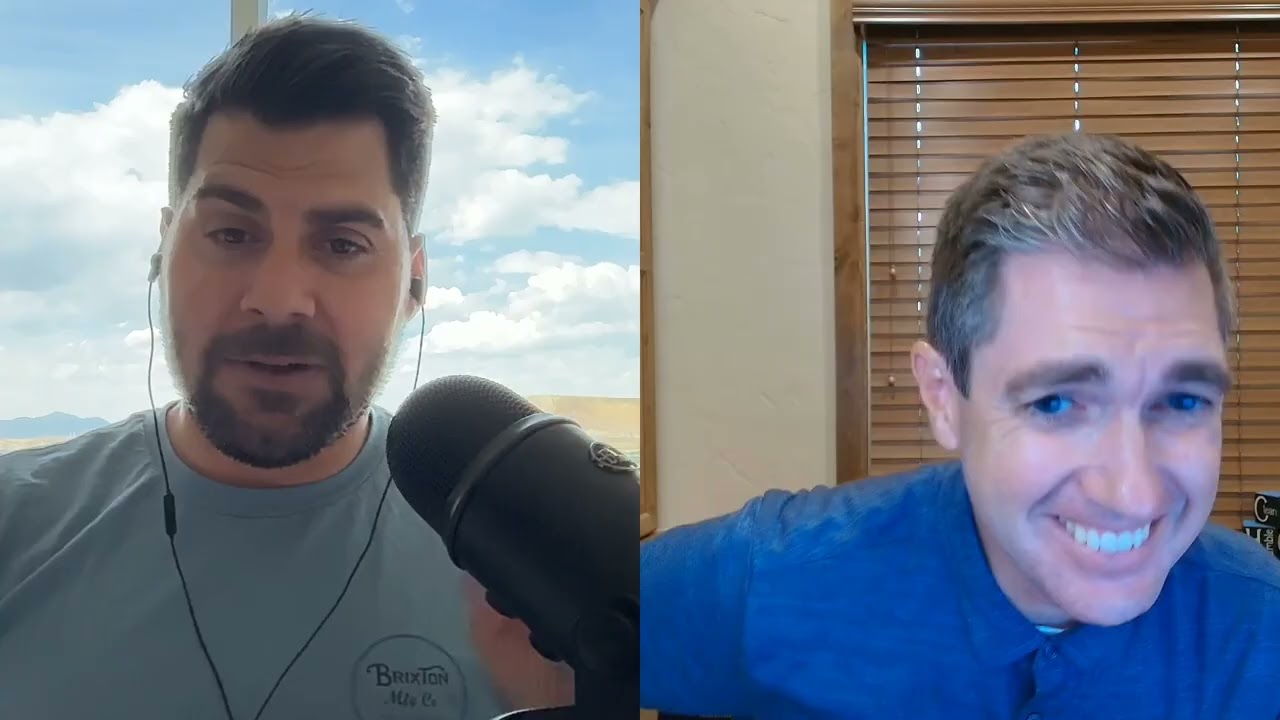
During this episode, Dr. Morrow shares his experience in dealing with tongue-tie by sharing a person story on how he was able to treat his daughter. Tongue-tie appears to be a common issue as medical agencies report that nearly 25% of newborns deal with tongue-tie. Russ found that by using laser techniques, not only can he treat tongue tie but do so in a way that is non-invasive compared to surgical outcomes when using traditional methods.
Russ further explains the use of laser and how laser technology boosted his own practice revenue. Russ believes that acquiring a laser is one where the laser itself should be considered a major asset in the practice and a tool that is proven to improve clinical outcomes, thereby positively impacting the bottom line for a practice.
To learn more about lasers or the use of laser for a number of different types of clinical procedures, visit Biolase.com.
Full transcript
Complete text of this video
[music] >> Welcome to the navigating dental insurance podcast, where we don't take from insurance [music] companies. Here are your hosts, Mr. Jordan Comstock and Mr. Ben Tuinei. >> What's up everybody and welcome to another exciting episode of the [music] navigating dental insurance podcast. I am your co-host today, Jordan Comstock. With me, as usual, Mr. Benjamin Tuinei. What is up, dog? How you doing? >> Pretty good, Jordan. Feeling good today. Getting over that uh crazy virus. Um you know, Utah's an interesting place. I love living in
Utah, but one of the downfalls of living in Utah is the respiratory illnesses that circulate in the winter time. >> Sure. Yeah, it sucks. >> I guess that's the price of doing business here, right? >> That's the price. >> Yeah, the the winter paradise. >> Yeah, today today is super cold, too. I don't like it. I I I wish it was summer warm. >> [laughter] >> But I always wish I'm summer warm, Ben, so I don't I don't know. >> That's why I keep That's why
I keep my photo background of my homeland right there, [laughter] Hawaii. >> Yeah, yeah, I love it. >> An island boy's got to dream. >> [laughter] >> Awesome, man. Well, pumped for the show today. We got a guest on today's show. His name is Dr. Russ Morrow. And Ben, tell me how you know Russ and then we'll get we'll introduce Russ here and and and move forward with the show. >> Yeah, so Haley reached out to me um kind of going through Russ's background and actually
shared a story about um this tongue tie, which we'll talk about here on the the podcast and get Russ's opinion on this. And how how his daughter kind of experienced that and I looked into Russ's background and I thought, you know, he's he's he's had a a number of very important key roles in dentistry from a leadership perspective, from a regulatory perspective, you know, being on the the the board of dental examiners and I thought this is a perfect person to talk to ask questions about
some of the regulatory issues behind insurance but also to to to kind of go into his personal story behind this whole tongue tie issue that his daughter experienced. And so of course you know, we [snorts] got him scheduled and I'm very excited to to speak with him. Dr. Russ, thanks for joining us today. >> Yeah, welcome. >> me. Yeah, and and you guys are not experiencing the warmth of Arizona that I'm in so >> [laughter] >> I I enjoy that dramatically but I did live in
Utah for most of my life and and that inversion stuff is not a joke. I remember praying for snow just to get rid of the smog that was capped in there. >> Yeah, it it gets pretty bad. Right now it's well right now there's a storm it seems like it passed so we don't have much smog but yeah, it gets pretty nasty here in terms of breathing. >> [laughter] >> Hard to breathe if you have asthma or lung issues which my dad experienced every time he
came to Utah. >> Yeah. >> He usually didn't come in the winter time because of the inversion. But if you if you're a skier, gosh, you can't avoid you can't avoid Utah. Oh yeah, it's it's it's on the map worldwide. >> Well, I'm a I'm considered a snow snob so I don't ski anywhere [laughter] else. >> Nice. >> I skied a few places just because of the company but I I I will never go anywhere else other than Utah to spend my money. >> [laughter] >>
Where's your favorite up here Russ? >> Oh, I'm an Alta Snowbird guy. >> Yeah, nice. >> And Alta has the best snow in the world and and the Snowbird Snowbird's fantastic as well but mainly with Alta for me. Unless I had snowboard buddies that wanted to go snowboarding then we'd go on Snowbird. >> It's crazy. It seems like the locals here Alta is like the number one for people up here in Utah and then Powder Mountain a lot less busy for people that don't like crowds
you know, up there in Ogden. But >> Sure. I've [clears throat] never skied Powder Mountain, but I've heard it's amazing. >> I hear it's I've been up there a couple times, and it's really not busy compared to like Park City, Solitude, Alta. Sundance even is getting very busy. But uh But yeah, Utah What What do they call it on the license plates here? Greatest Snow on Earth, right? >> Greatest Snow on Earth. Greatest Snow [laughter] on Earth. >> That's good. >> It's too bad I hate
the snow, man. >> [laughter] >> We're going to get We're going to have to convert you, Jordan. >> Yeah, I guess. [laughter] Well, awesome. Let's uh let's begin the interview. Russ, tell our listeners a little bit about yourself and and how you got into dentistry. >> Awesome. Um so how I got into dentistry, I did a I did a 2-year church service mission in Nebraska uh for all the Utah people out there. And uh while I was there, I was working on campus at Creighton, and
I worked with a lot of dental students at at Creighton. And they all had hot wives. And I'm like, "You know what? I want a hot wife." >> [laughter] >> So that's where That's where it jumped off of when I was 18, 19, 20 year 20 years old, I think, uh when I was there. And uh came back, went to the University of Utah for undergrad, and then I went out to NYU uh dental school, and uh yes, I I I I overpaid. >> [laughter] >>
It It was It was a good place to live, but I don't I don't know if I could ever go back and live in uh in New York for for any period of time. Um and as a as a baby dentist, my first first job was working in a an office in Washington D.C. area. And my uh boss went from seven offices to 28 in a matter of 4 years. >> Wow. >> And I went to work one day, and he turned up and and and
said, "Hey, by the way, I just sold the Heartland Dental for 90 million bucks." Um and uh >> Yeah, yeah. >> And I said, "What does this mean for me?" He says, "Nothing. Just keep drilling." And so, that's what I did. I I kept drilling for my entire career. I didn't even have a choice on where where I was going to work cuz Heartland just picked us up and um but the beautiful thing was Heartland said had offices all over the world. We now have 2,600
doctors, 2,800 doctors, 1,600 offices, 1,800 offices, something like that. >> Mhm. >> And I said, "Can you get me to Arizona?" And they said, "We'd love to have you go to Arizona." They didn't have any senior leadership out here. So, they moved me out here and and I started doing um I was the basically the the regional doctor mentor of operations was my title. Everything at Heartland's has a has an acronym. >> Sure. >> Basically, I just wanted my new doctors not suck not to suck.
And so, >> [laughter] >> that's what I tried to train was make sure my doctors were doing good dentistry, the right way, doing the right thing for the right reason. >> Mhm. >> And and so, that led me to a whole bunch of other opportunities. For instance, right now I'm on my sixth year of serving on the Arizona State Dental Board. >> Wow. >> So, helping new doctors get great has always been my passion, but I think part of that is understanding the the regulations and
the regulatory aspects of things. Um after being on the Dental Board, I realized the importance of doing documentation and notes, billing properly, and all the stuff that goes along with that to keep me from being on on the other side of the Dental Board. >> Yeah. >> Sure. And so, it made me a better dentist, but at the same time it's been a it's been a a service of love. There's No, I think everyone says, "Yeah, I'd be great. I'd love to be on the Dental
Board." It is tough. Um this you know, dealing with dentists, but also protecting dentists at the same time. And there's a balance between that. Um and being [clears throat] a protector of the public, but the dentists are also the public. >> Yeah, sure. >> You know, so so, you have to weigh those things pretty pretty carefully to make sure. And then um I started teaching some some courses. Uh some of those were in laser stuff and that led me down the road to what I'm doing
now. I was made the chief dental officer for Biolase back in November. >> Congrats on that. Congrats. >> It is so strange to go from full-time patient care, you know, you know, 40 hours a week running like crazy with my hair on fire >> [laughter] >> hanging out at home doing podcasts. >> Hey, that's what we like to do. >> Yeah, welcome [laughter] to the club, man. >> It's liberating. Now, I'm still practicing one day a week. So, I still go in on Mondays, still actively
practicing and and doing those things. But, uh it really gave me other perspective of of helping dentists grow to find the things that they want to do, be the type of dentist they want to be, and do the type of dentistry they want to do. >> Yeah. >> And and so, that that's kind of been my passion is is to help these dentists, whether they be brand new out of the gate or now if they are brand new laser users, that's kind of where I fall
in. >> That's awesome. Did you know uh Tim Quirk? >> Oh, I know Tim real well. >> [laughter and clears throat] >> His story is kind of similar, right? Where he had uh nine or 10 practices and you know, of course, he comes from a family of dentists. You know, that's [clears throat] that's one of the interesting misconceptions that a lot of a lot of people don't understand about Heartland is that uh these are day-to-day doctors that are really committed to their patients. Um a very
very strong commitment towards quality of care. >> Sure. >> And uh getting to know a lot of the Heartland dentists in the model, of course, going way back to um uh Rick Workman, Dr. Workman when he started the whole thing. He actually showed up uh What's that current conference called? The DEO? Went back with his friend Mark Cooper. So, I was one I was on the one of the panelists on that and uh there was no announcement that Rick Workman was going to show up to
the >> [laughter] >> But, so we're we're up at this, know, at up in Seattle. You know, room full of 300 doctors. And then, um Mark stands up and says, "I'm going to I'm going to introduce our keynote." And I told everybody I'm not going to tell you who the keynote is until he gets here. I'd like to introduce you to Dr. Rick Workman. He goes walking in. And this is a conference for uh doctors getting into building their own mini DSOs, right? >> Sure. >>
all kinds of misconceptions from the community about Heartland, including Rick Workman and his work and and things that he did. And he went up then I thought he was a rockstar and how he handled it, because it was total shock that people didn't expect him to be there. I thought he gave a phenomenal speech that was kind of tied into, you know, quality care is first. >> Mhm. >> You know, and then building a business and making money, yeah, that's sort of the side benefit of,
you know, expanding. >> Quality. >> Yeah, learning how to play the game from a business perspective, but it should never come at the sacrifice of quality. And I resonated with that, you know, that message. I thought it was pretty cool. >> Well, it's nice to have a have a billionaire in your Rolodex. >> Yeah. >> [laughter] >> Right? And and uh and and and to and to his credit, I remember the first time I golfed with him down in in Florida. I was I was in
Florida with another buddy and said, "Hey, you know, let's call Rick and see if he wants to golf, cuz he's a really good golfer." >> Yeah. >> And and so he's like, "Yeah, sure, let's let's go." And I said, "Well, where would you like to go? You know, this is your area." And he goes, "We're going to my club, Isleworth." Now, if you're a golfer, Isleworth is like golf Mecca. >> Heaven. >> [laughter] >> We we I remember I hit into Grant Hill, who was in
front of us. And I'm like, "We just nearly hit a an NBA legend, you know." >> Yeah. >> [laughter] >> My my buddy who I was golfing with, I was I telling him, "I'm a little nervous to play with Rick." And he goes, "Honestly, Rush, you have to remember something about Rick is he's just a farm boy from the middle of middle of nowhere. >> [laughter] >> And he he he still treats dentistry that way, still treats doctors that way, but he's just a farm boy
who works his tail off, makes some really great decisions that are smart. Um and that's that's his secret. >> That's awesome. So guys, totally down-to-earth, pretty conversationalist, you know, you don't for a minute you forget you're talking to a billionaire cuz he's just so down-to-earth. But uh no, that's pretty cool. That's that's cool background and thank you for sharing that, Russ. I'm I'm kind of interested in kind of getting diving into what you emailed me about originally was this whole issue behind tongue tie. Um and
that's the first time I've ever heard of heard about it, but as I kind of read your story, I'm thinking, my son has this issue. He probably needs to get treated for it. Do you mind sharing with our listeners this whole I what what tongue tie is and all the fun stuff behind the symptoms and maybe your daughter's story if you're comfortable sharing that. >> So so how old your son? >> 12. >> So some background, he was a preemie. When he was about 2 years
old, they had to snip his the bottom of his tongue. I don't know what the tissue's called there to to allow his tongue to move a little bit more. >> Oh, the frenum. Yeah. >> But yeah, he he I mean, he can't stick his tongue out for more than maybe an inch or so. >> So when they when they snipped it, did it bleed everywhere? >> No, it didn't. >> Oh, really? >> No. >> So they may not have gotten deep enough. >> They probably didn't
cuz he probably still needs to go and to get another procedure, but when they did that, it helped a little bit, but right now he I could tell based upon what I'm learning about this whole issue behind tongue tie is that he has that. He needs to get that treated. >> Interesting. >> So here's the interesting thing about tongue ties is tongue ties go all the way back to infancy. And um and we're we're talking about a bunch of guys here on on a thing and
we We understand the whole importance of of breastfeeding and all the other stuff except, you know, if if we have a kid that doesn't breastfeed well, then we know we're staying up really late, you know, calming a baby >> [laughter] >> Yeah. >> baby that's crying all night long. That's as guys, that's kind of what we're doing. We don't understand the the intricacies that go associate with between mothers and children. >> Sure. >> Oftentimes these issues of tongue ties will make it so that these children
can't can't latch properly and then it really affects their how they're receiving their nutrients and stuff like that. Sometimes it it fills their bellies with a lot of air because they're really struggling latching on because the tongue uses these forces to be able to um create a suction. And and so all the way back down to infancy. And how how what happens is the tongue is basically tied literally to the bottom of the uh of the floor of the mouth. And that tongue can't touch the
top of their the top palate in their in their mouth. So they can't create that suction. So to release that is the greatest way easiest way to do that. Now oftentimes these pediatricians, ENT's will take a set of scissors just like you your your your kid then. They can cut it. It bleeds all over the place. Now there is a lot of stuff in there that you really don't want to hit when you're when you're taking a set of scissors. >> Right. >> And especially as
an infant, they're not numbing them. And can you imagine having scissors put in your mouth, cut it and not numbing them? >> It sounds horrible. >> It was it was a traumatic expe- I I remember that experience cuz once they cut that, he couldn't stop crying even after we left. He was in so much pain afterwards. >> Sure. >> And I well, anyway, go ahead. >> [laughter] >> No, you're you're 100% right. And then it then it swells up. >> Mhm. >> Now the what what
the laser does is it basically goes through and removes it with very little pain. >> Mhm. >> Nearly as quick as say a set scissors. Set of scissors, I mean that's quick. It's snip and you're done. But with the laser you can use a topical anesthetic if they're a little older than an infant. If they're an infant you don't want to use anything at that point. But you go through there's not a lot of tissue if they're young and it cuts very very quickly and then
you give them other a room to take them out and have them nurse and and at that point that's that's life changing for some of these these babies and moms. And that's the that's the premise behind these. Now the byproduct is if they can't swallow very well or they can't stick their tongue out there's a lot of issues with not being able to stick your tongue out. I mean it sounds funny to say it like that but you know there's sometimes speech issues that they can't
swallow properly as they get older and you know think about not being able to eat an ice cream cone properly, right? But you wouldn't you wouldn't picture that and I've been a laser dentist every day of my career. So every day of my career for the past 18 years I've had a laser of some kind in my practice. And so I've always looked for this kind of stuff and when it came down to it my daughter she was born in New York. In fact her middle
name is Manhattan. So it's Reagan [laughter] Manhattan there's a big story behind the name as well. I lost I was losing the the argument on what her name was going to be. Her mom wanted to name her Pepper and I was like oh my gosh I can't name this dog. Small dogs are named Pepper. I can't name my Pepper. [laughter] And finally in the end I said listen we'll name her Pepper but I have full cart launch to be able to name the next kid whatever
I want. She's like what would you name it? I said it would be Aspen. She's like Aspen I like how that's how that sounds. How would you spell it? I'm like E S P N. >> [laughter] >> At that point and her mom goes, "How about we name her Reagan?" Done. Great. Reagan is better than Pepper. So, that's the the history behind Reagan's name. Well, as Reagan started to learn to speak, cuz she came She was an inconvenient child. She came finals week of the second
year in the first semester. It was a tough semester. And so, she literally came finals week. And um and so, she was one of those kids that had trouble eating and and getting into her stomach. And I'm I'm still in dental school this point. So, I know nothing about any of this other stuff. Um when as she continued to grow and then she started to speak and I was probably a senior in in dental school and she started to speak and she would She developed a
New York accent. And she's like, "Dad, I don't want to look in the mirror." And I'm like, "Oh, no, no, no. We're from Utah. We say our Rs." [laughter] You know, and we tried so hard to get rid of this >> [snorts] >> this this uh accent. But and then we kind of figured, "Okay, well, it's kind of cute." You know, she you know, we went through our life. We lived in Washington D.C. for a bit and then we moved out to Arizona. It's not nearly
as cute in Arizona that as it is in in in Washington D.C. And then when she gets to the point of being about 12 11 12 years old, she starts getting made fun of at school because she can't even say her name. Reagan Morrow turned out to be Reagan Morrow. >> Oh, sure. >> And and what happened is she's also my cavity queen. She's had tons of cavities. She's hates the fact [laughter] that if I if she hears that I'm talking about this, she'd be like,
"Dad, really? You're going to you're going >> [laughter] >> breach your pa?" >> You're actually going to see your going to breach your pa. >> Now, she's 18 now, so she probably could. >> Yeah. >> [laughter] >> Um but we did Invisalign on her and as we started putting the attachments on, I said, "Okay, Reagan, go ahead and lift your tongue." And I realized that she couldn't stick her tongue out or put it to the top of her mouth. >> Mhm. >> And [clears throat] and
I'm like, "Oh my goodness, this is the reason why I mean there were tears that she couldn't speak her R's properly." And and at that point the dad in me just died inside. Like, I am such a terrible dad that I didn't even check my kid for this and I'm checking everyone else's kid for this. >> Sure. >> Um at that same visit, of course dentist kids are always the last ones he worked on, too. I said, "I got you in the chair. We're going to
go ahead and put the Invisalign on. We're going to release the tongue." And she goes, "What do you mean we're release the tongue?" And I'm like, "I'm going to take a laser. We're going to" And she's like, "No, you're not going to do that." I said, "Yes, we are." >> [laughter] >> And as they get older, I use a little bit of anesthetic for this. And about an eighth of a carpule, which is not a lot. And I put it right next to the the the
skin underneath the tongue called the frenum. Um without a problem, uh I go through. Takes about 4 3 4 minutes to release that. She went from not being able to stick her tongue out at all to almost touching her nose with her tongue. And immediately I said, "Can you say your name for me?" And she she had distinct R's. Now, she has some muscle memory still. >> Sure. >> It's taken time for her to to really understand where that position of her tongue should be. But
as soon as I did that, I never heard of her crying again or feeling frustrated because she was getting teased. You know, and so you you don't understand the psychological benefit for a teenage girl to be able to say her name properly. >> Right. >> Sure. >> And so that that was one of the things I'm like, I need to make sure I'm seeing this in all of my kids. And and even I do a lot [clears throat] of frenectomy or lingual lingual tongue ties on
adults as well. Um one of the things is if it's attached to the next of the gums on the bottom on the inside, you can get some recession. So there's some areas dealing with the lingual tongue ties. Now, we have seven frenums in our mouth. There are three on top, three on bottom, and one on the tongue. It's not just the the tongue that we worry about. We worry about the other ones as well. And so, those other ones super easy to deal with as well,
and they all have different reasons why you would get rid of them. Um whether they be from recession and the the muscles pulling the tissue away down can cause recession. Or if you're closing a space with orthodontics and they have a gap between their front two teeth called a diastema. And oftentimes the tissue gets stuck in there. So, you got to get rid of that tissue. And and to be able to do this with a blade or with scissors is just it's archaic. It's just awful.
You got to suture a tongue up and they bleed everywhere. But with a laser, no bleeding, quick, easy, done, very little post-operative pain. >> Wow. How how common is this this issue, the tongue tie issue in in the United States? >> It's hugely It's hugely uh it's a big big deal. I'm trying to figure a nicer way to say that. It happens all the time. Um a friend of mine, they had a newborn baby that they called over and I think I was the first one
to see them that outside of their family. And they're like, "Hey, can you take a look at her tongue?" And lo and behold, she was tongue tied and that was like 3 months ago that I went over to their house, checked the baby out, pulled the tongue up, and and we and we released that tongue as well and then she was able to to to to uh uh to to to feed better. So, it happens. I I don't know if there's a percentage I can give
you, but it happens more than you think it is. >> Yeah. This amazing thing about science is, you know, as [snorts] we kind of further and develop new things, start to realize like for my son, I I thought that his condition was normal, but I I suspected at some point he's this I mean, he's not like what you mentioned, he can't enjoy an ice cream. He has to eat the ice cream, he can't lick it, right? There's the regular things that you would think that a
>> Day-to-day regular things, yeah. >> You know, speech to Yeah, from like so many different things, right? >> I was on a podcast with um with a his name is Ben Curtis and Dr. Curtis is a pediatric dentist and he focuses on this stuff. Uh first off, amazing clinician. He's doing a tongue ties and tequila event here in Arizona. [laughter] It's coming up in April. We do have some availability, so if there's pediatric dentists out there that want to come down, it's less exciting for the
Utah Mormons to think about tongue ties and tequila. >> [laughter] >> But uh >> Depends on the Mormon, I guess. >> [laughter] >> Or were you serving serving it in a closet and you you'll get some to come in. >> [laughter] >> But he had talked about in his webinar the other day, he goes, you know, when I tell the moms that if we don't take care of this it's going to limit his ability to kiss when he gets in high school. >> [laughter] >> Pediatric
dentist tell the moms and moms like, "Oh, we got to take care of that." >> [laughter] >> You know, you think about these infants going, you know, they're thinking that and moms are thinking about, you know, I think the best part of that quote was he goes, "His dad has the same problem." >> [laughter] >> That's funny. >> I realize my comment might have upset some people like, "What do you mean serve it in the closet?" I apologize. >> [laughter] >> But out of statement, I
live in Utah, I know how I don't know how society works here. But >> [laughter] >> you know, it's interesting that what you did for your daughter sounds like very much changed her life, right? I don't >> Oh, yeah. But changed her life and it also changed how I started looking at things more. Um and and ensuring that I wasn't going to miss something. And it was my own kid that I missed, so you know, it's it's not terrible. Like we fixed that problem, but at
the same time I was I worried about if there were other kids that I could be doing better and and and focusing on, you know, asking asking the parents if they have issues with their speech or if they have issues with their eating ability. >> Yeah. >> Uh cuz we don't think about that. As dentists we have to look at teeth and we're like, I focus on teeth. I focus on the cavity on number 19 that's that I got to drill and put a put a
filling in there. But we don't talk about the speech often. Yeah. >> Yeah, this is potentially revolutionary because it's kind of all tied in. I mean, you have material I mean, the the lasers that of course Smile Las provides, right? >> Sure. >> Um and and I I I'm so fascinated when I talk to doctors that use lasers because there's so many different uses for a laser, right? From discoloration of gum lines and things of that nature to surgery to a a number of different Thinking
about how this user tongue tie makes perfect sense because you're dealing with soft tissue, right? Which is what lasers are used for. >> Well, and and being the nature of your podcast, this is something that I routinely get billed I get insurance to to to to pay for. Often times they pay at 80% of this. There's certain documentation stuff you have to worry about like taking before and after pictures, coming up with a diagnosis, putting down the reason for those things, showing those and then often
times more often than not they end up paying for it. >> So this is even for the tongue tie procedure? >> Absolutely cuz it's not a laser There's no There Sorry, there is one laser code that's not this one. There's very few laser codes out there. So it's just the same as any procedure you get do with a blade. And so you don't say you don't say, "Okay, I've gone ahead and did a frenectomy with a laser." It's I did a frenectomy. Frenectomy is a billable
procedure. >> Oh yes, sure. I see. Yeah. So you're basically taking existing codes and and and utilizing them. >> them. >> Yeah, you're taking the closest code to what you're doing. >> Well, and and think about it like this. You don't say when you're doing a frenectomy, I did a frenectomy with a scalpel or with scissors. >> [laughter] >> Yeah, you don't explain the process. >> It's an assumption, right? That it's you're using the laser. >> a tool, and that's all it is. It's just different
tool for you to be able to get to your end result of that procedure. >> Mhm. >> So, that's how I handle a lot of questions about do we want laser codes? No, I personally don't want laser codes. I want to be able to use the laser as a tool for those procedures. I mean, I use the laser for fillings all the time, but I don't say it's a laser filling. It's I used filling with a laser. Or a gingivectomy, what they used to do is
use blades and electro surges and stuff like that. We did a gingivectomy. And a gingivectomy with a laser is the best tool to be able to do a gingivectomy with. >> Can you use um Well, I guess it probably wouldn't be the best use of it, but or maybe not, just like for a basic prophy? >> So, prophies are a little different. Prophies are non-invasive to use the rubber the the the rubber the rubber polishers and stuff like that. But, what you could do is assist
in your periodontal therapies. So, you can do osseous surgery, periodontal surgery, um use your laser for that. Now, there's a big key when you're doing osseous surgery that you use it to make a flap, pull it back, and then in the note you need to put down that you observed and modified bone. And so, that's how you you can bill out osseous surgery using a laser as the option to be able to do that. Now, we have an iPlus laser, which is hard and soft tissue
and also enamel. So, you can modify bone with your laser as well. And so, that's how you you can utilize the existing codes to be able to integrate the laser into your procedures. >> Got you. >> don't >> I don't know if this helps or not, but what when I was a young a young dentist, I wasn't doing crown lengthenings. Okay, they scared me. Uh and I didn't really know we don't really weren't really trained on it. And then when you talk about lots of flapping
and bleeding and all these other things that go along with crown lengthenings, as soon as I got a laser in my hand that eliminated the bleeding, I could do the same procedure to get the same outcome if not better. And it added a procedure to my tool belt. And I was able to start doing uh crown lengthenings. And then I moved up into the anterior region and started removing gum and bone in order to maintain that width between what they call the biologic width where the
bone and the tissue meet at the edge of the tissue to keep healthy. I would never have flapped an entire upper arch back, ground down bone, sutured. And there's a lot of bleeding, a lot of pain, and predictability is decreased if you're doing surgery like that. Whereas if I use a laser, where I use my lasers where the tissue stops. >> Yeah. >> Got you. >> So, that's I don't know if that matters for your podcast in terms of the the the insurance benefits and so
forth. >> Yeah. And and I have some other questions regarding that, but I don't want to hog all the time here, but I I have a question. >> Yeah, go ahead, Jordan. >> Real quick, one of my questions earlier was like, hey, what how many people, you know, have this in the United States? Cuz I I I'm a I I'm a marketer. >> I like to know the total addressable market, right? Uh while we were talking, I researched that. There's quite a bit. It's 25% of
babies and children um deal with this the tongue tie issue you mentioned, which is really fascinating cuz that's a large amount of That's a That's a large amount of people. Yeah. 25% of babies and children are are dealing with this um year over year, right? As as new babies are being born, they're they're 20 25%. That's That's a large number of of people every year. So, that's a really interesting procedure to offer to those those you know, those children and parents that want to help their
children, right? >> Well, and [clears throat] adults that have never >> And adults probably that have never gotten it, yeah. >> Sure. Well, and to go along with that, if I was a if I was a dentist in an area, the first thing I would do is look at some of my people who I'm close with. If I have a pediatric a pediatrician or an ENT or a lactation specialist, I would definitely go give my cards to those people. Say I have a laser. In fact,
our laser is the the the laser of choice for the American Pediatric Association for dealing with the frenectomies. And but if you if you develop a group of people who know you have this laser this procedure you do, >> They can help with that, yeah. >> a huge deal. I know a dentist down in Australia that her entire practice is deals just with that. And she charges about 2,000 bucks per frenectomy. And people are lining up at her door, giving her money to release these tongue
tie these tongues on on these babies. >> Wow. >> Yeah, that's really interesting. That's a yeah, in the United States that's a large percentage of people that need that that procedure done. That's that's pretty interesting. So, a a bio laser let's talk about the like the laser a little bit more. I'm interested. >> [laughter] >> So, so anything specific you want to talk about? I mean, cuz cuz that that's a big that's like saying hey, I want to talk about scal- scalpels. >> [laughter] >> Yeah,
where where do you recommend you start? Like if you're looking into this for the first time as a dentist, where what's the laser 101 conversation? >> Laser 101, I love it. >> Yeah, that's cool. I like that. >> So, here's how I started is what I ended up doing when I was like I said, I always had a diode laser. A diode laser is a certain wavelength, and I don't want to get too into the physics, but basically, it's something that's used for [snorts] soft tissue.
And that's where I started my career with is diodes are they're readily available, they're relatively inexpensive, and they do a lot of great things with soft tissue. And so, it helped me in the cosmetics and so forth, and I became a great diode user, and I actually started teaching a diode class with class with Heartland. And that then Heartland said, "Hey, we'd like to do have you do a trial with Biolase to see if we can integrate a hard and soft tissue laser to your practice."
At that point, I said, "Sure. No, they'll throw it in my practice. I'll try it." And from day one, it was a game changer because I was already a laser user, but now I was doing it more quickly, with greater outcomes, doing additional bone procedures that I was missing before, and then just adding tool after tool after tool to my tool belt. Um we tracked everything for 6 months. And exactly everything I did, Heartland is a big they they don't do anything without a ton of
research and having their numbers proper. And so, we tracked and tracked and tracked it. Well, it turns out in that 6 months I did my trial, I paid for that laser twice on additional procedures I wasn't doing before. >> Wow. >> Now, in the first year, I increased the revenue of my practice 38%. >> Mhm. >> So, Jordan, to give you a numbers, I'll I'll give you a >> Yeah, I got all the numbers. >> Yeah, like numbers. >> Give me all the numbers you got.
>> [laughter] >> 38% increase year over year from what I did before. The only real difference that I made was add a laser. Okay? Now, the second year, we increased it 27% over the previous year. >> Sure. Yeah, yeah. >> And that's when I started taking additional hard soft tissue laser classes, some of the advanced education, adding some of these things and the great thing about it was it affected every aspect of my dentistry. I went from doing some cosmetics to a whole lot of cosmetics
because when you talked about getting the proper gum heights, everyone can do veneers. And every dentist out there claims to be a cosmetic dentist and not a >> Sure. Yeah, yeah, yeah. >> Now, we could drill on teeth, have a lab build those those veneers, slap them on and and the state, but if you're a if you're a famous painter, you're not going to go to Michael's and have your paintings framed. You're going to have nice, you know, customized frames around it. >> [laughter] >> The
gums are the customized frame. And so having the proper crown height ratios, the proper size teeth, and not be limited by by where the bone is because I can move the bone wherever I want to do the cosmetic procedures, what that did is it added value, not only financial value, but really cosmetic value to my my my veneers. And then when [snorts] one had that done, then all the all her friends ended up joining and the I'm I'm thinking of one lady in particular, she's got
a female group of golfers that she's in charge of. She's got like 20 golfers that they all golf together. When she got hers done, another friend came in and another I did veneers on like 19 of them. They started They started seeing that the one got it done and they loved it. >> I would imagine the labs like working with you, too, with the >> Oh, they're really Well, first of all, they're like, "What are you doing?" >> Yeah, yeah. So clean and nice to Yeah,
yeah. That's that's That's where my mind goes cuz I used to manage a a lab, right? So I'm like, "Man, this sounds like a a really good thing to put into a practice because it makes the whole just all the procedures you're doing a lot easier and cleaner." >> Well, and and from a lab's point of view, if you're doing more, you start getting priority, right? >> Yeah. >> And and and so you start getting the best lab techs because you start saying, "Hey, I'm your
number one guy. I'm the guy that's doing all these veneers." >> And then you build those relationships and you get the best product. Those who do the most dentistry get the best product out of it. >> Totally. >> And and I again, I have no I have no basis behind that, but it's just so but I ended up getting, you know, Barbara Sharon working on my cosmetic cases every time and they were in charge of lab. So, shout out to my dental out there. They're my
They're my people. >> They're your people. >> [laughter] >> Sweet. >> Yeah, that's awesome. >> That's awesome. Very cool. >> What type of investment would you be looking at like as a dentist you want to bring a laser into the practice? >> That's a great question. Um so, a diode, you're going to find that the range is probably going to be $6 to $12,000 range depending on um there's a new one out that is like 12 grand. That's different company. Ours falls right in that middle
of that that that realm. We like to call ourselves the leaders in dentistry. So, you know, I would want to make sure that we're doing the best laser we possibly can at the best value. And and you think about it from a marketing standpoint from Biolase, our premise is getting you involved in lasers just like I was involved in the diode and then have us grow. So, getting more lasers into our hand the hands of dentists um is going to help our bottom line because a
lot of these users are going to start going, "I want the bigger laser that's that's that's more readily available." Um now, the next laser it's it's a significant step up. And remember, I told you I paid for it twice in the first the first 6 months. >> Mhm. >> You know, you're looking in that $70,000, $80,000, $90,000 range that you paid over time, but I was able to generate $120,000 $150,000 in the first 6 months in added procedures I wasn't doing before. >> Yeah, I would
imagine that yeah, you now can expand your revenue based off of the new um services that you can provide to your patients, which is yeah, that's that's If you if you want to know how to win in business, expand your service offerings and win you win more than than trying to find new patients all the time, right? So, that's yeah, that that's pretty cool. >> So, I and I was with a sales rep the other day and he made the comment he goes, you know, from
the procedures you're going to add in in this is going to be able to to to pay off that that note. And I said, hold on. No, if we're just doing these procedures to pay off the note for that, you're doing it wrong. You should build value. >> Yeah, yeah. >> nothing I do without having a greater value. Why would I put my any extra effort into something that's going to keep me in the same spot I was at? >> Yeah, financially >> When I was
doing better dentistry, it was great. But, the ROI that was associated If you don't have the ROI, it's hard to do that thing every day. But, if you see a value financial value, you're going to do better dentistry, treat patients better, open your open your practice for fewer referrals, keeping things in house. That's where I want you to make money. Um, and it's not about making money. It's cuz it's the byproduct of doing these procedures. >> Oh, yeah, that's exactly what I was going to say.
Money is a byproduct for offering quality, you know, services in general, right? >> Sure, it's just hard to offer quality if there's no ROI that's associated. >> Yeah, absolutely. >> And so, when when the sales rep said, no, you'll you'll be able to pay, you know, pay the the monthly note by adding these procedures. I'm like, no. No, I If you're just making that payment, you're doing it >> Yeah, I want to make a profit after the payment. [laughter] >> Think big. >> Yeah, yeah, yeah,
absolutely. I mean, I get what the rep was doing, but you know, in all [clears throat] reality, like it he probably could have had a little bit bigger vision. >> You and I would [laughter] have solved it completely differently, Jordan. >> Right, yeah, yeah, totally. >> I When we sell our software, you know, here at BoomCloud, I'm not saying, yeah, you're going to you're going to be able to make your payment to us by breaking even with, you know, all the patients that are signing up
for your membership plan, right? >> Right. >> We're going to say, "No, no, you can expand this into a like a something that's way more than what you're going to be paying me." >> Right. >> You know, so >> a major asset on them. That's That's how I view this after this discussion is that having those types of tools are major assets that contribute towards, >> [snorts] >> you know, further making well, making the business business extremely successful. >> Yeah. >> Well, and and here here's
a really cool thing that we do. Um depending on where it's located, oftentimes we do what they call a WETP or waterlase um waterlase experience trial program. >> Okay. Yeah, yeah, it's a mouthful. >> Yeah, acronym. >> [laughter] >> So So it's a WETP which is an awful acronym. It's wet pee, you know, um but that's that's how I how I remember it. >> [laughter] >> But um what they do is they take 45 days, you go and get the free training, we put one of
these lasers in your practice for 45 days, risk-free. If you don't like it, we'll come back and pick it up, take it back. But if we I find that it takes about 45 days to really start to turn the needle in where you're going cuz if most everybody who does the WETP trial ends up purchasing the unit. So they it's a matter of dentists don't like to change. We love what we've always done, we don't like to change to anything different. But if you say, "Hey,
we got 45 days, try it for 45 days and see what additional procedures you can do, additional revenue." Um all my lasers have a name in the prac We've all We've named them. >> Yeah, that's nice. That's cool. What's the coolest name? >> on social media, you know, like we have a new employee, it's it's Wally. Wally's one of my you know, one of the lasers. [laughter] >> I love it. >> Um you know, this is our new our new our new laser to our practice.
But when they start realizing, "Oh my goodness, I can not only pay the monthly payment, but I'm going to increase the revenue, be able to offer different different procedures." So, if there are dentists out there that want to try this, talk to the local rep, and if there's a a WTP trial experience in their local area or anywhere in the US, um I know we have one in Denver coming up next month. There's a one in Fort Lauderdale next month. There's So, they're all over the
place. Um it's a great way to to to get your feet literally wet for just a bit. >> Yeah. >> And and see if it's something that's going to benefit your practice. >> That's awesome. What what website can doctors go to to learn more about this stuff? >> biolase.com. Um >> Biolase. >> And and while you're there, there's an education uh uh tab, and then we've got a series of recorded webinars that are phenomenal. Famous people are using the laser all over the country. I say
famous, dental famous. >> You know what you're talking about. Yeah. [laughter] >> So so amazing clinicians from all over talking about the different aspects of of uh of and they're all pre-recorded. They're all free. Uh in fact, you guys may want to check out one of them. There's one on billing and coding by a lady by the name of Teresa Duncan. >> Oh yeah, we know Teresa. >> Okay. All right. So, >> She texted me the other day. >> Yeah. Billing and [laughter] coding for dentists
is got to be the most boring thing you'll ever think of. Yeah. Yeah. I can't stand it. I got people to deal with that. >> Yeah. >> But Teresa Duncan makes it exciting. >> She's fun. Yeah. >> She's phenomenal in what she does, and she highlights billing and coding for for laser procedures. So, um go back and see the webinar there, and she does a great job there. >> Yeah, we'll post that. I I just posted I sponsored one of Teresa's articles recently in uh >>
Oh, did you? >> Oh, yeah. >> Nice. >> great stuff. >> She does good stuff, yeah. >> Yeah, she's fantastic. >> No, that's awesome. So, >> So, she's dental famous then, too, right? >> Oh, yeah. famous, too. Yeah. >> [laughter] >> Um so, no, this is really interesting. I I had a talk You ought to meet my uh uh my dad. He He owns a dental lab and works with tons of practices. I'm sure there's, you know, a a way to talk to a lot of
his practices, you know, that he works with um in regards to this. Do you guys Do you guys distribute the the laser through like any of the any of the big players, you know, like Henry Schein and things like that? >> So, so we do internationally. >> Okay. >> So, internationally we do I and I believe we have some uh some affiliations uh with with Henry Schein and and and and and so forth. >> But you're going to get the best value going direct to consumer
on this stuff. >> Directly. >> Uh so, go through Biolase and then you don't have to have the middleman in the in the middle that >> Sure. >> take their cut and do their thing. >> So, go direct. Okay, good tip. >> go direct. It's just going to make life easier. You can buy all our tips direct, too. Save you some more money there cuz each There's a tip associated with different procedures. >> Uh-huh. >> It's just how energy's delivered. I don't like to use the
word ad- new technology because this technology's been around a long time. I like to call it advanced technology. >> I was just going to use that same word. It sounds like it's advanced technology. >> [laughter] >> Yeah, but it's all a matter of how laser energy's uh delivered. And so, it's a delivery device that that we sell is how we can get energy from point A to point B. >> Yeah. >> And we've gotten really, really good at >> Really cool. >> focusing that energy. And
I'd be intrigued to see what your dad says about any preps or impressions that were taken >> Yeah. >> laser versus if you're putting old-school packing cord in there and tearing the gums >> Yeah. I have I have firsthand experience with with cuz uh well, I managed the dental lab for about 8 years. >> Sure. >> So, I always hate I always hated it when we got, you know, impressions with you they use cords, right? Packing the cord and all that. It was really bad. And
then we had a doctor that got a laser and holy smokes. It was night and day difference and the the the restorations that you could build with that just were so much easier and they had less complications, right? So I I I I'm a fan. >> [laughter] >> You know, I think it sounds really cool. >> And and my my my I actually for for the lab that I work with, I have one of [clears throat] the lowest remake rates among that lab because now I'm
not saying I'm perfect. I I I I screw up and I do my fair share. >> Yeah, yeah. >> But at the same time they said that my remake is rate is less than 1% because we use the laser on nearly every crown we do to make sure we get great margins. >> Yeah. Which is so critical. Yeah. >> We digitally scan which makes it If I can't see the edge of the prep we pull the laser out. >> Yeah. And I would imagine if they're
even if they're scanning versus doing a traditional impression, those the the scanning the scanning with impression, you know, how they can scan them now. I would imagine that that's just clean and easy to work with. So I would with with in addition to being able to add more services with within the practice to your patients, just doing better quality dentistry helps with every all the procedures, right? With a laser >> I have to wait for the remake to come back when it doesn't come back right.
>> Yeah, that sounds that sounds like pure chaos. >> I'm not a dentist, but I'm sold. I'm going to buy a laser and then every time I go to a dentist and can you use this on me, please? [laughter] >> You're just going to bring it? Bring your own laser? Ben, yeah, Ben's the guy that brings his own laser. >> [laughter] >> Well, Dr. Ross, it's such a pleasure chatting with you. This is a fun conversation because it hits home for me personally because I have
a personal experience with it and now I know what the questions I need to ask when we take our son in. >> Yeah, no, that's awesome. >> evaluated further. Of course for the listeners, we will post of course Biolase in the in the show notes for those of you that want to take a look at it or at least those that should be, you know, considering looking at a laser. I think this is a great episode for at least the a little brief [snorts] introduction on
the various different things that laser treatment or technology can provide. Any any closing thoughts for us or anything final that you want to share with our listeners today? >> Well, thank you for what you guys do for the dental community. Um you guys you guys provide a great service to help us be able to navigate these uh these dental waters. Um but uh but honestly, it's it's been a lot of fun. I've really enjoyed this and uh and like I said at the beginning, the reason
why I teach the lasers is I want dentists hit the goals that they want to hit, be able to do the type of dentistry they want to be doing, make more money for what they were doing, what they can bill out for, and and just enjoy their life. Cuz if you can do those things, you're going to have It's hard Dentistry's hard. And and if you can do those things, it really revitalizes It revitalized me in the the later stages of my practice. And of course
that sounds really old saying the later stages of my practice. [laughter] But, you know, when I hit year 15 or 14 when I got this laser, dentistry was easy and it was boring. It was mundane. And then I was able to get this laser and it energized my practice. My patients saw it. Staff saw it. And and that's why I'm a big proponent of it. >> That's awesome. [music] >> Very cool. We'll check it out, folks. biolase.com. Again, Russ, I appreciate you. I appreciate Haley for
getting this set up. To all of our listeners out there, if you like what we do, like uh give us a like. Share our podcast episode. >> you do these days, yeah. >> [laughter] >> We appreciate y'all for making our show happen. So again, Russ, Jordan, Haley, thank you so much for today. Really appreciate y'all. Best of success as you continue moving forward and go Utes and go By Utes. Thank you [laughter] everybody. >> Thank you much. See you. >> [music] [music]