Videos / Watch
Navigating the Human Side of Business Leadership
August 19, 2026 · BoomCloud™
About this video
Thomas Passalacqua is a certified Executive Coach who specializes in customized professional & leadership development. With a master’s in education, Thomas started his career as a founding teacher in New York City. He then transitioned into dental manufacturing sales, where he was an award-winning consultant who trained and mentored other sales professionals. Transitioning again, Thomas was the director of business development for a growing dental group practice in the Northeast where he led sales and marketing for mergers & acquisitions. In his executive coaching and professional training platform, Ascend Professional Pathways LLC, he enables various industry leaders to gain clarity and improve their business leadership skills. His clients are empowered to reach the next level in their businesses and careers by overcoming doubts, fears, and uncertainty and making strategic decisions to better align with their goals.
https://ascendpropathways.com/ (https://www.google.com/url?q=https://ascendpropathways.com/&sa=D&source=calendar&usd=2&usg=AOvVaw3nGQU8VoV7Z5x6pHOTDi1i)
https://www.linkedin.com/in/thomaspassalacqua/ (https://www.google.com/url?q=https://www.linkedin.com/in/thomaspassalacqua/&sa=D&source=calendar&usd=2&usg=AOvVaw2RzRkOPw48Gfrh6MFnRsXO)
thomas@ascendpropathways.com (mailto:thomas@ascendpropathways.com)
Full transcript
Complete text of this video
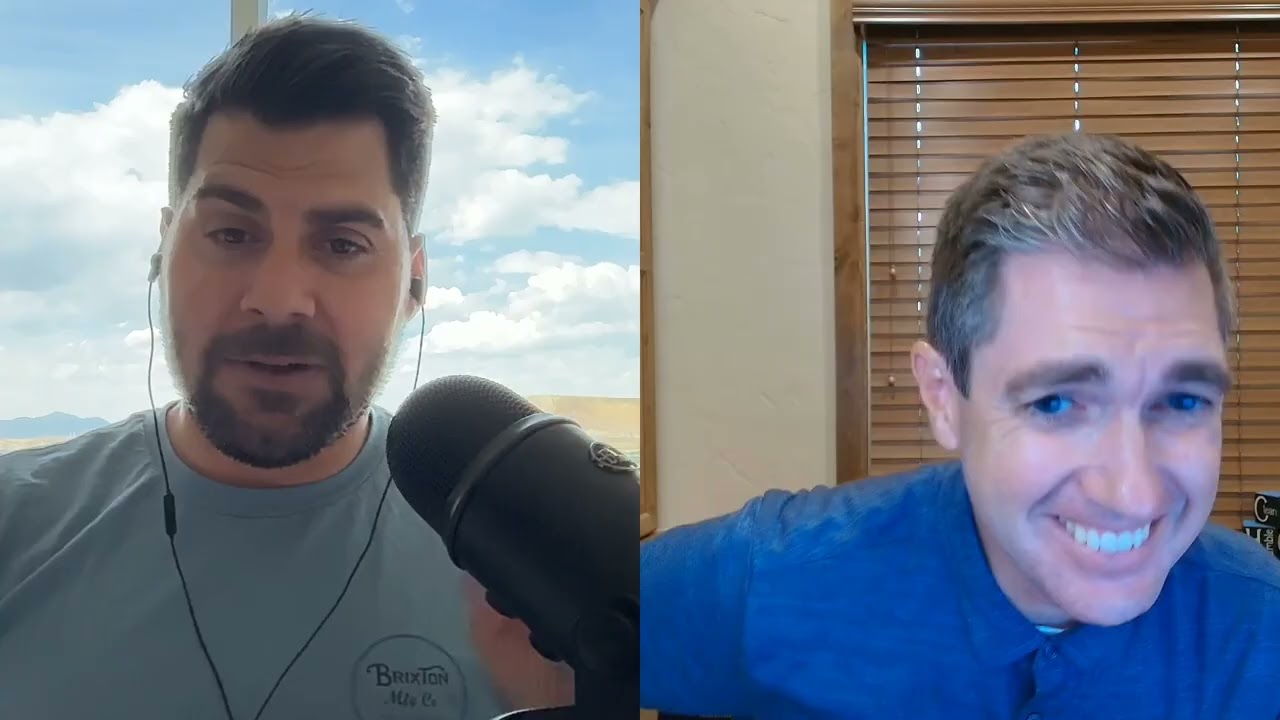
[music] >> Welcome to the navigating dental insurance podcast, where we don't take from insurance [music] companies. Here are your hosts, Mr. Jordan Comstock and Mr. Ben Tuinei. >> Welcome to another exciting episode [music] of the Insurance Entangle podcast. My name is Ben Tuinei and as you know, I'm one of the podcast the host of this podcast and [music] here with my good buddy Jordan Comstock. Jordan, how are you my friend? >> What's up dog? How you doing? >> Good. [laughter] Good. Good. If you could see
us, Jordan's hanging out in Hawaii and uh >> I wish. >> And and I'm wishing I was hanging out in my background, which is my home country of Samoa. So, you know, we're we're island boys at heart. >> Yeah. >> [laughter] >> Totally. >> Today, we have actually an awesome guest in my opinion, something a topic and a background that is entirely relevant towards dentistry from a leadership dynamic perspective, practice ownership perspective or even if you're a manager, um which in a roundabout way, I think
this is for every professional because most of us are parents, you know, if not not not all professionals end up, you know, being parents or wearing some kind of leadership role where whether it's a your profession, your church, or a community or even a government position that you might hold. So, we have a good friend here, uh Thomas Passalacqua with us today. Thomas, welcome to our podcast. >> What's up, Thomas? >> How's it going, guys? Ben, Jordan, it's great to be here. I'm I'm not in
the islands or the in the tropics, but uh it's great to share this space with you guys. >> I think you're on Long Island, right? Is that where you're out of? >> Yeah, it's an island. It's an island, yeah. >> All [laughter] right. We're three islanders here just having fun. Well, well, Thomas, I'd love to to kind of give our listeners a brief background about you. Uh You sort of come with um a lot of experience as it pertains to this whole realm of being an
executive coach. So so you So Thomas, he is an executive coach, you know, specializes in sort of customized personal professional development in the space of Well, at least here we're we're in dentistry, right? So uh Thomas has a master's in education, you know, started his career as a founding teacher in New York City. Uh and then of course he transitioned into dental. And this is kind of where uh you know, where all being connected here is that he he started in dental manufacturing cells, you know.
>> Oh, very cool. >> Super successful award-winning consultants is what he earned in terms of his training and mentoring of other professionals including other sales professionals that he was working with. Again, another transition, Thomas was the director of business development for a growing dental group practice in in the Northeast, you know, where he led sales, marketing, mergers, acquisitions, and you name it. You know, so in his executive coaching and professional training platform uh Thomas is the owner of Ascend Professional Pathways LLC where he really enables
various industry leaders to gain clarity and improve just the general skill set of being a leader in their business, right? Or a leader in general. You know, so his clients are really empowered to to to focus on the next level, you know, bring their businesses and their careers uh to the to that, you know, pivotal next level by overcoming things such as doubts, fears, which we all feel, right? Uncertainty, you know, and then the whole fun part about making strategic decisions to better align with your
goals and what you want to do and who you are. So So Thomas, welcome again, my friend. Excited to chat with you. >> [laughter] >> Thanks, Ben. Appreciate that that introduction. >> Yeah, lots of amazing background here and you know, I've had a couple calls with you already and just super impressed with you and I was just excited to record this episode to get it out to the people that we serve in dentistry. >> Yeah. >> So, the first first thing I I I least the
first question I have for you um is this whole concept of overcoming doubts, fears, and uncertainties. You know, when you look at just dental professionals in general, you know, the dentist who owns his practice, his or her practice, um you know, uh grinding it out 30 30 hours a week of clinical and then another 10 to 20 hours running the business, you know, so dentists are very busy individuals. Um any entrepreneur that owns a business that's trying to strive for success, they're very busy and they
have their own ways, their own mindset of how they want to do things, you know, but when these professionals and many of which are are stubborn, right? Including myself. >> [laughter] >> Me too, dude. Yeah. >> Like how how do you deal with professionals of that that caliber when it comes to helping them overcome their doubts, fears, and uncertainties? >> Yeah, good question. And you know, I love these topics because I do think no matter who is listening can relate to it in a certain way.
Yes, you know, we focus on the dental profession uh and and dental practice professionals, but um but everyone can relate to getting in their own way. >> Mhm. >> Right? And it's how >> It's a universal problem. >> Right. Yeah, you being our own worst enemies. And people can define that in different ways. Either you're, you know, a lead doctor of a practice, an entrepreneur starting a business, or someone just starting in their career, figuring things out. There's always that, you know, soft-spoken voice of doubt
that lives within us and it takes many different forms, but it generally prevents us from either aligning to our full potential or just delays our progress. And you know, again, it can take many different forms, but I do think that's a ubiquitous experience that any professional has. Now, to answer [clears throat] your question about, you know, being stubborn and getting out of your own way, it's constantly pushing your boundary and your capability is when you are growing, when you are, you know, pushing your limits day
in and day out, you know, trying to, you know, build a successful business. And at that edge of, you know, your your functioning, but also edge of your, you know, current capability, a lot of those emotions, which are a little bit negative, you know, do tend to cloud your vision at that point. And again, it can take different forms, but I I do think it's it's a common experience that many people can relate to. >> Yeah. Yeah, I I have one follow-up question. I know I
know you have a question that you want to hop in here with Jordan, but a follow-up question to that, Thomas, is, you know, as I'm thinking about this whole dynamic of you know, being an entrepreneur and being a stubborn one, you know, kind of setting your own ways or, you know, being in your own way, does it take a certain amount of failure for an entrepreneur to experience to sort of open open them up to a position >> humble. >> Yes. [laughter] I mean, what's what's
that how does that dynamic work in in your in your world as you're coaching busy professionals? I think they Well, I need to be sensitive. I shouldn't say that thing they know everything, but it's you know, when I look at my own world, sometimes I'm like, I I I think I know better than that other person that's trying to tell me something, but you know, when you really think about it, they're right and I'm wrong. You know, does does failure uh contribute towards the humility aspect
of professionals being willing to change >> [laughter] >> or hear your message at least? >> I do think there's something interesting about that that question. And and you said that word failure. and in my style of coaching, we don't necessarily define failure because if you think about being an entrepreneur, you never really fail until you completely give up. You know, that's how that's how people would define failure. So, >> Failing is just learning. Yeah. >> Exactly. It's a learning experience and it's feedback, right? There's no
failure, there's only feedback. And every experience, whether it goes well or it doesn't go as planned, you can learn from. And that's how I switch the perspective of those I work with of do we really need to have that emotional attachment to that failure? Do we define it as a negative or do we define it as a chance to learn, an opportunity to learn? And as as painful as that might be to our egos, if you are a successful entrepreneur that again pushes your capabilities and
and has that growth mindset, you are able to navigate those experiences and learn from them. And constantly have that growth-oriented mindset to allow you to keep going. And if you do look at that failure as, you know, what defines you, yeah, you are going to be getting in your own way and delaying your progress and running into more difficulties than necessary. But if you look at those experiences as well, how can I learn from this? >> Yeah. >> You know, as as difficult as that lesson
might be, well, then you always find a way forward. And you always find a way to be flexible, nimble, and creative to hit the goal that you want. So, a a lot of the work I do is redefining those failures or those experiences and figuring out, all right, how do we actually gain from these experiences? >> Love it. >> Yeah. I think that's interesting cuz the minute you say, "Oh, I failed. I'm I'm not good." It's it literally stops your brain from problem-solving and figuring out
how to how how to overcome, you know, what you just felt or whatever whatever challenge you may be having. >> Yeah, and it's tough. I mean, there there are these days and moments in every business owners, you know, experiences or >> suck, yeah. >> Yeah, I mean, [laughter] and and it's like all right, well, maybe there was something you could have done to prevent that or to mitigate it, but at the same time, there's so much out of your control. But, what is in your control
is how you perceive things, how you react to things, and how you move past things. Building resiliency and that ability to bounce back with that growth mindset is the best shortcut to getting past that moment. >> Mhm. >> And again, it's a difficult pill to swallow sometimes, but it's your choice. Are you going to be stubborn >> Isn't that funny? It's your choice. [laughter] >> Yeah, if it was that easy, right? >> You're the problem, yeah. >> That's [laughter] a lot of the work I do
in helping people navigate that just inner dialogue and of just that that struggle. Yeah. >> So, speaking of inner dialogue, I see this a lot with like sales people on my on my team with imposter syndrome. How How do you help manage or what do you recommend for leaders and teams to help manage imposter syndrome to not only themselves, but other team members. I see this a ton, especially with like sales people. Like, "Oh, I don't deserve this sale. I don't deserve to You know what
I mean? I don't deserve to hit quota or I don't Whatever it may be, right? With sales people, you're in the dental office, it may be, you know, I don't deserve to drop this insurance this PPO contract. I I just need to keep writing off." Whatever it may be, right? What like how do you help people with that? >> Yeah, imposter syndrome is is another one of those common >> Duh, yeah. >> Yeah, it's just like, why why does it even exist, right? But, that's being
a human. And And I mostly focus on like the emotional side of business leadership. And that's That's my own personal experience from over the years, but you know, something that I think everyone can relate to. And it's defining the you know, is there a purpose there? Is like why even have that mindset? And really figuring out how do we work through it. So, I generally ask the questions, okay, does that mindset help you accomplish what you want to accomplish? >> Yeah. >> 99% of the time
they're like no, it helps you or hurts you. You know, I don't know. It's a silly thing that we do. But, you default to those patterns. And if you zoom out enough and analyze your situation enough, you realize okay, you're you're not really doing yourself any favor. So, objectively, there's really no purpose to it. There's really no point. >> [laughter] >> Why Why I guess why do people fall into those those negative emotions, those negative thinking? >> Yeah, I mean, there's probably a many different reasons
why people kind of do >> Childhood trauma. >> [laughter] >> Who knows like what we what baggage we bring into our adult life, >> Probably. >> [laughter] >> Um probably some sense of safety, some sense of people. >> Sure. >> Uh some sense of being predictable or um some sense of comfort cuz there is a little bit of comfort in that kind of being reserved and held back. You're not, you know, comfortable level a little bit. But, a lot of the work I I focus on
is is future oriented. We're not spending a ton of time in digging apart, well, why are we doing the things we're doing? >> Sure. Yeah. >> My job as a coach is okay, here's the situation we have. I need to get you forward momentum right now because we don't want to be stuck in this zone. We don't want to be constantly spinning our wheels and ruminating and second guessing ourselves and making complaints and making excuses. No, by the end By the end of my my coaching
session, I want you feeling positive. I want you having a list of things that you can do to get you towards your goals and closer to your ambitions. So, I focus mostly on future-driven and forward-driven actions. >> No, I love it. I often wonder um uh you know, a lot of times I know I see professionals that have been imposter syndrome, right? They're they're really hard on themselves. >> Oh, yeah. >> And sometimes I wonder when I hear their comments, it's like, I wonder if you're
just more of a perfectionist than you're do- you're self-doubting, right? Um cuz it seems like what what I struggle with in terms of this whole area of imposter syndrome for myself is um yeah, I experience uh negative emotions about my performance in certain areas a lot from time to time, but when I look back, it's like, oh yeah, we did a great job there. And I wonder if there's some tie-in to people that experience imposter syndrome that are genuinely um just genuinely caring about doing good
job, you know? >> Yeah. >> It's a And I am I I don't understand that dynamic because sometimes I feel like I have imposter syndrome, I feel like a loser, you know? But when I reshift my focus, it's like, well >> You're not a loser, Ben. >> That's because I care, you know? I care to get it right. >> [laughter] >> Yeah. >> Yeah, you know. >> Thank you, Jordan. I appreciate that. >> Yeah, no, no one here is a loser, and even if you're listening,
like even if you're struggling, like there there's always ways forward, and there's always things that you're we're we're succeeding at, even if we don't give ourselves credit for. >> And >> Yeah, sure. >> you bring up you bring up an interesting interesting point, Ben. You know, a lot of people define imposter syndrome in different ways. It's not necessarily just doubt or second-guessing yourself or feeling inadequate. It could be, you know, I have such a high standard, I'm never feeling completely, you know, satisfied with my performance.
And that could just be another form of this imposter inside you just skewing your perceptions and skewing your ability to make, you know, more logical and objective decisions. So, it's it's being aware of it, understanding how it's helping or not helping, and is it really allowing you to get closer to where you want to be or is it hindering you? Mhm. So, calling it out is definitely, you know, important. Uh but then it's figuring out, okay, looking back, reflecting is a big part of it. Reflect
What am I doing well at that I don't have to feel that I'm not living up to my standard or, you know, not performing at a certain degree. So, you know, like you just mentioned before, if you look back, yeah, we did a great job. Use that as reassurance. Okay, yeah, you have high standards, but at the same time you you you had a great out- outcome. >> Yeah. Love it. I love it. No, this is cool. I'm I'm loving this feedback here. I as Next
follow-up question, I you know, I often think about struggles that uh business owners and entrepreneurs, leaders, you know, what they're experiencing today. Like when you look at just dentistry today, Thomas, what what are the common struggles that you see business owners and leaders experiencing day-to-day? >> Yeah, I mean, dental's going through an interesting time, right? Um ever since COVID, there's so many things have shifted and it's shifting so fast on a lot of different fronts, too. It's not just, you know, cost of uh you know,
staff is going up. It's not just cost of materials. It's not just I mean, insurance is going up, right? I mean, that's a whole 'nother universe, right? >> Yeah. >> It it's just the industry is so innovative that it, you know, technology shifts so much. I mean, now we're in the age of AI. Just I mean, just 6 months ago, half of the companies I heard of didn't even exist, and now they're >> [laughter] >> It's It's incredible. >> It's insane. >> There's so much change,
both positive and in the negative sense. So, navigating that and and trying to find some common baseline to just say like, all right, let Can we just get our footing before we feel like we have to adjust again? Um and just the way dentist dental practices are run, it's a very, you know, high um capacity environment. Everyone's working very hard, you know, scheduling's tight, and it feels like you're never getting ahead. You're always playing catch-up. You're always swimming upstream. So, it's it's just being aware of
that. And a lot of the stuff I work on is, okay, what can you control? Because we can easily get overwhelmed. We can easily get distracted and pulled in a hundred different directions and just overstimulate ourselves, and then we're then we're just burnt out, you know, early in our careers, which again is is common in dentistry, right? How often do you see someone in their 40s that just like, I just I just need to get out. Like, you already hit that that ceiling. That's I mean,
that's unfortunate, right? So, >> You see that a lot in dentistry. It's kind of sad. >> Yeah. >> Yeah. And that just was clinical, too. I mean, just just, you know, admin staff and people in the industry. It's all around. So, it's it's trying to mitigate what can you actually control? Focus on that, empower yourself, get out of your your your mindset that things are just mayhem and and and really just allow yourselves to focus on the actions that can make a difference. And again, that
that that goes into a lot of different areas, but my style of coaching is is really customized. So, who Whatever your priority at the moment is, that's what we're working on. >> Love it. >> Okay, so I got a question uh Thomas for you that just popped in my head. When when uh typically when practices maybe like a practice owner maybe, you know, having doubts, fears, maybe some imposter syndrome, like what like walk me through one what what your best clients look like when you help
them, right? And and where they were and and the outcomes you helped them achieve over I don't know a year or so or how however long it takes, I don't know. I don't know how long you help clients >> Minutes sometimes. >> [laughter] >> Hours and sometimes. Sweet. Honestly, like when when you challenge someone's perspective, when you challenge someone's what they feel is like their beliefs >> Uh-huh. [clears throat] >> and these and these, you know, principles that they operate by. When you challenge that and
get them to think differently and see a different perspective and to take them out of that emotion you can make progress in the moment. So >> Sure, yeah. >> my style of coaching, it doesn't take weeks or months. You know, you we can make you know, significant progress within each session. >> Yeah. >> of that comes from taking the space to just talk through really what the challenge is at the moment. And that's a lot of the the process is how often do you actually pause
to just think deeply about one particular challenge before you're on to like another, you know, dozen different challenges, right? >> Yeah. >> And that's a I think a consequence of the modern world. Where there's endless distractions, endless overwhelm and zero time to think and process before we're already >> getting overwhelmed with the next thing on social media or whatever it may be. >> I mean, just the challenges of your day-to-day operation. So >> Yeah. >> part of it is holding that space and and almost forcing
someone to analyze just one challenge. >> Okay. >> Then challenging them to think about it in different ways. How is it helping? How is it hindering? What's working? What's not? Where do you want to go, where do you want to release, and reassuring them what are the actions to help you get there. What do you have to focus on? Forget all the other noise for a minute, and let's really hone in on just one one core thing to make the most difference. And And And it's
that process that allows someone to have these breakthroughs, and it's like, "Wow, I was thinking about things completely wrong. I was doing myself no good." And getting getting them out of their own way, getting them out of their own head. And it's amazing when you see someone's like did break through, and they're like, "I've never thought of it that way." And now they have And now they feel like they have the answers. >> Mhm. Yeah. Yeah, I've experienced a lot of that over the last couple
months, for sure. >> [laughter] >> You know, just being in the right rooms with the right people, you know, like you and and and hearing just different concepts and ideas on how to look at things. Which kind of leads me to this whole concept of goal setting, you know, and um I love that professionals these days Well, the professionals from the beginning of when I started, you know, at the highest level in dentistry as a business owner. Well, highest level in terms of, you know, when
you run a business um it's busy, you know, and you're you're interacting with a lot of different people. Go Goal setting seems to be one of those things that a lot of people miss because they don't align themselves to reach those goals, right? And like for me, Jordan has actually been a great mentor to me in in in the world of marketing and technology. And so, I've been realigning my goals, setting my business up to have a full technology conversion this year, and you know what?
Jordan, it's been 10 years coming, and we're finally here. [laughter] >> Nice dog, yeah. >> But But now I want I want I want I I want to pick your brain on that though, is like when you look at goal setting, like what do you advise in terms of setting goals and aligning to them as a business like as a leader? >> Yeah, first starting with the why. Like what's what's the point of the goal? And being really clear of why that goal exists. >> Yeah.
>> And making sure you understand it and embody that goal and really believe in the goal. So that way you're motivated and engaged and dedicated because when things do get difficult, you have that resilience to get through because you are driven to you know, that's the goal I want to hit. I'm I'm confident on that. That's my passion. There there's a purpose there, right? So understanding the why and the purpose behind the goal is important. Second, if there's a team involved, they understand it, too. It's
not just one individual or a leader has the goal, but everyone else in support of that goal understands it just as well. And connecting connecting their interest to the goals important because you can't just have a goal which is an external motivating factor for someone if there's no direct personal connection to that goal. >> Yeah. >> Their their intentions and their output uh you know, are are going to be less than ideal, right? So it's breaking that goal down to making it relevant to whoever is
involved. >> Yeah, I I actually love this. We we've we've done this uh with a lot of our team our team members here at Boom Cloud where we have like I I set vision like a vision every quarter and new targets and all that all the all those goals for the business, right? But one thing that we do is we sit down with each individual person and um everyone, you know, receives some type of bonus program here at Boom Cloud for achieving you you helping achieve
the overall vision of the company. Uh but we we sit down with everybody and be like, "Hey, what what is your personal goal?" Oh, you you want to you want to buy a a new house this year, or whatever it may be, right? Um and we say, "Oh, okay, if you if you do X, Y, and Z that help, you know, that help us get uh the company vision, it it's aligned to your personal vision, and then boom, you can get a a house in X
amount of months, or whatever their goal may be." That's I love aligning the the company vision to uh personal goals of our employees. I think that's one of the best ways to achieve success with people. >> Yeah, and that's and that's how we kind of define alignment, right? Having a goal on its own doesn't really do much for motivation. >> kind of like surface level. It's like, "Oh, the company wants us to do X, right? The prac- the the the dental office needs to do this.
Good for them, right?" It's like, "Whatever." But when you tie their emotions, you know, and their their wants and needs uh to the company's goals or the practice's goals, that's when things get really interesting, from my perspective. >> And that And those are the leaders that I admire because they they tap into the team's investment. And they tap They understand that side of business leadership when there's individuals collectively, you know, um working towards a similar uh you know, uh outcome. And that's when that's when I
think you you could you could be successful successful. >> When everyone's tuned into the radio station WIIFM. Have you heard of that? What's in it for What's in it for me? >> [laughter] >> So, it's like, if you if you're like, if you're a practice owner, you're like, "I want to grow this much," or whatever your goal may be, it's like, "Cool, that's your goal, dude. >> [laughter] >> How do you align your team >> How do I fit in? >> Yeah, how do How does
everyone else fit into that, right? That's it's the Yeah, WIIFM. >> [laughter] >> I'm going I'm going to find that station though. >> Yeah, it's a good station for most people, yeah. >> We're printing shirts. We got to We got [laughter] to put that on a shirt. >> Yeah. >> That's cool. >> So, Thomas, what strategies What are some strategies that have worked for practices, you know, with with all the challenges we've we've discussed here in the show today? Like, what what typically works? >> A
lot of what we're talking about, right? Like, okay, aligning goals, identifying goals, how do you communicate to the team, but I would say the biggest strategy is being intentional. >> Okay. >> What How and when and what does it look like to build out intention for all of this, right? Are you creating time and space and are you prioritizing it in your schedule to align your staff, to align your priorities, to align your goals? Are you talking about it? Is it something that is just thrown
up on the wall and then you forget about it because you're just, again, pulled in 100 different directions? Being intentional means you are manipulating and trying to control as many of these moving pieces and variables in your day-to-day, week-to-week, month-to-month that you can. And yeah, you You know, there's always so much out of your control, but if you're intentional on trying to be in as much control as possible, you're going to mitigate a lot of that noise and a lot of the external variables that are
going to come up and surprise you. And then it's another quarter, another 6 months, and it's like, "Oh, we've never hit that initiative we wanted to last year, right?" So, try to stay ahead of all of that. So, I I talk a lot about well, what does that look like? What does that look like on an operations level, on a scheduling level, on a communication, a messaging level uh uh to get ahead of all of these initiatives. >> Yeah. >> Yeah, it's like one thing that
I like to discuss with our team is like now now that you know the goal for this month or this quarter, like what's your daily action plan uh to try and achieve that, right? Like reverse engineer what we need to do type thing. So, it's so it's simple because often like most leaders and business owners and practice owners, they have this big vision for the practice or for a business. And it can seem overwhelming for, you know, individual contributors of that team. So, I one thing
I found Thomas when you break things down down to the day, maybe even down to the hour. >> Absolutely. Yeah. >> It it seems a lot easier for for people. I don't know if that's something you're seeing out there when you're coaching practices, but >> 100%. It's it's it's dissecting it down to actions. >> Yeah. >> So, give your team tangible actions, behaviors, habits, literal things that you can track that support the goal, right? So, you break that goal down into chunks. You you reverse engineer
it. What are the the the actions that will promote success for that goal. If it's sales, okay, dial it down to I >> Inputs, outputs. What do you need to input in? What's the output? Yeah. >> And what that does, it then empowers you again to control as many of the variables as possible. It empowers you to focus on the core activities and not just be overwhelmed and say, "Oh, we got to hit goal." Well, how am I going to hit goal? >> How do we
do it? Yeah. >> [laughter] >> Being intentional, right? And it's um you know, taking the time to define what are those activities and from which staff and in what capacity and what degree. So, it's really micro managing a lot of it, but once you but once that system's in place it's not difficult to do because you're you already have the machine running. >> Yeah. >> You already know what to track. It's you're eliminating that that space of not knowing. You're eliminating that those questions because now
you have tangible stuff actually manipulate. >> The there's a saying we have here internally. When I set a goal uh you know the the Tootsie Pop commercial. How many licks does it take to get to the center of the Tootsie Pop? >> [laughter] >> When I set a goal, I'm like, all right. Sales rep or whoever how many licks does it take to get to that Tootsie Pop center, which is the goal, right? >> [laughter] >> And people are getting it now, right? Cuz they're like,
oh yeah, okay, what do we need to do to to get to the Tootsie Pop center? >> Yeah. Yeah. >> You know, that's kind of how I look at it when it comes to helping teams cuz not everyone, you know, thinks in big visions and goals and it can be overwhelming for most people I would imagine in in a dental practice, you know, the dental assistant's not going to be like, yeah, we we got to grow by 20% this year and we're a million dollar dental
practice, so that equates to you know, you they're not crunching numbers like that, right? They're they're just going in and they just want to help patients. >> Yeah. But if you can break that down, if you can break that down into okay every month we're going to see X amount of new patients. Okay, per week, what does that look like? What are the activities to acquire a new patient? What does that look like, right? Like and really break it down and then you have more digestible
mini goals that you can you can manipulate directly. >> Yeah. >> And then over time it complements to the larger vision. >> Yeah. No, I love this. I think this is what every practice owner needs. Um years ago I didn't have any type of operating system in BoomCloud and that was confusing for a lot of people. Today, we use like EOS. I don't know if you're familiar with which you know, that type of methodology. There's a There's a bunch of >> Yeah. >> methodologies like that,
but that's been really helpful, right? Um but also, it's it's still a challenge, right? It's It's not easy even even though you have a system. >> Yeah. And I I relate it to I mean, the operating systems, they're all great, just like fitness routines and and >> Yeah. >> diet routines, right? There's a million different fitness programs out there and diet dairy programs and get bigger, stronger, faster, lose weight, all of that. All of them for the most part work. >> Yeah. >> Again, it's being
intentional, it's tracking, it's being consistent. >> Yes. >> It's finding the ones that that are resonating for you and and that are exciting for you. So, whatever the system is, that's great, but staying dedicated to it and seeing daily interaction with it. >> It literally is just like dieting. It's like, "Ugh, it kind of sucks, but we got to do it." >> [laughter] >> And then it gets easier over time, right? >> Yeah, it does. Yeah, it absolutely does. >> [laughter] >> Now, this has been
great, Thomas. So, as uh our our audiences listen to who you are and kind of your your thinking process and methodologies, if somebody's struggling or needs help, you know, organizing their business and their mindset a little bit better, like how do they find you? What Do you have a website? What's How do they reach out to you? >> Yeah. First step is just taking a quick minute to, you know, sit in that that mindset and and make a decision to reach out to somebody, right? Like,
don't don't just >> push through and you know, and just just, you know, deal with it later, right? Like, if you're feeling that struggle, if you have that pain, if you're if you're, you know, know you're at that point, just there are resources out there. Talk to someone. Go go reach out to somebody, right? Um and then you can reach out to me, right? Uh I'm really active on LinkedIn. So, you know >> Cool. >> include include my LinkedIn on the show notes. >> Yeah. Um
I'm really active, so you can send me a message on LinkedIn. I will respond. Uh my website has a ton of information. I was really intentional about building it out with a lot of resources. It's ascend pathways.com. And my email's on my website as well as a message, you know, uh form on there, too. So, you can reach out to me on my website or through LinkedIn. >> Very cool. Well, uh you just got a new LinkedIn follower. I just followed you. >> Nice. >> [laughter]
>> Good. Good. Good. >> Well, awesome, Thomas. It's such a pleasure. I mean, it great information. Um to our listeners, we're going to post all the contacts in there. We're we'll post the Thomas's um LinkedIn profile there as well. >> [music] >> He's right. I'm I'm already linked to him on on LinkedIn and the daily content that he pushes out there is amazing and the videos. Uh so, check that out as well as email. That's going to be right there in the show notes. So, when
you have a moment, [music] uh email Thomas. Ask him questions. What he does is so important for business owners, for leaders in general, is that I think every leader needs a coach of some type to to help us see what we can't, you know, for ourselves. Help us get out of our own way, right? >> Yeah. >> Absolutely. >> [laughter] >> Yeah. >> So, gentlemen, thank you so much again. You know, as we wrap up today, I just want to say thank you again, Thomas, uh
for joining us today on another amazing and fun episode of the Navigating Dental Insurance Pod Insurance Podcast. Hope to have you on soon again. >> Yeah. >> we'll we'll see you on the Insurance Untangled. I think you're going to be on that one in May 2026. >> I am. Yeah. Yeah. It's going to be a bunch of us on there. I'm excited to be part of that group, yeah. >> Absolutely. And I want I want to continue that with that podcast and maybe Jordan and I
will kind of create the same webinar thing in the future as well, but yeah. But to our listeners, check out Thomas. He's amazing. And we want to thank our listeners for joining us today again on another episode of the navigating dental insurance podcast. Check out our website say no to PPOs.com for future episodes. Hit hit that subscribe button and who knows one day we'll have thinking about maybe doing a raffle later this year. So stay tuned for [laughter] that. >> Awesome guys. >> Awesome Thomas. It's
nice meeting you. >> You too. >> Likewise. >> Okay. Rock on everybody. >> Take care everybody until we meet again. Take care. >> [music] [music]