Videos / Watch
Combating Insurance Fee Reduction Notices
August 19, 2026 · BoomCloud™
About this video
Book: Make $50,000/mo from your dental membership plan - https://bit.ly/3A31imx
Full transcript
Complete text of this video
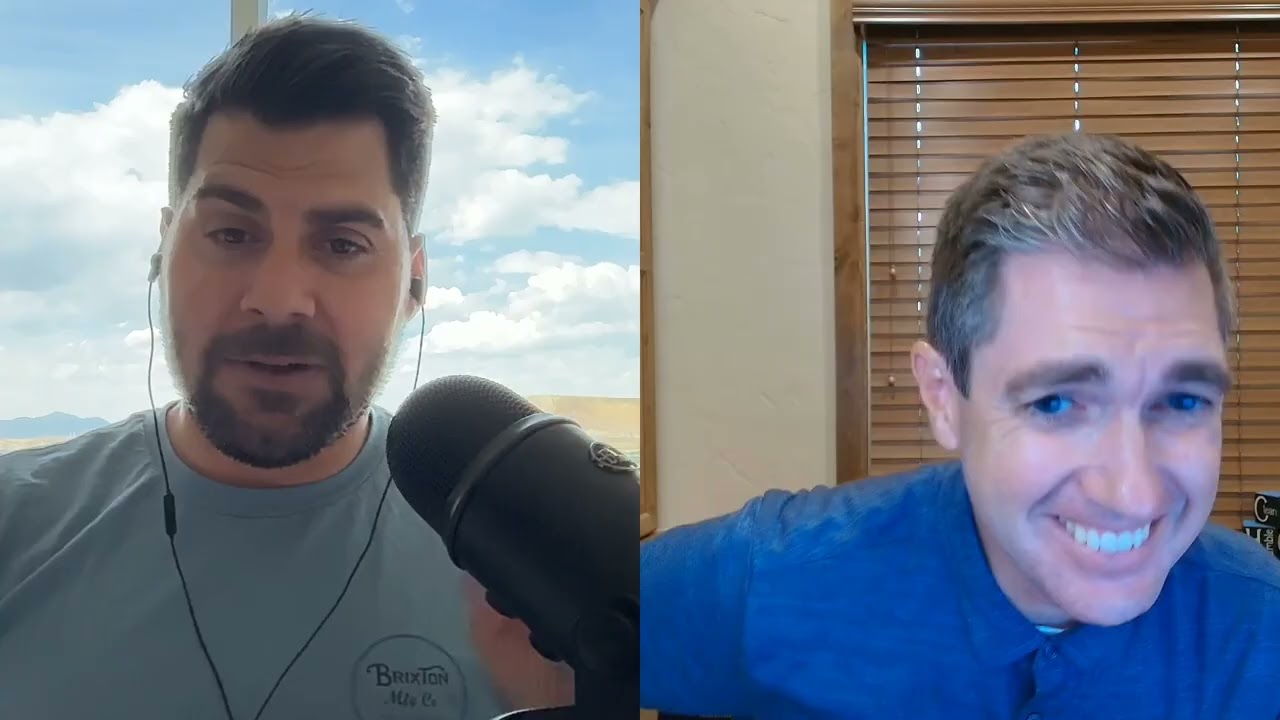
Welcome to the navigating dental insurance podcast [music] where we don't take from insurance companies. Here are your hosts, Mr. [music] Jordan Comstock and Mr. Ben Tuinei. This podcast is sponsored by BoomCloud Dental Membership Software, www.boomcloudapps.com, [music] and Veritas Dental Resources, www.veritasdentalresources.com. >> [music] >> Enjoy the show. >> What's up everybody and welcome to another exciting and amazing episode of the navigating dental insurance podcast. I'm your co-host today Jordan Comstock with me waiting to get a haircut is Ben Tuinei. >> [laughter] >> What's up, dude? How
you doing? >> back 20 >> Pretty good, man. How you doing? >> Doing good, neighbor. >> [laughter] >> Tell us what's new, Ben. >> what was it like 20 years ago they had the Budweiser commercials and they got the guys are like, "What's up?" >> What's up? Yeah, yeah, yeah. We're going to let's start doing that on the podcast. WHAT'S UP, BEN? >> [laughter] >> I LOVE IT. >> COOL. WELL, HAPPY Friday even if it's a Monday and you're listening to this. It's Friday for us.
>> It's Friday, man. It's good. It's a good day. We're on the podcast. We're getting ready to do some fun things over the weekend. Um >> Oh, man. I'll tell you what, man. This this weekend here is stacked. Got a wedding to go to tonight. Got a funeral to go to on Monday. And it's like I don't know which is worse, you know. >> Yeah. >> Um >> Both are hard, yeah. >> Just just kidding. Worse from the perspective of nephews and nieces get married. To
me they just still look like babies, >> Oh, yeah. >> man, it was like yesterday I was changing your diaper. >> [laughter] >> You're getting married so young. >> Yeah, that's crazy. It's crazy how time flies, you know, the older you get. >> Yeah, I know. Makes you feel older and older and older, you know, looking back at the young ones and I don't know, man. I Well, how old were you when you got married? >> I was I was pretty young, actually. I mean, we're
here in Utah, so it's like everyone gets married young here. I was I think I was 23. Yeah. I was 23, I think. You know, but I didn't have I had my first kid when I was close to 30. You know. Lennon, my my oldest, she's awesome. Um so we waited a little bit for for kids, but yeah, it's I mean I was young I was young. I was a kid. >> I mean, that's not bad. To me, young is like 19 years old, you know.
>> Well, yeah, that I mean, that's pretty common though in Utah, which is pretty crazy. So, those listening that are not from Utah, it's wild over here. It's it's a weird it's an interesting state, but there's so many fun things here about Utah as well. >> [laughter] >> Yeah. Well, cool. Well, let's dive right into it. So, we're talking about these these ridiculous fee cuts, right? >> Yeah, it's >> Every single day. >> And I I mean I mean, I was I was on the podcast
earlier this week talking to a guest, Deborah Nash, and she she mentioned that, you know, a lot of insurances are insurance companies are changing, they're reducing, um they're giving fee more fee reduction notices. Um as you mentioned before that we started the podcast, and it they're just be they're becoming more complicated, demanding more, making practices run through more loopholes. And then they're they're denying things more. So, I know this is from what Ben was saying earlier, this is becoming a bigger and bigger problem, not surprising.
Um and Ben has some tips here that we were talking about today on on how to combat, you know, the insurance fee reduction notices and all that BS you guys are dealing with in the office. So >> It's crazy. Yeah, cuz you see the fee cuts coming in multiple different angles. The most obvious is when an insurance company just says, "Hey, this is your new fee schedule. It'll become effective in 2 months." Um Cigna, Aetna, Delta, a lot of them have been doing that over the
last couple of years. So >> Let me Let me stop you real quick there. You're saying the insurance companies are saying, "Hey, this is basically your new pricing." >> Oh, yeah. Yeah, they give you >> I didn't realize that insurance companies have that type of authority where they're like, "Well, this is Okay, this is what you can charge now." >> So in the in-network agreement, it it does have a clause in there on every agreement that you sign, that does clearly state that the insurance company
um can and will change their fees you know, by giving you X amount of days notice. Um So but here's the problem is that when those fee cuts come, most practices don't do anything. They just accept it for what it is. And that's the real reason why these fee cuts continue to occur is because there's not there's not any effective protest among the dental community. >> They just kind of say, "Yeah, we'll just do whatever you say." >> Yeah, you know, well, of course they complain.
The doctors complain, but there's no act There's no meaningful action that's being taken. And the reason why is that most doctors don't know that you can negotiate or you know, they may be too fearful of going out of network with that particular plan. >> Sure, yeah. Sure. Sure is a big a big problem that practice owners have with with this topic. >> Huge. And insurance companies know that and that's So, back in 2000, what was it? 12 or 2011, where uh Delta Dental of Washington, they
did a 20 to 30% fee cut for everybody, right? >> Wow. >> The amount of doctors that actually dropped out was like less than 1%. >> Wow. >> And every I So, what I what I was told by the doctors that dropped is that they re-enrolled with Delta. And when you when you do that, that Well, basically, what happened with that is that gave Delta the power to control things, to dictate the terms of the agreement with the doctors. And that's why there's just been this
huge battle in Washington. So, right now, in Washington state, if you drop Delta Dental, Delta Dental will punish the patients by taking away benefits, right? And that's That's totally unethical, right? >> Yeah. >> The insurance industry was already sued by the government for for for things like this, but you know, Delta Dental is going through that whole pattern because they're just not getting they're not they're not receiving any meaningful pushback, right? So, So, tips. You like if you get a fee cut, what what should you
do? Well, here's what we're seeing is that when you do terminate the contract, say, "You know what? I'm not going to tolerate this. We're going to go ahead and terminate." Nine times out of 10, the plans that are cutting fees are coming back to those doctors and saying, "Hey, what can we do to stop this termination?" And the doctors, you know, that do this, their response is, "Well, give us our fee schedule back." >> Yeah. >> And you know, And you know what's happening is those
companies are honoring the feast the higher fee schedule. >> Interesting. >> They completely cancel that. >> Going back and saying, "Hey, we don't tolerate this. Um we want this fee schedule." >> Yeah, like as many people would say, "We don't negotiate with terrorists, you know?" It's like >> [laughter] >> either pay us what is what is important to cover good quality care or you just don't we won't have an agreement. Now, on the part where the insurance plans would come back and say, "Well, screw you.
We're going to let you terminate." At that point, prepare for it. I wouldn't be I wouldn't be scared about going out of network. >> No. >> Because, you know, for for most plans, going out of network, you lose what? 5 10% of your patients. >> Yeah, and it just depends on how you speak about it to your patients, right? As as you know and as courses that we've done in the past that, you know, when you go out of networks, you know, how you talk to
your patients is is critical and you got to be strategic when it comes to talking to patients about, you know, being out of network. But, I think that's really interesting that the insurance companies control the the the fees. And you know how I feel about that, Ben. I feel like it's like, "Wow, you go into business, you start your own business, you run your own practice, and you're not the one that controls your your your fees." And that just seems off to me. That as a
as a business owner and entrepreneur, I'm like, the the business owner should be the one the the the dentist in this case should be the one that says, "These are our These are our fees in order to give quality dentistry. These are This is what it requires, you know, us to do to in order to do do quality dentistry." But, it seems like insurance companies they don't they just don't care. They just want uh all that revenue coming in and nothing to pay out. >> [laughter]
>> Yeah, they have they have a business to run on their side. >> So, what you know I have a question for you. Why So, what I think we've said fear a bunch of times so far during this episode. What Number one, what like what's making practice owners uh fearful and how can we how can tips from Ben reduce that that fear? Cuz I know a lot of people that have gone out of network and become more fee-for-service as well. And initially they were scared, but
now they're they're they're stoked, they're pumped, they're happier, right? So, talk to the audience, Ben. Like, what what's what's causing the fear and how how can we help at least with this podcast to reduce that fear? >> Good question. I think the the the primary source of the fear is that um dentists themselves are the ones that put out information to their colleagues to you know, pre- prevent doctors from making certain types of moves. As an example, when you look at the Dental Nachos or the
I Love Dentistry Facebook pages or any other popular ones that are out there, um when a doctor makes a comment saying, you know, I'm looking to drop such and such insurance plan, a good number of the doctors give positive feedback, right? They say, "Yeah, go for it. You know, we dropped such and such dental plan and we haven't looked back." But most of the comments are like, "Well, you're going to lose all your patients," right? >> Sure, yeah. The fear The fear comments, yeah. >> Exactly.
And naturally as human beings, this is just pure human nature, is that we tend to remember the negative, right? For some reason, negative experience dominates our lives, right? >> Yeah, it's scary. >> a 10 You can have a 10-minute conversation with somebody uh and and if that conversation goes bad, your entire day is ruined, right? >> Yeah, yeah, yeah. You You have a different mindset during that day and it could be more uh just a more negative outlook, right? If If That's That is interesting. >>
Exactly. >> And this is also a psychology podcast. >> Yeah. >> [laughter] >> We'll put a tip jar here, you know, to to to fund our uh our our legal our legal drug habits through therapy, right? [laughter] >> Yeah. So, I keep going, dude. >> Sometimes those are actually needed. No, so anyway, that that's that's the number one source of fear is when somebody hears, you know, if a dentist hears it from another dentist that you can't do it, you shouldn't do it, right? >> Yeah.
>> To me, um I would look to people that are successful and only hear those voices, right? I remember one of my mentors, Dan Gilbert. He is huge business, you know, owner of Quicken Loans, Cleveland Cavaliers. >> He owns a lot of them. >> all, over 200 companies. So, he has an ism uh that says, "Ignore the noise, right?" >> Yeah. >> Cuz you're going to you will hear a lot like right now, you probably hear the background noise here in me sitting on in podcast.
Just ignore it, you know? Ignore the fluff, the things that are irrelevant, things that are not going to uplift you, things that are going to hurt you. >> Yeah. >> And and and and that's my my recommendation. Don't listen to the negative Nancy. Don't listen to the Karens. Is there Is there a lot of them? >> It seems like we It seems like society names all the negative people after women. We Yeah, I don't know a Kevin. Maybe it's Kevin. Yeah, let's call it Kevin. >>
Negative Kevin. Sorry to the Kevin. >> if you're listening. >> [laughter] >> But just don't, you know, just don't feed into that. And here's why is because all the positive comments that we see, the people that have been successful, there's more value in affiliating and finding out what they've done to drop an insurance plan or to negotiate, right? >> Mhm. >> And and so that's the number one reason, in my opinion, why why there's a lot of fear is that we feed it to each other.
The other reason is when you drop an insurance plan, that insurance company will send letters to your patients short of calling you an idiot, right? >> Yeah. >> But they send letters to your patients saying shouldn't go here. >> You know, almost to the extent where when you read that letter, the insurance plan is basically saying, "Don't trust this guy or this gal, right?" >> Yeah, it's I mean >> doctors that >> In In my opinion, it seems really toxic. Hey, "Don't go to this guy."
Right? It just It just seems really It just I don't know. You Insurance has always bothered me, Ben. You know that. Um I >> Yeah. >> I even have shirts that we made that say a cuss word about insurance companies. >> [laughter] >> You know, I I've I just I don't know. I just It's never made sense to me even before, you know, I started Boom Cloud and all that stuff. I've always for some reason had a issue, a problem with the insurance business model in
all industries, but specifically dentistry, because it just Number one, it complicates the the the practice and the industry far more than what it what it should be. And then >> Mhm. >> they bully by saying, "We're only going to pay you this much." Right? And Like the other day, I was following um I'm on Tik Tok and I follow Doc Is it Bra- Brady? His name's Brady. He's a He's a dentist. He's um I really enjoy his content cuz it's he's funny. But he The other
day, he showed a Tik Tok video of a uh a student that just had gone through school and then they went to a like a really high-end This is the high-end school in dentistry and they spent like $700,000 on just schooling. And then only to, you know then start a a business and into more debt and then be bullied and dictated on what they can charge from insurance companies. It just doesn't make sense to me. It just doesn't make sense, MAN. >> [laughter] >> I'M LOSING
MY MIND IN HERE. >> YOU KNOW THAT SO THAT BRINGS UP point number two or at least the number two attack that doctors are getting these days is that you you mentioned it. They're they're being told what they can and cannot charge but they're also being told what they can and cannot collect from the patient, right? So yesterday I was talking to a dentist out of New Jersey and he was saying that a lot of times when he submits a two surface and it's a legit
two surface three surface or a four surface composite restoration, right? Um the insurance company would come back and say, well no that should that should be changed to a one surface, right? And that's a difference, you know, a four surface compared to one surface is a difference of over $150 to $200 or sometimes more in in income, right? You spend 40 minutes on that restoration and you're only going to get paid $70. You know, and so so he was told by an insurance company, well you
need to change this code and resubmit it as a one surface composite restoration. So he did. And and then I asked him I said, well what was the reasoning and they and they they basically said I should that's what I should have done anyway. That's basically what I did is a one surface but but I was like in my my documentation and when you look at the photographs and the radiographs it was a three surface, right? >> Sure. >> Uh so anyway, I I then asked
him I said, well in this situation when you're diagnosing a patient, right? You're the one that can see things. You physically examine the patient and you do the radiographs and all that. Who's licensed in this situation to diagnose treatment? You or the insurance plan? Well, that's a stupid question, right? >> Oh, yeah. Yeah, I would say. But, I mean it's it's weird that we have to ask it. >> [laughter] >> But, that's what you need to ask. And so, he was actually on the phone with
the insurance company and they told him you needed you need to resubmit the claim as a one surface. So, I I I mentioned to him I said, "Don't ever acknowledge an insurance company when they tell you that you need to diagnose differently, right? >> Yeah. >> If you are obviously wrong in your diagnosis, of course the patient can go and seek a second opinion. >> Sure. >> Or, you can uh with a friend of yours and help the patient under the best way possible. But, the
insurance company has no place to come in and say "What we see is we What we see is a two surface or you a one surface when in fact it was a three surface, right? Or, >> Yeah. >> the insurance company can come and say, "Well, it wasn't a crown. It was a three surface. It was a large filling that you did, right? So, we're So, we're only going to pay it as a large filling." When they re-diagnose treatment, to me, at least when I speak
to attorneys, um when I sit on panels as an expert witness to discuss these legal issues, >> Mhm. [clears throat] >> 100% of the time, the the the judge always makes a ruling saying, "Well, based upon what the dental board says is you need a license to diagnose treatment, but you also need to follow these guidelines in in for these types of procedures, which one of them is a physical examination, right? Being there in person to see things and going through the whole process." >> The
insurance companies have absolutely no means of doing that, right? They're They are not the clinicians for the patient. So, that's actually on the rise where I'm seeing insurance companies diagnose, change the diagnosis on their end to pay a lower fee. >> Yeah. >> And then they'll go to the doctor and say, "Well, then you you you are disallowed from charging the patient the difference against what you did do. You can only charge the fee that we tell you to charge the patient, right?" >> [clears throat]
>> And if you if you let insurance companies get away with that, holy smokes. >> [snorts] >> Yeah, it's I mean to me >> saying, you know. >> To me it just sounds like a LEGAL SCAM. >> [laughter] >> YEAH, IT'S A SCAM. >> YOU KNOW, THAT'S THAT'S I don't I don't know if I'm biased because I all my childhood trauma of growing up watching my mom work with insurance companies or or if that's the if if I'm you know, if I'm biased or using you
know, emotional distortion to paint my story, but that's what it it feels like that they've put all this red tape in, they've made things complicated so that they can make they can make money and and the practice just kind of has to cover the costs of admin work and not get paid. >> [laughter] >> It just seems weird to me. >> Yeah. And and I think those denials and the disallow disallowing you to collect fees that are necessary for treatment from the patient, those things seem
to be on the rise these days. So, that to me, you know, considering that 90% of the patients that most practices treat are patients with insurance, >> Yeah. >> if those trends continue, it's not just going to be a fee schedule problem, right? >> Mhm. >> It's going to be an insurance administrative issue, right? A legal issue. >> So, so the other part of that, Jordan, you asked why do doctors fear, you know, going out of network? What what what feeds the fear? In this situation
when it comes to the legal issues, >> Uh-huh. >> the fear is like Fear number one is, why am I going to spend all that time to appeal a claim that's only going to give me 20 extra dollars? >> Yeah. >> Right? >> Mhm. >> Or why would I spend $2,000 to hire an attorney when my my return is going to be 20 bucks, right? >> Sure. Yeah. >> The way I would address that is that over 5 years $20 three times a day it adds
up, right? >> Oh, totally. >> You're talking about over 100 grand at that point on one procedure that you're missing out on. >> every day, yeah. >> You So, I like the idea of What's that movie um it's a movie about bullies. Can't remember it. But the the basic concept >> A new movie? >> Oh, no. It was >> I think you're talking about like Sonic the Hedgehog cuz Dr. Robotnik Dr. Robotnik, he's a bully. >> [laughter] >> You Can you tell I have kids? That's
all they've been watching all week. >> Or Wait, who's that on Disney? The Disney Disney shows, the cartoons on Disney Oh, gosh. >> Disney Plus? >> Disney Junior? >> Oh, sure. >> Yeah, it's the big the bigger mouse. What's his name? Anyway. >> I know. He's the one that's always He's the bully, yeah. >> [laughter] >> But the best way to to to fight a bully is you have to you have to fight back. >> Yeah. >> And kind of crazy thing You You and I
have these conversations, Jordan. Around the country, there are certain personality types, right? >> Oh, is that it? >> In In California, people in Southern California are uh harder than people in Northern California. People in Northern California seem to be more >> demographics have some patterns, yeah. >> Yeah. And you know, people in in if you're from New York, I love New York. But New York people know that um the New York personality is it it it It what it is, right? They're they're straightforward. They don't
beat around the bush. >> Yeah. And a lot of times that that could come off as being rude or mean, right? With those personality types. But it's just it's just normal, right? But when they when they get mad and they come at you the best thing to do is to stand your ground, right? >> Yeah. Sure. >> It's like you stand your ground and you you match the energy. And a lot a lot of times that's how they want you to communicate with them anyway. >>
Yeah. >> So where you you know, you kind of level out the the situation. Um with insurance companies you you can't match the energy. You have to exceed it, right? You have to attack, you know, the art of war concept of you know, putting on the offensive, right? >> Mhm. >> Championships are won by aggressive offenses. That's what you have to do with insurance companies, aggressively appeal, accuse them of diagnosing treatment when they shouldn't. You know, be creative, but be very aggressive. Don't be afraid of
it. It's going to cost you more than what you're going to get in return. Establishing that history with the insurance company so that they know we're not going to bully this practice. We're not going to bully this doctor. You do that early what you'll find is that you'll you'll you'll change the dynamics of that relationship to where the insurance companies will start to treat you more fair, you know, more fair manner. Um you'll see a lot a lot less abuse over time. But the idea is
is you know, you you want to teach them that when they mess with you you're going to fight back. >> You're going to fight back. [laughter] Yeah. >> You're coming at them hard, right? >> fold instead of just folding me like, "Okay, whatever you say." >> [laughter] >> Yeah. >> Stand up. You you you're the expert in the industry. You You um spent the money to go to school and develop the skills. You spent the money to build your practice and to hire people and and
manage patients. Like stand up. It's a be proud of uh the practice that you've built and um if insurance companies come and say we're reducing give you a notice on reducing fees, uh stand up, fight back, um appeal it. Everything you can do to um not let them push around. I I love that. >> Yeah. Yeah. I love fighting bullies. >> Any Yeah, Ben Ben's good at it, you know. You know, I wouldn't mess with Ben. It just you'd crush him. >> [laughter] >> I'm just
a little guy. >> I'm a nice guy, Jordan. I'm a nice guy. >> Ben is a Yeah, I know you >> [laughter] >> Ben is a nice guy. We've worked with each other for years and I've always enjoyed >> [snorts] >> working with you. So, I've never had an issue with Ben. But, those insurance companies do because you don't let them push people around. So, Ben, what like you got you got your tips that you just shared with everybody today. What what's the what's the next
thing? Would you recommend having people call you and and do consultation and and talk about how they can um fight these these I know cuz every an appeal cuz I know everything is is so situational. What what's like what's the best thing a a practice can do after listening to this? >> Yeah, I think um well, Tessena's who we've been um she's she's been on She's been on here a lot. >> show. She's on our podcast. We're going to bring her back on. >> Yeah, maybe
we'll do that. I'll ask her if she wants to come back on. But, she's actually probably um one of the more experienced people out there that works in dental offices in a dental office that has so much data and so many scripts, so many angles on how to fight insurance company. It's almost as if we need to build an insurance study club just for this issue. >> Sure. >> Um in fact, I'll talk to Tessena about that. >> Yeah. >> Because this is becoming a problem
in the industry and and even Delta Dental admitted, I can't say the name of the person that I spoke to, but it's a higher-up at Delta. That person admitted that the rate of denials and the disallowing you from collecting fees, that is increasing significantly to the extent where Delta Dental is going to they're going to continue to push and push and push the envelope and all the other insurance companies are likely going to follow that. So, but anyway, um we'll organize a study club on this
specific issue. Tess and of course will run it and I'll actually ask her to run it. We'll get back with you guys and let you know when that's ready. >> That's awesome. Awesome, Ben. Well, I would go check out Ben's site, too. He's got a ton of good resources, veritasdentalresources.com. Um and if you have questions, Ben's the expert in this. I just I just uh I just complain about insurance. >> [laughter] >> No, I would go go to Ben's website. Uh book a time with him,
schedule some uh consultations. He's very generous with his time. At least all of all of our clients that we refer uh over to Ben love Ben and uh always say that he delivers a lot of value. So, Ben, thanks for this episode today. It was awesome. Good seeing you and I'll see you in the I'll see you in the neighborhood. >> [laughter] >> We'll see you in the neighborhood. Have a great day, great weekend, everybody. >> Rock on. We'll see you. >> Take care.