Videos / Watch
Dental Marketing Has Changed: How AI Is Rewriting SEO, Search & Patient Acquisition
August 12, 2026 · BoomCloud™
About this video
If AI Doesn’t Recommend Your Dental Practice, Do You Exist?
It creates curiosity without sounding like another generic AI episode.
Episode Description
Dental marketing is changing faster than most practices — and even many marketing teams — realize.
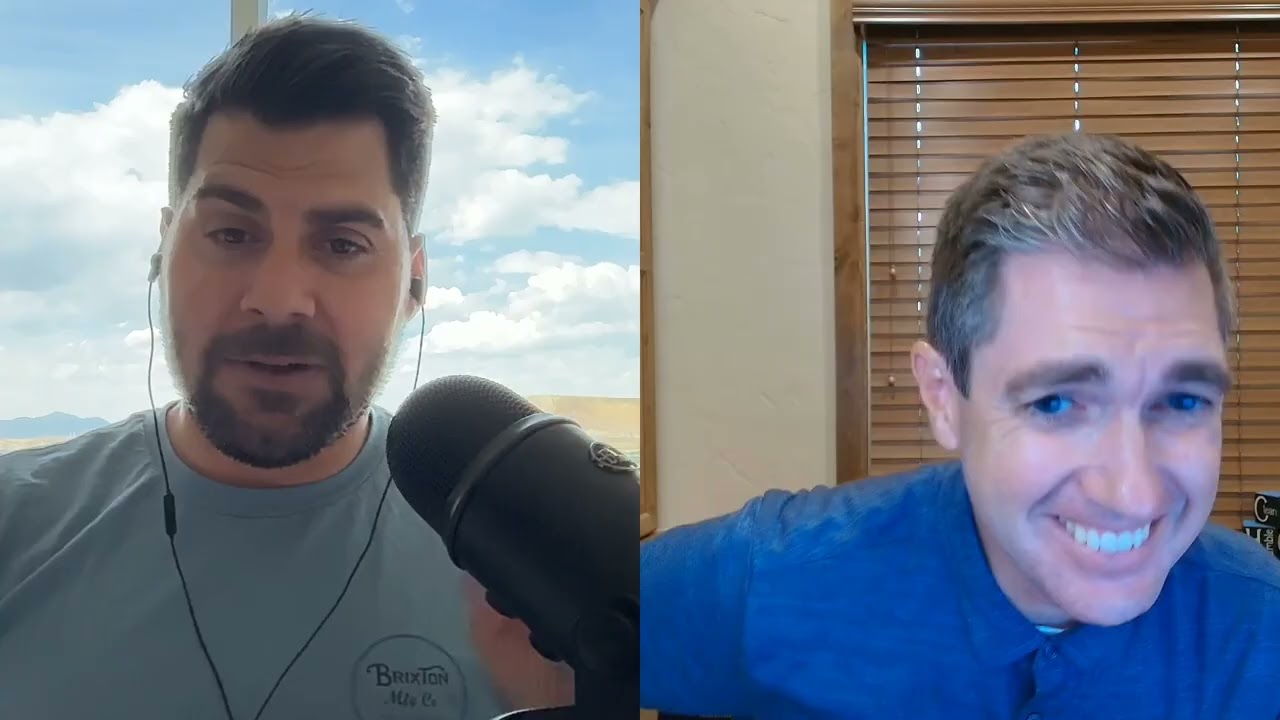
In this episode of The Automatic Patient Podcast, Jordon Comstock sits down with Adrian Lefler, CEO of My Social Practice, to unpack what AI is doing to Google search, SEO, content creation, marketing teams, and patient acquisition.
For years, dental practices competed to rank for keywords like “best dentist near me.” But Adrian argues that the game is fundamentally changing.
Instead of patients researching ten websites themselves, AI can now perform much of that research for them, synthesize information from multiple sources, and make recommendations directly.
That creates a huge question:
What happens if AI doesn’t recommend your practice?
Jordon and Adrian discuss the rise of zero-click search, how AI systems gather information, why simply publishing keyword-targeted blog posts may no longer be enough, and what dental practices and DSOs should be doing differently.
They also go deep into how AI is changing the work of marketing itself.
Adrian explains why traditional marketing departments built around isolated roles like copywriters, social media managers, SEO specialists, and content teams may evolve into systems built around automation engineers, automation managers, human editors, storytelling, and AI-powered workflows.
Full transcript
Complete text of this video
What's up everybody and welcome to another exciting episode of the Automatic Patient Podcast. I'm your host today, Jordan Comtock and with me today I've got a cool guest. His name is Adrien Leler. Good buddy of ours. We're both uh Utah dudes. Cool Utah dudes. We'll say that. Adrian [laughter] Adrien, welcome to the show, man. How you doing? >> Good, dude. Is is cool cool Utah? Is Utah cool? I don't know. Southern California might be cooler. >> Maybe Southern California is cooler. Yeah. Yeah, [laughter] >> you're
probably right. [gasps] Adrian, welcome to the show, man. What's new? >> Thanks, man. What is new? >> Yeah. >> Oh, tons. Apparently, you're you're like floating in the sky and I'm like in >> Is this hell? Where am I? >> Yeah, it's like heaven and hell. [laughter] >> It's heaven and hell, man. Yeah, that's that's what's going on right now. >> There's a lot going on, dude. You know, there's a lot going on right now. Um I don't know where you want to start, though. Yeah,
let's let's let's start with this. Explain uh to our audience who you are, how you got into dentistry and and then we'll we'll dive deep into >> Okay. >> all the questions. >> Just quick [laughter] quick quick uh quick download on who I am. So, I'm the CEO of my social practice. I have a business partner Seth Di who's a co-founder with me. We've been uh offering dental digital marketing services for 17 years. We only work at dentist street >> unfortunately from we're from Utah where
every other dental marketing [laughter] company is >> there's a lot >> yeah there is there is and um yeah we just we we just love working in the dental industry. It's awesome. We love it. And >> what got you what got you started in the dental space? >> Do you have a dental background? [clears throat] >> No, I I don't. I uh we kind of like landed it. Seth used to work uh my business partner used to work at a dental marketing company 20 years ago
that went defunct. >> Yeah. Sure. >> And uh not because of him, because of the owner. And um I had another company that was not inside dental, but it was a search engine optimization company. And in the '09 crunch crash, we got cleaned out and so did their company. And so I called Seth up like, "Dude, I just got wiped out, man. But I got this great product. I can get dentists or I didn't say dentist. like I can get a business on the front page
of Google in the Google map. This is back in like 0809, right? >> Sure. Yeah. >> And he's like, "Oh, well, my company just went out of business and I've got 3,500 contacts. Let's just call them." I'm like, "Let's call them." And they were all dentists. And that's how it all started. It was [laughter] It was a great It was It's a great product. It's basically >> local SEO is what we were doing back then, though. You could you >> That was a big deal back
then. >> Oh, it was huge, man. you'd get them on the front page of Google and they get 50 freaking new phone calls like every month just like crazy business. >> So we just started offering that and then we >> then we launched social media and we kind of like decided on our name is my social practice which you know we thought about changing >> away from just social media because we do everything like design website design and all that kind of stuff >> but you
know we're kind of known as kind of the social media dental marketing company. >> Yeah. Um, anyway, that's who we are. >> Very cool. No, I I've I've enjoyed hanging out with you at all the events and uh it's cool that we're both from Utah, I guess. >> Yeah, I love I Oh, dude, I've had so I had so much freaking fun coming out to Hawaii and staying in your condo. [laughter] >> Yeah. Yeah, I needed to send you Oh. Oh. Oh, that's right. I haven't
been invited. >> Yeah, you haven't been invited yet. Sorry, Adrian. [laughter] Sorry, bro. I probably need to send you a lot of business >> and then we'll go together. Yeah, that'd be that'd be a fun trip to take a few a few homies. [laughter] >> So, all right, Adrian, I got a couple questions for you here. Um, you have a you have a claim that we got to talk about. So, your claim is that DSO executives don't know what they don't know about their own marketing
and that what they don't know is exactly what they don't know right now. What the hell do you mean by that, bro? [laughter] You screwed it. >> You screwed it up. Okay, it's this. >> All right. So, we're speaking we're speaking to >> uh anybody that runs a dental marketing team. So, DSOs's typically, you know, depending on the size of the DSO, usually they'll have a marketing team. >> So, an executive at a DSO organization does not know what they don't know in relationship to their
marketing. And what they don't know about marketing right now right right now is what they absolutely need to know. >> And so it's this double blind problem. >> Yeah. Yeah. >> And it's a it's a kind of a funky thing to say, but I'll explain it. Okay. >> Yeah. Well, marketing's changed a lot, I bet, with AI and everything, which I'm sure you'll see that. Yeah. >> Yeah. Yeah. Totally totally changed. All right. So, here here's here's what's happened in uh since chat chat GPT launched.
things have been kind of like really kind of moving towards uh search changing. >> Yeah. >> Um and just recently, like just like this spring in 2026, >> Google made four or five massive updates to the way that they do their their search engine uh results. Okay? And they are now full AI mode. They've basically got their AI engine, Gemini, as the the the core engine behind rankings and recommendations and so forth. It's been announced. It's happened. They made fully made the switch. So, so search
has fundamentally changed. And >> I've noticed big time. >> Yeah. And when I say search, I'm that that's a word that describes search engine optimization is being found in the search engines. >> Yeah. That's what that's what search means. So search uh has fundamentally changed and the um the work that you do for search engine optimization hasn't changed but the judge >> interesting >> of that work has changed. So, you know, we still write blog articles, we still build websites, we still do social media content,
>> still content engine, right? >> And that's kind of all very similar in nature, but the judge, the search engine that's judging the content has fundamentally changed. >> It's not the same. It's not the same judge. Okay? So the so what you have to realize is that like the the the the nuance of the content that you're distributing >> is a little bit different than what you used to do in the past based upon the way that the judgment is being made by the search engines
which is AI powered now whereas previously it wasn't and AI is just >> infinitely more capable of making assertions and recommendations and analyzing data and synthesizing data than the old search engines. Okay, so that's one fundamental problem. The judge of your content has changed. So what does that mean? We can talk about it. Secondarily, the way that the marketing work is done, like the writing, the copy, the making of a campaign, the designing this, it's the linking, the blah blah blah, whatever it might be. The
actual work has absolutely changed. meaning that human beings aren't well they shouldn't be doing the work because automate AI automations automation and AI capabilities now this has happened in the last six months. >> Yeah. >> You you can get an automation to do 80% of the work that a marketing team has used to have to do by hand. >> We've got AI employees now. It's crazy. >> Yeah. Yeah. [laughter] It's wild. So, so, so here's so, so the the the the judge of your content has
changed and the way the work is being done has changed. Now, here's going back to my claim of you don't know what you don't know. Okay, >> here's the reality. >> Unless you are neck deep, like [snorts] literally neck deep in researching how marketing has shifted over the last six months, you have no idea what's going on. And the team, the team that you have right now, the marketing team that you have right now was probably hired more than six months ago. And they are probably
working their asses off, >> doing the right work, but they're doing it the old way and they're probably not doing the right stuff. You can't blame them, >> okay? And you can't blame yourself because you never got the memo, >> but the whole system has fundamentally changed. And so the way if you were to, >> it's totally different. If you were to start today building a marketing company, okay, or a marketing team, let's say, >> you would not hire the same people you hired six months
ago, you just flat out would. >> There's different positions, there's different skill sets, there's different strategies, and that's what the executives don't know that they don't know. And here's here's the problem. The feedback loop is all jump. It's all mudded muddied up. The executive is looking at their marketing team and their marketing team is producing results. Okay? They're working hard doing the things that they were asked to do. >> And so they come back and you say, "Here, we built the website. We wrote the blog
article. We posted the social media content, we did this." And so the executive goes, "Okay, great. Everything's working." But the foundation of the entire system has fundamentally shifted. [snorts] So the way that they're doing the work is out of date and and the way that the content that's being published may be being judged or is being judged differently. and it may not have the same effect that it used to. So, everybody that has a marketing team needs to uh wake up and understand that they're probably
not doing it appro correctly with the tools that are >> with the current update. Yeah. Because like historically, what did Google looked at? What backlinks and uh like how you wrote the the content quality? Yeah, the copy and all that stuff. But today, like what are they looking at? Like how are they judging differently today versus the old model? >> Well, I I'll give you I'll give you one example. So, this is we're talking about the judgment of the content issue versus how the content is
created, right? >> Yeah. Y >> So, I'll give you I'll give you one example. So, um traditional search engines which are basically gone. Okay. So, they all moved to AI search engines. >> Go AI overviews now. It's crazy. >> Yeah. Yeah. And everything in the in the result is all being analyzed by an AI search engine, not the traditional uh methodology, right? So it used to be like >> um you would optimize for keywords. >> Yes. >> This is a really basic example like for you,
you would like >> dental membership plans. Yeah. >> When somebody goes online and they search for dental membership plan, how do I get BoomCloud to be the top result? Yes. >> Okay. >> Right. So, so what it would do is the old search engines would look at dental membership plan as a keyword and then would match that with content online that's super relatable. So, if you had an article that's called dental membership plans, it might >> rank because it's a like a match with the search
phrase, right? That's not happening anymore. If somebody goes online now, first of all, search queries are infinitely longer. They're so much longer than they used to be because people are using voice search. they're not typing anymore. >> So, the query might be something >> or they're going to chat GPT and be like, "Hey, tell me what I should do about this with my practice or whatever or about how do I attract more patients at a with a good ROI >> or they'd say something like or
Yeah. Yeah. They'd say something like, "Hey, Chad GBT, I'm trying to find some information on the benefits of launching my own dental membership plan." Yeah. >> My buddy's doing it. My colleague of mine over in, you know, Bend, Oregon, and he says it's great, but then I've got another colleague that's fine, doesn't do it. I just I don't even know what to do and it seems like a lot of work. Like that's the freaking >> very conversational search. Wow. That's the search phrase. So what happens
is the in in the old method, nobody would search that way because it would takes too damn long to type it out, right? >> Yeah. Yeah. Yeah. >> Who's going to type that? It's like dental membership plans go. >> Yeah. >> Uh this was right. Right. >> So So now you get these really really really long search queries >> and and even if they're short, it doesn't matter. But what the AI does is it takes that query and it doesn't doesn't answer that question. It breaks
it into subqueries into like dozens of subqueries. >> Okay? >> So it might ask benefits of dental membership plans. >> What's a dental membership plan? It's going to ask questions that are sub questions to answer the original query. And then it fans out, grabs content from all all over the place. It doesn't go to one article >> and grab everything. It goes to 50 different sites. grabs a paragraph here, a quote here, this there, whatever, brings it back in, synthesizes it, and then has its own
recommendation >> based off of the data collected. >> So now, so, so, so now to give you a very clear example, >> if you're trying to do search engine optimization, you're not optimizing for dental membership plan. >> Yeah. >> The key word. What you're optimizing for is you're looking you would go and you would look at the sources that the AI is grabbing the data from to create its own response and say how do I create content like that or how do I get my company
listed in that source? >> Yes. Okay. So, you're retro you're retroactively going back and you're looking at how the AI search engine is grabbing the information and you're trying to >> you're trying to like slip in >> to where it's grabbing its information. And there's all sorts of strategies to do that with authority and linking and all kinds of stuff. But it's a different strategy. >> You're not just writing an article called best dental membership plans and posting it on your website because >> the AI
search engine may never be looking at your website as a source. Yeah, that makes sense, >> right? Fascinating. >> So, it's a different totally different strategy. >> It really is today. Like I So, I used to do SEO in my 20s. I I worked for a a small firm here um for a little bit. Um and then I always have done it on the side with other projects, right? So, that's that's fascinating that it's changed so much. So, uh let's do this. What what happens to
a practice when AI doesn't pick them? Now when when in the old model AI was picking them because you know they were showing up for certain keywords that patients were searching for >> what like what happens now like for these >> press >> well so so the uh scary truth and I don't mean to say this to be scary but this is this is the reality is that the way human beings are interacting with AI search engines and AI as in general >> is they [sighs]
are passing off as quickly as they can all of the research to the AI. >> Okay. It's kind of I have this example called the librarian example. Okay. >> Okay. >> So, we used to go to this place called the library. >> I don't know if anybody knows what it is anymore. These places they they have books and books. What's a book? You know, whatever. Right. [laughter] >> So, let's say that you're studying for uh your uh economics 110 class. Okay. Yeah. >> So, you go
to the library and you're like, "Librarian, I need some books to teach me about economics or whatever, right? This is a bad example, but just follow me." Um, and the librarian say, "Oh, go over to that that column, you know, look under these and grab these five books." And so, you go grab the books and you walk home and you read them and all that kind of stuff. >> Well, that's not what happens now with AI search. With AI search, you walk into the library, you
say, "Librarian, I am trying to study on economics, blah blah blah." And the librarian just says, "What do you want to know?" Well, what are the answers to the questions? And the librarian goes, here are the answers. Yeah. And you walk out. You don't do any of the research. >> That's a great example. Yeah. >> Yeah. So, so that's what's happening. So, if you notice in your own behavior, if you've been interacting with AI, what you start noticing, it's like it's like, holy cow, I don't
know. I don't need to do any research. I just need to tell the AI how to evaluate the information to give me what I want. I just got to be good at giving it instructions. And >> you give it instructions, it does the work. Okay. >> So, so with that, okay, so with that example, here's what's happening. When you go to Google now and Google Gemini, which is Gemini is >> over AI, they're they're AI overlord. Okay. Yeah. Yeah. Yeah. [laughter] >> When you go to
Gemini, yeah. When you go to Gemini and you start asking it questions, uh, if they're healthcare related questions, you're just you're just trying to get answers out of it, right? You're just trying to get answers. >> And so, you don't end up doing the research yourself and you begin to rely more and more and more on the answers because if you give it prompts correctly, if you interact with correct, you actually get exactly what you want back. >> Sure. Yeah. And so what that does for
a dentist is this is it's no longer somebody goes and says best dentist in Salt Lake City, Utah. >> Yeah. >> They don't answer that question. They ask a really, really long question. The AI goes out, does its research, and then gives a recommendation. And if the dentist practice is not in that recommendation, they don't get seen. They're invisible. >> Yeah. >> Okay. So um so what's happening is uh there there's a there's a phenomenon called the zeroclick phenomenon. Okay. >> Yeah. Sure. >> So zero-click
phenomenon is that when you go to a search engine if if a search if query goes in a question goes in y >> and that person never clicks on anything that because they get their answer just right there it's called a zero click. >> Yeah. So, so is Google looking that as, hey, we're doing our job because they're not >> exactly because they're not going anywhere. Google wants to keep you in their in their ecosystem. They don't want to say that, but they do. Yeah. >>
But the reality is is if nobody's clicking to your website to do their own research, >> the AI recommendation >> is the final answer. >> So, if you are not in that recommendation, somehow >> you're invisible online. And that's the scary truth. So >> yeah, that's a that hopefully that is a really long- winded very illustrative answer to your question. >> That I I think that was that was really good. It made sense. The library example was did it for me. Uh [laughter] >> no, that's
really interesting because we're like we we see here at Boomcloud, we're seeing more and more practices finding us because of AI. >> Because of AI, >> which is fascinating, right? >> That's great. >> It's it's it's great. Yeah. And it's still something we're like, "Oh, we need to really change our our our playbook here around this cuz um it's yeah, it's changed a ton." >> Well, you got you're you got a kind of a content engine there. You've done a really good job. I mean, I
watched the stuff that you've produced and so you've you've got >> Yeah, we have a massive we have I think on our website we have uh I mean in the day back in the day we've done like more topical authority in the industry. Um, so we have like over 5,000 articles [clears throat] that talk about all things in dentistry and then and then we relate it back to like patient membership plans. So that's really helped us with >> AI search and everything and we didn't even
plan for that. that just kind of happened like oh good [laughter] >> AI uses our website as a massive resource because we have a lot of content >> right so and then uh another thing you said is >> the way work itself gets done is different now and I I've seen that here at Boomcloud like we literally have AI employees today from marketing to the development side of our business >> um and that's changed drastically for us like what is that looking like for for practices
are are they and and within their own marketing because I would imagine that's the first place they would they would look at how how how it's >> so so the the why why the work has changed or how the work has changed. Okay. Um, and I can speak to the way that we do it, which I think is a good example, but um, >> yeah. >> So, six or seven months ago, Claude, which is a an LLM, okay? And is the company that owns Claude. It's
Claude is kind of like chat GBT. It's kind of like Google Gemini, >> but it's made for >> it's more like developer. >> Yeah, we made for developers. >> Okay. >> We use it all the time. So Claude Claude kind of launched and really dramatically upskilled all the all LLM have upskilled their their >> because of Claude, right? Because Claude was kind of leaning in. >> They were kind of competing and stuff and they and the LLMs have just gotten so freaking >> insane. It's insane.
>> Insane. That's what happens when you dump a trillion dollars into like [laughter] >> developing an AI, right? >> Yeah. So, so anyway, what's happened is um they the in inside of Claude the ability to create automations that are that are kind of like built on layers of AI and automation became really really easy. >> Yeah. >> And very very capable. So you can >> you still got to know what you're doing. >> Oh absolutely. Yeah. You got to know what to say and >> Yeah.
Like that's the thing that I've noticed building like >> an agentic employee. It's like you still need to know how to connect everything. But anyways, keep going. >> Yeah. [laughter] >> Yeah. If you spend some time in it though, I mean, you can really kind of pick it up. But anyway, the the whole point here is that is that when you take a look at your marketing team and you look at the the the content engines, you've got ads, you've got copywriting, you've got website development,
you've got social media posting, you've got responding comments, you've got blog article writing, you've got link building, you've got all these like things that you do in in in in marketing. >> Yeah. >> About 80% of that can be automated through through cloud projects. >> Okay. cloud projects or agentic AI and skills and so forth. You can actually look at your employee that does like I'll I'll use copyrightiting because it's a really really easy example. >> Yeah, that's it. That's kind of the first thing that
kind of went right with >> Yeah, it kind it's just kind of gone right like like if I'm talking like if there's an executive listening this right now and you have a copyriter, >> you don't know what you don't know. They're not hired in. >> That's a great example of the first. >> They're like so 2025, right? They're so 2025. >> So 2025. That's so lame. >> [laughter] >> Right. >> Yeah. >> Copywriters are gone. The the profession is over. You have >> automation editors. That's
what you have now. You're hiring for a different position because you can get all your copywriting done really, really well by an automation. But before you publish, you want somebody to you want a human in the loop to look at it to make sure the automation is producing the right content. >> Yeah. >> And then they authorize it. to offer their judgment and then hit publish. >> Yeah. >> So now, so I so in our in our company, I used to have two copywriters. Okay. >>
One of them was my sister. >> Yeah. We used to have we used we used to have copywriters here. Now it's uh Yeah. We built a system that doesn't >> Yeah. Yeah. Yeah. [laughter] So Right. Right. Right. So So I had these two I had two copyers who writing maybe six 700 pages of copy a month just banging away all day. Banging away all day. Write copy. Right. So, we built this automation and my sister, who's one of her copywriters, is like freaking out, like losing
her mind. Almost said the word. >> You can say it. This is This is This is an open podcast. Yeah. >> Oh, she's losing her >> Yeah. Do it. >> Okay. [laughter] Okay. She thinks she's getting fired. I said, "No, no, you're not getting fired. I'm gonna But I'm going to move you from copyrighting into the marketing. >> Your role changes." Yeah. Yeah. >> Changes. And we went to the other copywriter and we said, "Um, you're fired and now we'd like to offer you your new
position, which is [laughter] a an automation editor. You're not writing copy anymore. We know you love to write dental copy. We This girl loves to write dental copy." We're like, "Wow, >> you're kind of done writing copy." >> And uh so now she can prod she can edit even more than both of those two together. the copy's better and she's not writing anything. She's just making sure that the automation we've built is continually being updated to and improve on itself. So, we've got somebody who's not
just writing copy, they're editing, but they're also they understand the autoation >> improving the system. >> They're their the feedback loop goes back to our automation engineer who built the system saying we need to update this so the output is better. >> So, it's a different position. Yes. >> Right. somebody who understands automation, edits, >> and also can think like how can I improve the system. >> Yeah. >> Right. >> There's they're becoming at least my mindset just in the AI movement in general, employees are
becoming managers of systems versus the the person that doing the tactics of that system, right? Is kind of what I'm seeing. Yeah, that's what I'm seeing because obviously running a software company, we in I guess software and marketing both use a lot of AI today in a lot of their processes and it's like it's been the best thing I think for for us. We're able to develop faster, create things for our customers faster. Would imagine it's the same for you guys. So >> where I mean
when it was initially coming out they're like is this a threat to to marketing and software development? like no this is this is a uh amplifier for us. [laughter] >> You know what I mean? >> So for sure >> for for a practice doing this I would imagine um today with you guys helping practices run their marketing because a practice doesn't have the time to sit down and create a quad uh agent >> no employee. >> No if you if we're talk Go ahead. I just
haven't yet seen that in this industry where where you got a dentist opening up claude and and maybe some of them maybe there's a small percentage of them but the more innovative doctors but um you don't see practices or even DSOs building their own claude systems that help them run their marketing engine better. >> Is that the real Yeah. Yeah. Here's the reality. If there's an individual out there that understands how to build and claude or Google anti-gravity or chatbt, they're building their own they're building
their own companies. [laughter] They're not going and working for anybody. >> Yeah. Yeah. >> That's why that's why when you go to a show now, >> the rise of entrepreneurship is happening then. >> It's it Yeah. You go to a show like like uh my buddies, my business partner Seth with the Dika, he says half the freaking room were AI companies and there are people literally who like, "Oh, I'll figure this cloud thing out or I'll figure Google Anagram. I'm going to I'm going to rebuild
that old system >> into an AI agentic system and I'm going to sell it." >> You know, it I read I read a couple articles um kind of industrywide, not dental, but industrywide. The number one position for hiring right now where we've seen a significant uptick in people requesting this position is called a GTM engineer. It's a go to market engineer. Oh yeah. Somebody do this. >> Yeah. Yeah. >> This is this is basically the the position we're talking about. The average salary for that position
is $182,000 a year >> starting. >> Yeah. >> So if that person doesn't go build their own company, you better be ready to fork out $182,000 a year to get somebody good to build the system. So if you're talking about an individual practice, they are not building this stuff. >> No. So that's how I look at myself running Boomclad as a GTM engineer, right? We're always looking at h how do we how do we go to market and how do we make it the most efficient?
>> Yeah, >> it's a big job, right? And that's that's how I've always looked at my role here at at BoomCloud where yeah, a dentist is probably not looking at their their market be like, how can I >> It's not worth it. It's different, Jordan. Dude, it's it's literally like it's like you or me saying, "Dude, let's go on YouTube, watch some videos on how to place implants, and start our own implant company." [laughter] >> No, that's what that's literally what it's like. >> Yeah, it's
a different skill set. [laughter] >> The the dentists that are watching this that are hold on, hold on, hold on, hold [laughter] on. Let me say one more thing and I'll shut up. >> The dentists that are saying to themselves, "Oh, this claw thing, I'm going to go figure this out or I'm going to have my hygienist figure it out." You are climbing the wrong tree. >> Yeah. >> It ain't worth it. It's not worth it. >> Yeah. I was gonna say I I do know
the implant space. Um because that's my back. >> Oh, you do? [laughter] >> Sorry, Adrian. Like I don't need I don't need a YouTube I don't need to YouTube that. I already know. [laughter] I ran my dad's dental lab and we I did all the >> Oh, you Oh god. >> It was a long time ago. It's probably changed it. >> Bad example. Bad example. No, no. Like I still wouldn't go I wouldn't go start a implant company with you. Uh because uh that's just not
anything. >> Yeah. Yeah. Yeah. That too. Maybe [laughter] with a good dentist. Yeah. >> Terrible partner. >> This is all No, you'd be a great partner. Um, this is all really fascinating and I would imagine like my mind is like what are the what have been the impacts because so many practice owners probably are doing the old SEO strategy and maybe they're even partnered with agencies. How do they know that the agency that the marketing company that they're using is using an old strategy so they
can know what they don't know to make a known choice to know something. [laughter] Well, there you go. That's that that's tough because that that's that's that's a really that's a really really good question. So, >> um >> there's a few ways to kind of like few things that you want to ask yourself. Okay. Well, well, first of all, >> if a marketing company is really expensive, >> they're probably not leveraging automations because you can build manual work. >> Yeah. >> It's all manual work. So
they got >> yeah they got So either you're you're you're looking for somebody who has high quality and low cost because they are passing that automation profit revenue that margin through to get more customers to get more clients. Right. Yes. So that's one indication but that also could indicate the marketing company sucks [laughter] and they're not doing anything. >> We're not we're not getting any customers or patients. >> Be careful there. Okay. So, that's one thing. You should be able to take advantage of the cost
savings because you're dropping your your your labor costs in the in the in the content creation process. Okay, that's one thing. Two, are they even talking about it? Like, is the marketing company saying, "We don't write copy anymore. We have a system that does the copywriting." >> Okay. And what you can do as a client of ours is give us the information about you, who you are, your story, that kind of stuff, so that we can build the system to create the content. >> Yeah. >>
So, so um you're looking for language that that explains like, oh, well, you're looking for language of the descriptions of how the the content is created, published, tracked, all that kind of stuff. automation. There's automation through all that stuff. Okay. >> So, >> so I think I think that's probably what you're what you're looking for. You know, if you're if you're if you're um let me give you one more example. >> It used to be that, you know, the way you would build a marketing team,
uh the structure, the org chart of the marketing team would look kind of like you'd have a you'd have a CMO, chief marketing officer. You would have divisions. You'd have siloed kind of like divisions. You have a social media team. You have maybe a media team, >> social media publishing, an SEO person. You might have a website development team or person, >> ads person, da. >> That's not the org chart structure anymore. The org chart structure looks like this. You have your um decision maker at
the top. This is probably your CMO. Okay. >> General overarching direction on the company. Below that you have um basically three uh yeah you probably have you have four you have five five like things that happen. You have a storytelling section. How do you tell your story? >> Like a dentist who wants to kick off a marketing system >> and just says go create some content for me. It that's it's going to be a shitty product. Okay. Yeah. You have to capture the story of the
practice. That means interviews, video, imagery, history. You have to get all that to start with because you have to >> Sure. >> Marketing is just storytelling. That's all. >> You can't do stock. You can't do stock. >> No. No. That's horrible. Yeah. >> Okay. [laughter] So, what you have here is you have your storytelling section. >> You take all of that, you inject it into an automation system. >> Okay. This is where your your automation engineer, which is a new position. Okay. >> Yeah. >> Which
actually brings up another another comment. Like if you talk to your marketing company, say, "Who's your automation engineer building in Claude?" And they're like, "We don't have one." Then they're not doing it because it's [laughter] a new position. Okay, >> there you go. That's a great question to ask them. >> It's not a marketing position. It's an engineering position in the marketing department. Okay, so you have your automation system. Okay, you inject your story into that and the automate the system produces the content >> and
then you have a human being that's a layer there that basically says oh that content's good that's a great ad that's a great blog article that's uh you know that's a great uh social media post but it's coming out of an automation system >> the human being is publishing then after that you have a tracking and kind of like um you're you're looking at the quality I is is this stuff actually doing what it need to do? Is it is it sending more traffic to your
website? Are you ranking higher? Blah blah blah. And then you have your scheduled patients at the end, right? Are they going up? Are they going down? That kind of stuff. So that's the structure. Now that's all automation stuff in there. The human layer is you have a [clears throat] automation manager, somebody that kind of like can understand the whole system. You have your automation engineer who's building the system. And you have another person who's like that. It's kind of like the automation editor that I was
mentioning. Like somebody's looking at all the pieces of content, they're saying, "Yeah, that's written right. That's written right. That sounds that looks good." And they're produ they're publishing. >> So if you if you're being if you're hiring somebody who's like, "I'll do your social media for you. >> You can do that." But that is like one silo of like an entire system that needs to be done. So you're buying a system now. You're not buying just social media. >> Just social media marketing. Yeah. Yeah. Like
like when you started that was probably more more the case, right? Hey, you you're hiring my company to help you manage social. >> Yeah. >> And that's what we did because >> that's what worked, you know, but but it doesn't work anymore. >> Yeah. It doesn't work. >> This is all fascinating and I I would imagine I mean it's hit it's hit us hard. What you said six months ago Google came out with their update. So this whole this whole ecosystem is brand new and it
it's hit everything hard it seems like. >> Yeah. based off what I'm seeing out there. So, um Okay. So, give us an example of of a of a like a multilocation practice or even a single location >> that that's got this right in this new era of marketing. >> Um I would say that almost all single practices unless they're if they're trying to build this internally, they probably don't have the budget to build a system that's effective. They probably need to work with a marketing company.
So I would say at that level, you know, most single practices have like somebody handling social media and they're just snapping photos and publishing >> inside the office. Yeah. Yeah. That that's that's fine. But if if we're talking about like >> like a marketing engine for like a DSO or something like that, >> you now usually [clears throat] have enough budget if the if it's a large enough where you're you're probably bring your marketing team inhouse. >> Sure. >> And you have to hire all these
positions. So, um, I have talked to at least a dozen DSOs over the last maybe month or two. >> Mhm. >> And I've interviewed the CMOS or I've talked to somebody on the team or an executive. Absolutely none of them have the system set up. >> All of them are all of them are still working on a model from last year, which is totally normal. I mean, we're talking about a a massive shift in the way you do stuff like in a very short period of
time. >> Yeah. I haven't run into anybody. Yeah, I haven't run into anybody that's doing it appropriately. That unfortunately what happens is when you talk to the marketing team and you're like looking at them and they're answering your questions, you're like, "These guys don't know what they're talking about, >> but you can't tell them that they don't know what they're talking about because it's their job on the line and they're only being asked to do what they were asked to do. So, they're doing their job,
>> but they're not familiar with the underlying change in what's being happening." So, >> I think I don't know if I haven't run into anybody doing it really well. I'll be honest [laughter] with you. >> Yeah, it's it's it's so new. So, that's really interesting. Well, and and like AI is so cool. You can do so much in so many different areas. I mean, >> uh you know, I've got an AI rock band that's doing really well. Um >> Oh, okay. How many Yes. How many
songs do you have to do now? >> So, I've So, just to give you an example, both AI marketing and AI uh production, but with music, right? because you can do code and all that stuff. >> So, [clears throat] um I So, we've we're at like 30,000 followers and >> we're almost to 6 million streams, right? And I started this band I started this AI band from scratch. And I use >> uh just paid paid marketing to get the word out and just like grow it,
right? >> And it's growing at um year-over-year growth. It's growing at like a little over a,000% the first year and then it's growing I think like 800ish% this year and in in royalties right so I'm measuring that by royalty because it generates royalties every month >> um but all this is done with a with very similar system um of what you kind of talked about um but with with >> marketing and music >> and how what what the hell do you do when somebody calls you
to say, "Hey, can you come perform for us?" >> Yeah. Yeah. That's the Yeah. The business model I do I we get the band gets requests like that all the time. And it's just not the business model. The business model is a royalty engine is how I've [laughter] >> because there's like that's the biggest thing in like music is the royalties make a ton of money. And >> and it's like but I'm using AI to build that whole engine. >> Yeah. >> Right. which has a
lot a lot of similarities of what you kind of addressed today on the on the interview. >> And then um anyways, that's just a fun side project that I do cuz I'm a I'm a musician. I've always written songs. It's like one of my passions >> and uh I just thought it would be funny to have a AI rock band. And now I've got multiple Reddit threads about [laughter] trying to figure out what's going on. >> Who Who is this guy? >> Yeah. >> Do you
have Do you have Do you have fake pictures of the band members? have today. I have fake pictures of the band members and I've used AI to create a I put an AI mask over me and I talk and do like short clip music videos and people go nuts. It's so funny. >> But that's the power of AI. Like Adrian, this is the power of AI both with what you can do with it, right? Like that's just a weird example outside of dentistry, but it it's
>> you you could use AI in in pretty much anything today and and you should, right, if you can or partner with with uh somebody like you guys, right? So >> for all of my listeners, um where can people learn more about what you're doing and so they can stay on top of this massive change in the industry and not get left behind? because it's the it's almost like we're at another phase in in transition from when like white pages and the yellow pages existed. That's
that's kind of what's going on right now. Sure. >> The Google s Google search is >> the yellow pages today. >> Now it's AI, right, is taking over. So for practices that want to stay on top of that so they can one attract uh patients on a on a consistent basis and not lose out on [clears throat] that like what what what's your website? Tell tell them everything you can. >> Yeah. Yeah. Yeah. All right. So So yeah, we we can thank Thanks for that uh
leadup to me plugging my company. So >> yeah, totally dude. Um so for single practices and most of the practices that we work with and we work with almost 2,000 practices. Um we we can we can work with you indivi like we wouldn't build a system like we wouldn't build the team. The team costs too much. We have the team. Yeah. >> You can just basically leverage the team that we've built. >> We can get the the products and services across the board in digital marketing
at at really good prices. The quality is awesome. Just reach out to us. When it comes to like organizations, DSOs or larger organizations that have their own marketing teams, what I would suggest is that we do an audit. >> Yeah. >> Um >> because there's a lot of moving parts there. Yeah. >> Yeah. There's a lot of position that it's not one sizefits-all. So what would be nice is to like look at a team, see the players on on in the system, find out what level
of um automation or AI they education they have with their capabilities and then see how you would restructure the team in order to fit with 80% of the work being done by automations. >> Yeah. >> And um you know this is something I've kind of there's no cost for I mean, I'm I'm happy to look at a look at anybody's team and say, "Look, >> you might want to think about this and this and this and this and this and change the way you got it
structured." Um, and then we can fit in like we can like plug in and do like one piece or do this piece or we can do the whole thing or whatever. So, I think the best way to do that is to do an audit because most people >> most marketing execs that I talk to just flat out don't even know what's possible. So, it's kind of like, okay, you can actually automate that entire thing. Oh, you can. Yeah, you can automate the whole thing. Oh, that
gives us that frees up this entire human being to do something else. Yeah, great. So, let's do that. So, I think you just kind of like need to look and see how marketing is the the systems are being built. >> Yeah. >> Um, and I'm happy to do an audit. So, you just call My Social Practice and ask for Adrian. I'll jump on a call with you. >> Mysocialpractice.com. >> Yeah, >> is the website. Okay. Well, I'll make sure I put that in the show notes.
But Adrian, this has been an awesome awesome episode and very informative uh to to Dennis who are most likely far still in the yellow page era, but 2025 yellow page era. >> It's and you know what [laughter] I don't I don't say any of that I I honestly don't say any of that disparagingly like >> Yeah, I'm sure >> things have moved so fast like I almost almost not keep up with it. Like >> dude, I run a tech company. I'm in the same boat. It's
hard to stay on top of it how fast it's moving. So >> anyway, >> so you're not expected to have known all this, you know? It's not >> It's like asking Adrian if he knows how to cut a margin. Like he's probably not going to know that. >> What's a margin? Yeah, exactly. >> Yeah. [laughter] Anyways, no, we hope everyone gains some value. Uh reach out to Adrian and his company. They're awesome. They're cool Utah dudes. So So go to his website and we hope everyone
has a rocking day.