Videos / Watch
"Mastering Leadership in the Dental Office: Aligning Teams for Success"
January 17, 2025 · BoomCloud™
About this video
Podcast Summary:
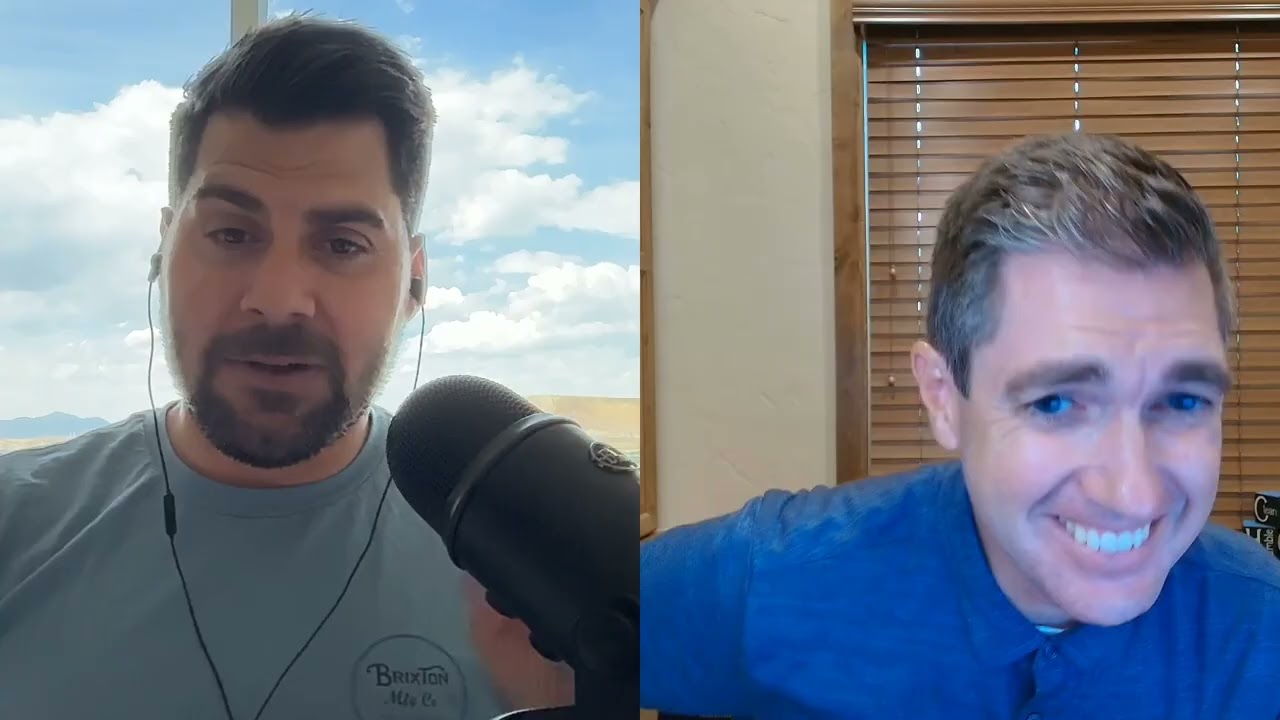
In this episode of The Automatic Patient Podcast, Dr. Dan Nelson, Jordon Comstock, and guest Justin Comstock explore effective leadership strategies for dental practices. They discuss the importance of core values, hiring the right team, and aligning roles to improve culture and patient care. With insights from EOS and The Ideal Team Player, listeners will learn actionable tips to build cohesive teams, address conflicts, and foster a thriving, patient-focused practice.
Key Takeaways:
• Core values are the foundation for a strong team and practice culture.
• Hire the right people and align them with roles that suit their strengths.
• Use frameworks like EOS to manage and inspire your team effectively.
• Coaching team members can either elevate their performance or reveal when it’s time to part ways.
• Clear communication and leadership directly enhance patient experiences and satisfaction.
Jordon Comstock - BoomCloudapps.com (https://boomcloudapps.com/)
Dr. Dan Nelson - Elevation Association (https://www.elevationassociation.com)
Full transcript
Complete text of this video
what's up everybody and welcome to another exciting episode of the automatic patient podcast I am one of your co-hosts with me as usual Dr Dan Nelson what is up Dan how are you doing dog so so good man just uh you know coming off the holidays it's it's you have a little bit of the holiday hangover and that's starting to subside so I'm getting back into the groove of things yeah I the same way uh I'm here in my home office today usually in the office
but yeah I like my it seems like I'm like after the holidays and the time we took off I like hanging out in my home office on Fridays so dude I'm I'm pumped for this today's episode we're gonna be talking about managing people and really how to uh operate operationalize managing people in a positive fun way you know so it's a topic that I think every dentist needs to understand and practice owner and I think we looked at what online on like all the like d
nachos and all the Facebook groups and that's topics yeah and it was interesting like I was listening to um the Dennis money show shout out to our friends over advisor Matt mulcock Ryan Isaac um and you know they they did a poll on their Facebook page that was like I think the question was is uh what do you wish they would have taught you in dental school that they didn't and uh and as they were going through the the comments on that it was almost universally
leadership like leadership leadership it and it wasn't always directly it didn't say leadership but it pertain to leadership and then you know like you said you know I I was perusing Dental nachos and there was um Paul had put a question on there that was very similar in nature to to the same poll question and it it came back as you know um answer after answer after answer was people people people people managing people know I wish we knew how to manage people better what's the
source of most your problems it's people problems people problems you know and so um you know it was and as you and I got talking you're like bro my brother Justin is the grandmas flash of people he loves it like a fat kid loves sugar he's [Laughter] like so yeah I I think uh I think this is a going to be a valuable uh episode for for people that you know the the struggle is is full on this you know a lot of people are on
it and it and it's uh it's a fast moving bus and we need to get some people off it so I think we need to jump into this topic and really talk about you know uh the concept of people management you know employee management yeah um you know I think we need to dive in on understanding what the concept of the right seats right people is the people analyzer you know how core values uh the interplay of of hiring firing and valuations Via values and and
I'm pumped to hear Justin's take on this stuff you know where he's got a lot of insight expertise here so this would be cool awesome Dan yes it is cool Justin welcome to the show Justin is our chief operating uh officer at boomcloud and also my twin brother we are literally opposites we're mere image twins Dan if you didn't know that and that's a real thing 25% of twins are mere image twins so to give you context on what that means uh I'm an extrovert he's
an introvert yep uh I'm right-handed he's left-handed right I'm handsome he's a little bit [Laughter] ugly I was you like that which one's smart which one's dumb that's and I'm better at the guitar and he's I'm mediocre at the guitar he's mediocre at the guitar um and Justin has all boys I have all girls so literally Miram crazy um we we think very similarly he's a great business partner of mine we've been operating he operated the dental lab with me before boomcloud and uh now he
operates boomcloud with me uh we've learned a lot people yes throughout the years of of boomcloud people has they've always been a problem and we' we've uh uh or let me rephrase that managing people the right way has been the problem we've learned a lot over the LA last few years um and Justin has been a a key person to help me just optimize that and continue optimizing because as you know Dan you you can't get it 100% perfect I wish you could but every quarter
every quarter we learn something new we analyze it and try to adopt so Justin walk us through like before we started recording the podcast you've read the book EOS how many times track so I've read track traction sorry it's the US methodology I've read traction uh 14 times which is an operating system book that practice owners should be reading you've read uh uh the ideal team player which is a call it a core value book right for hiring people yeah essentially yeah it's core value book
um and the reason why I went into the ideal team player uh traction is wonderful I love traction um uh Patrick lenion the author of the ideal team player goes a little bit deeper into uh finding being the right people so I started researching that um I've read his whole Library if you haven't read any of his stuff like go buy all of his stuff right now his stuff is magnificent spot on yeah the ideal team player is probably one of my most useful books I
tell Jordan all the time hiring is our most important duty at boomcloud because if we get the wrong people in here it makes said rather painful for me and him to to run a company right and that translates over the practices as well you get yeah you get someone outside of your core values and that doesn't share your vision or lacks capacity to understand your vision it's a it's an instant nightmare you have an instant trell Owens in the locker room yes it's very true and
we've we've learned the hard way several times which I I think you know but um great I mean you learn from your mistakes right um yep well Le should try to right as as we've as we've you know gone through this pain of of managing people um I obviously took it upon myself to research heavily on what to do about it uh because it it it causes a lot of problems and um researching the book the ideal team player it kind of painted and it gave
me a methodology to stand upon in a framework um which you know most people don't have a framework when they're when they're interviewing people just kind of Loosey Goosey they probably probably just focus more on skills of that person rather than who they actually are as a human being right that's that's what I've learned during this process like I I I tease everyone at the office uh the other day I did an interview and and one of our our our business developer rep saw that I
was doing an interview and he came by my office and he said Justin did you look into his soul I said yes I did yes I did so the whole the whole gist of you know finding people and finding the right people uh from the book the ideal team player Patrick l l Lyon suggests finding people that are humble finding people that are hungry and finding people that are smart right uh Smart in in the sense of emot emotional intelligence right how the gets it wants
it capacity to do it if you are a Wickman guy right so yeah it's the same idea yes absolutely absolutely um so you know it's it's interesting doing these interviews because most everyone you I'll have I'll have uh I guess you call them I would call them skill set interviews you know other people that do interviews here at boomcloud they'll determine if they have the skills to do the job and then I will meet with them and and basically peer into their soul and because I
want to determine if they're humble if they're hungry and if they're smart because if if if somebody's not humble uh they're arrogant and they're going to be really hard to work with right if somebody's not hungry they're not driven they're not going to go after Jordan's Vision they're not going to go after the vision of the CEO and chase after that and and and get stuff done right and if if if somebody is not um smart with with with others they're going to have uh problems
with their team everyone around them right they're gossiping about somebody that's not that's not emotional intelligence that's yeah that's GNA cause problems right so I tend to when I'm interviewing people um I have a process where I have questions uh and and they're in the book it's gray book but there's questions on that you ask to determine of somebody is humble there's questions to ask to determine if somebody is smart or uh hungry and I ask the questions and I and um I have a guide
that I have that helps me kind of watch with their responses to see if if uh if they're adhering to that value in their in their job and their life and everything right so one of the questions I ask you I I typically ask two to three questions per category right humble hungry smart um you know I like to I like to ask questions uh that get them thinking so one question is what was the most embarrassing moment uh or biggest failure in your career and
I I wait and see if they have the humility to actually look at themselves and be like oh yeah I you know I burnt down the factory I was working I don't know be something worst when they burn down the fact is like oh no oh no thanks for being honest you know and I think I think the humility component is is a fascinating one because it's it correlates so much with teachable right like so yeah and we've had we've had several employees that we've made
the mistake of you know oh this person is confident and there's there's a difference between confidence and arrogance certainly and we've hired the confidence person and we've hired the Arrogant person and the Arrogant person is so frustrating because they're so unteachable you know and and you can't get any traction moving forward with them to change anything or because they already know it they already know it you know and there're they become extremely stubborn in their methodologies and what the way they go about you know their
job and it just and if it if it's not in line with what you're trying to do and they don't see that they don't understand the the the core values and vision of of your practice Yeah humility is a huge one and it and and two you know Justin I I I wanted to talk about a little bit um one of my best friends is an extremely successful uh mortgage broker he's actually retired at 47 years old he's retired and uh he he's done extremely well
for himself and he and I got talking one day um he went back to school when he was in his early 40s because he had time and money and so he's like I'm going to go back to school and he he decided like oh I'm going to study marriage therapy I if I can't think of a bigger jump than from mortgage broker to marriage maybe they correlate somehow I don't know it's yeah it's the household thing yeah yeah so we got talking about a study that
that he was um reporting on from um from grad school that was about uh ambition and something that cannot be taught and so they they tested to see can we teach people to to you know to grow ambition can we can we instill that in somebody answer is no you cannot instill ambition into somebody so this idea of wanting someone that's you know hungry you know that someone that that wants to take initiative and move uh with you know paddle the boat with the rest of
people to get to where they want to go um you're not going to all a sudden like Infuse humility into somebody or Infuse you know life might knock them down to whe they're humble but ambition is like that's either there or It Isn't So that that I love that you you've already brought up some really important talking points when when we're evaluating a new hire or existing hires for that matter yeah we've used the same questions on existing hires so one we understand how to coach
people our current team I think that's a a useful you know the ideal team players just for new hires uh it's it's I know just you've ran some assessments on our existing team and you know like the back of your hand yeah who needs certain coaching uh in our organization yeah I I can you know I run uh an assessment on on people here and um I know exactly where their strengths and weaknesses are regarding uh humility smart and and hunger right yeah I know exactly
where people are at so we can help coach them up to that level right and it's it's interesting within within the system uh there's there's so you have the ideal team player which is which everyone is looking for that to have a successful business you have to have ideal team players but there's people outside of that just outside of that or even further outside of that right and we were you mentioned uh uh Dan that uh if if they're not humble right but they're but they're
hungry and smart that means that they're a skillful politician right so they're going to persuade people because they they have the the emotional intelligence to do that and they're they're driven right but if they're lacking humility right they will be a skillful politician yeah and they're often the the worst kind of Terrell Owens right like Terrell Owens was you those are the ones that especially if they're smarter than the other employees you know then it becomes a real problem yeah yeah so you know there's there's
Arc types within within um within the book so obviously the target is the ideal team player but there's people like The Accidental mess maker causes problems or The Lovable slacker which lovable slacker that's right oh we love you so much but you're such a slacker you don't get anything done you don't know how to execute but we love you you're so funny yeah which then defeats the purpose because if somebody can't execute within the organization if they for example if we have rocks or okrs that
somebody is working on and they can't execute what's the point The Lovable Slacker by the way is the easiest person to fire so easy to yes they are we love you as a person thanks for being here you know don't let the door hit you on the way out so and i' I've seen various types I haven't seen all the types uh you know outside of the ideal team player but um that's besides the point all I care about is the having ideal team players who
I can collaborate with who who Jordan can can you know assign things to that need to get done and they and they do them right so yeah so teasing these these using these questions with in the book to tease out who they actually are that's what I've learned you tease out who they actually are and and try to identify and match up to uh you know that the ideal team player uh uh values right and that that's that's how I've been able to determine if I
want somebody inside these walls here J yeah can you speak a bit to you know shifting gears a little bit uh can you speak to how that correlates with core values yeah so I tell Jordan all the time I said because we have we have core values at boomcloud one of them is a team player right um uh ours is a team rock star right and my my theory is if they're a team player if they're able to work with others and um you know have
the emotional intelligence have the drive and everything then they're going to start adhering to the other core values that you have in the organization right yeah so if they're a team player if they're an ideal team player one of our core values at boomcloud is um creative psycho right if you are a an actual team player you are going to be creative for the team right another one of our our core values is um ownership junkie right if you are an ideal team player that's going
to spill into that you're going to Own Your Role you're going to own your job you're going to own own your objectives that you have for the company you're going to own your number right because you are ideal you you're you're an ideal team player you have that drive so it spills over into whatever core values that you have I know every every business is different they're going to have their own custom core values um but but the ideal team player touches on all of them
it's kind of like the I kind of see it as like the Gateway if they are an ideal team player and have those three attributes then they're going to adhere to the other core values within the system within the business yeah this is great stuff and and wa I love that you're putting in that framework I think it's important to note also that you know you you set your culture of your practice by way of your core values right so youve determined like this is the
way we operate here this is the rules of the game when you work here and if you are hire hiring firing and evaluating based off your core values you can have someone that has high aptitude you can have someone that is in all respects looks like a good hire on a multiple right you'd say that yeah we love this person they're great um but they lack the the adhesion to your core value system then what you have is you have someone that is running a trying
to live in a culture or have a you have a cultural conflict now you know and and are tough when you have somebody that you feel like is a great employee in in a lot of aspects but just doesn't share the vision just does not adhere to the core Val maybe one two three all of the core values now you have this cultural conflict in your office and sometimes it's hard to pinpoint like why are we struggling so much with this employee who is who's so
good on so many fronts but just disrupts on so many fronts as well like why are they so disruptive and so I I think that you know on top of this the the the basis of like all right do we have somebody that that uh can can operate and and do what we need them to do they they are humble enough to be teachable they're humble enough to to take criticism and to learn and to move on um they have a you know a a distinct
drive to get things accomplished and done but it's like but then they're not performing well well within the culture now you have to look at the core value system and say all right this is and and this really is why the core values are so important for for dentist to establish within their office I'm shocked at how many offices operate without core values this like it's crazy it just it's like her and cats yeah for real they have because as an employee so one of the
things I learned in the military weirdest thing ever I'm going to tell you guys a quick story about a funny experience I had when I first went to we'll call it boot camp it's actually not called boot camp because I was an officer but we'll call it boot camp and uh first day I show up and this dude comes up he's got the gunny sergeant hat everything right like and he he starts yelling at me he's like standed attention I'm like okay I don't day one
I'm still in my civilian clothes I don't have my bags in my hand I'm barely out of the car this dude's running up to me he's like standard attention I'm like I'm doing my best just like I'm copy in every movie I've ever seen of like how to stand and he's like feet together I'm like okay I have feet together and he's like make V with your feet okay he's like cup your hands and I'm like what the hell's he talking about C hands I was
like so I'm like what I don't know what you like what do you want me to do man like what am I doing here and he's just yelling at me to cut my hand he spends a good minute and a half yelling at me to he doesn't give any direction other than cup your hands cup your hands cup your hands well and I'll tell you guys to cup your hands you make your hands like this and you put them against your side so they go right
against your your legs right I know that but the point was is that there's two clear things that they established on that first day one is that you need to be able to understand what they want you to do right and the second is you need to understand how to do it right so there was two big lessons that they were trying to instill into this in that very moment and and that's what they were and the military knows that people do well if they have
those two Basics covered yeah and so many times offices that lack core values don't cover those things they employees don't know what's expected of them and they don't necessarily know how to do it and so if there's if there's a lack of cultural definitions by way of core values you're really going to have employees that struggle yeah I agree I mean we we've seen that over over the years as well and we're I often tell Justin I'm like how do we get more clear on the
what and the how and and I I'm really good on the on the what and the vision right and where where I want the company to go where the practice to go if you're operating a practice it's all Universal you know um and I know uh lately Justin we've been really diving deep on the how um with our team members I know you've been analyzing that like like crazy in great detail and have created a a process just to make sure that when a when a
leader hears my vision and they're they're taking it down to their team that the the team members the the individual contributors know exactly what it is and how to do it I think that's a really good point you brought up Dan and J I don't know what if you have any comments on that J I know you're GNA think of this yeah um you know I did a test uh here at Bloom Cloud uh last quarter quarter four um uh because I was just unsatisfied with
with some of the progress so I I did a test across the company and I I I built a a Google spreadsheet to to calculate uh the completion of our rocks and who was completing them um you know with a percentage rate and all that and uh I I've i' I've I'm learning that it's immensely important when you set to help everyone basically break them down um into sizable chunks so they can get stuff done right down to like the day down to that down to
the day down yeah down yeah absolutely so I I developed you know a process um because I've been frustrated because we have Jordan's Vision right we have the CEO's vision and then the rocks are basically broken down uh chunks of that Vision um and everything it just wasn't aligning right so um I I kind of created a process where we and I learned this from development software development software development right when I because I managed that team too so we we've been setting rocks for our
teams and then I've been helping people break down those rocks into Milestones right into subtasks what whatever you want to call it if you will but helping them kind of visualize the work that they have for the quarter so they have their Rock which is their what what are you going to do this quarter and then everything broken down is how are you going to do it okay I'm gonna do I'm gonna I'm GNA call this many people right this quarter by halfway through the quarter
right or whatever the details are it varies for every single person but I've learned that it setting the the rocks and then breaking them down and then I each week I've been analyzing them for Effectiveness right and I just I analyze all of our rocks on a score of one through five and I basically analyze if it's if it's in alignment with Jordan's Vision if if the writing is Crystal Clear it's if it's being achieved and the overall impact of of the rock so I've kind
of gone in a little bit more detail in uh with with EOS and The Rock system of basically aligning Jordan's Vision with every single human being in the building right um and you can't do that without cor without core values yeah yeah definitely if you if you have the wrong people in the wrong seats there's no way you're going to be able to to get that that alignment it's going to be really frustrating um it's a it's a it's a learning process right but what what
do you mean by what do you mean the wrong people in the wrong seats can elaborate a bit I mean that's a that's another uh uh a couple Books use that concept uh when it's talking about people management can you can you elaborate on that for us a little bit Justin yeah let's um let's say that I mean let's let's kind of take the image of The Lovable slacker right everyone loves this person he's great but he actually doesn't do his job right he's not say
he's on C on the customer team he's attending to clients and um he's not showing up for for the client calls or in dentistry let say they they didn't go into the operatory to to clean their teeth or whatever you know lovable slacker hygienist is what you're saying yeah yeah right so you people like that if you can if you can upgrade their skills to to improve them which is possible right if they're missing one you know core value you can absolutely upgrade that person but
I found that it's actually really takes a lot of time a lot of planning and a lot of effort to basically upgrade their skills um out of The Lovable slacker or whatever whatever it may be um it can be done like we we I've I've been able to do it with some employees here um I had I here's a story uh I had an employee that constantly showed up late which is a huge pet peeve in mine like yeah it's like if a dental showed up
late that disrupts the whole day yeah yeah totally massive issue they would they would constantly uh be late like I'm talking like arriving at 11 o'clock like everyone's here at 8 you're getting here at 11 or noon and what I would do like I I saw it and I'm like okay I need to help this person understand um uh their role here right so I I met with him every single day every time he was they were late i' I'd pull them into my office and
say what's going on how can I help you um you have roles and responsibilities here that need to get done and you know customers are are trying to get a hold of you like how are we going to fix this and you know I I was able to help him um it it took some time but I was able to get in Louise and kind of determine the issue right what what is the actual issue here I was able to kind of reverse engineer that and
help him get on track with with arriving on time and I was able to upgrade his skills and he he ended up being just such a wonderful person to work with yeah wonderful person and it just takes time and focus when you get people that may not be you know the right fit you can there is a chance that you can upgrade them and help the skills but sometimes there's not and you know I've I've I've dealt with people that you know in a 90day in
a quarter in a 90day time period I'm just like out now yeah this I don't have the time and bandwith to to get you to where I need you to be regarding our core values and regarding our operating system so um but often often just you know and and for any practice under listening um Justin just doesn't make these decisions whether to coach somebody up or coach somebody out that's the those are the two strategies right you can either coach somebody up or coach somebody out
right if if they're if or move them if they're in the wrong seat maybe they're I mean I know in a tech company you know our skills can be uh you can move people around like oh you're not good at at customer support but hey you may be good at the sales role right it's a little bit more uh flexible but um when it comes to coaching people up or coaching people out you know um Justin just doesn't use he doesn't do it by feelings or
emotion like he does assessments and he's like look this is going to take x amount of time to coach this person up because the data says they're a lovable slacker right or whatever it may be right or what's what's one we you're looking at where where they're smart but they're not driven and they're not humble what's that one called h smart not driv uh is that the skillful politician or the I I can't remember I I think that's uh anyways I think it's the jackass I'm
not the jackass yeah that's it Dan you got it that's it to remember if that was I think it's the hatable it's yeah the annoying jackass that's it um my point is is Justin uses data and assessments to understand the how much time and effort is gonna take to coach this person up or do we just coach them out and I I like that phrase coaching up or coaching out because we do believe in people even if people aren't perfect right and if you're trying to
lead a dental practice you you know this already people aren't perfect we know that you can coach people up but if they're so far off from like the ideal team player you need to coach them out right and and what that means is have them understand you know that they may not be the right fit and get them get instead of surprising them being like one day you're just fired like you're you're still coaching them but you're coaching them out instead of up within within their
skill sets right and I think um as Leaders of whatever organization whether it's a dental practice a software company what a dental lab whatever um this is universal this is a universal skill set no matter what you do you can apply this right to any business um but understanding the the process of do do we coach this person up or do we coach this person out how do we determine that how do we use the data these assessments that Justin's talking about that are in the
ideal team player book um and I think Justin you've you've also like downloaded these assessments and put them into chat GPT so you can do like AI assessments which is it with AI and all that yeah yeah AI can help I've yeah and I've determined like if they're if if if they have if they're missing two uh uh let's say they're missing humble and smart but they're hungry right that's going to be a heavy lift for me you get upgraded to where we need them to
be and then and then once once that again I like to call it like the Gateway core value once they pass through that then they they can start you know learning and adopting the other core values so if if they're missing two values from the ideal team player it's going to be a heavy lift now if they're missing one and but they have two let's say they're they're not humble but they're they're smart and hungry I could probably deal with I could probably work with that
and and upgrade their skills if need be right yeah depends right so yeah I I want to talk about a point that you just brought up Justin that I think is very ironic and it's that you bring an employee in and you talk to them and you talk you discuss you start talking the irony is this is that dentists are taught and programmed to actually be very very good employe evaluators and uh should be very Adept at hiring and firing because of the whole patient process
that we go through so someone comes into the office and they're there for a very specific reason maybe they come in as an emergency right we are taught to gather information to ask all the right questions that so we can make a correct evaluation that we a diagnosis yeah from that diagnosis we we then treatment plan so we have a plan of action that we intend to take with this person to resolve the issue that they're coming to your office with right very few dentists recognize
that it's the exact same process that you take with your employees so as you employ a problem yeah it's very ironic so dentists should be if they can get over the fear factor they should be EXT extremely Adept at it's the same process you don't pull someone in and chew them out if someone comes in because they've broken their tooth off I don't bring them in and like you idiot what were you doing why did you break that up you know how dare you you know
why were you eating that much money you're gonna cost yourself like it doesn't yeah like that that's the the whole mentality all a sudden shifts when it goes to our employees definitely with our kids um and you know so when when an employee when we're dealing with an employee the process is identical you say okay what first of all need to identify what the problem is and I love that you brought that up what identify the problem what is it you know and then you know
let's let's once we identify that let's talk to you and first of all see if you can come up with solutions for the problem what are you doing to make it better what can you be doing to make it better and then what can I do to help you to make it better right because that's really the and it's the exact same process we take with patience but nobody correlates the two together and goes oh my gosh that's an interesting point yeah as a dentist I'm
extremely trained I'm trained extremely well and I'm extremely Adept at this process I just don't recognize the correlation and I don't utilize it when I evaluate and talk to my team players that have a problem or an issue uh and so it it the irony I think is is overwhelming well it's funny honestly when you yeah it's when when you think of that it's like oh yeah that is actually the exact process it's just instead of teeth and and pain it's it's people and pain yeah
and for some reason we're not scared to tell somebody that they you know yeah you broke your tooth because you you know you're you're playing on monkey bars and you're 42 years old you know that don't do that like that sounds like a real real patient story Dan we have so many good P we we talked about doing the real patient podcast right like yes that would actually from the underground right just the the funny stories that we have yeah I have I have several from
the dental lab days that would oh there's so many good story but yeah you know I think that we're scared uh because we see these people every day you know and it's that having to face somebody that we if you if you reprimand somebody yes it's going to be awkward if you come in with the attitude of help you and you know and sometimes you have to train them out like you said sometimes it's like you're not I'm not going to be able to train you
up like this isn't happening you know and so and I have patients that are that way that I'm like you know what I'm Tred to train you to be a good patient and it's not working it's time to dismiss you you know and and yep it's not worth the headache and I love oh I'm trying to remember which book it is that talks about the what is it called the five minutes of pain um oh dang it I can't think of what book it is it
the the five dysfunctions of a team it might be yeah and it's he talks about like take that five minutes of pain to let someone go that isn't a good you can either have five minutes of being uncomfortable when you're letting that that person go or you could have months and years of everybody else being uncomfortable because you've left them there well and typically Dan yeah on that topic because I've made those mistakes where I've I the five minute of pain mistakes early on in my
career where I was afraid to uh maybe fire somebody when they needed to be um as when I was starting boom Cloud up uh I was a I was a a poor leader or let me rephrase that I was a learning leader right I was learning how to deal with people um post the dental lab era of my career and I I remember um being so nervous to fire people when they needed to be fired because it was causing the whole team pain and I I
took my time and that actually does more damage to the team by waiting um and and it maybe maybe they're a bad team player or they're just not hitting their numbers and helping Row in the boat together uh that has huge consequences uh with for with morale with the team right and and and and your team may be like well is Jordan really a good leader because he's letting these people do these things that that don't fit our culture and our performance values right as a
as a company so as a leader in your dental practice like yeah you have to make those decisions and I call them bullet bullet to the head decisions I know that's graphic um but um it's like sometimes you just need you just need to Bol to the head and just make it quick fast and instead of coaching or or coaching up or coaching out sometimes you do have to make those decisions to be like get off the ship right now like dive off the the board
of the ship um because like literally I'm thinking of a very specific uh instance where we had an employee that had like high like poor Integrity issues that was impacting not only our customers um but our our teammates and myself right and we made that five minute of pain decision immediately because I'm like I can't have people that do this because I've seen if I've historically when I've taken my time to remove somebody that that is really disrupt disruptive to our team and our or our
customers and our core values like we feel those we feel those effects of of that poor uh culture or or core values for like six months to a year post if I leave them in long enough right so you do want to assess it very quickly and make it decid make it like be decisive and say look does this does this person fit our core values and are they doing what we need um or do we just need to get rid of them and and find
somebody who who can do what we need right and it's okay and I know it's scary I remember the first time I ever had to do it and it was scary and that's okay to have those those feelings of fear but be decisive and say look let's just get rid of this person and find somebody who actually fits what we're trying to do here so that because you guys you live you spend so much time with these people every day of your life more than your
family in most most cases right so it's like do you really want to deal with people that that have low values it's like no that's a waste of time and energy for us all you know so I I'm a huge fan of of this type of leadership these books everything from EOS to the ideal team player um Justin I know you're coming up on on Time what any last thoughts or comments uh to our audience on how they can be better leaders and use these tools
I mean I I I did have a thought um you know if dentists and and these Dental practices are in the in the in the um uh their goal is to help patients with restorative care with uh you know healing the patient healing body helping them right it's just as important as an organization as a business to take a look inside of that organization and ensure that it's healthy too yeah because it matters like if everyone is is uh if if the organization is healthy that
way it's going to be good for everyone in the organization and it's also going to be great for the patients because they're going to get the care they need and they're going to they're going to come into an environment that's that's healthy and that's probably the most important thing that I've learned over the five and a half years that I've been coo here is ensuring that good people are Within These Walls and that they are doing what we need them to do so awesome thanks Jess
Dan any last thoughts from you no I just appreciate you Justin I love your Insight love your expertise it's been super fun to to chat and and get some of uh you know your kind of Insider takes on stuff and I just really appreciate uh everything you brought to the table today thank you you're welcome appreciate it love I love talking about it so call me anytime we'll do more we'll do more yeah Jus Justin's on LinkedIn and and and Facebook all the social media so
go go find him Justin comto same last name is me um and if you can't find them you you can find my LinkedIn profile and I'll tell you where to find them with the longer beard that that's the longer beard and then you raise your left eyebrow and Jordan rice yeah just watch those now subtle differences yeah no just thanks for coming on the show today always appreciate your Insight on this topic it's it's a fun one and Dan as usual a pleasure hanging out with
you today so with that said all of our listeners we hope you guys have a rocking day