Videos / Watch
Is Now a Good Time to Purchase a Practice, with Joanne Tanner and Rick Willeford
August 19, 2026 · BoomCloud™
About this video
In this day and age, practice analytic are becoming increasingly important. But when it comes to a practice purchase, the due diligence process can often be so overwhelming when determining whether you are purchasing an asset, or a liability. As many of you may know, practice due diligence can be a nightmare. But when done properly, purchasing a practice, even during a recession, can still lead to profitability and a great quality of work life.
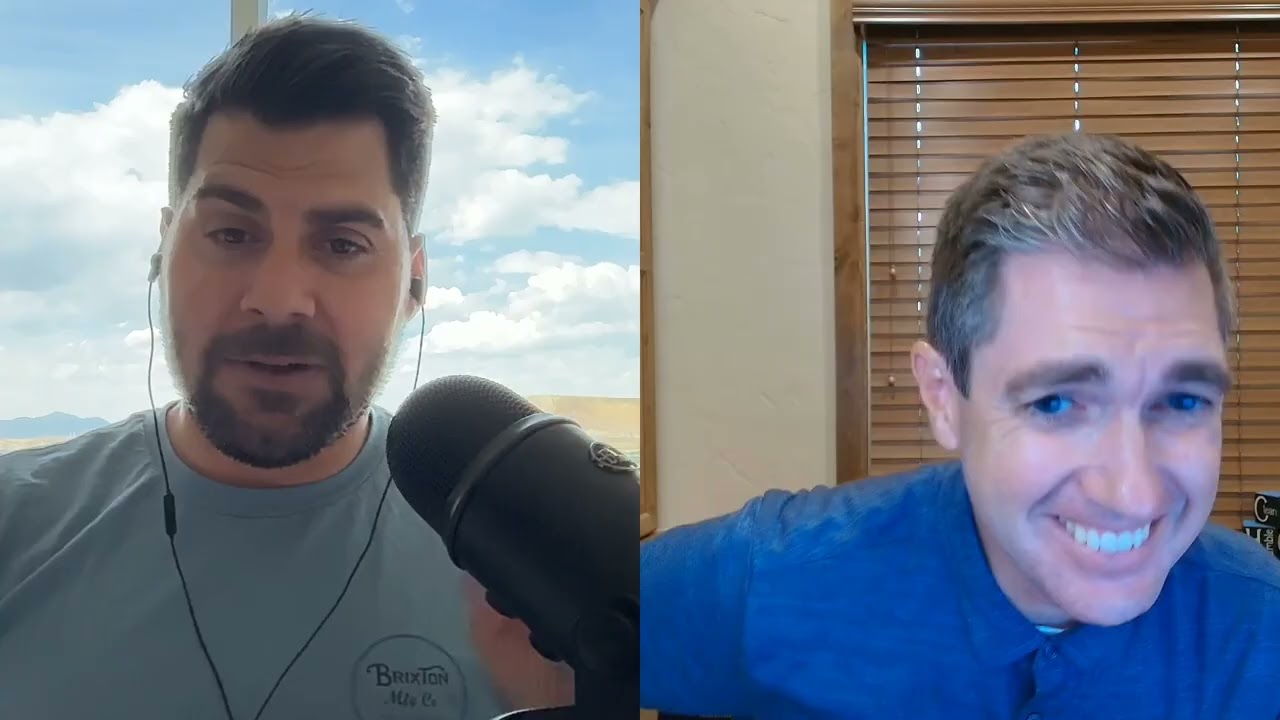
Today we have Joanne Tanner, MBA, and Rick Willeford, MBA, CPA to discuss the due diligence process in purchasing a practice. Joanne explains today’s recession climate in purchasing a practice and some of the key tips on what needs to be focused on when performing due diligence. Joanne highly advises using DentaMetrix, a dental practice management analytics system. Rick, the founder of DentaMetrix, chimes in and gives feedback about performing practice due diligence while pulling his knowledge and history from his 40 years of experience in dental.
At the end of this episode Rick offers a Complimentary Profit Leaks Analysis to the first 3 callers or responders. To obtain this analysis, please visit https://dentametrix.com/ and don’t forget to mention that you found DentaMetrix on the Navigating Dental Insurance Podcast.
To contact Joanne, please email her at joanne@tannermgmt.com.
Full transcript
Complete text of this video
[music] Welcome to the Navigating Dental Insurance Podcast where we don't take from insurance [music] companies. Here are your hosts, Mr. Jordan Comtock and Mr. Ben Tui. >> Welcome to another exciting episode, the Navigating Dill Insurance Podcast. This is Ben Tui. Today I'm your solo host. He used to sing co-host. Jordan Comtock. Of course, today is uh taking advantage of the summer weather out here in Utah uh with his RV, his three beautiful daughters. [clears throat] So, he uh sends his regards, but he won't be joining
us today. Instead, we have two great guests. You know, uh we have Joanne Tanner, and uh I didn't know, Rick, that your first name was Raymond, but he goes by Rick Wilford. Welcome both Joanne and Rick to the podcast today. So happy to have you, Adam. >> Thank you for having us, Ben. >> Yeah. So, due to time constraints with all of us, we're just going to dive right into it here and go straight into the meat and potatoes of the topic. But first, I'd like
to introduce you to to Joanne and Rick. Uh, first, Joanne, she started her dental career as a dental hygienist in the US [snorts] Navy. After serving for five years as an active duty soldier, Joanne obtained an undergraduate degree uh in business marketing. Also, she obtained her MBA with an emphasis on strategic [clears throat] planning. Joanne works with dentists across the country, excuse me, uh primarily when they're purchasing a dental practice, but she does also work with doctors and their teams uh post-purchase or even doctors that
are existing having their uh having existing practice. Excuse me, can't speak on this Friday. Um in an effort to help them grow their practices to the dream practices that they want. Now Rick, so Rick um of course he many of you may know him and his and and Kate MBA CPA very broad background in the dental industry. He retired as a dental CPA after serving in that position for around 40 years. Uh then he uh claims that he uh went back and dusted off his electrical
engineering degree from Georgia Tech. By the way, prestigious degree if any of you know any history about Georgia Tech, great great university. Um and what he did is after he you know dusted off the cobwebs from that degree he developed a program or a company and software called Dentimetrics. So Dent Dentimetrics is a professional strength data extraction and dashboard program designed and developed for consultants DSO and experienced practice administrators. So, you know, when you look at Rick's background, the combination of his deep dental business experience
and his knowledge of cutting edge technologies combined with his understanding of practice management side of things in dentistry that gives him a unique perspective to enhance revenues and plug uh basically plug those profit leaks [snorts] that dental practices experience on a regular basis. So, again, uh Joanne and Rick, it's great to have you on the program. Today we're going to be talking about buying a dental practice, which I'm sure both of you have thousands and thousands and thousands of experience with in [clears throat] terms of
reviewing numbers, due diligence, and all that. You know, interestingly, I [clears throat] tried to sell my house here in Utah in an effort to move out to Atlanta with my family. uh but the market here isn't so friendly when it comes to selling uh or buying a home. What does it look like on the side of buying a dental practice? Is now a good time to do that or not? >> It's a great question. I believe it's always a good time to buy a [clears throat]
good practice but at the right price. >> Yeah. >> It's never a good time to buy a bad practice regardless of the price. See, the good thing about buying a practice is that you become an owner. That puts you on the fast track, the express lane of financial freedom. Number one, it sets you up with tax advantages. You build equity, potentially real estate ownership. It gives you some flexibility when creating a retirement plan. So Rick, don't do you remember the 80s when we had double digits
on the interest rates and we still believe that was a good time, right? >> Yeah. Back when 7% was like that's a a great deal. [laughter] [clears throat] >> For you associates out there that got a nice job, you thought with one of the the DSOs or anybody, remember J O stands for just over broke. >> [laughter] >> You will always be making a decent income, but you gave up everything Joanne just said and the upside potential economically. >> That's a good one. >> Gotcha. No,
that's awesome. So, so and speaking of interest rates, you know, when one of the reasons why we're holding off is because the mortgage interest rates are in the mid, you know, 5 and a half percents. My current home's interest rate is at 2 and a half%. And I [clears throat] I like it where it is now. You know, you know, hopefully in the future we can get back down to the 3% range, but what does that look like in in terms of the the the dental
practice interest rates financing? >> Well, as far as the financing, I think the bankers might be the best one to do that, but we want to look at what am I going to make after making those payments. Does it financially make sense? For years, we've known to call a CPA to ask them about the cash flow. We of course the dentist knows to use an attorney to look at the legal due diligence, >> right? >> However, the practice management due diligence is critical. How is the
seller getting to the numbers? You know, we need to do a deeper dive and study the procedures that maybe the buyer can add because the seller's referring them out. Do they have the same skill set? Is the practice diagnosis philosophy congruent with what the buyer believes in? So we actually look at x-rays with the dentist. We look at the treatment plans. We look at certain codes that maybe the seller is missing out on. So not only what are you getting, we help them to say what
can you do to make it better, >> right? To grow the practice a little bit more. along those lines of due diligence >> or or what are they not getting? >> Yeah. >> In other words, people like Joanne that does the clinical operational analysis looks to see uh oh, by the way, are they forgiving co-ayments? >> Are they in Delta Premiere that you can't take over? Are you overtreating patients in a way that a buyer would not do? So, we want to look at both the
quality of earnings. Can that be replicated as well as the procedures? If a third of your revenue comes from orthodontics and the buyer doesn't happen to be an orthodontist, >> uh that's a problem. That's where it's so vital. How did the revenues get generated and will they continue and can they maybe even be improved with help from folks like Joanne? >> Yeah. So along those lines, Rick, uh you know, I'm thinking about um you know, the whole diligence process from an accounting perspective, some of which
both of you have mentioned. Where does Denner metrics come to play during this phase of an engagement >> as part of the due diligence, numbers [snorts] extraction, and all that fun stuff? Yeah, that's a great Jo-Anne question because she insists on using that to give her a 3D cone beam level of depth of analysis that frankly a lot of the sellers don't even know. They're not lying to you. They just don't really know and they're accidentally misrepresenting they have 5,000 patients. Well, that we don't care
about every patient in your system. We want to know active patients. You'd be surprised how many don't know that. But Joanne, jump in there and tell the kinds of things you discover. >> Look, so for example, one time I remember the broker said that Delta Dental was 25% of the practice. I said, "That's interesting. How did you come to that conclusion? >> They took the Delta 1099 and compared it to the revenue last year was a million dollars." Well, the Delta 1099 was $249,000. However, that
does not include the Delta patients co-pays. >> Yeah. [laughter] >> So, that practice actually ended up being 55% delta. Now, interesting. That wasn't a deal breakaker. >> Mhm. >> But we want to help the doctor understand what are we truly getting, >> right? >> Yes. In addition, the CPA will look at the tax returns, which tells me the annual collection. However, we want to look at trends, especially since co. Was it an even 85,000 a month for the last 12 months or were they doing 130
earlier? So, we're able to get at least 24 months each month production collections and new patients because of dentrics. So I I always have a question about that in terms of the analytics because I you know in uh learning more about denometrics interestingly it's it's extract extracting data from the practice management system that appears to be not very well organized in the practice management system for you to read right is that a common mistake that you see like if I have Eaglesoft as an example and
I'm trying to do my due diligence by looking at Eaglesoft as a seller right am I going to do a good job, you know, quickly. And I mean, what's a comparison difference between what practice management systems can offer >> versus the type of accurate information that you can get under a program like Denometrics? >> Well, Denometrics, let me jump in. [clears throat] As long as you're using your Eaglesoft to file insurance claims, that means you're pretty much posting what you do. >> A lot of offices,
that's as far as they get. We have some offices on computers are still using manual scheduling systems, right? >> But if you can post the data, we can then go in and don't expect you to use your practice management system very well. >> So, especially in the area of treatment plan case acceptance. We use artificial intelligence to go in and create virtual treatment plans if we need to. And we'll track those whether you're tracking them or not. My 40 years experience as a dental CPA taught
me most practices only use about 10% of their software just like the rest of us, Word or Excel or anything else. And so we don't throw up our hands and say, "Well, if you don't use your system perfectly, we can't help you." We expected that. So we built in artificial intelligence to fill some gaps there. Is that what you're drawing or asking about? >> Yeah. You know, it's the whole idea that junk goes in, junk comes out, right? in terms of the reporting >> and and
a that's what you see with a lot of programs that are out there is that uh the flaws the flaws of the reporting are due to the flaws of the input the data input but it sounds like to me and this is one interesting thing that I saw about dentrics is the artificial intelligence component that helps account for errors and omissions as it pertains to incorrect data input. So you that was you know in a roundabout way that was what I was trying to get is
does you know a response regarding the artificial intelligence side of dentrics. You have a comment there John? >> Exactly. Because a doctor might be able to go in there and try to run some reports, but because of dentrics, they get all the data. So, the doctor can uh study the schedule and really look at the X-rays, look at the treatment plans that may in the paper chart or in the computer because it would take you probably four or five hours if you can even generate all
the reports that Dentimetrics provides. For example, Rick mentioned the number of active patients. Although that doesn't truly change the value of the practice, frequently my clients want to know, do I have 500 patients or 1,500 patients, >> right? >> I use the analogy about playing cards. If I'm playing 21, am I getting it to in two cards or in 10? So, we that is a huge uh benefit of using dentrics >> and does not give us >> and and what's the vitality of the quote active
patients, right? >> We tell you how many quote active patients had fewer than two appointments. >> Well, that's obviously an in-n-out emergency. That's not a practice building lifetime patient. And so we dig a little deeper beyond just the number of active patients. >> Yeah, I like that. I like that. Sounds very thorough in terms of an analysis and a reading of of data. So, another thing that was mentioned here, I think it was you, Rick, or or Kate, excuse me, um Joanne, in many, you know,
you talked about Delta Dental, [clears throat] where some situations as a buyer, you're coming in and you you graduated after the cutoff, right, for the Delta Premier eligibility. Mhm. >> How do you help buyers take into account that particular aspect of things in ter terms of help helping doctors deal with that? >> Because it's interesting, Ben, I get phone calls from dentists that are looking and no one has told them about this situation. >> And so we're able to walk them through and simply because they
don't get the premiere, it doesn't mean it's not going to work. So we take a look at how much it's going to be. Rick Willilifford has added a section in the dentimetrics for our clients of the Delta patients. What codes did we produce? So then we accurately do a cash flow analysis to show them what the fee reduction is going to be. Then the next step is to study the codes because although they may be doing 50 crown preps a month, why is the seller only
doing three crown buildups? >> Buildups. Yeah. >> See that? They were trained that way 20 years ago. >> Right. Right. Gotcha. No, that's a good way of looking looking at it. I I have a an off sort of an off uh we we haven't discussed this one, but I just want I just thought about it. Um valuation, you know, in real estate, um there's an independent appraiser that comes in, right, and and and values the real estate. In dental, I'm I hear so many different things
on how valuations are performed, right? where you know the the valuation of a a Delta Premier PRA doctor selling to Delta another doctor that's eligible for Delta Premiere seems like you know the value would be pretty evenly matched right because that doctor can come in and retain the Delta Premier fee schedule. How is it handled and how's the valuation handled when a PO Delta PO only candidate comes in >> to purchase a Delta premier practice where the fee cut on the Delta revenue alone is 25%.
>> Does that change the numbers or change the valuation? >> It it can. And if they're working with one of the CPAs from the Academy of Dental CPAs, the ADCPA, they understand the business of dentistry. >> So, they take my report and can do the actual cash flow with the Delta haircut, but again, it's not necessarily going to be a deal breakaker. Got >> the buyer may decide to take the practice out of network and honor the premier fees, >> right? and deal with that or
frequently I see the doctor that's willing to go ahead. So yes, the dental CPA will take our report and then help with the valuation. >> Got >> one item that we haven't mentioned because I know we're talking a lot about Delta is the account receivables and although my buyer may not be buying the accounts receivables, they are buying the system that maybe the seller could afford to be Dr. good body and allow the patient to pay over seven, eight or nine months. [snorts] So, we take
a look at that system. We also take a look, are they closing out the month end? Because if they're not, that's an embezzlement proof system that does need to be implemented, which is probably another podcast that you'd like to add to your uh webinar. [laughter] >> Oh, yeah. We hear about embezzlement issues all the time. In fact, we had uh what's his name? David Harris. >> Oh, yes. was sort of the name of dental embezzlement. We've had him on the podcast a few times and he
shares very interesting story, >> but you mentioned Joan Systems. Uh, you know, you're buying the systems of the practice. You know, aside from what you mentioned, what other systems as a buyer do you want to take a look at? Since, you know, you're mentioning this is what you're purchasing are those systems. What do you look at in terms of systems? And do you look at as a buyer? Is it is it the right time to look at changing some of those systems from the beginning? One
[snorts] of the easiest things to look at thanks to dentrics is the hygiene patients that are being pre-appointed. We always ask the sellers, well, what percentage? Oh, 90 95%. Sometimes it's as low as 35 to 40. Most often I see 50. And they they can't be. So, like Rick was saying, we take a look how many active patients, but also how many of them are pre-appointed. We also take a look at the production to collection ratio, not in a one-mon average, on a rolling three-month average.
And like Rick mentioned earlier, the patient co-pays because if they're waving patient co-pays and Dr. Byer doesn't, that could be a huge problem. Rick, what else do you see that the systems that you can show with the dentrics? Anything else to add? Well, we look of course at pererryio as a percent of hygiene, which is fairly basic, but we go on one step further and look to see of all the active patients who have had SRP, what percent of those have had two or more peromaintance
4910s? Mhm. >> Sometimes we'll see only 10% of the patients who've ever had SRP and that's perhaps a legal issue waiting to blow up in your face. >> Oh yeah. >> And we'll point that out to the dentist. They'll say, "Oh, no, no, no, no. We really do 4910s, but the the insurance company won't cover that, so they downgrade it to a 1110. So we just go ahead and call it that." say, "Okay, so you're also committing insurance fraud then at the same time." But how
are you going to explain yourself if you're in the witness chair in a court case? Because perio is one of the large areas of supervised neglect in the legal area >> that you'd better have some strong notes in your charts that yes, we did essentially pero maintenance. We coded it out as 1110. So, at least that's a battle with the insurance company. But nobody else looks at that. Why isn't that 95%. Because once you do an SRP, that's no longer by definition healthy tissue. And Charles
Blair would tell you 1110, remember, is a cleaning on healthy tissue. So something doesn't add up here. >> Yeah. >> Those kinds of things were snooping around. What could go wrong? We are we tell folks you're paying for the past but you really are buying for the future >> and that's where Joanne looks to see with the quality revenues etc. What does the future look like compared to the past? >> I like it. John, you have a comment. >> One of the other systems that we
look at is the scheduling. Are they doing a very linear or are they utilizing the facility? How far out is the doctor booked? Do we need to look at some marketing ideas and systems? There's still a few sellers. They don't even have a website. [laughter] >> So, taking a look at everything because in our report, we provide a SWAT analysis. What are [snorts] the strengths, the weaknesses, where are the opportunities, and where are the threats for the doctor. So, that totally completes the package. >> I
love it. I use SWAT analysis, too, on my insurance assessment. And it's so funny how how few people know what SWAT stands for these days. Uh but no, I I I I love what I'm hearing so far in terms of, you know, approaching buying a practice from the perspective of getting the right analytics done and analytics that have uh a type of artificial intelligence built in to accommodate or at least make up for some of the lack of input on the side of certain sellers or
or their teams. Um, as you wrap things up for today, you know, this is an insurancebased podcast, but we talk about so many different things and thank you for throwing in some insurance stuff that our listeners will most certainly be very very happy about. Uh, but but one of the last questions I have and this is for both of you regarding the analytics and data metrics. A lot of times practices are underperforming in terms of insurance receivables, right? Mhm. >> Um claim submission patterns that lead
to unnecessary write write offs on entire treatment plans or portions of treatment plans that are not followed up on. Right. >> Um in in denometrics I was so this is the part that I I wasn't able to dive into. You mentioned Rick that there's some artificial intelligence there. Are these types of things that are identified or captured in the system >> at a high level? One of the things Joanne and consultants rely on is our PO analyzer wizard where we break it down by carrier because
you know if you look at delta there's not one delta in your practice there's 143 deltas >> right >> we give you an overview of a total delta metife etc. what's the actual, you know, write off. >> Mhm. >> And so we tell you how much you're leaving on the table there, maybe like 45%. That the doctor never really realized because they've long since forgotten what was UCR in the old days, standard fees versus what they're getting now. on. We've rubbed their nose in that to
say, "hm, you need to do some insurance improvement here with Ben and renegotiate some of this or heaven forbid get out of some of the plans all together if feasible." >> I love it. I I think that's wonderful. Go ahead, Joan. Well, we want to make sure that they're posting the PO fee in the ledger, still magically submitting the full UCR, which saves them so much time on making those unnecessary adjustments, >> right? >> Many practices aren't um utilizing that feature. And we do work with
doctors after the acquisition. Dentimetrics is an amazing tool for existing practice owners. Rick, you wanted to mention about your profit leaks report. >> Yeah, Ben, I was going to offer to your listeners the first three folks that check in with you and ask, we will do a complimentary profit leaks analysis that includes the PO wizard and things like that to take a a 3D cone beam snapshot of their practice. And for a practice doing let's say 1.2 2 to 1.5 million. It's not unusual for us
to find maybe $800,000 of potential profit leaks. Wow. >> Very nice. >> Wow. Well, you heard it here. Well, let me just tell you, I'm posting the uh the information for Denametrics in the show [snorts] notes. The first three, I mean, I can think of 20 of my clients that that would want to take advantage of this. So, um, click on the Dental Metrics, uh, website link on the bottom to request that me, of course, mention that you heard us, uh, or heard either me or
Navigating Dental Insurance Podcast. So, thank you, Rick, for that offer. That is very >> and very generous. Any closing thoughts by both of you before we wrap things up? >> Thank you for having us. >> Yep. Again, you're you're buying the future, and the CPA's numbers and the attorney's paperwork does not address the future. Joanne's clinical operational analysis, getting behind the curtains, that really tells you the [music] future. >> Yeah, talk the planning of the future is really important. And I really appreciate both of you
for what you shared with us today. and of course Rick for that offering for the analysis. Uh that will of course we'll post details about that in the show notes for everybody. Um of course we'll we will also post Joann's email if anybody has any questions for her about anything that they heard on this podcast or just interested in general uh about retaining her for um practice due diligence, the coaching and preparation for going that leads into buying a practice [music] and doing it in a
way uh that I like. I like what's mentioned here on on Rick's profile here. A professional strength prescription [music] on practice analysis the way it operated. >> So, so check out both of their contact information in the show notes. Again, Joanne, Rick, thank you so much. Really appreciate it. And to all of our listeners and friends, we wish you all the great a great weekend and a great wrap- up to the summer for this year. Thank you everybody and have a nice weekend. >> Right. Thank
you. >> Take care. >> [music] [music]