Videos / Watch
The Hidden Crisis in Dentistry: Why Great Associates Leave and How to Win with Dr. Eric Roman
August 13, 2026 · BoomCloud™
About this video
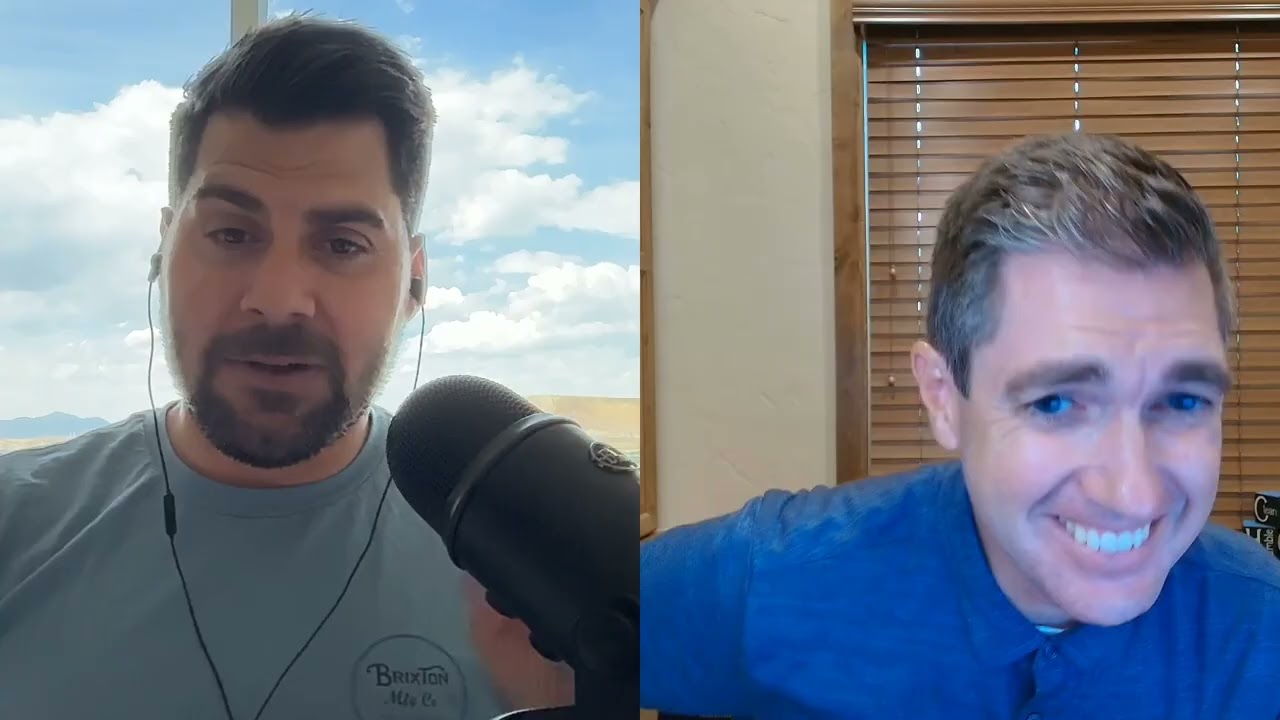
Dentistry is facing one of the biggest financial and leadership challenges in decades. As practice expenses continue to outpace revenue, many owners are discovering that simply working harder isn't enough. In this episode of the Navigating Dental Insurance Podcast, Dr. Eric Roman joins Jordon Comstock to break down what's really happening inside today's dental practices and DSOs. Together they explore why associate dentists leave, why clinical leadership matters more than ever, how outdated systems create turnover, and what practice owners can do to build profitable, resilient organizations. You'll also hear why Eric believes the industry's biggest problem isn't people—it's systems—and how practices can improve treatment acceptance, develop stronger clinical leaders, and create long-term growth despite today's economic pressures. In This Episode Why dentistry is experiencing a financial squeeze The hidden cost of associate turnover Why leadership systems outperform incentives How to increase treatment acceptance without pressure Building a culture that attracts and retains great dentists Why the future belongs to practices with better systems, not just better clinicians Learn more about Dr. Eric Roman and Dental Associate Growth: drericjroman.com Or visit: Dental Associate Growth
Show Less
Episode Notes
Learn more about Dr. Eric Roman and Dental Associate Growth:
drericjroman.com
Or visit:
Dental Associate Growth
Learn how Jordon helps practices escape PPOs and become self reliant - Start a patient membership plan with BoomCloud
Full transcript
Complete text of this video
What's up everybody and welcome to another exciting episode of the Navigating Dental Insurance Podcast. I am your host today, Jordan Comtock. Ben is out playing again. I think he's going to Florida and hanging out and being a cool dude. Uh while I'm stuck in Utah, but today I got an awesome friend and guest, uh Dr. Eric Roman. Eric, what is up, dude? How are you doing? >> Yo, Jordan, it's good to be with you, man. And hey, like you can complain, but Utah is a freaking
awesome place to be. >> I know. Utah's pretty incredible. I'm Yeah, >> one brother, one brother to another out here in Utah. I mean, dude, look at your background right now. Anybody that can see the video can see a gorgeous high blue sky and some mountains over there to the to the east of you. You're living, dude. >> Yeah, it's good. And you got your uh Hawaiian shirt on. Uh >> yeah. Yeah, I was living aloha this month for a bit and so I feel like
I've kind of brought it back with me now that I'm back in the groove. So, you know, I my wife is in Kona right now because we we own some real estate over there. >> Ona in >> Kona, Hawaii. Yeah. And um she I'm so jealous. She just texted me this morning a picture of uh the beach that she's on right now. And I'm like, Utah is cool, but there's there's cooler places. >> There is cooler [laughter] places. I will not you will not get an
argument. You will not get an argument. Like today is not going to be the ranking of cool places in summer, but we [laughter] could do that. >> Yeah, we could do that. So, Eric, for people that don't know you, which that's most people know you, tell tell our audience, you you've done a lot in in dentistry and you know dentistry really well. Tell our audience your background uh in in our industry. >> You know what? I've lived many lives, Jordan. Many, many lives. I uh all
of my lives have been as a DSO operator since the moment I emerged fresh into this industry as a dentist. I've uh built and exited two totally different groups. I've spent the past seven years um coaching several billion in dental group revenue in pretty much every facet. Like I go through cycles. I've been a KO for pretty much all of our friends and you know all the amazing companies in this industry really getting to know them. And for the past couple of years I've been focusing
all my energy in something I feel like nobody else is doing. And that is what I consider to be like the associate dentist crisis. And so focusing on developing associates, but maybe even more than that, giving those that have the duty and are growing through associates the ability to take great care of them and have like simple systems that get great results and and give us better results and better turn uh or lower turnover. So that's my life. Dental associate growth. That's name of my company
right now. That's what we do. >> Awesome. That's really cool. >> Yeah. >> Very cool. I know that's a that's a big challenge, too. uh just trying to >> bro like >> trying to work with associates. That's a I've heard lots of different stories. I'm sure we can >> Well, associates are people too. Yeah. Like you know um but it is you know it's interesting more than half of the industry out there if you look out your window right now and you look at the greater
population more than half the dentists in this country are working in an associate position right now. And um and so yeah, it's like quite wild when you think about how in a generation we've pivoted from mostly owners to mostly non-owner employee dentists and um >> and it comes with a lot of unexpected hurdles and so yeah our I actually think our industry as a whole is paying the price for it. Uh, you know, choosing that this is going to be a place where I apply myself.
I feel like it's been my story for 20 years that I just didn't expect. But choosing this also results in a lot of like additional baldness and me hitting my head against the wall every single day. So, [laughter] it is um the struggle is real. Yeah, it's like uh yeah, I I could tell stories and data points all day, but um that's that's another another podcast for another afternoon. >> I'm sure we can get into it, too. Yeah. >> Yeah. I don't want to cry on
this one today. All right, we won't embarrass you. [laughter] Um, >> very good. My, uh, you know, I was reading an article the other day >> because I guess I wake up and I read about >> the dental industry. >> I must be boring >> maybe if you ask my daughter. You're so boring. >> I think it's fun. I nerd with you, dude. >> Yeah. Yeah, we can nerd out together. >> It's better than reading about politics. So, like >> Oh, yeah. That just pisses you
off. That just pisses you off. Uh so I was reading reading a article from the article from the ADA and the it it said basically we're in a financial crunch in the industry um where growth revenue growth over the past five years has been 1.4% uh in the space and expense growth >> uh and cost growth for our dental practice has grown by uh 4.9%. And so three roughly three and a half times >> more than than revenue increasing. That's that's a a big issue in
our industry and it's it's borderline stagflation which is kind of scary. >> Not borderline. >> I mean yeah I'm I'm guessing you talk and I know you operate practices too. So like what what are you seeing out there? I'm just curious on your thoughts on the state of the industry right now. Well, so first I think like that article is saying what I believe most of us are seeing. Now listen, there's some outliers that probably aren't seeing that. >> Absolutely. Yeah. >> But for the vast
majority of us, I see it every day in the groups that I work with. Every day groups groups are dying right now inside of this. They're dying inside of that variable. Uh private practices are dying inside of that variable. >> Yeah. And um and so uh point number one super accurate like I don't think anybody's gonna argue with you now this isn't just but this has been building over time >> like 15 years I was reading a few articles it's saying it's like the 15year like
>> exactly it's a and I and I know why I have theories why I have a lot of reasons why we could talk about that but the second point that I'll make Jordan is that you actually undervalue what's happening when you say okay well One's growing at 1 point something%, the other's at four. >> Yeah. >> What actually matters when we remove that and we go apples to apples. What we're actually pointing out is a is a 4:1 ratio. Like that's the thing. So you think
1% 4% that doesn't really affect me. No bro or my lady. Like this is a 4:1 ratio that your expenses are outpacing your revenue growth. >> And that is extraordinary. That's not like a little thing. 4:1 ratio of expense growth over over revenue growth. You are getting crushed. >> Yeah. >> Crushed. Um I mean I'll tell you right now where I see this like in my business dental associate growth what we are seeing is that I would say a large percentage of practices operated by associates
are not profitable. They're not profitable in an associate model because the expense ratio is high is higher than the revenue than the >> Yeah. Is it so they have two docks so they got two two big um salaries to feed. Is that what you're saying? No, whether it's a salary or whether it's even commission. >> Uh we're not with the expenses going up and we've got a I mean the expenses are going up everywhere from team to services to equipment to everything. So with expenses going
up the revenue is not outpacing it. We didn't have some practices that I work with their margin on associates on good days were 5 to 10%. That meant if an associate produced >> if associate produced a million dollars the practice made 50,000. That's a 5% margin. That's what a lot of us were seeing. So now that 5% is zero. >> It's gobbled up. [laughter] >> It's gobbled up. And so now I mean listen, this is DSOS in crisis. DSOs operate on an associate model generally. And
so this is why DSOs are like having to recapitalize and the recapitalization market. It's like you are not worth what your what your debt is. So it's it's ugly, dude. Carnage. >> Yeah. [laughter] Yeah, it is ugly. Yeah, I think I mean how I interpret it that's that was really good. I really I like your viewpoint on that. You know, I look at um the industry for as long as I have and I I see PO reimbursements not aiding um our fellow friends in dentistry. Yeah.
>> With this, you know, and I think there's too many practices on too many PPOs, especially in Utah. you know, Utah. >> Oh, boy. Do I ever I'm learning it faster than I ever wanted to, man. >> Yeah. So, like what's your viewpoint on that? Like how I guess a better question is okay, we know the data. It's crummy. Uh it's it's a it's an interesting market. It's can be discouraging. Like how do we how do we combat this in in the space? >> Yeah. So,
well, a couple things couple things is like let's talk about why we are where we are. Like you just started it. Number one, you talked about reimbursement. >> Yeah. >> A reimbursement hasn't matched like the inflation. It hasn't matched like any of the other shifts that are happening. So, uh, we're getting paid less to do the same thing that cost us more. So, we have a problem there. And listen, um, you know, one thing that's helpful, I mean, listen, I've been or I've been doing this
20 years now. Yeah. >> And, uh, because of a lot of my relationships, I have a even bigger scope of historical awareness. >> Sure. industry operates in cycles and >> sure >> if you're new to the industry you only have the wisdom and knowledge of your what you've seen >> your experience >> you know one of the things that I love and this is like maybe call me a free market economist >> one of the things I love about the free market economic system is um
constraint and scarcity they in a free market system they promote innovation and change that leads the way to a new like golden era. We get to a golden era and we get fat. We just we like we had a really nice run and we get fat and we forget about what it's like to suffer >> and then the market catches up and then now all of a sudden we're in scarcity again. And that is like the history of America. >> That is great. I love how
you how you simplified that. That's really interesting. >> It's also the history of dentistry. Yeah. And so we are right like this when I came into the industry in 2007 2007 20020 >> I came I came a year after you. >> Look at us kids. When we came into it was hard freaking times. >> It was so hard. Yeah. >> Really hard times. But you know what? Like you've you've heard the like whole thing like hard times make like strong men like you know that. And
that was really the reality of what happened in dentistry. Hard times make strong dentists and strong practices. Strong dentists make easy times and easy times >> and it cycles. Yeah, >> it's just the way that it works. So, so we are where we are. Um, several like several other things. So, reimbursement is number one, right? >> From the last cycle, lot of people got great moves on PPOs. It wasn't as bad as we thought it was. We learned to negotiate. Now we're here and the tide's
turning the other way. Our cost structure has gone through the roof. number one cost that we always have in practices, always the biggest line item on your P&L is your people. >> And our people, not only >> did we lose during the during the, you know, the COVID crisis, all of our highly skilled, highly knowledge, so we lost all of our knowledge people. Uh they said screw this, I don't want to be a part of this right now. And so they all left. So we lost
all of our brains. Then what we still had was a massive increase in compensation in what was already our highest and most expensive line item. But then the third thing is all of our equipment, all of our supplies, those things are increasing and inflating in cost significantly. Those costs get passed on to us. Companies don't care. Like they're going to we don't have a choice. They're going to pass them on to us. Yeah. Yeah. >> Then there's one other thing that in 2007, there was a
lot of equipment that you could practice without. That wasn't a big deal. In fact, I knew practices in the early 2000s that had not 70% overhead, but 70% margins. They were practices that were super lean, no technology, no anything, like dirt cheap, and they had >> doctors pouring the models. And >> dude, like they had 70% profit margins. You will not see any of those anymore. Like a dentist will not work in that environment come hell or high water. So like this is now a world
where we have to have a CT, we have to have this CAD cam, we have to have this thing, we have and we have >> we have 10,000 subscriptions to things that supposedly make our lives easier as well. >> Yeah. >> And so we we actually have a cost burden we didn't have before, not just through inflation, but through additional things. So >> yes, >> those are the massive variables. >> Yeah. Because the technology even like when when I started in the industry I literally the
first thing that I learned how to do was wax a gold crown and then a year later I had to start learning CAD CAM like I was like in the transition era in the high-tech dental industry from the low tech right now nobody in nobody on earth is waxing >> they've got they're 3D printing it or they're just purely they're milling it and designing it and like all that stuff in in in the in the cyerspace. Yeah, exactly. >> And so how quickly, one generation, massive
shifts and the entire time the dentist is getting pinched and pinched and pinched and pinched. Last thing that I will say about this though, uh, do you know what's always made dentistry great? What? Listen, if you want to run a restaurant, like say you want to run a restaurant franchise or whatever else, restaurant franchises are operating >> on sometimes 2% profit margins. >> Yes. >> Like we're talking 2 to 5% profit margin. >> And dude, look outside, bro. How many restaurants are there? And they are
fighting to nail. They've got heavy overhead. They've got all the supply cost. And they got to manage the crap out of it to get their 2 to 5% margin. I had a buddy that ran Sonics, like Sonic Drive-ins, and he was like, >> "If I if my food cost goes up, I have no profit." Like, I I have to change hamburger manufacturers if like they're going to go up because I can't survive because my margins are so thin and yet I've got 17 of these locations
and 141 employees in it. Like, we got to do it. So, dentistry, like you got these big old fat profit margins, man. like relatively in general in general we had fat profit margins way fatter than our brothers and sisters in medicine other verticals way fatter than everybody else and the world recognized it like and so the this is why the DSO space exists DSO like Wall Street said wait why should we start gobbling up all these restaurant franchises at 5% best when we can gobble up
dental practices at 30% or 25% % I'm like what have we been doing the whole time? So when and everybody realizes it and everybody wants a piece of our pie, Jordan. >> And so we also have to take into account like our industry now has a bunch of people in here who have all decided dentists are making a lot of money. We want a cut of that. So >> yeah, sure. >> Problem statement. >> It's a noisy industry. Golly, [laughter] not easy. What are we going
to do? We going to just tap out? No way. That's not what >> go sell Let's go sell real estate, right? [laughter] Like um which a lot of dentists, like a lot of dentists roll the dice on a bunch of other stupid things instead of focusing on dentistry because dentistry is hard. >> Yeah. >> If you're sitting there and you're feeling like gosh, this industry is oppressive and hard. You're right. >> And yet, you know, the um you know, my I've run away, Jordan. I've run
away from the things that are hard about it. I can totally acknowledge that. But I think part of why we're here is we were created for this, you know, and like this is your skill and this is your capability. Might not be easy to solve it, but it's actually not easy to go solve other things either. Like that >> no matter what you do that's worth something, it's hard to it's always a challenge, right? >> Turns out I'm not as good a real estate developer as
I am a dental operator. [laughter] >> Yeah, >> I've tested this theory and it's not what I thought. Yeah, there's there's uh you got if you know like one of my best mentors told me uh probably in my early 20s when I was I was manager of dental lab and it was hard and I was discouraged and I was stressed and my one of my mentors said you know I'm like I just want to leave the industry and do something else right all of us have
had that mindset around it >> most mornings >> and [laughter] and uh um my mentor looked at me and he's like why would you go try you know the dental industry so well >> you know it like the back of your hand you've been in it a long time why would you go and try to learn something new and start the relearning process and I'm like oh that's really good practical advice so I never left and I and that's when I I I created BoomCloud because
of that that kind of constraint that he gave me >> and we have all benefited from your choice [laughter] >> maybe some at all. Um but I think um No, you're absolutely right. This is a a fantastic industry. Um >> it really is, man. And it still is. >> It still is. We still have extraordinary opportunity. You know, >> um what you just said was that >> we all we all like it's the oldest adage. We all think that the grass is greener on the other
side of fence, but it's a different type of grass. >> Yeah. And what's crazy is that despite the fact that it looks greener, right? You get there and you realize I actually really I've spent 20 years taking care of that lawn, I know every blade of grass and I actually really know how to take care of it. I just >> am tired of like fertilizing and doing the work in my own yard. But it's actually the easiest, fastest way to succeed. Just shut up and do
the work in your own yard that you know so well. >> I love it. And that's why I'm back in dentistry. I've taken three exits from the dental industry and like each time I learn some more of those exact lessons. >> Sure. >> And like and I'm just here in joy now and in satisfaction and excitement about what it is. >> And our future is beautiful here in anybody that anybody that's like death nelling and like telling all that stuff like and and this is also
history in all of history at all of these turning points. you really separate between the people that are just like negative Nancy. I'm sorry if your name's Nancy, but like you know like you stereotype um negative Ned and negative Nancy and they're doing their like they always exist and um the future belongs to the people right now that the stress and the strain will create a lot of diamonds for those that decide to like step into it. So >> I agree. >> How we going to
do this? >> I I agree a thousand% with that mindset. Yeah. So, um I I think there's a a lot of ways to do it, but it's it is a I guess it's a a time or a calling of optimizing the industry, like how how can we improve um the current landscape and yes, there's there's always opportunity to do that, you know. Um Okay, so what are Eric Roman's greatest leverage points? >> Let's do it. Yeah. >> Do you want to start pulling levers? >> Let's
do it. Yeah, let's hear your levers. >> Um again, these are my levers. Whatever. So, um, defense isn't going to be the way that I feel like we win this game. I think we win the game through offense. >> Um, in other words, defense by, uh, fighting really hard to trim costs, um, I don't think that that's going to be the best the best strategy to get over the magnitude of the hump that we're facing. It's that 4:1 ratio. >> Yes. >> And so, uh, there
will be good defense. technology will theoretically give us defense. Where we're at right now with AI, uh doesn't look like it's saving anybody any money right now. And that's and that's true, but it's we're at a very early stage. We will see commoditization of a lot of these technologies that will make things easier and that will reduce cost burden for us. Now, that's going to happen slowly but surely, and you need to keep your eye on it. But I don't think that that defense of cost
cutting is going to solve the problem that we have. >> Yeah. >> Our greatest opportunity, our greatest opportunity is the the truth that the majority of the work that is out there. So, again, I love looking out your window because I love a background like this. Look at all the rooftops. Look at all the houses. Look at all the businesses. All people go and buy on I-15 and like the majority of the dental work that's out there is not getting done. 80% of the dental need
in society inside of this country is not of the opportunity isn't getting addressed. We are doing a very small portion of what's out there. A very small portion. The opportunity is huge. >> Yeah. And so our greatest opportunity is to be able to do more of the treatment that is waiting out there in society. Society is by and large in a weird we are as a human race when you look at us over thousands of years. We are healthier and like than we have ever really
been. Now I know you can argue about life expectancy and all that stuff. There's a lot of other variables but in general we're the healthiest we've ever been. there there's more people with more money to do more dental work than there has ever been throughout at any point in society you know and like Jordan Peterson says it all the time the the rising tide is raising all the ships and no matter what your political perspective the doom and gloom when you step back like we are
humanity is at the richest and there is the least poverty there has ever been at any time in humankind that means more people can afford the dentistry they need than they have ever had >> our greatest opportunity is making it simple and easy for more people to do the dentistry that they want to do. That is the upside. And our role in society has shifted and many dentists have not captured this. Dentists used to be perceived as the expert in society on this. What that meant
was they were the first and last word. When the dentist said, "Mrs. Jones, you need this." Mrs. Jones was like, "Well, I don't really want to do it, but the dentist is the expert, so I will say yes and I will do this." That was treatment planning and case acceptance. Dentist said something, patient did something. >> Mhm. Yeah. >> That is not the model anymore. That model is gone, has been long gone because you are no longer the first, second or third uh thing that your
patient has asked. They asked Google, they asked ChatGpt, and they've watched YouTube videos and Tik Tok. And it doesn't matter whether they're accurate or anything like that. Your patients see that as expertise. They're actually coming to you for something different. They're coming to you to see if you can make it easy for them to do the things that they have often already decided they need to do. That's a really big shift and it it means a change in behavior. That is the single greatest lever and
upside that we have. It is increasing case acceptance through behavior and through optimizing our practice experience to address what the social construct of our nation is now asking for. >> Yeah. >> Like dentists used to I mean listen in dental school we were trained shut up and do what I said. I know better than you. I I I'm summarizing dental school. I'm the expert. You're the idiot. You need a crown. Shut up and do the crown that I told you. That is like that is dental
school education in a nutshell. And then now dentists are like, "Well, I did what I was supposed to do. How come they didn't say yes?" Well, >> because they didn't care and like they they weren't looking for that. So, I know this might not be a popular answer. What this means is that it's time for a revolution in how dentists used to think they served patients by doing dental treatment. No, we now serve patients by meeting our patients where they are and giving them what they
need to be able to say yes. It's a very different thing than just saying, "Oh, I did I did 40 crowns. Like, I'm a great like now it's different. Now it's about meeting our patients, understanding what they're asking for, listening and communicating in ways we never have." Um, and and optimizing our practices around the PO conundrum that we're in, man. like this has got this has got boomcloud written all over this like you've recognized this tide for a really long time hence the reason we have
this podcast >> uh we have to be we we if we are slave to the PO >> we we go down with the market you've got to figure out how your product your product inside of your practice has to give patients a reason to pay more than what the PO covers That's like or >> has to give them another option that might be in their best interest that's not to go directly through the PO. That's like this is product innovation 101. >> When the market gets
tough, those that are wise are going to innovate >> and they're going to get the patience. They're going to get I I don't need to say anything else. What do you think, Jordan? What are your thoughts? >> No, I I love this. No, I I completely agree with you on on the levers. You know, I do think um dentists need to make dentistry easier and more convenient because it it that's exactly how patients think, including myself, as right. It's like, okay. Yes. Um so, and I
and I do I'm a I'm a big believer on of course um membership plans as you mentioned, you said, but membership plans in general. Um, like one of our I got a story a practice up in Idaho. Um, Dr. Dan Nelson and Dr. Jared Hill, good dudes. They just they just dropped Delta and they're in this market, right, where it's like low revenue, high cost. And here they have just dropped Delta and they're the happiest dudes, right? They signed up like a little over a thousand
membership patients on their on their program and which generates like 50k a month in recurring revenue. And then they they they control they're not a slave to the PO. So I'm of course I've always been a huge believer of that. Um I mean >> well well also though but but like I want to point out like the only reason that the membership plan is working isn't because of like a sales thing or something like that. It's because patients also recognize that it's in their best interest.
Like that's the key. And so what you're pointing out is that like um the really cool thing is that our patients are also wise to what's going on. See, when you present the values of your membership plan and your patient is looking at their PO stuff, do you know what many of our patients are smart enough to do? They're going to take a photo of your pamphlet that you gave them on the membership plan and a photo of their insurance card and they're going to put
it in chat GPT or claw and say analyze this and here's a photo of my treatment plan which would save me more money and the thing's going to be like oh you're going to be far better and it's going to be far more flexible and there's going to be no denials with the membership plan far easier pathway for you if you like the dentist that you have >> and so it's like well holy crap I'm in you know and like that's the like that's the stage
of society that we're at, you know, it's like by the sword, die by the sword. >> But um I mean that's what I'm doing everywhere that I go right now. I'm not doing math inside my head anymore. I'm like photograph photograph an analysis. Ask me the 10 questions that like you would need to know to help me decide which of these is a better pathway for me and my family. >> Done. >> Yep. And you know, yeah, I would imagine the majority of patients out there
are doing that in in in everything. It just I do. I do. I'm doing that pretty much constantly all day. >> I I I I been self-employed for years. We're on a membership plan. Like I don't I haven't owned a practice at least for the past six years. I am again, but like >> we've been on a membership plan because it's the best thing for our family. >> Yeah. Well, I when I just I did uh I dropped I dropped my uh insurance and did like
a health insurance and did catastrophic plan and then I'm building building an HSA fund >> which makes way more sense. That's what the insurance companies are doing. They're just grabbing our money, putting in the market >> now, >> building wealth from yourself. And I think yeah um anyways I think that's a a better way to do it. But >> you know, uh I I'll offer just like one other like just to your point. Um and and this isn't necessarily a membership plan pivot, but >> yeah,
>> I am a customer in every other sense of my life. So our air conditioning unit blew up the other day. >> Sure. >> And um this is a big ticket item and I'm not just going to do one thing. I called two I called two different fivestar rated groups and they each send their person out. The first one's like, "Hey, we're going to get you the best deal here. Here's what it is. This is going to be the like the the least expensive way that
we can get you in there to get this done and like um here's a cost." And simple. The other one came in and he said, "Hey, listen. Um, we can talk about a number of different things. We could get you in here as inexpensively as possible. We can also talk about all the great premium options that we have, including like we could enhance your air filtration, which you know, our air quality is trash here in Utah. We could put a system on there that's going to
enhance it. You know, your air is dry. We have the best humidification system out there, here's what you're going to notice, and here's what's going to be improved. And I got to be honest with you, with like electricity costs and everything where we are, if we went to this top-of-the-line unit and the way that this motor works, instead of h and having variable speeds all throughout the day, you're going to actually have better, more consistent cooling, and you're going to save significant probably about a third
on the air conditioning bill on this thing. Now, the unit's more expensive. You're going to get better this this, that, and the other. And this is a lot more expensive unit, but we have a payment plan that makes it really easy. And we have like and we have a membership plan that covers like uh all the service and maintenance and like all these other things. And it's like literally one package really simple and like affordable. So like cheapo mixud air conditioning budget air conditioning like which
was I bought I bought something that the sticker price was literally double >> of what of what they were offering me but they had a payment plan that made it stupid simple for me with 0% interest like because that's where their market is and they they and they upsold the crap out of me. >> Yeah. >> Am I a dumb customer for this? Right. You have the exact same thing going on inside of your dental practices right now. If you're operating a dental practice, that patient
can come into your practice and you get to choose whether you're that first option or you're the second option and they can that exact same patient can go into another practice and choose a full health rehab that insurance doesn't cover a dime of. Like you you just have to consider who you're going to be and it all comes down to your behaviors and your skills in communication. Like that's, you know, it's funny. Um, shameless plug for me. >> What do we do to move the needle
most with dental associates? >> Yeah. >> I teach zero clinical skills. I there's been great clinical CE for 200 years. If the problem in associates is clinical skills, it's because they're not dumb enough to look at look online and get the C. [laughter] >> So the problem is not clinical skills. The problem is dentists don't understand the basic behaviors that build trust that get us to case acceptance. They don't have a case acceptance process. >> So the the people skills, the the communication. >> We teach
dentists and teams what great case acceptance looks like, why it matters, and the basic five or six behaviors that make you a category of one and a 90th% performer. The best dentists in the world aren't the best dentist because of their crown margins. They aren't their best dentist because of their implants or any of that crap. They're the best dentists because of their behaviors that drive case acceptance. It's always been >> I agree with that. And and like they could even have the best membership plan
offer in the world, but if they don't know how to talk to the >> they still don't convert, do they? >> Still don't convert. No, I >> you see this every day in your Yeah. So >> So no, that's really interesting. And would you when you guys work with with your your clients is that like where do you start? Do you start with the communication? Because I would imagine it's it's two-sided, right? You got >> it's two-sided communication with Dennis to the associate and Dennis to
the teams, right? and communication with team to patient, dentist to patient, right? Is like is that kind of how you look at it? What >> Here's the truth of what we know. >> Um [laughter] the truth is that um if we just solved for the case acceptance challenge with the associate, all you've done is you've created a higher performing dentist that's probably still going to go and leave elsewhere to go start their own thing or go to another practice. >> Yeah, big problem. you don't solve
for the fact that you have to have good clinical leadership systems and connect with them. In other words, um what happened, we we used to offer years ago, hey, listen, I'll do the quarterly one-on- ones with your doctors. I'll develop them. I'll coach them. I'll do all that stuff. They still left the practices, but they wanted to stay with me. Eric, I just turned in my notice, but can I still work with you because it's been really great, and I feel like I'm really growing. >>
And that wasn't my goal. My goal was better long-term retention because that's what my customers, the the practice owners wanted. >> That's what they want. Yeah. And so what we've discovered, Jordan, is that like if you don't solve for the way that you care for somebody, uh great standards, like uh healthy relationship to numbers, uh having a meeting pulse and actually connecting with them, being able to train and develop them, being able to recruit great new like if you don't do those things and you just
move the numbers, it's not you will have shortterm benefit and not long-term lasting stuff. And so, you know, and like hey, there's a lot of people in the world that would rather chug a Kool-Aid than like drink some water that like and some protein, you know, and so um you know, if you want it's a [laughter] if you want lasting value and lasting growth, you have to do both things at the same time. So, that's what we do. We we've we've built all the systems somebody
needs for to take great care of doctors and to have great clinical leadership. And so, like we don't reinvent the wheel. We just say, "Here's the systems. Let's install them with you." And then at the same time, we train the dentist, the teams, and the managers on case acceptance. And that's great too because like we don't charge per dentist or any of that stuff. Like it's simple because every team member like the first thing if I hire an assistant or a front office or a dentist.
>> The most important thing is case acceptance. And so we will onboard them into our system, our language, our terminology. Like we train it people use us for their new their new hireer onboarding and they're like hey uh we train their their newest front office person and say listen you might not be actually treating patients but everything you do from the moment you answer that phone to the way that you greet is increasing or decreasing case acceptance. Case acceptance is why we exist. Case acceptance is
why patients come in and this is the gift that we get to give our patients. Know these things, honor these behaviors and and and be wise to it. So yeah, two verticals. I wish I've screwed up everything in my life 10 times, you know, like. So, >> welcome to the club. >> We did just the dentist side for a long time. It didn't it didn't have lasting value. We integrated the teams, increased the value, but without the systems didn't get anywhere. So, do it all, you
know. >> Yeah, of course. No, this is really good. So, all right. A dentist is like listening to this and he's like, "Okay, he or she madame, right, is what you said." [laughter] >> Or ladies, whatever. Uh um All right. So, I got know what the correct terms are anymore. >> It's a confusing time. Um um >> the uh practice owners practice owner is listening >> and he or she is like, "Oh man, I um I'm in this market. Uh profitability is struggling or or costs
are high, whatever the they're looking at that's causing them grief. I got an associate. How like how do they work with you? Do they they book a time with you? They go to their website. What do you got for them? >> Yeah. Well, we make it simple. Um, I would say this first though, like how about we not think about me for a moment. My challenge to that doctor is to pause for a moment and get your head right and decide who you're going to be
because you and I think the most important thing that we just said is like the data is not good. Margins are getting pinched. You have two choices. Get your mind set and decide who you're going to be and what your future looks like. If you're going to tap out, like if if you're done and you're just like want to be beat down and like just ride ride this into the sunset, don't like don't spend your money on anything. Just just find a buyer. Get out as
quick as you can. You have to decide who you're going to be and how you're going to approach this. That's what I would say first. That's my most loving >> such good advice. >> Look in the mirror. I'm very serious when I say this. Get a counselor. Get a life coach. Get somebody that can help you sort through. And I will also tell you there's not a right answer. You might be at a stage where that maybe the best thing for you is to tap out.
I don't know. >> Yeah. Sure. >> Like but if so if you look at this though and you say I'm going to overcome this and we're going to be great and we are going to innovate and we're going to be freaking amazing and we're going to give our patients our best. We're going to build healthy team and we're going to crush this. Great. Now the second question that I would answer uh that I would ask you is I would say is do you have a documented
best practice case acceptance process that you are measuring and that you know works all day long every day. Your team is fighting for it. Nobody misses opportunities. Everybody knows their job. And like and if you don't even know what that would look like, you've got a gap and that's why you should call us. like you should reach out to us and we can talk about that about how it works. We find that like we find that most people don't really have something there. They have the
way they've done things, but that doesn't mean it's optimized. And so like if you want to learn more, go to dentalassociategrowth.com. Um we've got a ton of stuff to download. Set up a call and we will just dig through where you are. like our what we do is designed for groups that are growing through associates, but um you know, news flash, in the next couple of months, we are actually going to peel off our case acceptance product has been so revolutionary and is driving so much
success. The only people that talk about case acceptance in our in our system right now are the full arch people. They talk about it and yet they also don't holistically train the way that we do. And so listen, if that's something that's attractive to you, like come check us out. let us talk about how we can love on you and support you and and at the very least like get you in the right space if it's not with us. There are people out there that talk
about these things. I think the I think the thing that I've learned after 20 years in dentistry is that complex dentists crave complexity but need simplicity. And so the simpler [laughter] the solution, the better it'll be. >> Yeah, that's that is very true. I love that. >> Spoken like a true dentist. >> Spoken like a true dentist. Absolutely, Eric. Okay, man. Well, I'm going to I'm going to put the your guys' website in the show notes. So, those of you that are listening, uh, click that.
Go check out what Eric's doing. Great guy. I have known Eric for a long time. I I absolutely love what he's doing in the dental industry. So, go check him out. And, uh, with that said, we hope everyone has a rocking day. >> Yeah. I hope we build some value today. Thanks, guys. Bye-bye.