Videos / Watch
Finding Good Insurance Training Resources with Morgan Millett
August 19, 2026 · BoomCloud™
About this video
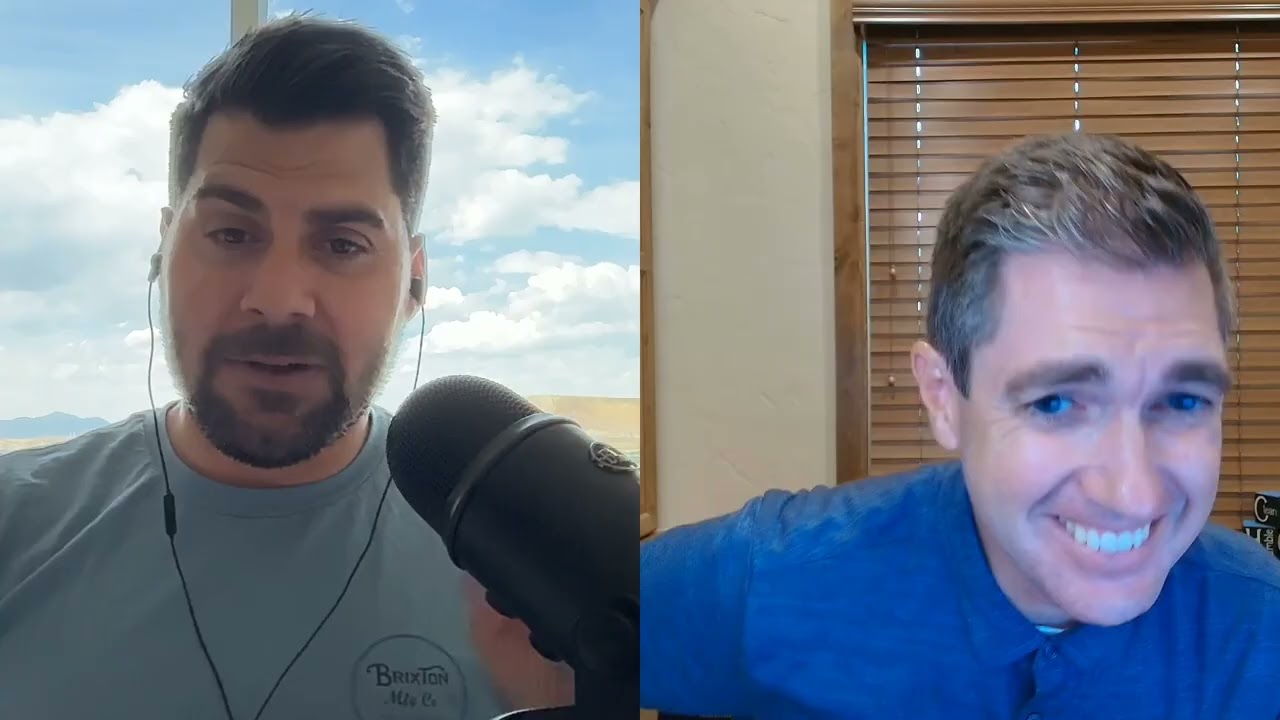
During this episode Morgan shares her experience with the struggles of finding good front office resources. By trial and error, she found and wrote about the best ways to deal with the front office. She's created a book, training manuals, and other resources to help the front office navigate the complexities of insurance and practice administration.
To learn more about what Morgan offers by way of front office training, please visit her website: https://frontofficefriend.com/pages/about-us
Full transcript
Complete text of this video
I'll do a quick intro and then we'll dive right into it. So before we get into the questions, I will just ask about your background. How did you get started in dentistry? >> Uh we'll spend maybe a few minutes on that and then we'll dive straight into the questions. >> Okay. >> Sound good? >> Yep. >> Okay. Here we go. Let me do the intro. >> Okay. [clears throat] >> Welcome everybody to another exciting episode of the Navigating Dental Insurance Podcast. My name is Ben Tuin.
Jordan Comtock is not available to join us today. So, he is uh recovering from the Thanksgiving holiday. I have actually have no idea where he is. He went to the Greater New York meeting and currently his house is sitting empty. Uh there are no tire tracks through the snow in his driveway. So, I know he's out of town probably doing something fun. Who knows? Um but it's me today and I have a great guest with us. actually somebody I've been really looking forward to chatting with,
Morgan Mlette. Did I pronounce that last name right? Mlette. >> Yes. Yep, that's it. >> Well, Morgan, well, thank you for taking time and welcome to our podcast show today. >> Yeah. Thank you so much for having me. >> Yeah. So, you and I were connected by um I know his last name is Red. >> Kimble. Kimble. >> Yes. >> So, Kimell uh approached me through another dental uh referral. Of course, Kimell's not in it's not in dental like you and I are >> but he
approached me to kind of pitch his um HMA program, which is kind of a different version of a health savings account, but he put together a list of dental contacts because he's trying to get into dental now. And you're one of the contacts that he recommended that I get a hold of. So, I spoke to you and I was very impressed about your background and what you did, but what you're currently doing especially. Um, so just for our listeners before we get into some of the
questions that we have for you, >> can you briefly go through your history? How did you started in dentistry? You know, what your experience is, what you're up to to today and all that fun stuff. >> Yeah. So, um, I started in the dental field right after I graduated high school. Um, I met a dentist in our neighborhood and he hired me to come in and be his receptionist. And so he started to train me just from the ground up and um I worked for him
for a couple months and then I moved um back here to Utah. I was out of state and um I've just been working for different dental offices for the past uh 10 years. Um I have assisting experience and front office experience. Um, back in 2020, I started my own company um, for dental billing and I've been doing that for the past couple years and um, about a year ago I started a front office friend and it is my it's kind of my creative outlet. I needed
something to write about and you know the best topic I could write about was dental billing and the tips and tricks when it comes to billing insurance and running a smooth office. And you know, I joined a couple dental Facebook groups and I started noticing that there were a lot of people asking questions when it came to standard operating procedures. And you know, I was reflecting a little bit and I was thinking, you know, there's not a lot of courses or certificates when it comes to
front office education. You know, it's not like dental assisting where you can go to dental assisting school or hygiene school or dental school. there's nothing really for front office and um if we need information we there are just a multitude of websites we have to go to different websites different consultants and you know I realized I could create something that could help other offices where I can you know pull all my experience and my knowledge that I've gained this past 10 years and I can consolidate
it into a book and a website so it is all in one place, one location. And a lot of the stuff that I wrote about in my book, I've been doing this for years. I've been doing, you know, these protocols and policies. And I've had really good success with it. I've had um, you know, 100% collections rate for the past couple years. I've collected, you know, over a million dollars in insurance money just from starting my billing company. So, you know, the stuff that I put
in my book, like it it works for me and I want to share it with everyone I can because I think it's useful. I think this is, you know, all the information I wished I had 10 years ago when I was starting. So, I know I probably could have been little bit more valuable of of an employee had I known this stuff. >> You know, your experience is the typical experience in dental, right? It's like there's it's it's kind of like having a baby. It's like
where's the manual, right? what do I do next? You know, in terms of >> how do I raise this little guy >> or a little gal, >> right? >> Um, and this is probably one of the more important needs in dentistry today, as you know, >> with all the [clears throat] turnover, right? There's >> people just leaving industries. And it's not just dentistry, it's every industry. >> But in dentistry in particular, >> the pool of qualified candidates is so small >> that a lot of doctors
have no choice but to hire people that don't have experience. >> And so when they hire these people, they're learning on the job, right? Just kind of like what you did. Sometimes learning on the job is very costly to the business owner where >> you have to tolerate all the mistakes you know in terms of getting that person trained >> and unfortunately you have to let those mis you have to tolerate those mistakes that's just life in general right we learn through our mistakes >> or
you can get a certificate you get trained on things and invest time and money and resources into getting trained. So that kind of leads that leads me to the first question. So you wrote this book about uh front office insurance administration. Um what motivated you at least you know your time here is probably very perfect for what dentistry needs. What motivated you to write the book in 2000? You wrote in 2020. >> Um so I actually wrote my book over the summer this year and I
>> this year. >> Yes. So, I started my billing company back in 2020 >> and then um about a year ago >> in December so of yeah 21 I started writing for Front Office Friend. >> Yeah. >> So, >> so what what what uh what inspired you to get started with that project? >> Well, um I was asked to consult at an office and it was a brand new startup. Dennis just graduated from school, you know, within the last couple years. And his wife was doing
the office managing. And she started following my account and just had been reading what I was posting. And she reached out. She said, "Hey, can you come to my office and teach me some of this stuff? I have no idea what to do. I don't know what reports to run and what I need to be looking for." And um I said, "Yeah, give me two weeks. Let me pull all my documents. let me write you a handbook. Um, we can just kind of go step by
step. And so I took the two weeks. I just kind of put one together. It's just off Microsoft Word. And I took it to this office to teach them. And they found it, at least they told me they found it really helpful to list the checklists. And it should just be, you know, basic stuff as in, you know, locking the door, turning off the lights, logging out of the computers. But I've worked at offices where they don't do that. they just, you know, up and leave
at 5:00 PM. >> And um I kept answering a whole bunch of comments on Facebook groups of people asking questions like this and said, you know what, I it was kind of a personal challenge for myself. Can I create something that I can apply to 99% of dental offices that can be helpful and resourceful um just so we can, you know, navigate this whole insurance game and get our dentists paid for the work that they're doing. And I I think dentists, they've worked so hard and
going to school and their residency and then either buying a practice, starting a practice >> that they they deserve to be paid for the work that they're doing. And I want to help them. I want to help their staff so we can we can get them paid and be organized and consistent, efficient, >> all of that. >> Yeah. you know, in a in a way what you know and what you've written about and your expertise is sort of an essential part of dentistry, right? >> Where
in the VA vast majority of dental practices, 80 to 90% of their accounts receivables are tied to a patient that has an insurance plan, right? >> Yes. And when you have hundreds and hundreds of different types of plans, different types of policies and coverage, you know, at some point somebody at the front office is going to need to have the skill set and understanding on how to deal with the receivables or even just >> the administration in general to make sure that the the business stays
afloat. Right. >> Right. And you know, and so as far as it pertains to issues as when we're talking about front office administration, what do you think are some of the biggest challenges that dentists face in the front office today? >> Um well, I mean insurance is getting harder and harder to get payment from. It's so that is a thing. um not knowing just the lack of education especially because you know dentists when they go to school it's all about the clinical side. They might have
a class or two about the business side and um just not knowing, you know, what daily, weekly, monthly reports that we need to run and how to read these reports and how to make goals off of these numbers and how to calculate our percentages and just I think just the lack of education >> for them and then as for their staff as well. Even if the dentist knows the dentist is dentisting, he's back with patients. he can't train um the staff at the same time. >>
Totally. I think one of the challenges that I see in in dentistry today as it pertains to the front office is there are some dentists that do everything. They do the clinical, they do their own trophies, and then they do their own posting, you know, they do their own pre-offs, they do everything from start to finish. And almost always, and correct me if I'm wrong, if you're a listener that has a different opinion on this, but from my observation, what I see most of the time
is that those are not very successful practices. They maybe collect three 400,000 a year with a 40% overhead. That's great income for a single doctor. >> Um, but in terms of the stress level of those doctors and from what I see in terms of quality quality of life, it's not there. It's mainly because you're spread too thin. Um, you know, there's a a book out there, gosh, I can't remember the name of it, >> but the author says that true professionals become good at 10 things.
And they do those 10 things 10,000 times and 10,000 times over. And what they find when they do those 10 things is that their lives and their careers are so much less stressful and they're so much more successful because when any whenever anybody needs those 10 things done, I'm the guy or I'm the gal for that and I can do that for you and I'll do it fast and efficient, right? And you just duplicate that >> and I kind of feel like that's my day, right?
I just do 10 things >> and I I do them I perfect them and do them 10,000 times and 10,000 times over and over again to where if somebody asks me to do um something outside of that realm of expertise, it's a disservice to that that person asking me to do that because I'm not I'm not as good as that as others. So delegation is a key is is the key, right? And part of what you've written is a book that they can buy >> to
sort of >> delegate that training out to a professional to help >> those doctors train their team members, especially in this day and age where the pool of candidates is so thin >> of qualified people that know front office administration. It's kind of like where I'm from. I'm from So you see the background of my my video there. That's >> where my mom's from in Hawaii, but I was born and raised in Samoa. >> And my my family, we built a cultural center there, sort of
a living museum where >> you can come and enjoy real suan culture, the weaving of the baskets, the carving of, >> you know, the different tikis that you see when you go to Hawaii and you all the different, >> you know, the um the rocks that they or the bones that they carve into different things. It it was interesting to me that the people that teach you how to carve or how to weave fine mats um they are actually a dying breed. There's there's nobody on
our island that knows how to do certain of those skills, right? >> It's like that that that information is not being passed on from generation to generation. So what you know Morgan, it's like so many people have left dentistry that no front office and they're doing different things now, right? They've >> decided to quit dentistry. They didn't like it anymore for whatever reason, >> right? >> But the knowledge hasn't been passed on, right? >> Except with you. Now you have a book. Let's talk about it.
[laughter] >> Yeah, I know. >> So let's talk about this book here that you have. So So walk me through what you what is your book? What is it called? and what what's included in this book. >> Okay, so um it is called the front office friend front office handbook and um in the book I have a section where you can put or um offices can put their office information and as far as doctor's tax ID, NPI, the address, the hours, um specialists that they refer
to, labs that you use just to compile all the information. It's in one spot. It's organized. Um, it's just easy and accessible. And then, so I have the insurance information and or the not the insurance information, the office information. That's the first section. The second section is the checklist. So I have daily, weekly, and monthly tasks and then checklists for each task. And I list out the reports that need to be run on a daily, weekly, monthly basis. And um I have a place for the
office to put their scheduling guidelines. So just when it comes to front office, you have all the information right here in a book. Um it's just accessible and easy. The third section I have is my insurance index. And that's where I list um step-by-step instructions on how to send claims and what attachments and documentation you need for certain claims, how to resend additional information, how to write appeals, and what kind of research you need to do, what kind of lingo you need to use when you're
writing an effective appeal letter. And then I have important insurance terms to know and how to calculate patient portions if your computer software isn't set up because there is a wrong way to calculate the deductible. And I was doing it wrong for seven years until I finally figured it out because I was taught wrong and the person before. So, um, you know, navigating dual insuranceances. I have a form in there how when to do adjustments and who's primary, who's secondary, and then what to do when
insurance comes after you and they want a refund for services you did two years ago. How to navigate that. >> That's a big one right now. >> Oh, yeah. [laughter] >> No, that's Go ahead. Continue. >> Oh, that was it. And then um probably my most favorite thing that I have in my book I it's called the visit form system and it's commonly known as route slips or routers. I've seen this system in all types of healthcare offices, but it's a system that you can implement
in any office, any type of office, and it just streamlines the check-in and checkout process when you're checking in, checking out patients, just to ensure you're getting all the information. You're collecting the co-pays and co- insuranceances at the time of service. Next visits are scheduled. Back office can communicate on this form. Hey, I need you to schedule. Let's do number 13 crown. Next visit, we're going to need 90 minutes. Just an inter office communication system. It's a tangible checklist that we're together as a team, front
office and back office, we're getting all the information. We're collecting all the money. We're scheduling the appointments. And when it comes time, if you need to make a treatment plan, let's set this in the treatment plan pile. We'll make a treatment plan that looks really nice. We'll call the patient and explain it to them over the phone or send it to them in the mail. But that way things aren't falling through the cracks. We're not dismissing patients without having them pay or getting new insurance information
because that's um I think that's a big issue that happens in a lot of offices is not getting the correct information before patient is being seen. >> Yeah, we see that quite a bit. There are [clears throat] practices that >> like the Etna Costco plans as an example, you have a lot of practices that are out of network with Etna and when they get a Costco patient calling them saying, "Hey, I'm Etna. I have Costco whatever." And and these these practices make the assumption, oh, we
we see a lot of Costco patients. Let's go. You know, they get this person's schedule. They don't get all the the right level of detail. patient comes in, >> gets treated, then you submit the claim to their insurance, and you gave the patient the expectation, oh, we did a new patient exam, a pano, and a pro fe >> that's normally covered at 100%. So, there's nothing, you know, that you owe today. you get the EOB back and it's fully denied and it says, you know, your
this practice is out of network and your plan is an EPO, an exclusive provider organization where you can only go to an in network provider to use your benefits. >> Oh man. >> So now the the the practice is sort of in a bind, right? It's like if you try to collect from the patient, the patient's going to say, I was not informed that you were out of network and I couldn't get any of my benefits. So naturally you know if you if you pursued collections
with that patient which many offices try to do that >> but the patient can counter and say well I wasn't informed part of informed consent is knowing the financial obligations you know having that clearly outlined and I I wasn't informed of any of that you should be eating the cost so natur and then these businesses you know these practices end up eating the cost of that treatment >> because the patient does have a legitimate argument right that they can throw back to the practice. So this
this visit form system I kind of I really like that to where it's sort of >> a protocol to safeguard the practice >> sounds like to me in two areas. Number one, financially, right? Making sure that you have systems in place to protect the practice financially. >> But number two, to make sure that the patient doesn't have a crap experience, right? >> Right. Right. >> Yeah, that I like that. I think everybody should get that for that reason. So, you know, what are some things that
when you when you talk about you reach 100% collections? I remember when when I started in dentistry, I started I was hired specifically to negotiate fees. I wasn't hired for anything else. But being in that role and working really fast and getting the fees negotiated and having no prior experience in that, you know, I impressed some people and they said, "Well, >> if you were that good at that, let's have you run the entire $50 million accounts receivable department." >> Oh my goodness. >> And most
of it was insurance. And I was like, I have no idea what to do here, you know? And but we didn't collect 100%. We were I think we were hovering at 63%. Um but I went in and like you know kind of like what you did I I trial and error. I observed and I looked at systems and processes. I'm like why aren't we collecting co-ayments at the time of treatment? That's number one, >> right? >> You know where patients are walking out and we're not
collecting anything. That's to me I was like that's a big no no. I wouldn't appreciate, >> you know, at least let me pay something now. Mainly because statements, what we found, at least what I observed is that sending out statements to patients, a lot of these patients resisted, right? Or they just didn't pay. >> Yeah. >> They had to send them into collections. >> But when we reverse that policy and started collecting up front and then the next layer that I saw was we're getting these
downgrades and now we're having to still send statements out, which our goal was to eliminate statements. we're not going to send statements anymore. >> So we we we addressed the downgrades by factoring that into the coins, right? Everybody was charged an additional amount. >> Now we were sending refunds instead of statements. >> We bumped the collect just within I think four or five months we bumped it up from 63 to 98% and then eventually we got up to the 100. Well, because we were paying clay
catchup, we actually got to 112%. >> Oh, [laughter] that's awesome. That's amazing. That's because the numbers are measured against what you build out this month. We collected 113 11% more because we're catching up for previous months. >> So on this issue, you know, in terms of in in terms of >> the 100% collection, what do you see that prohibits or at least is a challenge for doctors in in maintaining that 100% collection rate? Um the challenges um not making sure you're hiring people who know their
duties. They have you know they the delegation of duties has to be I think a priority. So that all of your staff, they know this is my job and then they can kind of focus on their, you know, on their duties and learn and get better and grow. The insurance game, it's constantly changing and there's so much education and so much to learn how to navigate these plans and, you know, you can get certain limitations waved. You can there's a missing tooth clause loophole that insurance
says, well, they have, they just don't tell you about. um you know so yeah making sure um yeah so the duties and then making sure we're running reports and calculating the collections percentage every month and figuring out the average and I use that to base all of my goals. So, if I'm I was at 96% one month and I'm thinking, "Oh my gosh, I'm normally I'm, you know, 98 99 100 and I was like, you know what, I had to send out more statements this month.
Let me revisit my treatment planning process and let me start to account for downgrades. I'm seeing, you know, insurance has changed the codes, the downgrade codes for crowns. let me start figuring out more accurate treat um treatment plans and then um kind of preparing patients to expect a statement and kind of be okay with it like hey I'm going to collect this now if there's anything left owing I'll send you a statement and telling patients that ahead of time it's like oh okay if I get
a statement I was expecting that >> right >> in a way and you have to train your patients to be good patients you Yeah. Yeah. It's building the right expectations and, you know, sort of setting the patient up for, well, at least the practice up for optimum success. There's one office manager that she had such a hard time figuring out when things are going to be downgraded and factoring that into what she was collecting from patients. And she decided to throw out every fee schedule. She
deleted every PO fee schedule from her practice management system. And her policy was, I'm just going to collect based upon the office fees because I would rather deal with a patient that's getting a refund because they're not going to yell at me versus a patient that's going to get a collection statement. And even even if it's $5, they turn in from being a good patient into a terrible patient. >> Yeah. >> You know, and she did that and I was blown away at her experience. She
came back and reported back. Actually, you have to It's a little bit more work to print checks and send them out, >> but I would be happy to lick envelopes at the end of the day. >> Exactly. >> Build a bunch of angry phone calls that I can't get to right now and not sleep at night just dreading coming back into the office the next day because you got to get back to these people, right? >> Um, so I think I think your tips are really
really awesome. you know, just making sure that what you're collecting is accurate and perhaps even overestimating and then, you know, correcting it when the EOB comes in and, you know, try your best to to uh eliminate sending is sending statements out if you can. >> So, I think, you know, as it pertains to So, I'm assuming a lot of these things are in your book, right? >> Yes. Y >> Okay. So in terms of just the basic level of training which I think is very valuable
for front office team members or anybody even doctors that do a lot of front office management themselves. What other things can doctors and team members gain by purchasing your book? um you know they can gain just the foundation and of running a front office and you know we go through all the tasks all the checklists and everything and then it puts everybody in the office on the same page. So we're all doing we're telling patients the same things. We're doing the same um protocols and we're
sticking by what's written out in the book. And my book comes in a Microsoft Word document. So each office can edit it and tweak it to fit the needs of their practice. Oh, you know, we have back office, they do this one thing, but front office we're going to do this and they can tweak it and edit it so it's um customizable to their practice. And um anybody whether it's an assistant or a hygienist can help fill in for the front office because they have all
the information in the book. A hygienist can take a payment and maybe enter it in the software because we have I have checklists for that. And if we're hiring new staff, um all the office policies are written in the book. There's a it's just a resource to have for everyone in the office just to make sure the front office is running smooth. We're collecting co-pays. We're getting the correct information so we can have a 100% collections >> percentage. >> I like that. I think that's awesome.
You know, with all the training going virtual and in writing these days, which is what Fortune 500 companies do, when they hire people, they put you to through a two to three or even sometimes a four-week training protocol where all you're doing are watching videos, taking tests, >> and just really learning the processes, right? And we do the same thing in our business. Every time we hire, we have videos, we have written job descriptions that explain exactly what you need to do. Um, when we hire,
you might laugh at this, or people might even email me saying, "That's such a stupid thing to do, but when I hire, I always ask people, do you shop at IKEA or do you buy Legos? And if you don't, do you do you or if you do or you don't, [clears throat] do you enjoy building things that have like instructions?" Right? And what I find when people say, "Yeah, I love buying buying kits." Right? and putting them together at home. >> I love buying Legos. >>
Um, my kids love them and I love getting together with them and helping them or I love puzzles. >> And that's an important question to me as it pertains to training. If they come to me and they say, "I hate Legos. I hate following those instructions. I just can never figure it out." That immediately tells me that our training is not going to resonate with them because they're going to have to do a lot of reading, right? they're going to have to do a lot of
piecing together of puzzles um connecting the dots on the training in in an effort for them to kind of see the whole vision of things right and I think that's the front office for you >> it is a complex Lego set [laughter] >> that you need formal instructional training to get it to get it right that is you can learn spend years learning like what you mentioned >> you know seven years of not figuring out the deductibles >> oh my god [laughter] Yeah. Right. >> So,
no, that's pretty that's that's quite amazing. So, we've been talking about your book. Let's let's end on this. How can listeners who might be interested in this find your book? >> Um, so I have a website. It is www.frontofffriend.com frontofficfriend.com and on my website you are welcome to purchase the entire book or if you just want the checklist I have that as an option as well as the insurance index. Um so I have the table of contents listed on the website. I also have a blog
where I write tips and tricks. Um some stuff is included in the book and some stuff is not but it's all searchable on my blog. I also have free resources. I have an insurance breakdown form, an appeal letter template, um how to appeal, insurance refund requests and what letter to use with that. So I have so my books that um are available for purchase and I also have my free resources on there as well. Um you can find me on Facebook and Instagram as front office
friend and yeah. >> Very good. Awesome. So, we'll post this in the show notes for so for many of you that are usually driving when you're listening to podcasts. Um, so just click the drop menu on the show notes there and you can see the um the frontofffriends.com website there where you can get a hold of Morgan's resources. Morgan, any final thoughts or anything interesting that you want to share that you feel like the dental industry needs to know as it pertains to what you what
you see in the dental industry with regards to front office and insurance administration in general. >> Right. What I see is that in you know the insurance is an everchanging game and I'm trying my hardest to stay on top of it to stay in the know so I can provide helpful resources whether they're free or you purchase but so you can have all the resources that you need to run an efficient proficient dental office. >> So yeah that's awesome and I agree. Well, folks, uh, Mor
and Morgan, thank you so much for your time and sharing these valuable resources with our listeners. Again, we're going to post all of these in the show notes. And then if anybody has questions for Morgan, um, her website has all her contact information in there. >> Uh, and then, of course, you know, we we are 100% accepting guests on the podcast. We're going to be doing a series on insurance administration in general and inviting front off well office managers and front office team members throughout the
country to sort of share their experiences. And if you want to nominate somebody to be on the podcast, um just send us an email and our email address is in any of the show notes for our any of the podcasts that you're listening to today. But folks, thank you so much for your time. Morgan, thank you so much for being here today. Really appreciate you. >> Of course. Thank you so much for having me. Oh, it's been such a pleasure and we want to wish everybody
a happy holidays here 2022 at the end of the year and a great strong 2023. Take care everybody.