Videos / Watch
Tips on Preventing Slow Cash Flow Seasons
August 19, 2026 · BoomCloud™
About this video
The Million Dollar Membership Plan book - https://boomcloudapps.info/squeeze-page1656208290187?utm_source=Home+Page&utm_medium=Home+Page&utm_campaign=Home+Page&utm_id=Home+Page&utm_term=Home+Page&utm_content=Home+Page
Full transcript
Complete text of this video
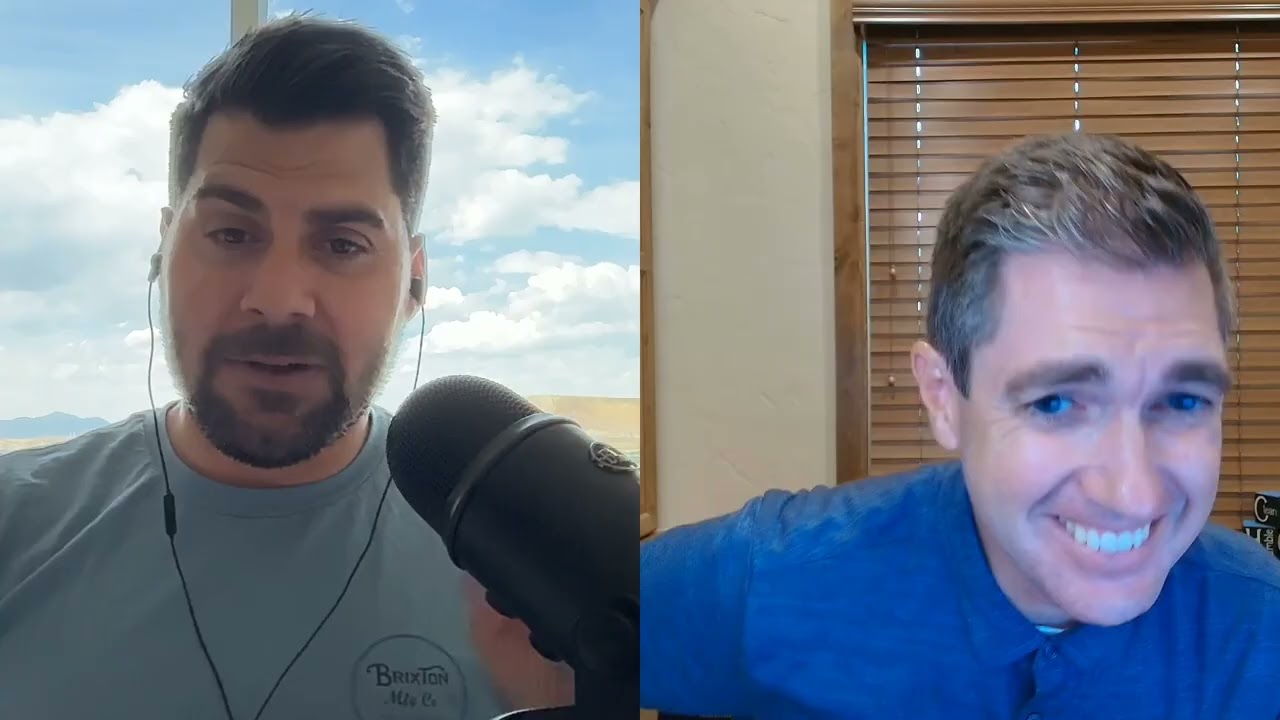
Welcome to the navigating dental insurance podcast where we don't [music] take from insurance companies. Here are your hosts, Mr. Jordan Comstock and Mr. Ben Tuinei. This podcast is sponsored by BoomCloud Dental Membership Software, www.boomcloudapps.com, [music] and Veritas Dental Resources, www.veritasdentalresources.com. [music] Enjoy the show. >> What's up everybody and welcome to another exciting amazing episode of the navigating dental insurance podcast. I am your co-host today, Jordan Comstock. With me, as usual, Mr. Ben Tuinei. What's up, Ben dog? >> What's up, Jordan? >> [laughter] >> Hey, Ben.
>> Welcome back from paradise, dude. >> Yeah, yeah, yeah. Just got back from Hawaii and it was amazing other than I lost my wallet when I was there. Um on the in the third day, I go to pay for parking for one of the beaches and uh go back. I'm like, "Hey, my wallet's not in my pocket. Oh, it's probably in the cup holder or something in the car." Go back and it's nowhere to be found and I'm like, "Where is my wallet?" And I rush
back to the grocery store that I just bought some like drinks and snacks from and nowhere to be found. I'm like, "Oh man." And it was a big deal for me because um every BoomCloud I have BoomCloud cards, right? For my for my entire company. And I'm like, "Oh man, I have to shut everything down." And I was in my my I use a credit union here in Utah and I call them. I'm like, I'm like, "What do I do? Like, I need to get these
cards active cuz my company's using them." And they're like, "Mm, we'd have to mail out cards to you." And then you'd have to mail them to your employees. I'm like, "That's not going to work." Luckily though, my wife had um a business card of one of my other companies and I just transferred money to that and I I would call my brother or one of our leaders here and say, "Hey, use this card when you're paying for the for this event here." And I'll transfer money
to it. So, it was a hassle, but uh and a little stressful, but we made it work. So, that was that was how Maui went for me. >> Oh, dude. So, [clears throat] actually this actually is probably ties into what we want to talk about today in terms of the ups and flows of businesses. >> Sure. >> But I I got It's so funny because I was watching this this show about um I can't remember what TV show it was, but it was about how much
money you carry when you travel. >> Mhm. >> And I was actually given this talk from um a friend of mine years and years and years ago because I you know, growing up I always expressed I wanted I want to own my own business. I want to be an entrepreneur. And a friend of mine said, "Well, a key thing when whenever you leave your house, make sure you only take the credit card that you were intending to use and with your license." >> Yeah. That's a
good rule. >> Here's my actual travel wallet right here. >> Oh, yeah, dude. I'm going to do that cuz I travel a lot too for Boom Cloud, right? And we're traveling out to events. What I should do is just um when we're traveling out at at events, not use the main card, use We have fundable cards that I can just allocate a budget on and that number one, I won't overspend when I'm out at events and number two, if he robs me or if I lose
it, they only get uh you know, whatever money I put in there. I mean, I can transfer it out easy, right? >> So, I only take two credit cards, my American Express and my Costco when I'm when I'm here in Utah when I'm out and about. >> Yeah, smart. >> like if I'm going to like Disney World or something, I'll add my debit card, my personal debit card. >> Mhm. >> And I'll leave all my business credit cards at home. Um for that very reason >>
[laughter] >> because >> Has that happened to you before, Ben? >> I've actually lost my wallet and um this advice actually came in handy a number of times with me because I I've been through what you've been through. >> It's so stressful. >> And it's so crazy because I have this small travel wallet. It's just a It's a tight There's no money in it. Um and um I've lost the version of this four times in the last 6 years. >> Really? >> And it's so easy
because I can cancel those credit cards and have them reissue others. >> Mhm. >> But the new the new wallet I get, I just restock it with the other credit cards. I have I have I think seven credit cards. Um and if if I lose two of them, which I usually carry around two, just one as a backup, >> Sure. >> and one debit card, usually my personal debit card so that people can't drain money from our business account. >> Yeah. >> [laughter] >> Smart. >>
And uh and and that strategy is actually come in in real good handy when I whenever I've lost my wallet cuz everybody in their life is going to lose a wallet. Yep. It's just you know, I have a I have a thick wallet that's sitting upstairs and it has [laughter] all my credit cards. And that sucker's huge because I keep about a thousand dollars of cash in it. >> Uh-huh. >> But it never leaves the house. >> Yeah. [laughter] No, it it's smart. I have definitely
learned the hard way this time, but I would out of all the places to lose a wallet, I think Hawaii is the perfect place to lose a wallet. >> Why is that? >> Because then the next day you just go to the beach and forget about it. >> [laughter] >> GOOD ANSWER. >> THAT'S EXACTLY WHAT HAPPENED. >> I don't >> in my mind it's the worst place to lose a wallet. From personal experience, >> Yeah. >> when you go to a lot of the beach like
the local beaches. Like you'll never see this when you go to Maui. >> Uh-huh. >> Um all the beaches in Maui, um you know, they're not heavily policed, but they have security. >> Yeah. Yeah. Totally. The tourist side does, yeah. And Maui does. But then we went to the like the local side beaches, which I actually enjoyed that. Um and yeah, they don't have any of that there. >> Those are the best beaches, but one of the one of the common disclosures that you'll get, like
I we love Ko Olina on the on Oahu. >> Uh-huh. >> Um it's on like it's about a 30-minute drive from the airport. That's where the Disney Vacation Club is, the Vacation Clubs, the Hilton. Um but there's a another beach for locals called Ewa Beach, EWA. >> Uh-huh. >> Um and when you go to that beach, there are big signs that say, "High theft risk." >> Really? >> [laughter] >> Yeah. So, when you read the disclosure, it says, "Make sure you lock your cars. You keep
you don't leave any valuables in your cars and all that." Um because if when you leave, people are going to try to break in. >> Yeah. >> You know, >> Well, and if you're if you're driving I heard by one of the the police officers officers over there, they're like if you're driving like a traditional rental car, like a like a Mustang or like a Jeep Jeep Cherokee Wrangler, you know, you're they're most likely to be broken into cuz the locals don't drive those types of
vehicles. And in fact, at least on Maui, I noticed that every local had a Toyota Tacoma. >> Yep. >> With a surf rack on every on the back of every >> [laughter] >> every truck that I'm like, "That's a local. That's a local." >> Like we >> I get away with it every time I go. We were there last year and uh we had two different uh rental cars when we stayed there >> Mhm. >> um because I we had a Mustang convertible. >> Yeah, I
did [clears throat] that on my trip. >> during the first half of the trip Um but it was um it was a Mustang um the 5 L so it had a very nice engine, right? You could hear it. >> Oh, yeah, yeah. Mhm. >> And it Yeah, it's so funny because everywhere we went all the locals "Hey, brother." You know, they would you know, they'd come to me and say "How much did you pay for your car?" You know, and >> [laughter] >> And they look
at me like I'm a local and then I start speaking they're like "This guy, he's not from here." You know, well, I am, but I sound like I'm you know, from from the mainland. >> Yeah, yeah, totally. >> Because I've been here for a long time. But that is so true. Like the tourists And it And this is any country, right? When you go to the slums of of any country, you're going you are likely going to have your car vandalized. >> [laughter] >> It's a
rental car. >> Yeah. Yeah. >> That's the price of a vacation, you know, but But no, man, so you were able to at least resolve your lost wallet. Did you ever get it back? >> No, I never found it. I I filed the police report and all that fun stuff and they're like "Yeah, if we find it, we'll we'll mail it to you." But I'm like "Yeah, it's gone. It's It's totally gone." >> Dude, the police officers find it, they're going to they're going to keep
whatever cash is in there. >> Luckily, I had >> If you're a police officer, I was just kidding. >> [laughter] >> Luckily, I had no cash. So, I just stopped all the credit credit and debit cards. Um I I did have my ID there, so it was a little tricky getting back home cuz I had no other form of ID. So, they had to go through a long interview process um and I passed. So, back in Utah. >> [laughter] >> Yeah. Wow. >> Yeah, it was
wild. >> Man, that's crazy. >> stress It was stressful cuz it was always in the back of my mind and I'm like every every day I remember talk my talking to my wife I'm like "How did I lose that wallet?" Like [laughter] it was 20 minutes and it's gone. How did I I it, right? I just kept asking myself the entire trip. Like, "How did this happen?" >> Another travel hack is when you when you go if you're in in domestic America, and I still do
this now, but even if I travel for for conferences, I'll always take my passport. >> Yeah. >> And >> I'm I'm doing that now. And lock it in my backpack. >> I'll actually lock it in the hotel locker. >> Oh, smart. >> Because >> Well, if you're like me, then you put it in like the closet of the hotel. I This just happened to me in Nashville. I put a brand new suit that I bought for a conference in Nashville. Remember we spoke in Nashville? >>
Yeah. >> I bought a brand new suit and never wore it. I brought two new suits. And um uh the day we spoke, I'm like, "Okay, I'll wear this one." I left the other one in the uh closet. >> Mhm. >> And then literally the next day we left, and I spaced it. >> You forgot it? >> And I left brand new suit, tags still on it. >> Oh, man. >> In the in the Nashville in this Nashville hotel closet. And I'm like, I call the
hotel. They're like, "Yeah, we found it. Um we'll make sure we get it to you." And I'm like, "Sweet, sweet, sweet." Call them again. They're like, "Yeah, we confirm that we found it. Blah, blah, blah." And I call the third time. They're like, "Oh, no. We never found it." And I'm like, "What?" >> That's usually the case. >> Lost. >> Yeah. Even Yeah. We've lost Shh. >> I'm sure you've lost that, too. I'm sure we can learn a lot from this episode. It's traveling hacks by
Ben and >> [laughter] >> I Yeah, we I've lost so many of these in hotels. And the exact same thing happened. "Oh, we found it." And then all of a sudden it's like, "Actually, we thought we found it, but we didn't." Yeah. It's like, "That was a $300 whatever, you know?" It's like, "Come on, man." And even >> brand new >> even at the most prestigious places. Like, we stayed at the Contemporary Resort in Disney World. And I lost um a $50 charger. It was like
one of those where you can put in your car, you You plug it in the wall. A multi-use charger, right? >> Mhm. >> And or you can carry it around and it's charged. You can just plug your phone straight into it. And and then a couple other things we forgot at that hotel, clothes and all that. Brand new things that we bought from there. And same thing. It's like, "Oh yeah, I think we have it. We I have some notes here that we found some things
in there." And then they call back and said, "Actually, no, that was for another room. We we didn't we didn't find anything there that you left." It's like, "Come on." I know I know how that system works. Even for the best of the best five-star hotels, if you lose something and you leave, don't ever plan on seeing it again. >> [laughter] >> Yeah. Yep. Nope, I learned my lesson there, too. So I'm like, "Holy smokes, I got to be I got to be more with the
the the amount of traveling we both of us do." I'm like, "I got to I got to have a better strategy here cuz I'm just like >> [laughter] >> Well, people might be grossed out with how I travel because like last week when I was in Boston, >> Mhm. >> I flew in and landed Thursday. Kind of like our Nashville trip, but I was there I was there just for 24 hours. So I flew in Thursday, landed Thursday night. Um Friday, had my presentation from 7:00
a.m. Well, excuse me, um from 9:00 a.m. to 11:00 Eastern [clears throat] time. And then I went to the airport, went to the lounge, and I changed it back into the clothes that I wore on the flight yesterday. >> [laughter] >> And I didn't I didn't have any other All I had was the clothes I came in yesterday and my suit and tie. And I changed back into my dirty clothes. >> As long as they were comfy, that's all that matters. >> Well, that's the thing.
You just layer on the deodorant, you know, and >> [laughter] >> and I don't really have >> Well, I travel tips from Ben and Jordan. >> [laughter] >> Yeah. This has been This has been an episode of travel tips from Jordan and [laughter] Ben. >> Well, what we really wanted to talk about today was ups and flows of business, you know? And uh The theme This is Octo- So, we're recording this October 13th, 2022. 22. And whether it's '22 or 2020 or 2018, it's the same
theme every year, right? September September What do they call September? Sucktember. >> Sucktember, yeah. October seems to be one of those months, too. >> Yeah. >> And I see I see data, too, in our in our BoomCloud that um it's it seems like it's a slower month and the where I why I'm saying that is because we just we I gauge it off of membership sign-ups, right? Cuz I see surges. And we we have trends. In fact, um I could see real quick and really easily
just given on the time of the month where we're what? Halfway through a month, roughly? >> Yep. >> that um just by the number of like patient sign-ups, it ebbs and flows, right? Across the across the country, and I can see if it's a Yeah, so it looks like it's a definitely a slower month looking at our our metrics in our platform because of the this the sign-up rate of of membership patients. I'm able to see that um it looks like it's like half of what
it usually is, right? On on a right now. I'll have to go and compare You know what? Let me compare it to another month and maybe I can give a a more clear number here. Let me see if this little tool's working. Um so, well, September was slow, too. I'm going to compare it to August. Is August typically a a busy month? >> August, July. May's a busy month, traditionally. December, January. Yeah. Well, that's the crazy thing is that >> January, I know for membership sign-ups,
January is actually the the best month from which is surprising. So, I can Let's see. I'm going to go back to January and see. I'm just comparing a few months here on cuz that's how I've been able to gauge it, Ben, just looking at it like the um the amount of practices on our platform and then and the the sign-up rate. So, it looks like Um let's see. Maybe February is a wrong date. Um anyways, as we're talking, I'll keep going through this and and looking
at some of the uh previous months' data in regards to membership sign-ups, right? That's how Like I said, that's how I gauge it because that's the that's the the more patients that visit an office, the more likely they're you know, the the the higher chances of membership patients signing up, right? So, and during busy times, we see membership sign-ups drastically increase, right? During like September, it decreases. And sometimes though, I've noticed that some of the slower months um membership prices in not prices, but membership sign-ups
increase. They based off of what I'm looking at right now, right? Like, oh, that's actually surprising. September was actually a really good month for our you know, on our platform. Um so far, our September looks like the the the best month >> Uh-huh. For membership sign-ups. Now, that's for membership [clears throat] sign-ups, right? That's all I'm saying. And a lot of our practices will allow you know, patients to sign up online and it may be a good time since the practice is slow to outreach to
patients. You know, but keep also keep in mind we're always adding new patients throughout this practices throughout this year, so that could that could be kind of getting in the way of of the numbers cuz our the data that I have here is not static. It's always growing because we're always adding more and more practices >> You have a You have You have You have a different clientele. You have a clientele that is one where And this is this is how you really prevent the low
months >> Mhm. >> is that the business is worked on every week at least, you know, you know, 90 hour excuse me, 90 minutes a week is usually the recommended amount of time minimum for doctors to spend on their business in terms of the growth components of the business. When you you do that consistently, our clients that are always busy in September, they're the ones that are doing those membership plan enrollment, right? >> Sure. >> finding ways to to stay busy and keep that patient flow
moving in. >> Yeah. >> But but the the average trend, especially for us, is that a lot of our clients are are less busy. They see a lot less new patients in in September, October. >> For treatment, yeah, absolutely. >> Oh, yeah. >> For treatment, yeah, we we see this all the time. And in fact, um another way that I tell that practices are slow is that our sales lines are actually kicked up, right? And our sales team's actually busier cuz typically when a prac- like
a practice owner is less busy, they have more uh time to do admin work or business work to improve their their practice, right? So like >> Mhm. >> during um well, during the pandemic is a wonderful example of when practices were were slower, they were they started working on more bit the business side of their practice, right? So like looking for new software tools or uh probably looking to negotiate with more insurance companies and things like that, right? So I saw that like our phone our
like inbound phone uh increases when practices are are slower, >> Mhm. >> right? And then when they're busier, our phone lines decrease, right? And it takes a little bit more work from our sales team. So I see that all the time cuz there's there's trends of ebbs and flows in my business just as as much as a dental office, right? >> Yeah. >> Or as your business, too. Um the only difference is that you know, recurring revenue is going to help combat the stress the financial
stress of those times, right? If treatment is low, you know, and production is low, then that's causes a cash flow issue, right? In September or October. I am seeing I looked at some of the the data and it looks like October so far looks like it's around like around 15 to 20% lower than um September, so it's slower um this month. That's that's what I just looked at there. So >> Yeah. >> Um so I'm like, oh, that's actually kind of interesting that um October is
is everyone says September, but October seems like it's a it's a slower month than September. >> Yeah. >> It is. Yeah, traditionally it is. And you know, the crazy thing is is that I've been tracking um at least paying attention to the time of the year that seems most stressful for us. >> Uh-huh. >> You know, we're servicing dental practices. In September, October, we get the most amount of complaints. >> Really? >> And >> They have time to they have time to reach out. >> And
it's funny because when I look at those complaints, it's like you know, I I know you have more time on your hands, but this isn't necessarily something that's an issue, right? >> Yeah. >> So be kind to your vendors. You know, a lot of times we just want to find who's >> We're all partners. >> We're all We're all in it together. >> Yeah, if you think about it. It's an ecosystem, right? Of customers and um clients and vendors and uh all that stuff. We're We're
all an ecosystem. We are all the dental economy, right? Together. >> Exactly. >> Um >> You know, an interesting thing I was thinking about as it pertains to the ups and flows of business, um when I was in college, I read this book called Guns, Germs, and Steel by a professor out of UCLA. Uh what's his name? His last name is Diamond, I think. It was one of my favorite books ever that I read in college. >> Mhm. >> And uh he talked about the farmers
on how Well, when you look at the United States of America, the geography, you know, you have four seasons almost everywhere in the United States of America. Yeah. And when you when you're in other countries like where I grew up, it's summertime all year long. >> Yeah. >> Where you don't have time where what what this this author said is you don't have innovation time. >> Oh, interesting. >> One of the reasons why the farmers in the United States of America were so successful is because
they had one grow season for the most part and they had one harvest season for the year. So, they had to produce a lot. >> Mhm. >> They had to work their tails off during the grow season to grow a lot of crop and be efficient. >> Yeah. >> And then during the winter time, they were forced to shut down. >> A famine, a natural famine by by by nature. >> [laughter] >> So, Diamond calls it a forced innovation period that the farmers in the winter
time were forced to innovate. And then they started creating all kinds of technology that contribute to to almost everything that we do in the world, the machinery that we used >> Mhm. >> initially developed by farmers. >> Really? >> Technology innovation of cars, the evolution of the cars to become more efficient, farmers. >> Yeah. >> You know, water systems, you know, the filtration systems that the military uses, that all started with the farmers. You know, a lot of that initial technology was attributed towards the fact
that these farmers, they worked so hard and in the winter time they were they were constantly thinking about how do we make the next grow season better than before? >> Yeah, that's cool. >> And they started to invent these contraptions called the tractor and all that other stuff. >> The tiller, you know, and using >> How can we use >> combustible machines to >> How can we use these tools to produce more so when we are in the in the famine months that we we um
we've produced enough to get through it. >> Yes. >> You know. No, that's really interesting. >> you know, to me that and and and it's it's kind of crazy because a lot of farmers ended up ended up becoming manufacturers. I mean, during the off-season they sold products. They sold their [clears throat] innovations and they were able to sustain their businesses revenue-wise throughout the entire year. And I and I took that concept even for my business when when we have lows and you know, if I if
I only have 3 hours worth of work in the day, >> Mhm. >> the remaining 5 hours to me is forced innovation time. That's my winter months. Yeah, during during that day, you know, where you look at >> Yeah, that's interesting. >> Yeah, and I know doctors do this where you get CE and you get all this other stuff. >> Yeah, totally. >> your time wisely. But but [clears throat] but I for me at least in my business is I figured out ways to prevent the
abs and flows. When we see abs and flows like you you know, in the beginning starting career, it it's high really high peaks. >> Yeah, sure. >> And then boom. >> Yeah. >> Completely large declines. And then it's up and down, up and down like big peaks >> and valleys. >> big valleys, right? But right now it's it's you know, it's like a it's just waves, right? The abs and flows. So, how do you get there? The question is is how do you avoid the high
peaks and low valleys? And how do you get to the waves, the gentle waves in business in terms of the abs and flows? But what are some of your thoughts? >> Well, as real quick, as you were before I answer that, before you were thinking I'm like, man, the winter months that that makes sense or the slower months at least when when I was at the dental lab, that's that's I was thinking back of at least my history and and when I started BoomCloud, the idea
for BoomCloud came in the wintertime when we were slower. >> [laughter] >> Isn't that amazing? Yeah, I never even thought about that until you started telling your story. So, I just thought I'd add that. I'm like, oh yeah, that innovation, you know, it came like the idea was you know, sprouted in the wintertime. >> [laughter] >> So, no, I I I really That was a cool story. Um So, how What are ways we can do to like minimize the the drastic feast and famine type um
months in in the industries? That what the question was? >> Yes. >> Yeah, so I always say uh like marketing is king. Um a good example of this the the practices that excelled really well during the pandemic pressed the gas on um marketing. >> Mhm. >> A lot of them A lot of practices cut cut cut cut the the marketing and just stopped doing it cuz they're like, "Oh, we can't we can't afford it." But the the the others said, "Wow." There And I I did
this, too. I remember some of the the ways we market, you know, in the to dental practices in the industry, they were huge discounts. >> Mhm. >> Right? I don't know if you saw this >> Oh, yeah. >> like the magazine companies and all that. And I'm like, "Mhm, yeah, I'll buy." >> You and I took advantage. >> Yeah. I Oh, yeah, we we did we did a lot of stuff. I did some sponsorships and then they had us write uh joint articles together Not joint
articles, but um we were we had articles in the same uh the same magazine together, you and I. And um and then I sponsored the magazine as well to help, you know, help push it out in uh to practices. But it was really interesting cuz, you know, the companies gave discounts to to advertise. And I'm like, >> discounts. >> "I'll put money in that, you know." So, yeah, I think marketing is a huge thing. Um marketing I look at it, you can call it pipeline building,
right? There's two There's it's it's part of building a a pipeline, a machine that continues to feed your your practice, right? And it all starts with marketing. Uh in fact, I have a whole um diagram that I've sketched out on my whiteboard out here, and I've I'm now starting to share it in slides about how I look about building the the revenue pipeline, right? It is so critical. I In in past episodes, I've told the story about the parable of the pipeline. Ben, you're you're aware
of this, where two um two dudes >> [laughter] >> two dudes in ancient times You like that? The two two two dudes in ancient times were tasked to or hired to build uh to carry water from like the the the lake to the village well, right? Cuz that's that's how tech That's how they did it back then, right? So, the the society back then is like, "Yeah, we'll hire people. They'll carry water, and we'll pay them We'll pay them per uh bucket load." Let's call it,
right? Um you know, and they spent all day every day, you know, they had the the the stick on their back with the two buckets carrying it back and forth from the well, right? Um which is great and and produces a a form of of revenue every time you you deliver. I call it transactional revenue. Um you know, a lot of practices are doing that day in and day out, right? They're you know, cutting crowns and and and doing that uh day in and day out,
right? Carrying buckets, right? And the same thing we can think about that with the with marketing. Like, are you are you only carrying buckets in terms of like marketing tasks when you need it? Or can you can you build a pipeline? And um in this story, there's actually a book. It's It's called the parable of the pipeline. In this story, one of the dudes [clears throat] >> [laughter] >> one of the dudes got sick and tired of of of being so like being the guy that's
carrying the buckets back and forth every day to get his his money to support his family, right? And if he stopped, it created a famine month. If he did extra, he was worn out, but he had a a a feast month, right? And it just was like he couldn't never find the happy medium. And he was so sick of it. He's like, I got to figure out some type of system to or process to deliver the water whether I'm there or not, right? Whether it's a
a a a famine or or a feast, right? I I just need that the water to be delivered and that's how I get paid, right? And so this guy in the story um decided to um stop carrying buckets of water every day and started building a pipeline. And the the his buddy, the other dude, um >> [clears throat] >> he's like he's like, I'm not stopping. I'm going to continue um carrying water cuz if I stop, I I'm not going to make any money to support
my family. And the guy's like, hey, this is just a risk I'm willing to take to deliver consistent, you know, um revenue to me and my family and deliver a service, water delivery, to the village, right? So eventually it took him months, but he was able to build a uh efficient pipeline that pumped water from the lake all the way to the village well and he got paid every day, every second that water was being delivered. And um and whether he whether he was there overseeing
his pipeline or whether he was in Hawaii hoping he would never lose a wallet, right? >> [laughter] >> So So the the this the the the moral of the story is is build pipelines in your in your practice, right? And everything starts with marketing because lead gen and all that stuff brings in new business and new opportunities, new revenue opportunities, right? New treatment opportunities. Right? So if you think about it, marketing it's all starts with marketing. And then from from um my opinion, you want to
have and from what I see in the industry, you you want to have a good lead gen marketing engine um in good times and bad. In fact, in in bad times or slower times, you want to ramp that up a little bit more. And And I've seen that it has always worked for me. Um you want to ramp that up more in the the slower times because that's going to generate more opportunities down the pipeline, right? Um so cuz it So that's the beginning. Think of
like marketing as the the lake, right? That's where you're going to draw the water from down the pipeline and then to the end where you you get more treatment, which is the the water delivering to the well is is the treatment, right? So um and the consistency of that is is subscription or membership plans, right? Um where you can get these patients on a membership plan and it generates predictable recurring revenue every month whether you do dentistry or not, right? Another way to do that is
to is to optimize your revenues through uh decreasing PPO uh participation or even renegotiating um your your fees and optimizing your revenue. So when you do, you know, uh deliver uh water to the village well, uh the revenue you get for for that delivery is actually increased or optimized. So you have more uh revenue to work with, right? So that's kind of how I look at it, Ben, is during the the the famine times of dentistry, turn on that marketing faucet and make sure that's delivering
leads that will eventually um go through the pipeline and and turn into subscription revenue and turn into optimized revenue through uh you know, negotiating your PPOs or cutting them out and putting people on membership plans. So that's kind of how I look at it from a perspective. And I have a whole I have a whole I have a whole uh I call it the revenue engine of a practice. I have a whole Maybe I can leave it in the show notes. Um, I have a whole
uh way of thinking on on how to constantly expand revenue from from from custom customers or patients, right? Cuz um the best companies, in my opinion, are always are upselling their existing customers all the time. And in dentistry, that's natural, right? Mhm. Yep. One patient throughout their life is probably going to need multiple types of treatments. They're not just going to be like, "I'm going to get a crown. I'm done for the rest of my life." right? That would be great. But there's constant maintenance and
constant problems, right? Which is good and bad, right? Cuz as a as a dentist, you're trying to prevent all that, but it happens. Right? It's it's uh um I luckily haven't had needed a crown yet. >> [laughter] >> Knock on wood, dude. >> But I am expecting my I to have some type of problem one day, right? Where I'm going to have to spend money on on >> Your teeth might fall out all at once and then you need some dentures. >> Is that what you're
waiting >> probably waiting for that right now. >> I'll get >> [laughter] >> I'll get I'll get the like implants. >> There you go. >> The tooth implants. And I'll go design them myself. I think I I think I can still do that. I I have >> [laughter] >> dental lab technician skills. But that's how I that's how Ben that's how I think I don't know how you think about like combating the feast and famine months, but that's kind of how I think about it. And
I I'm I think about it more to from a revenue um generation perspective you want revenue is king in any business. Or let me let me let me re say that. Cash flow is king. Um, revenue I mean, I when I say revenue, I'm talking about cash flow. On ongoing revenue that's coming in month over month, right? So cash flow is king in in dentistry. And you know, on top of it during these famine months, you got these insurance companies that are delaying the claims and
denying it and making and they are hurting your cash flow and it it's actually even more devastating during the famine months because you're now can be strapped for cash, you know, sometimes, right? So, I think um turning on that marketing engine, retaining your patients, and attracting patients through membership plans, and optimizing your your revenue with by negotiating insure with insurance companies and getting rid of uh getting rid of the the the the bad PPOs that are really not doing you any favor in terms of cash
flow. Um that's how you're going to be a more solid in in during any type of feast and famine, but it all starts at the beginning of the pipeline with with lead generation marketing. And And let me let me stand that a little bit. Lead generation marketing is what if I were a practice owner, that's what I'd be focusing on. Any of this fluff marketing like, "Oh, yeah, you had 2,500 people see your ad this month." It's like, "Okay, cool, but how many leads came from
it? How many people uh filled out the form or or whatever, requested appointment?" That's that's lead generation marketing where you get contact information. And one thing that I've noticed that practices do not do and and good businesses do this is they they have a lead generation system where you're you're attracting potential new patients, collecting their contact information, and email emailing them and texting them to to come in, right? Even if if they never come in before. Um most practices are missing this component component, which is
kind of wild to me, Ben. Um it's cuz it's in in regards to the feast and famine uh problems in dentistry, I think it stems from um the lack of marketing systems or lead gen collection systems in a practice, right? So, if you were a good example of that, if you were to go to uh our website boomcloudapps.com, we have a legion system on there that's always capturing new people's information when they come to our website. So, we we have ebooks, free ebooks, and all those
things to educate on on how to grow and scale dental membership plans and how to use our technology to do that. We have all these ebooks that are free that we give away and we capture people's contact information. So, if you're on my website, you and you download one of those, you become my lead, right? But, I also I give you value, right? By giving you a course or or a book, right? It's not just a one-sided thing. It's it's a win-win for both of us,
right? >> Right. >> And then my sales team will call and schedule an appointment, and we we move you we move through the pipeline, right? The same I think the biggest thing in dentistry that's missing is a good lead gen um system that allows practices to collect leads and then talk to those potential potential patients and get them to you know, schedule an appointment to the the practice. So, I would say that's one of the reasons why um we have these famine problems in dentistry is
cuz we don't have a complete pipeline. >> [laughter] >> Yeah. Yeah, that's the inconsistency throughout the year with how you focus on your marketing. I think you hit the nail on the head. And that's the biggest difference with what I see with our clientele is the ones that invest consistently and they stay committed to their marketing campaign. You find what works and you stay committed. You don't pull the marketing dollars back because it's a slow month. Like what you and I did in 2020 when Dental
Economics came out with these deals on advertisements. >> Yeah. >> I remember those months where I I I I half off. I was like, "I'm going to let the business take care of its employees." >> Yeah. >> But, when I saw those marketing opportunities, I jumped on them. >> [laughter] >> Yeah, totally. >> I'm going to use those. This is, you know, the if they're going to reduce it by half in terms of the cost. >> Yeah, that's great. It was a great time to buy.
Yeah. >> Yeah, 2021 was a great year. You know, and and I I think you hit the nail on the head. Having that consistent marketing, creating that pipeline. >> It all starts there at the beginning. >> Yeah, you know, dentistry membership plans is a is a good streamline pipeline. >> Yeah, for revenue and production. >> The other form of >> Oh, sorry. >> Oh, no. [laughter] >> We have a lot to share as you can see. >> we're like so this is a fun topic. Um
>> Yeah. >> The interesting thing is um like membership plans are great and they can do wonderful things to your practice and and so can, you know, dropping PPOs and and and negotiating with insurance are so wonderful for your those those two things are great, but what comes first is proper lead generation so that you can fill those pipelines so that you can sign up more patients or get more patients on a PPO plan and then re- you know, renegotiate so you generate more revenue or
drop it, right? So, no matter what strategy you do like whether it's like my expertise in the dental industry with dental membership plans or or yours, Ben, with negotiating and dropping, the the marketing component is still the like the the engine that drives the growth for both of what you and I do what you and I help with in the industry, right? So, that's that for some odd reason the dental industry still hasn't really like honed in on that critical component of business. Like it's it's
a missing component. So, I I think like I said before, that's why the feast and famine months I think are so drastic in in dentistry um at least for the practices that aren't doing that because they're they're not filling the pipeline. >> I I agree. >> That's right. >> And and >> [clears throat] >> any transaction of revenue that you see excuse me. That it can contribute somewhat towards your pipeline because when you have that consistent marketing and you have a consistent lead flow coming in,
that's your pipeline, right? >> Yep. Yeah. >> And they can be funneled into the second layer of consistent revenue pipeline, which is membership plans. But as long as you have that pipeline coming in, you have a consistent, you know, revenue stream uh even if it's just straight PPO revenue. >> Yeah. >> Uh who are who are who are your picks for marketing? People that dentists can work with if they need help with marketing strategy. >> Like companies in the dental industry? >> Yep. >> Um I
I like Wonderist. They're out in California. Those guys are awesome. I like um TNT Dental has a good um I don't remember where they're out of, but they have a good mindset in regards to practice marketing. Um there's Aqua Marketing. A good buddy uh Naren. >> Naren. >> He he's uh fantastic and very very thorough with um how he helps practices get awareness and leads. Um what I would avoid um if you're working with an agency if you know, somebody that uh or an agency that
talks only about impressions or like eyes, like eyeballs seeing your ads, right? >> Right. >> That's that's cool and all, but lead generation is the key. There's a great There's a book that I would recommend everyone read. It's called The No BS Guide to Guide to Direct Response Marketing. I think direct response marketing is what you as a small business should be looking at doing. Um even even big businesses, large businesses should be doing direct response marketing. A lot of the times they invest into marketing,
and I'm saying that with air quotes, they invest into marketing that is the eyeballs only, the impressions is what they call it. That's marketing speak. Um and they're like, yeah, well, somebody will buy a product. Like Coca-Cola is is a great example of of the worst market. Like it's good marketing, like good content I should say, but it has no direct response. Like I'm not going to they don't they're not going to say buy a Coke now and receive 20% off. I don't know. You know,
they just have like the polar bear commercials and they're they're cute, >> [clears throat] >> funny, or I don't know what the latest Coke commercial is. I swear I don't watch TV much anymore. I'm >> [laughter] >> Um but you know what I'm talking about. They do these big marketing like media campaigns. Uh that's not what you want to do in dentistry. You want to do direct response marketing. So I I really like Dan Kennedy's stuff. Um he which is the author of the No BS
Guide to Direct Response Marketing. And I think he's got one specifically for dental practices on that topic. So I would check that out. He's he's his stuff is really good. And um it it all starts with the proper way to market and and generate new leads to your practice. So new potential patients to your practice. And then on the second side is optimizing your current patients. So turning your uninsured uninsured patients into membership patients. Uh cutting out PPOs and and getting, you know, better out-of-network uh
fees. And um negotiating your your your fees. That's all uh stuff that you should do to optimize and improve your revenue. But the the marketing or lead gen engine will always feed those those those types of revenue for the practice. So >> That's awesome. >> Uh do that. Um you know, I have a book that you can read you you guys can read too listening. It's called the Million Dollar Membership Plan. Uh more and more practices are hitting the million dollar mark in membership plans. It's
something I never thought I would see in in in dentistry. But um it is becoming more frequent frequent where practices are creating a million dollars in predictable recurring revenue every year. Right? That revenue's coming in automatically, which will reduce your feast and famine months, right? So, I have a book on our website boomcloudapps.com. Uh click free books on our website and then it's under that. It's the Million Dollar Membership Plan. That I would recommend you read that. That will help with the feast and famine mindset,
but uh that marketing book by Dan Kennedy that I recommended should be a like a required read for you and your team. So, there you go. >> That was awesome. Yeah. >> [laughter] >> Well, as you can see Jordan >> topic. >> Jordan loves marketing. You know, funny thing I don't talk about it >> not even a marketer, Ben. I just I just love the whole system of building a business. >> and you're running a business and and you're good at marketing. But the funny thing
is is in my history I I don't really promote the fact that I ran the marketing division for DSO. I ran the insurance and marketing. >> That's cool. I didn't I didn't know I knew I knew it was the insurance. I didn't know it was the marketing. So, yeah, you don't. >> If we wanted to compete in that space, which I don't want to. It's like I like my business as it is now. We can be very dangerous. >> I'm sure. >> So, [clears throat] you
know, we're going to close things out today. You know, we appreciate everybody listening in. And for for all the great advice that you shared, Jordan. But if anybody's struggling in this area of marketing, just holler at us. >> Yeah, I'm happy to Yeah, we're I mean, Ben and I are just >> [clears throat] >> fellow business owners that want to help the industry, right? Even outside of dentistry, I'm I'm I'm networking and meeting with other entrepreneurs and and helping them start their businesses. That's one of
my favorite things to do. That's why we do this show. >> Exactly. So, this is it for today, folks. It's you know, the ups and flows. We understand the pain. Be patient. Look at the history of your business to kind of calm your your your nerves and your psych psychology. The bad months, you'll overcome them. >> Yeah, prepare for them. Build that pipeline. >> Yes. Plan for the next, you know, for the future so that you don't have to experience those feast and famine months and
you know the some of the tips that we have to share if you want to talk about them more contact Jordan and I we'd be happy to spend some time with you. But that's it for today folks. We really appreciate you listening in and shout out to my sister's dentist up at Hill Air Force Base. >> Yeah, yeah, he [laughter] listens to the show, right? >> to the podcast. >> Nice. What's up Hill Air Force? What is it? Hill Air Force Base doctor dentist? >> Force
Base, yep. Up there in Layton, Utah. Yeah, shout out to you guys. >> Hey doc, how's it going? Glad you're listening. >> [laughter] >> Shout out to all our military dentists out there as well. >> Absolutely. >> Jordan, it's been fun again. We'll we'll reconnect with you and with all of our guests here shortly in other episodes. If you have any suggestions about guests that you guys want to hear or topics, just let us know. >> Cool. >> But for the time being, we'll sign off
Jordan. >> All right, rock on everybody. >> Rock on everybody. Take care.