Videos / Watch
Stop Running Your Dental Practice on Autopilot: Vision & Profitability with Carrie Webber
August 10, 2026 · BoomCloud™
About this video
Dental practices are facing a strange economic reality:
Costs are climbing faster than revenue.
Payroll is up. Supplies are up. Lab costs are up. Technology is up. And for many practices, PPO reimbursements aren’t keeping pace.
So what do you do?
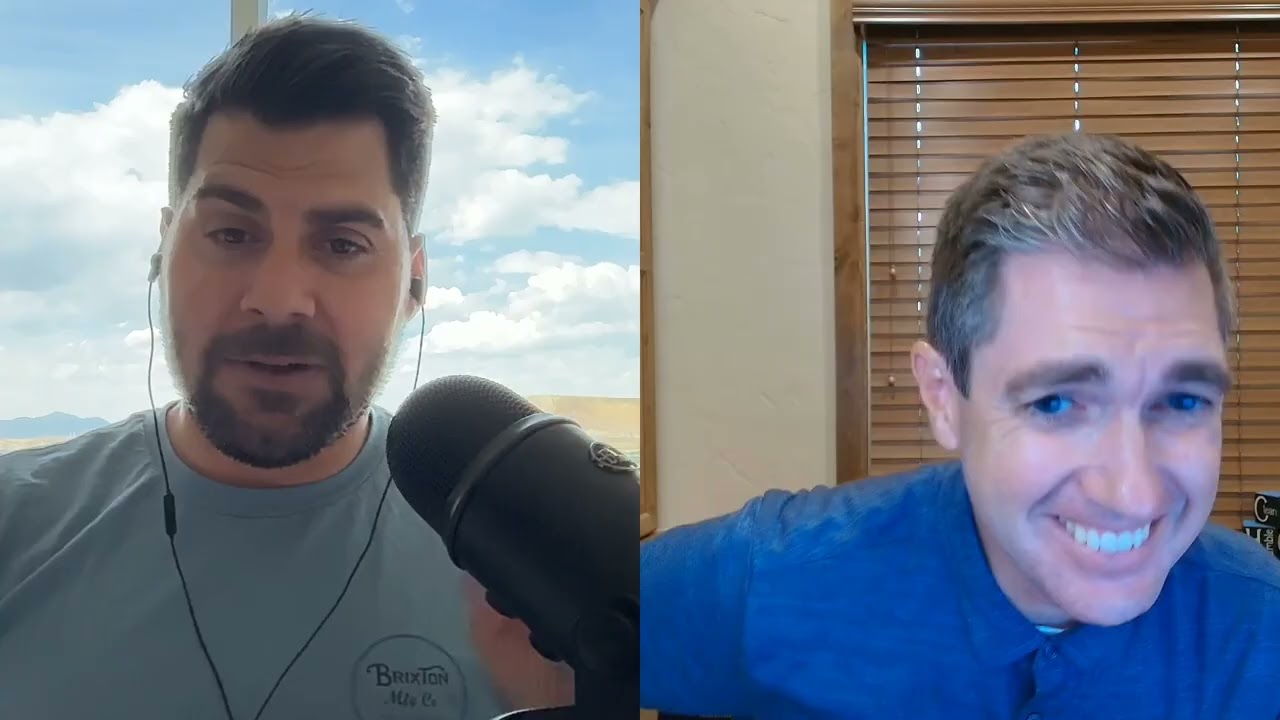
In this episode of the Navigating Dental Insurance Podcast, Jordon Comstock sits down with Carrie Webber, owner of the Jameson Group, to talk about why dentists need to become much more intentional about the business model they’re building.
Carrie brings decades of experience helping dental practices with business coaching, leadership, hygiene, marketing, and strategic planning. She shares why many practice owners get trapped simply being “busy being busy” instead of stepping back and deciding what they actually want their practice to become.
The conversation dives into the growing profitability squeeze in dentistry, the fear surrounding PPO changes, patient experience, practice valuation, leadership, and the importance of creating a clear vision before making major strategic decisions.
One of the biggest takeaways?
Your insurance contracts should support your practice vision — not determine it.
Carrie and Jordon discuss how practices can audit their PPO relationships by looking at patient counts, case acceptance, write-offs, actual collections, and profitability by plan.
Sometimes the PPO you’re terrified to leave may not be nearly as valuable as you think.
They also discuss why practices don’t necessarily need to make drastic changes overnight. Instead, dentists can build a financial safety net, strengthen their membership program, improve patient experience, and gradually move toward the practice model they actually want.
Full transcript
Complete text of this video
What's up everybody? Welcome to another exciting episode of the navigating dental insurance podcast. I am your host today, Jordan Comstock. Ben is out playing somewhere. I don't even know where he's at. He's I've lost track. He's probably in Florida or somewhere cool doing the haka because that's what he does. So, but today I got a I got a really fun guest, Carrie Webber from Jameson Management. Carrie, welcome to the show. How you doing? >> I'm good. Thanks, Jordan. You know, Ben's going to be real sad
he missed this one. >> I know. It's a party. >> Yeah, a lot of fun. Hello, and we're just going to make him super jealous. You know, going to do all the all the summer fun, but yeah, thanks [laughter] for inviting me to be on. I'm happy to be here. >> Yeah, absolutely. Uh you guys have been on my list. I've wanted you on the show for a while. So, I'm so glad we made this work today. So, let's let's start with this. Let's introduce you
to my audience. Um tell tell people who you are, how you got into dentistry cuz I'm I'm sure there's some story there. We all have one. >> Yeah. >> And then once you're in dentistry, you kind of you're stuck in it forever, it seems like. >> [laughter] >> I don't know. I love California for a choice of careers. But young people will not understand that that statement, but that's fine. >> [laughter] >> Um yeah, so I a long time my husband, Jess Webber, uh am the
owner of the Jameson Group, and we are a business and hygiene coaching firm and leadership coaching firm, and we also are full-service marketing dental marketing firm. So, um actually, my my dental story's not super exciting. Um I'm I'm the second-generation owner of the Jameson Group with my husband. My parents are Doctors John and Cathy Jameson. Um my dad is a retired dentist, and uh my mother actually started the Jameson Group. Probably really kicked off in the late '80s, 1980s in the 1900s. And um uh it
was incorporated as a company in 1990. So, it's 36 years old um as we're recording this episode. >> Very cool. >> Yeah, and my husband and I have actually worked in the company for 26 of those years. My husband has a master's in health administration and I um studied marketing and so together we just kind of worked alongside my parents for a little over a decade and have owned the company now for 13 years. And you know, really just had the privilege of carrying it forward.
My dad practiced for 30 years in a real small town in southern Oklahoma. Um but what he was able to do in such an unusual place and in an unusual time was really um out of the ordinary. He was doing comprehensive restorative and cosmetic dentistry in in a place that you really weren't supposed to be that successful doing something like that. >> Wow. >> And um so he was a trailblazer in technology as he practiced, was one of the first of many of the things that
were coming out in the profession at that time. And my mother was teaching the systems and the communication skills and the those types of tools that helps a practice be successful. About halfway down the line, we decided to incorporate marketing services as part of our portfolio and so we really try to help dentists and teams um pursue and accomplish their ideal practice vision, whatever that means for them. And um so we worked in every state in the country and um in multiple countries worldwide. And um
so seen a lot. >> Very cool. >> [laughter] >> Seen a lot and um have worked with every specialty, worked with every model of practice and so yeah, we've got a lot of stories that we that you know, that you gather over almost four decades of being >> Yeah, that's so cool. I didn't realize it it was a generational. That was kind of like that's kind of like my story. My uh my except we come from the dental lab side of the industry. So my my
grandpa owned a dental lab. He actually bought it from the original owner. The dental lab started in 1906 here in Utah. Salt Lake Dental Lab is the name. So original. And and then my dad bought into it and then I ran the dental lab for maybe eight yeah eight years before I started BoomCloud, but that was kind of my goal was I was going to get into that family business, but then I discovered BoomCloud and I fell in love with that side of the industry. >>
But no, that's really cool. I love hearing that. That's an interesting story. You got to give yourself more credit, Kevin. >> Okay, I'm you know, I've told the story I it's my story and you know >> Yeah, you're like I've heard it a thousand times. >> [laughter] >> About you know, your own story doesn't seem as interesting perhaps as it would be to >> Yeah. I would I would tell people I'm pretty sure I've got monomer in my blood because of the dental lab generations. >>
People ask me how do you how do you do in the industry? And I said I was brainwashed. >> Yeah. And now I can't get out. Yeah. >> Yeah. >> Cuz for a long time like when I was at the dental lab I did want to get out and then I had a mentor early in my probably in my early 20s and he he sat me down and he's like, hey like why why do you want to get out of dentistry? You know so you know
so many people, you know that how it works the ins and outs. Like why don't you build something for dentistry? And that got me thinking I'm like, oh, well, okay, yeah, maybe and then of course BoomCloud came from that, right? But but I originally didn't want to be in dentistry, which was and now I love it, right? I'm like, oh, this is this is so fun being in dentistry. So No, that's a really cool story. So generational you guys have helped a lot of people in
the in in dentistry for a long time. >> For a long time. >> Very cool. >> Yeah. >> Okay, so I got some questions for you then since you you've seen it all it sounds. >> okay. Put me in the hot seat. >> Yeah, I'm putting you in the hot seat. So, current state of the the dental industry is kind of interesting. I've been watching it this this well for a long time, but this year I've been watching a lot. And I've been asking this question
to a lot of our our guests on the show. It's like, "Okay, the state of the industry's revenue is is growing by 1.4% and this is all from the ADA. And costs or expenses to run a practice is growing by 4.9%. So, roughly a one to four ratio where revenue isn't keeping up with the the just inflation of running a practice, whether it be uh payroll or supplies or I'm sure there's a whole many layers that you've seen, Carrie. But like, what are your thoughts on
that? I have my thoughts because I you know, I I only think about uh why why do we work with insurance companies when they're impacting us? It's Like when I look at those numbers, I'm like, "Okay, the PPOs are finally catching up to the industry because you know, low reimbursements aren't uh aren't going going up with inflation and they don't they probably will never do that cuz they don't care." But I'm just curious, what are your thoughts? What are you seeing out there? >> Yeah, you
know, I um it's been you know, and I know that you know, not to be a broken record and sound like maybe everybody else, but it has been something to watch and a lot of heads being scratched especially since the pandemic. I'd say in the last years. And I'm not necessarily convinced that some of this didn't already exist pre-pandemic. It just >> it's I think when I've read it Yeah, I think when I've read like into the data set, it's saying that this has been a
15-year issue. >> Yeah. Okay, so then yeah, so my my hunch >> Your hunch is correct, yes. >> Um what I think the pandemic did was magnified um the cracks in the foundation if that makes any sense. >> Interesting, yeah. >> Um, we were too busy being busy uh, to to really and then we were too busy trying to restart and then we were too busy trying to figure out what the new normal was and then we were too busy trying to find team and then,
you know, and the next thing you know, our practices have no value. >> Yeah. >> So, you know, one of the biggest things that that we're discovering is as especially as doctors try to explore like can I sell my practice? What's my practice worth? >> Sure, yeah. >> They get their practices valued, you know, evaluation of the practice from companies and there's no real value outside of the person that they are within their practice and that's really important I think for for doctors and practice owners
to think about is, um, you know, what model, you know, what's your intention long-term? So, when you start thinking about you know, Jordan, any kind of business or small businesses, we probably do you've you've changed course, I've changed course, we do a lot of vision planning, so planning and vision casting of where you want to go and that vision can change. >> Yeah. >> But I think doctors and practices, you know, especially if you're still in the solo practice world, right? You got to think about
what do you want this to look like in the next few years and make some really uh, intentional decisions about the model that you're running because get to your point. Um, cost of running a practice is going up and the profitability of a practice is going down. >> Ooh. >> Um, you know, and so there's only a few ways that you can increase profit. You have to be more productive, increase your production, you have to increase your fees, you have to decrease your costs and if
you're in the insurance relationship piece of that, they are playing a determining factor on what you can actually do to become more profitable. >> Yeah. >> And so I'm not here to tell anybody to be a certain model practice or not. I'm just >> Sure. >> here to tell people, you know, you got to get real about what you want your practice to look like and what you want to accom- you know, what you want to get out of it. Because you know, salaries are going
up. >> Yeah. >> And the you know, the the labs, the supplies, all of that's going up. So, you know, we can't no change means no change for the for for the main piece and and you've got to really think about what are your biggest problems? What are what are the things that are holding you back from being what you what you want your practice to actually be in and get serious about the model that you need to create. I mean, my dad had to do
that a zillion years ago. >> Yeah, sure. >> You know, get some vision into place and make some hard decisions and start running his practice in a way that helped him accomplish the kind of dentistry that he wanted to provide. And until people get their heads out of the out of the sand and and make some decisions about number one, how they're spending their money, number two, who's taking their money, and the kind of dentistry they're providing, and the kind of patients they're attracting, and the
way that they're taking care of those patients, and the team members that they're hiring, and the the technology they're incorporating into the practice. You see it all puzzle pieces together. >> Yeah. >> And I'm really rambling. So sorry. I'm rambling rambling [laughter] a lot, but We talk about this a lot. We think about this a lot for the sake of our practices and the doctors that give that trust us to help them. And um you know, if you look at the the ADA, the American Dental
Association's Health Policy Institute, I don't know if you followed them, Jordan, but they they put out a lot of surveys from dentists that have agreed to, you know, be part of their tracking. >> Sure. >> And they um, the last couple of years they've asked the questions at the start of the year, what are the primary things you're worried about? What are the top concerns that doctors and practices are having? And the cost of the practice, insurance, and finding team, finding and keeping team, for the
last 2 years have been the top three concerns that dental practice owners have had to start off the year. >> Yeah, I I mean, I think about this all the time and and rewinding back the clock, uh, at least for, you know, in my experience in the dental space, the what the biggest thing back to cost, insurance, and team, the biggest thing like when I managed my dad's dental lab back in the day, the the biggest thing for us back then was this kind of the
same thing, costs, oddly oddly insurance, and I'll get to that in a minute, and then team, right? Finding the right people that can do our thing to to do the job roles at at the lab, right? Cuz dental labs are very similar to den- dental offices, right? Very similar in a weird way. Um, but when I look back what, 10 years ago, what caused me to like stick my head up and be like, "Hey, something's wrong here." >> Right. >> Right? Was the was the insurance
piece because I remember doctors would call me at the dental lab all the time and they're like, "Hey, Jordan, >> [clears throat and cough] >> this patient's on a really bad PPO plan. >> Yeah. >> And can you can you guys reduce your costs to help us out cuz if if we do the case, then we're not going to make money and it's going to be really bad for us." And it's like, "But I didn't sign the PPO contract. You did." >> [laughter] >> Right? So,
if like how I look at your your statement there of cost, insurance, and team, well, I guess it's the the ADA. Um, that that seems like it hasn't changed for a very long time because that's what That was my motivating factor to get out of the dental lab and start Boom Cloud, right? Cuz I'm like, "This is crazy." >> Yeah. >> [laughter] >> And and know, it's it's hard it's hard for practices to think about, oh, I'm going to have to do something different. I mean,
it's scary. >> Yeah, it is scary. >> Fear of the unknown of how that's going to play out is probably the biggest deterrent for practices, you know, making positive change for their businesses. >> Yeah. >> Um and you know, it's important to keep in mind what the patients need. And um so, how do we balance this? How do we choose to be a health care provider that we ultimately want to take care of our patients and help them get what they want or need, while also
having a healthy, growing, sustainable, thriving business? >> Yes. >> And I think if you look at medical a few years ahead of us, you we probably, if we were paying closer attention, you saw medical, you know, the medical world dealing with this. >> Yeah. >> And um making good, bad beautiful, ugly decisions based upon it. Um and I'm not saying that to scare everybody, but I think it's important that we watch, you know, history's going to repeat itself. >> Yeah, it will. >> And so, um
thinking about what does your ideal patient experience look like? How do you help more patients get what they want or need and help help you provide the kind of dentistry you want to provide? And you know, I always say, whether you're a choosing to be a PPO you know, practice or a fee-for-service practice, both of those practices take an extraordinary amount of work. >> Yes, they do. >> Um different. They're different models. >> Yeah, like insurance admin work, patient experience work. >> You want me to
put that >> That's kind of how I think of it. I don't know. >> like, if you're going to be a PPO practice, you need to be a lean, mean, efficiently running machine. >> Yeah. >> And you need to do all of those things as efficiently as you possibly can. And if you want to be fee-for-service, you have to be just as efficient, but you also have to be at it a next level of delivery. >> Yeah. >> And because a patient, if I'm going to
pay you out of pocket, I want to experience that out of pocket. >> a massage. I want a salt rub. >> [laughter] >> I want you to care that I'm there, right? I don't want to just be a number. >> Yeah. >> And um you know, there's there there are things that each model, but all those models have to think about how do we be as profitable as possible while without sacrificing patient care. And if you start feeling like your patient care is being sacrificed, um
I would consider that a massive red flag for the success of your business. Cuz the moment you start ignoring your patient satisfaction, loyalty, um you know, the number of referrals you're getting. If you aren't delivering something excep- exceptional, you're going to you're going to die. >> Yeah. >> Because patients can choose to be with you or not. And you know, I think that's the thing about, you know, Boom Cloud and and and services like what you're providing, Jordan. It's really important for practices to think about
from the perspective of a patient, the consumer behavior and what consumers want. >> Yes. >> And what are your answers to that, dental practices? What are your answers to consumer demand? And um we just can't pretend like we're a practice from 1990 anymore. >> Yeah, this I got two stories around what you just said cuz that I guess that's how I think in stories. One, years ago the dental lab uh we got a lab slip, okay? And it really bothered me because it said And I
have a picture of this somewhere in my phone with the patient blurred out of course. Just the the the instructions. It says It said, "Please make the cheapest restoration possible due to the patient's PPO plan." Right? Which when you said, "Well, we still got to balance like quality and and all that all that stuff that the patient experience." Like if I if I were a patient I would have read that and be like, "What what the crap doctor?" >> [laughter] >> Like you give me the
cheapest like for my mouth? Like that's crazy. What if a medical doctor did that? Uh please please give the cheapest heart stent to this patient due to their It's like jeez. >> Um typically if you really dig into that and assess what's happening in that story, there's a lot of miscommunication. >> Probably. >> And there's a lot of cut corners. >> Yeah. >> And if you combine the two of those things, if you cut corners and miscommunicate, you that equates to one very unhappy patient. >>
Yeah. And and bad yeah, disaster from a restorative standpoint. >> Yeah. So I think you know, when when I talk about like get a clear vision of what you want your practice to look like >> I love that. >> form, how you want it to how you want patient care to be. Um you know, and get down into the nitty-gritty even about like how much money you want to be making. I mean, all of that is really important because you're going to design the model that's
right for your purpose, your vision of how you want to provide dentistry. Um and then you can you can build from there. Build your messaging. You can build how you communicate to the patients. You can build how you you know, what kind of labs do we need to be working with? What kind of supplies do we need to have? And you need to have people with their eye on the money. You know, that's another thing is if we're talking about being profitable, it doesn't matter what
model you're in. If nobody's paying attention >> Yeah. >> You know, if nobody's paying attention to how much we're spending on supplies, but all my my good old buddy over here is taking care of me for 57 years. Well, I don't care. >> [laughter] >> I got another story. >> You know what I'm saying? >> Yeah, I know exactly what you're saying. I Well, I remember um so I've I've always been I love business and I love all this stuff and I love marketing. And when
I started with with uh with my dad and grandpa the dental lab, cuz they they they literally operate very similar to a to a dentist, probably because they're working very closely to to to dentists, right? Uh and uh one day I came in the lab and I'm like, "Hey guys, how much money do we make when when we sell a crown to a dental office? Like, how much money do we make per crown?" And they just sat there like, "Huh. I don't know, maybe like maybe
like 50 bucks." And I'm like, "Did you just say maybe like? Like, you don't know?" And I would imagine when you look at practices that are kind of have their head in the sand or they're not sitting down and they're they're looking at their vision and what they want to achieve, that's probably a common pattern um of those types of of practice owners because they're not looking at things and that's not really you kind of I I think you kind of get stuck uh in in
that motion. I don't know if it's cuz they're practice owners are too busy and they don't have time to sit down and be like, "Okay, let's have a vision planning meeting." >> No. >> Cuz I I do this every quarter with with my team and my brother. And you know >> Some do. >> and I let me tell you the ones that realize I need to I need to step take a step back and I need to really think this through. They make um they make
gains. >> Yeah, I'm sure they do. >> They make gains. They make the hard decisions. They course correct. They sharpen the saw. They they do all the things that they need to do. So, yeah. >> Do you Do you I mean is that what you recommend when when you say number one? Like start with vision. Like we are in an interesting time in dentistry and and it's it's no time to sit and just do business as usual. Stop and and do you recommend doing like a
whole day of vision planning of what the the doc wants to achieve? Like what what do you typically go there? Let's go deep into that. >> Yeah, well I mean it's something that we do. My husband and I leave we call them blueprint sessions and >> Okay, very cool. >> with doctors and they come to us wanting that for a multitude of reasons Jordan. Like they may be in a partnership and the two doctors aren't seeing eye to eye and they need to get on the
same page and move forward. They may want to change the direction they want to take their practice. Um they may uh feel really stuck and just need somebody to help them get unstuck and figure out what they need to do next. So, there's a lot of different reasons and then some of our clients come back from every year or every other year and do it again cuz they just like having someone facilitating that. >> Yeah, sure. >> That planning you know cuz it's a combination of
vision planning and strategic planning. So, you know strategic planning 101 is where are you now? Where do you want to go? How are you going to get there? >> Yeah. >> And so that's what we do. We we talk about you know where do you want to take this in the next year in the next three years next five years. What's it look like? What's happening? And then however they want to lead that conversation and then we go backwards and we say, "Okay, now where are
you now compared to that?" And what are the steps and strategies and goals and action items we need to take on to to get you closer to that. So, that's you know, that's I don't know how you do it without it because you're just in it all day long, you know. >> Or I I think it >> Or you're chasing somebody else's idea of what success looks like and that's not right for you. Like giving yourself permission >> I mean, we just have been talking about
it. The different the multitude of models to practice dentistry. You could go join a DSO. You could You can be a PPO practice. You can go into a specialty. You could um be very niche and do cosmetic, you know, you be fee for service, you know, whatever. There's so many ways that your practice can and your practicing career could live out. Um it would be a shame to not hit the pause button from time to time and you know, take a breath and look around and
say, "Am I where I want to be?" >> Do you recommend like doing that quarterly? Yearly? >> say yearly. Uh you know, picking evaluating, I mean, if you can do it quarterly, that's fabulous. >> Quarterly? I mean, this is how I do it. Uh we do it a yearly planning session and then we we tweak as we learn quarterly. The the vision remains the same but the maybe the tactics change because we're like, "Oh, we we we didn't think that's not that's not operating the way
we thought it was. So, we got to tweak it." >> Yeah. >> That's kind of how we do it here, you know. >> I love that. I love I mean, the more the better. >> Yeah, sure. >> The more you keep your eye on the ball and make sure you're going where you want to go and things are working. I mean, that's that's eval- the value evaluation piece of goal setting. Right? So, when when you when you are goal setting you're setting your goals, you're identifying
who's responsible for each piece of the each strategy, right? >> Mhm. >> You're you're setting deadlines for yourself and then [clears throat] you're giving yourself time to evaluate the progress of those goals. So that's what you're doing quarterly, right? >> Yeah. >> Um >> Exactly, yeah. >> But we want to be looking at what how did we do this year? What What was great? What was hard? What do we want to change? What are we going to focus on next year? What What's that look like?
And then get even bigger picture and be like, well, you know, what are we working toward long term? What do I want this to look like? And you know, especially if doctors are starting to feel like they want a a change of season, basically, you know. >> Yeah. >> I can't tell you how many doctors I talk to that are like, well, in the next 5 years I'd like to be work I'd like to have some associates on and I'd like to be working less or
I want to sell my practice in the you know, in the next 7 to 8 years. >> Sure. >> Or I want to you know, they're they're starting to look ahead, but they it's such an overwhelming distance to them that they can't see how to get from here to there. >> Interesting. >> You know, that's a piece of it, too, and I just think that, you know, if we wanted go specific for a moment about insurance and about where are you now, the least any of
the people that listen to your podcast need to do for themselves, for any of you that are in as Lois Banta says, in relationship with dental insurance, dental benefits, >> [laughter] >> is evaluate your relationships with them. Audit your insurance relationships. And um if any practices that are listening have analytics dashboards, you know, there there's a lot of them now, the really good ones go deep enough in pulling data that you can audit your own patient base and look at how many patients are in each
plan. >> Yeah. >> What's the treatment acceptance percentage of those plans? What's getting written What are we actually, you know, what are we writing off and what are we actually collecting off those plans? And the aha moments that people have when they think, "Oh, I could never not be in network with XYZ." >> Yeah, I've heard that. >> Because I have so many patients of a well, but when they when they look at, "Oh, I do have all these patients that come in and we do
all of this stuff for them and we make $5." >> [laughter] >> Geez. >> Yeah, I mean, I know that's a little extreme. I'm being a little >> Yeah. >> but >> Maybe some practices, yeah. >> Because there are times your practices have this realization like, "Oh, I'm writing off 40, 50% of this particular procedure." It makes them realize, "Oh, maybe this relationship isn't so great after all." >> Yeah. No, I mean, we see that all the time, too, when it comes to all this stuff.
It's like, when they when they dig into We even have a like a little calculator that I give people. I'm like, "Just go at your your your your production and your write-offs, whether you do it, you know, as a whole as a whole or you break it down by PPO plan. That'll give you a like your eyes will open and you'll be like, 'Oh, okay. This is more doable than I think if I want to reduce a little bit of them.' And one thing I've noticed,
too, that a lot of practices are going they're they're turning into more like hybrid fee-for-service with some PPOs. >> Yeah, that's the >> Right? That's what I see a lot at least in my world, right? That's >> Yeah. >> That's what I'm seeing more of. I'm like, "Oh, this is really interesting." But then like I remember a doctor years ago in Texas, he's like, "I I was speaking I believe it was with it with Gary Takacs at Dental Intelligence down the street here. >> Mhm. >>
And we we had a study club that we did and I was invited to come and about, you know, membership plans and all this stuff. >> And I was sitting next to this doctor from Texas and like he was white the whole time and like you could tell he was stressed. So I'm like "Yo doc, what's going on, man?" >> [laughter] >> And he's like, "Jordan, like I like what Gary is saying. I like what Dental Intelligence is saying about all the data, but if I
drop Delta or whoever my my practice is going to be destroyed, right? Like that fear. And and [clears throat] and last week I had Howard Farran on the podcast. It was very fun. But his whole topic was we operate too much in fear in dentistry. >> Yes. >> And we should not do that, right? But then like I was talking to this doctor in Texas and I'm like, "Hey, like yeah, I totally get that is scary because you've been operating this way forever and you're wanting
to you know, trim some of the PPOs. And I'm like, "Well, what I recommend you do is like build your membership plan up and look at how many how much write-offs you're making. Do a a number a calculation to see how many members you need to patch that hole and then you're good, right? And that's kind of what we we've helped a lot of practices with. Um with that is like, "Hey, instead of instead of like feeling fear and risk around this let's create enough recurring
revenue generated in your practice then start dropping some PPOs and increasing patient experience as you learn, not all at once, right? And that's like one of my good buddies up in Idaho, they just dropped Delta this year cuz they hit like 800 membership patients on their plat on on on Boom Cloud. And now they're they dropped Delta at the beginning of the year and now they're skyrocketing past the thousand on their membership plan and I'm like, "That is so cool." But it's eliminating the fear, eliminating
risk, having a plan. This practice that I'm talking about that dropped Delta, they did their vision planning meetings just like what you you discussed. It's really important cuz if you don't have a vision of what you're doing, most likely you're probably going to get burnt out really fast. And you don't probably want to do dentistry anymore if if you don't have a vision for yourself. That's what I've experienced at least running my own company cuz there was a point in time I didn't have a vision
for my company. I was just kind of going. >> Yeah. >> Right? But the minute I had a vision and it doesn't mean it's going to be easy, but at least gives you a direction to point and bring your team along with you, right? Versus being like, I don't know what doctor so-and-so's doing. Like we're just here crunching numbers and working with insurance. You know what I mean? >> You know, I would rather make baby steps >> Yeah. >> Um towards a positive progress >> Sure,
yeah. >> than stuck in this quicksand. >> Yeah, absolutely. >> and and so I I think it's important for anybody that's like, "Oh, this so-and-so is great in theory, but you know, there's just it's just impossible." Well, nothing's impossible because every type of practice is out there and thriving somewhere by someone somehow. >> Yeah. Absolutely. >> Um I would say if you if you don't know where to even begin, the vision planning is a great start. Think Don't let yourself be um locked down and held
hostage by shooting all over yourself. >> Yeah. >> You know what I mean? Like yes. >> Um what you think you should do or well, this is the only way it can be. We've never done it this way. Our patients would never do it that way. The moment you That's not vision planning. >> Yeah. >> That's, you know, worrying. >> What's the What's the phrase? Doing the same thing over and over again and expecting the same different results as insanity. >> Uh but like let yourself
dream. There's this great book called Dare to Serve by a woman her name is Cheryl Bachelder and she actually was a an interim CEO for Popeyes Chicken. Popeyes Chicken was floundering. Was was was struggling and she stepped in an interim position and it talks about, you know, servant leadership is really what it's all about. But she always talks about building a daring destination. And where you're brave enough to paint the picture of daring destination that you want to take your business. And then creating a team
and serving a team that will ultimately serve your customers to help you get there, right? Well, I love the idea of vision planning being where we're not entrapped by what we, you know, any kind of debilitating beliefs that this could never happen or our patients would never do this or, you know, it's bound to fail. I mean, and then you assess. You assess, okay, now this is where I'd really love to take it. What's the reality of my situation? Now, this is my goal. What's my
reality? And, you know, auditing your insurance plans if you're in it. Having some having somebody help you evaluate your profit and loss. Look at your overhead. Look at your practice numbers. Look at your active patient count. Look at your patient attrition. Look at your facility. Look at your new patient numbers and where your new patients are coming from. The reality of everything that makes your business your business. >> Yeah. >> And and pinpoint what will ultimately be the red flags that are preventing you from accomplishing
whatever that daring destination is. And that's where you can start to build strategy. You don't have to take on everything at once. But you can prioritize things and say, "Let's take this on first. Let's get some wins. Let's help our team see like oh, if we work on this, we're going to get a positive result." And be persistent. You know, I had a I worked with a coach once that um he said uh you know, "How do you" It was basically the how how do you
eat an elephant? One bite at a time. But he called it >> [laughter] >> That was I really appreciated the pizza metaphor. >> Pizza sounds better. I'm not going to eat an elephant. That's crazy. >> Yeah, I've never eaten an >> [laughter] >> elephant. So, he says, "How do you eat a pizza? You eat it one slice at a time." And uh so, when you get overwhelmed at all the things that you wish or want or feel like you need to do to help your business
get off get you know get out of the rut, >> Yeah. >> um just take a bite. >> A a bite every day, yeah. And you'll finish the pizza. >> pi- Well, like what pizza do you want? Now, I'm just take a bite out of it. And you'll >> [laughter] >> eventually eat the pizza. Um but don't be don't be paralyzed by the overwhelm uh what it's going to take to get to the daring destination. Just get in the car, man. Or put on your shoes.
>> Yeah, start with that, yeah. >> You need to put on get off the couch put on Uh you know, evaluate the plans. Have a demo with Boomcloud. I mean, there's no you can't go >> Do a vision planning with you guys, yeah. >> [laughter] >> Email me and ask for a vision worksheet. Don't even talk to me. I'll email it to you. You don't even have to talk to me. Like, you know, just tie the shoes. And um I just I wish and I hope
that more people would just be brave enough to start to claim what it is that is going to bring them joy and make them um you know, feel more fulfilled in their work. Cuz the more fulfilled workplaces there are out there, um the happier and our workforce will be and the happier our patients will be. And I think we're seeing a lot of you know, you hear, see, and feel and experience a lot of the negative things that are going on. But you know what? There's
a lot of great people doing great things out there and for every unhappy patient that we hear a news story about, there are a dozen happy patients. >> yeah. We tend to focus on the negative, don't we? >> Right, that love the dentist, love the practice. So, you know, flip the script script people and make a plan. And find the resources and the tools and the technology and the services that can help you get a lift. I just believe that there's little things that we can
do that can help us make progress and make us happier. >> I I love this. No, this this has been such an awesome episode. I agree with you with vision and patient experiences and everything, yeah. >> [laughter] >> Amen. >> [laughter] >> So, Carrie, somebody's listening to this, you know, when this is live, they're going to be like, "Wow, I really need to do something. I need to go do my vision plan or whatever." How do they get in touch with you? What's like the best
from like an experience standpoint? Do they do they schedule with you guys, do a consultation? Like how do people work with you guys? >> Yeah, I mean, there there's a lot of you know, if we're just tying shoes, there are a lot of little steps. You know, at our on our website, it's jmsn.com, which is Jameson without the vowels. And you know, we have the Jameson files podcast, we have a blog, we have and then you can learn a little bit more about our services that
we provide and all the different aspects of business building for dental practices. And if your curiosity is sparked enough that you want to talk specifically about yourself and your practice and explore what what kind of support is out there for what you want to accomplish. Then in that website you can request to have a discovery call with me. And I would be happy to reserve that time with anyone that is looking to take their practice to another direction or to another level and see what support
looks like for that. >> Very cool. Okay, we'll put that in the show notes the website and then links to the discovery call is I'm guessing you can find on the website too. And then you have resources to like the vision planning worksheet and stuff you can send that to people. >> Yes, if you go to our website and just email hey I saw Carrie on Jordan's podcast on the navigating dental insurance podcast would you send me the vision worksheet that you mentioned we would be
happy to send that to you no strings attached. >> Nice. Very cool. >> Yeah. >> So if at the very least go get that because you're going to need it this year as we continue going down the path of current state of the dental dental economy but I would encourage you guys to go check out Carrie and what they're doing over there at Jameson. Carrie it's been so fun having you hang out on the show today. I really appreciate you coming on. >> I appreciate it.
Thank you. >> Yeah and with that said we hope everyone has a rocking day.