Videos / Watch
How to Go Fee For Service
August 19, 2026 · BoomCloud™
About this video
Podcast Summary (Show Notes Style)
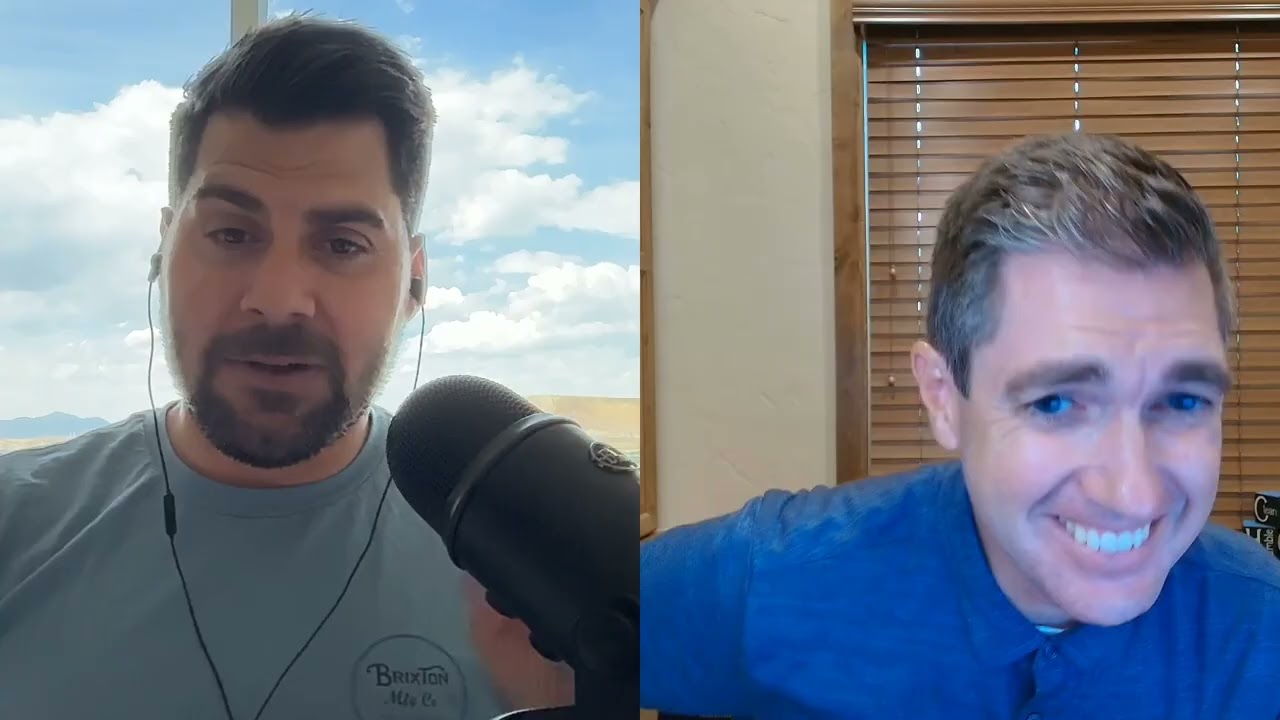
In this episode, Jordon Comstock talks with Dan from Elevation Association about why dental insurance—especially Delta Dental—is becoming a bigger threat to independent practices, and how practices can successfully transition to fee-for-service without destroying their schedule.
Dan explains that Delta is making aggressive moves, including owning dental practices, which gives insurers more control locally and reduces their reliance on independent offices. He also warns dentists not to assume associations will protect them, arguing the industry landscape is shifting fast.
The conversation then turns practical: Dan breaks down what it really takes to exit PPOs strategically. The key is preparation—especially having a patient membership / benefit plan in place before going out of network, so patients can move “laterally” into the practice’s own plan. He emphasizes aligning the entire team around the mission, using incentives when appropriate, and building strong patient communication to counter misleading insurer letters that make patients think they “can’t” stay with the practice.
Dan shares that the transition isn’t instant—it can take about a year to stabilize, with the first quarter or two feeling messy as hygiene schedules fluctuate and patients test the financial impact. The practices that win dedicate staff to proactive recall/outreach, driven by real data (they use Dental Intel), to refill the schedule and reduce attrition.
The episode closes with the payoff: the move is described as freeing and energizing, with fewer write-offs, more control, and the ability to slow down while improving focus and profitability—especially when practices don’t try to do it alone and instead leverage coaching, tools, and a clear plan.
TL;DR (30 seconds)
Delta is tightening control (even buying practices), so dentists need a strategy to regain power: prep your team + track key KPIs + build a membership plan first + over-communicate + run recall/outreach, and expect a ~12-month stabilization period after the PPO exit. The result: less write-off pain and way more freedom.
Full transcript
Complete text of this video
What's up everybody and welcome to another episode of the Automatic Patient Podcast. I'm your host today Jordan Comstock with me co-host Dr. Dan Nelson. What is up brother? How you doing? >> Good man. It's good to be back. Feel like we've we've had too long of a uh of a sojourn where we haven't recorded much lately. So it's great to be uh doing this again. Let's go. >> Usually in the winter Dan I hibernate. So now that it's getting a little warmer >> In Hawaii, yes.
>> Yeah. >> I'm coming out again and I'm like, "Hey, we should we should talk. New podcast." >> You're coming out scratching your eyes. You're like, "Oh, look the world." >> it's literally how I work. I'm like, "It's winter. I'm angry. I don't want to I'm I'm I'm hiding." in winter >> blame you man. Like I get it. Like I can appreciate that. I think that's the goal, right? >> [laughter] >> Yeah. So um now that it's warming up and I'm waking up um we're we
want to be doing some more podcasts. But you have some pretty cool news. that I think one should be celebrated uh cuz it's cool. You guys just dropped well, not just dropped. It took you some time. You dropped all your PPOs and you just dropped Delta Dental in January, correct? >> We just dropped the mic is what we dropped, you know? >> Dropped the mic, baby. >> [laughter] >> Yeah, we we we're we're >> deal. >> Uh both our practices now are fee for service. So
we're a completely fee for service organization in in uh both offices. So that's a that's a huge deal um and not something that came about overnight. That's for sure. Like this is this is the culmination of a a lot of planning, a lot of effort, um a lot of review, a lot of discussion. So yeah, a lot of help. It was it's but it's it's awesome and you know, there's a component to it that I think anybody that's thinking about doing this or has done it
can testify that it's a little terrifying, too. >> Yeah, sure. I would say So how long did it take you? Was it a Was this a multi-year approach? >> mean, if you're looking at the whole picture, um you're probably looking at a a 5-year process to go from the because we were providers for a few insurance companies. And so, to be working, you know, we we didn't just pull the band-aid off or you know, jerk the plug off sudden. >> I've I've seen practices do that.
It's >> Yeah, that's I don't recommend that. Yeah, that's a rough way to go. Yeah. Uh no, we we we slapped the nicotine patch on for a while and came off it slowly, you know, it was [laughter] uh it was something [snorts] that took us a while, but we were pretty methodical about, you know, dropping Blue Cross to, you know, and then working away. And the funny thing about that was that we're like, "Ah, we got rid of one, great." And but the problem was is
we went from a 30% patient base of Delta Dental to 51% patient base of Delta Dental patients. And so, >> Interesting, yeah. >> Yeah, we saw this slide of like, "Oh, well, we've opened the door to the wrong avatar, right?" The so the the We were like, "Okay, well, this didn't quite go as we'd planned." And so, and that's often how it goes is you think you have this plan. And I love the Mike Tyson quote, I've used it on this podcast before is that he
said everybody has a plan till they get punched in the face. So, um that's kind of how this was. So, yeah, we we we just it's, you know, to get where we were, you know, pretty heavy in the PPO to be in fee for service, it didn't happen overnight. But just to wean off of the Delta portion, the 51%, that took a year. So, we started um with it as a goal for 2025. Um when we set our goals for in in January of 2025, the
goal was to be out of Delta by January 1st, 2026. >> Yeah, and you did it. You guys did it. >> We did it. Yeah. >> It's so cool. >> Yeah, it's it's a I think it's like anything else. And I think that anybody that's done a startup or a practice acquisition or anything can appreciate the stepping into the void, right? Like you think you know what's going on, but do you really? You know, and there's so many components of of unknown that make it a
scary transition, but in the end, um it was great. We were on a meeting with Christine Yuan with a dentist advisors this morning, and she was, you know, we were talking about she's like, "Oh, I'm so excited for you guys." And she's like, "Well, let me tell you." She's like, "I've worked with a lot of practices and none of them have regretted going fee-for-service. None of them." >> Yeah, I don't I don't >> She's really adamant about like nobody regrets going out of network, so >>
Yeah, you don't hear that. "Oh, I wish I would have stayed in that PPO." You never hear that. So, before before you guys what? Stressed out working with PPOs, looking at you know, the write-offs that's happening. Like how do Is that kind of what you're feeling? Like, "Oh, we're writing so >> Yeah, what what what period You know what? How did this decision start? Well, really for us because we practice in Sun Valley, the overhead here is high. >> Right. >> But because Sun Valley's in
Idaho, that means that we can't negotiate, not that Delta negotiates anyway. Um you know, and so Delta's reimbursement rates in Idaho are bad. They're not good. Um and they reimburse >> You can't really negotiate here. It's really bad. >> Delta doesn't negotiate anywhere, you know, but there are some insurance companies that will that can make it, you know, um a little more difficult of a decision. This was not a difficult decision, you know, because when they don't increase their reimbursement rates for, you know, in 22
years, you know, that's a problem, you know, and so while our overhead was going up, we watched our our Yeah, all of it goes went up, you know, inflation's been brutal since COVID, you know, so >> Yeah, I feel it in my company, too. >> Everywhere. >> Everywhere. It's like, wage inflation, it's insane. >> Yeah, you throw the hygiene problem on top of that and you you have a, you know, for us it was a really big hike in overhead where we were stagnant on our
reimbursements. And so, in order to compensate, we're working our guts out, you know, and so it was Jared and I looked at each other and we're like, we can't keep doing this. This is This is a non-functional model. This is going to eventually collapse on itself. And so, we had to get a plan together, you know, and the first part of that plan, I think this is important to note, is the first part of that plan and I and I and I think what we'll do
is we'll just kind of give an overview I think Jordan, this is grounds for a lot of discussion. I think maybe what we should talk about is a 30,000 foot view of what we did and then I think we should get granular because it warrants the discussion. >> I I think so, too. It's that important and just like what you said, the cost of running a a business in general, but one in in dentistry is increasing and it's getting harder and these insurance companies, if they
really haven't adjusted, you know, things for 22 years, that's massive problem. >> [laughter] >> Well, it's it's it's insane. It's in the It's unsustainable and it's some But here's the thing and this is what This is what you need to know as a dentist is that companies like Delta, their model, they don't need to do this. We know that they just bought practices in Wisconsin, right? So, now there's an unprecedented change. In 2025, we saw two unprecedented changes. One of them is is that Delta now
owns practices. Well, that opens the floodgate for them to do go haywire in any state that it is not a law that a dentist owns the office, they can go and open offices now. >> And now now now they own a multi What What this is called from a strategy perspective is they own a multi-sided market. They own both sides now. >> Well, they They no longer need us is what that boils down to. >> That gets scary in a local market. >> Exactly. They are
removing the middle man. We are the middle man for them. They're getting rid of that. And from a business model, it's brilliant. From a Yeah, from an industry model, it's terrifying, right? Like it's not good for us. It's not good I don't care if you're a DSO or you're private practice or you're corporate whatever, it's bad. This is not a good thing. Um the other thing that we saw and this is going to raise some hackles and that's okay. You can drop me a line and
tell me how bad I suck is that before that happened, we saw Delta positioning itself to get in bed with ADA with the ADA. >> Yeah, yeah, yeah, yeah. I've had whole podcasts on other uh shows around this topic. It's >> Yeah, it was a very strategic maneuver and it came out, you know, when you start seeing Delta big old logos in dental schools and now they're the primary financial backer of the ADA because ADA membership has fallen off so much. Now you have this position
where they it were able to go and move and buy these practices and they have the ADA in their pocket. So, what's the ADA going to do, right? Like don't count on the ADA to come to the rescue. They're not there. They are in bed with Delta and that was part of their plan. >> Kind of say see the same thing in like other health care industries where like the like pharmaceuticals have gotten into the schools and and the the associations and you see their logos
and they kind of manipulate and and it's kind of like industry propaganda. >> Yeah, I mean >> You need insurance. >> Yeah, exactly. I mean, for like I said, from from the business standpoint of it, you can't fault them for what they're doing, right? They're they are they're making moves that and they're taking advantage of of situations as as a good business should. >> Yeah. >> You know, but the effect of it for for the industry, you know, it it's going to impact us a lot
and I I think that that uh is a side discussion in and of itself, like you were saying, but for us in our little podunk town in the in the you know, in our little practice in in in in little um podunk Idaho, you know, this was really um we started to feel the effects of what was in motion and and we just weren't getting reimbursed enough. We were getting choked out and so um >> Do a denture case and you lose money on that denture
case, type of >> Yeah, I mean everything we were losing money. We On some stuff we were writing up to 60% off of, you know, of that code and so that's a non-sustainable model. So, we we knew it was there. Um we kind of held on for as long as we could knowing that the exit was inevitable. Um and then looking at 2024, we were like, it has to happen in 2026. So, we made that the the the goal for 2025. Um and we had some
key components in place and I think that this is really important that it we didn't just rush into this, you know. Um the first thing that we set up a long time ago was our patient benefit plan, you know, and that was huge because it gave us a structure that we'd already had in motion. We had pamphlets, we've had loads of marketing materials for it, we had patients that are already on it that could get testimonials and you know, promote it from within. Our team was
used to discussing it. Um so, it wasn't this big new thing that our team had to adjust to to move patients laterally out of, you know, their insurance, um, their current insurance situation and then get them into our patient benefit plan. So, that was a big part of the strategy and was how many of these patients can we move laterally, keep it within the office, and just have them in our plan now. And so there was Yeah, there was strategy in that and there was there
was purpose behind what we were doing and and um, we had everybody on our team rowing in the same direction for that. So, that was a that was a huge component to have in place. >> really hard to do. Like getting your team rowing. So, like that's a big deal that you're able to do that and >> Yeah. >> the membership plan and drop PPOs. Like that's pretty cool. >> Yeah, but they were used to it. Like I said, so it's we we started that program
years ago. And so, um, you know, we've been in and out of the leaderboard at BoomCloud for being the top office in the country multiple times. Yeah. Um, because our team likes to promote it, you know. We don't bonus, uh, traditionally, but that is the one thing that we do bonus on is patient benefit new novel patient benefit plan members. We do bonus on that. >> just some data on that mindset around your mindset there. The top growing practices like on our platform at BoomCloud uh,
bonus off of new patient new members sign-ups. >> Yeah. >> And I think that's like when you look at I like to look at trends and patterns. When you look at the patterns of what the successful ones are doing, they they're always ti- that's a key component rewarding your team members to help you. Because it does a couple things, right? It gets them excited to sign up patients to a better program, a better system for patients, and a better system for the practice, right? So, you
align that with people and that that's literally a trend on all of our the top growing practices. They've all do that. It's really interesting. >> Yeah, and you need to I mean I don't want to get it too deep into that, but yeah, I mean you done the research. >> have to balance any type of bonus program. You can't just do that. >> Yeah, but but but incentivizing for the for the right thing, right? And then and you marry that. So Jared and I just did
a podcast on the the Elevation Association experience podcast this morning that we were talking about um understanding identity and having your practice have an identity and making sure your team knows what the identity is. And that was a big thing that we've done, you know, again, all this is lead up. Like this is not I mean we have our our our vision traction organizer set up. We've had our core values in play for years. We have our niche. We have our people our team and our
patients know the purpose of the practice. We have a very very clear message. The mission of the the practice is super clear. Um you know, people understand their roles and responsibilities. We've got an amazing team in play. You know, it there's so many of these parts and pieces that come to the setup before you can now let's Okay, now our mission is to go become fee for service. So now we change the mission, right? As far as like what are we going to focus on on
2025? And you know, that was our goal in 2025 and so we got everybody pointing their guns in that direction and working towards that mission. And so when we started to send out Okay, so that's the next step, right? Is now that all of our preparatory work is in place, we started to formulate the letters that we would be sending out. Because for those of you who don't know, when you exit, your patients will get a letter from the insurance company saying this doctor is no
longer an in-network provider. And they worded it a way that it was threatening, too, right? What's that? >> It's kind of a threatening letter to the to to for you guys, right? It's like they're not >> It's it's it's more that it's misleading because it got it. Their verbiage is brilliant. Again, these are companies that are brilliant. Yes, amazing marketing geniuses. So, the way that they worded it is that it makes it sound like you can no longer go see this provider cuz they're no longer
in network. It doesn't say that explicitly, but if the tone is certainly that you can no longer go here anymore. And I can't begin to tell you how many patients we have that they stop me in the grocery store, they stop me at the gym, they stop me, you know, just freaking all in the office and they're like, "Oh, I'm so sad I can't come see you anymore." I'm like, "What why are are you moving? Like, why can't you come see me?" And it's like, "Well,
no, cuz you're not in network anymore." I'm like, "What's that have to do with what?" You know, I was like, "No, you can absolutely come see us." >> Literally walk into my office doors today if you wanted to. There's no There's no We're not going to kick you out. >> No, we want you to stay here. Like, and we tell them that. Like, like, "Well, no, we want you to stay with us." Um and you know, not only that, but did you know that your insurance
your out-of-pocket is eight bucks? You know, that's the thing is like that's the wild thing when you go out of network that nobody talks about, especially insurance companies, is that is that the contracted rates when you sign up with an insurance company, your your reimbursement rates are wildly different when you go out of network. And it's based a lot more on the plan that the the patients have. So, yeah, there are some that like they're going to pay out the nose. They're probably just be just
as good paying cash. And those are the ones that were like, "Well, maybe you should consider our patient benefit plan." You know, like >> like I'm that way. I I actually just dropped medical insurance. I've created my own system for it, a fund and everything. Cuz I hate insurance in general. I think it inflates everything. Depending on the plans, um like you like what you're saying. So it's like you you realize this and you're like, "Oh, I I can go to uh uh just like on
the medical side, I can go to a a direct primary care doctor, which is a membership doctor. And I get all these services that I need anyways that I was spending, you know, $1,800 a month for my family on insurance. But oh, I can just pay this doctor and get a another type of plan to help with, you know, crazy emergencies." That's kind of how I look at it too on the medical side, but it's like it it's almost like it inflates the market when when
you're on a PPO plan. >> It it it definitely gets regulated by the insurance companies, not by the the market itself. >> Yes, yeah. >> The market has no bearing. It's completely regulated by the insurance companies. >> Yeah. >> Yeah, it's it's a not a wild ride to be on, you know. >> So I I think uh I think that the getting the power back in the hands of the providers is paramount in all of this. That's a lot of P's. I just I'm going to
have to think of an acronym >> much as PPO, but it's a different >> Yeah, that was a lot of P's in a row. >> [clears throat] >> Paramount probably. >> [laughter] >> Hold on. Listen, when the when the ADHD takes over, you just give it leeway. You just don't stop it and let it run. And you never know what it's going to spew out. >> Yeah, that was the Okay, so we're talking about the communication. You started sending the >> Yeah, so we sent letters
out. So we formulated very >> [sighs and gasps] >> we we did our best to craft the best letters that we could, and there was a series of letters that went out. Um and we we had a date by which we wanted to send them out so that we could field the conversation within the office. So what you want to do, and again, we don't want to get too I'm not going to get too granular in this, but there is a methodology to it, right? And
so, you want to have that communication both via email, text, letter, and face-to-face. So, we started that process, and you know, there's a lot of concerns that come from that. Patients want to know how much is it going to cost, you know, what what's my out-of-pocket going to be? >> of objections now. >> Yeah, yeah, and you got you got to tackle those concerns, right? You got to work through that. Um and then it there's the point where you finally freaking pull the plug, and you
just get to this like that's the scary moment where you've you've packed your parachute, you know, you've done all your your homework, you've checked weather conditions, you've got your support team behind you, and now you got to jump, right? And and that's the scary part, you know, you can be as prepared as you can, but it there's that point where you say, "Yeah, I'm going to do it. I'm going to jump." Now, I want to give everyone kind of an idea of like what the jump
feels like. Um >> [laughter] >> it is not a it's not a fastball. Uh it takes time to find out most reports say it takes about a year to regulate your practice to regulate. >> Sure. >> Um because what you'll see is one of the things that again, no one ever talks about this. They just say, "Oh, you get off, and then, you know, it's takes a year." It's like, "Okay, fine." >> happily ever after. Yeah. >> So, what you'll see is that you'll have a
lot of patients that want to be loyal to the practice. They love you, they love your team, they love what you do, they trust you. Now, they want to see the financial implications. So, what they end up doing is um they will get the first bill cuz they've just scheduled their hygiene, right? And you there's their hygiene's February 4th, whatever. So, they come in and they get their bill. Oh, it's eight bucks. Great, no problem. My out-of-pocket is I'm going to stay here. Maybe maybe maybe
there's this sucky insurance and it's you know, it's uh 200 bucks. They're like, "Mm, I don't want to do this. I'm going to transfer." So, what happens is your hygiene schedule starts to fall apart. And so and it just it it gives you panic because you see holes in your hygiene. Oh my gosh, I'm losing all my patients. Everything's going bad. Again, you need to be tracking. That's the one thing we didn't talk about, Jordan, is the setup on this is all of the KPIs that
we try Oh my gosh. So many KPIs and so many important data points that you have to track and look at, you know, everything from annual patient value to reappointment rates. Uh it there's just a lot that you have to be able to look at and track on the lead up and then while you're going through it. Uh the data's going to be dirty for the first little bit, probably the first quarter to second quarter because there's so much reregulation going on within your schedule, patient
flow, all that stuff. But, you're going to have to have someone in your office who is an absolute rockstar about getting patients in. Now, assuming you're exiting because you've got a patient base big enough that you can exit, that's going to mean that someone's going to one or two people, three people maybe, depending on how big your office is, are going to be on the phone all day, every day, filling the schedule back up because there's going to be fallout, fallout, fallout. And >> So, you
guys created like an outreach strategy with >> Yeah, there has to be and you have to use data for that. We use Dental Intel for that so that we actually have lists for our team to pull from. They're not just like some paper made list or Excel checklist or whatever. It is a living, breathing, active list that we can pull from that shows when they were in last, you know, who are their family members. These are people that you can now give This is a list
that you can give your team to actively be working through to fill up the holes. So, it is um you need to dedicate that person to that role for that time because it is uh that's the scary part cuz now you're falling, right? Like that's the fall and at some point you got to hope that the parachute opens. Um and you want to be tracking your your lost patients, the patients that you're losing. You obviously want to be tracking your new patient flow. That's important as
well. Um >> Like the reasons why. >> Yeah, cuz I know so I do an attrition meeting just of course I'm not a dental practice owner. But we're talking business here, right? Which is universal. So, at the end of every month I look at attrition numbers and the reason why so that we can uh maybe it's a verbage training from that my team needs to have. Very similar to what you just said. I'm taking notes. Um two of your bullet points in my notes were communication
and phone outreach, which I would imagine is uh uh a lift in regards to training your team to use the right language for the outreach and then with all the emails, the letters, like that's all training in in language, which is a soft skill and if you're not constantly training on that with your team, it atrophies cuz it's a soft skill. >> Right. >> Yeah, and and I and this is one of those points that I want to get into in a in a later podcast,
Jordan, where we can really get into the nitty-gritty of what that looks like, how do you train your team on this stuff, what do you not say. I think that there's more importance on what you don't say and then what you do say. >> out what you shouldn't say. Yeah, that's that's basically how it goes. >> Yeah, and everybody's heard it when they hear it. They're like, oh, that wasn't what you should have said. You know, it's >> [laughter] >> But yeah, I mean I think
I think the whole process, you know, it it is A, it takes time. B, it takes a ton of planning. And C, it takes courage. >> And the beautiful thing is there are practices on the other side that have done this that, like yourself, that are willing to share and and help educate on this cuz it's a big deal that you guys did this. So, just to kind of recap the the bullet points of what you said is one, you you have your team on an
operating system that you guys are meeting and looking at data, right? That's the first thing that you you essentially said is like, "We made sure that we are rowing together as a team. We have the same vision, the the mission. We know what we're going to do, right? We got a plan." Uh two, you said organization. Organization, yeah. So, two, you said, "Know your data." Like looking at our data, using dental intelligence in your guys's case. Uh looking at your data and understanding the right data
cuz you don't have to look at all the data. There's a lot of data in a dental practice. There's maybe what, four or five data points that you have to look at? >> Yeah, probably five, yeah. >> Okay. And then the next thing you said is in make sure you have a patient benefit plan or membership plan to retain uh patients and a >> Act the parachute, man. Yeah. >> Act the parachute, yeah. And to move you said move patients over to laterally. You said that
a couple times. >> That's right. >> And then four, arm your team members with a verbage skills and a communication strategy with patients cuz like you said, Delta Dental and all these other companies are going to send letters that are going to cause confusion. So, you need to be able to break that with verbage and communication skills. And then the fifth one is what I have here is create a proactive outreach strategy or you call that recall. >> Mhm. >> Re- recall outreach. Getting people back
in and and but using the verbage that you need to use to say yeah so come see us. I think that would be an interesting episode to just do verbage episode be like okay what's the verbage you need to train your team up and how does that work? So if we were to bullet point list that out did I miss anything Dan? I think that's kind of what I wrote as you were talking. >> Yeah that's that's right and I think that you know the if
there's a a take home message to be had is that it can be done. You know it can be done. This isn't new territory. It's probably new territory for you you know it's new territory for us you know but it can be done and and it can be done without too much white knuckling you know there's going to be some white knuckling. >> Don't cancel all of your PPO contracts in one day. >> This yeah. >> Be strategic about it cuz this is a strategy. Well
how does it feel now though Dan like now that you kind of gone through it you're operating it does it feel like you're operating a new business? >> In some ways yeah I mean that that's a great question. Um First of all it it's freeing for sure it's very liberating because I'm not I don't feel shackled and I and this it's a wild to look back I was telling Jared this morning we were looking over our our day sheet from yesterday and I was like man
I'm so used to seeing the write-offs as much as the collections and to not see that is wild and it's like you've been drag dragging around this ball and chain and now sudden it's freed up and the other cool thing is is like one of our goals for 2026 was to slow down you know the whole goal is to like >> hurdle and paddle through your practice now. >> Yeah yeah yeah it's just we we need to settle down over here. We've been running at an
incredible rate and so you know it's it's wild to look at the numbers as we're as we're tracking all this because my daily patient flow like my my current chaos. I'm so used to absolute chaos every day. And what I mean by that, it's controlled chaos, but it's like it's like holding a stick of dynamite, right? Like every day is just crazy busy. And now we've slowed down and it we're already feeling that and it's nice. Like it is such a nice feeling to be able
to focus on some of the things that I haven't been able to focus on because of before I was so busy running from one op to another op to another op. And then I would have put out this fire and I need to put out this fire on the on the practice management stuff or leadership role or, you know, whatever. And so, um it's just it's super refreshing. It's liberating, you know, um and and it's exciting, you know, this is something that we've wanted for a
while now. And so, to to feel that sense of accomplishment, too, is really awesome. >> Yeah, I I I think it's rad. When you guys told me like I with that I knew you guys were dropping PPOs, obviously. But when you told me that Delta was gone, when I when I talked to Ryan back in January, I was like, "Shit, that's awesome." >> [laughter] >> Literally, I was so pumped for you guys. That rest of the day it literally made the rest of my week. Cuz
one, this is the reason why I started Boom Cloud because when I managed the dental lab with my dad, all the PPO pain, you know, rolled over to the dental lab and it was a big pain point for me at at that time cuz I was like, "I didn't sign a PPO contract, but I'm still having to deal with this this >> [laughter] >> Yeah, exactly. >> You know what I mean? >> Yeah, but it rolls downhill. >> It really [laughter] does. The reason why I
was so like I literally was so happy for you guys and I was like I stopped and just it after I heard it from Ryan, I just stopped and thought for a second. I'm like, "That is exactly the reason why I wanted to start Boom Cloud is to help guys like you you and Ryan and Jared get rid of the evil empire of dental. >> Yes. Yes, shed the evil empire. >> Because it it's not it's it's not a cool business model for you guys or
for the patients and I don't know. When I heard that it just it really made the rest of my week. Like I was so happy for you guys. It was nothing happened to me or my business. It was you guys and I it made me so happy. So I think it's pretty cool if practices are really really uh focused on doing this, they can do it. But it requires a couple things. One, they need to I think they need a coach, somebody like you who's done
it before. The good news is you guys have Elevation Association. You You guys are coaching people all the time with this. >> Yeah, we had the cheat code for sure. Up up down down left right left right B A start. Yeah, we had it. Yeah. >> Yeah. Like I So I run a a company, I have coaches and mentors that help me, you know. I think that's the first thing. Like let get a coach, understand what you're trying to do, especially if it's been somebody who's
gone through the journey that you guys have done. I think that's really important. Know your data, use Dental Intelligence. Build your membership plan, use Boomcloud. And then communication, I don't know what communication software you guys use, but I would imagine you used, you know, >> Engage. So we use Dental Intel. >> Okay, so yeah, so with Dental Intel on their communication >> Modento. >> Yeah, Modento, that's right. Yeah, so it's like you got the tools right there. You just got to line them up where most
practice I would imagine maybe they use one tool and it's kind of they don't like time together and be like, "Okay, this is the the the power tools that we're going to use to become fee for service." So you got coaching and strategy with and tools uh that you could use to do this. So I if you're serious about going out of network or becoming fee for service, uh one, we're going to continue talking about this on the the the podcast over the next few weeks
and and get more detail, but that's the 30 thousand foot overview, Dan. I loved how how quickly you were able to explain that to our audience. Any final thoughts? >> Uh, yeah, for sure. Like I know there's a probably a thousand. >> Well, I think the biggest one is and you just touched on it. You just hit, you know, I'm just going to piggyback on that thought of don't do this alone. Um, yeah, we're built in, you know, we've got a built-in structure, but that's available
to anybody, you know what I mean? Like it's you don't Look, there's only so much bandwidth that everybody has. One of the big things about us with EA is we recognize that docs only have so much bandwidth and to go through and try to do all this on your own and if you're a small practice, that's going to So, a lot of it's going to feel like it has to fall on your shoulders. It doesn't have to. Like if you can get structured right and you
learn the power of the who, right? Who not how. >> That's a great book, by the way. >> Um, then life becomes exponentially easier and going through one of these things is far more achievable than you could ever imagine. And so, just just know you don't have to gut this out and grind it out on your own if you're trying to accomplish this. Like utilize the the so many good resources like Boom Cloud out there to help you to accomplish this. So, you know, there's no
reason to just you know, grind through the minutia when you don't have to. Like get get some people on board to help you to accomplish what you need to get done and and it makes it it's well worth the investment both in time, money, all of it. You'll get a huge ROI on it. But yeah, and and then the other thing without this is like reach out to us. Reach out to Jordan. Reach out to me, man. I love talking this stuff. So, if you want
to see what what's worked what >> Dennis [clears throat] and I like talking about this stuff, dude. Am I weird? >> [laughter] >> Super nerdy. Like, let's talk some more nerdy stuff, you know? So, yeah, that's that's about that's about it, you know? That's kind of my final thoughts, I guess, is this like I'm excited to get more into this, more granular. We have so much to talk about. So, this will be a a fun podcast series. >> Hey, with that said, thanks, Dan, and we
hope everyone has a rocking day.