Videos / Watch
We Dropped Delta: The Truth About Dropping PPOs
August 14, 2026 · BoomCloud™
About this video
**What REALLY happens when a dental practice drops its biggest PPO?**
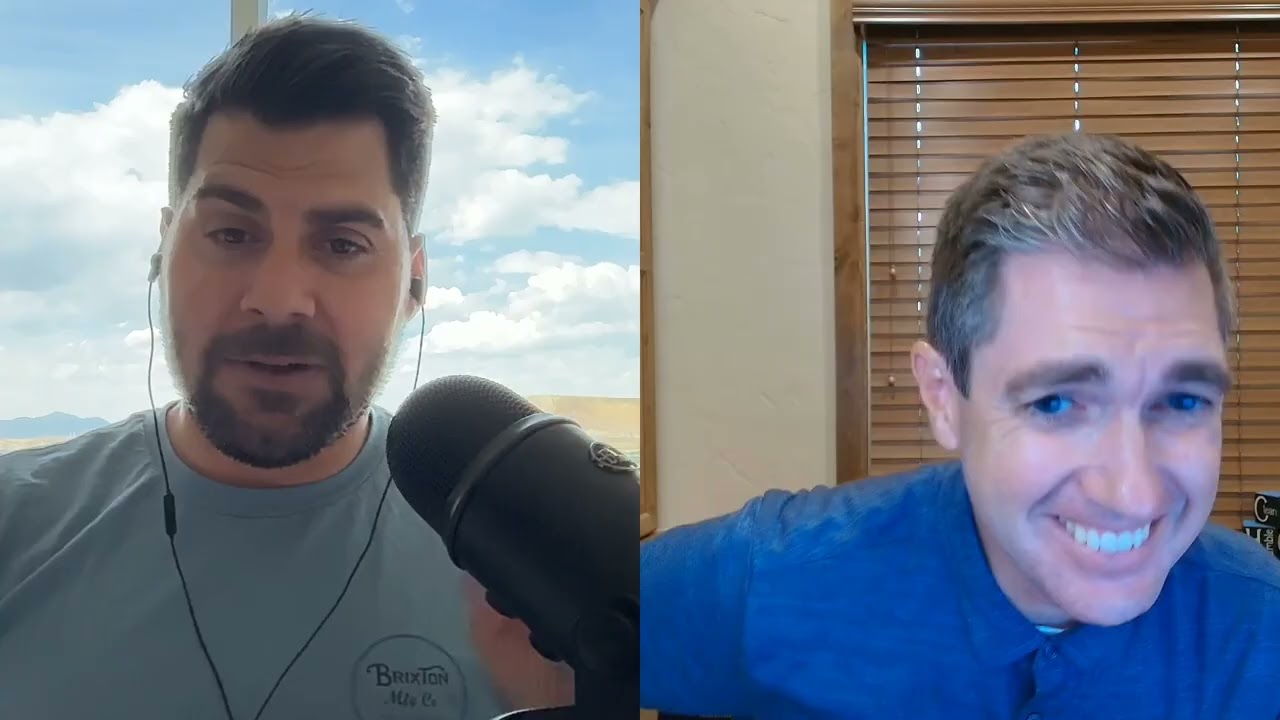
In this episode of the **Automatic Patient Podcast**, I sit down with Dr. Dan Nelson to talk about what happened after his practice went completely out of network—including dropping Delta Dental, which represented roughly **51% of their patient base**.
We get into the stuff nobody talks about:
* What happened to the hygiene schedule
* How many patients they expected to lose
* Why going out of network requires a financial safety net
* How they prepared patients before the PPO exit
* The systems they built to reactivate patients and refill hygiene
* Why membership-plan patients became some of their most valuable patients
* How recurring revenue changes the economics of a dental practice
* Why you should **build the alternative before you drop the PPO**
Dan also shares the challenges honestly. Going out of network wasn't magically easy—but seven months later, the practice was still growing, had added an associate, and had expanded into another location.
Read the article
Dropping Delta Dental: What Really Happens When You Drop Your Biggest PPO
Read the written version →Full transcript
Complete text of this video
What's up everybody and welcome to another episode of the Automatic Patient podcast. I am your co-host today. With me as usual, Dr. Dan Nelson. Dan, what's up, man? How you doing? >> [laughter] >> We both got our We both got our >> Matching shirts. >> We're wearing our Hawaiian shirts today, which is awesome. And before we recorded, I was talking about the I'm a little nervous because we got the category one hurricane hitting Kona, which I've got property there and I have a guest showing up
today. So I'm like, "Oh, good luck, buddy." >> [laughter] >> I'm like, "Yeah." He like messaged me 1:00 in the morning and he's like, "Hey, what do I do?" I'm like, "You When you land, if you're still going to plan your trip, go straight to the store and get like 14 days of supplies just in case. Good luck. Maybe I'll DoorDash you some stuff cuz I feel bad cuz your trip is ruined." >> [laughter] >> I feel so bad. >> Your trip to paradise is going
to suck. >> It's going to suck. Yeah, it probably. Well, I guess it won't be too bad in the on the Kona side, but it still will be rough. >> It'll be >> Anyways, so that's what I woke up dealing with today. Um but today I want to talk uh Dan and I had lunch yesterday. He was in town. We hung out a little bit. And uh You're got You guys are what? 6 months in being out of network with Delta? >> 7 months. >> 7
months now? Um so, let's kind of talk about the current status of what's been happening in the practice and you know, how it how it's been for patients, how it's been for the practice owners, and uh as a as a coach or consultant, like how do you see things? >> Yeah, I mean, it's It's actually 7 months um completely out of network. So, we're we're out network now. We're a few months >> Yeah, with everybody, right? So, completely out of network, but Delta was the big
the big one this year that you you guys decided to to cut, right? >> Yeah, and I and I think for us Delta would represent like a cuz cuz Delta was 51% of our patient base. >> Okay, so like majority of the patients, yeah. >> Yeah, like massive, right? So like you know, looking at uh you know, I think with all the offices that we work with, I would say most offices are probably at that 80/20, 70/30 range where they're >> Sure. >> They're some of
them are more up up board of 100%, um and patient base, but uh being, you know, >> see that as a risk? >> Oh, yeah, it's massive risk. >> Because it's like our our reimbursements are tied to one PPO plan or or one one company essentially, right? That we don't control. >> Uh well, we've never seen it, just to clarify, we've never seen somebody be under unless they're doing like Carrington or something like that, which is more relevant anyway. >> Yeah. >> We haven't seen anybody
just under one insurance like 100% goes to one. >> But that would be a massive liability, that would be huge. But even if you're on, you know, you still have there's still a lot of liability involved with the changes that are going on because again, I mean, you you have some semblance of control, you know, um you know, on what you can do on like re- renegotiations depending on who the insurance companies are. But with the current state, and the reason that, you know, and just
to be clear about fee for fee for service, you know, where we live, um and we've talked about this before on the podcast before, where we live, our overhead is so high between mostly payroll, honestly, like it just costs so much to live here. We have to pay our people at times. >> guys are like in a higher, I mean, at least what I'm hearing in Utah, and you guys are like in a Park City type >> Yeah. >> uh economy over there. >> Or Vail,
Park City type, yep. >> Yeah, so it's a higher higher higher uh cost of living and all that stuff over there. >> Yeah, it's it's the median home price is like double what most people, you know, would look at even mountain west. And if you compare to the Midwest, we're about three times as much. So, you know, so you can look at it like we work with an office a couple offices in California in Southern California. Malibu is the most expensive office we've seen and >>
Interesting. That makes sense, though. >> Yeah, the cost of living here is about the same as like Malibu. >> Wow. >> Except well, almost. But the reimbursement rates are a fraction of what they get in Malibu. So, >> So, would you like Okay, that's actually interesting. Like in cities like that, Malibu, Hailey, uh probably Park City or I'm sure there's there's a ton of cities we can talk about across the United States. >> I mean, even if you >> LA, yeah. What Do you see most
of the practice in practices in those types of cities that they they end up going fee-for-service or are they kind of stuck? >> Most of them are stuck. We're >> No, rat race, yeah. >> It's awful. Like we're working with a PPO office right now in San Diego that they are I mean, they're writing off the I think we had a couple of them that they're basically writing off 100% of what they're any profitability that was left, there's no meat on the bone. A lot of
70% write-off. It was pretty painful to go through the growth report with the owner, you know, and just show them how bad that they're getting beat up. So, the difference is is that in in this is what people want to look at is even as a fee-for-service office, are you seeing ours are are actually lower here because we live in Idaho even though it's a resort town because it's in Idaho. Um the And this is what's maddening is that you you can say, "Yeah, I still
have absolute control over my pricing." But you can price yourself out really quickly, too. So, you have to Sure. Like what other offices are charging to an extent. Um and what we're seeing is like like if you take um just the top 20 fees in our area, we're actually cheaper than like we're quite a bit cheaper than like um Phoenix, Arizona or even like >> Oh, don't fly at me. >> Yeah. We're actually lower there. So, we had to we are having to do a gradual
increase of our fees. We you can't do a big jump. >> No, no, no. You can't Like would you recommend like what? What percentage? >> Well, you should start with a like So, one of the things that we do is and this is a at Elevation Association, one of the things we do and you can just contact So, we'd be happy to give you this. Is that we can give you a market report for your area and that includes what the UCRN fees are based on
zip code. So, it's called zip code pricing, right? So, >> Yep. >> We can give you your zip code pricing. And then from there, we've looked at it and I've gone It's just it's just not enough where we're at, you know, just to cover everything even though we are fee for service. So, what we would say is take a look at that and then evaluate it based off, you know, go to your P&L and look go through your overhead and make sure that you're covering everything
and then if it's still tight, you probably need to do it an inch up, you know, just slowly like you can either do it throughout the year or you can do an annual increase, you know, the old dumb rule of like oh, 2% annual increase that doesn't work post COVID. So, you have to take >> Yeah, with inflation rates, yeah. Well, cuz I was reading the ADA report earlier this uh month on the financial state of the industry and it's like revenue has grown 1.4% over
the last 5 years and uh expenses have grown 4.9% on average across dentistry. Right now, that's a 30,000 ft view of the you know, landscape of dentistry. Not every practice is probably feeling that, but you're probably seeing expenses go up and if you're not if you're only doing like a 2% increase in in your pricing, it's probably not sufficient to cover the expenses. >> No, not even close. And I mean and I I talked about this I think it was on your podcast. >> Yeah, we've
talked about this a couple times. >> but we we we've seen um talked about this quite a bit. So, if you've heard me recently, you've heard me kind of ramble out these numbers, but we've seen upwards of of 20% plus on payroll um because of the the current >> Yeah, yeah, yeah. Uh with like hygiene primarily? >> The bidding it be there was a bidding war in about in 2020 3 the hygienist basically uh for example, we have a an office that we've worked with in
the past uh again in Southern California. And um that poor doc was like he was basically he had a hygienist that had been with him for like 10 15 years and all of a sudden he found that he was out looking it was a male hygienist and he was out like >> Job hunting? >> creating a bidding war for and so where he landed was and I'm not I wish I was making this up. He's $90 an hour, 90 to $95 an hour. >> Wow. >>
Is what And I said, you're losing money on this and the owner's like, well, I know, but it's a lot I have to treat it like a loss leader because I can't not have hygiene, you know, and it's like >> Sure. >> Well, maybe you could find a different work around, you know what I >> It's like is a doctor cheaper than that now? >> [laughter] >> I'm joking. >> That's the highest we've ever >> That's the highest we've ever heard. But even in even in
areas that were traditionally, you know, significantly lower. Um and it's settling out now because, you know, a lot of the >> It never stays that way. Like we saw something similar to in in my ecosystem here with sales people in like 2021 2022 where same thing happened uh salaries went through the roof and uh bidding wars and it it was kind of it was a joke. >> Yeah. >> Right? But it they never last, right? They they're they're kind of these booms and then they they
they they're not sustainable. They pop eventually. >> Well, and it is a balloon state right now. Like if you look at the overall like everything's kind of in a balloon state. We're still we're still playing catch-up even, you know, 7 years later we're still behind the eight ball with a lot of things in the in the economy and and it's affecting the dental world quite a bit. So just all of that uh all of the nonsense that we've been dealing with over the last few years
is finally starting to settle out a little bit, but it's still it's still there. Every Yeah, I mean just think about supplies, you know, if you look at supply and we've seen a upward between and it's a big broad range, but anywhere from like 7% increase all the way up again to the 20% increase. >> Yeah, I've seen top talking to my dad and my brother at the dental lab. That's exactly what they're seeing too with their supplies and that just passes on to the the
patient, right? >> Yep. >> And the practice. So it's like, man, yeah, supplies are kind of getting out of whack. So >> So as it pertains to overhead, I mean you really it's really imperative right now that the owners are going through and looking at their P&L and making sure, you know, checking their top line, checking their bottom line, and then tracking, being granular, looking down, you know, the line and saying, "Okay, well, where where are we getting abused on on our P&L and what can
we do?" Um and that's the difference that we have being out of network is that we can actually look at stuff and go, "You know, maybe we make maybe we do a $2 increase on instead of a percentage, maybe we look at our most, you know, the highest volume code that we code out every >> Okay. >> Yep. >> Say okay, so >> The revenue producer. >> Yeah, we just you know, we do a thousand, you know, or we do, you know, 4,000 you know, limited
or whatever and let's increase that by five bucks, you know, or you know, whatever and just take these codes that are a low dollar code to begin with and maybe increase it to 2 to 5 bucks. >> Smart. Yeah. >> We can do that because we have that freedom where we immediately see that revenue come in where if you know, um if you're strapped by insurance, you raise your codes all day and that does help. >> Yeah. >> big proponent of actually keeping up with market
inflation [clears throat] and stuff but but at the end of the day, you know, and and we get this a lot from from docs that are like, "Well, what's the point? I'm just writing it off anyway." Well, there's a huge point to it and part of it is market, right? Like you need to push that market. If you don't continue to adjust for inflation, why would insurance adjust for inflation? They just tell you >> Absolutely. The Well, yeah, if you're if you're not adjusting for inflation,
then you don't and and your market, let's say your zip code is the other dentists in your zip code aren't adjust adjusting for inflation, the insurance company's not motivated because they're going to look at data of that zip code and say, "Well, we're doing just fine in your zip code, right?" If you're not adjusting or if if I think we've talked about this, too, where if practices are only recording the adjustments um in their practice management system and not uh you know, submitting the the their
a higher UCR fee to the insurance companies, which happens a lot, sadly. Um you know, so no, that's really interesting. Okay. So, yeah, don't look at the write-off and say, "Well, I'm writing it off anyways." Like I think there's a lot of optimization to do in dentistry. Given the state of the industry is expenses are increasing, revenue's not increasing as fast enough, right? For most offices. So, no, that's really interesting, Dan. What um with uh like for from the patient experience, going out of network, what
like what's the biggest thing you guys had to change? From verbiage to like mindset within your office, like have have you noticed a big shift there? Or were you guys kind of already doing stuff? >> We were already doing stuff, but I but the the biggest shift what's been interesting with with this whole transition >> Mhm. >> is there's two big you should have in the years prior be be setting up to exit, right? So you start the >> Yeah. >> conversations and you're preparing the
patients for the inevitable change, right? And the reality is is you're going you you can pretty much predict who you're going to lose. Like you can look at it and go >> Interesting. >> you know We break ours down by employer. So we look underneath the So we looked under the Delta umbrella and we said, "Okay, let's break this down by employer. Who do we have?" And >> Oh, interesting. Is this Ryan's in the back doing all this stuff, right? >> [laughter] >> Yeah, I can
see it. >> We we break it down and we look We actually have an app built into our software suite our EAOS our Elevation Association Operating System or operating software. We actually have an app that's built in that will give you an insurance analysis. And so within that app and within that insurance analysis we go and we look and we say, "Okay, who's paying what under like say Delta for example. There's a lot of different plans that an employer can sign up for. It's not just
one, right? >> Yeah, sure. >> Delta and that's all there is. >> Yeah, they've got many. >> Yeah, so and what you'll find when you go out of network is that some of the plans pay pretty good out of network. Like shocking. >> Sure. >> So what we were able to do with that is we look and we said, "Okay, which ones pay sucky and which ones pay pretty good?" And you can then look at it and go, "Well, like for us it's the school district,
right? The school district and the >> Yeah, of course. >> So our police officers, you know, our our first responders, our teachers >> So the plan that they're on is is good out of network? >> No, it's >> It's terrible out of network. Okay. >> got you. Of course it is, right? Because why would we not treat our educators better? >> Right, jeez. >> So which is frustrating, right? So, anyway, we we look at that and we go, "Well, you know, typically, you know, they're going
to probably pretty be pretty insurance-driven. And so, >> Most likely. >> and because their policy kind of sucks out of network, it's not great in network, either, but it's especially bad out of network, we can effectively say we're going to unless they have, you know, another source of income or another a secondary insurance or the Delta is the secondary insurance, we're probably going to lose a lot of those patients. So, we basically can look and say, "Okay, we need to prepare for impact. What's it going
to look like and how many of these patients can we predictively assume that we're going to lose?" Because you do have to expect the worst going into it. >> Of course, yeah. >> So, you have to modify things for that. Um, you know, and adjust for it. And one of the biggest things we do and and you know, this is beating a dead horse on this, but it's so important is that we begin to really push and build up our patient benefit plan. >> Yeah. >>
that was massive for us because we wanted people that were especially under these So, Delta has a a self insurance. It's really bad. It's actually a very >> Sure it is. >> Yeah, it's terrible. >> Most financial products like that are really bad. >> It's terrible. >> I've never been happy with them. >> Oh. So, >> [laughter] >> they pay too much, they get no coverage and they get the the the group out of the three between the insurance company, the patient and the provider, the
one that takes it in the chin the most is the provider, right? So, the provider write the most off, has to make the most consignments and concessions. And it just isn't good. So, what we looked at that and we tried to move as many of those people over to our our in-house membership program. It was better coverage, plus they could stay with us, you know, >> Yeah, it's a direct relationship. >> Yep. Yep. So, we really built that up and that wasn't just the year before.
We've been working on that for, you know, a long time. But, we pushed pretty hard on some marketing campaigns and pushed it to the forefront of our website and and social media um to kind of gear that up. But where it really came down to the nuts and bolts was the conversations that you have in the office. >> Yeah. Yeah, I would imagine. >> media and then we were talking about marketing yesterday at lunch and you know >> It's It's all a relationship business. You know,
even even my business like running a software company is heavy relationships, right? So, it's like yeah, this the social media stuff helps like amplify or uh accelerate kind of your messaging, but until you sit down with a patient one-on-one, that's really where the where where where it happens. >> And we have posters up and stuff and >> Yeah. >> like old handouts and you basically can't turn a corner in the office without running into something about our patient benefit plan or buddy about our patient. So,
like it was big that that the assistants talked to them about it, the front desk talked to them about it, the financial coordinator talked to them about it, the treatment coordinator talked to them about it. You know what I mean? The hygienist talked to them about it. >> Yeah. >> So, the it it becomes it becomes you can't just rely on your marketing to take care of the business. >> No, like the >> in-house. >> Damn, this is how boring I am. Um I went to
some of our practices that were like growing their membership plans like the fastest and the best, right? And I just sat in their waiting room for like hours and just watched the patient journey. And ex- exactly what you're saying is exactly what the the best practices do. The assistant talks about it, the the hygienist, the the the doc, and then the the front office, right? So, it's like and then of course they got everywhere they turn there's information about it. So, that's what I notice in
in the I've sat in several offices for few hours and I've just watched patient flow be and the doctors were cool to let me do that, right? I'm like, "Hey, this is a weird request, but uh I'm kind of a nerd about this stuff. Can I just come and sit? Yeah, like can I come and sit and I'll bring you guys like lunch and everything. And I've done that a few times because I guess I'm a geek. I don't know, Dan. But no, you're absolutely right.
That's what I've witnessed across multiple practices that are growing really well and and taking a little bit serious. And all of them all these offices that I sat in are that's the plan is to you know, reduce insurance completely. So it's that's the right mindset. >> Yep. Yeah, and it's I mean it's so huge. No new patient and no patient that is either uninsured or is on a self plan or whatever should leave our office without a pamphlet in their hands. >> Yeah. Even if they
have three of them at their house. They should every time they come in. >> Every time. >> Yeah. >> Cuz they they that's repetition is what's going to get them like, oh you know what? I should just switch to this. I mean I I've I even have a membership plan for myself and all my employees here. >> Yeah. >> Right? To the doctor. And then this is how crazy I am. I'm like, I'm not going to do traditional health insurance. I'm going to do a catastrophic
plan and I'm going to build an HSA. I'm not going to touch the HSA for 5 years and I'm going to build a fund that that pays for my my my health care for the the medical doctor and all that stuff, right? Because it's just when you look at these financial products uh and and and insurance products, right? They just aren't that valuable to most people. Like I think my plan, my just regular health plan was going to go up a little over $2,000 a month.
And it and I looked at like the the increase from the year before it was maybe $1,500 a month. And I'm like, this is insane. I would be better off if if I took that same amount of money and put it in an HSA fund and invest it and let it grow over you know, a 5-year uh term without touching it and then going out of pocket, which is is kind of crazy. But, that's what I'm doing because when you look at these financial products and
insurance products, they just aren't that valuable anymore and they're asking uh patients to pay so much from dental insurance to health care. It's like, what is going on? They're asking so much money and then they're hoarding the cash and saying, "We're only going to spit out a little bit and then we're going to put the rest in the market and grow it for ourselves, right?" Like, it's it's insane, but that's that's kind of why I'm like, "I'm not doing this this insurance stuff. I'm going to
build my own fund because it's not It doesn't make financial or logical sense anymore, at least for me. >> Well, >> [laughter] >> you bring up a good point is that you can fund your in-house membership plan through others. They can spend their HSA money on Absolutely. >> Yeah. It It It's not precluded from from use. So, >> Yeah. >> We're seeing more and more patients come in. It's pretty cool like that are A, they're signing up for our patient benefit plan and then B, they're
funding they're paying for everything through their HSA. >> Yeah. >> It It's It's cool to see that trend and It's probably probably already been I don't know if that's like an uptick in actually like people taking out the you know, and starting HSAs or what, but >> Sure. >> what we are seeing is that we're our patient base is increasing. Those types of patients are increasing in our patient >> Interesting. >> Yeah, so and and you know, >> Well, maybe I should come up be your
patient. >> [laughter] >> Yeah, yeah, yeah. Come up. I should come up see you guys. >> The The other thing that that you know, we There's a a part of this that it's not all it's hard, right? Like, the the equity is difficult and >> Sure. >> I feel like we're more prepared than >> Most practices. >> I mean, we're consultants, so we should know what we're doing, right? But, >> Yeah. >> but the reality is is that you can prepare for war, but once you're
in war, like it's war still hard, right? Like you can be super prepared. Um we've been really fortunate that, you know, we've maintained our course. We've actually just brought in an associate. We opened another office, you know, we've been >> Yeah, congrats. That's awesome. >> Yeah. Um but the the the couple things that happened and I could just kind of want to like warn somebody that's like, okay, I'm going to go straight fee for service. We're going to jump out, go cold turkey and jump in,
you know, to >> I've heard practices do that. We like in the few years ago we had a practice that called me up. They're like, "We're starting the membership plan and we're cutting everything this month." I'm like, "Whoa, like have you prepared for this?" Like, "Nope, we're just doing it." Okay, learn a learn as you go, I guess. >> Yeah, >> [laughter] >> if you've got, you know, financial reserves and you've got a low overhead, I think that there's ways to do that for sure where
you could do like cut loose and let let it run, but but for most of us, we need to have some preparation. And what's going to happen uh the one of the things that you have to prepare for is to be prepared to pay your hygienist to do nothing. And >> Oh, interesting. >> you're like for us, 51% of our patient base is Delta, right? So, we can effectively look at that and then based out of that 51%, we looked at how many we thought, okay,
we're going to lose probably 50% of that 50%. Does that make sense? So, 25% >> Yeah, yeah, cuz yeah, yeah, cuz you got your your total patient base of a few thousand, I would imagine. >> Yep. >> What, like three, 4,000 depending on your size? >> 3,000, yep. >> Yeah, and then um so 50% of that, whatever that number is, 1,500, and then you said 50% of that cohort. So, 750, got it. >> Which is what we anticipated. We're like, okay, let's we we're going to
prepare to lose 1,500. We're going to anticipate 750. Does that make sense? So, >> Yep, yeah, yeah. >> Um and what will happen is that you're going to get a lot that you talk to that you will say, well, we'll see how well the cookie crumbles, see if we can afford to stay here. And there's a portion of your patients that legitimately they when they do their financials, they can't afford to pay for preventative stuff, especially if they have a big family or whatever, you know.
And so they go where the you know, where that somebody's in network. So those are the ones you're probably going to lose right off the bat. But there are all going to be some ones that love you, love your you know, your your staff, and they're going to be like, we're going to try to make it work. They're going to get their first bill. So they're going to come in, you know, you saw them in October, you prepped them in October, and then they come in
the next year in April, and now you're out of network. They're going to get their bill and they're going to go, we can't do this, and they're going to bail. Okay? So you have two cycles then of exodus. You have the initial one from let's let's say that you have your October. They come in in October, and you've got these two cycles. You have the one that's like, I'm this is my last time here, I'm not coming again. Okay? So they won't reschedule. Which makes it
easier when they do that because then you you can actually fill in the the spot that their appointment would have taken in April, you can put something else in there, somebody else in there. The ones that are hard are the ones that are like, I think I'd like to try to make this work. So maybe they keep their appointment. Okay. They come in in April, and they're like, I can't afford to do this again, and so they cut free. So you have to look and say,
okay, that's going to be another vacancy over. The ones that are really tough are the ones that think they want to do it, get cold feet, and bail the week of, the day before. The silent ones, yeah, they don't really aren't talking with you guys, yeah. Those are hard because then that leaves a vacancy in your hygiene schedule. Sure. Got it. They they just don't show up or they cancel last minute, right? And so So what what we've seen is we're running for the first 6
months we ran 75%. I did the numbers on it. We ran 75% capacity in hygiene. >> Okay. >> So, we're typically at 90% capacity hygiene. >> Yeah, sure. >> Right? Cuz you do have people get sick, people travel, people forget, people die. >> yeah. >> Whatever. You know, and so fallout in hygiene is normal. But we were see we were running about 25% on any given day. >> So, you're seeing a little bit of decline there. >> Yeah, you still got to pay your people. >>
Still got to pay your people. Uh Uh my first thought is you guys have built a financial safety net with the magnitude of active membership patients that probably aid with that. >> Right. >> And then two, the patients that do stay, what is the revenue per patient metric? Is that increased? Right, if you know that. I don't I don't know if you know it on the top of your head, but >> Yeah, yeah. Yeah. >> I would imagine you're tracking that with Ryan back there doing
all this stuff. >> That's what he looks like. >> And I would say anyone that's listening to this go back to a podcast that Jordan and I did on the Automatic Patient Podcast. We talked about um we we talk talked about a couple of key uh point indicators that are my favorites. And um annual patient value is one of my favorite uh key point indicators. And I believe you were talking to uh we were talking about her last night uh or yesterday at lunch that she
brought that up. And I maybe Mark Costas she was talking about it as well because and you're going to hear it over and over from the experts in the field because that's a massive um it it's a great way to measure like the value that different people will bring a patient base will bring into your practice. So, >> Yeah. >> to answer your question, our patient benefit plan members, so those people are worth double what a Delta patient was worth. >> Sure. >> So, and they're
worth about 50% more than a cash patient. >> Yeah, yeah, yeah. The cash patient always surprises me because everyone idolizes the cash patients, but it's like it's good like it's a like mentally I know how docs think about it because because I've been in the industry for so long. It's like, "I got a cash patient. They're my precious cash patient." But, then when we look at the data, right, from what you guys are seeing, it's like, from a revenue per patient efficiency metric, uh they're they're
actually not as as valuable as you think, right? From a from a financial uh production standpoint. >> Yeah. And this is just our office. We've actually seen it in other places, and I believe it was talked about Again, you guys were chatting about it the other day on your podcast, was uh as much as three times as much, depending on your market. So, you >> Yeah, it just depends on the market, absolutely. >> Uh you know, we were in Alaska for we we went up for
one of our summits, and we went up to we did a fishing excursion for um one of our CE summits uh in last month, in July. And uh it was awesome. I was with a couple I was fishing with a couple docs from >> [clears throat] >> Indiana. And uh >> That's cool. >> One of them, he's a freaking genius. Like, seriously, one of the smartest guys I've ever met in my life. He He's borderline savant, and he's He's like, "There's no way that a patient
benefit plan member's worth more than twice than a ca- or a regular patient." I'm like, >> A cash patient, right? Is that what he's saying? >> than even an insurance patient. I'm like, >> Got it. Got it, yeah. >> "Bro, it's real." And he's like, "No way." And I was like, "Okay." And one of the docs like, gets on his phone as we're out there fishing. He's like, texting his office manager. He's like, "Could you look and see how much >> [laughter] >> Yeah. He's like,
He's like, "Sure enough, it's He's like, we're more than double." And the other guy was like, "No, there's no way that this is how it is." And I He's So, he texted me about a week after we got back. He's like, "All right, you're right." >> [laughter] >> He's like, >> Do you have >> He's like, "Tell me more about this. How do I start one? What do I need to do?" You know, >> So good. >> Yeah. >> [laughter] >> But, I mean, it the
reality is is that um there's this whole, you know, you I think they call it the Amazon Prime effect, you know, where it's >> Yeah. Or the Costco effect is what I see. It's like, when you go to Costco, you're like, "Okay, I'm only going to go in for that prime steak cuz I'm going to go get dinner tonight." This is what happens to me every week. And I go in and then I leave with like $300 to $400 of of of of that I wasn't
planning on buying, >> [laughter] >> right? Right? And I'm like, "Okay, every time I do this, I say I'm going to go to just going to go get the steak and maybe some potatoes for dinner, and then I come out with three to $400 worth of of products." >> Yeah, it's interesting how your list grows the minute you walk through the you're like, "Steak and potatoes." >> "Oh." >> Your wife's like, "Steak and potatoes." You're like, "Yes, steak and potatoes." And then you get through the
you're like, "Steak, potatoes, and TV." >> Yeah. And TV, yeah. >> Steak [laughter] and potatoes and TV and water and steak. >> I came out with a new PlayStation 5? What's going What's going on?" It's that new Grand Theft Auto's coming out. I got to get a new PlayStation 5. >> [laughter] >> I bought 600 light bulbs. >> Yeah, whatever, yeah. It's just It's the nature of it. No, that's the that is the effect, right? Cuz >> It is and and that's the psychology behind it.
You know, we joke about it, but it that's the reality. >> It's so it's so true. Like even even Amazon Prime, like when they started, um their average member was paying like three to four times more than uh just a regular Amazon user. And today, it's like six times more cuz they just keep learning how to dial it in, right? >> Yeah, the more it works. >> it really works, right? From Costco to And I know some doctors may be like, "Well, I don't want to
be a Costco type practice or Amazon type practice." I'm like, "That's not what we're saying here. We're saying that uh this is a more efficient revenue model both for the practice and the patient. Not not You're not becoming like a Netflix dental office, right? Sometimes that's a a comment that I hear from practice owners like, "I don't want to be like a Netflix office or anything." It's like, "Whatever, uh Blockbuster went out of business, bro. So, let's let react. It's like it's a good model. >>
[laughter] >> Yeah, I don't I don't I don't know you why you'd spit at that but that yeah, that seems a little bit too >> Yeah, yeah, I mean we hear lots of different reasons why the people may be scared of it cuz >> It's fear, right? >> It's a fear It's all fear like we talked about this on one of our episodes, too. It's fear and even like I had Howard Farran on one of our shows and Howard spent a lot of time on fear,
which which was actually surprising to me cuz um and it was actually a lot of practical practical advice from Howard. And but he spent a lot of time on fear and if we could only just get rid of our fear, we'll make better decisions. And look at the data, like what you guys are doing. You're only going to make better decisions for your practice and your patients, right? And that ultimately was like the message. I know you and I have talked about this many times. >>
Yeah, I mean it's [laughter] part of that model that I you know, I've been working on that you know, the [clears throat] the the five barriers of success. >> Yeah. >> The Here's the thing and and bringing this back to the conversation about holes in the hygiene schedule. You know, cuz the hygiene feed your operative side, right? >> Yes. >> We did create an app. So, I got frustrated to the point and it was kind of freaking out, too. It's part of you know, speaking of
fear. Um There was a point where I was having So, Ryan meets with our front office and then he comes back and we have a leadership meeting and he reports on what we talk about, right? What they talk about. >> [clears throat] >> And I would say a lot, "Hey, tell me what's going on with um recare. What are we doing on recare?" And he's like they say they're working on it and I'd say, "What does that mean? I don't I don't know what that means."
And he's like, "Well, they're working through lists." And I said, "What lists?" And so, you know, in Dental Intel they have lists that you can go through for your lost patients or your recare patients or whatever. And I said, "Okay, well, how are we working through this list?" And it was hard because Ryan's like had a had a hard time qualifying and quantifying how they were working through the list. So, what I did was I created an algorithm um kind of like an ACLS algorithm that
says >> Okay. >> it go here. And then I I base it off of psychology and communication expert >> Cuz that's your background, yeah. >> My background, yeah. >> [laughter] >> So, I said, "Okay, let's find out what is the most effective way of communication?" And And what we found was the most effective way by far um 70% better uh than any other form of communication is texting. People respond better to text. >> Yeah. >> Either way. >> I always do. >> Yeah, so much better.
So, we said, "Okay, in this algorithm, we're going to create a text message, and it's going to say" and then we put the barriers in, right? So, that What What are the barriers to keep somebody from rescheduling or getting scheduled? And I created this algorithm, and then Ryan, being Ryan, looks at it and he's like, "Dude, we can do better than this." And so, he actually Again, in our in-suite app, he takes an app. Yeah. >> Yeah, and in the back, yeah, I can only imagine.
>> to break this [laughter] out. And I was like, "What'd you do?" And he's like, "Oh, you're going to like this." So, we actually have an app in our EAOS suite that will [snorts] allow the front desk to It populates the list of any active patients that are not currently scheduled for hygiene, any of them. So, and then we can reduce it down to um how many months it's been since they've been in or whatever, but we typically go Active is defined as someone that's been
in in the last 18 months. So, any patient that's been in in the last 18 months that is not currently scheduled for hygiene, it populates that list. Our front desk can then take click on a patient and start to work the algorithm, and it'll literally send them They can take the information, send them the first text message. >> Yep. >> And then based on the response either they get a response or they don't get a response. If they don't get a response, they get >> another
reminder or something? >> three text messages before it gets shuffled off into another pile where it says, "We're going to leave this dormant for 90 days." >> And then re-market it after that? >> come back to it again. But, they're not going to waste any more time on those to generate a text. And Um are Yeah. actively is they're Sure. Um Sure. Um Usually Sure. Yeah, sure. >> Me too. >> you know >> um, you know, a hand a handwritten list. So, so it's something that's
been really again, you know, necessity is the mother of invention, right? So, we've been able to create some some cool stuff, but yeah, I mean, I >> Right. >> That that that's been a huge that's been a huge challenge on that front. Um, but yeah, you know, I want to go back and answer your question a little bit better, too, is like how do is our communication go? The flip side of the preparation conversations, now we're on this side of the conversation as far as treatment
planning and presenting. Remember, I'm an Air Force doc. I was in the Air Force wasn't an issue. Like it wasn't brought up. We did whatever was best for the patient every time. >> Sure. >> It's a little refreshing to be able to go back to that and go, "Look, we need to do what's best for you. Here are your treatment plan options." And now it's not dictated, "Well, will my insurance cover that?" You know. >> Yes. Yeah, you can be like, "Hey, this is what you
need. Here are the options. Here's like if if you can't do it all uh, in you know, this month or whatever, you can string it out over a couple quarters. Hi, Dina. Let me Let me I'm just finishing up this podcast. I'll bring you on a minute. >> [laughter] >> Dina's partnering with us right now. >> [laughter] >> Got you. >> So, thanks. I'll see you in a sec. >> [laughter] >> That was ultimate podcast bomb. There's photo bomb >> That was a We had a
podcast bomb. So, good friend Dina Zohs just said hi to us cuz she's on our the podcast next. >> [laughter] >> That was a nice That was a slick promo for the next podcast, like >> Right. Now I got to put make sure her podcast follows this one. Yes. >> [laughter] >> Don't make it weird. >> Sorry, Dan. Keep going. >> No, I mean, that was kind of it. I mean, her timing was excellent. >> Yes. Sweet. Awesome. So, uh just to recap, um build the
financial safety net is kind of the what I've been telling practices that are doing this, right? Like what you guys have done, cuz you guys are an excellent example of that. Um you it's not going to be free of challenges. You're always going to have challenges. Typically, when it comes to hygiene reappointments. >> Yeah. >> Right? But making sure you have a system like you you talked about from how you talk about to patients, but also a a follow-up system that's robust. >> Mhm. >> Um
so that you you're fixing those problems. And then uh I would I would also say we didn't talk about this, but I know how you guys operate. You guys use an operating system. You're probably identifying these problems that you're seeing and you're you're solving them as a team uh where most practices don't do that, right? Um and that's a whole other episode, I'm sure we can do on how you how you guys operate, cuz you guys operate very closely to how we operate here at BoomCloud.
>> Mhm. >> Um you know, with a with a uh we use EOS. I know you guys have your own doctor version of that. >> Mhm. >> Um that you guys have developed, which is kind of cool. So, awesome. Uh so, final thought for our listeners today, like it's can be scary. It's full of challenges still, but it's still an amazing way to practice dentistry. What's your final thought for all of our listeners today? >> Yeah, my and what I really wanted to get across on
this episode was just, you know, that the one of the I wanted to address up front the challenges that people >> yeah. >> But I wanted to be specific about one of the things that we've watched at first hand and be able to pass that on, and that's the hygiene schedule, cuz that's what freaks you out when that happens. And it's like there are things that you can be doing, uh obviously, to prepare for it. So, again, the things that you named off are are huge
in preparation. It's huge. But also like there's a point where no matter what, you know, I love the the quote that Mike Tyson said that everyone [clears throat] has a plan till they get punched in the face, right? >> Yeah. I get punched in the face every at least once a year, Dan. >> Right. >> Got to figure it out. >> [laughter] >> You should have a plan for when you get punched in the face, right? And that's the whole thing is is that at some
point you're going to try to be preventative as possible, but you're going to have to be reactive also. And so knowing the counter punch is huge and being able to look at it and say I'm not just going to randomly be reactive and panic and be led by all these barriers, you know. >> Yeah. >> I'm actually going to look at this. I'm standing in the face of these barriers and I'm going to have a reaction that is proactive, that is something that has a I'm
going to make lemonade out of these lemons. And there are so many people out there that can help with this kind of stuff. And this is what really blows my mind is how many offices just try to go it alone, you know what I mean? >> Yeah. >> Try to grind it out and and what ends up happening is some of them slide right back into insurance cuz they just give up because they're freaking out and they don't let things happen. And the other little tidbit
of advice I would give as we're wrapping up is reach out to the other docs that have already done this. >> Yeah, I agree. 1,000%. >> They they will be able to help guide you through the turmoil because there is going to be a lot of turmoil following any exit. So >> Yeah. >> Talk to somebody that's done it before. They're going to give you some reassurance, they're going to give you some guidance, they're going to you know, be able to point you in the right
direction in a lot of ways. And then just work with this work with a good consultant, you know, work with somebody, you know, and obviously like I'm an owner but I'm a consultant. >> Yeah. >> But when you work with somebody that gives you those two things both as a peer that also as a professional, that's going to help you so much. So anyway, yeah, that's kind of my parting shot there. >> I like I do this with with I'm a part of a mastermind. I
have a coach and consultant. Hi Lisa, we're just finishing up. We just >> [laughter] >> The we're just having a party today, Dan. Everyone just wants to join the show. >> [laughter] >> I didn't know I'd be on the same link. >> I didn't either. Sorry. I didn't I didn't know that's how it worked, but that's okay. Um >> is coming with all of us on there. >> It's like >> It's a party. >> This it's a >> We did that. So, if you remember Jordan,
we did that we did a big panel in when we were in El Salvador for one of our summits. We did a big panel that we had like James Heaton on there. Mark Costas was on there. Phil was on there. We had Ryan Isaac, Matt Mulcock. Like we had this giant panel. So, dude, it's coming. Jordan's going to orchestrate. He's going [laughter] to He's going to pull all of us together into a single podcast. It's going to be super >> That would be actually pretty fun.
So, with we're going to end here, Lisa. So, you more than happy to chill with us and be a pretty face on our screens. But with with that said, Dan, I think masterminds are important. I'm a part of a mastermind. I've always been one. You guys do at Elevation Association, you guys do that. And yeah, which is awesome. I highly encourage our listeners to go check out Elevation Association. And if you don't have a membership plan, cuz membership patients spend way more than cash and PPO
patients, come check us out at BoomCloud. We got some cool things that we're doing to help practices in this time of weird economic stress. So, check us out there. And Dan, with that said, man, we hope everyone has a rocking day. All right, on. Cheers.