Videos / Watch
PPO Patient vs Cash Patients vs Membership Patients - Dr. Dan Nelson
August 19, 2026 · BoomCloud™
About this video
Episode Notes
key topics for a podcast summary:
Technical Setbacks and Humor: The podcast kicks off with some lighthearted moments as Dan and Jordon troubleshoot microphone issues, setting an engaging and relatable tone for the conversation.
Strategies for Defining an Ideal Patient Profile (IPP): Jordon and Dan dive into the importance of creating an Ideal Patient Profile, emphasizing how understanding demographics, psychographics, and payment preferences can elevate the success of a dental practice.
The Value of Membership Patients vs. PPO and Cash Patients: They discuss the financial and operational impact of different patient types. Membership patients are highlighted as the ideal, with higher conversion rates, more predictable revenue, and fewer limitations compared to PPO patients.
The Psychology Behind PPO Limitations: An in-depth explanation is provided on how insurance companies influence patient spending behaviors and the drawbacks of being heavily reliant on PPO patients.
Marketing Tips for Attracting Membership Patients: The conversation includes actionable marketing strategies, such as using local SEO, social media, and educational content to bring in more high-value, membership-based patients.
Community Engagement and Referral Programs: The hosts discuss ways to build community trust and loyalty, emphasizing how involvement and patient referrals can significantly boost practice growth.
These topics set the stage for a dynamic and educational episode packed with actionable advice for dental professionals looking to transform their patient base and increase profitability.
Jordon's Company - Membership Platform for dentistry: BoomCloudapps.com (boomcloudapps.com)
Dan's Company - Coaching practice owners for success: https://www.elevationassociation.com
Full transcript
Complete text of this video
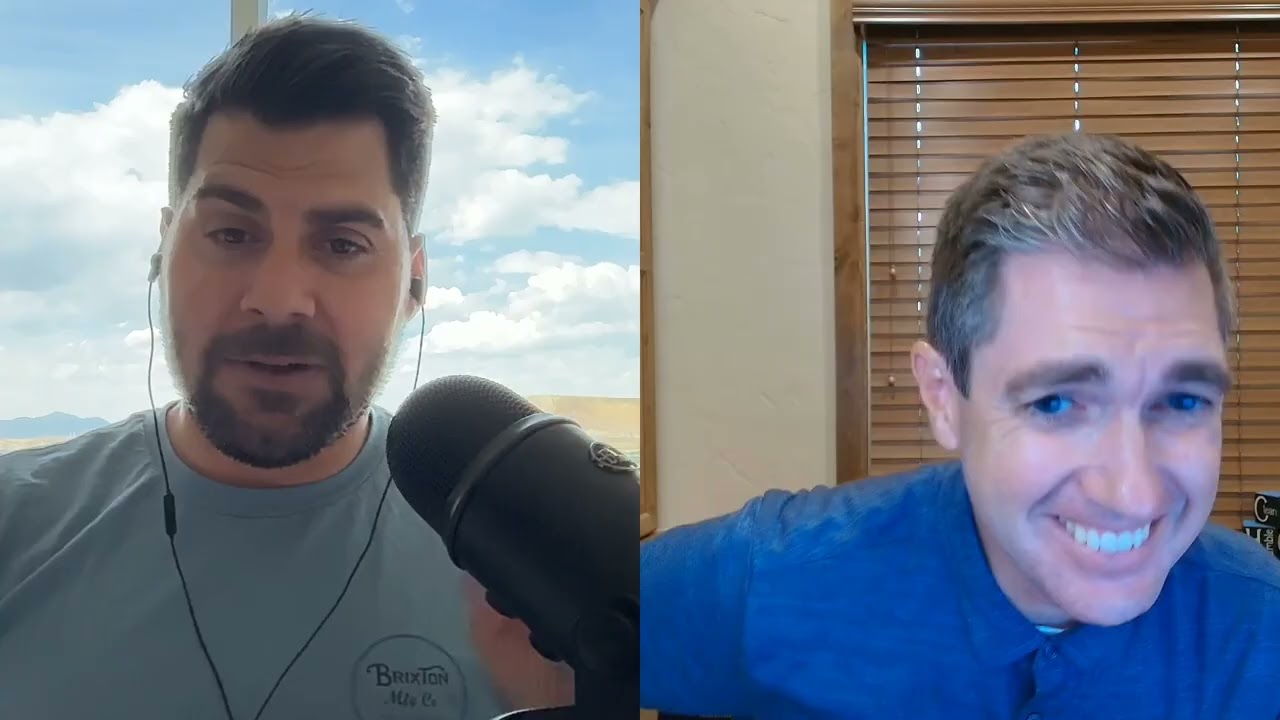
What's up everybody? Welcome to another exciting episode of the Automatic Patient Podcast. I'm your co-host Jordan Comstock with me, Dr. Dan Nelson. What is up, Dan? How you doing? >> Yeah, I'm just I'm working on my second Zipfizz, so I'll be ready for the show. I'll be all hyped up, caffeinated like I usually am. >> Here we go. Yeah, that's now we're talking. >> I'm trying to make it a theme for every time that you ask me what's up. I'm like, just caffeinating, you know, just
getting >> [laughter] >> Just get some energy for the morning. Yeah, no, that's that's me every morning, too. So, the older I get, the more caffeine I need, it seems. >> [laughter] >> Especially with my my three young daughters wearing me out every day. >> Oh, yeah. >> [laughter] >> You know, so Anyways, dude, what's new with you guys? >> Ah, wow. So, we just got back from Africa. Um, did our our Dental Legacy Foundation trip, um, part two for this year, part two of three.
Um, so part three leaves in a week and a half. Um, but yeah, it was it was epic. Um, hey, saw we saw a leopard, uh, which has been on the big five. They have this thing called the big five, um, animals that are out there, and the leopard's elusive, and we saw a leopard, so check that off the old >> the bucket list. There we go. That's cool. >> Like we were on the Rufiji River and saw it up on a rock. I don't even
know how our guide saw it. The guide's like, "Oh, there's a leopard over there." We're like, >> Just a casual leopard. >> Oh my gosh, it was a >> Just a leopard hanging out. >> Yeah, I I felt very safe. It wasn't going to jump off and kill me. It was great. >> Jeez. Have you ever seen those videos at least, uh, like in the mountains of here in Utah and probably Idaho, where the cougars popped out on people when they're driving? That would freak me
out. Or when they're hiking, that would freak me out. >> Well, on our safaris, um, it's super common to get within 10 ft of lions. Like >> Jeez. Yeah, no, I'm not I'm not doing that. >> Yeah, like no, thanks. We we have I have epic video of us like parked next to this cheetah eating a zebra. >> Geez. >> [laughter] >> And like I'm we're so close to it. I'm like, oh my gosh, if this cheetah decides that it doesn't like us. And it feels
like the guides always park with me closest to the animal. I'm like, is there what I must bug the driver or something when we go on these things cuz they're like, let's put him closest so that if the leopard lion leaps up, this gets that dude. So I'm always that guy. But it it was epic. We saw I don't have the numbers back yet for the patient count that we had, but yeah, we we we had some really cool awesome experiences there that that my favorite
is probably I won't use a full name. I'll just call her Dr. Brinn. Dr. Brinn came with us and one of the things that she specializes in in her office is cosmetic veneers. And so >> Oh, cool. >> composite veneers, excuse me. Composite >> Oh, okay. >> And one of the the techs at the hospital that we our clinic is in, she had some really bad fluorosis and was super self-conscious of her smile. And um And so Dr. Brinn gave her a some some composite veneers
and the girl was just over the moon. She was she would cover up her face anytime she would smile or laugh before that and she was like smile. Yeah, I told like tears of joy. Like she was ecstatic. And so doing little things like that have been that's it. We're able to even do that now because our first trips were all just like infection, treating infection, treating >> Sure. >> you know, massive problems. And now we've built it up to a point which was our goal
is to get it to be self-sufficient. We've got a Tanzanian doctor in the in the clinic now which was a big for us. And so >> And that's something unique you guys are doing with your foundation. You're actually building like the infrastructure there with with like the doctor that's there. >> Exactly. Yeah, our goal is for us to not have to be there anymore so that we can go on to the next location and do the same thing again. >> Yeah, that's rad. I love it.
So, you're starting week three here when? Is it next week you're saying? >> Uh visit three, yeah. Uh trip three is going in a week and a half. Yep, and they'll be there for two weeks. >> And is Ryan still uh lost down there and we saw a leopard. >> I checked in on him this morning. He seems to be okay, [laughter] yeah. >> He's doing good. He's like, "I saw another leopard. This is great." >> Yeah, [laughter] he's learning more Swahili which is good. Yeah,
he's good. >> That's awesome, dude. No, I love I love I love hearing those stories. Uh it it makes me uh really want to figure out how to get down there with you guys. Um I think that'd be really a really cool experience. >> Life-changing, I can tell you. It's life-changing. It's It's what everybody describes it as is life-changing. >> Yeah. And I know I say this every episode, but that's it's it is my wife's dream and I I I need to do I need to
be a better husband and just make it happen, right, dude? >> [laughter] >> Yeah, but hey, let's let's change the topic of the show to being a better husband. Let's do that. [laughter] >> Yeah, I don't know if I can I can't speak for that. Sorry, dude. We're >> Literally, you can't speak. >> I'm joking. I'm joking. >> [laughter] >> No, I I think it'd be really cool. So, um just need to get that nanny. Um Okay, let's get started with our episode today. Today, I
got some questions. Um my questions are We're We're going to talk about couple buckets of patients. We're going to talk about PPO patients, fee-for-service or cash patients, and membership patients. Uh the other day we were um me and my team were talking to several uh like multi-location practice owners and they were grilling us with these questions that now I'm going to grill you with. >> [laughter] >> Um I find it fascinating whenever whenever anybody in the industry asks me questions um I I there's a saying
that we we we say here uh whatever what's the I'm going to butch the saying. Whatever fascinates your boss should intrigue you. My boss are our clients in practice owners, right? Is how I look at it. Uh here at BoomCloud we don't have any investors. My investors are our customers. So, whenever somebody a prospect in the dental industry or a practice that we're working with has questions I'm very intrigued by them and uh so this is a list of questions that my boss asks me. >>
[laughter] >> Um all right, so the first question I got for you Dan is what is your conversion rate for treatment plans with PPO patients compared to patients on a membership plan? >> Okay, so so the in in Elevation Association we do a lot of this type of um data interpretation data analytics. And so this one was actually pretty easy for us to pull. Uh so this question we were able to compare against um PPO patient or or membership, you know, uh plan patients and cash
patients. And um what was interesting about this was and I'll let me just tell you the numbers really quick. And and keep in mind um this is reflective of the of not every practice is going to have this exact there's other factors that are going to go into it that I'll I'll get into in just a second. But these numbers are decently close between PPO and patient benefit plan members, which they should if you think about it because both >> They're similar they're Yeah, they're similar
mechanisms. >> Yep. So, it for patient benefit plan members it's 40%. For PPO it's 38%. And what's interesting is that cash patients are 24%. >> Oh. >> So, yeah, an outlier. So, and let me get into some of the interpretation the data interpretation behind some of this. And this data interpretation is not exact. Um we're we're jumping to some we're making some assumptions with with this. So, you know, don't hang me by that this news. But, um what we can infer from some of that is
that the the conversion rate, um you know, the patient acceptance probably has more to do with uh how it's presented. Um >> Sure. >> you know, or not more to do with, but it certainly that's a that's a component. You know, it And what you would want to do in your office is take a look if you have multiple provider multiple providers in your office, that's kind of nice cuz you can compare and see, you know, what the treatment acceptance rate is across providers. So, it
and if you have an outlier like a um you know, let's say that it's you know, around 40% uh for for most of them. Uh I'm just rereading the question here. I've got it written down here. Um if if if you compare those different providers and one is low, then you probably have a verbiage problem or personality issue in your office. And so, >> Yeah. >> Yeah, so taking a jump back to a bigger scope of things of like why this number is important. Um if
you're a practice owner and you have an associate multiple associates or partner, you're going to want to look at that and say and then to look at your treatment teams. So, what I mean by that is the hygienist with the provider or the provider with the assistant or the treatment coordinator, whoever it is, right? >> What combo increases conversions? >> Exactly. Or where where do you have a low one, right? And so, and we've been able in our office to identify that and say, "Hey, you
know, we've had a provider or a provider team that doesn't work well or for whatever that they put off a weird vibe or something." And so, we've had to pull those teams in and say, "Hey, how are you guys presenting treatment? How does that discussion go? What does it look like? Cuz your conversion is 24% or 22% or whatever, I'm making up the numbers." >> Yeah, sure. >> And you know, that discussion and sometimes, you know, as an owner you can go be a fly on
the wall and listen to how it's going and go, "Oh, no wonder. That is awkward. I'm uncomfortable and I'm not even in the conversation, you know?" >> [laughter] >> We have in in in my business, I have associates. They're just not clinicians, right? We have sales people that that that are my associates, right? And I have customer success people that are my associates. What we look at we put them in pods too, very similar to what you just mentioned. Look, business is universal. Whether you're a
software company or dental practice, there are some universal things that we both do to optimize whatever, right? Optimize numbers for conversions in this case. Um but I know we we look at the same thing here to a BoomCloud with our with our team members. Um does sales rep A and appointment setter uh B and adoption customer success rep C, right? Those three people, do they work well together and do they one get appointments to our BoomCloud uh sales people and do those sales people close those
and do our adoption people actually help that practice get adopted and how can we move those around? So, yeah, that we look at it the same way. I Every time I talk about anything within operations in the practice, I'm like, "Oh my gosh, we're doing the same things here at BoomCloud just in a different just different slightly different function." >> Anyway. >> Yeah, I mean the principle the principles are universal and that's what's nice is that it you don't have to go very far to find
good practice and principles, you know. >> Yeah. Okay, that's interesting. So, oh, go ahead. >> Oh, I I do want to talk to the outlier, the 24% cash, um, yeah, you know. That That one's pretty interesting because everyone says, "Oh, the ideal patient is a cash patient, you know, which which is true to which is true, but you have to remember when you we've had our patient benefit plan in place for multiple years now. So, you have to one of the things that you refer is
that you've now transferred a decent amount of that those would-be cash patients into your patient benefit plan, right? So, so now your what's left over is going to be a certain percentage of those cash patients now that uh that would that haven't joined your patient benefit plan are probably, you know, transient, emergency, you know, the these people that are are coming in with you know, big issues. You look at them and you let's say you treatment plan five different things cuz they haven't been to see
a dentist in 10 years, you know, and you're like, "Oh, boy, you got a lot." And so, their acceptance rate is low cuz they're just like, "Oh, we'll just fix the problem that I have, this thing that's bothering me today." >> Fix the thing that hurts and then I'll figure out perio later. >> Exactly. And then you don't see me again for 3 years until the next tooth breaks or whatever, you know, and so you have to factor in that's why that percent that's one of
the reasons why that percentage is probably lower. >> Yeah. That's interesting. >> Yeah, and then you factor in your transients, you know, it's a lot of times, um, if they don't have insurance or they're not part of your if they haven't invested into themselves into the patient benefit plan, then they just kind of go wherever, right? And so, you know, you have you have to look at that as well. There's probably some other factors into that number as well, but certainly, you know, those are the
two big things that you'd want to look at. >> That's interesting. Here's how I think about when I see this data that you just shared. Um I I talk to fee-for-service practice owners all the time, right? And often they pound their chest and say, "Why would I give a discount to my fee-for-service uh for my cash patients when I'm collecting 100% of the fee, right?" With this data, it's like, "Well, you're actually only getting them to 24% of those patients are going to say yes to
treatment." The reason why you're seeing membership and even PPO patients say yes more to treatment is cuz it's it's a mechanism designed for case acceptance, right? Both Both are very similar, right? A membership and a PPO. Uh the only difference is you keep the recurring revenue on a membership plan and the insurance company keeps the recurring revenue on a PPO plan. That's the difference. >> And you and I You and I discussed the psychological component to that, too, right? The whole the add to add to
cart component, which is if I'm on Amazon and I'm looking at something and I know I'm getting it Prime, I'm more likely to add to cart. You know what I mean? And so cuz I want to I want to capitalize on this thing that I've paid for and I want to maximize my my benefit from that that membership. So um yeah, there's certainly a psychological component to it as well. >> Yeah. No, that's great data. Okay, question number two unless you're you've got another comment on
this one the first question. You good? Sweet. That was awesome. Uh second one is what is the retention rate for each patient type? PPO, fee-for-service, and membership plan patients. Yeah, loyalty rate, however you look at that, right? >> Yeah, so this one this one is hard to answer. Um it takes a lot There's no data sets for this. >> Sure. >> But I do want to talk to a couple points regarding this. And and the first one and and I've I've mentioned this in multiple podcasts.
I've mentioned this in webinars that we've done and I've mentioned this in CE events that we do, um because I think it's really important, is that one of the things that drives me crazy and and marketing companies are guilty of this, uh, crappy office managers are guilty of this is is they will tell you really fast what the new patient rate is or averages, right? And so they're like, "Oh, we have we we get 50 new patients a month." Okay, great. How many do you lose?
Right? And so >> Yeah. >> that's not tracked. People don't know. Like how many lose No, they even if they >> I track that like clockwork here. >> They They the office a lot office managers don't even know how to do it. They'll just go and look All they'll do is they'll go and pull the previous month's active patients or patient base and then compare it to that month's active patient base and say, "Oh, we have a net gain or net loss of X." >> Interesting.
>> So then they go and they go, "Okay, well, then I'm going to go in and look at the new patients that we brought in and then I can determine by factoring that into the equation how many patients we lost." Which that's fine. You you can do it that way. >> Yeah. >> You know, but it doesn't tell you which patients they are that you lost. You don't know where they went. Like >> And you if to get them re- re-marketed to or re- back into
activation. >> You don't even know like did they Then you have to pull in if you do it that way, then you have to pull in your office team and say, "Where did this patient go? Did they Do we know what happened to this patient?" Like what happened? So, you know, companies like Dental Intel, they build that into their system and so you can actually go into a loss feature and look and see, "Okay, this is where we lost them. Um, you know, they moved. Maybe
they passed away. Maybe they changed offices. Whatever." Now you can start to get granular on like what's happening. And usually once you have like We have a weekly review of this with our front office team that we go through and we say, "Why did they transfer? Why did they move you know what Oh, well, they just moved. Oh, this kid went to college. Oh, this had Oh, okay." But, it's like, you know, >> Not I I They hate Dr. Nelson, yeah. >> Yeah. Then then now
we have to you know, "Oh, you made that patient mad." You know, it's like, "Okay, yeah." But, at least you can do something with that, you know? >> Yeah, you can call them up and and and fix it. Yeah, if they moved, yeah, it's like, "Cool, that's you you always going to have attrition or churn no matter what." Like, there's no business that's uh free of that. I wish that wasn't the case. Building businesses would be in practices would be a lot easier without that. >>
[laughter] >> Uh exactly. >> You know what I mean? >> So, I mean, I I just don't want anybody to get, you know, practice owners, you guys don't get too hung up on the you know, new patients per month because you could be bleeding patients out the back door, too, and not know. So, you know, you you want to track both these. So, to to get back to this original question on on retention rate, um it's difficult to get into you you you have to pull
a data. There's no like nobody makes a None of these None of these data companies make a >> Interesting. >> um anything that would >> Woah. >> Drop my pen, Jordan. That's awful. Um Nobody makes uh any type >> mine. >> Yeah, thanks. Yeah, cheers. >> [laughter] >> So, what what we're working on this right now at at EA, we're trying to We think this is an interesting question. I think it's worth further discussion. So, we're trying to pull a um create a database for this
to find out what uh exactly uh the numbers are. >> Sure. >> I There is something to be said about uh when someone feels like they are connected to you or your office, whether it's a personal connection between the patient and the hygienist, personal connection between you and the patient, personal connection between Whoever it is, whatever the connection is, that will create more loyalty and and someone there. So, now if they associate I'm part of a membership plan um and there's a certain factor of ease
to that, knowing that I can just go and get my cleaning, go get my, you know, all these things, whatever you want to include in your membership plan. There is again, we're going to get into that psychological component of of loyalty to an office. So, and >> Yeah. >> you know, so I I I we are going to get that number dialed in and figured out, but as of now, um that's a that's a tough one to get, but we will figure it out. >> Uh
what I can do, at least on the membership side, um since I have all access to a lot of the data on our platform, I can look at membership plan patients, cuz I have start dates and turn dates uh within our data data set. Um one, I bet you we can create a uh at least for membership cohort of patients, we can create a like a a metric on our dashboard uh within the BoomCloud platform that will show the average retention rate for membership. I think
that's a really interesting question, too. Um so, I'll after this podcast, I'm going to go pull the data at least on the the cohort of membership patients and we can see how like we can at least see the like the average uh days or months or years on a membership plan per patient within our database, cuz we track that. Um and then we can also see churn rates like based off of yearly membership patients or monthly uh payment patients. Whenever I've looked at this in the
in his history, we've seen that monthly patients actually stay longer uh because it's an evergreen payment under the radar type payment, but I that's an interesting thing for me to do some homework on as well. Um very interesting. Uh okay, question number three. >> well, before we move on to three, I think the other thing that's important to understand about this particular question and and why it's hard to answer cleanly, I guess. I think even if we run the data, the data's going to be dirty.
And what I mean by that is that you are you can't make that causal. You can't say, "Oh, people are staying or leaving because of their patient benefit plan member or they're not." >> Yeah, because because people move and there's just a lot of nuance there. >> Well, there is. And and you have to factor in, too, you know, I would say that a bigger thing which again going back to the answering this question in the beginning is to track and see what your attrition rate
is. >> Mhm. >> That's going to speak more to do you have an office-wide problem versus, you know, what your what your attrition rate on PPO versus patient >> What is I know you guys work with a lot of practice. What is like a common monthly or yearly, let's look at yearly, that's probably a better cohort to look at. An attrition rate for like an average practice. Do you have that data [clears throat] on top of your head? I know that's a I know I didn't
talk to you about that. >> I I >> [laughter] >> I I don't have it on top of my head. We would have to look at it. But when you were asking the question, it got me thinking right away about the variance you have in, you know, take our practice for example. We We live in a transient place because we're in a >> Sure. >> This is a uh vacation community. >> of like Jackson Hole or Park City, right? >> Yeah. Yep. So, we get a
lot more variance with that. Where you know, anytime you live in a transient place, you're going to see more action with that. >> Sure. >> Versus, you know, a place like, you know, I'm going to pick Salt Lake City off the top of my head just cuz I lived there before, where people tend to stay there. You know, I lived in Sugarhouse, where it's well-established. >> very. People don't leave, you know? And so, uh um looking at practices like that we work with a practice in
Salt Lake there in Sugar House that um they still have, you know, a decent amount of attrition and and, you know, um but again, it it there's a lot of variance that goes into that. So, I I I don't know the number off the top of my head. I would have to look into that to get to pull that information, but again, there's going to be a lot of of variance as to why and I think it's going to change based on, you know, where you
live. >> The location by location, yeah. So, knowing your data is just even more important because whatever you hear on like a podcast like this or any other one other ones it says certain data set for specific type of practice that may be different for a practice in Texas versus Salt Lake. You know what I mean? >> Yeah, exactly. And you know, and I think Jordan the the point that I think of that would be profound to to this talking point would be that going back
to what is your what's your office net growth rate? And if you you also need to go back and say, "What is my How many patients are we losing? How are we losing them? Why are we losing them?" >> Yes. >> Because if it's >> And how do we fix it? >> Exactly, because it can be so many things that contribute to that and if you are trying to grow maybe you don't care. Maybe it's the model. There's a there's a practice there's a group practice
down in in Arizona um that I won't say their name, but their whole model is over >> transients. >> They they they thrive off transients and that's what they do. They don't care. >> That's their niche, yeah. >> That's their niche. And so, so it's not it's for some offices they're going to be like, "Yeah, you know, I run a discount office and we thrive on on the turnover." >> We had a When I was at the dental lab with my dad, we had a client
uh they're called I think Over the Road Dental in Salt Lake and they were very transient like truck drivers. They were they were literally a dental office on top of a big like on the second story of a big gas station for truck drivers. And they crushed it. >> Yeah. >> And it's all transient type truck drivers, right? That was their niche. And I remember talking to doctor years ago and they they were doing a really like an amazing amazing job growing and cuz we were
doing all all their cases, right? In the dental lab. So I was seeing their restorative work every week. And they were killing it. So yeah, as long as you know your niche and often I I think though uh that location the the market for that and our locations often drive the marketing the organic marketing at least, right? Our locations are really important. That location drove that type of cut patient base, right? But the practice figured out how to adapt and and serve that niche, which is
really interesting to me. Um and the same goes for any other practice, right? What is your organically what is your your location what type of patients is attracting and how can you really niche down and and and figure out that cohort of that market, right? That's a really what we should all do as as practice owners and no matter what city you live in, there's little niches that you got to figure out, right? That not every practice deals with. >> Well, yeah, and I'll take us
on a little I'm good at taking us off the tracks >> [laughter] >> But the things that we're working on right now that I'm pumped about is patient profile. Um >> Yes, me too. I'm obsessed with this on on my side we call it the we just call it I ideal customer profile. It's it's universal what you and I are talking about. Yeah, >> Yeah, so yeah, what what what we're looking at is two things. Um we're looking at what the ideal patient profile is. >>
Uh-huh. >> So and we can build that. We currently have the ability to build that at Elevation Association. We'll actually have you fill out a a questionnaire. >> and stuff? >> Great. >> Yep. And then we build your ideal patient profile so you know who you want to market towards. And then what we're working on now is building a existing patient profile. So, that will help you to know, okay, who currently is attracted to my office, you know? And so you >> Fascinating. >> Yeah. So,
and and that's really important information cuz if you look and say, "Oh, I'm you know, people that are in this demographic tend to come here, you know?" That that helps you to know, "Well, maybe I shouldn't >> That's what organically happening based off of your location and maybe some of your marketing. >> Yeah. >> Um usually Oh, go ahead. >> Oh, I I think yeah, that would be huge if you're if you're looking to buy maybe you're an associate that's wants to buy out somebody in
a practice and you've just come on or you're looking to purchase a practice, you know, you maybe you want to see that. I What's that patient profile look like? >> Geez, that's really interesting. There's got to be some type of module you can create in software that automatically collects that criteria and displays it. >> Sweet. >> [laughter] >> Yes. That's pretty cool, dude. Yeah, I'd love I'd love to peek in that uh when we're bored on a Friday what sometime. That's really interesting to me. Okay,
cool. So, we know that we have a saying at least in the software uh world that uh our marketing and sales causes attrition, which is silly. It would not silly, which is at in interesting because when you think of like, "Well, sales people don't cause attrition. They're They're They're bringing new new revenue in." The truth is they may be bringing the wrong ideal patient profile, the wrong customer profile in my case, and and it's causing attrition. And we've seen that over the years when I've when
our sales people don't understand uh the type of practice we're we're trying to attract here at BoomCloud, We see attrition go up. Like we For example, startups, we don't want to work with startups. That's just not our cup of tea, right? We we like practices um that have uh they're they're maturing practices with with uh like two doctors are running it typically. They've got enough patient flow coming in through marketing or or some type of marketing function, whether they're using an agency or or they've got
a referral marketing program that they're running in-house, whatever it may be, right? Uh or or their location's in such a great spot, it's just getting organic traffic uh marketing to their their their practice. Regardless, like startups, whenever a startup calls up, we're like, "Hey, get get on with a marketing agent first and then and then come and do this cuz you need patient flow and then a membership plan could be amazing for the practice, right? Once they're a little bit more mature. So, that's kind of
like one of our ICP and I have a whole document like criteria on who we're attracting and then emerging DSOs, right? Do really well on our platform. So, uh knowing your ideal customer or patient profile is so critical cuz then you can go to market and uh use the right language to attract more of those patients, right? Starts with the front of of marketing. Anyways, I geek out on that on this stuff all the time. It's uh >> Oh yeah, I mean you and I have
talked about it on this show before. It's just It's so important Well, yeah, but it's so [laughter] important and you know, and I think that I think that generally we kind of don't know, you know what I mean? And it's like >> And if if you do the math Like I was talking Who was I talking to today? I was I can't remember who it was. I was talking to another practice owner and we were talking about um driving new patients. That yes, new patient marketing
is really important, right? But the truth is there's patient acquisition costs that you've got to pay back after a period of time. I don't know the average cost to acquire a patient. Again, that probably varies based off of your market. It's there's so much nuance >> webinar that we actually talked specifically about the cost. >> Acquisition cost? >> Yeah, yeah, it's great. >> The but the truth is with new patients it's like well we spend all this money to acquire them and it takes time to
pay back that that initial investment. Um and that's yes, you need to have that that motion turned on your practice, but it's really expensive and there's still risks with it because of the payback periods based off of the customer acquisition costs or patient acquisition costs. >> Yep. >> So that's obviously you need to keep that on. The smartest way to like grow a practice is by increasing the average revenue per patient, um which is just optimizing case acceptance, right? >> It's Anyways, we can probably do
a whole episode on just that topic. That would actually really >> Well, yeah, I mean hey Jordan, you took us on this tangent, but I'm going to keep this going. >> I know that we can go down there. That's the purpose of the podcast. >> Let's go down this rabbit hole. So the the the the thing about that and this is one of the when we bring a new member on at EA, one of the first things that we talk about in addition to getting, you
know, the actual organization organized is we start to focus on patient retention and we What we want to look at with that is you know, are they getting rescheduled? And so recall is a huge deal and all I I it's probably every office we've worked with when we ask them what is your recall rate, you know, what's your reappointment rate? >> Is it like recall as well? Is it Is that the same >> Yeah, recall the appointment So and we say okay, well what what is
your reappointment rate? And they go oh well, it's probably, you know, it it's probably 90%. >> [laughter] >> Probably. You know, and I've said to them before >> It's like >> I I probably, you know, so we say actually we say actually it's 60. Your 60% reappointment rate, which which abysmal, you know, And so, and So, in that marketing webinar, I talk about and and this it's on YouTube if anyone wants to go listen to it. Um >> Send us the email, put it in the
show notes. >> Yeah, okay. So, one of the big things about that is the acquisition costs, if you let that patient go away, and now you've got to go and get the new patient to replace that patient that you've just not rescheduled. >> Doubled up your acquisition costs. >> How is it any different? If you don't reschedule a patient, you might as well have lost them because they they don't come in either way. So, however you want to look at it, if they're in on your
schedule, it's not an active patient. So, you have to look at it and go, "Okay, well, what is the cost to go and reacquire that that patient?" Never mind like getting a new patient in, just going to go get that patient back on your books. If you don't do it at the time that they are in the office, >> extra cost to that. >> There's additional cost. So, we beat that drum nonstop and we beat it to death because you are wasting money anytime you now
have a front desk person having to call that patient up, send them texts, >> Adding to the customer acquisition costs is how I would look at it. >> It's exactly what's happening is you're burning overhead anytime you do that. So, that's a really important I mean you know, we'll probably hit on this again just because it's that important >> important. Well, we we look at the same thing here at Boom Cloud. Being a software company, you think we're so different, but it's the same thing. Like,
we look at that if if people sign up and they don't adopt and they're not paying, like, we have costs. And if my team is have to get back involved, like your team would if if if they're having to recall a patient back into the office for appointments, if we have to recall recall as well and get them to actually try to onboard and adopt and use our software, it's adding to the the acquisition costs cuz it's like, "Oh, these guys really aren't adopted and and
into our system because we we have adoption metrics just like a practice would or activation metrics or however you want to say it, it's the same thing. So, no, that's really interesting and yeah, very important for practices to really understand and dial that that process in for the practice so you're not losing and and adding more to your acquisition costs. That was great. Thanks. It was great going down that that rabbit hole. That was great. It was valuable. Okay, here's my third question for you. What
is the average revenue per patient for each type? For a PPO patient, a fee-for-service patient, and a or a cash patient, and a membership plan patient. >> Yeah, okay, so I love this question. I'm going to frame it in what we call the annual patient value. >> Yes, that that's that works, too. >> Yeah, this is the this is the easiest way to the easiest metric for us to describe Yeah, to measure all of that. So, and this was shocking and we've actually talked about this
before Jordan on and off camera. Um for uh for our in-network you know, for our PPO patients, our annual at our office and it's going to change it's going to >> It's going to change, yeah. >> Yeah, so I just pulled Ryan pulled it for just for our office. We >> All the way from Africa, huh? He's pulling that. >> Yeah, yeah. And so [laughter] we we we can pull it for other offices, but we just wanted to give everyone a taste for a very personal
level, right? So, we pulled it for our office. So, for our office, the patient the annual patient value for a PPO patient is about 900 We'll call it 960 5960. Um I think it the exact number was 961. Um and if you look at our patient benefit members, the annual patient benefit or excuse me, annual patient value for those benefit members was more than double. It was about 18 It was right around 18, 1900 dollars per patient. So, that's crazy. That >> That's just That's just
treatment revenue. That's not That's not including the subscription, right? For the >> That is just treatment revenue. That is annual patient value of of what that patient brings to the table. >> Yeah. >> So, what can we infer from that, right? Like So, what does that tell us other than obviously our our patient benefit plan members are twice as valuable as our PPO patients are. Well, that sounds awful, doesn't it? >> What? >> Um The but it it >> It's just data. >> Well, that [laughter]
gets Well, that gets reported. Um >> Yeah. >> What What we can infer from that is a couple things. Is if we know that their acceptance rate is about the same, right? >> Yep. >> If it's 38% to 40%, >> Yep. >> we know that if they're worth double the value, that's because you're getting more return on per patient. You're not having to do these massive write-offs. So, now we're back into the write-off discussion. >> Yep. >> You know, and you know, discussing the crappy things
that are going on with insurance right now. The fact that insurance companies are decreasing reimbursement rates. The fact that we are expected to write off more. >> I just did another episode on my other podcast. It's a It's all dental insurance podcast. And more and more insurance companies are using AI to deny more claims. It's insane what they're doing. It's like, "Wow, what a great partner, practice owners." You get a You get a partner that's not really care caring about patient health. They're just bottom line.
Like look, I'm a capitalist and an entrepreneur. I I like bottom-line, but you got to balance it out between taking care of your customers and and profit, right? It's It's always a balance. Anyways, >> It's huge. Like that is that is Think about that for a second. If Basically, what you're saying is that you could lose if you build up for every your your patient benefit plan members, one of those is worth every two of your PPO patients. >> So, you can actually do less work
if you wanted to but by optimizing your your patient type to like a membership patient, for example, you could do less work and make more money. >> Exactly. >> As a practice. So, you're not hurting your back and neck and shoulders every day. >> Yeah, we Yeah, we should probably I mean So, my partner, Dr. Hill, was sick this week and so we had a full two-doc patient load and I I talking off screen that I saw 52 yesterday and like I was feeling that. Believe
me, when that number came across, you know, my email this morning, I was like, Oh, I could Yeah, half sounds nice. >> Oh, man. Yeah, that's that's a big day. Big day. >> a big day. That was a big day. >> Nice job. Nice job, by the way. >> It could Yeah. >> [laughter] >> Uh I We're we're seeing that more and more though where Excuse me, practice owners are wanting to get out of network. Yeah. But are scared. They're like they're freaked out that like
am I going to be able with my patient load, you know, if I let go of of this insurance, how many patients am I going to lose, right? And how's that going to impact the practice? >> I have a story. Years ago, I talked to a a practice in Texas. I was in Texas speaking at an event. And we were talking about going out of network and reducing depends on PPOs. And you know, most audiences vibe in with it like, yeah, let's do it. Like, we
don't want PPOs, right? But then there's this one doctor in Texas, and I totally get like how he was feeling. He's like, Jordan, that was talking after I presented. He's like, Jordan, I'm super scared to do this. I'm like, walk me through that, doc. Like, I'm genuinely curious about why you're scared. He's like, man, if if I cut out PPOs, like I feel like I'm going to lose all my revenue. I'm like, that is a valid concern. Yeah, and it it can happen. Right? And then
I sat down and chatted with him for a little bit longer. I'm like, look, you don't We're not I'm not telling you rip off the band-aid. Like, that's the last thing I would recommend to a practice. Like, this is a strategy, right? That you should go I mean, you guys have been working on this that that type of strategy of reducing dependence on PPOs for probably a few years now, I would imagine. Um I'm assuming here. So, you correct me if I'm wrong. >> I mean,
the the the different phases that we've gone through. >> Yeah, it's a it's a phase-out strategy. And your office needs to learn certain ways to ways to treat patients, uh ways to speak to patients. You know, it's it is the it is a whole culture shift within the practice, right? And the patient base. But I sat him down. I'm like, look, doc, identify the least like, your smallest cohort of PPO that's driving patients to your practice. Look at the out-of-network benefits for going out of out-of-network,
and see if those increase just automatically, right? And start with a small cohort, and just practice, right? Phase one is I'm going to practice. This This PPO has 50 patients that come to my office, right? For example. Start with that one versus versus like Delta. Don't start with that one. That's probably the biggest one in most practices, right? But then I said, but before you do that, like, you need a you need a layer of protection, and that's your membership program, because you can add those
patients and say, "You know what? We actually developed our own plan for for practice or patients that are not on this on a specific PPO plan to get the quality care and and benefits for staying loyal with our practice, right?" And you start with that and you start to build up a recurring revenue uh pipeline, right? That's constantly driving recurring revenue. And doc, as you start to reduce one by one and build this this recurring revenue machine for your practice, it will relieve you of that
burden of loss cuz you're building recurring revenue while you're taking away uh like a a PPO plan. But the reality is when you do, most out-of-network benefits are higher than in-network, right? When it comes to pay. So, anyways, he's like, "Oh my gosh, I didn't even think of that way." And he started doing that and exactly that, he's now starting to reduce more and more over time and he's not as scared anymore. But yeah, it could be really scary to go out-of-network. Like I especially if
you build your practice in the PPO environment. So, >> Well, and I think you've hit on a huge huge component and that's you've got to have a plan. You you absolutely have to have a solid strategy and a plan on how you're going to to do this. And it's you know, most offices uh especially new offices, newer offices, they usually have I remember we talking we were talking to a an office uh in Idaho and we said, "Well, what No, Montana. I said, "What what plans
are you taking?" All of them. >> [laughter] >> Every PPO under the sun. >> I said like, "No, for real, which ones?" He's like, "I think it's all of them. I think it's like >> It's all of them. It's all of them. Yeah. Probably probably probably like 5,000, yeah. >> Yeah, and he's like he's yes, he's like >> But all all the umbrella networks, too. >> Yeah. >> [laughter] >> So, he was like, "Well, have you thought about phasing off any of them?" He's like, "I
don't even know where to start." He you know, so that's a common problem. It's like, "I don't know what to next." And so, there's a lot of good advice out there and a lot of good plans and programs and podcasts and webinars on on how to come off of the PPO train and but it is it takes time and it it's not a low energy low effort kind of thing. There's a lot of discussion with patients and it's a high investment as far as emotion and
time, you know, because there is a fear of like, "Oh my gosh." But, with that data set in the back of your mind, if you go, you know, that my my patient benefit plan members are twice as valuable, you know, monetarily as someone that's you know, in network insurance patient, that's I mean, that takes a little stress off. And you know, I think that in speaking to the data of that, depending on who you look at or what you read, you can probably plan on at
a minimum 30% attrition, minimum of 30% attrition. If you go of losing those those in network patients. >> Okay. So, I would >> I would say worst case scenario, depending on where you're at, you can lose up to 90%. So, you do need to look at that and go, you know, if you live in a highly insured if you live in Utah, for example, >> Yeah, Utah's bad. >> that's so insurance driven in Utah. >> So, you have to look at that and go, I could
potentially lose 90% of my patients. I'm going to lose a minimum of 30 of these of these, you know, Delta, Blue Cross, whatever patients um and plan for that. And you have to look at it and go, how many patient benefit plan patients am I going to compensate? >> I would I was just going to say that. So, if if if it's 30 30% for example, calculate the revenue what that equates to based off your practice size. Uh and then you can say, "Okay, before I
start this, I need to create a marketing program to attract more uninsured patients, for example, or small business owners that don't have insurance." And if it's 30% potential loss, then you need to then building up a membership program prior to that is even more critical because you want to replace that revenue before it's lost in in in recurring revenue. So, if you're a million-dollar practice and it it's 30%, what is that? Three What is that number? 300,000? In in potential loss? Did you do the math
right? >> I think so. >> Now people are probably so reliant on it. >> to check it. They're going to be They're going to have the calculators out and they're going to be like >> it's 300,000. So that's 25K So that's 25K a month in recurring revenue. So you got to find the average PPO or the average membership program across the United States about $45 a month for preventive care uh plan. So, figure out how to get three to 500 active patients on your your membership
program and that will cover that will that will replace that with in terms of recurring revenue or generate about 25, 30K in recurring revenue. Then you can start taking that off and then we know the math now. You those patients are going to spend an average of two times more. On Delta, I think it was like four times more. >> [laughter] >> But on the average I would imagine it's it's You said two times more. So, by attract just by attracting that type of that cohort
of of patient and getting them on, you're replacing the the potential the potential loss of of going out of network with PPOs or patient churn, but then you know that cohort of patients are going to spend two times more. >> [laughter] >> So, it's like a huge win to focus on that first before you reduce, right? And just get your your financial house in order in terms of patient revenue. So, no, that that's really interesting data. >> And and one of the things that you that
has to be looked at is if you look at any of your cash patients, and I understand like what we were talking about earlier, like people saying, "Oh, I don't want to mess with that cash base because they pay 100% of my fee." And it's like, well >> It's a myth. >> That's [laughter] you would think, right? But >> 24% pays 100%. >> Yeah, exactly. Yes, >> It's a It's a It's a percentage within a percentage. >> [laughter] >> So, yeah, and and for us, that's
always a starting point for anybody that wants to move towards their patient benefit plan and building that up is, okay, take a look at your cash patients. >> Yeah. >> And we I get it. We still have patients here that have been long-time patients here that are cash patients and >> Yeah, you're going to have that. >> They're like, "I like paying more." And we're like, "Oh, all right. Sounds good." >> Um, sweet dog. >> Yeah, but they start with that Yeah, keep swiping. Great. Great.
We love you. Like, um, you'll get an extra Christmas card because we love that. But the the that base of patients should be your target right off the bat to build your patient benefit plan. >> Yeah, I agree. >> You should have some verbiage in your head of like how to present that and what that looks like. And you know, again, there's formulas. I love that Boom Cloud on your guys' website, there's actually a calculator that you can go in and and factor in and say,
"Okay, well, what let me figure some of these numbers out, you know, to help to figure out what what do we need to set costs on on membership plans and all that?" So, but that that's that's where I would start for anyone that's like, "Yeah, I'm thinking about doing this." Is, okay, look at your cash base and start moving those patients into your patient benefit plan. >> Because they pay more when they're in the plan. What about So, if a if a cash patient is not
on a membership plan, back back to this number three question, what is the average spend annually per patient on the in the cash cohort. >> Um that one I've totally forgot, Jordan. I didn't look and >> You good. >> We will have to put the numbers in the notes cuz I do have them. >> the numbers in the notes, yeah. >> Yeah, the >> So, we know we know in-network is like 961 per patient, and then we know um membership plans were like 1,900. >> It
was pretty Yeah, I I don't remember the exact number, but I can tell you it was pretty close to the PPO number. >> Okay, so comparable to a PPO number, okay. >> Yep. Yeah, which again, that's interesting, right? Like cuz you look at that interesting. But, you correlate that with if it's >> But, only a 24% of that cohort is actually like spending. >> Exactly. Because you have to look at it at least for our office, you have to look at it and look at what
that patient base looks like, and again, that's your transients, that's your emergency patients. These are people, you know, that probably need something, you know, um very acute addressed, and then once it's done, they go away. So, >> Mm. Interesting. >> We'll look at that. >> Okay, no, I love that data. All right, last question and then we'll we'll end the the show here today. This has been great. Thanks, man. >> Yeah. >> [laughter] >> Okay, so question number four, what percentage of benefit usage you see
with PPO patients compared to those on a membership plan? >> Uh so, this was a fun question. Um and this was one again that is super hard to answer. Um >> Sure. >> you know, uh the the biggest reason that it's hard to answer is that benefit usage, if you're a patient benefit plan member, your benefit is infinite. There is no cap like >> There's no limitation, yeah. >> There's none. >> It's almost like the insurance companies don't want patients to get care. >> Right. And
no, seriously, they don't cuz if they don't, well, why would they? Then they have to pay for it, right? So, >> Yeah. >> um the the there is no cap on your membership plans in your office. Um as a matter of fact, when you pull up in we use Eaglesoft and if you pull up Eaglesoft and you click on a patient, it populates the patient information and it says insurance and it says patient benefit plan. It says remaining benefits. It's the biggest number we can put
in there. So because because there is no cap to to to what that benefit is when you're offering a percentage, right? So >> Yeah. >> 20% off of infinity is 20% off of infinity, you know? So it's like where insurance um you know, what percentage do they use up? >> Yeah. >> You know, that is probably an easier data set to pull from but again, there's no there's no precedents for that. We're have we're having to create that. These are really good questions cuz it's made
us dig in and we're actually going to pull in >> Yes, I love it. >> Yeah, we're going to create some new data sets um to answer these questions but um in the time that we had to to from the time that I got your message to to today >> You're still digging. >> Well, it's really hard like cuz you have to look at it and go holy crap, well how that is a super hard one to answer because you would you basically have to go
through and pull first of all, everybody's benefits uh the number is different depending on what plan they're on, um depending on what insurance company they're with, what plan they're on, all of that stuff. And then to go in and you almost have to go in individually and go how much did they spend out of that benefit. And then the other thing is is like they offer so if it's ortho, the percentage off is different than say like crown and bridge, which is different than say restorative
like >> Sure. >> you know, fillings. So there's >> some data >> factors that go into that. >> I have some data on the on the on the PPO side, right? So data from the National Association of Dental Plans which is interesting cuz they spent like a half a million dollars on lobbying. Um just that organization had spent a half a million dollars in lobbying to pay less uh for >> [clears throat] >> help the insurance companies pay less. Last Last year actually, here's an interesting
stat that I just remembered from a podcast two two days ago. >> [laughter] >> Um 100 and uh insurance companies spent last year like 180 million dollars more or less on lobbying to pay less to out to practices. >> Dude, it's What does that tell you, right? >> That pisses you off? >> [laughter] >> Um this article here is saying uh the Association of Dental Plans indicates that a very few dental enrollees, so patients, reach their annual maximum for in-network services. They're saying in this article,
5% utilization for PPOs. Right? Which makes sense. If you look, and I'm digging into this more to make sure that uh this is accurate, but I would imagine Yeah, very right here. Here's the quote. Very few dental enrollees, 5% reach their annual maximum for in-network services. Most people don't hit the maximum. Meaning insurance companies have been around for a long time. It's a game for them. They've figured out psychologically how to how to uh get the patient thinking less, right? Not not saying yes to as
much treatment because it's psychological. We know that too, that I think the average um maximum is like what, 1,500 bucks still? Hasn't changed. >> It's like, what does it What does like an implant crown cost all all in, like what is it? I know it's going to vary uh zip code. >> crown Yeah, I mean, an implant crown in our office is is um we'll just call 1,500 bucks. It's a little bit more than that, but yeah, we'll just say What is that with with 100%
on? >> Yeah, sure. Okay. That's >> interesting. And then I'm sure there's other work that you got to do that goes into that cost, right? >> 50% of that 1500, we'll just call it 1500 for ease of numbers. 50% [laughter] of it. So and and and >> That's silly to me. >> Well, I I don't I don't like that data set. I think that that that data point is bad. Um first of all, because if someone if they are saying only 5%, but if if if
their benefit is 1500, let's say, cuz again, that number hasn't changed in how many years, you know? >> Yeah, since the '70s, I think. >> It's awful. Yeah. But let's say they have 1500 and let's say they use $1499. And so they still have $1 left on their >> Ah, sure. >> benefit. So it dirties the number, you know, and and so I don't really like that, but it does tell interesting, but it's still 5% >> view data, yeah. >> Yeah, you know, but I do
think that if you look at it and you say, "Okay, well, uh only 5% are maxing out, um you know, and I think that that's something where we have to take that seriously and and and apply it to what you were just saying is that insurance companies have been at this for a long time and they absolutely >> They figured this game out way before you opened up your doors in the practice. >> They [laughter] thrive on a scarcity mindset and they thrive on this idea
of uh you know, getting the patients to believe that they cannot do any additional treatment beyond or or doing the minimal amount of treatment. >> Well, yeah, the PPO patient says, "I will only do what my insurance covers." Like, well, you're not going to get much. We did get 1500 bucks. >> Yeah, and you know, we talked about this before and this is infuriating to me and I want to get this back out because I want to hear you know, I want to see pushback from
our providers. They need to know this is happening. In multiple states, uh Um, you know, through our members that I've been talking to, um, members have gotten letters from insurance companies threatening them. Threatening them that they will drop them. >> Very common. >> That they are doing unnecessary work, which these are docs that are extremely moral individuals. >> Oh, yeah. >> And and like these are helping the old ladies across the street kind of quality docs, you know, these are amazing guys and and >> The
red tape put on practices by these corporations is insane. >> This scare game pisses me off so bad. Like to to send a letter to a provider and say, "If you don't stop doing crowns, we're going to drop you." >> Yeah. >> You've done X and X. And so now what it's forcing I was on a forum the other day, uh, dental forum with this topic on there and it was just, you know, comment after comment after comment about, you know, we're we're having to use
AI photographs, multiple images, you know, as far as radiographs and send all of that into the insurance, otherwise they'll deny them. And now they've gone to not just >> the AI denials. Did you listen to that podcast that I just did to like two days ago on AI denials? It's ins- It is insane that how tight they're getting on on denials because of AI, right? It's like, "How do we use AI to fight back, right?" And that's what that episode was about. But it's insane what's
going on and it's like, "Oh my gosh, if you're not adopting and and changing with the innovation, you're going to get left behind in in regards to the denials." >> Oh, totally. And and you know, it's for George we we use Pearl. There's an you know, an unvetted, uh, push for Pearl. Uh, >> Yeah. We're friends with Pearl. Yeah, what's up, Pearl? We love you guys. >> Hey. >> There's a lot of you top Pearl guys, so we we see them. They they come visit us
at the BoomCloud office all the time. >> So So yeah, we use we use Pearl and um, you know, and and I I for multiple reasons. I won't get into why I love Pearl, but I really love Pearl. >> We can bring him on and talk about him. >> But I think it would be good to have, you know, an actual provider of an AI software come and chat, but >> Yeah. >> you know, one of the things that that AI it's not perfect yet. And
anybody that uses it knows that it tends to pick up burnout sometimes that it'll pick out like a tongue line or something like that software. You know, and and it just happens because it's not perfect yet. But you have to keep that in mind when you look at your AI and know the insurance is using that same freaking stuff on their end and saying, "Oh, we're using this to deny this." And it's like you're using an imperfect system and now you have to go fight that,
you know, and it's it's getting so complicated. >> It's like It's like Yeah, it is cuz it's like often I think of dentistry like, "Man, we got to do as business owners we've got to justify like our expenses with like the IRS for example. >> Right. >> And now it's like Yeah, yeah, let's barf. And then it's as a practice owner you have the you have the insurance companies, which is like an auditory like a like a like an IRS second secondary clinical IRS, you know,
where they're like auditing and and making it really difficult to run the company and there all this unnecessary admin costs, right? Cuz if you look at like everything we have to do today to like manage our businesses from just an IRS perspective. It's like, "Man, I this task that I'm doing today isn't doesn't really serve like bookkeeping for example. Doesn't really serve the business. It serves the IRS. And what what you're saying today in dentistry is like you have that and then you also have the
clinical side of it to fight for your your patients to get the care they need because insurance companies are doing the same type of audits to pay less. >> [laughter] >> Well, you know, anybody that's ridiculous. So true. And And anybody that's had to deal with insurance in the last, you know, 2 years, you've definitely seen that push. You know policies been changed. You know, the insurance company cuz all of a sudden you're seeing, you know, weird things happening across that you've never experienced before. You
know, you're What is all this red tape that the insurance companies are putting us through, you know? And so, I think that it's important that people be aware that that's what's happening, you know, that that And and again, you know, we need to talk to our our state, you know, dental boards and appeal to the ADA. >> Yep. >> This is stuff that is really, really important that that these groups that represent us, that they represent us correctly and that there's pushback because >> Yeah. I
agree. >> How much money How much money would did they spend on lobbying? What do you say? Towards >> they spent more or less Yeah, more or less. I I did an episode on this 3 days ago. It's like all I do is podcast. 3 days ago, I think it was around like 100 Between 160 and 180 million last year in lobbying. Right? Um just to so they don't have to pay claims out, right? It's all That's all the money spent on, which is silly to
me cuz it's like I love capitalism and privatized capitalism a lot because we can solve a lot of problems in the private market. But whenever a private business or a nonprofit goes and whines to the government and says, "Protect us cuz we have a shitty product." >> [laughter] >> And it's not really serving people. That's that's why lobbying exists, right? It's cuz they're they're it's they're scared that people will turn out and they'll lose their their revenue source. It's like, "But the truth is we should
allow people to choose best service for them versus forcing them to do it through lobbying." That's that's all. That's how I look at it. >> No, I agree. >> You know what I mean? But no, yeah, it's a it's a a large amount of funds every year that go to lobbying. It's insane. It's like, maybe we can create a coalition of practices that we can then like do a lobby like a uh lobbying for practices against it if we get a coalition together. I've talked to
attorneys on this. This is how geeked out I get >> [laughter] >> on this type of topic. I'm like, how do we create a coalition of lobbying of of like a whole network of dentists to to then fund a lobbying effort uh on behalf of the the practice on our side against insurance companies and all that stuff. I'm sure there's some that exist, but that's what I think about on the weekend sometimes. >> [laughter] >> This is what I do when I'm in the bathroom. Is
I think about >> I Yeah, this is my morning routine. >> Yeah. >> [laughter] >> Anyways. >> Shower thought. Shower thought. >> Shower thoughts. Yeah. >> The thing about this question, Jordan, the question number four here that that we've been talking about, and and and I don't mean to like dismiss the question, but on top of everything else, that question is a little bit it's kind of unnecessary. It it the the question really doesn't matter. >> I mean, so what if they use 100% of their
benefit? What does that tell you? That doesn't really tell you a lot. >> Yeah, that's a that's actually a good point because at least with a membership plan, it's like, well, 100% is infinity because there's no cap or limitation. No, no, that's that's great. >> So, even if even if a patient comes in and uses 100% of their benefit, right? Let's just say that they're a train wreck and they have they need full mouth rehab. >> Sure. >> They use up 100% of their benefit. Well,
what does that tell you? That doesn't tell you We want to go back to that annual patient value that gives us a lot >> more important. Yeah. >> Yeah. So, >> Question number three is more important. >> Much, much more important. So, don't get you know, anyone listening to this, don't get hung up on that question. That's not really, you know, whether or not someone utilizes their benefit or not, you know, there's some peripheral information that can be, you know, drawn from that, you know, like
would they be better off on a patient benefit plan if they're not utilizing all of their, you know, benefit and they're, you know, with if they're private if they own a company and they can make that change, you know, is that a pitch you want to say to them is like, "Hey, you know, you can actually save a lot of money by jumping, you know, your insurance company and coming on board, bringing your company on board to our patient benefit plan. You're going to save, you
know, X of thousands of dollars depending on how many, you know, uh employees you have." To that point, it's probably worth discussing, you know, if they have a healthy employee base, but um but beyond that >> Yeah. Dr. Anderson Dr. Anderson loves us down the street. What's up, Dr. Anderson? >> Him and Dr. Anderson. >> Yeah, we we actually just started getting ready to sign up to an optometry practice that we're helping do the same thing just here in Lehi. Um so, Dr. Gray, excited to
get on board on on your vision membership plan. >> [laughter] >> So, there's a shout-out to how I would vision like, you know what I mean? Like a vision plan, like there's so much like fun marketing you could have with like having a vision plan. Just think about that for a sec. Like >> [laughter] >> You could go nuts. >> You can go nuts, yeah. They do really well that in that industry. It's It's They actually have worse PPO problems than dental. It's That's alarming to
me. It's They treat them worse than than the dental industry. I feel bad for the optometry industry with the insurance companies in there. They're sharks. >> You're saying there's people worse off than with all the >> than dental. It's It is worse than dental. Wow. Yeah, it is It is >> Medical's raising their hand. They're like, "Uh hello." >> Hello, we're Yeah, yeah. Yeah. No, dude, this has been an awesome episode and a lot of data, a lot of fun. Uh and it sounds like as
you as we both do some more homework, we'll have some more data to come in future shows. So >> Yeah, and and too, you know, if anyone has any questions on this, I think that they, you know, reach out to us, reach out to Jordan, you know, you know, our our our email's um really easy. It's always on our webpage at at elevationassociation.com. It's just just elevationassociation@gmail.com. So, if you have specific questions about your office or like, "Hey, we I'd love to get some answers." Like,
we love doing that stuff and and digging in and helping people make sense of or or collecting data or making sense of their current data. So, >> Yeah, that's great. >> Um and I know you guys have got a lot of resources on your end, too. So, I think that that should that should be something that people know is available to them. >> Yeah, if you're interested in increasing the average annual revenue per patient, membership plans are the way. We've got a lot of calculators, ebooks,
webinars on our site that you can download and and consume and as well as scheduling a demo looking at our at our software program and how it can help you launch and scale your patient membership program. So, Dan, awesome episode as usual. I look forward to every Friday cuz we have really awesome, high-quality, in-depth conversations in dentistry. So, appreciate it, man. >> [laughter] >> That was rad. >> It was way rad. So, with that said, all of our listeners, we hope you guys have a rocking
day.