Videos / Watch
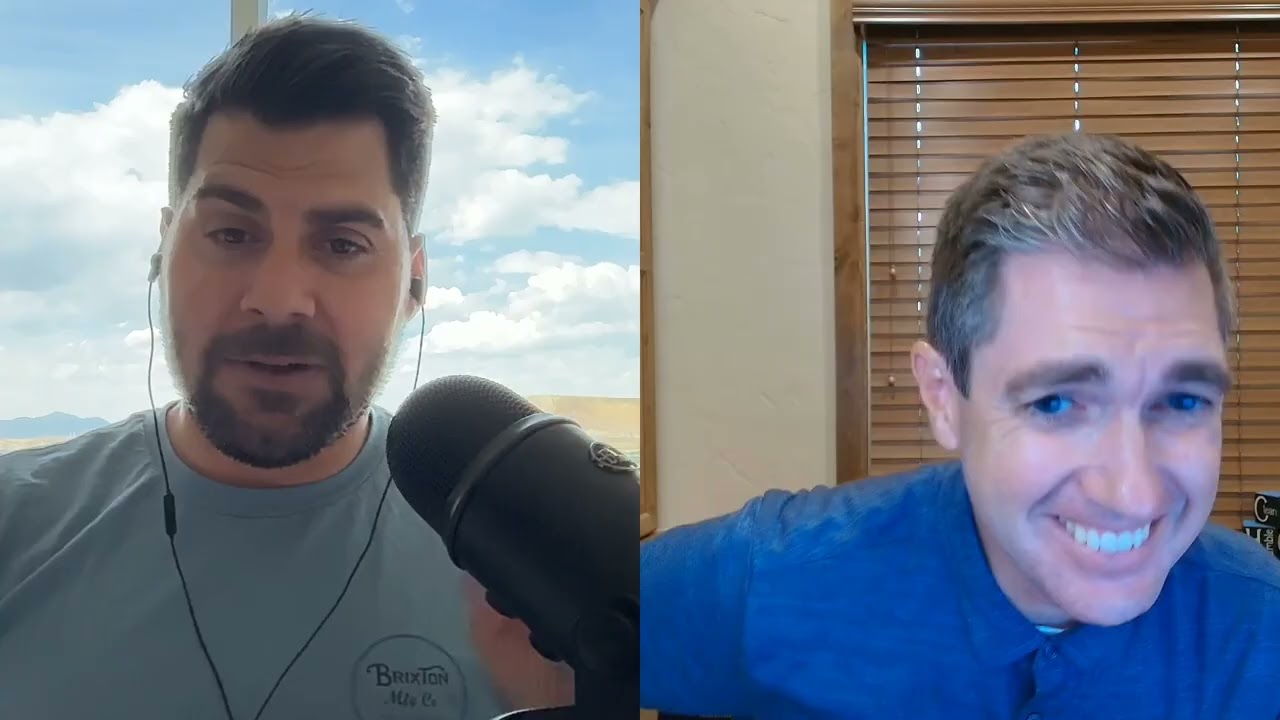
How coding ties in with hygiene, with Jennifer Lyman, RDH
August 19, 2026 · BoomCloud™
About this video
As a hygienist and a biller/coder, Jen covers the topic of hygiene coding and underutilized hygiene codes. With her years of experience as a hygienist, Jen talks about missed opportunities as it pertains to hygiene coding. She shares a number of underutilized codes that many dental practices can implement right away. Jen's knowledge on coding is quite impressive as what she covers is not discussed widely in the industry and are areas of hygiene related coding that can make practices more competitive and more profitable.
To contact Jen, email her at jen@hiddendentalprofit.com
Full transcript
Complete text of this video
[music] Welcome to the Navigating Dental Insurance Podcast where we don't take from insurance [music] companies. Here are your hosts, Mr. Jordan Comtock and Mr. Ben Tui. >> Welcome to another amazing episode of the Say No to POS's podcast. My name is Ben Tui and today I'm your solo host. Jordan had to step out and take care of uh some business on his own. But today we have Jen with us. Jen is uh an expert, a hygiene coach, probably one of gosh, I don't I don't think
I even know any other hygiene coaches that are also uh billing experts and coding experts. So, we have uh Jennifer Lyman with us today. Jen, great to have you on the show today. >> Yeah, thanks for having me. [clears throat] >> Yeah. So, I I know that we you you appeared on last week's episode with Erica to talk about uh well, Erica was kind of doing her spill on the billing and coding stuff, key performance indicators and so forth. So, today it's just you, you and
I. Um, >> yep. >> Let's start with your background, Jen. Uh, can can you share with our listeners how you got started in dentistry and sort of what what brought you here to where you're at today in terms of you being a a hygiene coach and a billing and coding coach as well? Yeah, I mean this is a progressive story I feel like and one that um includes a lot of other people as well. But um you know when I went to school I just wanted
to be a hygienist. That was all I wanted to do. I wanted to help people do that. I was a hygienist for I guess I guess still am but was a hygienist clinically full-time for about 15 years. Um, and I started to run into all the issues that most hygienists run into is, you know, burnout. I was getting back issues. I started getting cortisone shots in the back of my in my back before I was even 30 years old. And at that point, I was like,
"Okay, something's got to change." And so, I started looking at other ways out of I thought out of dentistry, but of course, the way things happen, dentistry will always pull you back because it is a love of yours. I mean, as you go into dentistry, you do it for the people and you do it for um just the community. It's great. And so, there was a few influential people in that. Um there was a couple doctors that gave me a chance and let me help them
start their practices. Um I was able to do everything from, you know, opening the doors in construction and credentiing to growing it to a multi-million dollar practice. Um doing all of the billing and the hygiene in that practice. um going back and forth from the front to the back. And then after that um you know other people started asking for help. I was a manager and started doing billing on my own for lots of different medical providers and dental providers and now here we are. So
this is kind of where we're at. [laughter] >> That's awesome. I I I know what I know what you mean about um you know you start in dentistry and then >> you're looking to make a change but dentistry is sort of your calling and you may not be doing exactly the same thing you did before but you're doing something different in the same space and uh the pandemic has sort of influenced many people in that direction you know >> um ju just finding finding ways that
kind of um are kinder on your body you know from a clinical perspective but now that's Cool. I I think I think what you do is is very much needed in the industry. Um so what about so what do you think about um uh your experience in terms of billing? Like your understanding on billing? How can that help you as a hygienist? >> Oh man, I feel like that helps me in a lot of ways. Um but also being a hygienist helps me in billing too,
right? It goes kind of goes both ways. I think knowing the ins and outs of insurance plans and exceptions and limitations that in regards to hygiene helps a ton. And we're able to teach this to our co our practices right now too, right? Like what can you bill as a hygienist? What are you already doing that you can bill for? And now I kind of know those codes that are available to use and are available to bill for. And also um using the correct verbiage when
talking with patients and even staff members and we're talking about insurance, we're not saying things like your insurance covers this or your insurance doesn't cover that. That's out of our repertoire at this point, right? Like we are going to say things differently. So we treat insurance like a discount. Um it's not going to be the end all beall for insurance and for the patients and for their plans and what they get covered. So, I feel like I kind of wear two hats. You know, when I
am a hygienist, I stick to that. Um, and I take care of the patient and I feel like I'm able to build those codes that are billable and maximize their insurance that they're entitled to. And also, I kind of stay in my lane there, too, right? Because when I'm up front, I take on that role. And I think sometimes in dentistry roles can get very muddled. [clears throat] You know, roles and responsibilities in the office. you know, front likes to kind of meander to the back
and maybe do some dental assisting and hygienists like to help out with assisting. And honestly, I feel like roles work best when we have when we all stay in our lane. You know, I think Erica likes to likes to call it that you stay in your lane of genius. And I think that's a very clear way to say it. We all have our niche and our our spot in the office and we kind of need to stay there so the office can function properly. you know,
some crossover is going to happen and that's great. So, everybody can be cross trainined, but when I'm billing, I really focus on that because there are systems and processes that need to be adhered to. And as a hygienist, same thing. You know, I really focus on what my charting looks like so it's thorough for documentation. I make sure that my notes have everything in there that the front office needs so that they can build properly and code properly. Um, and I think just like being really
really thorough in my assessments helps me a ton when I'm a hygienist and really helps the front end in billing and vice versa. >> Gotcha. I I really like what you said there, especially on the part where you quoted Erica on uh staying in your lane of genius. [laughter] >> Y >> I think I think that phrase in and of itself is genius. >> Um, >> yeah. So, so a side question to kind of follow up with that is is there any merit in like um
the clinical team particularly hygienists and doctors and sort of understanding the billing area and how that kind of ties in in a way where everybody's staying in their lane of genius. >> Totally. Yeah. And I mean that's kind of where you know that thorough charting comes into play. If I'm hygiene one day and I don't do a perio chart, but I treatment plan SRP, how is the front going to know and have the correct documentation to build the insurance for that and prove that this is
what this patient needed? So, I think there are some ways that we can integrate billing concepts into clinical practice, but not necessarily, you know, we're doing the billing in the back, but we allow the billing team to do their job more efficiently and, you know, easier, too. Yeah, sounds like just coordinating and having regular communication and an understanding, right, on on responsibilities and roles. >> Yeah, that's awesome. >> Yeah, and there needs to be that communication between the front and the back in general. You know,
if the billing team gets a denial for something and it's not, you know, medically necessary, that needs to be communicated to the doctor so that they can then, you know, switch up their notes or whatever they need to do in order to change that. So there needs to be communication between both for sure and it's definitely a team team effort >> for sure. Yeah. You know when I think about the world of hygiene department I think about the codes right and of course fortunately with with
hygiene protocols we're not dealing with a whole lot of codes right um what is your opinion on the most underutilized code in the hygiene department and then and then why why is it underutilized? >> Yeah. Yeah. So, you know, when we do our assessments of practices, we do this, you know, entire report that we look at and we look at the top 25 most commonly used codes. And honestly, you know, Proy's always in there. Sometimes SRP is in there, but there's like two hygiene codes in
that top 25 coats. And if you have multiple hygienists, I feel like half of your codes should be [laughter] hygiene codes for your top 25 because there's so many different ways that we can use those and um utilize those to the best of our ability. But I feel like there's two that really stick out to me that um I see underutilized significantly in most of the practices that we work with. And the first one is the 4346 code. this one is um still unknown I feel
like to hygienists or they are scared to use it or they don't know if they're within the parameters to use that. So that's something that we really teach on pretty significantly is you know what does this look like in order to bill for and it it bridges that gap between the healthy proy patient and an SRP patient. You know, we do have some offices that their demographic, they are going to lean more towards SRP due to the area that they're in and maybe the demographic that
they serve, but there is this code that can give us a more accurate representation of what we're treating the patient for. So that's the gingivitis. You know, if patient has gingivitis, they're in ortho, they're going through, you know, cancer treatment, chemo, they haven't had their teeth cleaned in over a year, this is a code that more accur accurately describes what we're doing for that patient. And then with that, you know, we're able to do either laser bacteria reduction or additional therapies that can help move the
patient towards health. So that is one code that is severely miss uh underutilized I guess. And then the other one is desensitization. So that's B9911. So that's application of desensitization to the root surface. And this one I feel like almost every patient could benefit from. um myself included, you know, when I get my teeth cleaned, I always have them put it on two spots that are always always sensitive. And I'm a hygienist, >> so patient comes in, that's one of the questions that I ask them
as they're leaning back. I say, you know, when you get your teeth cleaned, is there any areas that are sensitive? And they'll say, oh yeah, this one's always sensitive. And I'm like, hey, do you want me just to put some desensitizer on that? It'll really help during the cleaning. It's a quick two second application. and you're utilizing the patient's benefits and it is billable to insurance and it makes the patient more comfortable. So, it's kind of a win-win for everybody. >> Yeah. No, that's awesome. So,
4346 and then 9911 the desensit one >> desensit the two most >> that would make sense to me as you're kind of explaining it. Um, you know, oftentimes what I see in in in many practices I think um we're going to go back to Erica. She she mentioned this why she she she was quoting one of her clients saying that um she h the client um has a bloody prophy palace you know or palace of [laughter] bloody pro. >> Yeah bloody trophy palace. We did we
did talk about that one last week. What why do you think like um you know I I I I understand sort of the dynamics of um how a lot of dental practices operate in terms of the hygiene department itself but what is your opinion as to why 4346 and and 9911 are underutilized in hygiene? >> Um I think 9911 is not known that it's a billable code. you know, they may do that for the patient, apply some fluoride to that area, but not really notability or
it's not communicated between the front and the back. Um, 4346, I feel like there's, you know, it is still an unknown. It's kind of a gray area. I feel like in dentistry, a lot, not a lot of hygienists are trained on how to use that code and also how to prep the patient for that code. So, you know, this isn't something that we're I know last week I talked about this too. We're not selling dentistry. we're we're treating our patients and u 4346 is a way
to bridge that gap for treating the patients that are kind of in that in between and we can still bring them back right we can still bring them back to proy but at this time when you see them in your chair what do they present with and that's that comes with all of those assessments that we take you know the periodonal charting we're doing the x-rays is there any bone loss then no this patient is not a gingivitis patient this is now an SRP so there's
a lot of different assessments that will guide you one way or another but 4340 6. Um, insurance still doesn't recognize it as highly as SRP, I should say. Um, and so hygienists don't know what to do with it, and they don't know how insurance covers it. They don't know if there is going to be an out-of- pocket, if it's now going to apply to the deductible. They don't want to make the patient pay for something and switch them over and make the patient say, "Well, why
was I a proy last time and now I'm a jibias cleaning and I saw you six months ago?" So there's ways that you can help the patient move along with you in your assessments to where when you tell them, you know, you have gingivitias, we really need to treat this, they're already there, too. They're they're asking you how to treat that. And that's really where we need to get them to is taking, you know, that responsibility for their own health because a lot of hygienists will
internalize that and take responsibility for themselves. And that's that's just not fair. You are you don't brush their teeth on a day-to-day basis. You don't floss their deed on a day-to-day basis. This is on them, but we also need to have them value the care that you're going to that you're going to give them. >> Yeah. No, I like that. I remember when I was um uh helping I was um the head over all things insurance for a DSO and when I went in to get
my own cleaning um the Well, this is way before 4346 was created, at least 15 years before that code was developed. Mhm. >> And my and my hygienist did mention to me that I had um I had gingivitis and she's like, "Yeah, we got we got to get this under control." >> And I remember when I got the EOB, and I remember this because I I talk about this in in a lot of my presentations around the country when I did get the statement from insurance,
it was build as a proy. Uh but she did say that that I had um some a need for scaling root plane here and there but not much you know >> and I thought she was really excellent in her explanation but you know I I when when people in the public meet with hygienists I think we have a high level of trust for hygienists in general. review hygienists just like nurses, you know, and nurses have consistently landed in the number one spot of most trusted professionals
um in almost every country, but here in the United States for 20 straight years, you know, >> and I had an enormous amount of trust in my hygienist at that time when I was working for this dental group just with the way I was it was explained to me. But I'm wondering like so so for my scenario could there have been a scenario where the proy code was combined with the uh 4342 which is scaling root planning for 1 to three teeth. >> Yeah. And this
is something that you know kind of goes handinhand with hygiene and billing. uh we need to get those insurance estimates and benefits ahead of time so we know one if we can do SRP and proy in the same day and two what the out of pocket is going to be for the patient so we can accurately present that to them. Um my preference and I I think a lot of hygienists are kind of with me on this one is prefer to do the least invasive thing
first. So if the patient has disease in localized areas and you know we need to do a proy on the rest of the areas I prefer to do a proy first educate first and go over oral oral healthcare you know what they can do at home to minimize risk of getting you know a repeat SRP a year down the road um go through you know laser what the SRP appointment's going to look like that appointment is really um perio counseling as well as the pro fee
on the uninvolved and working on that primarily. When I bring the patient back, I want to focus solely on those areas so they get like my utmost attention. And then from there, the patient already has the education and the knowhow and they they're already in their routine in order to prevent any further disease from progressing. So I prefer to do SRP or sorry proy first and then SRP following that you know a week or two later um in those localized areas and then from there just
patient education you know three-month intervals. >> That makes perfect sense because when you look at it from an insurance perspective um a lot of times insurance carriers will allow you to do a proy today and then sometimes uh 15 or 30 days later they'll cover scaling root cleaning. Right. Um, and so the the way you describe >> it doesn't make sense to go backwards. [laughter] You know, you did SRP first and then proy. You're you're like they have disease, but wait, not on these areas, you
know, and it's it doesn't make sense to me. So, proy first, treating the areas that are not involved and then progressively going into, you know, more aggressive treatment makes more sense to me. I yeah I I I like your protocol because um when when I think about it if I'm in the chair uh naturally a lot of the negative experience that patients get is is just shock right they weren't prepared for something that you say >> uh especially when it comes to financial situation >> and
so from a logical perspective I'm thinking about the most common phenomena that occurs in patients when they complain about money is is they have this fightor-flight response like I had no like I didn't know that that I why did last time I was here I did this you know it was free whatever or pay for my by my insurance >> and and and naturally I I'm I'm wondering if that's a reason why like a lot of practices don't even use 4342 you know it's built out
zero times a year every year for a lot of practices uh even switch >> yeah I think it's a >> bait and switch >> yeah [laughter] but I like what you're saying because I didn't really draw that connection before in terms of how that >> how that impacts the person's line of thinking, right? In terms of them being being prepared for the perio protocols, which do require out of pocket if well, if you have insurance, you're going to be paying paying for most everything in the
the perio category, you know, at least 20% or sometimes more. >> No, that's perfect. I I think your your understanding of that hopefully some listeners will find that of of great value because I do like, yeah, I didn't really realize and draw that connection till you mentioned it. Um, >> when they come expecting a cleaning, right? So, you're still giving them what they're expecting, but then educating them on why they need this other treatment, too. And I've I've had almost 100% success with people coming back
for that because they see the value in it at that first appointment, and they still got their clean, you know, they still got what they came for. But at the end, I always say, you know, you're not done. [laughter] You may think you are, but I did not clean these teeth and I don't touch them because >> I want them to know those teeth are not cleaned and we need to go back and, you know, do a more aggressive treatment on that. >> Yeah. Yeah. No,
I like that. I remember the first time I went to a dental practice here in the United States. I was 18 years old and um the hygienist uh mentioned I I was like gosh that was back in the 90s and she said uh yeah you it's like it's surprising because you're you're showing a lot more bone loss than a person your age mind you I'm coming from a third world country you know >> so hygiene education in hygiene and medicine in general is very poor where
I grew up >> but when she mentioned bone loss and I had well does the bone ever grow back and she says, "No, like it it doesn't, but here's what you need to do if you want to save your teeth." Yeah. Like she's like, it's like it's it's not your teeth aren't going to fall out tomorrow, but >> they you know, you could prevent them from falling out any time in your life, and this is what you need to do. And holy smokes, I follow what
she said. Like, I follow >> I was going to say, I bet you did it. >> I did. >> You saw value in that. Yeah. >> Big time. Yeah. uh like every hygienist that I've ever been treated by, I've always I mean I just always had a great level of education shared with me, but I noticed that it never um and and again if hygienists are listening to this, this is of course Jen's a hygienist. I'm not insulting hygienists with this next statement. Um I I
think there there's most certainly a lack of understanding on how hygiene treatment and uh tie in with coding and billing, you know, >> right? Because a lot of times when I go to hygiene appointments, well, I I don't experience that much these days because I I take what the hygienists tell me very seriously. Um and and but in years past when they did mention that they had to do some scaling, well, they they called it deep cleanings, you know, deeper cleaning, but they have to scale
here and there. And uh it's a lot more extensive than just a regular pro fee. Um, I never saw an invoice for scaling root planning or anything perio, you know, >> and that was kind of as I get in, you know, as I learned more about hygiene protocols, uh, the one thing that I've I've learned, hygienists are easy to like. Like almost every hygienist that I've ever been treated by, >> they're super sweet, super kind, and you almost have that initial feeling of trust towards that
person, even if it's the first time you met them, right? And I've always thought and believe >> I mean we are pretty great. >> Yeah, [laughter] we are like hygienists are amazing people and they always make you feel like a million bucks. It's like every time you're in the chair, they make you feel so good. And and I think that's why >> yeah, >> nurses and hygienists are in that number one spot, most trusted professionals, is because um it's the type of person that usually gets
those jobs. But you spend a lot more time with patients than most other people in the practice, you know, >> and so so naturally people trust hygienists to where I feel like implementing your protocol, if I were if I were told that I had to pay a little bit extra, I would. I was like, "Yeah, if if that means I'm going to save my teeth for the rest of my life, and I'm only 18 years old now, I'm going to do and pay whatever you want
me to pay to keep my teeth, you know, >> right?" >> So, the trust is there is what I'm saying. The trust is there. I I just think that the the understanding and preparing patients is probably what's missing in most practices in terms of perial discussions, discussions about 43, 46 and so forth, you know. >> Yeah. Yeah. And that verbiage needs to happen between the front and the back. The same verbiage, you know, by the time I've done the proy and I've educated the patient with
their, you know, the perial counseling and walked them up to the front, I want them to be be like, "Okay, when can we schedule?" And then the financial conversation happens, you know, and as long as we all have that um same verbiage throughout the office, the patient knows like this is where what we need to do to get you to health. And it's not any question and they don't, you know, question our integrity. Are we just trying to bait and switch them? Are we trying to
get their money? No. Like this is what they need for their health. And same thing if they were in a doctor's office, it's the same, you know, process. So, we just want to see it as a similar thing. >> Love it. I love it. So, two more questions for you. Um, so in the hygiene share, what what patient assessment do you think is the most important to do? >> Oh boy. Um I mean all of them but [laughter] I think there are besides X-rays I do
have four that I think are um you have to do for a patient's health. Um first one is perodonal charting. This gives the insurance company kind of the whole picture of what's going on with their parodonal health. It gives a map of the mouth to the patient. Um it's a very very powerful tool when it comes to patient education. Um, and I feel like some patients, you know, we build that rapport with our patients and they come in, they're like, "Oh, is that four down to
a three?" You know, like they know if we explain to them what that is, what that assessment is, they know what to look for. So, paradonal charting is my number one has to be done at least once a year. Um, I do see that, you know, if if hygienists don't have enough time, if they're really pressed for time or they're being asked too much of them in one appointment, that will not get done and it's not really a step that can be skipped. So um this
one is the number one important one. Um oral cancer screening. You know we have a unique opportunity in our care to detect things early on as hygienists and we should be maximizing that opportunity to the fullest. Um and these are times that you know a doctor primary care might look in their mouth really quickly but we have a light we have a magnifying glass like we have you know a unique opportunity to look for those things. So definitely that one. Um, I had even a family
member that had reached out with a picture of, you know, their tongue that they thought there was a questionable spot and it kind of went undetected at their dental office for 6 months. >> Wow. >> Um, and I found out 6 months after that spot and sure enough it was cancer and it was, you know, she's a young gal, like young 20s, no risk factors, anything. And if that would would have been caught, you know, when they looking at her medical history, they probably didn't see
anything. You know, she's not a smoker, she's not a drinker, no family history of um cancer, but that's what it was. And it's extreme treatment now and it will affect her the rest of her life. So, in that sense, oral cancer screening is also something that is a non-negotiable that has to be done at every appointment. Um extra extraoral and intraoral. And then Car's risk assessment. Um, this also I feel like values dentistry as a whole because we're giving the insurance company a reason to pay
for increased preventive appointments and services for the patient that they deserve. So if we do a carriage risk assessment, which is billable by the way, everybody, um, if you do a carriage risk assessment and that patient is moderate to high risk, okay, now what modalities in your office can you do to keep that in a low to moderate range? I've had chemotherapy patients that now we're doing fluoride trays. Okay, also billable. Um, you know, you're doing fluoride varnish more frequently. You're doing cleanings every three months,
which is filling the hygiene chair and also taking care of that patient and giving them the best care. So, that's another one. Um, a sleep apnea assessment I feel like is the last one, but last but not least, um, the Epworth sleepiness scale is one assessment that is, um, easy to do when the patient comes in for their new patient appointment. just fill that out really quickly, add it to your new patient paperwork, and it gives you a brief overview of what their sleep looks like
and their overall health. Um, so it gives us more knowledge, understanding so we can educate our patients on sleep apnea and risk factors for that. Um, and that's something that I use even in the hygiene chair. I do a sleep apnea assessment, not just the paperwork, but like a visual overview of what we're looking at. And that's that's a whole another episode down the road. But sleep apnnea we when we sit that patient back and their tongue falls into their throat like immediately we should start
talking about sleep apnea and risk factors and things you know we can't diagnose that I want to be very clear we cannot diagnose sleep apnnea but we can give them some um tools and um resources to figure out if that is something that they should be worried about. >> Yeah know that's that's I think that's important. um sleep apnnea, well it's a problem, you know, just like obesity, >> dumb disease and all that stuff. It's a major problem across the country. And >> um >> so
this is this is good for me to hear because this is actually really good education from a hygiene perspective on what you're thinking or things that that are helpful to think about in terms of um uh evaluating patients, you know. Um and then the fi final area is pario like how do you help offices increase their uh perio performance. >> Yeah. So this is kind of a I would say holistic approach comprehensive approach. Um it's it varies depending on the office. You know we do the
full report. We see where your office is at and then we can cater to that. So if you're really really great at diagnosing gingivitis then maybe we'll focus on SRP or maybe we'll focus on those supplemental codes but so it can include a variety of things I would say um billing codes that you're doing maybe we're seeing in your notes but you're not billing for um things that you can benefit from that clarifying processes and systems you know if you don't have a periodonal protocol and
you have five hygienists where like where's the threshold for treating patients you need to come to an agreement on that so we help them um kind systemize those things. Proper documentation. So, we look at your note templates. Make sure that everything is where it should be and that it's very clear and understand understanding for the front office as well as the doctor throughout the entire office as well as insurance companies. So, you know, if we're ever audited, we want to make sure that your notes are
completely comprehensive and cover everything during that appointment and also that the billing matches those notes. So we go through all documentation and compliance and ethics um when it comes to like clinical outcomes and treatment plans. And then I'm I think the primary thing that we focus on when we increase perodonal performance is bridging that gap between the patients reality of where their oral health is with the ideal clinical out outcome that we want to see in the office. So where we want them to go, how
do we get them from point A to point B and um get them to understand and value peronal treatment. So it's still very much a patient and staff focused approach. Um I personally as a hygienist, you know, I'm not going to tell you to start pushing treatment. I'm not going to tell hygienists to start selling treatment. Um but we will implement systems that that naturally kind of comes with the territory. So what we discussed I feel like is much more comprehensive. It's still very very much
patient focused and um we're prepping you know conversations for hygienists and doctors to have these harder conversations to do those perio conversions. Um we're implementing doctor standard of care. Um making sure that the hygienists have what they need you know physically and timewise. Um making sure that the doctor is supporting those hygienists. I mean, it is it's really a loaded question when you ask me that because [laughter] it can vary so much depending on what the office needs and what their goals are as a practice
and what the doctor's goals are. >> Got it. Got it. Well, I like your answer. I think it was nice and short and sweet, straight to the point, and most certainly. >> Uh yeah, it was that was good and I recog >> It's a lot. I'm like trying to consolidate that, but I'm like I mean I could talk for an hour on what we do for practice, but [laughter] Which leads me to my next final question here is sort of um you know naturally the guests
that we bring on to our podcast there's a lot of sometimes some interest among listeners to get a hold of you ask ask their own questions u but also to you know in the event somebody would that might want to retain you based upon your area of expertise what's the best way that listeners can get a hold of you >> yeah so email is probably the best and my email is jen so jen hidden dentalprofit.com and you can email any questions there. Happy to help whoever
I can. >> I really appreciate that, Jen. And just for our listeners, just like every other guest that we have, just >> be aware that they're also full-time employed people as well, you know, but ask your questions. Uh the purpose of bringing them on board is to kind of help them showcase their knowledge to the public uh but also to provide assistance for for those that uh can sort of resonate uh with the topics that are being discussed and the content that's being given in an
effort for you to be paired with a good expert that can help solve problem solve solutions that they're best at. So Jen, thank you so much for for your time today. I think your your answers and all that you provided I actually learned quite a bit. I naturally I take notes on every time I I yeah I I I listen to talks or people on podcasts I I take notes and I have two pages of notes of what you shared and I'm going to of course
try to condense that into show notes for our listeners including your contact information that'll be posted there. Any final thoughts Jen for our listeners? >> Um no I think that's it. I think I just want everybody to know that it's um you know I think we're all doing our best and I I know that we all care about our patients a lot [music] and the way that we coach is just very patient focused, very staff focused. We want to retain the staff that you have in
this economy and um take care of your patients. So yeah, thanks for having me then. >> Excellent. It was great having you on, Jen. And to our listeners, thank you so much for for listening. uh hit a like and share this episode with those that you feel might need uh some education or at least some assistance in learning sort of these hygiene related topics. And uh next week uh we are going to have another guest come on board to talk about other things billing wise. But
if you have suggestions on areas or topics that you want us to cover, let us know. I know that we say this is the Say No to POS's podcast, but we really cover just about any topic in the industry. So until next time, thanks for listening today and hope you all have a great day. Heat. Heat. N. [music] >> [music] [music]