Videos / Watch
How many felonies did you commit today? A fun but enlightening discussion with Theresa Sheppard.
August 19, 2026 · BoomCloud™
About this video
Theresa is a Registered Dental Assistant, Speaker, Consultant, & Author, with experience in all clinical and administrative aspects of the dental practice. This, coupled with her extensive hands-on experience of over 35 years, including over 25 years as an office administrator, uniquely qualifies her to train dental teams and develop leaders. She trains on Risk Management, HIPAA, Insurance Coding & Billing, Mouth-Body Connection and Implementation Of Tele-Dentistry Services into your practice. Her priority is to protect the clinical and financial integrity of your practice by mitigating risk and increasing profitability.
During this episode Theresa talks about the a few key unintentional areas in which fraud is committed in dentistry. From coding to underdiagnosing… it is common in dentistry to commit innocent mistakes. But those mistakes can end up costing dental professionals a lot of money or even their careers if they are not careful. Theresa advises that willful neglect is not a defense and that we need to be proactive in understanding risk factors, especially risk factors that could put you in jail, and avoid them.
To learn more from Theresa please visit her website www.snapshotspreventmugshots.com (http://www.snapshotspreventmugshots.com/) or contact her at theresa@theresasheppard.com (mailto:theresa@theresasheppard.com) . You can also call her at 209-222-0750.
Full transcript
Complete text of this video
[music] Welcome to the Navigating Dental Insurance Podcast where we don't take from insurance [music] companies. Here are your hosts, Mr. Jordan Comtock and Mr. Ben Dwey. >> Welcome to another exciting episode of the Navigating Dental Insurance Podcast. This is still the Say No to POS's series. We're going on what three or four years on that series because it's a hot topic. Uh thank you for joining us today. My name is Ben Tua. Today I'm going to be the solo host. Uh Jordan Comtock has been excused
uh due to other business matters. Well, hope everybody's doing well. Uh it's June here in Utah and we were we're experiencing record heat. Um kind of a fun time to be out there, you know, post well we're still in a pandemic, but for us here kind of feels post pandemic. Uh my son won his uh um semiplayoff game yesterday and then the championship game on Thursday with baseball. So we're excited about that. It was 105 degrees and uh I got beamed in the chin uh during
practice uh with one of the baseballs that was going 40 miles hour. And during the game, I don't know if this was karma or not, but the kid that beamed me got beamed in the head. But we had four kids hit in the head. uh and it's not intentional. You know, this is this is uh third grade, fourth grade baseball, and so naturally, the kids are just developing those skills. But that's what's going on on this side of the world. You know, we we'd be uh
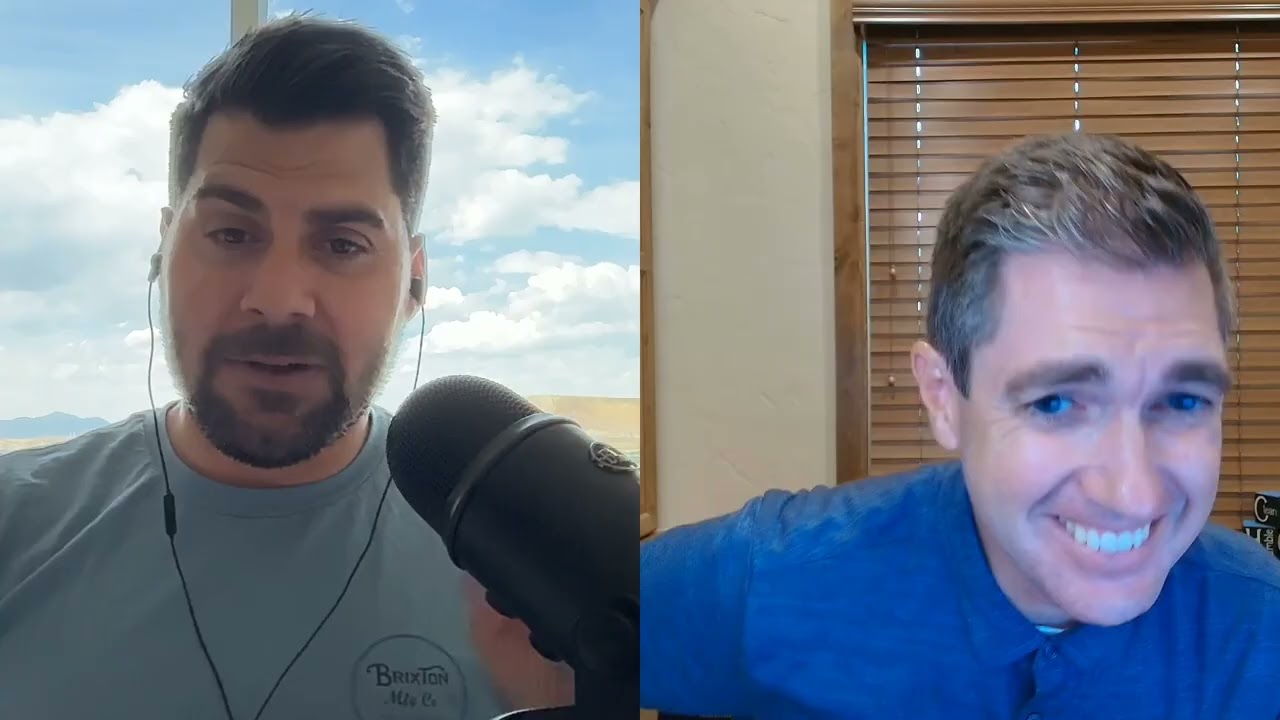
very interested to hear what's going on in your side of the world for any of you that do want to chat with us uh on Facebook or or email. So, if you need somebody to talk to, if you're stressed, whatever it may be, we're here. Um today, we have a wonderful guest. Teresa Shepard has uh I've known her for a couple of months now. Jordan's known her longer. Um, but you know, Teresa is she emailed me um the topics that she is interested in and I
thought this is such a fascinating um area of dentistry that we don't talk about a whole lot, you know, in uh risk management or systemic link. Yes. You know, there's a lot of talk about that, but the risk management component that I really want to dive in today is something that's going to be fun for us to to kind of uh delve into. But before that, folks, I want to introduce you to Teresa Shepard. Teresa, welcome to the show today. >> Hi. Thanks, Ben. Thanks for
having me. >> Yeah. So, I've been looking forward to this and um you know, there's so many questions that I have surrounding risk management and you know, that topic and area that you're you're an expert in. Uh but if you don't mind, I would love to go through your background just to kind of uh uh let our listeners know who you are, how you got started in dentistry, and what you're doing today and so forth. Do you mind you mind just sharing a few things with
us? >> Sure. Um yeah, I well I've been in dentistry now and I hate to say this cuz my age is hanging out. I have been in dentistry about um coming on 40 years. >> Wow, you sound so much younger. >> I thank you. [laughter] Good answer. I um I I went right out of high school into dental assisting school. I had no idea what I wanted to do. I just wanted the quickest school I could find because I was not a fan of school and
my parents were pushing me to go to college. So that's what I picked and I just fell in love from day one and I've been in it ever since. And so um yeah, yay mom. Um so [laughter] what what I do is I started off as a registered dental assistant. I chairsided for about 10 years and then u moved into administration, managed dental practice, one particular for about 23 years and then a couple here and there. I wrote some curriculum and taught a dental assisting school.
I'm a California radiation safety course and CE provider. Let's see, what else do I do? Oh, I um have a telead dentistry company where we see patients um in their environment. we're able to go into homes and nursing homes and assisted livingings and things like that and and utilize uh telad dentistry to be able to treat patients without access to care. >> Yeah. I'm a founding member of the local uh holistic chamber of commerce. But one of the biggest thing I'm just the most humbled and
honored for is I was recently invited to be um on the advisory board of Stanford um VA brain health citizen scientist advisory board. >> Wow. >> So I'm so honored to to do that. Veterans are near and dear to my heart. Yeah. >> I know. Well, you're you sound like you have >> So I'm a little busy. >> Yeah. Yeah. [laughter] Yeah. You're busy. Lots of experience, lots of great accomplishments. And I imagine that you probably know everybody every well every known person in the industry
you probably have affiliated with at one point or another um which is awesome. >> Yeah. Yeah. Belonged to a couple different organizations um for speakers and consultants and so many many wonderful friends throughout the years. >> Excellent. Excellent. Well that you know your experience alone is intriguing. you know, you've you've done so many things in dentistry and you know, when you when you speak about this topic of risk management, you probably know best, you know, in terms of how that works because you you've been through
so many in so many practices and your training curriculums and so forth that I was kind of wondering how did you h how did you generate an interest in this whole area of risk management? >> You know, it wasn't something I woke up one morning and said, "Oh, I'm going to learn this." But when I when I chairsided for all those years, I worked for a doctor that was extremely I think looking back on it very much ahead of his time. Um he was very proactive
in training his team. He was very much on top of education. I mean we just didn't learn the what, we learned the why, >> right? >> And so I really enjoyed and learned so much from him. And then when I transitioned into this other dental practice, I actually just took over billing insurance for a gal that was going on maternity leave. And when I say billing, I mean typing claim forms one by one on a typewriter. [laughter] >> Wow. I haven't heard typewriter in a long
time. >> Yeah, like I said, my age is hanging out. So, um, I typed each and every claim form, but I noticed that, um, you know, things just weren't done the same way. And I didn't realize that offices weren't all the same at that point. And so, you know, uh, previously we were booked out, you know, 3 4 months in advance, very comprehensive perio program and things like that. And this doctor was not and like 3 4 days in advance. and I just had questions. So
I went and I asked him um you know I said I really think that you know you might be kind of like losing some money and um you know can we you know would it be okay he belonged to all kinds of different capitation programs and PPOs and things like that. I said, "Would it be all right if I took all these manuals home over the weekend and looked through them and just kind of figured out what we can do and what we can't do. I
mean, my theory is you can play any game as long as you know the rules." >> Yeah. >> So, I wanted to know the rules to make sure that he wasn't losing money, which he was. >> So, I did that. And in reading through here, it's like, "Oh, you can do this, you can do that. this is the things that we get on. It's just an evolution over the years, >> right? >> And I ended up being office manager. We went from two operatories um to
five with two full-time hygienists. And obviously, it was an evolution of years. Got rid of the capitations, you know, and I'm not a dentist. I can't diagnose. Only the dentist can diagnose and treatment plan. But a a good office manager or a good insurance administrator is such an asset because they really get down to the nitty-gritty of the patient's plan and they can really be a partner with the doctor because they strategize on how best to use the patient's benefits. you know, we we get caught
up in this, oh, they've only got $1,500 max, which also hasn't changed in a hundred years, but they've got this, you know, $1,500 max or this $2,000 max. And we just we we're looking at dollars. Oh, how close are they to maxing rather than putting together a game plan and a strategy of how we can best use their dollars? And maybe there's some alternatives. You know, I really got to learn a lot about the codes that we can use and what our options are. You know,
can we maybe uh put a provisional on this tooth if it's not the worst thing going on >> and and work on something that's going to explode before next January when their max rolls back around, >> right? you know, so there's lots of so much um just evolved over the years and I just found it fascinating and I love perio and so that all kind of tied into it. >> Yeah. Yeah. Yeah. I I imagine that uh you know the risk management component um you see
different things like so I' I've been in dentistry for old I'm terrible at math but since 2007 [clears throat] >> Oh, you're just a baby. >> I'm Yeah, I'm just a baby. [laughter] I only know the current issues. I don't know what what went on in the 90s and the 80s in terms of um you know my world of dealing with dental insurance. But in my reading of um history as it pertains to insurance and related matters in dentistry, it kind of seems like you know
when dental insurance was developed back in what the the 1950s and60s >> um the fee for service mentality still remained up until what maybe the '9s and and uh 2000 is is when things started to shift in a different direction. you know, in terms of, you know, back then it seemed like in my readings that um you know, for the most part when when people look when when dentists look at treatment um it was treatment based upon the need and then all of a sudden in
the 2000s it was treatment based upon coverage. What what is your what is your take on that and how things and why do you think things have shifted in that direction so much? Well, I I mean I c I can't really speak for like on a national level per se, but in the area that I live in, I live in a small rural area, but there's a couple big cities close to us. And when I first started, you know, there were maybe 25, 30 doctors. Everybody
knew each other. All the team members knew each other. You know, it it was a a smaller network. And as time evolved and bigger corporations kind of took over and things like that, I think the the patient pool, if you will, um kind of went down and was stretched a little thinner. So doctors had to become kind of more creative >> in how they were going to uh attract and keep patients. And unless you were in network and we have some big I mean we have
Gallow Winery just 15 miles from me. So, we have some big corporations here in this area and, you know, they have good benefits for their employees, but it's Delta Dental and if you're not a Delta Dental provider, you know, there's potentially a a large patient base that you could could lose. Mhm. >> But so what that's kind of what I found out and doctors had [snorts] to sort of change their their thinking, not all but most did that they really felt that they had to become
preferred providers for everything under the sun. >> Right. Right. But it if you they really looked at it and this is what I'm what I try to really impress is balancing this riskmanagement issue with this oral systemic link issue >> is that if you provide the services that the patient truly needs in terms of treating their condition not their benefit plan but their condition >> the money follows easily >> right yeah I I believe that I I from my experience what I find is that patients
will react to whatever you tell them you know and and a lot of times a lot of times this whole idea behind well the patients aren't going to proceed with treatment unless it's covered or unless it's you know goes around their benefits I think that's a perception that we pushed on on the patient base you know >> and it's unnecessary you know because what you find is that >> um a lot of dentists uh well when I when I review utilization patterns for our clients. Um
sometimes I see um you know for Sigma the dentist will primarily only do 2752 crowns and then for Etna it'll be 2750 you know and and then for other plants it's 2740 and then I ask is why is there such a difference? I mean is there is there a crown of choice that you use in general or is it per insurance plan? They said, "Well, it's per insurance plan." Simply because, you know, if it gets downgraded, then you know, um, we we we usually do whatever
the downgrade code is. And I find that very interesting because, you know, PFMs in these days, you know, there's a lot of individual to certain metals >> um, and things like that that I would want to know, you know, what's, you know, what the risks are. And you know, in the end, me as a patient, just the way with the way I think is I I don't really care what insurance covers. I just want I want I want what you think is best for me, you
know, and >> and then we'll deal with there, >> you know, and I think that's the direction that a lot of people a lot of people in dentistry fail to understand is that a lot of, you know, they're they're trusted already, you know. I think dentists are have always been rated in in in the fifth most trust at least one to five, you know, in that category. And then hygienist uh they don't have a category for hygienists in this polling data. But um when you look
at the closest profession to a hygienist, it's a nurse, you know, and in fact that's what they've done recently in this this polling is they've clumped hygienists uh together with nurses. And that's the number one most trusted profession, you know, and scrubs are the number one most uh relieving and trusted form of business attire. And so naturally when you look at it from that perspective I think a lot of people we we fear that they're going to haggle based upon price and cost but in the
end we don't trust ourselves enough to be able to trust our own recommendations that you know if we use insurance as a secondary form of you know this is this is going to be a payment assistance it's not going to dictate treatment. Um from my experience I see massive change in terms of you know revenue and overall client uh um you know customer service aspect of the dental practice. Uh you know because the focus is in insurance you know but I >> Exactly. >> Yeah. I
I want to kind of dive into your your your rel your correlation between risk management and oral systemic link. Can you talk about a few different areas? Well, let's back up. Like when you visit a practice and you do I'm I'm assuming you do an assessment on risk management first. Is that right? >> Yes. Um you know that it's [snorts] it's kind of like I view what I do as the way a doctor would treat a patient. So you know you can't diagnose without diagnostics and
you can't do diagnostics until you do triage. So, I have a standalone program that I use and it's called Snapshots Prevent Mugshots. [clears throat] >> I [laughter] like that. >> Yeah. So, um it goes along with my CE program which is called How many felonies did you commit today? But the snapshots commit uh snapshots prevent mugsh shot is basically it's my triage and diagnostics. So, what what happens with that is um it's a virtual program and I go into the PA practice software and I do
this outside of PRA practice hours. I need a dedicated computer to do this assessment. So, I'm not disrupting anybody's workflow. I work evenings. I work weekends. I work around the doctor schedule. And so, what I'll do is I'll go in and I basically just start going down rabbit holes. I'll kind of um randomly pick a day on the schedule and start with the 8:00 patient and open that up and see what I see. And often it's not what I see, it's what I don't see that
also concerns me. >> [clears throat] >> Um, so you know, I look at documentation, I look at, um, diagnostics, I look at treatment plans, I teach HIPPA as well. So I kind of tie in even though I'm not looking for HIPPA violations necessarily, if I see a documentation that says, oh, you know, grandma called and asked about such and such, the then I flip over and want to look at the HIPPA release. Well, we don't have one, you know. So, I there's a lot of different
things that I look at with that. And the one of the biggest things that I find that puts the practice and the doctor's license at risk the most is supervised neglect. And and really when it comes down to it is negligence. And these doctors are not being neglectful or negligent, you know, on purpose. That's not their intent. >> Mhm. that and insurance fraud and insurance fraud is a felony and they're committing it every day all day. They just don't know it because like I said it's
not intentional but what happen Yeah. I was just going to say too then, you know, along with that process, I not only find things that put the practice at risk, I'm typically finding somewhere between two and then $10,000 a month in lost revenue and sometimes it's as high as 40,000 a month in lost revenue. >> Wow. >> Just and you're already doing the work basically, >> right? >> Or if you were to just, you know, use the proper code for what you wrote down that you
did. [clears throat] Mhm. Yeah. >> So, the money follows if you're doing things correctly. >> Absolutely. Absolutely. I want to I want to uh elaborate a little bit on a couple of things that you mentioned. So, you you talked about supervised neglect >> and uh insurance fraud. >> Can you can you share with our listeners what you're seeing in terms of the violations as it pertains to super supervised neglect? Well, let's start there and then let's go into coding front. What are the common things that
you see going on in those two particular areas? >> Okay. Yeah. Well, basically it's the same area. Um the biggest thing is perio. >> Yeah. >> We are proing doing bloody proies on our perio patients. >> Mhm. >> Um because the [snorts] patient doesn't want to pay for the deep quote unquote cleaning. I I really can't stand that phrase. We should abolish that phrase from our vocabulary. And the reason for that is, [clears throat] pardon me, allergies are bad today. >> The reason for that is
because in my opinion and my experience, it confuses the patient. >> Well, wait, why should I pay for a deep cleaning when my cleanings are free, >> right? So if we use and cleanings really to me sound industrial somehow you know they are what they are but you know if we can call it by its term a prophylaxis or you know a scaling and call it you know however we need to do to make the patient understand that this is a procedure >> not something that's
just a term that we use >> and explain and really educate Because this is where the supervised neglect comes in is we're not treating our pero patients. Perryo disease is a disease. It c you know it contributes and correlates to serious life-threatening diseases, cardiac disease, diabetics, strokes. And we're not looking at the health history as with the eyes of an oral physician, which is what doctors are. And I really impress upon them and implore them to view themselves as oral physicians. There are so there are
some that do and there are some that really especially if they're caught up in the insurance world and and trying to deal with managed care and PPOs and all these things are just it's quantity not quality necessarily. um that drives them to that and they they kind of get put in the category and the mindset that they're just a dentist and that their teeth, you know, they're working on teeth and that has nothing else to do with the rest of the body. and and it it
it hurts my heart to see them get into that mindset because they're educated and they're oral physicians, but we kind of get into this trap, you know, and and our patients tend to feel, oh, it's just a dentist, it's just my teeth, it's just my cleaning appointment, so it's okay if I short notice canceled. So we shouldn't use the word just and we shouldn't use the word deep cleaning because it does confuse the patients. But that's really the biggest area is the patient doesn't want to
pay for the root cleaning. So we'll go ahead and do this bloody proy and then tell them well you know we're going to give you 3 months to get this under control and if it's still bloody next time we're going to do a deep cleaning but you never do. >> Right. Right. you know, >> we're still doing the bloody pro fees and >> that's we're letting patients dictate treatment. >> Yeah, that's very interesting. Um because you know, you try to get to the root of this
problem of the perodonal supervised neglect. Is it communication? Is it fear, you know, of offending the patient? Um and I I kind of see it, you know, across the board in terms of different concerns on as to why we allow um patients to get these bloody proies. What do you think the root of the problem is on supervising nectar area areas where we know better we know that we should or maybe we don't you know maybe maybe practices and individuals don't you know what's your take
on that >> yeah I think it's it's kind of split is you know when I teach oral systemic link or I teach risk management or I do these assessments um I think a lot of people have this general awareness and they were taught to some degree but it's not consistently impressed upon them. The link between now what we know as as these serious deadly paro pathogens, you know, causing or contributing to so many other things. And we think of disease as kind of an older person's
problem. Oh, if you've got a cardiac problem, you know, you're an older person. But there's other things that affect younger people. Now, we now know some of these peropathogens can contribute to uh women going into early labor and so they're having early babies and you know babies that are born premature, they can have issues as well. So, you know, we we're not thinking about it in terms of a person's health. So what I find most often, I think it really is the lack of sitting down
and educating our patients. It's not that we don't tell them, but there's a difference between telling and educating. Mhm. Right. >> And I and in I don't like for myself anyway, I've always kind of found it better not to do the consultation sitting at the chair the minute they come in, a patient comes in. You don't really have time to treatment plan and use that strategy. Uh if you know they're a pererryo patient, get them back for their root plannings, explain that and do the full
consultation at that time. Um there there's many ways to do it. I I I never say there's only one way to do a consultation or one way to do things. There's many ways. Everybody's different. Every office flow is different, but the end result has to be the same. It's like if I'm driving from here to San Francisco, I can go 16 different ways, but I'm going to end up in San Francisco, >> right? >> So there's not there's never one way, but the standard of care
has to be kept >> or we do lose our credibility. So I think a lot of it is education. Education is different than telling. And I don't even discuss benefits until the last thing. >> Yes. >> Oh, it's like it's almost like a Oh, and by the way, you know, >> Yeah. >> this is your co-ay for today. >> Yeah. I I think that's a great strategy because when you lead off with quality of care and the the patient knows what they need, you know, and
then you mentioned their co-ayment and how insurance works at the very end, >> you know, the decision to accept treatment has been made without insurance, you know, >> and right >> and that's so key because when you talk about this whole area of supervised neglect and I can see how this relates to coding fraud because if you're doing a bloody proy on a patient, well, number one, you know, That's [clears throat] supervised neglect is >> is not appropriate. You know, there's there's hygienists and dentists have
been sued for that um >> forever, you know, for a long long time. Not not just in dentistry, you know, >> they absolutely can be sued for that and and they forget that. >> Yep. So, it's a liability issue. And then on the coding front, if you're doing a deep well, excuse me, not a deep clean. >> Watch yourself. [laughter] >> Oh gosh, let me slap myself on the wrist. carrier treatment, treatment of your disease, whatever phrase you want to use. >> If you do scaling
root planning, but you report it as a prophylactic >> Oh, yeah. >> treatment, you know, that's that's fraud. You know, that's that's a misuse of the codes. >> Absolutely. >> Yeah. There's so many cases. I mean, every day I hear of a new case where a doctor is being sued by the patient and the malpractice company is settling um because of supervised neglect issues, you know, and then when you're audited or, you know, if there is a a report to the insurance company um and then
they initiate an audit, who knows how far they'll go back and finding different areas uh you know, where you've under where you've misused misappropriately used the codes, you know? >> Right. Yeah. I mean, if it's blatant like that, then, you know, you're going to be writing checks for, you know, tens of thousands, if not hundreds of thousands of dollars. >> And doctors can't do that. I mean, I don't know anybody that can just write a check for $100,000 or more. >> Yeah. >> And be okay
with that. One of the other areas I see a lot of supervised neglect in and negligence really is oral cancer screenings. Um, we have so many great tools, Vvisalite, Velcope, Oral ID, all kinds of different things that allow us to see changes early and on a cellular level and refer early. You know, oral cancer is so such a devastating disease. I if you even survive it, it's so disfiguring and and just what a patient really has to go through in order to treat oral cancer is
I mean there's just no word devastating doesn't even begin to describe it. There's just no word strong enough. And I still know doctors that are just opening looking under the tongue and doing a little visual. You know, oral cancer has a 5year mortality rate can be as high as 50%. By the time you visually can see that lump, bump, mass, lesion, whatnot, it's often too late, >> right? >> And I have doctors tell me, "Oh, you know, I don't want to, you know, the visalite. I
don't get paid from insurance by that." Well, if you're billing medical, you do, but that's a whole other podcast. Um, so, you know, in general, but I don't want to, you know, I don't I don't get paid for that, so I'm not going to do that. patient doesn't want to pay for that, so I'm not going to do that. >> Um, oh yeah, we always do an oral cancer screening. Okay, what device are you using? What do you mean, what device am I using? Well, you're
not doing doing an full oral cancer screening. Um, you know, to really really screen and refer early, >> right? >> So, another thing I see I h I have had doctors tell me, well, I don't want to be responsible for telling someone they have cancer and be wrong. I said, 'Great, because you're not licensed to do that, so you shouldn't be doing that, >> right? >> What you're licensed to do is to screen and refer. Do you not screen and refer to the periodonist? Do you
not screen and refer to the endodonist? >> You know, we're screening or seeing something that is out of our scope, but we're concerned about it. We're referring to the oral surgeon. Let the oral surgeon take it from there and make that determination or their primary care physician. pick up the phone and talk to their primary care physician and tell them what you're concerned about. >> Yeah. >> And get them in. Follow up on that. You know, the same way with with um I don't want to
scare them. Well, we should scare our patients if it comes to oral cancer. You know, I don't want to be scared when sugar coating that for me. >> Right. Right. >> You know, same way with proies. I don't want to tell somebody they're bleeding. That bleeding might scare them. Well, they should be scared. It's not normal to bleed. If your elbow was spontaneous bleed bleeding, you'd want to know that was a problem. You'd want to know why and fix that. >> Yeah, I think it's a
service to to people. You know, they it is >> you may think they don't want to know, but in the end, people do want to know. You know, they want to know what risks they have. I think majority of the people want to know if there's a risk of cancer. Of course, getting getting it done, addressing it early is so key and critical. I mean I've lost a few family members and to cancers and and even my mother um it was caught late you know she
had breast cancer >> right >> and uh you know this is back in the day and age where they didn't really have the protocols that they have today and the screening and all the advanced measures for breast cancer v today as they did you know uh 20 years ago >> right >> but but my mom by the time they detected it she was terminal you know >> put on hospital >> that's so sad >> yeah and and all that is so preventable. So I think you
know as as we advance in in medicine this is the beauty about medicine is that as we as time goes on and advances we see major improvements in these areas but what can we do today you know in terms of um you know providing an area of service that yes there is compensation for the oral cancer screenings and there's way ways to address the insurance component and the payment component for on the patient's side as you as you know you know a lot but but but
I I think In the end, you know, leading with the quality of care and building a practice without, you know, the insurance or the financial concerns in mind, um, when when when dentists and any business owner does do those things and they create those principles behind how they're going to deliver that quality of care, the money follows, you know, it always seems absolutely >> you always seem to find ways to make it work and then make it work in in a way where it works wonderfully
from a financial perspective for the practice, you know, but you know that So with the few minutes that we have left, so I can see now how this risk management and if we just look at the supervised neglect, I know there's radiation, there's coding and all that and how that relates to oral systemic link, you know, on the perio treatment alone, you can go to so many different areas on oral systemic link. >> Yeah. I mean, I I could talk for days on nothing but the
birectional link between perio disease and diabetes. So, you know, it it is it's it's a it's a huge topic and it's I have people tell me, "Oh, I you know, I need to be taught about insurance. Can we do a Zoom or something?" And it's I said, "Yeah, but let's start with let's start with a PowerPoint first is usually where I start on risk management called how many felonies did you commit today?" Because again, that's like my triage and my diagnostics to know what areas you
need a deeper dive on. And you know, they're like, "Oh, I just want to learn about insurance." That's like telling me, "Okay, you've got 45 minutes to teach me quantum physics, you know, start somewhere. I need to learn about that, but this is what I'm the time I'm going to give you." It's kind of what patients do to us and what we do to patients, >> you know, and I always say to our doctors, are are you working on a patient? Because I get my car
worked on as as a patient. I want to be treated for a a condition that I have. >> I don't want to be worked on that's too industrial, too mechanical. >> Yeah. >> So, even though we're doing these same thing procedures, words matter, education matters. I promise you, your treatment plans will get better, your case acceptance will increase, and the money will follow if we just tweak a few different little things that we're doing. >> Yeah. And I think that these are totally reasonable things to
to if you feel like this is an area that needs to improve. I really think that the risk management component um is something that's not only u manageable and something that can be improved quickly but these are really fun areas of the practice you know to work on. And when I say fun is because the riskmanagement components like when you talk about supervised neglect for instance and the concerns with the patient the current concerns with insurance non coverage and so forth what you typically find is
that when you improve in the educational component of perio um you you tend to have more um cooperation from the patients you know a better understanding of things so that future complaints um you know they they tend to come down in an area where people then start to trust your expertise, you know, >> right? I always say it's better to explain ahead of time than apologize later. >> Yeah. >> And and that's what I often see or this is why patients are upset because somebody didn't
accurately, you know, evaluate their benefits. So, they weren't given the right co-pay or they and then they have to come back and there's a big bill, >> right? you know, patients will be tolerant with treatment, but they won't be tolerant with their money. >> So, that's where you're going to get the bad reviews and things like that. And if everybody would just take a breath, do the route prep correctly, and plan your day so it doesn't run you over like a freight train. But it really
is, it starts with something as simple as the route prep. But there's a lot to route prep. The morning huddle isn't standing around reading the schedule to each other. There's a lot to route prep and so everything is connected. Every single thing you cannot isolate one thing from the other. Everything is connected and um you know having written policies and procedures and and protocols and and having a good plan in place [snorts] is not the overwhelming task that most practices say it is. I often I'm
told, well, I don't have time to do that. I don't have time. I'm short staffed. I don't have time. I don't have time. I don't have time. But then I ask the doctors, all right, how much time would you allow your office to be closed to go to court? >> Right. >> What's an acceptable amount of money for you to lose, doctor? >> Mhm. Yeah. >> You know, so we have to kind of just turn it around and have them think that, okay, I have to
make a sacrifice. maybe of a day or a few hours here or I have to have this expenditure here for training or for assessment to figure out I'm on the right track and that's going to save me thousands and tens of thousands and hundreds of thousands of dollars later. And once your reputation is tarnished, you can make back the money and the revenue, but you can't get your reputation back. >> Absolutely. Yeah, I agree. Now, this is this is wonderful. you know, a little bit of
prep. Well, we we call it a little bit, but I think I think a lot of preparation is important, you know, in in terms of making sure that uh the business is protected, that you have a policy and process that's working in an effort to make sure that there's great quality of care given to the patient without, you know, running the risk of not getting paid, you know. Uh and so all these different components that you're talking about that are related with risk management uh oral
systemic link has been just been wonderful and I wish we had >> Thank you. >> I wish we had hours to talk about this because we have not touched on other areas that I thought were interesting. [snorts] >> Right. Well, we haven't even touched on this area yet. [laughter] >> Yeah, this has just been kind of scratching the surface. Maybe we'll have you for another episode. And uh >> yeah, so so um I I know that there's a lot to consider when we talk about these
things with risk management and oral systemic link. Um but if if any of the listeners want to reach out to you before we do our next episode, what's the best way to get a hold of you? >> Yeah. So um probably email or phone is best. Um it's Teresa t h eeresa sheepard s p a r d.com. Uh my phone number is 209222 0750. I am uh also have a landing page for my snapshots prevent mug shot. I do encourage people to go and take a
look at that web page because that is really the place to start. You would never just start prepping a bridge on the first time you ever met a patient without triage and diagnostics. So please take a look at that. It's so important. And that is www.snapshotspreventmugshots.com. >> Perfect. >> And if you let me know that you heard us here on BoomCloud, um I'll [music] make it worth your while. And um that's kind of the place to start with a conversation. >> Yeah, I agree. I agree.
There's so many things that I learned and so many things that I know that a lot of the dentists will be interested in. Um so this information is going to be posted in the show notes. So, if you're driving or otherwise occupied in another area in Cat, right, [music] uh please refer to the show notes for Teresa's contact information and for the website link that she also mentioned. [music] Uh Teresa, this has been such a treat. We we definitely want to get you rescheduled for another
episode to kind of expand more on what you talked about today, but we just want to, you know, on behalf of the the team here at the podcast, we want to say thank you for for spending time with us and on behalf of our listeners as well. >> Thank you so much for inviting me. I really appreciate it. It's been great. >> It's been truly our pleasure. And then for the rest of you that are out there, uh if it's summertime or winter time, wherever wherever
you may be at, what time of the year you may be listening to this, uh we wish you all very well. Um you know, the world is getting better. Um there improvements all across, you know, from a business perspective, from a [music] lifestyle perspective, and we hope you're all experiencing that as well. And again, you know, we know that uh uh pandemics can be a stressful time for people. So if anybody needs to chat, Jordan and I will, you know, make time to chat. You know,
it doesn't have to be about business. And oftentimes we do get calls where just [music] people just need to chat. You know, they don't have anybody to chat with. You know, if we can do anything in that area to serve you, uh, just to be a buddy, you know, we're definitely open to that. [music] Folks, have a great day. And Teresa, thank you again for being on the podcast today. >> Thank you, Ben. >> Yeah. Until we meet again, have a great day, everybody. >> [music]
[music]