Videos / Watch
Why PPOs are BAD Partners
August 19, 2026 · BoomCloud™
About this video
Fire the PPOs - Book & course - https://boomcloudapps.info/squeeze-page2mo79w4q
www.boomcloud.com
www.veritasdentalresources.com
Principles of Practice Management Conference by Dental Economics - https://endeavor.swoogo.com/deppm22
Fire the PPOs - Ebook - https://boomcloudapps.info/squeeze-page2mo79w4q
Dental Membership Software (https://boomcloudapps.com/guide-to-dental-membership-software/)
Full transcript
Complete text of this video
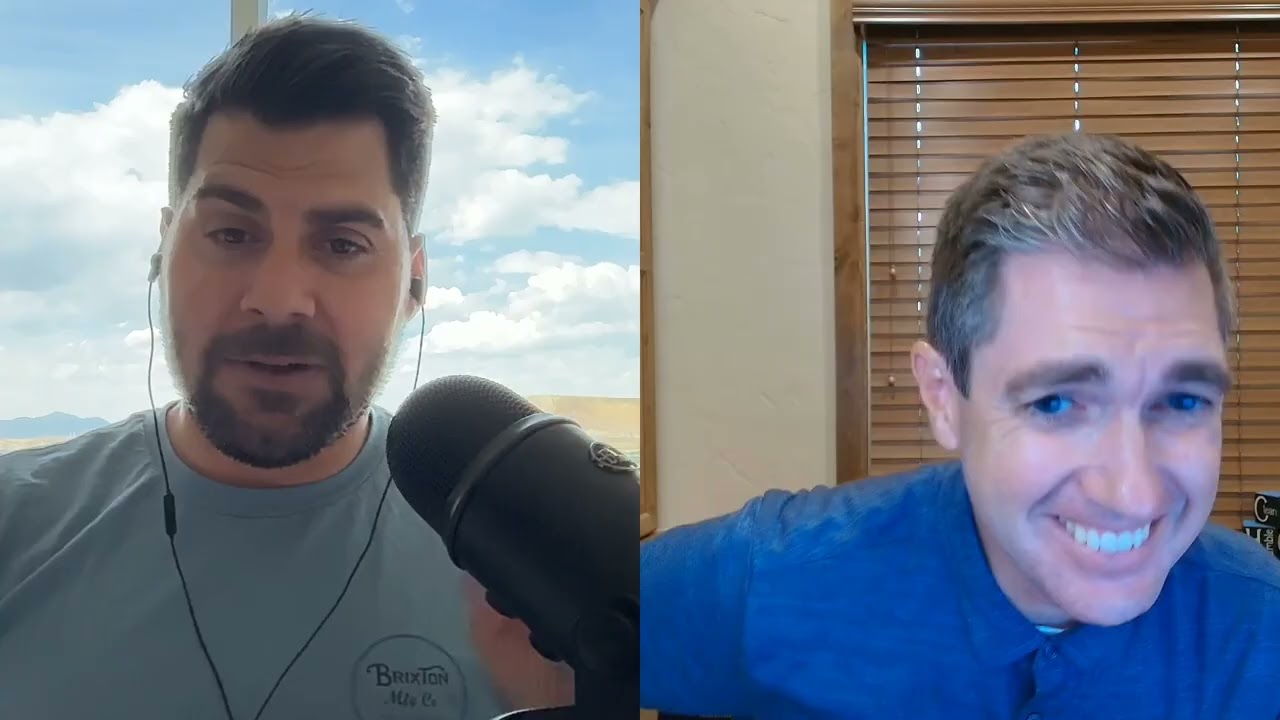
[music] Welcome to the Navigating Dental Insurance Podcast where we [music] don't take from insurance companies. Here are your hosts, Mr. Jordan Comtock and Mr. Ben Tuy. This podcast is sponsored [music] by BoomCloud Dental Membership Software, www.boomcloudapps.com boomcloudapps.com and [music] veraritoss dentalresources www.veritas [music] dentalresources.com. Enjoy the show. What's up everybody and welcome to another amazing episode of the Navigating Dental Insurance Podcast. I am your host today Jordan Comtock. With me my good buddy Ben Tune. What's up dog? >> What's up Jordan? >> Happy summer. >> Happy
summer. Oh my gosh, it's crazy that uh it's already summer. We're in the middle of 2022. Years keep going faster the older I get. Do you feel that? >> Yeah. You know, the the days and the weeks and the months, it all just flies by so fast. >> Felt like it was just Monday. >> Yeah. >> It's Friday. [laughter] >> I can't believe two years ago pandemic started and the whole world turned upside down. And that seems it it seems like it just went by so
fast. Yeah, it's it it that definitely speed sped things up, but I'm pumped to be here. Pumped to be doing this podcast more frequently with you. It's it's even though we're neighbors, it's good to see your face this week. >> Oh, totally. Totally. Absolutely. Rather than looking at my ugly face in the in the morning, you know, in the mirror. [laughter] That's why I try not to brush my teeth, you know, in the mornings. >> I don't have to look at myself. >> Well, there's been
some good news. Uh, we know that Johnny Depp won, right? I know that's a big some some big news. >> Oh, man. [laughter] >> You know, yeah, it it's I've been following it uh loosely, but more so I've just been interested in the outcome because >> um you know this whole idea when people give you a bad review, right? They make a comment about you on Facebook, social media to a large audience or >> they jump on Google or Yelp and they make a fictitious review
or they just make crap up, right? >> Yeah. >> So, this Depp herd trial was very interested in the outcome because, you know, you know, Amber Heard, she wrote that op-ed and millions of people read it that was basically giving Johnny Depp a a one-star review to the world, right? >> Sure. When it affected him big time. Oh, big time. So, we, you know, in the Google world and the Amazon world as it pertains to reviews, people get sued for making false reviews. >> Sure. But
now that this pop culture case closed in favor of having bad reviews taken down or at least, you know, this whole defamation issue, that's good news for business owners because we all get bad reviews from time to time and and they're so hard to get down >> because you have to, you know, you're guilty and proven innocent, you know, >> and you have to prove that they're >> Yeah. >> The crazy thing is, Ben, just just in reviews or just people talking bad about, you know,
a practice or or whatever. Look, number one, [clears throat] I know growing up my mother always said, here's a lesson from my mom. Uh, you can't please everybody, and that's normal. [laughter] That's normal. You can't make everybody happy, that's extremely normal, whether in personal life or in business. Um but also the the the reality is a lot of the times if people do have a bad experience you know um which we'll talk a little bit more about this that a lot of the a lot of
the times if that pe that patient's on a PO plan in the practice PPO's you know definitely affect the patient experience and then your office gets blamed which is really interesting to me doesn't make sense but a lot of the times what happens if they have a bad experience is what I call emotional distortion I don't know if you've read the you crucial conversations has been fantastic book >> in terms of talking to people. >> It's a it's a wonderful book. We read it here with
our leadership team. We we we require our leadership team to read it because what happens if somebody has a a bad experience or whatever a lot of the times emot what is called emotional distortion kicks in and they tell themselves a story and make it worse than what it really is. M and I I see that often, you know, on um like Google reviews and things like that is that people tell themselves stories and make it worse than what it really was. So, I think that's
also a wonderful book to combat those types of situations, whether it's a Google review or maybe an internal um member of your team that had some type of bad experience with you or another team member that you have to resolve. So that's my that's my two cents on it and >> you know and we're going to dive into that because you know the topic of this episode why PPOs are bad partners. What you often see among the PO patients is that when insurance companies make a
mistake or coverage isn't as good as the patient thought. The patients somehow think this is your fault as the treatment planner, right? Or the insurance coordinator or the office. Yeah. They're blaming you for their crap insurance plan, right? And then they hop online like these sons of, you know, they they just [laughter] >> keyboard warriors, you know, they just rip you to shreds. >> Yeah, totally. You know, and and last night, Ben, I was I was talking at a little Adom study group who there's a
ton of Ben Tu fans over there. [laughter] >> I'm surprised people know me up there. >> Whatever, dude. You're a legend. [laughter] Um, you know, I was talking to a a handful of office managers last night and um, one of the, you know, the things that kind of stood out to me is, you know, they they they feel like that yes, PPOs are bad partners because they do a list of things and we'll go through the list of things here, but we'll start out with the
fact that they jeopardize the patient experience um, and maybe even confuse the patient experience is is another good word for Um because exactly what you just said, Ben, you know, a patient signs up for a crap PO plan and then blames the office for, you know, the issues that the PO plan is giving to that patient. Um and often these office manager these office managers are feeling like they are are like the first tier support >> of the insurance companies and they don't get compensated for
it. fact the practice owner has to pay for it which is why I think one of the first reasons why I think they're bad partners because they are making you become their first tier customer support team >> y >> or service team or a cleanup team the office managers have to clean up the mess that the the PPOs are creating in the in the practice and I think that's one reason why they're a bad partner >> you know yeah huge this is so this all started
with assignment of benefit. So when physicians started to accept assignment on behalf of the patient. >> Interesting. >> Which basically means that as a doctor's office, I take on the responsibility to find out what's covered and what's not covered on behalf of the patient. Right. So therefore, you know, when I when I submit the claim that that reimbursement is coming back to me as the doctor, right, or my office, not to the patient. >> Yeah. >> But the patient is the one that's insured, right? You
you'd think that the responsibility would be for the patient to work with their insurance plan to to figure out what's covered and what's not, right? >> Is that >> I have a question. Is that like a legal strategy that the insurance companies implemented? >> Oh, it it is it's not necessarily a legal strategy, but it it's a ploy to do exactly what you just mentioned to get the the office managers um or the dentists and the doctors to pay for that administrative process. Oh, interesting. >>
Yeah. When I did research on this, I mean, this whole assignment of benefit thing started in medicine years, you know, >> sure, >> long long long time ago. And I was reading uh the art of war and that made perfect sense. You know, one of the strategies which in which in this case is, you know, what you're you're when you don't have um like you're in a profession where the profession is not trusted and insurance plans or insurance in general, there's a lot of distrust with
insurance, right? >> Totally. >> And getting the trusted professionals to be your your your your uh what did you call it? First line of support, right? >> Yeah. Tier one support. Yeah. >> Tier one support. In that way, when when the public views insurance, they're viewing you now as an extension of the insurance arm, right? And it's it's totally it's totally a business strategy to help the insurance company save money on admin by putting that first level of support on the dental practices, but also a
buffer because when patients complain about their coverage and insurance, they don't call their insurance. >> No, >> they call the dental office. >> Yeah. >> Yeah. It's very rare. I mean, some of my employees here at BoomCloud uh came from insurance companies, right? Because they were sick of the the crap that the insurance companies did internally with their employees. They came here, you know, understanding what we do and our it's a night and day world difference world for them in terms of how we help practices
versus how insurance companies don't as much, right? They they try to avoid that, right? which is kind of very interesting to me. >> So yeah, that's the first reason why I think PPOs are are are not are bad partners. I was just trying to make it more positive, but they're bad partners. [laughter] >> Yeah. You know, the sad thing is is that, you know, insurance uh was around way before dental insurance was created. >> Sure. >> And MetLife, according to the dates, MetLife was the first
organization to create a dental plan. But Delta Dentl is actually what the more Everybody knows popular. >> Yeah, Delta Dentals, depending on who you talk to, everybody, a lot of people will say, "Well, Delta started dental insurance." Whether it was MetLife or Delta doesn't really matter. Um, but the thing about it is that, you know, California Dental Association, Oregon Dental Association, Washington Dental Association, they created their version of Delta Dentl that got us on this whole path. And it was designed >> to be created in
a way where the doctors would have influence on creating a benefit plan to help the public, right? Increase utilization, increase people's visits into dental practices. And boy, has it turned around around in a big way against >> Yeah. Because it used to be a different scenario, right? Um in the early days and >> and there's so many examples. There's one here in particular in Utah where a group of dentists created an insur well they created a dental plan and same thing happened. It just turned into
another insurance plan and the doctors the very doctors that were part of that group are the first to complain about it. It's like well you created that. It's like let's stop creating insurance plans. Let's do do something else. Right. [laughter] >> Well yeah and the truth is insurance companies are are they're they have good let's say business models right? I mean, one reason if you look at um you know, in every state and every city, the insurance companies have the largest buildings, right? And that's because
they have a great revenue model. They're essentially selling paper contracts. >> Yeah. >> And and facilitating the relationship between two type two uh it's a marketplace, right, where you you're facilitating patients and dentists. It's it's they're selling paper is what I usually say. Um it's a really good I mean selling paper that's very profit. there's a lot of profit margins there, [laughter] you know, with the subscriptions that they charge and everything. That's another reason why they they do have a great business model. I I I'm
not uh >> I do think it it it's fascinating to study that business model, but at the same time, there's there's flaws in the business model where um it causes confusion between practices and patients. You know, that's that's why I, you know, have always loved what we do at BoomCloud is dental membership plans because it it kind of eliminates that confusion between the practice and the patient. But, um, that I definitely think, you know, the reason why they're not very good partners is because they jeopardize
patient experience and they use >> business strategies or legal strategies to to avoid their their costs. [laughter] It sounds like >> Oh, big time. >> Oh, gross. Yeah, it it it's just interesting. It's interesting that dynamic where patient gets a call from their insurance plan and the insurance company challenges the doctor's diagnosis or they completely tell the patient that this is not the right thing for you to get right. This doctor is doing this, this and that. And it happens, you know. Um, and you got
to ask yourself, you know, I as as as a member of a dental practice, whether you're a doctor, assistant hygienist, is that illegal or is that per is that even allowed for an insurance company to rediagnose the patient, right, and say that you shouldn't be receiving this this treatment or you're being overtreated, you know, whatever it may be. And many practices don't know the answer to that. The answer of course is no. But it it goes back to a licensing function, right? Insurance companies do this
to pit distrust between the patient and the doctor, right? And they do that by design. To me, that's why they exist is to find ways to to make make the doctor community look bad so there's less treatment being paid on. Um but you know the the the patients always go to the doctors and and complain about you know once they get that seed of doubt planted almost always that relationship is just completely destroyed and unfortunately that patient when they go to a new doctor there's already
distrust distrust you know in terms of the clinical community right >> sure >> which is sad it's very very sad to see >> it's unfortunate so the next thing Ben that why I think you know PPOs are are bad partners is because essentially they kill >> profit margins. >> Oh yeah, >> they reduce profit margins. I say kill because that's an intense word and I'm an intense dude. >> I'm teasing. [laughter] I'm teasing. Um but they do they kill profit margins, right? Um you know, and
I just don't think that is a very fun business strategy. If I were a practice owner, be like, "Okay, these are this is what I can charge for my services that are high quality needed services." you know, um, oh, and now I've got to discount it by 3540%. Um, because I signed a dotted line somewhere, you know, with this PO contract. >> It begs the question, is it really worth 40%. Because that's what you're paying, right, in terms of money that you're not making. And the
answer 100% of the time is no, it doesn't. We just did an assessment for a client in Philly. They dropped Delta Dental a few years, well two and a half years ago, right before the pandemic started and the numbers clearly indicate, you know, they're retaining most of the patients they're collecting in full at the time of treatment, which was very scary for them. >> Sure. >> But their profit margins are crazy higher than than what they were before, even though they're seeing less delta patients in
general. >> Yeah, absolutely. and and now they're in the process of dropping United Concordia because they're like, "Well, we can lose patience, but that that doesn't equate to losing profitability, right? Because you're just simply earning more and less patients and over time you regain those patients >> in the form of new patients, right? You have >> you have more, you know, you'll have some time to strategize and build marketing programs, you know, within the practice to help re replace patients that have left. But yeah, I'm
I'm a firm believer right now that nobody needs to participate with insurance, but I get it that getting there to that out of network status is hard, right? It's not easy. Something that needs to be carefully considered. >> Totally. >> Yeah. And I think I mean we can we can do [clears throat] a whole new episode just talking about you know those strategies which I think would be fun. >> Oh yeah. Um because I know you and I, you know, we speak a lot on this
topic and uh I think it's really a really needed topic in in this day and age, especially with insurance companies pushing down, you know, on the practice in regards to reducing more uh and discounting >> and inflation, you know, on the rise. I think it's definitely a a strategy that every practice should be thinking about now in 2022. >> Yeah. The next the next uh reason why I think why we think insurance companies are bad partners is because they hurt your cash flow which is like
sacred to me. [laughter] >> Cash flow is so sacred. Um you know I I ran my dad's dental lab for years and we in those early days you know it was during the the 2008 recession cash flow was a challenge for us and I saw what that did to a company and it's not fun and it's not pretty and I don't I don't even see my worst enemy. maybe my worst enemy, but I wouldn't never want to see my worst enemy go through that. Um because
it is such a challenge for a business um to go through cash flow issues. And last night I was talking to these office managers at the ADOM chapter and it seems like um it seems like um a lot of their cash flow is delayed or even denied, right, because of of the the claims being denied. That's that's cash future cash being delayed or denied, you know. >> Y >> what what have you seen out there, Ben, in regards to PPOs hurting the practices cash flow? >>
Oh, yeah. Delay tactics all around. Um, you know, [clears throat] a lot of those delay tactics are in the form of an illegitimate denial >> or requesting records that were already submitted during the initial claim submission. >> And then you got to appeal things. Correct. >> Yeah. You >> I feel like I was talking last night. I'm like it feels like you're working with like insurance companies plus the IRS. >> Yeah. [laughter] >> I got to peel stuff. It's Yeah. >> What's crazy to me again
going back to this whole assignment of benefit, you chose to take on the risk of the patients reimbursement, right? >> Interesting. >> And >> when they sign that dotted line for a PO contract, that's what they're >> Yeah. >> they're signing. A lot of people don't know that probably. >> No, they don't. they they accept that risk which to me should be eliminated. This is the patients need treatment and the risk for insurance should be on the patient and the patient's employer. And this is the
beauty about being out of network is that whenever claims are denied, you don't have to ever have to deal with that stuff, right? You're collecting in full from patients at the time of treatment. And when the patients have that responsibility to appeal their claim, um what I advise uh our clients to tell the patient is that if you get a denial, it is important to take that to your HR department immediately so they can help you appeal it. When the when the HR departments appeal those
deny claims, they get reversed lightning fast >> really >> espec well in situations where it was a clean claim um to where there was no question about the treatment that was uh provided to the the patient. That's the difference that we see is that when the employer who is essentially you know the insurance companies are a client of that employer but when that when the boss complains it it changes that whole dynamic quickly >> which which also begs the question why aren't we doing this now
you know when we're in network and I know most practices are in network whenever there's a denied claim why don't we get the HR departments in involved now saying hey look your your insurance plan is blocking your employee from getting a benefit that they are >> interesting. >> You know, [clears throat] >> yeah, >> I imagine, you know, when I talk to brokers, I've talked to thousands of brokers that sell dental insurance and they love Delta, they love Blue Cross, they love United Concourse. We our
clients never hear any complaints. I'm like, holy smokes, what world are you living in? >> A world where they're not dealing with the complaints. >> Yeah. And when I outlined the complaints and said, "Do you know do you know how many delay tactics go on where p and situations where patients don't get their benefits?" You probably never hear about it because the dental offices are the ones writing it off. >> We Yeah, totally. And we talk we talk about delay tactics and really how it can
affect cash flow, but also most importantly in a practice, it affects the patient's care. >> Yeah. >> You know, which is >> kind of a it's a backwards way of thinking, you know, oh, patient last type thing. this patient needs X, Y, and Z, but we're going to delay it. We're going to deny it. We're going to make it complicated, you know, to for this patient to get what they need. It just doesn't seem like that's the right thing to do for the patient in my
opinion, you know, and maybe there are some scenarios that that may be the right thing to do, but I would imagine that majority of scenarios out there, Ben, that the patient actually needs that that dental care >> and um that they're being denied from the people they're paying to get certain discounts, right? It just doesn't it doesn't make sense to me. It's a silly little It's silly little business model in my opinion. profitable one. Very profitable. >> Very profitable one for the [laughter] for the people
for the insurance companies. Well, another thing too that you may make them not a fit to be a partner for the practice is we kind of touched on this last episode is that their motivation is their shareholders >> not the patients or the practices. It's their shareholders and investors. You know, that that we could easily add that to the list that that that does definitely um make them not a not a fit to be a good partner for the practice. >> Yeah. And I admit I
have I have life insurance policies through Guardian. [laughter] >> Sure. >> I looked at it the other day, man, I'm making good money on this one. [laughter] >> Yeah, because didn't we talk about that last episode that the like 401ks and like ETFs that may have insurance company stocks inside of it. >> It's a double-edged sword. It's a double sword. love to hate them, you know, but at the same time, you know, the business model of it is it it helps for people that are investment.
[laughter] Yeah. >> Stock's good. Yeah. >> Yeah. Absolutely. No, and there's obviously that side of it there and there's definitely a place for for PPOs. It's not like I hate that. Well, I do hate them, but um I do think, you know, there's obviously some a place for them in in the market and I don't ever see them going away 100%. You know, that that's not realistic. But minimizing and reducing your dependence on PPOs in the practice is definitely a reality that I see every day
here at Boomcloud with all of our customers. And I'm sure yeah, with your with your clients, Ben, I I I know you see that probably in in more detail than what I what I see. >> It's a big time trend. And the [clears throat] ones that the ones that make that move, you know, all these problems that we're talking about in terms of insurance companies being a bad partner, you know, it almost all goes away when that whole dynamic shifts. And the dynamic, going back to
what I mentioned in the beginning, is assignment of benefit. You need to get rid of that. The only way you can do that is be out of contract. And I get it. Maybe we can talk about this on another episode, but it it takes time to get there, right? To build that mindset. Um, and the beauty about all that in terms of not accepting the sign benefit, you get paid immediately when the patients come in. Um, there's no in between between you and the insurance plan,
right? The patient's dealing with their insurance plan directly. Um, and there are no discounts, you know? I mean, discounts you can choose on your own, >> but most practices they just they just file the claim or at least prepare the claim with their own fees and and collect from the patient based upon that. Right. Yeah. >> So, huge huge that that's your big uh aspirin right there is to go out of network. >> Yeah, totally. [snorts] You know, the last thing I have here on our
list, Ben, but I think we touched on it is, you know, the the insurance companies expect the office managers to clean up their mess and for the practices to pay for that. You know, we've touched on that a little bit, but that is definitely what's happening out there. Uh, and I think it's just uh not cool. If I had a partner that that did all these things um to to my business, if if they're like, let's just for a scenario here, let's say um somebody comes
to me like, "Hey, Jordan, I want to partner up with you." I'm like, "Cool. This is what this is my business plan for you, Jordan. I'm going to reduce your profit margins. I'm going to delay your cash flow. I'm going to jeopardize your customer experience. and I'm going to make you pay for more admin work for your team to do that so I so I don't have to do it. Do you think I would say yes to that [laughter] business partner? Ben, you're like, "Yeah, come
on board. You can have half of my company, 40% of my company. >> 40% and I'm going to get you to work for me to be my frontline defense, right?" >> Yeah. [laughter] >> And you're going to be my customer service. So when [snorts] when it just doesn't make sense to me ever since I've you know started in dentistry when from my dental lab days to now you know running Boomcloud insurance has never made sense. No, >> it doesn't make freaking sense, >> you know. >>
Yeah. >> And especially dental insurance and and when we when we look at what they're doing to the practices and then, you know, thinking them as as a marketing partner or as as some type of partner in the practice that helps you get patients. Well, it's a very lowquality partner and I think it needs to be adjusted and I think 2022 is this is your year to do that. if you haven't started. I I know that like 99% of people that when they come talk to
me and my team here at BoomCloud, that is one of the things that they're wanting to do is we want to reduce dependence on PPOs because it's obvious that they're not the best partners. And and again, there's a place for them. I think you know, Ben, for if you're starting a practice from scratch, you know, you need to get on some PO contracts and um attract some patients and things like that. I know that's a thing out there. I don't know your thoughts on that, but
I know that's a lot what a lot of startups will do in the dental space, but I would always have a plan to start reducing and to start switching over to, you know, a dental membership plan, renegotiating fees with those insurance companies and just optimizing your revenue streams all around because that's what it's all about at the end of the day is is optimizing your revenue so that there's more profit for for the the practice owner and for the team members, you know, of that practice.
So, those are my final two cents. >> No, that's spot on. On that last part there, [clears throat] getting um the dental practices to clean up the insurance company's mess. >> In the last 12 months, I've never seen the rate of refund requests by some insurance plans. They're sending >> Interesting. >> Yeah. They're sending dental practices refund requests saying, "Hey, such and such person wasn't insured at the time treatment that we paid." Wow. >> So, therefore, you need to pay us back. or they're they're saying,
"We overpaid you." And some practices on on a a weekly basis are having money taken out of their claims to pay for refund requests, in my opinion, that haven't been proven. >> Wow. >> So, [clears throat] we had another client hire an attorney to investigate this. >> Gosh. >> And what the attorney Yeah. the forensic accountant came back and said, >> "You're not responsible for this. You shouldn't be paying for that refund." and they shouldn't be pulling money out of other people's claims. That's robbing those
employers and those employees of their benefits, right? That's completely inappropriate. It's illegal. >> It totally is. >> So, they wrote a letter to this insurance company and the insurance company, they stopped immediately on those refund requests. So, here's the sad thing. >> A letter me meaning a cease and desist. >> Yeah. [laughter] And they they proved the case. They said, "None of this is legitimate. Contractually, this is against tort law, which is a fancy way of saying business law." Um, but >> look at you using
your fancy words. [laughter] >> The law firm basically came back and said, "There's no case there. What you you you're asking the practice to pay for money that they don't owe you." >> Yeah. >> So, they put that to bed. So, here's a sad thing. a couple years ago here in Utah, one of the northern Utah study clubs that I was a part of, I I spoke about this briefly and the doctor um there was one doctor, his face went blue, >> and um I knew,
okay, he probably went through something like this similar. So spoke to him after the meeting. He said, "Just two days ago, I wrote a check for $54,000." >> And sent it to the insurance company that was asking for the refund. They >> Oh my goodness. >> And he he sent me his letter a week later, his his collection letter that he got from the insurance plan. The insurance plan basically said, "We've performed an audit and assessed our five, excuse me, over the last two years that
we've overpaid you on these patients." and they only listed like 10 patients and and a dollar amount that was an overpayment. And they said, "Based upon this pattern, we've assessed that you owe us $54,000 over the last five years of overpayments." They had no other evidence other than the 10 patients that accounted for probably $600 of overpayments, but that's that's something to to be debated, right? Was it a real overpayment or not? But they didn't provide any evidence. So, this doctor wrote 54 grand. $54,000. >>
Small And that's a small business doing that. Um, >> that's a full-time income, annual income for a lot of people. >> Oh, yeah. And yet another reason why insurance companies are bad partners. >> Yeah. >> You know, goodness. Yeah. That stresses me out. Um, I can't imagine doing that. I'd rather take $50,000 and and spend it on my team or marketing, you know, >> combination of, you know, that's insane. And that's >> another reason to just start reducing now because it's getting ridiculous out there. >>
Um, you know, and and I just Yeah, I think number one, Ben, I think you need to write a book on how to do this because I think you [laughter] writer. >> Oh, thanks, man. No, let's give a couple tips. Yeah, >> I know that I know that most of this has been sort of doom and gloom, but these are realities that we all need to face, right? [clears throat] >> So, one tip that kind of comes to mind on how we can sort of, you
know, you're in network and I get it. Most most practices are not going to relinquish insurance contracts right away. >> Yeah. >> But how do you prepare? Well, number one, we need to teach our patients to value quality over price >> or value quality over insurance, right? versus secondary. >> But the other thing I like what Genevie Poppy says whenever we treatment plan, too many times we make the mistake of telling a patient that their cleaning is free today. There's no out of pocket, right? >>
Yeah. >> When in fact your full office fee for that visit was 400 bucks and the patient doesn't know that, right? We're teaching them that their cleaning is free. >> Yeah. So like Genevie's the what she we call her the patient whisperer whisperer. [laughter] >> Yeah. I think she has got wonderful uh verbiage tips on this. >> I think we Yeah. And and that when we hear when I heard that from Genevieve was like that is an awesome solution to prepare patients or at least un
help them understand that when they have insurance and you're in network with that insurance. There's a real cost to this treatment. >> Yeah. >> It is not free. It you know it's $400 and your insurance company will likely pick up half of that. >> Yeah. >> Which is basically our agreed upon in network amount. um or a filling, you know, or a crown where, you know, it's $1,200, but the patient's out of pocket is $300 because you're in network, right? But most of the times the
only thing that patients hear is it's $300, right? So, they think that crown is 300 bucks. >> Yeah. >> It's not 300 bucks. It's 500. Yeah. >> So, start with your full fees. You know, make sure patients know that your full fee is what the cost is of the treatment. And you're, you know, then you can you can kind of break it down there in terms of >> you're talking about just price transparency with patients so they know, you know, how much a crown costs, you
know, the full fee, the full UCR. >> That's yeah, I think that is the one of the best things you you can do like, hey, you know, these are the the costs of our crowns, you know, and >> and then they can see that if they're on a PO plan or even a membership plan, what they're what they're what they're getting discounted because I I'm not totally against discounting. I think there's a place for discounting strategies, but you want to the key word is have a
strategy, right? Strategy. >> Um where I think um PPOs just it's not a strategy. It's just like uh we're letting them figure it out for us which >> affects our bottom line, right? So that's kind of how I look at it. >> You know, there are some practices that are in network that treatment plan with the office fees. They don't treatment plan using the PO fees. And the reason why is because they know that the insurance companies are going to make mistakes. They're going to underpay,
right? Which means that a lot of times the practices are having to clean things up to collect more from the patient after the EOB comes back in. >> So a lot of practices they, you know, it's not necessarily considered overbilling when you estimate high in the beginning. But when the EOB comes back, most of the times rather than sending a statement, you're sending a refund back to the patient, right? But you've collected enough of a buffer to make up for the difference of the downgrades, right?
The post share composits being downgraded to amalgam to where if you only collected the PO estimate and it was down then the downgrade happens. You're chasing the patient down for more money. Now the patient is mad at you, right, for making what they call a mistake. Why'd you make a mistake? Why didn't you cover this? Like I'm not your insurance plan. But still, that's how they view you, right? So, so Genevy's idea on estimating, you know, the whole fee and then working down from there, but
giving that the patient that expectation to me is key. Uh, as as well as um, you know, running running a little bit over on the estimate. Be a little bit more aggressive on the estimate. >> Sure. >> Because it's better it's better to run risk of giving the patient a refund rather than an additional statement. Right. >> Sure. Absolutely. What other what other tips you got for practices out there, Ben? >> So, the other, you know, as far as insurance, just the the verbiage, you know,
when when we're in network, I I there are several consultants that um uh Gary Takis is one of them. When they >> Yeah. [laughter] When they do a treatment plan with the patient, insurance is sort of secondary, right? Yeah. it's not it's not at the forefront front of the discussion, right? >> Um and so a lot of times when they're giving when they're giving patients um the breakdown of treatment insurance is is the last thing that they mentioned. They said that you know in terms of
coverage they say we understand that you have um this such and such insurance plan and based upon what we know we believe your insurance plan is going to cover you know a small portion of this but and that's all they they mention. They don't go into the nitty-gritty details with the patient on coverage. I think when we go into too much of the nitty-gritty details like like most practices do today, >> we're now giving the patient the expectation or at least the idea that we are
the insurance administrator as well, right? >> But when we give them the basics saying your insurance your insurance plan may cover X amount, but for today this is what your out of pocket is, your total treatment plan out of pocket. And they keep it so simple to the extent where patients are not being taught this mentality or this expectation that oh if I have a question about coverage I should come to you right yeah >> we cannot wear that hat of insurance expert I would never
wear that >> in a dental practice in fact when I was working in a group practice we hired a banker a former banker from Chase Bank >> to come and do all our treatment planning and that was one of the tips and techniques he used is that he just he he he's you know he didn't give any percentage expectations to the patients. You know, it was very very simple to the extent where he's like, you know, um based upon what we know, your insurance company may
provide coverage, but this is the tr this is the cost of the treatment today and this is your estimated portion. Whatever your company may not pay, if there's a balance, we'll let you know. But otherwise, we you know, based upon what we know, this is this is likely going to be your out-of- pocket estimate. And that like for fillings as an example that was a 40% estimate that he was giving the patients sometimes 50%. >> Where you know the in network coverage was only 20% out
of pocket for the patient. So we we adopted this philosophy to overestimate in the beginning. The reason why is before we hired him we had a a 90day accounts receivable of $300,000. >> 300,000 plus. 90 plus. >> They were 90 days late. >> Yeah. Wow. >> And that was just the patient portion. And that's because the previous uh people that were sort of in charge of that, they just did the industry standard, right? They quoted the patient based upon the what they thought was close as
possible to the in network out of pocket. >> Felt or thought, no data behind it, no formula or structure behind it. >> And they were going off of the insurance fabrication, right? Which is not always solid bulletproof. >> Sure. >> So you estimate high. We did that and we it was a very very short and simple conversation with patients and and and what we found is that it changed the dynamics of patients complaining about their insurance coverage to us. >> Sure. >> Because we didn't teach
them that we were experts, right? We just ke we just kept it simple. >> And it was beautiful because when we we sent those checks out, got great reviews, people loved us. They were paying exactly what they would have paid no matter who they went to in the community on on an in network basis, but they loved us because something about getting money back from your dental office, right? People from anybody you get. >> Yeah. I've gotten some checks in the mail from like the medical
office and I'm like, "Oh, cool. I was not expecting that." And you know, you catch it you cash a check and it just feels good, right? >> Even from the IRS like, "Oh, yes." >> Yes. Even from the IRS. Same [laughter] thing. Same thing. Yeah. So, uh, my tips would be, you know, start reducing depends on PPOs. Uh, start a membership program or grow your membership program. That's you. Anyone who's listened to this podcast long enough knows that that's what I'm obsessed about, Ben. So, starting
and growing a membership program, we're seeing, you know, practices reach hundreds to thousands of active membership patients >> and which results in in hundreds of thousands of dollars of predictable recurring revenue for the practice. Another thing that I think every practice should do if you're preparing to cut out PPOs is optimize your accounts receivable like what like you kind of mentioned over there Ben um we have a tool that we've been building within BoomCloud that will help automate accounts receivable outreach and collections which I think
the average office Ben loses about $116,000 per year in in unpaid invoices >> you know so as you're cutting out PPOs think of it as a revenue new optima optimization strategy. You cut out PPOs. You go out of network. You're going to increase your profit margins. You you create a membership program. You've got a a loyalty tool and a recurring revenue tool and a case acceptance tool to help you help patients say yes to more treatment. I think the average patient on a membership plan pays
three times more than the non-member. Much like when we go to Costco or if we're an Amazon Prime member, we spend more with those companies. It's a very very similar psychology. Um, so optimizing your AR and then the one of my tips as you're cutting out PPOs and optimizing your revenue I would look at patient financing >> because if you look at the average PO what is it 40% Ben is the discount. A lot of the times fin patient financing companies will require you to take
another 10 to 15% discount to do financing which adds you know 50 to 55% in discounts right the whole purpose of cutting out PPOs is to optimize your revenue and your profit margins and the same thing if you have membership programs and and patients are signing up for needing patient financing which is definitely a good thing but I'm all about optimizing the the profit margin in the practice. So, I would find a patient financing partner that doesn't force you to take a what they call a
merchant discount, right? That's just another layer on top of your PO discount or even your membership discount. So, when I talk about discounting strategies that that in involves that type of strategy is looking at all the discounts that are happening and making sure you're you're in control of it. That's all it is. You're controlling the discount strategy. So those would be my tips, Ben, because you know as a practice is reducing dependence on PPOs, it it is a revenue optimization strategy. So we look at a
lot of different components there. Uh I mean we can have a whole um uh podcast series on that, Ben, because I have like six or seven things the practice should should be doing to optimize revenue, including you know what we've talked about today. So those are my tips. >> I love it. I love [laughter] it. >> Awesome, dude. Awesome. This has been an a fun episode talking about, you know, why insure why PPOs are bad partners and what to do about it. So, uh, was excellent
hanging out with you today. Um, if you guys like this topic, Ben and I are speaking in August in Nashville, Tennessee. Right, Nashville for the principles of practice management. I would just go to Google right now. Type in principles of practice management. It's the dental economics magazine conference. Ben and I are going to be speaking together. It's going to be a party and we're going to be talking about what's the topic, Ben? I have already forgotten. [laughter] >> I'm I'm talking about the seven steps to
negotiate these >> and then you're coming membership plans. >> There we go. Yeah. [laughter] See, Ben organizes my life. Especially when we go we actually just guessed. I think that's what we're talking about. [laughter] >> I'm pretty confident that that's what we're going to talk about. Even if that's not what it's talking about, it's still going to be an amazing time. >> Oh, [laughter] no. We'll be we'll be having uh Dr. Pam who's the chief editor of dental economics. Uh I'm going to be talking with
her later today and be record an episode with her. Um but we'll be speaking there. So Google principles of practice management. You'll it's the first one there. It's the dental economics principles of practice management conference August 26th through the 27th of 2022. Go register. Come hang out with uh Ben and I and uh we'll have a good time talking about these these details. In addition to that, if you're really thinking about cutting out the PPOs, Ben and I have done lots of courses on this. If
you go to boomcloud uh.com, we have a resource section. We have a fire the PO toolkit that uh has both Ben and my contact information and some courses and resources that uh we've put together. Um and then go check out veraratoss dentalresources.com. Ben's got lots of uh information on his site that will help you know navigate your uh reducing dependence of insurance journey or even negotiating um your your plans with with the insurance provider. So uh once again boomcloud.com or veraritoss dentalresource.com. So Ben, thanks for
hanging out today. >> Hey, thanks Jordan and everybody have a great week. wish you the best of success no matter what you're navigating and uh we will get back together again next Friday, same time. >> Awesome. Rock on everybody. >> Take care everybody.