Videos / Watch
The Practice Exit Blueprint
August 19, 2026 · BoomCloud™
About this video
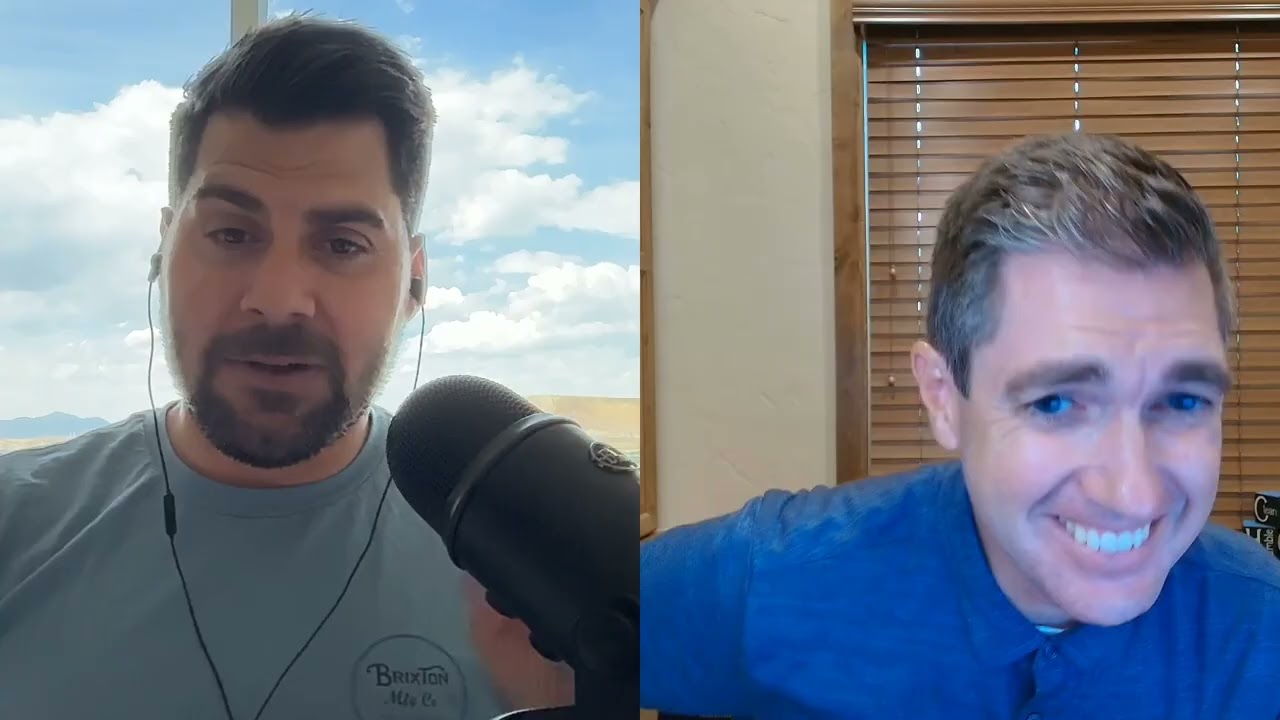
In this episode of Navigating Dental Insurance, Jordon Comstock and Tessina Bullock sit down with Elijah Desmond, co-founder and CEO of Dental Pitch Brokerage, to talk about practice valuation, preparing for an exit, and how dental owners can create a more valuable business before selling.
Elijah shares his story as an entrepreneur, motivational speaker, event creator, DJ, and dental industry connector. He also breaks down why most dentists wait too long to prepare for a sale, why “no” is one of the most valuable words in business, and how his Dental Pitch model brings buyers and sellers together in a Shark Tank-style format.
The biggest takeaway: dental practice owners should start preparing 5–7 years before they want to sell, not when they are burned out and ready to leave tomorrow.
Key Topics Covered
• Elijah’s background in dentistry, events, entrepreneurship, and motivational speaking
• Why relationship capital matters more than almost anything
Full transcript
Complete text of this video
Welcome to the Navigating Dental Insurance Podcast where we [music] don't take from insurance companies. Here are your hosts, Mr. Jordan Comtock and Mr. Ben Tuy. [music] This podcast is sponsored by BoomCloud Dental Membership Software, www.boomcloudapps.com [music] boomcloudapps.com and veraritoss [music] dentalresources www.veritas dentalresources.com. Enjoy [music] the show. What's up everybody and welcome to another exciting episode of the Navigating Dental Insurance Podcast. I'm your co-host today Jordan Comtock with me Tessa. What is up? How you doing Tessa? >> Good. How are you? >> Doing good. Long time
no see. I usually am here with Ben, but Tessa's hanging out with us today. So, so good. Today we've got an awesome guest, a good friend of all of ours here on the podcast, Elijah Desmond. He is the co-founder and CEO of Dental Pitch Brokage. Eliza, welcome to the show, brother. How you doing? >> I'm doing good. I feel like I need some walk-on music though. I need walk-on. [laughter] >> Yeah. What would be your walk-on music if you would could choose one [laughter] >> right
now? I'd probably play the song Staying Alive. That's what I'm trying to do because I've been on the road so much. >> Life's crazy right now. >> Perfect. [laughter] >> Yep. Life is crazy. >> So good. Yeah, dude. It's been a while since I saw you. So, when Ben texted me today and said you're going to be on the show, I'm like, "Awesome. I haven't talked to Elijah." Well, since that elevator ride you mentioned. [laughter] >> Yeah, it's been a while. >> Yeah, it's been a
while. So, what's new? Tell us about what you're doing and and uh this new thing, Dental Pitch Brokerage, that you've been working on here. >> Yeah. Yeah. I mean, can I tell you like non- dental what I'm doing first? >> Yeah, let's do that. That's always fun. >> So, I'm super excited about it. Um, I've been a motivational speaker since the 15 years old speaking to uh kids at high schools and I was given I was given a gift. My gift was being able to save
kids' lives and and you know, I've I'm like, man, I'm tired of speaking at one high school at a time. So, I want to make a bigger impact. what do I do? So, five years ago, I decided to go to Scratch Academy to um become a battle DJ to put on these events called motivational concerts. >> Okay. >> My dream was having football stadiums filled with high schools, multiple, and bringing celebrities to the stadium to give a talk. Not necessarily perform, but give a talk. I
would DJ the event. I would MC the event and then I would talk last. So pre- pandemic I had three of these planned through Texas. They all got cancelled due to the pandemic, but I kept the dream alive. I kept the dream alive. I kept my cell phone um screen saver was a stadium full of kids >> and um and this September I was able to dream come true. So, I had like full-blown real world celebrities like performances like Gorilla Zo. I don't if you remember
Gorilla Zo or not, but [laughter] Gorilla Zo came. I had like this the fastest rugby player in the world, two-time Olympian. I had this guy with a billion views on on uh YouTube doing beatbox with his little kid. And [laughter] anyways, I was able to save six kids from committing suicide that day. >> Wow. >> And that's amazing. which is better than one or two. And so now I have five of those events planned in the next year and a half. >> Oh, that's really cool.
>> All over the world. >> Congratulations. >> Thank you. So that's like what's weighing on me outside of business. Like I'm excited about. That's what I'm most excited about right now in my life. >> That's really cool. That's really cool and unique, man. >> Yeah. >> So, how how long you've been doing the motivational thing? You said 15 years old. >> So, I was I'm 38 years old now. And And that was uh And that's >> Yeah. Since I was 15. That's Oh, man. I'm aging
myself. >> What like what I mean? I'm I'm a little bit older than you, so but we're good. [laughter] >> What uh like what got you doing that? >> Um at 15 years old, I was asked to uh speak at a uh speak at a I mean go to a event called the Hugh O'Brien Leadership uh camp. And it was one kid out of every high school to get selected. >> And there's a bunch of leaders that go to a camp that's far away. and I
heard a motivational speaker and I'm sitting in the back of the room. I'll never forget it. And I'm like, "Oh my god, I want to do that." Like, [laughter] so I started and then I realized I had this gift and I, you know, whenever you go through some I don't know if this some crap. I don't know if this is a PG podcast or not, but whenever you go >> Oh, yeah. We don't edit anything. Just go, bro. >> Whenever [laughter] you go through some >>
Yeah. There we go. >> You can relate with people. >> Yeah. >> Because you've been through it. And I've been through rock bottom three times in my life. I was never suicidal, but I've been through rock bottom. I know what it's like to lay in bed and not want to um not want to get up and you want to just go back to sleep, but you want to sleep a long time. >> Yeah. >> So, so since you've been through it, there's other people in the
audience that have been through it, too. Not everybody, but there are people. And whenever you can make an impact so big, like that's my addiction, right? Some kids are addicted to drugs, some adults are. My drug is saving kids lives. So, anyways, that's the personal thing. I live down here in South Florida. live down here in South Florida with uh my beautiful wife and I'm a girl dad. Six and 11 years old. I got >> a girl dad too, bro. >> Yeah, >> it's wild. [laughter]
>> Yep. And got a knack for business. >> Yeah, that's awesome, dude. No, really really appreciate you sharing that with us. >> So, yeah. I mean, you've always done in in the industry, you've always done the cool events, right? Everyone goes to your events because they're cool, right? Because >> there's the average boring dental event and then there's Elijah stuff. That's how I I remember you at least as long as I've known you. >> Yeah. And and [laughter] listen, doing things against the grain indifferent, it
has its like blessings and it has its curses, right? Like >> like I got put into a bucket from those events, right? The bucket was like Elijah just likes to have fun and party and it's like >> no actually >> there's nothing wrong with that, bro. [laughter] >> Like like no actually you're just boring and you took the word professional too far because Yet [laughter] >> we we are all humans >> and and humans do enjoy being around other humans. They like humans also like music.
>> Y >> uh humans also like vacation. And so I basically put it all together and put it on a cruise ship and created Smiles at Sea, which by the way I sold in June. >> Okay. >> And and I've always just did out of the box events. I had an event that was just like Shark Tank called Dental Tank. I had an event called Dentistry's Got Talent that was like like America, it was like America's Got Talent. >> I had the Dental Socials, which is
the Grammy Awards for Dentistry. Um, where we bring together every every type of influencer from 10 different categories, five deep, and then everybody wins. So, I've always did things like very against the grain and I've been in my own lane the whole time and supporting everybody. But the con to that is is that when you are different, you get this finger pointed at you and you become like not the black sheep but to some the black sheep. And [laughter] >> sure. Yeah. >> And it is
Yeah, it is what it is kind of thing. But it was not that was not easy actually when I when I started my career because it was like should I be my authentic self and and and do the damn thing. >> Yeah. >> Or or should I calm down my personality and not like really live and do the things I wanted to do. >> Sure. >> And I chose to do exactly what I wanted to do. And I would say realistically like four years probably 5
years ago right before the pandemic it was like all right I made it to the point to where it just doesn't matter anymore. And as long as I do people right and I never burn a bridge and I serve my people um the people that don't agree with what I'm doing which is different I don't even see them. So it doesn't matter. >> It doesn't matter. It really doesn't matter. It's probably good that you filter them out. >> Yeah, there's like th there's there's literally tens
and thousands of people and if you only are doing the right thing, if you're only serving people, your people are going to find you. You don't need to go and change for other people as long as you're being a good person. There's bad people out there, right? >> Yeah. Yeah. >> I know I'm not one of them, right? [laughter] So, so as as long as as >> Yeah. Yeah. You're you're a cool dude. You're a homie, bro. Yeah. [laughter] >> Exactly. >> Don't even worry about
it. >> Exactly. So, anyhow, life has been good. I, you know, here's what I always tell people. Um, like my bank account is not near as big as so many people in our industry, outside the industry, in a lot of the rooms that I sit in. However, my relationship bank account is bigger than most rooms combined. >> Yeah. >> I don't care how big your bank account is. >> You've been really good at networking from at least my perspective. really good at meeting people, all sorts
of people. >> Absolutely. Absolutely. And helping the underdog. Right. So, I built I [clears throat] built my entire career >> on helping people that needed me >> because at the beginning of my career, I knocked on the door and the door didn't get opened or I of the person at the top or I opened the door and it got slammed on my face because I wasn't there yet. I hadn't made it yet. I wasn't good enough. I couldn't provide them something. They they wouldn't listen. So,
I was like, "Okay, I know I have a value in this industry. I'm going to go help everybody who needs me." And I did it. And the crazy thing is now hundreds of those people are on the biggest stages. They're CEOs of companies. They've exited companies and they're at the top. >> So, I don't hang out at the top. I actually hang out around the underdog area because [laughter] I love to to serve and help people. >> That's cool. >> You know, if you help enough
people, the rest of the stuff follows. >> Yep. >> Yeah. >> It's the the good stuff. Yeah. the the rest of the stuff is a byproduct of helping. >> That's right. >> Very cool. So, you you've done a lot in the dental space. What are you currently focused on today? What's your core focus? >> That's three. >> What's your three core focuses? [laughter] >> It's a It's a good thing because pre- pandemic I had like 14 different LLC's and so I >> Oh, man. Yeah, that's
a lot to manage. >> So, it's a lot. And then I hired my business coach, Eric Roman, and he helped me to have hard conversations. And I I sold a lot of business. Like I've exited seven times now um in the 20 businesses that I've started. >> I have Sorry, I'm on a podcast right now. Hold on. You might have to edit that part out. >> You're good. Yeah, we got it. >> So So um I've started 20 businesses. I've exited seven times. And and and
now I've got very little very little a couple businesses, right? So, on a high level, I have a a sellside brokerage firm. Um, that's a national sellside brokerage firm. Um, very out of the box, by the way. It's not conventional. We should >> I was going to say that's totally on brand then. >> Yes. [laughter] Totally totally totally on brand. Um, and then I own a mastermind that's not it's not for dentists, but it's for people that serve dental practices, products, services, software, IT, AI, all
all of them are founders. I have 68 members. I started it four and a half years ago. Um, and then we're about to launch um, and it should be launched by the time this podcast is dropped. Something um, that's called a GO, a group purchasing organization. It's it stands for, you know, private practice dentistry and smaller groups so they could get prices such as the H Heartlands of the world because there's so many um dental practices that are involved. So we're we're launching it's called DSO
pricing or DSOPing.com is where you find it. >> Um >> so those are my three things and it's completely a vertically integrated ecosystem. Everything feeds each other. Everybody wins in the entire ecosystem and it just works. Um, and and everything is so established. The best part is I don't have to go out and like hunting for new clients. Like I don't need to have anybody. I get to be selective, which is a good place to be in. >> That is a great place to be in.
Yes. >> Yeah. We we feel the same way here. I'm like, "No, we're not going to do business with with certain types of practices, right?" >> Yep. >> It's really important Yeah. to to separate that out, right? and keep your peace of mind [laughter] >> even for practice owners, right? To say no to the certain types of patients, right? Because there's good patients and there's bad patients, right? As as we all seen it in dentistry. >> So, it's like it's really it's actually it's a healthy
place to be in, but it's an important place to get to whether you're running a practice or a software company or a brokerage, whatever, right? >> Yeah. Know your target audience, right? Like >> and focus on that target audience. probably the most valuable word that I have ever learned in in the world of business and this would apply to almost everybody. It is the word no. >> Yeah, it's stronger to say no. >> I mean like when I say yes, I mean it. My follow-through is
100%. My communication is like impeccable. But when I say no, no means no. Doesn't mean I won't love on you and you're any, you know, it just means that I'm not going to work with you. >> Just a good boundary. Yeah, >> it's a good it's a good boundary to have. >> A healthy boundary. >> And I do believe that long um long term your no um is is so much better than your empty yes. >> Yeah. >> You tell because people yes people to death.
>> Sure. >> And it lot of people pleasers out there. Sounds like it >> lot [laughter] of pe lot of people pleasers for for for sure. But they're really doing the opposite because they don't follow through. You tell people an empty yes and they know it's no and then they have people like expectations like just say no out of the gate. I'll respect you so much more. >> Yeah. >> No, I agree with that. No, that's awesome. So, walk us through. So, I would imagine is
your core focus right now out of the three, the brokerage firm. >> Yeah, the brokerage firm is hands down um the the the biggest focus and >> Okay. And um I say we get we get 50 to 100 inbound referrals and leads every single month. And >> we are very boutique and and and we have like a white glove service. So we only take on like 10%. >> So that that no is is is important in that space. Right. >> Yes. >> Now the most important
piece of that is 90% of the people they aren't a good fit right now. And instead of shutting the door to them and slamming the door, um I believe in helping the underdog and serving the underdog, right? >> Yeah. >> And if you help someone when they need you, chances of them remembering you long term are really high, >> right? >> Yeah. Absolutely. >> And so actually what just arrived today is that you see that that LED above me says dental pitch brokerage. It actually the
LED that arrived today, I couldn't get up in time. I'm sorry you guys, but it says dental pitch advisory and brokerage. So nice. >> Yeah. So the So the 90% of the people that we can't serve, >> you're coaching and help them get to >> I'm advising them now. I know all of the coaches. I'm not that I'm not >> Oh, gotcha. You're advising them. Yeah. Yeah. >> I'm not. >> So what what makes a practice a no? >> Most things. [laughter] >> First off, dentists
when they they wait too long to sell. like they really should sell f they really should reach out to us five to seven years before they want to sell >> and so most of the practices let's say like this 25% of the practices that we work with are doctortodo transactions >> 75% of the practices that we work with are are selling or partnering with a DSO or a group >> okay >> I stand for dentistry so I could care less who you sell to >> I
just want what's best for the for the practice. But but why a no? Well, first no is is they want to leave the practice immediately. Like I want to retire today. That's a no. [laughter] >> It's a no, >> right? Next no is is that I am below 2 million in revenue for me. That's a no. But it's it's not a no. I can't help you and love on you and advise you and and introduce you to everybody that gets you to the point to where
you you're a 2 million in revenue practice, but it's no. I can't work with you, >> right? Um >> a practice that has three or four chairs >> is no practice. Yeah. >> If they're plumbed for four or for five or for six, okay, but if it's three [laughter] >> Yeah, maybe. That's a maybe. That's a one box chest. But >> it's a it's a no. But instead of me saying like, "Sorry, you're too small." Or, "Sorry, you don't have enough ops." I'll say like, "Let
me love on you." And guess what? It doesn't [laughter] cost. It doesn't c it doesn't cost anything. It's free. It's 100% free because I know exactly what it takes to grow a practice to sell for multiple millions of dollars. And step number one is get the heck out of that lease or move or build out or something like you know. Um so that's a reason why we wouldn't take on somebody because those practices are so hard to sell. >> Yeah. >> So or let me give
you another example. >> Hi I'm a dentist and I have 3.5 million in revenue and I >> I will not sell to a DSL. >> So limit the market. Yeah, >> that's what they say. I will not sell to a DSO. Guess what my answer is? No. No. >> Yeah. >> Well, well, why? Why is that? Well, here's the reason why is because a private practice dentist, the large majority, 95% of them, guess what? When they're ready to buy their first practice, they have student loans.
>> Yeah. They're not they're not going to buy a $3.1 million practice. >> It's not that they don't want to. They do. >> They can't. Yeah. >> They they can't. They just they just got married. They just got a financed a million- dollar home. And guess what? Now you want to buy a practice >> that's that much. Banks simply will not do it. >> Won't loan to them. Yeah. >> So my answer is no. So my my answer is no. But >> you're going to have
no market. That's why >> you [laughter] got market. It's too it's almost impossible. >> Yeah. >> You know, a a practice that's 60% Medicaid. No. [laughter] doesn't doesn't mean that I can't help. So So hear what I'm saying. I am not I am not for everyone and that's okay. I mean our practices the revenue of our practices ranges between >> 2 million and 150 million. 150 million is our biggest right. >> Um but at the end of the day um people come and they want help
and I am here to serve everybody. Um another thing is is like some people are just not ready to sell yet. because they said so. They want six months, 12 months, 24 months. Perfect. I love to talk to them because then I can make it so they have like the perfect exit, >> right? So, and and and what happens is is that >> if I can talk to people early enough, I can set them up for crazy success. If I talk to people at the last
bit, so now like the 10% that I can work with, now I'm in competition with the other national brokers, which is fine. There's enough to go around. I don't want to meet them at the 10%. I want to meet them the 90% love on them, help them, bring them millions of dollars, and then when they come to sell their practice, guess who's the natural choice, right? So, anyways, that's the reason for my nose. But there's another there's another piece that we'll weave in maybe in a
little bit is the second business which is called backstage. It is my mastermind. And it's all these dental entrepreneurs that serve dental practices from, you know, building them from this from denovos to to to growing them to scaling them to to selling them to wealth advisory after. I mean, like everything you could think of that everybody that services a dental practice, they all are part of my mastermind and they pay to be a part of my mastermind. They're all really good people. But here's the kicker.
the 90% that are over here that are not ready to sell. They're not a good client. Guess what I do? I refer them to all of these resources with super strong >> culture, super strong people. This these are CEOs and owners of these companies. They're not I'm not referring them to a salesperson. I'm referring to to the people themselves. Could be a distributor. It could be a um a staffing agency to get them an associate, a hygienist. Um it could be a merchant services. every type
of consultant that you can think of, revenue cycle management, AI, tech, software, product, services, everything, I have it. So, when they come to me and say, Elijah, well, how come you're not charging for your advisory? Number one, I'm not holding on to your hand and like a consultant, right? I'm not I'm not trying to hold you account. I'm not keeping you accountable. >> Yeah, sure. >> Which is the hardest thing. Like, man, I tell you what, >> it's really hard. [laughter] >> Consultants have the hardest
job. They really >> ever >> that you're like, "All right, listen. This is how you fix your problem that you're paying me for. You mix flour, a half a cup of milk, and and and two sticks of margarine or butter." And then they come, they do one stick of butter, they they [laughter] do they do powdered sugar, and and then the flour, they ran out of it, and then they don't mix it. And there's a reason why it didn't hurt enough. It didn't hurt enough. Like
you want somebody to click the button and then and then they blame another consultant. >> Yeah. >> No, you weren't ready for change. Well, here's a really cool part. When people come to me, typically an average, they're six months out from selling. That's average. Maybe a year from selling. Now, it actually matters. You're you're willing to do what it takes to to have success. You're ready to you're ready to to to let go of that terrible bad stank attitude office manager or hygienist that's just hitting
a deep cloud on the whole office, right? But because this is the biggest time of your life, you are about to hit the grand slam home run and nothing should get in the way of it. So now all of a sudden the consultants that I'm like referring for these all these different types of offices, those consultants, they work. Why? because it hurts enough to to to make it work, right? Um, and all the stuff that I recommend, they do it. I don't need to hold them
accountable because it's like, "All right, if I save you $10,000, okay, and go straight to your bottom line, that's not $10,000. It's actually $60,000 on the sale. If I save you $100,000, it's 600 600700,000." So, it's completely different. So anyways, yeah, that's a little bit about and I can't I can't forget this. So I am a DJ. It's going to tie it's going to tie into Dental Pitch Brokerage in a second. I am a DJ. I love music. I'm in like this year I'm in eight
countries, all dental conferences, 25 cities, all dental conferences. And I'm either educating or I'm throwing the big party at night. >> You're the DJ party. Yeah, >> I'm the DJ party. >> That's cool. Yeah. And so how we shook up the brokerage space and why every broker and love group brokers by the way I have four other national brokerage firms and my mastermind total abundance mindset right but >> totally >> but but how we shook up the broker space and they didn't take me serious at
first was is we we threw an event that was just like Shark Tank and it was called dental pitch and we have a dentist that could own one location or multiple locations. They walk into a private room with 10 buyers. And when they walk in, that's my that's my walk- on song, by the way. When they when they [laughter] when they when they walk into the room with with 10 buyers, they have a walk-on song. And they come onto the stage, the buyers are all standing
up clapping for the seller. It's like the biggest moment of their life. They walk up, they come onto the stage and I interview them in front of the buyers and about their practice and we actually we actually make it a fun event and then the buyers ask questions >> and it saves so much time on the sale because [laughter] >> it's smart. >> The c like culture is everything. Like you have to know if you're in a complete alignment with the group that you're selling to.
>> Yeah. and and the group has to know that they're in complete alignment with your attitude and your personality and your office personality as as a dentist, right? >> So, we find that out at the beginning of the process, not the end of the process. So, it shortens it tremendously. It's it's it's [clears throat] a fast process compared to the norm. And so since I brought that in and I included music and I maybe I have my pat backwards in like 10 pictures. They like DJ
Smiles. How's DJ Smiles going to sell dental practice? >> Smiles >> like no no nobody nobody wanted to to take DJ Smiles serious, right? [laughter] And so so so believe it or not, I could have my music. I could have my fun. The sale process does not have to be hard. And at the end of the day, like it was different. And so now, three years later, these brokers are looking at me like, "Oh my god, what just happened?" [laughter] >> It worked. >> Yeah, that's
>> it. It It worked. And all those relationships that I built over the years with all the speakers and all the influencers and and everything, like, I'm not going to There's no There's nothing secret around here. Like I pay everybody 10% of my commissions that brings me a buyer or a group uh a group buyer or a seller. So I pay 10% to like all of my referral partners and and I'm not like I keep it above table. I keep it in integrity. I tell everybody
what it is and and and like that's how I have so many like I have the relationships, right? But I also am paying the people to bring me the opportunity and I already have a strong relationship formed with all of these trusted individuals. I've done right by everybody and it just worked out. >> So >> that's awesome. >> Yeah. >> What So what type of questions would you ask these practice owners on stage? >> Yeah. Um why'd you become a dentist? >> Okay. >> Um how's
the culture in your practice? >> Do most of them know when you ask like the culture question. Are they do they know do they design the culture or is it just kind of show? [laughter] >> Every time they're on stage they designed it, right? You you pull the curtain back a little bit. They're like it might be a show. But [laughter] you know um another question that I ask them is like how long do you want to stay at your practice after you want to sell?
What makes you want to sell? Right? Um all important questions. And and then >> there's nobody in the audience. My audience is buyers that can ask a financial question. Very important. Why? Because dentists are not used to answering those financial questions. And and they shouldn't be because that's not what they do. >> And here's what makes us like completely different besides that than than than the large majority of the broker 90%. most people in the brokerage space what is normal something that's called a valuation. Okay.
Now valuations oftent times not all the times oftent times are simply wrong. >> Sure. Yeah. So what happens is is that when I when I when when a valuation gets presented to a buyer that is a sophisticated who's a sophisticated buyer that means you buy multiple practices. >> I was going to say a financial buyer who knows the how to read the numbers and >> you have to know the numbers. You have to know the data. >> A true investor. Yeah. >> Which is not a
normal doctor. Okay. So you can so you can do evaluation and present it to a normal doctor a doctor transaction. and they'll be like, "Okay, great. You know, sounds like $1.5 million. Let me talk you to 1.3 to make sure I got a deal." [laughter] Is the issue is is when you take a practice that has a valuation to a sophisticated buyer, which we have over 100, >> they're going to pick it apart. [laughter] >> It's wrong. you. First off, you put them in a bad
position because you made them you made them believe that your practice was worth $2 million, but really it's worth $800,000. Now, it looks like you got lowalled when really that's not the case. >> It's like they just did the math. >> It It's just math. So, >> it's just math. >> But here's what they do. They do something called a quality of earnings. >> Okay. >> Yep. quality of earnings is going to take the past three years of all of their financials, their their their collections,
their production. It's going to take active patients. It's going to take new patients past three years. Then rolling 12. Then they're going to do most importantly, what is your IBIDA? >> Yep. >> More importantly, what is your adjusted IBIDA? And let's listen, I'll make it super easy. IBIDA is considered or adjusted. IBIDA is considered your net profit after your normal pay prior to any distributions, but essentially it's your net profit after your doctor's pay. Now, and 20% is really a a good target. 20% Ebida margin.
So, if you have >> after Dr. Pay 20% >> after Dr. Pay. So, if you have a practice that's 2 million, what's 10% of 2 million? It's 200,000. What's 20% of 200 million? It's 400,000. 400,000 would be an ontarget IBITA margin that some people have, some people don't. Now, important to know that let's say if somebody's EBA margin is 13%. There may be other brokers out there that will sell you. >> I will not. I'll tell you to cool the jets. Let's do some advisory work.
You're not even being charged for advisory works. >> Sure. So, if they're at 13% like you said, and you said if they get to 20%, like how much difference of valuation they get from 13% to 20% of Oh yeah. >> Oh yeah. So let's just do let's let's just do the math. Okay. So you have >> a 10% uh IBIDA margin on 200,000 is $200,000. So let's just bump it down. Do easy math. Call it $150,000. So you have approximately $150,000 of IBIDA that my goal
is to get you in the next six months to 12 months. Okay. And and and I do really e easy levers, too. Like super like dumb easy stuff, right? Like, all right, let's get the same crown, same quality for $100 less. Let's same glove that was $30 exactly the same, but not do a monster, you know, distributor for $12. Like, like like that's the easy stuff that I'm talking about. Not like going in and changing up your culture and all this stuff, right? But so little
stuff. So 150,000 times a six times multiple. Let's do that. 100 times 6 is 600 to that's not >> Is that pretty common? A 6x multiple on on on eBay. >> Okay. >> Yes, it can go higher. Possible to go lower, but I always like to like save numbers low and so that way when we crush it for them, >> you're happy instead of high. >> Of course. Yeah. >> But for a $2 million practice with $400,000 IBIDA, I would say yes. Absolutely. I can say
that with full confidence that you will be able to get in this market when you're selling to a group a six times multiple plus. So $150,000 of IBIDA comes out to I think $900,000 more in a sale. That's almost a million dollar from you going from 13% to 20%. >> Yeah. Mhm. >> Roughly, right? $900,000 in in valuation. >> Yeah. Yep. Total FTV. >> You kind of mentioned I want to point out like some little easy things that the offices can do to get there. Um
but maybe I'm jumping ahead, Jordan, but what are some other things that the offices would do to prepare or to help them increase those numbers? >> Absolutely. Well, the wrong thing to do is try to ramp up your production crazy. That means that you're working hard. You're have to continue to work that hard for five years. Yeah, >> the right thing to do is pull levers. They call them EPA levers to to boost your production. So, the first thing you should do, hands down, no questions
asked, is you absolutely need to go and look at your lab. Second thing, go and look at your distributors. First, third thing, there's this merchant services that that exist >> underestimated. [laughter] your your patients are not paying that. 70% of the country 30% have caught on. Guess what? You can pass that along to your patients now. >> Search charging. >> That's on average 3%. Okay. 3% is is is going to hit straight to that bottom line. So, let's just say a $2 million practice conservatively with
reading pushing the cards through the credit cards is going to save like $30,000. $30,000 times six is $180,000. >> Bam. >> How about >> Yeah, that's cool. >> Yeah. I mean, you know, there there's just so many things. And look, you you use somebody like Ben and to do insurance negotiation. Now all of a sudden, you're talking seven 7% more, 8% more. >> You do the math. It's is it's very straightforward. There's a lot of products out there that that can be consolidated. You can be
way really efficient. A lot of people are paying $100 to to $800 for stuff that does the same thing. >> Mhm. >> You know, um and so so like there's there's this the efficiency is everything and >> and a lot of people don't understand that. They're like, "Oh, let me just work harder. Stop. That that does not make sense." >> Yeah. Let's increase production. Yeah, that's not very smart. Efficiency and qual like improving your your profit uh quality is way easier than just trying to >>
get more out of the if you're at 13%. >> EB, right? It's like, well, to get to, you know, $200,000 in in in excess profit, we got to do more production. That's really hard. >> Exactly. >> And very expensive because then that requires marketing and all that stuff. Yes. Yeah. really expensive and and and let me make it even easier than this. Check this out. >> If you go and invest on something to get more patients in or whatever where whatever it is, >> yeah, >>
if you go and invest if you make $1,000, >> okay, >> you can count on taking home or adding to your IBIDA $200. Got it? >> Yes. Now, that $200 is going to be a six times when you go to sell. Okay? So, that $200 is really like you're going to make $1,200 off that because you saved you made you increased IBIDA by $200. So, really, if you increase it times by six, okay, so that's $1,200. Now, let me go ahead and take the same $1,000
and I make those efficient dollars. Meaning, you saved $1,000 because you switched from Invisalign to Ortho FX, for example. >> Yeah. >> Okay. Two cases, knocked it out. Well, guess what? That $1,000 goes straight to your bottom line. That $1,000 is actually worth $12,000. >> Yeah. that is 10 times the amount of money. Why wouldn't you focus on being more efficient? They know [laughter] >> that's universal in all businesses, right? It's like if you can get uh revenue to be more efficient or or improve the
quality of revenue so profit increases like that's that's the game we're all playing, right? In business game that's the [laughter] game that is the game we're playing. Absolutely. >> You know. Yeah. No, I love this man. This has been awesome. >> I forgot I almost forgot. I was I went off on a tangent. I do have ADD. I apologize. So >> I think we all do, dude. [laughter] >> So So check this out. The biggest mistake that I see is is that remember how I told
you that the valuations were like off most of the times. >> I didn't finish that thought. >> What we have all of our practices do, we have them go and get something called a quality of earnings light. >> Yep. >> Okay. So the whole world is focused on buyers get the quality of earnings. People completely miss the boat on the sellers should be doing the Q of the quality of earnings light. And so we don't charge any fees upfront. None. In fact, we don't even we
don't even get paid until the very end if the seller sells. >> If if it happens. Yeah. advisory free all the the the the the resources free unless you decide to sell it. Now what we do is we make them pay >> to get a quality of earnings. Super important. It is the it is the biggest mistake I see made time and time again >> from the seller side. >> Yes. And the sellers kick back and say why do I want to get a quality earnings?
Why don't you do a valuation or why don't I'll have I'll have my CPA do it. CPAs do not do >> they're historians earnings. >> Yeah. They're historians. They're money historians. >> And it and and and you're about to make millions of dollars. You want to save a couple bucks by going to your CPA who doesn't do Now, of course, they're going to, oh, well, we can do a quality of earnings. I can tell you what your EBID is. >> Yeah. >> We want forensic accounting.
>> Yeah. >> And we want to go to the B. And here's here's why the buyers love us. Because the buyers know that we're not going to give them a crazy number. We're we're we are ultimately bidding on the terms, the best terms and the the multiple of IBIDA. Is it five? Is it six? Is it seven? Is it eight? And we can do that with confidence because we have a quality of earnings. They they spent 30 the seller spent $3,500 on it. It speeds the
process up. It makes it so people are happy at the end. >> I almost forgot to close that thought. It was very it was very important because it's how we're that is one of the ways that we are extremely different than >> walk through like if somebody somebody may have not know what quality of earnings is if they're maybe thinking about the practice. Give a short definition of that for the audience. >> The end goal of a quality of earnings is to determine how much net
profit that you have left over after all things have been taken out including your personal doctor's pay. And then you are allowed to add back >> Yeah. all the things, meaning the cone beam that you bought that was a onetime expense, the laser that you bought, the consultant that you paid for that was $40,000, the the um the fee that you char that you got charged to um optimize your insurance plan, the vacation that you went on with with with your team that you happen to
throw your spouse in there and keep count that as a write off, too. The >> all that stuff. There's a lot of that. >> Yeah. The cash that you didn't account for, huh? Because you took the cash out and put it in there so you had to pay. all of that. It is so important. >> It is so important and that and to think that somebody would go and first off I I think it's almost disgusting that this hasn't happened before. Like how in the world
have people not thought to do the quality of earnings in and just did a valuation pie in the sky. >> Yeah. >> And and look, some valuations are good. So I'm not knocking everybody, but many of them are not. And so they're looking at three years of your your financials forensic. >> Yep. Yep. >> They're looking and they're looking at your profitability. That is what a quality of earnings is. I have three companies that we refer out to for the quality of earnings. But do not
let your CPA >> try to tell you [laughter] >> they can do it. It's the most annoying push back that we have ever. >> That's interesting. Yeah. A good CPA is good for, you know, tax strategy and and just reporting. It's it's just it's historical uh revenue which is great but they're not going to go deep and and and do exactly what we were saying. That's really interesting. No, this has been really awesome Elijah. I really really love having this conversation on the show today. So
people listening and you know if they're thinking I really want to sell or I'm 12 months away or what whatever they may be thinking, how how do they get in contact with you and and how can you help them determine if they're ready or not? And then you can give them the love, the love. [laughter] >> Give him some love. >> Give him some love, baby. >> Get this teddy bear love. >> The best way to get in touch with me on I mean the best
way is like social media. Honestly, >> just like finding out, be like, "What's up, bro? >> Want to talk to you?" [laughter] >> Yes. Shoot me a text on social. I mean, my website is dentalpitchbrokerage.com. Um, if you want to know how much your practice is, like, and this is not a true valuation, but if you was want to know like how much do you think my practice is worth, we could tell you in five minutes, you don't have to spend >> a rough estimate. Yeah.
>> A rough estimate. You don't have to spend 10 or10 or $20,000 or $5,000 to get the advice. Like, just call me up. Call us up. There's like a form on our website. And and also, you know, I don't think I was too rough with my nose, but >> you have to understand that that we we we work with a very little bit of people. We're white glove, but we service like in my mastermind, I have four or five other national brokerage firms. So, we refer
out way more than we keep, but we help everybody. But we help everybody. And then um also, you know, I don't know if we're going to talk about this or not, but all of my mastermind, all 68 entrepreneurs, we basically have teamed up um to create something called DSO pricing and dsoropicing.com. And it's a group purchasing organization. And ultimately what we're focused on is growing your IBIDA. So if we are able to save you, you know, let me call it for $400 a month. If we're
able to save you three, four, five, $6 thousand dollars a month, it is the smartest thing you could ever do. So, all of us have got together to give pricing for everything you could ever use that is essentially just better pricing than a than than a regular private practice or small group. >> Sure. Awesome. So, dental pitchbrokers.com and >> brokerage brokerage. Thank you. Brokerage.com. I'll have that in the show notes so you don't listen to me. Just go to the show notes. [laughter] And then um
dsoropicing.com is is the the other one. >> Yep. Dsopricing.com is is the go. Yep. >> And then as you guys witness, Elijah is pretty cool dude. Go reach out to him on social media. He's always responsive. I've always been able to get in touch with him anytime I want to reach out. He's awesome. So with that said, we hope everyone has a rocking day.