Videos / Watch
The Real Cost of PPOs in Dentistry
May 29, 2026 · BoomCloud™
About this video
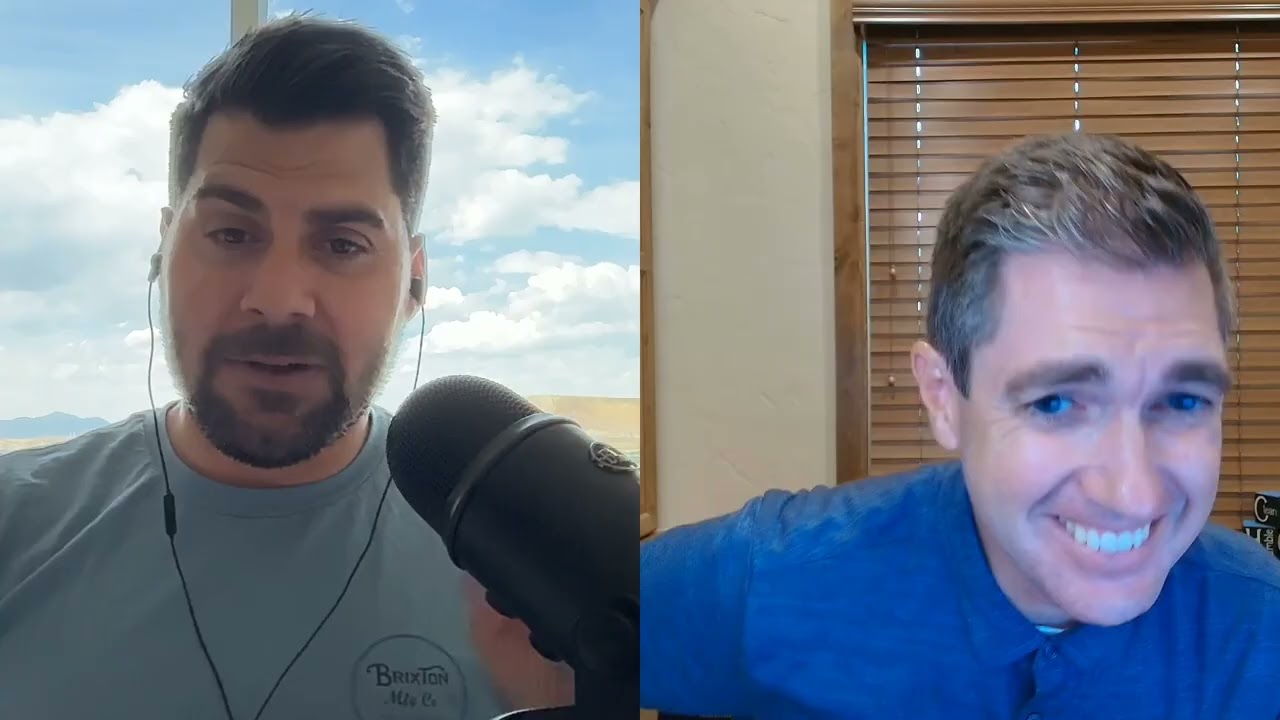
In this episode, Jordon Comstock and Dan from Elevation Association continue their deep dive into the realities of PPO dependence, fee-for-service transitions, and the changing economics of dentistry.
The conversation explores how insurance reimbursement pressures, write-offs, overhead, and poor financial tracking are quietly reducing profitability for dental practice owners across the country.
Dan shares what he’s seeing firsthand while helping practices transition toward fee-for-service models — including the operational, financial, and communication changes practices must make to succeed.
One of the biggest themes of the episode is this:
Many practices are losing far more money to write-offs than they realize because they are not properly tracking the data.
The episode also covers:
• Why dentist owner income is declining
• How insurance companies use regional fee averages against practices
Full transcript
Complete text of this video
What's up everybody and welcome to another exciting episode of the Automatic Patient Podcast. I am your co-host today, Jordan Comstock. With me as usual, Dr. Dan Nelson. What is up brother? How you doing? >> Dude, it's podcast day today. >> Podcast day. >> Yeah, I'm just recording podcasts all day. It's Yeah, we did our Elevation Association Experience podcast earlier and jumped on this one. I think this will be my last one today, but it'll it's you know, little little screen time, little audio time. >> I
like podcast days. They're they're they're fun days to hang out with people and just talk about the industry and and hopefully hopefully help our our our our friends in dentistry. >> [laughter] >> So today Dan, what's the agenda? What what are we going to talk about today? >> Well, I mean if so if someone's following this you know, these podcasts they know that we've been talking about the exiting how to exit effectively, become a fee-for-service practice, right? And insurance. And there's a lot that goes into
it. Last time we were chatting a bit about you know, what what does it look like? How do you go about actually doing it? What's the methodology on it? And >> [clears throat] >> so today I want to kind of build on that and I want to talk a little bit about what's going on within the industry and also give some real world um application of some systems, some techniques and whatnot, some to-do's and and don't do's within your office. Um we see a lot of
of working with a lot of practices we see a lot of workarounds and I'm going to address that and how not to do that. Workarounds are bad. Um but yeah, hopefully equip equip everyone listening with a few more tools on building up to getting to that that fee-for-service status. >> [snorts] >> Yeah, so let's let's start with with the income data you're seeing in the industry. >> So yeah, that's this is pretty fascinating. What we've watched is that the dentist income, the owner like the actual
dentist themselves, the income has gone down, not up. So, if we look at if we track median income across the board for dentists, we see that and I get it. There's some associate pay in here that's going to affect this. But also you have to account for the the DSO associate pay, which has actually gone up. So, just this is all that into account. So, this is This is associate pay, owner pay, all of it, right? In in 2010, the median income was 216,000. In 2020,
so 10 years later, and I get it. This is 6-year-old data. I don't have anything up to date for for 2026, but as of 2020, it's decreased. It went down to 205,000. And we know that it's actually gone down. The trend is not changed. It hasn't swung up. It's a continual trend. If we watch the the line, it's a slow decrease, not increase. And in addition to that, we're seeing inflation and debt have gone up. So, we're coming out of school with more debt. We're we're
getting buried deeper when we are buying practices. Our overhead and operational costs have gone up. And that's all affecting our income. And a lot of this is tied to insurance. And you can tie it directly back to insurance and go the reason that we're seeing that the median income for dentists has gone down. Yeah, that it's declining is because reimbursements are stagnant or declining. So, as your overhead increases and your reimbursements either are stagnant or declining, it affects your bottom line income. So, that money's got
to come from somewhere. So, effectively, you are now paying from your bank account, your own piggy bank to be a part of these insurance companies. They're literally stealing your income because they're not compensating at all for increased overhead costs. They haven't even They haven't even compensated for inflation. >> Yeah, which is insane. That's been brutal and I think it's like we're in another round of it, right? Of of high inflation currently. This is like, "Geez, this is getting insane." So, your dollars today are worth less
and less. >> Totally. >> And and and then with if you're in contract with with too many insurance companies, you're you're getting less and less. So, it's like your your your power of with of cash is like it it's not good. Your It's being reduced. >> Oh, totally. >> That's a big and it and it's it's almost silently. Like it's it's people don't aren't looking at that as much, right? >> Well, and here's the other thing that sucks about this is that what's happening is that
if you look at the income, most dentists are living in that top tax bracket, but you're at the bottom end of the top tax bracket. >> Okay. >> getting beat up on your income. Now you're at the bottom end of the tax bracket and you're getting hammered >> [laughter] >> on taxes as well. So, it's just the perfect storm. It is It is not good right now. And I mean, I think you could speak to this better than I could, Jordan, but the the exact numbers
are are difficult to know for sure, but about three out of four dental offices are in network with at least one dental insurance company. So, 75% of offices are still in network. So, they're being affected. Three in four are being affected by what's going on and that's why we're seeing that decline so sharply in in income. >> Out of Okay, here's Let's look at this. Out of the out of the practices that aren't in network, is the is the median income increasing? >> [laughter] >> That's
a good question. I actually don't know. We would need to We should look into that because it would make sense. I mean, you you you're you're destined We're going to get into this a little bit, but the big difference is is like and this is where office managers get tripped up is that you can increase your fees, right? And you should increase your fees, right? You should keep up with inflation. You should be increasing to an arbitrary 2% increase each year. Don't do that. Follow the
market trend. >> Follow the market, yeah. >> And increase your fees accordingly. We can help with that. If you want to know how much to increase, just contact us. We have zip code pricing for our members every year. >> Oh, that's cool. >> Yeah, and so um so follow market trend, follow the inflation trend. And the the big difference is is if you figure, okay, what percentage of my practice is PPO, right? So and depending on the region that you're in, the state you're in a
lot of them are really high. You know, some are as high as 90%, you know, where their cash or or non-PPO patients only make up 10% of their practice. Well, that's obviously you're going to feel that effect and where where where office managers get tripped up up is they're like, well, I don't want to increase fees cuz then we're just we get reimbursed the same, so it doesn't matter. And that mentality we they get locked in that mentality. It's really frustrating. >> That's dangerous mentality. >>
It completely is because it locks you in a loop. Matter of fact, it it it's we have two big commandments at EAA that we instill in every client that we have. And um the first is thou shalt not zero out any treatment codes or procedures. >> [laughter] >> Um >> Sweet. Yes. >> And and the reason don't zero it out ever. You can't it happens all the time is that let's say that, you know, um your your sister comes in and she needs a crown and
you're like, okay, and you know, we're not going to charge her for that. And so that someone in the front of the office just puts a zero on there and zeros it out. Don't do that. Don't do that. Now, as soon as that >> That's pretty common, huh? >> Yeah. Oh, it's unbelievably common. And the problem now is is that you just put a zero and you can no longer see what you just what you wrote wrote off there. So, like in our office at Woodriver
Dental, we actually have a metric that we check every week and that's redos, charity, >> Yeah. >> and family. And we actually track because that can get out of control. We had in 20 >> You have to have, I would imagine, some guardrails to to protect that or that gets wacky real fast. >> Yeah. I mean, for us, just within our practice in 2024, for some reason October and November of 2024, we started looking at it. We wrote off like 20 grand in family work. [laughter]
What is happening? Like we did so much freaking work on family. And well, you're like, oh, well, that's great. Well, it's great except that in those two months, those are we had a lot of appointments that were zero-producing appointments. And so that's not so great. Not that I'm I'm not saying don't treat your family, but just track it and so you can go, maybe we need to spread these out a little bit better. >> Well, and then let's be let's be actually honest with this. Like
yes, you want to help out family. Like I totally get that. Um we we help out family all the time and and I mean, family's not buying a membership software. So, I'm not talking about that. I'm thinking more like my my Hawaii condo, right? Cuz family wants to use it all the time. Like, what Can you give me a discount? It's like, well, it costs money to operate. It's not just free for me. >> Yeah. >> So, it's like I'm happy to give you a discount,
but not not at not at the expense of the business. >> Right. >> Right. And then you have to think that way, too, within the within your practice, right? I'm happy to give you a discount because you're family, but not not at uh you have to have guardrails around it so you don't disrupt your own company, >> Exactly. Yeah, good practice. >> And you And you don't know the impact if you're not tracking it, right? >> Okay. [laughter] >> So, zeroing out uh you you start
flying blind and you don't know you you you're you don't know the production or the or the write-off at. >> You just screwed up you skewed a a huge data set of your practice and it can come from anywhere from like maybe it's a charitable, you know, uh you're doing some pro bono work or you've taken on, you know, a contract with a local nonprofit that >> Sure. >> charity or [clears throat] whatever. You whatever it is, the tendency for the front office sometimes is the
path of least resistance when it comes to this stuff. >> Zero it out. >> And they just bump hit a zero on it and now you can no longer track that data. >> longer track it. You look after after a month you look you look back at 30 days and you're like, "What happened?" We don't know. We haven't We literally don't know. >> Yeah. >> [laughter] >> Yeah, exactly. Yeah, yeah. And and and it it does. It leaves a black hole as you're tracking >> So,
how should >> again, it's the assumption that people are tracking their data, which you should be. >> Yeah. Yes. So, how should a practice be operating in with this concept here? >> Okay. So, there's that leads to the second um I call it the second >> commandment. Yeah. >> Not Not not as great, but still great commandment. >> Yeah. Yeah. >> [laughter] >> It's 12 now. Um And this one is thou shalt not adjust your fees to match that of the insurance companies ever. >> Yeah.
>> And we see this happen. This is more common than zeroing out. >> Really? >> Oh my gosh, yes. Because the again, it's the same mentality and the mentality is this is that well, they're only going to reimburse us what they reimburse us anyway, so >> So, if >> why bother? >> So, for like we'll just use easy math. For like a $1,000 crown, they're they're not even putting $1,000. They're just saying "The insurance company is going to pay $400. So, we're just going to do
400." >> Yes, and they adjust their fee down to that. So, now you strip the ability to track that write off. >> Yeah. >> idea. >> But that what does that do to the insurance companies, too, when they when they see that? >> Yeah. Well, so so every year insurance audit your specific area. They do this across the country, right? So, they do audits on fees. >> you got you got IRS audits that happen and insurance audits in dental industry? Geez. >> Well, this is the
This is the the [laughter] This is the sneaky behind the the scenes kind of audit. And what they do They're privy to this information because offices will submit claims all the time. And on the claim it says what our fee is, right? >> Yeah. >> And then they will come back and say "Well, this is our negotiated reimbursement." And so, let's say that your fee We'll we'll stay with the easy numbers that you just >> Yeah, just easy numbers. >> Let's >> I know it's not
accurate. Just easy. >> [laughter] >> Well, I'm and I'm going to joke and not joke that in Utah, where you're located, >> That's probably >> of the worst states. >> It is. >> This is one of the worst states that we see this happen in. >> Oh, yeah. I'm very well aware. >> Okay, yeah. [laughter] So, so for all you Utah listeners, I'm sorry, but this is the tough truth. >> Yeah, sorry. >> I'm from Utah. I get it. That's where I'm from originally. >> Yeah.
>> Um but what what Let's just say that the fee is a thousand dollars for a crown, which in Utah is not actually that far from the truth. Um >> Yeah. And And 10 years ago it was the same. >> Yeah, >> [laughter] >> exactly. 15 years ago it was the same. >> That's my memory from the dental lab days, dude. And that's been over 10 years. >> Uh so, it's Let's say you're charging that your fee for your office is a thousand dollars for a
crown. And let's say that the insurance reimbursement is 400. >> Mhm. >> Then your office goes "Well, I can't be bothered with all this extra paperwork." Which by By there's not much paperwork. But they go into their open dental or their Eagle Soft or whatever and they then create a separate fee structure. This is how bad it's getting. We see this way too much. We've seen it where they will actually create a separate fee structure for each of the big insurances that they take. So when
they go to put in a code, it will pull the fee of the reimbursement, not the actual normal fee, so the $1,000 fee. Instead, it replaces it with a $400 fee, so they have to mess around and do any of the write-offs and reconciliations at the end of the day. Well, what that does it does two things. It will ask the insurance companies now you submit that claim and it says our fee is $400 because they're using this weird adjusted fee schedule they've created. >> Yeah,
jeez. >> So insurance companies get that and they're like, "Great. We're reimbursing at 100% for this office." And they're like, "We've done a great job. Look how good we are." What motivation do they have to increase fees? None. >> None. >> They are in their mind >> Cuz in their eyes, yeah. Yeah, in their eyes they're they're doing a service for the the their their their their subscribers. And that's how they would look at it. So >> And and they can come to you and say,
"Actually, in your area we we reimburse at 100%." >> So you're not only hurting your practice, you're hurting the practice around you in the same zip code or zip codes. >> And this is the frustrating thing. If you go to negotiate rates, right? Let's say that it's it's Blue Cross or someone that you can negotiate with. It it's it's, you know, whoever Aetna or whatever. And you go to them and you say, "Well, we want to negotiate." And then they look at at the averages in
your area and they're like, "Well, why would we negotiate? We're actually paying at 90%." >> 90% yeah. >> So you've neutered your office, you've neutered your area, you're affecting the other office. >> Oh man, this is like this is a bigger problem than than than you'd think across across the every zip code. >> Yep. And and and what if again the insurance companies have no motivation now. And if you zero out a code right? If you if you zero code and they look at averages, it's
going to that's one of the reasons you don't zero a code out as well. It's going to drop your fee average down. >> It's giving It's giving you bad data and it's giving the insurance company uh I mean essentially bad data, but they they look at it as good because it's like 100% we're we're we're helping. >> Yeah. [laughter] It's such a bad trap. And the crappy thing about all this Jordan is that >> [laughter] >> most of the dentists don't know that their front office
is doing this. They have no idea. >> So that that's even a bigger problem because there's no It sounds like there's I mean if if you're going to operate an insurance company as like a director or or a COO, you have to have credentials and training. Do you think in the dental space I mean I see this all the time. When when I was at the dental lab and I was like, "Oh, we lost our office manager, so we just promoted our assistant to be the
office manager." >> [laughter] >> I'm sure you see that, too. So there's like no training and and there's no criteria. I literally was on a call the other day with a a dentist as a friend of mine here in Utah that um was looking for an office manager and he he was looking to hire somebody that worked here at at BoomCloud at one point in time. So he called me and he's like, "Hey, I I want to talk to you about it." And he asked, you
know, "Would this person be a good office manager?" I'm like, "No. Maybe a good assistant or or like receptionist, but not an office manager, right? And and too often uh practice owners are hiring the wrong people and then hoping hoping they figure it out. >> [laughter] >> Oh, yeah. So, that's so funny you just brought that up, and we we did not Jordan and I did not talk about this beforehand. This is so funny. >> just know the industry. >> Yeah. So, [laughter] I I kid
you not, my my uh Jared and my podcast that we recorded earlier today >> Today? >> on that topic. [laughter] >> That's so funny. >> So, yeah, like we just talked about the right people in the right seats and everything. >> Yeah. Well, and that's a bigger problem than we think in the dental space because it is hard to recruit people. Recruiting's hard. Like I recruit people all the time for my company. Like it's hard, it's draining, and and finding the right people is hard. But
when you find the right people, it's a dream to run the business, right? So, spend extra time on that and and and or or maybe invest into some type of like training for your your office manager. Like my team, Dan, we we have we have every Tuesday we have required training, and we have we have we have a professional uh trainer come in and train my whole team. It's required. It They can't get out of it. It's It's required because it's that important for me to
run my company cuz we run a certain methodology here at Boom Cloud, much like you guys run a certain methodology there at at at Wood River, right? So, I don't know. That's That's a topic that I think we can spend a lot of time on, but sounds like you guys did this morning. >> I mean, that that is one of the things that we do at Elevation Association is that we work with office managers all the time, and we we essentially are training them. I'm We
provide the software, we provide the the training. So, because the the reality is is that most of the docs don't have the bandwidth to be, you know, that isn't somewhere that the doc should be bogged down into anyway. Uh, you know, that it's something that the office manager should be aware of, but but as the owner, you should be as the CEO or the president of your practice and the company, you should be aware of the of the what's happening under the roof, right? And so
if if you've got these habits and or a lack of systems, a lack of protocols, if you haven't established that, you have to assume that your office manager is breaking both of those commandments. You just have to assume it because why wouldn't they? Like >> Well, so let let's ask this. So let's I'm a dentist. Not really, but fake. Dr. Comstock is like, "Yo, Dan, I how do I even know if if this is happening in my practice? How do I know if they're zeroing things
out?" Like Help me help me understand where to look. >> Yeah, so the the red flag would be when we run you would need to bring um You you would either need to have someone that's super savvy with an analytics program like your you know, your your Dental Intel, your practice by numbers or whatever. Super savvy with that. Um the other thing you can do is um the easiest thing to do is just set up a growth report with us. We can see it. We can
flag it right away. Like it it really Oh, yeah. Yeah, we look at it. So it's one of the things that we look for. Um and so we can see like what you would see that that that the number one KPI that would red flag this is that if your write-off amount is super low and you're in network with a lot of uh >> Got it. So when you're looking at your write-off amount at the end of a month or a quarter and it's like it's
a low >> It's 2%. >> Yeah, then you're like, "Okay, we're not we're zeroing out 98% of treatment." >> Yeah, cuz the reality is is when we get granular, when we get super granular on the KPIs with write-offs as we as we start to break those down, we can do it by insurance. Like we can actually take and break it down by insurance company. And we encourage this because part of the extra strategy we talked about last time is to go through and and analyze your
relationship with each of the companies and then a assess the effect they're having on your practice. So, we can even get more granular and do it by code. We can actually look and see how much you're writing off percentage-wise per dental code. And it is not uncommon. Yeah, you can get so granular. It's not easy to do on your own, but we have we built out systems that do this. What we find is that there's certain codes in certain areas. So, we'll stay with Utah. All
right? So, let's say you're practicing in Salt Lake City. >> Okay. >> Um under insurance certain insurance companies with specific codes, we're seeing as much as 50, 60, 70% write-offs um to the point where when we do the cost analysis on those, they're actually losing money. So, >> Yeah, I dude, I remember even even 10 years ago the dental lab at a dentist called me. He's like, especially with dentures. Um we we need you guys to drop Could you drop your fees for this this patient
because because they're on this PPO plan and if we if we can't get our costs down low enough, we're going to we're going to lose money with with all the you know, this denture case. And I'm like, you signed the PPO contract. I didn't. Right? That's That's essentially what caused my frustration in the industry, right? Cuz we'd have practices all the time calling and saying, "Can you drop your fees because I'm in network?" I'm like, "No. I've got my costs. I got to cover them." >>
Yeah, like like Idaho Medicaid, Medicare, if you're a general office, you're getting crushed. Like But if you're in Alaska, you're you're awesome, you know? So >> So it's market-based. >> Yeah, it is market-based. And you have That's why I say it's you can't And I want to be really clear on that that it's very specific to your zip code. >> Yes. >> Even within, you know, yeah, we're kind of picking on Utah right now, but we even within Utah, there's like a difference. >> Yeah. Poor
Utah. Um You know, so you just it's it's important that you look at it the the overall picture, it's good to look at what's happening across the board, but you really need to get granular within your own practice, you know what I mean? So getting those numbers and understanding what's happening is is so important. But yeah, the the big red flag is is it at the end of the day, if you look and you are an 80% in-network office, 80% of your >> And there's 3%
write-offs. >> Yeah. >> You got it. >> you're right. If If your write-offs are less than 25% and you are that heavy into the insurance >> go. Okay, that's really good. That's a red flag. >> That's a red flag cuz typically you're not going to operate you're going to write off So our target at Wood River Dental, to give you an idea. >> Yeah. >> Our target out-of-network, we are fee-for-service. >> Uh-huh. >> So as a fee-for-service practice, however, we do have a patient benefit plan.
>> Yeah, that helps with write-offs. >> Right. And and I have to be careful with giving out percentages and stuff cuz people take them and they run with them and they apply them and they >> chill out, this is just practice specific. >> There's a lot that goes into creating your patient benefit plan, as we know. We talked a lot about that. Um but we offer and and and this is the number I want everyone to be careful with. Don't go apply this to your own
practice and say you talked to me. >> Yeah, yeah, yeah. Yeah. >> But we offer a 20% write-off >> Yeah. >> across discount across the board, right? So we say if you if you are a member, then you get 20% off all fees and services. So, we expect but the thing is is that we get our annual membership dues as well that offsets that whole thing. >> a give to get, yeah. >> So, our target write-off is >> me you give me an annual subscription, I
give you a discount. Yeah, it's a give to get is what I call it. >> Yep. And so, what that ends up being is our target write-off amount and this is overall. This includes our charity work, this includes all everything, family, you know, the friends and discount, all that stuff. Employee work. Um our yearly goal is 15 to 16% write-offs. >> Sure. >> The average goal. >> Yes, that's where we want to be. >> Cuz you have you have 20 you have 20% write-offs from the
the benefit plan and then you got, you know, 10% write-offs from friends and family or whatever you do. So, it it even out to 16%. >> Yeah, the the big place where it it you get it back is in your in your dues, in your membership dues. >> Oh, yeah, absolutely. Cuz not 100% of >> to offset your write-offs a lot. >> Well, not 100% of people too are are utilizing every benefit on the plan so and but they're generating revenue is what we see all
the time. No, that's that's really interesting. So, here's a question I have around all this is okay, you got all these practices during their you their stuff out. Um and or just matching the the whatever the insurance reimburses, which is dangerous. When when a practice does this right, what is the typical write-off you're seeing in a heavy PPO practice? Like how much revenue what percentage um are you seeing in that scenario? >> So, it depends on the region. It's heavily dependent on the region. >> Yeah.
>> If you go down to places like Arkansas, if you go to Oklahoma, um the South tends to be their insurance is kinder down there actually and overhead is way lower. >> Bible Belt, that's why. You know, oh, Jesus wants us to be kind. >> [laughter] >> Yeah. Play play Basically, the more rural you get, that it kind of gets better. So, yeah, rural Pennsylvania, um places like um Alaska, you know, you can probably expect to be If you're heavy PPO, you should expect to be
writing off in that that 20 to 30%. Uh and and that's a pretty general number, and I get it, 10% is a big spread, but Yeah. If you're If you're going >> But it's in ranges, it sounds like, in every market, then. >> Yeah, it just it's highly dependent on on your region. If you get into some of the areas that are that are abused by insurance, places like Utah that's Idaho is in abused by insurance, California is abused by insurance, and so on. >> Yes,
big time. >> Um you know, then you're going to probably be in that upper 25 to 30% pretty consistently. Uh >> What's the worst you've seen? >> 33, 35, somewhere in there. >> [clears throat] >> Yeah. And that that's um >> And that's a big danger zone. >> Honestly, that's not super uncommon. It's not like Those are a little bit of outliers, you know, I don't want to lump them into the >> Yeah, sure. >> the average, but certainly we can see them that high, depending
on you know, depending on That has a lot to do, too, with um if they're Medicaid, Medicare, that >> Got it. Yeah. >> brutalize That That can be really brutal. If you >> Which Which they just had a big data breach. I don't know if you read about that. >> No, I I didn't even know. >> The government. Yeah, it's like, okay, that's another reason why you should reduce dependence on all on all on major uh programs out there, because if they get hacked in today
in today's AI environment, like hacking is uh is a huge problem. It's just compounding. So, it's like you got these you got these old agencies, government agencies, that don't really update their security as much as they should, especially in this environment today, in this tech environment. And boom, they get hacked and and social security numbers are leaked, practice owner's social security, patients, all that. It's And that's government. Right? So, it's like, "Yeah, we should probably get away from these big big institutions cuz they're massive targets."
In addition to all the write-offs and the financial issues, like that's another layer of issues that they can bring. >> Oh, yeah. >> So, um okay, so about uh 20 to 30% 35% on the high end, um what type of revenue is that? Like monthly in monthly write-offs. I know there's ranges, not everyone's like a million-dollar practice, right? >> Well, yeah. And so, that's going to be directly tied to what your overhead is. >> Sure. >> Now we're talking about Now we're shifting gears into where
we're seeing a big problem in the industry right now, and that's that we've seen a sharp incline in overhead costs. So, we talked we started off the show talking about the decreasing median income. >> Income, yep. >> And >> Overhead. >> Yeah, overhead. So, from since COVID, if we look over the past 6 years, and we go back to COVID, what the market [clears throat] is showing is a marked increase in um staffing costs is one of the primary hits, but also um labs and supplies
has gone up significantly. So, >> goes up cuz manufacturing I mean, yeah, my whole family's still in the lab business, so I know how they're they've been impacted too with manufacturing and supplies there. They Everything is increasing, right? Especially with with uh uh uh tariffs and stuff that hit like the labs are being hit the hardest in in the dental space, right? Cuz they're dealing with a lot of supplies that come from overseas and things like that. >> Yep. We're seeing and and things like um
you know, your your services costs have gone up. So, you know, to have your your you know, your technician come out and service your chairs and your >> Oh, sure, yeah. >> your hand pieces and stuff like that. We've seen that go So, in general, we've seen anywhere and again, it depends on the the a bit on the region, but on the high side of staffing, we've seen an increase up to almost 24%, 25% increase since 2020. >> Yeah, that's insane. >> Yeah, and overall, we've
seen an increase that average is about 14 to 15% increase in uh again, that's a variable number depending on some factors, but we can kind of apply it as a general rule uh across the board in in our overhead operating costs. So, yeah, that it we're feeling it. I think that everybody in the industry is feeling industry is feeling it. And here's the sucky thing is that if you're a private practice owner, you don't have the leverage that a corporate or a DSO has. They have
the ability to now go and this this you should >> yeah. >> Yes, and you should belong to If you're a private practice, you should belong to a GPO like Best for Dentistry. >> Yeah. >> It's a no-brainer. You pay you pay a couple hundred bucks a month to save a lot of money a month, right? And so, >> I get it. For whatever reason, as small practice owners have a really hard time with the concept of spending money to make money >> I think I
think Mark Mark Costes has his too that's a GPO type style where they get discounts and things like that. >> Yeah. Right? Yeah, there's a bunch of them around. >> There There's options out there. [clears throat] And so, you go out and look for one, but you should be part of a GPO. Now, your your supplies is only a part of your overhead. Um where we're seeing people >> What percentage, right? Like is it 5% of the overhead? >> Yeah, there's there's we actually have an
entire spreadsheet that we can share. That's one of you know, you brought up Mark Mark one of Mark's big things is is um overhead and overhead control, you know. Um but yeah, we we have >> Which even in my business, uh Dan, like overhead like controlling overhead. Like I had wage inflation hit a couple years ago. It was the worst thing in the world and I had to figure out how to control it. And and reduce it and figure out it it was a nightmare. So,
I can't imagine and I'm working on my business every day. I'm not in like a dentist maybe in he's in the chair, right? He or she's in the chair every day. So, I don't know how much time each day a a practice owner works on the business versus in the business. You know I'm talking about, right? That's the E-Myth Revisited type stuff. That's a great book, E-Myth Revisited. It talks about how to work on your business and how to if you're working in the business and
how to transition between the two. Fantastic book. But um yeah, that that's really interesting and and and a a big challenge. So, how how do you overcome all this? What's the solution? >> [laughter] >> It's not easy. It it's the short answer is it's not easy, right? And the so regarding overhead, you know, that's something that's going to affect you period whether you're in network out of network or whatever. So, getting that under control is massive and you should be doing internal audits on this. Um
I just to to tell you guys, you know, I we're happy to share industry standards as far as overhead breakdown. We can give you all of that and show you where a healthy amount is. Um we base ours off of the Cain Waters um benchmark. >> Cain Waters is great. Yeah. >> So, um we do tweak them a little bit and given where you are um but >> in the in your zip codes? >> Yeah, yeah, geographically where you sit. >> So Cain Waters probably gives
you a good a good standard industry benchmark, but then you apply it to your practice. >> Yeah, yep. Um but yeah, in general, I mean, start there, you know, start with that, get a report, and do an internal audit of your overhead. Start to break down like, "Oh my gosh, where are we in the red?" Um wages are going to be a big part of it. Um we've seen a sharp sharp increase in hygiene wages. Um that's again COVID-related. Um I would have This is a
totally different podcast, but if it if you're getting crushed on hygiene wages, we highly recommend looking into um the part-time model for that. Um >> Okay. >> Uh we can talk about that at a different time, but there's a part-time model that is very effective to help control some of that. Um assisted hygiene is another thing that you can look at that >> Yeah, sure. >> you know, maybe that's something that will fit your practice. Um so start there, you know, start looking at at again
join a GPO, get your get your supplies down. Um a lot of labs are a part of GPOs that you can get your cost down with labs. Um you know, start to uh you should be also >> Dan, we're even part of a a couple of GPOs to help practices get discounts on utilizing things. >> Utilizing Boom Cloud and things like that. >> But we we even have like a mini uh like we have a a we're building an internal marketplace within Boom Cloud. So, if
you're if you use Boom Cloud, we we we're actually negotiating with some of our our vendors that want to be in our marketplace. So, it's like it just comes with a Boom Cloud fees kind of what we're we're building into the It's It hasn't launched yet, but that's one thing that we're that I'm working on. It's like, "Okay, how can we help more practices get some some services that I believe in in in practice management, you know, operations?" Um that I think we can help them
save some money there. But yeah, there's a there's a lot of uh uh programs out there for practices. >> Yeah, >> [clears throat] >> in regarding overhead, I mean, there are a lot of programs that are out there that you can get involved in to help to lower your NSSE and lower your your overhead. And I think it's important to Again, this is a place where you probably want someone to come in and and help you to understand your P&L. Um, help you to, you know,
meet with your accountant, um, meet with your bookkeeper. Um, P&Ls are freaking messes, by the way. Every time we get into some Oh my gosh, dude, it there there's no there nothing is standardized. So, everybody kind of mixes their P&L and every bookkeeper does it their own and it's a proverbial Chinese fire >> It's probably Yeah, cuz like I obviously have a profit and loss statement for Boom Cloud and I have a bookkeeper that works for me and it's super simple. It's [laughter] not super straightforward.
>> We get into some of these and we're like, what is some of these What are they talking? Why is this Why is this in marketing? Why is this like what >> [laughter] >> So, they're just not they're just not categorizing things correctly. It's kind of sloppy. >> Exactly. And when you do that, then it's really hard to benchmark anything because it's like >> Interesting. Yeah, or like I I review my book my books with our bookkeeper once a month. And it's clean. It's clean. It's
like, oh yeah, yep, that's exactly how much we spent on marketing. That's exactly how much we spent on promotions or whatever. It's it's just clean, right? It's easy. >> the thing that you just hit on there without saying it is that you when it's presented to you, it makes sense to you, you understand it. >> Yeah, yeah. Also, at the dental lab days, when I managed my dad's dental lab, um, his profit loss statement was wacky, right? When and I it was hard to read and
I early on in in my 20s, I paid uh an accountant to teach me how to read all the financial documents in a business so that I could help my dad cuz cuz my dad again back with like e-myth revisited type concepts, my dad is a is a technician that owns a business and he's not necessarily a a businessman who's exactly, right? And I'm the opposite. I'm a businessman who who I'm not a technician. Like I don't I'm not in the in my business, I'm not
in the codebase writing code or I'm direct I'm directing and strategizing all that stuff, right? >> [clears throat] >> So early on in my career, I I learned how to read financial docs in a in a business. So because because that was my challenge. My dad my dad's dental lab was run probably very similar to a dental practice where it was like, wait, it's saying that we spent money here but that I don't know the categories are off. Like this is not this is not making
any sense whatsoever. So yeah, when when I get a profit and loss statement at the end of each month to review the previous month, it's a quick maybe 15 20 minute review with my bookkeeper. He may have some questions to clarify the categories and stuff. But then it's like, yep, that's clean. I can see exactly what happened and it's it's easy. It should be easy. Right? So is it cuz most people don't have bookkeepers and they're just kind of winging it? I don't I don't know.
Yeah, I think I think more that it's they don't have finance meetings. God, okay. I think that we have to have bookkeepers and we have you know, even if it's your your brother doing your bookkeeping or your brother that you But your brother may not know exactly all the all the categories because or whatever, right? Cuz that can get pretty there's there's a lot of transactions happening in a practice much like in my business, right? So it's like if if you're not reviewing that like what
what I do each month with my bookkeeper, reviewing, having a financial meeting and reviewing and being like, "Oh, uh this is actually that category, that's this category." Or if he if he has questions, I answer them, you know? And then and then it makes my accountant's life easy when he does taxes at every quarter, right? It's like, "Okay, now my my accountant can read this and has a clear picture of my business and no like no questions." Which is what you want. Like, you know, you
don't want to spend too much money on all that stuff, but it's really important to get some help there. >> Well, and there Okay, so there's an underlying issue with all this. And um you know I love talking psychology and it it's one of the the I like understanding how people's minds work. So, the underlying issue, we go back to this this this concept of of, you know, bandwidth that um I've talked about it probably ad nauseam. Um >> [laughter] >> because I feel it all
the time, you know? I I I there's only a certain amount of bandwidth that an owner doc has, especially if you're an owner doc. >> Yeah, working on the business versus working on the business. >> yes. Stepping What is that? Yeah. Hanging up the handpiece, stepping into the CEO role. >> Yep. Yeah. >> At the end of the day, if you've done 40 hours or, you know, you know, 32 hours of of clinical time, you're pretty fried and those weekends become very sacred time, right? And
so, to go and to build out an additional, you know, X amount of hours to go and do administrative work is it it asks a lot. >> It sounds It sounds painful after a while. >> It is. And here's the thing and here's the psychological pitfall in there is that ambivalence will take over, right? And and and ambivalence should be a keyword. It should kick it It should be a spur in your side a little bit if you hear that. And it I use it on
purpose and it's and it's not that you don't give a crap. That's not what I'm talking about. It's that you don't care to the point of it's not hurting, I'm not going to do anything. So, what this is the a big trap that dentists fall into is that their income is good enough and it's high enough because dentistry is a beautiful and wonderful profession. >> Yeah. >> That they make enough that they are financially comfortable. I'm just going to say comfortable. >> They're in the comfort
zone, which is also the danger zone. >> Right. So, comfort zone is the danger zone. And the reason that it's dangerous is that ambivalence will take over in the comfort zone. And until something hurt and we see this I mean, obviously, I'm in the consulting game for heaven's sake, right? >> Like who comes and talks to us? People when it's hurting. >> When it hurts, yeah. Yeah, when they're in pain. Help me, doctor, I'm in pain. >> Yep. Exactly. The level of And that the irony
of that, right? >> Same with patients, right? >> Yeah. [laughter] I Exactly. That That's the irony of it is that we deal with that ambivalence every freaking week. >> There's no preventative care program for the business side. >> Exactly. >> [laughter] >> Yeah. >> It It's kind of funny, right? Cuz >> It is funny. >> We treat constantly the ambivalent patient. >> Yeah, and we And you also preach preventative care, preventative care, preventative care. We got to get you on the preventative care program, but there's
no there's no preventative care program for the business side. >> Exactly. >> Damn. >> That's really where we've tried to focus at EA and and one of my missions that that really me as a person is to to build out a business preventative care program >> Yeah. >> for a a doc and for their office, right? And and keep things running smoothly so that >> That's good. >> The ounce of prevention, it it applies to business as well. And but it just seems to get missed.
And and so, what will happen is that they because of the bandwidth problem um because of the comfort zone, when you combine those two things, you end up getting very complacent about having your finance meetings. You don't know where your P&L sits. You don't know where overhead is. You You don't give a flying flip that your front office is zeroing things out and that they are adjusting their fees down to to match >> Cuz you're like, "I'm comfortable. I'm fine." >> Yeah, cuz I'm making X
amount of dollars a year and I'm good and I've got my boat and we go and I take my kids out in my, you know, in my new truck and I pull my boat to the lake on the weekends and we we go and we do that and we're good and we, you know, we take our family trip to, you know, um >> Hawaii. >> Hawaii, you know, every year. [laughter] >> Yeah. >> This is a thing and this is going to sound familiar and there's
going to be people listening to this, docs listening to this and they're going to be like, "That Dan's a freaking jerk. Like, I hate that he's pointing me out right now because that is a profile that fits more dentists than you can imagine." And it's And I get it. Like, believe me, I practice all the time. I can appreciate living in the comfort That's the goal is to get into the comfort zone where we're in the comfortable. >> But there is >> sure you've got that
preventive care business program. >> Exactly. As long as you have the preventive business plan in place, yes. I think that that's You just hit the key is like, live in that comfort zone for sure, but you're going to have to do some work to get that preventive business plan into place and and make sure that you are now getting the things done that Yeah, it's going to take a little bit more out of your bandwidth, but for us, like Jared and I, when we looked at
it, we were like, "We're taking 2 hours every Monday out of our clinical time to work on the business." And so we have meetings >> Right. >> on Monday mornings for 2 hours a day and then, um >> So real disciplined with your with your calendar. You've got to be as a dentist, I would imagine. >> You have >> be and it's okay. And it's And this principle is slow down to speed up. And you can. >> Very true. Yeah. Oh, this has been really good.
Um okay. I got to I got to uh jump to a lunch appointment. So, this has been an awesome episode. I think it's been really good. Median income issues, reimbursement issues. Uh all the the key takeaways here, bookkeeping with write-offs and what were your two Just to recap, your two uh commandments. >> The great commandments? The >> The great commandments from Dr. Nelson, yeah. >> The the not as great but still great commandments. It's the thou shalt not zero out any treatment codes or procedures. And
the second one is thou shalt not adjust your fees your fees to match that of the insurance companies, ever. >> Fantastic. And you got You have There's 12 of these that you you preach? >> No, there's the 10 normal commandments and then there's the two other >> [laughter] >> I got it. Got it. I got it. That was You mentioned that. I'm like, "Oh, he's got 12." >> Yeah, no. >> He's got 12 of them, but you're talking about the 10 plus the two. >> two.
Yeah. That's why they're not as great. They're They're still great. >> Yeah, they're still great. >> [laughter] >> That's funny. No, fantastic, dude. This has been awesome. Um last question. Um And this is not regarding the topic. Are you Are you going to go to Dr. Mark Costes' summit here in the next month or two? Next month? >> We were just talking with Mark. >> got a text message that popped up on my computer about it, so that's why. >> We're bummed out that we're not
going to be there. We love it. >> it. He has He has Gino Wickman speaking for EOS, which is amazing. >> me. Jared is like Jared was visibly upset when we got the text. And the reason is is that we're presenting at the Dennis Money Summit >> Oh, that's the same week. >> It's the same week. And so >> Yeah, so just >> He's like, "I got to quit getting these scheduled the same week that they do theirs and I'm [laughter] like >> Yeah, you do.
>> Just to give a shout out to our buddy Mark. Plus I'm helping promote his event because we're homies. Gino Wickman is the he he writes EOS which is entrepreneurial operating system helps business owners operate their I I use EOS here at Boom Cloud operate my business and it's very common. >> It's the basis from which we built EAOS. >> EAOS is run similar, yeah. It's Mark's event is let's see in Frisco Frisco Texas. I don't know the dates. Is it June something? >> I don't
know. I can't tell you. >> I'm just I yeah, I just got the text. >> June. It is I can tell you exactly when it is. It is June uh 11th and 12th I or 11th to 13th I think or or 12th to 13th. >> Yeah, those dates I Mark gave me a a promo to give to people that listen to the podcast and our Boom Cloud customers. So I'll email that out and I'll put that in the show notes too for for just a you
know, shout out Mark. He's a good friend of both of ours. I'll probably be there as a as a guest hanging out with Mark. I usually do that. So no talk off this year, huh man? >> No talk off dude. I know. I know. I know. >> [laughter] >> I have to give a shameless plug for our couple summit >> Yes, do that as well. >> Yeah, so next February we are we're putting the package together right now. We went to Dominica this last year this
year and we were we were in Nicaragua the year before. It's looking like we're probably going to go to Central America again in 2027 but just stay tuned on our website. We'll have an update hopefully in the next week. >> the let's put the website in the show notes too and then when you get closer, you know, I'll share I'll share it with our with our email and podcast lists. Um so you guys can have a good turnout there. >> Right. Yeah. >> Okay. Well, with
uh I think this has been an awesome episode. With that said, we we hope everybody has a rocking day. >> Later.