Videos / Watch
The PPO Tax Is Crushing Dental Profits: What Private Practices Can Learn from DSOs with Steve Parker
August 10, 2026 · BoomCloud™
About this video
Dental practice revenue is barely growing while expenses continue climbing.
So where is the profit supposed to come from?
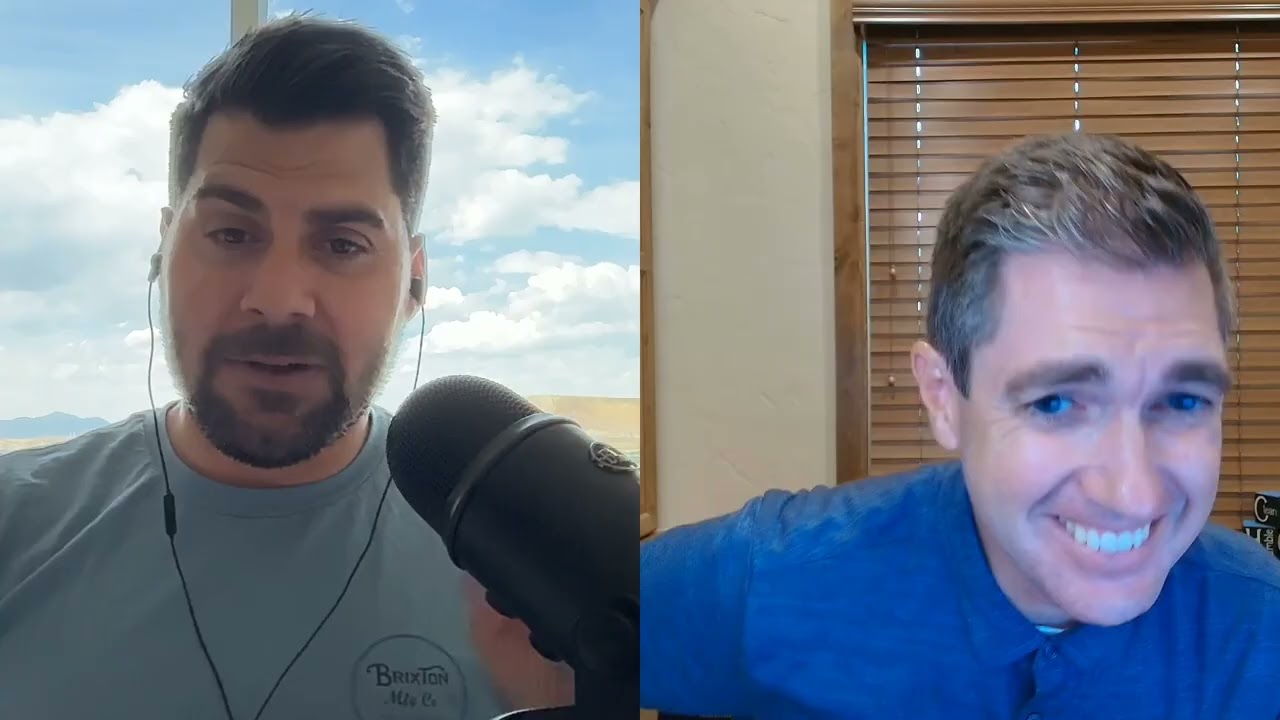
In this episode of the Navigating Dental Insurance Podcast, Jordon Comstock sits down with Steve Parker of The Profitable Dentist to talk about the changing economics of private practice dentistry — and why simply being a great clinician is no longer enough to guarantee a profitable business.
Steve has spent years helping private-practice dentists understand the business side of dentistry, and in this conversation, he explains how DSOs have changed the competitive landscape.
But the lesson isn’t necessarily that private dentists should fear DSOs.
It’s that they should learn from them.
DSOs understand procurement. They negotiate aggressively. They manage overhead. They watch revenue. They understand patient acquisition costs. And they treat the dental practice like an actual business.
Private practices have to do the same.
Jordon and Steve dive into what happens when a practice writes off 30%, 35%, or even 40% of production through PPO contracts — and why those write-offs may be one of the most expensive patient-acquisition strategies in dentistry.
They also discuss why dropping every PPO overnight can be a disaster.
A smarter strategy is to identify the worst-performing plans, understand the economics, build recurring revenue through a membership program, and gradually reduce dependence on insurance.
The goal isn’t necessarily to become 100% fee-for-service.
Full transcript
Complete text of this video
What's up everybody and welcome to another exciting episode of the navigating dental insurance podcast. I am your host today Jordan Comstock. With me a good friend in the dental industry Steve Parker from ProFile Dental Magazine. What's up Steve? How you doing? >> I'm groovy. How are you Jordan? >> I'm doing groovy man. >> [laughter] >> So for for people that don't >> excited to be here. Yeah, I mean thanks for having me be on. I'm I'm ready to dive into it. >> Let's dive into it.
For for people that may not know who you are explain to our audience who you are and what you do in the in the dental scene. >> So this was started by Dr. Woody Oakes and if you're a dentist of a certain vintage you got mail from Woody every 10 days. You probably went to one of our Destin Spring Break seminars. A lot of great things happened there. People like Howard Farran first time he ever spoke was at our Spring Break seminar. Rick Workman got the
idea for Heartland sitting on the patio at our Destin seminar. You know, so we really Woody kind of put together a thing. the first private meeting in dentistry. In fact he got a nasty letter from the the ADA that said, you know, how dare you put the words profitable and dentist in the same sentence from the name of our magazine and you know, so they challenged him and said, yeah, said, you know, why shouldn't we? And why should we have a and I love the midwinter.
Don't get me wrong, but if I have a choice between going to something called Chicago midwinter at the end of January or February in Chicago on the lake or Destin, Florida Spring Break seminar, going to Destin. So we helped pioneer the ability to get CE in Destin, Florida. So we helped pioneer the ability to get CE at private events in the late 80s and it just exploded from there. Out of that came the magazine, which started as uh the Nationwide Dental Newsletter that Woody literally printed
on a Xerox copier in the basement of the practice. That his grandfather started 1903. So, we've been in dentistry a long time. We've made tremendous transitions to digital. Uh we have sort of um helped dentists understand the evolution to the DSO phase, some things we're going to talk about. Um how that's changed the industry, and you know, Woody started when dentistry was really becoming a thing. What Having a hygienist was novel, and it you just didn't have them. Um dental insurance didn't exist. We We were
through that, you know, through that whole that transition phase. So, um yeah, I I mean, dentists did their own hygiene. So, and and we sold We did a million hours of CE through DVDs, through meetings. Oh, absolutely. They were their own lab. So, uh a lot of that um was uh has evolved rapidly, and here we are in, you know, 2026, and it's interesting how we got here. Um and dentistry still very for private practice dentists still a very vibrant, legitimate, valuable career choice. And uh
hopefully we'll cover a little bit of that today, and but yeah, that's who we are. We're We're here for the private practice dentist. >> Absolutely. No, that's awesome. I've always enjoyed your guys' stuff, and been friends for years now. Seeing each other at all events. Uh I need to go to Destin, Florida, though. That sounds fun. >> [laughter] >> Mhm. >> So, let's do this. Uh one of the questions I've had on the podcast uh this week is the state of dentistry. I was reading the
ADA's report that came out a few months ago, and it says that revenue growth over the past, you know, 5 years has been 1.4%, and the uh expenses are growing at 4.9% so like a three and a half times more than revenue. So, I'd like to get since your guys' magazine is the profitable dentist magazine, it's like okay, profits are being squeezed. What are your thoughts on this and what should we do? >> [laughter] >> Yeah, and that that is a great question and again, that's
where you know, before dental insurance, you were just you hung out a shingle, you collected your money and you know, people paid you in whatever they paid you when they did but but you didn't have to worry about those kind of things. It ADA is right. I'm going to say that and and I'm going to say this with with an asterisk by it. The fault is DSO's. But it's not what you think it is. So, when I say that with in front of a group of
dentists 10 or 15 or 20 years ago Jordan, if I'm speaking to a big crowd of dentists and I just say DSO, I mean somebody's going to throw their shoe at me. Just the idea of it. Well, now they've realized that you know, it's not such a bad idea. It's a in fact, it's sort of a corporate structure is all it is. But what came with it was giant private equity back DSO's which weren't so good for a private practice dentist who you know, had 15
or 20 more years to retirement and needed that little corner that he or she has been on for 20 years to kind of be still a viable spot. DSO's changed that. For a long time, it was hey, they can do this because they charge less and they do crappy work. You know, their dentists are terrible and yada yada yada. That's not the case. First of all, they went to the same dental school you probably did. They got a license in the same state you did. Same
cast. And and at the end of the day, you know, Heartland's a billion-dollar company. You you don't get to be a billion-dollar company providing terrible service to your clients, your customers. So, you got to give them credit where it's due. What they do is uh dentistry at scale. That's what they do. They they don't you know, they um it doesn't mean that they don't connect well with their patients, but they can only do so much. Um their not going to be Your dentist might not be
in that office for 40 straight years. There might be five or six or seven dentists. Um one of the things that they do um well and not well at the same set, you know, double-edged sword is uh they have become a great employer of female dentists. Um of which this year we might hit 60% of dental school graduates are women. >> Interesting. >> They they go work for a DSO and the DSO says, you know, we love having you here right out of dental school. Um
uh over 50% have a professional spouse or significant other. So, their their husband or wife is an attorney uh or an accountant or, you know, they might be the breadwinner. So, if it's a female of the six out of 10 who are graduating and they just said 3 years from now they want to take they don't want to take 6 weeks off to have a baby. They want to take 6 months off, maybe a year. DSO says, "Take all the time you want and when you
want to come back, your job's here. Now, you might be working, you know, on this side of town in that office now and you might go to the west side of town, but you have a job and a pretty good paying job and an ESOP or some kind of retirement." So, they gave a lot of uh those are the people who are working for DSOs where right now at about 35% of dentists work for a large group. And whatever that definition is and it's kind of
massaged around a little bit. 65-ish percent to 60% are still private practice dentist. I believe we've peaked. I believe that's where it's going to settle. Um acquisitions are getting less scaling of big DSOs is has tapered off probably past the tipping point. Um which means dentistry is still going to be a cottage industry, mom and pop, um a solo doc. But what the solo doc has done is said, "All right, I'm not just going to be a dentist now and you know, come in to work
for 40 years and then retire and buy an RV and drive off into sunset." They realize they have to run their business. And not just talk about it, they have to do it. And all the things that come with that. You know, they've got to manage their top line, which is money coming in, we're going to talk about. >> Yes. >> Uh and which the you know, is 1.4% and money going out, which is costs, and what what's left over is profit, the money you get
to spend as the owner. Um you know, profitability, you know, practically our middle name. Um so that's where we're you know, that's where we're our focus is as what's left over. It's a function of what's coming in and what's going out. So >> Sure. >> to answer your question, I think uh what's happened is the 1.4% is mostly reimbursements. >> Um yeah. >> [clears throat] >> You will never get uh an insurance company come to you and say, "Man, doc, you have done a fantastic job
this year. Uh we know that we're you know, you're right now you're writing off 35%. It's your most expensive marketing plan. Uh you're writing off 35% to reimbursements for us. Um you've done so good, we're only going to do 30% next year." Literally is never going to happen. You are if you're in that game and you're fighting that monster, every year you're going to have to I mean, at best they're going to stay the same. At worst, they're going to say, "Hey, you know, uh we're
going to mark and and that's now we're writing off your your reimbursements. 37% are getting written off. Now you got to work, you know, 5% or 6% or 7% more next year to make the same as last year." And about the third or fourth year in a row, you end up with 1.4% of revenue. So, a lot of it is reimbursements and a lot of it, if you're following the math, is with those private dentists. Because DSO's are getting their fee schedule for big insurance companies.
They just are. >> negotiate. >> I got bad news for you, doc. Oh, you if if they're I I Jordan, every week I have somebody who says, "I'm going to negotiate with them. I've got six offices or 10 offices. Heck, I got 20 offices." I can tell you that while that's big to you, that is not big to them. It is not enough for them to negotiate anything significant in your reimbursement. So, your revenue, if what you're doing is hygiene, crown and bridge, an implant here
and there, and maybe throwing a little bit of lower level ortho, um it's you're not getting it. You're going to fight next year to get you'll be happy with that 1.4%. Um the second thing is costs. Uh what DSO's were able to do is come in and I promise you this this person who's got 15 offices goes to, you know, Patterson or Schein or any of them and says, "Hey, I want to negotiate down my price my cost pricing." And they get a giant 7, 10,
12, 15% enormous reduction in cost. I can tell you that DSO's getting 50% or more. They You're not close It would shock you. It would make you mad. You You'd You'd, you know, you'd want to throw a brick at somebody that what they're paying for the same thing you are you know, 100 yards away. You're never getting that. Um so uh on your own. So, those two things alone have driven up cost or held them steady. I think more likely what's happening is revenue's dropping faster
than cost, so it makes that percentage seem a little bit off. But, um basically costs are creeping up, revenue's creeping down. So, uh uh um and it's the fault of DSOs, but the great thing is you get to learn from what they're doing. >> Sure. >> So, they'll teach you how to manage your reimbursements, and they'll teach you how to manage your procurement costs. Uh and there are a lot of groups you can buy now, uh group purchasing GPOs, that you can get pretty close to
paying what a DSO is paying. You have to join them. Uh you know, there's a membership fee, and they but they have the same uh you know, ironically, a lot of these were started by uh former DSO employees, corporate people. Um we are we have one it was TPD Buyers Group, TPD Advantage. You know, we've done it since the late '80s. Woody put put them together, but he had to do them on his own. So, he would find a lab or he would find a supply
company, and he would find somebody. Now we do them, they're all online. TPD Advantage is uh um has grown in a way that we never could have imagined, but it's because a doc looks at it and says, "I'm now I'm not just buying supplies cheap, I'm buying a cone beam, or I'm buying a digital scanner, or I'm buying these things. I'm buying um um um employment services. I need a hygienist. Here's somebody who's a headhunter that's in my GPO, in my buying group. Um legal services.
You want to set up a corporation, start your own little group? Um you want to have five docs, you know, you and four of your friends. There are legal services within these groups now you just didn't have access to before. DSO's always did cuz they got, you know, a hundred million dollar budget for it. So, the great thing is the cost part of the equation is getting better uh, because of DSO's, because they just exist and these groups said, you know, instead of one DSO with
200 offices here's 200 private practice docs together. It's the same buying power. Um, revenue wise, there are a lot of people moving away from insurance. Kind of getting to your your part of the conversation. I'm a huge fan of of uh, membership plans because it uh, where I see the mistake is docs saying, "Oh my gosh, I'm only growing at my revenue's growing 1.4%. I got to crash every PPO I'm in and set up a membership plan and it goes disastrously sideways." And you can probably
speak to that better than me. But I watch the ones who do it strategically over time call out the dead wood in their PPO's that are losing them money. They're writing off 40 and 45%. They got six patients in a PPO. Same overhead, same time for their staff to deal with it. Most of them are afraid they'll lose those patients. Uh, you and I have talked before, most don't. Um, but those are the people that I see that aren't living with 1.4%. They're seeing steady growth.
And they're also adding products. They're doing some oral systemic health, they're doing clear liners, they're doing Botox is becoming a thing. We have a a partner that has pricing on Botox. All the things that you might want to do. And if you say, "Ah, I'm never doing Botox." then don't do Botox. Don't do But if you say, "Man, I got a lot of patients that are, you know, it coming in and they have sleep issues, you can do all you can do clear liners and treat
sleep now. Um you can there's a company that partner we work with that do uh wired brackets where you don't have to bend a single wire. Um all these things that if you're fee for service, you get to say and your patient doesn't expect it, you know, they're loyal to you because of what you're doing, not because you take their insurance, and suddenly they change jobs and they call you and say, "Sorry, I got to go somewhere else, you know, you don't take this insurance." You
just lost a patient not because of how good a dentist you are, because you don't take their insurance. So, you can't do it in one fell swoop, but you're really good at saying, "Let's strategically get you out of the crappy insurances first, transition to call whatever you want to call it. It's not insurance, but a membership plan that's internal, and once your team grasps onto it and you get it, I I just see them not worrying about the the top line anymore. It it's growing and
they're happy. >> Well, what what typically happens, Steve, is what I see >> So, I know that's a lot. That's um >> Go ahead. Sorry, there's a slight delay. >> [laughter] >> Now that's that's and that's a lot and I and I see it if if you want to keep doing So, here's the deal. It took 5 years to get to 1.4% top line growth and a 4.9% cost and expenses growth. You don't get out of that, you know, in a quarter. You don't get out
out of that by, you know, finishing watching this podcast and clicking a button and signing up for something you're done. But if you say, "Hey, over the next 18 months or 2 years, I want to do this. I want to be X% insurance reimbursement. I want to be X% fee for service, where I get to set the fees. I get to decide I don't have any pre-Ds anymore. I decide. And if I got a hole in the schedule and there's a crown, we just do the
crown now. Um if the patient if the patient's on a membership plan, you can do it right now. You done. Um that's a lot of power in the hands of somebody who's saying, "All right, I need better than that revenue and cost-wise, I need I need to trim my cost." You just did both and you have a ton of control. And you know, you do that for a few years. First of all, you get free of it. Um and you do it for a few years,
you'd be shocked at what happens to your bottom line. I mean, I've seen I've seen practices that don't change their top line much at all, but double their profit. I mean, they'll add 10, 15, 20,000 dollars a month and do almost no changes at all in their in their cadence. And then I've seen practices um I watched a woman a few years ago right right out of COVID, took her practice from like 1.2 million to 3 million. And she just she like doing oral systemic treatment,
was enthused by it. Um those are fee-for-service patients. >> Yep. >> So, while they're coming for sleep treatment or oral DNA treatment, um suddenly they're just coming for a plain old crown or bridge treatment. And they're doing, you know, they're doing implants. They're doing all the things that they do. She was getting 100% of her fee schedule. So so her revenue just grew 35 to 40% doing nothing different. >> Yeah. >> They're not taking their crappy insurance and um doing it internally. And that's easily accomplishable,
easily accomplishable. >> Yeah, so we were talking before what um you said in COVID you knew somebody that was a fee-for-service doc. And then during COVID they panicked and maybe signed up under too many PPO plans. Tell us that story and what they're doing now. >> Yeah. >> [laughter] >> So, how much starts and this is just I mean there are tons. I hear this all the time. It starts with we're fee for service and we're one office and we only take you know some and
I don't know the insurances that well but you know something something insurance where we're getting our fee schedule. And COVID comes along and they think uh-oh we need to be prepared for a change in patients. So we've got a new office and in that office we're going to start we're going to take the insurances. So when someone calls and says do you take our insurance you can say well yes we do over at our Northside office. >> Interesting. >> And over time each year again you're
looking at the revenue suddenly you know cash is coming in. And it takes a little while to look at the bottom line and say but expenses have gone up. Um I always say so when I would see somebody writing off first thing we do was the math in my old consulting days and say they're writing off 35% they're a million dollar practice. >> Yeah. >> And I would say all right if I come to you and I say I'm going to for for simply um three
$30,000 a month. >> Yeah. >> 30 grand a month I'll give you 20 new patients. And they would say that's ridiculous you're crazy. And I would say you're writing off almost $360,000 in reimbursements. That's $30,000 ish a month over the course of a >> Yeah and that's like if you do the math that's $1,500 per patient on on an acquisition cost standpoint. With the numbers you gave. >> Right. >> It's crazy. >> And but because they're still getting a check um you know they don't see
that well the check would have been 35% higher if I hadn't done this. It's a check and it's cash flow and I need to meet payroll and I need to you know, pay the bills and I got rent. Um they don't see that. And then they start doing the math exactly like that and say, "Wait a minute." Now and I would say, "You know, if you want 20 new patients, how about this? I'll walk down the street and give a $100 bill to the first 20
people who decide to be your patient. And you're coming out uh uh hundreds of thousands of dollars ahead every year. And it doesn't click. It's It's just almost like it's part of it. So, do that for two or three years and suddenly what's happened is your profit margin, which used to be 30 35 40%, in this case got down to 8 to 10. And they don't know what's happening. And suddenly money's tight and it's because this has just crept in and taken over. Now you got
to figure out of how to get out of it. And again, it took 5 years to to to build up to that incrementally where now it's going to take, you know, it's easy that that first step is easy. It's There's terrible ones and you're going to spot them. Um and they're whatever percentage. Again, you you know these numbers better than I. 25 30% are just terrible. You shouldn't be taking them. And if if it's uh 700 patients, you go through this for 6 months and you
find out 650 of the patients stayed and you picked up 70 more, so you're ahead and you were scared to death. And then you get a little bit more surgical and strategic about it. And you know, over the course of 2 years, you're out. And at the same time though, you got to give them something uh to I like membership plans. You can say, "We don't take your insurance, but let's start doing some math." And what we'll find many many many times is they don't even
know what they're paying for dental. They they think their employer is paying it. They're not. Their employer is offering it. They're paying it. And they're paying 50 bucks every paycheck. It's 100 bucks a month, and and they suddenly a membership plan is half that, and they suddenly they say, "Well, wait a minute. What do I get with a membership plan?" Well, you get We make all the decisions. Uh everything is here. It just So, you got to get them into that space where they're thinking like
a business person. I can tell you that the DSOs that they're scared of are absolutely doing it. Um and, you know, in a with a sales structure that you, you know, they've got dedicated people. Your team can learn it. I've seen it happen. It's probably if if I would say anything for revenue, it's the number one thing that you can do is, and I'm not, you know, pitching for you. I don't get anything out of it, but I'm a big believer for that reason. It gets
you It gets you not held hostage by that by the insurance and the write-off and that huge reimbursement. >> Yeah, no, I agree big time. And And like what we're seeing today in dentistry with these with all of our customers here at Boom Cloud, practices are are wanting to cut more and more PPO plans cuz because of the issue, but they're doing a little bit smarter than they have in the past where they sign up their first 100 then 200 members, and then they look at
how much recurring revenue they're generating off of that, and then drop a PPO plan and and create a financial safety net first, right? That's what most practices are doing today, which I like I love it. It's way smarter, it's strategic, and it's it's a it builds a safety net versus fear and risk. >> You also your patients are also coming to you because of you. Not because you take the insurance that their current employer offers them. And I mean it happens every day. You know, docs
suddenly that they've lost a patient and they call and they say, "Well, you don't take my insurance anymore because I work for this company." And then, you know, if you don't have a handle on it, your front desk person says, "Well, we'll we'll sign up for them." And now you have I mean Jordan, I've seen practices with over 100 PPO plans with less than three people on them for this exact reason cuz they didn't want to lose the patient. >> Is that cuz they >> Number
one, your patient is loyal to you. Yeah. They they just The patient's loyal to you because you take their insurance. And number two, they're loyal to you usually because you take really low reimbursing insurance. So, you feel like you've gained a patient, but you know, some of these If you're writing off 30, 35, 40%, you're losing money every time that patient comes in. >> Yeah. >> And if you have a, you know, good-sized treatment, you are absolutely losing money. Your chair should be generating depending on
where you are, 500 to 750 bucks, your restorative chair, every hour. And when you get a patient and you're getting a reimbursement from your their First of all, they they're putting you on an $850 crown fee schedule and writing off 35%, you just lost $200 by doing that crown. And docs are figuring that out. I'll tell you DSOs figured that out. The way they figured it out was number one, they got a good handle on cost, but number two, they're getting their fee schedule. They're getting
it. You know, Delta's not going to let them go. If they're a DSO and they're running $30 million through Delta, they're getting their fee schedule. >> Sure. >> You're never going to get that. So, the quicker you I always like um uh people want to do it right now. And I always remember this thing. It was if you want to sit in the shade, the best time to plant a tree was 20 years ago. >> Yeah, 20 years ago. >> The second >> best time is
right now. >> Yes. >> And yeah, you you can't undo it. And what I what I've seen people get mad at is they say, "Wait a minute. Well, if I'd have done this 10 years ago, I could have had half the active patients and be making more money." Um yes, and and only work 4 days a week instead of 5. And you know, stand late on Wednesdays and coming in early on Tuesdays and you know, working one Saturday a month or whatever you're doing. Um if
you're not writing it off, um yes, you could have been making that money. And you said something to me during COVID, I remember, about the percentage of revenue that um the people who dropped their membership plan during COVID. And it was tiny. It was almost insignificant. And those docs are still get I mean, they're sitting at home for two or three or four months and there's still a paycheck coming in. And because patients were afraid to drop their membership plan. >> Yeah. No, that was a
big thing during COVID where practices with healthy membership programs were, you know, when they shut down, they still revenue was still flowing in because well, the beautiful thing about having a patient membership program is you don't start your month at zero like a traditional dental office does, right? Um so, when you have that recurring revenue come in, especially during the COVID time, yeah, it helped a lot of practices throughout that time. And even today, like with with profit margins being squeezed because of low reimbursements, this
is it's the solution of today as well, right? It's like take control of your revenue, offer your membership plan, and and get those patients come in. Those those patients tend to spend more with you anyways. They're a better patient type. So, I don't know. It's we still we still see good things today. >> We still see >> It's a hard message, and I can tell you it is just easy. You know, dentists especially private practice dentists, you know, our our docs, our audience. Uh private docs
just want to come in and do the dentistry. And, you know, they want to hand off the business to somebody else. And you can do that, but with these changes, you know, the things Woody talked about 20 or 30 years ago, hygiene. You know, there were there were dentists who I should pull out some numbers or some articles for you. It's just, you know, about hygiene will be the death of dentistry. And, you know, somebody said, "Yeah, but if we're doing hygiene, number one, it's not
that expensive. Uh patients will come in twice a year, and our hygienist gets to look in there and find some crowns we need to do. So, we're going to treatment plan restorative off of hygiene." Today, people think, "Well, I don't know. Why is Who wouldn't do that?" Sure. But, I can tell you in the '70s, into the '80s, some of them into the early '90s, even today, I could name you half a dozen docs who are big-name docs around the country who speak on how to
run your practice with no hygienist. And while that's a, you know, it's a model and it works, and you know, you can be profitable and have a good career, uh it's a lot of work for you, and you'll never grow bigger than what you're willing to do, you know, what you're willing to produce yourself every week. So, it's not for everybody. It's certainly not for 99% of the 200,000 general dentists in America. Um but yeah, that was pretty controversial. Just like a membership plan, getting your
head around what it is and what it's not, and how really I see it as fundamentally helping you get off of that dependency and codependency of terrible reimbursements for insurance. your PPO tax, love it. Yeah, it is your most expensive marketing cost is what you write off to get patients from somebody's, you know, you're in the book, you're in network. And again, they change jobs, there goes a good patient. So, with your membership plan, they're there forever. And they're they know why they're there. And again,
I think if you do the math and teach your team, they're probably paying less than they're paying that comes out of their paycheck and they don't even think about it. >> Yeah, absolutely. No, this has been an awesome episode, Steve. I really appreciate you coming on today. What for for our listeners that are just discovering you, how can they learn more about what you're doing? What you got a website? Tell our listeners about all that stuff. >> Awesome. We So, we have the profitabledentist.com has about
3,000 articles content, videos. We're we're relaunching what we call TPD Vault, which is about 30 years of people again, you can see Howard Farran at his first speaking gig. So, we kind of call that legacy content. It's a lot of doctors that, you know, if you're certain vintage, you know who these people are. You probably saw them speak at Midwinter or Hinman or Greater New York or Yankee or one of these big dental meetings. And it's just interesting. What they say what they said 20 years
ago is still relevant today. They are still dedicated to private practice dentistry. There are just some nuances. We are launching courses with our key opinion leaders, people who who for years and years and years would come to your office and speak are now recording and doing their courses in a learning management platform through our site, through our ecosystem. So, you can take the courses, some are paid, some are free, uh but it's a way for you to expand your knowledge and you know, uh as a
private practice dentist. >> Yeah, that's awesome, man. That's really cool. So, go be sure to go visit uh the site. I'll I'll leave this show uh the URL in the show notes so you you guys can see what Steve's up to, but Steve, I really appreciate you coming and hanging out with me on the show today. And uh I'll have you on some more episodes as we deep dive into all the things dentists are dealing with today. >> Anytime, anytime. And you know, we we kind
of have our finger on the pulse of what's what dentists are going through and there are a lot of Profitability is always for a private practice dentist starts at the top. They don't teach it to you in dental school. They teach you to do a lot of dentistry and things will just work out. And um you know, that doesn't work anymore. So, um our job is to kind of teach you, you know, your practice owner education starts when you get out and start being a practice
owner. Your dental education is, you know, I I'll tell them, still work on your clinical skills, but don't think great clinical skills are going to change your profitability. Running your business better changes your profitability. And if you don't want to worry about that stuff, be an employee. You know, go work for a large DSO and they'll take care of you. But, you know, dentistry is a very independent um cottage industry and docs like owning their own practice. Um and I think we Again, I think we've
plateaued at about 60-ish, 65%. Had a lot of conversations with um you know, not naming names, but a lot of large dental industry organizations and you know, we do a lot of informal get-together and what are you seeing and that's kind of the consensus. The the DSO invasion of dentistry has done a lot of good things if you look at it, but it's kind of plateaued. Um >> Yeah. >> You won't see it the velocity of of the takeover anymore. So, if you're going to be
a private practice owning dentist, you just need to go a little bit smarter at it and you got a great career ahead of you. >> Yeah, no, I agree. So, I again, appreciate you coming on the show, man. I'll make sure this gets uh sent out live and I'll let you know when it's uh live for all of our listeners, but with that said, we we hope everyone has a rocking day. >> Yeah, you've got it. See you, Jordan. Thanks.