Videos / Watch
Finding Wins in the battle to manage insurance: Coding and Billing tips
August 19, 2026 · BoomCloud™
About this video
During this episode, Ericka talks about different areas of coding and billing that are holding dental offices back, from a revenue perspective. Ericka talks about how insurance companies pay more for a prophy compared to a gingivitis cleaning (D4346) where such a cleaning is more extensive than a prophy. She talks about how perio billing in general is low for most practices. Ericka provides insight on solutions to help with accounts receivables in general and shares her top 5 Key performance indicators for dental billing.
To contact Ericka please email her at billingcoach@hiddendentalprofit.com or visit www.hiddendentalprofit.com.
Full transcript
Complete text of this video
[music] >> Welcome to the Navigating [music] Dental Insurance Podcast, where we don't take from insurance companies. Here are your hosts, Mr. Jordan Comstock and Mr. Ben Tuinei. This podcast is sponsored [music] by BoomCloud Dental Membership Software, www.boomcloudapps.com, and Veritas [music] Dental Resources, www.veritasdentalresources.com. Enjoy the [music] show. >> Welcome to another exciting episode of the Navigating Dental Insurance Podcast. So excited to be back and doing the same old PPOs ongoing series that we started what, 2016 or something? >> 2016, baby. Yeah, that's it. >> [laughter] >>
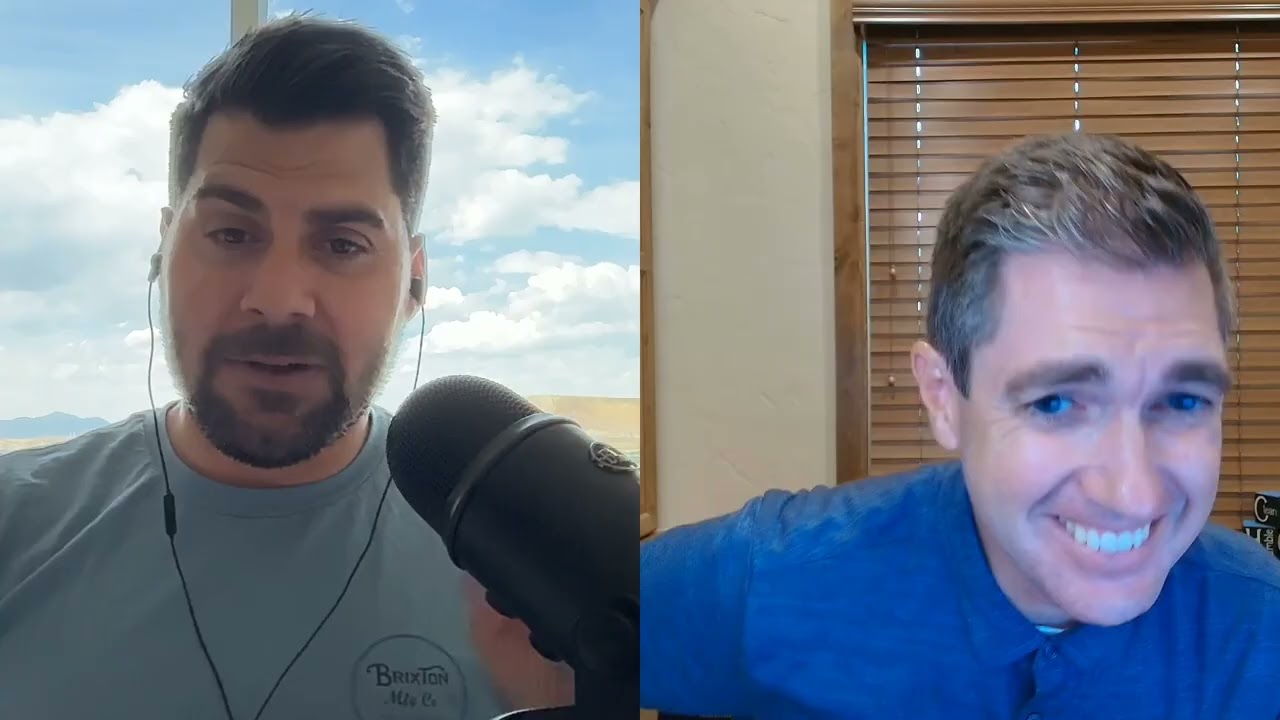
But we're back. My name's Ben Tuinei, got my trusty co-host Jordan Comstock on with us. Jordan, good to see you, >> What's up, doc? Just in the back seat of my car. >> Just to paint a visual. Yes. >> [laughter] >> In fact, isn't this going out on YouTube as well, Jordan? >> Yeah, yeah. So people will see me crammed in the back of my truck, so. >> Okay. You're in New York. >> I might just show up the Empire State Building right there. Anybody can
see that. >> Yeah, why are you Why are you facing your camera that way? >> [laughter] >> My face looks better than the city. Just Just kidding. >> [laughter] >> I mean, that's true. Yeah. >> Not that we're ignoring Erica. We want to give Erica the proper response here, so. >> Yes, of course. >> we we have a a trusty guest who I have a feeling will be on a lot of episodes with us. We have Erica Aguilar, who is probably one of the foremost billing
and coding experts in the industry. Erica, nice to see you, nice to have you on the podcast. >> What's up, Erica? >> I'm happy to be here. I I love I'm a fan of this podcast, and I'm so glad to have you bring it back. >> Yes, so are we. >> [laughter] >> Yeah, we we like the saying say no to PPO's things. It gets the attorneys on the part of insurance a little hot and wild, you know. >> Yeah, that's how we like it, Ben.
>> As >> [laughter] >> we said, don't even get me started. I think I texted you yesterday about an issue and I was all upset about the 4346 and 1110 and Oh, we can talk about that a lot more on another episode. >> For sure, for sure. That that one there we we kind of have to do that in the afternoon sessions of the day and that way we have like libations and uh other things to sort of calm our minds, right? >> Right. >> The
liba- the the libation station, that's what what they used to call it. In other words, the bar. >> [laughter] >> Yeah. >> Which I got one right there. >> That's That's yours right there. >> Oh, we'll definitely get real. So >> [laughter] >> glad. >> So shall shall we start with our first integrative question for Erica this morning? >> Let's do it. >> Just kidding, we're not going to interrogate you. We're we're all friends. >> That's good. She can take it away. >> She [laughter] can
handle it, yeah. So why don't you tell us about your background, Erica? And uh you know, a fun thing about the background is also how did you get started in dentistry? >> Wow, so I started like most uh you know, front office individuals in the trenches. I started as a dental assistant and um quickly realized that was not something I wanted to do. Cannot stand blood, so every time I saw blood I would pass out. >> Me too. >> definitely not the the part of dentistry
that I needed to be in. And I ended up in the front because I kept passing out. And uh told that there was probably some paper I can push around in the front by the oral surgeon who I worked for at the time. >> Nice. >> And ended up learning how to do billing, and I have been doing billing since 1998, and back then it was on paper. I'm left-handed, so when I would go home, I'd have ink all up and down my left arm because
we were filling out the claims on paper. And uh you know, so from there I transitioned as dentistry transitioned and got uh digit- more digital, and we had a practice management software. Uh we used to be on pegboard and these big scheduling books. >> system. >> The pegboard system, and then I worked for a fancy doctor out of Colton, California, and he was on QuickBooks, and that was the first time I was exposed to anything on a computer working in a dental office. It wasn't even
a practice management software, but I do have to say using QuickBooks was far more efficient than any of these practice management softwares that we have. >> Sure. >> It was From From an accounting standpoint, I was it was a little easier. But again, I didn't have exposure to any of these PSMs. So, from there I was promoted to a regional manager. My doctor lived in Dubai. He never wanted to be a dentist. He wanted to be a guitar player. So, he was >> Wow. I bet
that's true for Jordan, too. >> [laughter] >> Yeah. >> I play I play guitar. >> why, and he uh became a rock star. Uh we had eight Yeah, uh we had eight practices here in here in California, and I slowly transitioned into consulting by accident >> Mhm. >> because the associates would ask me to set up their practice, um I didn't know that you could make money doing I was just helping my associates out and one associate handed me a check for $5,000 and I realized
like the light bulb went off and I was like, "Oh, I could make money doing this." Um >> Yeah. >> So, the the hot topic that would constantly come up is billing. It was always coding. It was always, you know, how to submit a claim, how to get paid faster, uh denial management, and I learned this very early in my career and uh I just started to focus laser focus on billing. And uh that's how I got started, Ben. And here I am on the Stay
Noted PPO podcast. >> That's that's amazing. I know I know Jordan's still thinking about guitars, you know, cuz he's [laughter] uh >> I wish I had time to think about guitars still. >> Oh, [laughter] well, my my son's sitting right next to me and he he heard the word guitar and he's like >> He perked up, yeah. >> [laughter] >> Hey, send him over anytime to come rock out with him. Teach him some stuff. >> I keep telling him. I was like, "You got to go
to over to Jordan's and he picked he picked up two new instruments last year, uh French horn and >> Really? >> trump trumpet, yeah. He's actually doing very well at them. But sorry for that distraction there. When you talk about a dentist quitting dentistry and becoming a musician, that's especially a rock star, that's quite impressive. >> Yeah. >> And and he is an exceptional clinician. Um definitely great dentist. Uh he just didn't enjoy it and you got to do what you love. >> It can be
tough. >> Exactly. That's I can respect that. You do what you love, not necessarily what you're trained to do, right? >> Exactly. >> Cuz you do what you love, you don't work a day in your life. >> Exactly. >> I agree with that. >> So, yeah, billing seems like the the hottest topic from my perspective. We were talking to Dr. Marc Kostabi a couple weeks ago, Ben, and we were talking about how challenging it is to to collect revenue um in the from owning a dental
practice is a really hard way to to just generate revenue cuz it's so complex and bureaucratic with insurance companies, and it drives me crazy. >> And you know what we found out about that, Jordan, is that billing actually is only 30 to 40% of the practice revenue overall. So, we feel like it's such a bigger piece of the pie because all of the red tape that the insurance companies place or impose on us as a dental practice, it just makes it feel like it's such a
bigger part of the revenue percentage. >> you take all the red tape and you know, bureaucratic rules and whatever, and uh throw it in a small business, and it that just seems like a disaster to me. >> Oh, yeah. I mean, that's amazing to hear like 30 to 40% of the revenue, and yet it's like 80 to 99% of the problems. >> Of the and the cost. The cost is probably high. It seems very high cost to get that type of revenue. Fascinating. Okay, so from
a coding perspective, what are the challenges you see dentists facing as it pertains to coding and billing? >> Oh, gosh. >> [clears throat] >> So, excuse me. Where >> This We didn't tell anybody this podcast is going to be 5 hours long. >> Where do I begin? >> [laughter] >> I think one of the biggest coding challenges we face as a billing industry, I'll just say that, is reimbursement from insurance companies, and unfair reimbursement such as paying a lower reimbursement rate for a more invasive procedure
and paying the less invasive procedure. And I'm just going to get very specific here, prophy versus a gingivitis cleaning. Gingivitis cleaning is a much more lengthy procedure. Prior to having a code for it, we would call it a difficult prophy and charge the patient more for it. And that was pre, you know, 20 I think it was 2015 when we were given 4346 or 2016, I don't remember exactly. But when insurance companies play games like this, this is becomes a coding challenge for my fellow billers,
uh practice owners who are just trying to to make it, right? We're just trying to help them get reimbursed things that we're doing and get reimbursed fairly. And this is one of the areas that we really need to push back on because it's unfair. So, I think that's definitely like the number one challenge that we face is unfair reimbursement from the insurance companies. And I can go on and list other procedure codes about, you know, unfair reimbursement, buildup being number two, um but I think that's
that's a challenge we face. And I also feel and see that there we don't a lot of billers are not they don't know how to fight back. They don't know how to push back when uh these challenges present themselves in the coding arena. >> Hm. Are there are there Is there training that that a a biller or coder can go through? Or is it just kind of like hey, just go figure it out? >> [laughter] >> Fortunately >> call Erica. >> Call Erica. >> can call
me. I do I do have a training, but there are there are so many there are so many trainings out there, but I don't think there's anything specific on how to truly push back on >> Sure. >> low reimbursement. >> Yeah, it's a challenge for sure in the industry. There's there's no formal education, right? It's And then that the somewhat formal CE that you can get, there's a lot of options out there, you know, in terms of where to go for that. That's actually one of
the initiatives of this podcast is we want to sort of create and develop not just good podcast episodes surrounding insurance, like what Erica is talking about, but also CE, right? And so that so for those of you that are listening that want uh sort sort of a more structured CE version in the in the realm of insurance, how to deal with it, stay tuned. Uh we'll have those posted on the SOTA PPO's websites and then our individual websites as well. >> Mhm. >> And then Erica,
of course, uh you'll be hearing a lot from Erica. As as you can tell, she's she knows her stuff. >> [laughter] >> So Erica, tell us about uh I know that you're passionate about what you mentioned with regards to more extensive procedures being paid for less than you know, the big like prophy versus 4346, right? Um [clears throat] I know that there's an array of issues in dentistry as it pertains to accounts receivables. What does a healthy AR department look like compared to a messy AR
department? >> Well, excuse [clears throat] me. A healthy AR is one that is this simple. More than 92% of your claims are getting paid within 30 days. And I can tell you from experience because we review and analyze account receivable reports, more specifically insurance account receivable reports, um every single day. And as I review these reports, I realize Excuse [clears throat] me. That these most offices are not getting their claims paid within 30 days. And it's becoming a challenge. >> Just >> It's becoming an issue
because this becomes when your claims are getting paid, you know, 60 to 90 or 90 plus uh days, this now becomes a breeding ground for an investor. It's not just about I think a lot of offices look at this and go, "Okay, we need to get our claims paid faster." It's not just about making sure that your claims are getting paid faster. It's about keeping clean AR. So, to go back to your question, making sure that more than 92% or more of your claims are getting
paid within uh 0 to 30 days and ensuring that your claims are not trickling into the 90 plus day column because once it gets to that 90 plus day column, it's almost impossible without appeals, without threats to go to the insurance commissioner, without all that extra work, it's almost impossible to get >> yeah. >> Yeah, it's the you're losing in productivity, we're losing in so many things. So, it's very important that our billers understand how to submit a clean claim the the first time around and
get that claim paid within 30 days. That's what clean AR truly looks like. And I've only seen one or two in the past, I don't know, post COVID, uh maybe one or two offices. I just saw one recently who's at like 94% 0 to 30 day, but other than that, >> Everybody else is like >> in the 50 to 60 uh percent range in the 0 to 30 day column and their 90 plus day column is pretty heavy Ben. >> Yeah. I I I always bring
this up because you know in our space here we deal with negotiating PPO fees, right? And what I've always seen in most dental practices is that there's more opportunity with cleaning up your AR than there is with negotiating fees all the times, right? Oh yeah, like when you negotiate fees with insurance I'm not saying that you shouldn't. Um what I am saying what I am saying is you shouldn't ignore your billing department. >> Don't worry just anything anything money. >> Yeah, like like as an example
I mean >> I I took a look at a client where the fee increases from negotiating PPO fees represented about a an 8% revenue increase for the practice. That's actually pretty significant for a practice that does over a million a year, you know? >> But but if their cash flow is bad it's a worse problem is what you're saying. >> So they produce 2.5 and they collect about about 1.2. So you can you can naturally see there with a mix of PPOs and the average PPO
write off being about 40%. And the practice not like not all patients have insurance, you know, that that level of write off that's over a million dollars, you know? >> Yeah. >> And when you look at why aren't we get collecting all that extra income? It's it's very little to do with the fee negotiation or fee schedules. It has more to do with the mismanagement of the accounts receivable in general. Mis coding, not appealing denied claims, things like that. So anyway I yeah. >> Eric okay
so do do practices not have I mean I know we're talking about the insurance side but with with collecting money do they not have very good policies in place? >> Not at all. Not at all. I think a lot of offices struggle with enforcing financial policies. I'm a huge fan of having in your financial policy mentioning that we will give your insurance company 45 to 60 days, whatever is comfortable for the practice, but I like 45 days. >> I like 30. I like zero. Net zero.
Net zero is the best. >> Yeah, I mean, helping the patient to understand that yes, we're going to bill your insurance company, and we're going to give them a reasonable amount of time to pay the claim. However, you are ultimately responsible for the balance. And I think that we failed to insert that into our financial policies, and even if it's there, it's not enforced. >> Sure. So, they may have it and they say it, but then they don't Yeah, they don't enforce it. >> Right. Exactly.
>> Interesting. Yeah, that that causes lots of issues. >> It can cause some AR issues. I agree with >> [laughter] >> I It It seems like uh practice owners don't sleep well at night. >> I wouldn't if that mine if my AR was a mess. If my If your zero to If your 90-plus day column is heavier than your zero-to-30-day column, you probably want to get some help with AR clean-up. And I mean, we we definitely see that a lot. >> Hey, just want to I
want to let everybody know that Jen joined us. Uh Jen, if you're here, you can unmute yourself and uh >> Hello, Jen. >> our podcast listeners, yeah, Jen Jen is a rockstar hygienist that uh she's a she's a coder and a biller, so she's sort of uh probably one of the best in the industry in terms of the the the whole area of hygiene and how that fits in with coding, right? We're going to interview her separately, but I just want to let everybody know that
she's here. Jen, feel free to chime in. We're just interviewing Erica. Um but your your feedback is most certainly welcome. >> [clears throat] >> So, I'm so happy that you joined us. >> Thank you. Good to be here. >> Yeah, it's great to have you on here. So, so Jordan, I think we're on our onto our next question for Erica. Um and and you got to forgive me. My uh my screen locked up here, so I'm going to have to need your help on the next
question. >> Oh, oh, let's see. So, what's the tie-in between messy AR and embezzlement? Oh, between messy AR and embezzlement. Is that what the next question is? >> That's it. And yeah, not go. >> Let me see here. Um So, messy AR, as I mentioned earlier, is breeding ground for embezzlers. So, if you have messy AR, I would definitely want to get that cleaned up. Um there is no AR that cannot Insurance AR is where you start, but once you get your insurance AR under control,
um and for reasons that I I wish I could talk about here, but I can't. So, uh you know, if anybody has any questions about why this is so important, feel free to reach out to us. But, messy AR is where a lot of things can be I don't know, hidden for lack of a better way to describe it. Uh we can definitely miss How do I want to phrase this? Um mislead how our insurance claims are performing, truly performing, and it is going to attract
the wrong talent because one of the things that I learned from David Harris when um I had interviewed him was that embezzlers interview very well. And when they look at your systems and they see that your insurance AR is a mess and AR overall but insurance AR is a mess that will attract them and the idea is to repel the investors and when you have clean account receivable reports that is definitely going to be one of those areas where it's going to repel the right person
cuz we want to attract and repel. >> Yes. >> And I have found that you know the messy AR definitely attracts the wrong talent. >> Yeah, that's that's not good. What what kind of practice can a do to kind of sniff out the right the right person that to fix the problem for him cuz I'm sure he doesn't have he or she doesn't have time to fix the AR issues. >> that's a great question Jordan and I think a lot of billers have the knowledge they
have the the know-how to fix it what they don't have is time. What they don't have is they don't necessarily have a lot of systems cuz you can find a lot of talented billers there are tons of talented billers with a lot of knowledge under their belt but there's they don't have systems it's not a systematized type of way of cleaning up AR so it's a downtime system when I have time if I have energy to do it. >> Goodness yeah that's not good. >> know
there's a lot of things that go into that so I definitely think that having help from a third party and a third party that's actually going to do that because there's a lot of companies out there that are going to say hey we keep your we get your AR down to zero and we keep it there. Keep in mind I have had the pleasure of being a billing coach to hundreds of offices all over the country and I have sat in on the billing meetings uh
with with their their office and um a lot of times again, we're not having the right conversations to get the account receivable report to zero, air quotes, and and keep it there. So, I think, you know, having the right company help you to get your insurance AR down to zero and clean it up because once you get your insurance AR cleaned up, now you can understand what pay true patient balance is and it's not a matter it's you know, you want to navigate through the AR
system uh almost strategically. So, you want to make sure that you're you have all the claims in order, clean claims, insurance has, you know, received those claims. And then once you make your way through the claims and you want to clean up your credit balances because most states have laws in terms of how long you're allowed to keep credit balances on file before you have to report that to the IRS as unclaimed income or un- what is it? Unclaimed income? I think that's what it's called.
But every state has a certain statute and once you get through the credit balances, now you're looking at true patient balance. So, it's not just a matter of going one account at a time, you really want to go through claims, credit balances, and then now measuring what the patient's true balance is. So, there is there's a system systematic way that you can do that. >> Sorry, that's that's cue for me. I tried to hit unmute but uh I saw I saw my cursor kind of moving
around. I was like, "What am I hitting on my computer?" >> [laughter] >> Um so, no, that's that's excellent and I'm I'm fairly certain that that's an area that um a lot of listeners um may have questions about. So, when we're done here, we'll ask Erica for her contact information for those of you that might find interest with what she just said or what she's been saying. But, Erica, I have So, we just have two more questions. Um uh the one I have for you is
I know I know that you do events across the country, lots of webinars as well. What are the most common responses you get from practice owners when asked, how do they rate their own billing department? >> Mhm. So, one of the common questions is I mean, one of the common answers is, I have a billing department. Um >> [laughter] >> I've heard that. I've heard Yes, yes, you have a billing department. >> Yeah. >> Cuz any organization is broken down into departments. We have a billing
department, and the billing department does have certain KPIs that we need to monitor. Um that's one, and another very common response to how would you rate your billing department is, well, we never get denials, so I think we're probably doing like a 10 on a scale of 1 to 10. And that's very misleading because I'm a very big fan of just because you billed it just because you were paid does not mean it was billed correctly. And I think we >> Interesting. >> as billers, because
we learned trial and error, the way that we kind of assumed that we got paid correctly was because the claim got paid. But, there are so many instances of insurance companies doing their right to recovery audits, and they find that they incorrectly paid a claim, and they will ask for that money back. So, the idea is to get paid and get paid without having to return money, right? So, we want to learn how these insurance companies are potentially going to ask for their money back and
get ahead of that, right? So, we always need to stay ahead. So, if we tell ourselves that our billing department is doing well because we never get denials, we could probably um we might want to re-evaluate that statement. And then uh another one is Oh gosh. So, that was That was probably number one, number two. And Oh, another one is well, my biller's been with me for 20 years, 10 years. Pretty sure she knows what she's doing. He or she knows what they're doing and uh
I'm Yeah, I think we're probably doing a 10 because I trust them. And I'm not saying don't trust, but I am saying always trust and verify. >> Yeah, I was going to say trust and verify. Yeah. >> Always, [clears throat] always. And I think that owners can get a little too trusting and not verify work and not follow up and not have meetings. So, I'm a huge fan of having a monthly billing meeting and we do have a way of doing that. We have We have
a document that we've created. It's called the sit rep and it's short for situational What is that? Situational report. >> Report, yeah. >> And [clears throat] it basically outlines with the way it's filled out, it outlines the current status of the billing department. And we're talking about, you know, how many denials did we receive this month? Let's take a look at denial patterns. Let's take a look at, you know, more than just how many you know, what are the numbers in the zero to 30-day column?
We take a look at, you know, how did we perform last month and how are we doing this month? So, again, trusting and verifying work. That's what that's all about. >> What um you mentioned something about KPIs. What What are KPIs that that a billing department should be tracking? >> Oh. >> That's my first thought. >> I have five KPIs. >> Sweet. >> And and Jen's going to Jen's going to I this one because it does involve hygiene. So, the first one is going to be
the 0 to 30-day column. I like to see our claims getting paid um 90 92% or better. The second one is going to be the 60-to-90 day column, and that's going I like to see that performing I don't like to see more than 5% of all insurance money owed to the practice in that column. So, uh 60-to-90 5% or less. And then when we get to the 90-plus day column, I don't like to see that heavier than 3% of all insurance money owed to the practice.
The fourth KPI is days in AR. So, how long did it take from the time that we open a claim or start a claim to the time that we are closing or posting payment uh with that claim. I don't like to see that greater than 15 days. And then finally, and this is where Jen's going to chime in, is hygiene performance. What is your hygiene performance percentage? Because Jen will tell you we leave so much opportunity in the billing arena. >> Oh, yeah. >> Uh and
we we just leave so much opportunity for things that a hygienist is doing. And Jen, I'll let you take over because I know that this is your jam. >> Yeah. So, in the hygiene department, there's a lot of missed opportunity when it comes to codes that you're still doing in the chair, but you're not necessarily billing or realizing that you can bill for. Um so, you're still doing them, you're just not getting paid for them. And I think a lot of offices are totally unaware of
that. Um hygiene performance is something that we look at very, very closely when it comes to the KPIs. Um perio performance, we're looking at 60 to 80% is ideal. You know, the average um CDC did a statistic that said that 70% of Americans have periodontal disease, but most offices that we see are in the like 16% perio performance. incredibly low Yeah, 16% >> 16% I mean it's it's it's really crazy to us because you'll have some pretty seasoned hygienists on these teams and what you will
see is that the overall when you when you really dissect the performance of the hygiene department it's not so hot. >> I have a follow-up question to that. Those numbers are sort of to me they're shocking because you know that um I I know those statistics from the CDC regarding the percentages of the adults in public have gum disease and it goes up every single year where those percentages creep up more and more and more. Why is it you think and this is a question for
both Jen and Erica. Why why is it you think that many practices are underperforming in their perio protocols? >> I think that a lot of hygienists are burnt out from a hygiene perspective. I feel like a lot of them are burnt out. They feel like they're being asked a lot of them with no direction and no guidance and so they just think they're supposed to sell perio sell perio sell perio and that's not what we're saying at all. We're not saying that you need to diagnose
perio and treat every single patient with perio. What we are saying is let's go through our systems and our processes and make sure that we have systems in place that get you to the point where you can then confidently say to the patient you have gum disease, this is how we need to treat it, these are the steps that we need to go there and at that point that patient trusts you enough to accept that treatment, take responsibility of their own health and value your services.
We're not selling you're not selling treatment. We're not selling SRP. I hate that term in dentistry because we're taking care of patients and that's ultimately what it's about. Um the perio performance is to see how you're taking care of patients. It's not to see what your bottom number is, what your dollar sign is at the end of the day. It's to see how you are taking care of your patients, how many of that 70% of the population has gum disease and you're treating 16% of that.
So, you are not taking care of your patients properly when you only have a 16% perio performance and that's ultimately what we're looking at there. >> And you'll see the stark difference between and this is why Jen and I work so well together as a team because I'm all about she's clinical care, she's patient care and I am the biller. So, my job is to make sure that you are getting reimbursed for the treatment that you are performing or that you're rendering with the patients. And
you know, likewise she's going to help the clinical team to understand how to document for things that you're already doing and the reason I say that is because I've had the pleasure of um speaking to a group of I think it was a couple hundred hygienists, but it was a room full of hygienists. And we were specifically talking about 4346 versus 1110 prophy versus gingivitis cleaning. And you know, with the gingivitis cleaning it's supra and subgingival cleaning with the uh with absence of periodontal disease. And
I surveyed the room and they 100% of the hygienists said that they go subgingival during a quote unquote prophy cleaning and they do recognize that they are doing gingivitis cleanings or gingival inflammation cleanings and documenting for a bloody prophy. So, that's where the clinical training comes in is that I can't as a biller This is why the name of my book is called I'm just the biller because I'm just the biller. I cannot teach a clinician to do something different if that's what they document for.
So, Jen comes in and shows them on a clinical on the clinical side you know, how we can improve what you're already doing because Jen, wouldn't you agree their actual performance is probably much higher because they are that we know they're doing the treatment. They're just not documenting in a way where we can actually bill for it. >> Yeah, I mean, didn't we have one doctor say that he was a he knew that his hygiene performance was like a bloody prophy palace. >> Yes. Yes. Like
they know it. >> [laughter] >> Called it a bloody prophy palace. >> Yeah. Yeah, they know it and I think the doctors know it too, but they don't know how to motivate their staff to bill for these things or how to teach them how to >> to doc It sounds like documenting is is Sorry, I didn't mean to cut you off, Jen. >> Oh, you're fine. >> [laughter] >> Sounds like the issue is documenting. We're not documenting >> Mhm. >> So, just communicating to the the
billers on what's being done is not Is that what I understand correctly? Just documentation is not being done. >> aren't on what they can code for, what they can bill for. So, the way that we train is teaching them those supplemental codes like there is a code for desensitization. There is a code for implant debridement and those things that you can bill the insurance for. There's even a code for caries risk assessments that some insurances will pay. Hygienists just are unaware of these things. Um so,
we educate our teams on codes that are available as well as how to document for those so they can get paid for and the ways that we can communicate easily between the front and the back when we're billing. >> And ladies and gentlemen, this is why Jen is a unicorn because she is a hygienist and a biller. So she gets both sides of the coin. >> That is that that those are two good skill sets, Jen. I I A lot of my A lot of my
sister-in-laws are hygienists and I don't think they understand the insurance billing arena. So >> A lot of A lot of us don't. No, and I've had a unique experience that way, but yes. >> Well, this is a good uh it's a good career path, Jen. I don't know many people that know what you you know from a clinical and a billing perspective and that's quite impressive. So that just to wet your appetite as listeners, we're going to have Jen on for next week's episode to talk
about the the tie-in between hygiene and billing. Um so I appreciate both of you, Erica and Jen. Thanks for for coming in. I'm sorry for the time mix-up. That's my fault. >> [laughter] >> That's okay. >> I'm on I'm on East Coast and Jordan's uh well, as you can see, we're both not not in our offices. >> [laughter] >> Yeah. >> So we're appreciate you both, especially Erica for connecting us with Jen and then filling in last minute here with the time that we have. Last
question I have this is directed of course towards Erica and Jen. We'll hear more from Jen next week. Um from a billing and coding perspective, if listeners are are sort of interested in some of the things that you said um and maybe even learning more about the services that you provide, what's the best way for them to get a hold of you? >> Um they can email They can email me uh at billingcoach at hiddendentalprofit.com. And Jen is you can you are Jen at hiddendentalprofit.com. >>
Yes. >> I think Jen's, yeah. Hygiene questions, jen@hiddendentalprofit.com and any billing questions, billingcoach@hiddendentalprofit.com. >> Excellent. Well, Jen and Erica, thank you so much for the amazing feedback and for the answers that you gave to these very difficult and questions that we interrogated you with today. >> [laughter] >> It kind of feels like anytime you talk about insurance, it feels like an interrogation no matter who's asking the questions. >> [laughter] >> Yeah, that's true. >> Bring it on. >> All right. Well, appreciate you both and then
of course Jordan, hope you have fun there in Southern Utah this week and to all of our listeners, stay tuned for our next episode next week. We're going to have Jen on. We're going to talk about the tie-ins with hygiene. You don't want to miss this one because it's it's an area in dentistry that I feel like we don't It's It's not as It's not optimized. >> I think it would It's It's under optimized. >> Yeah, thanks Jordan. That's >> You're Yeah, that You You said
it perfectly, better than I [laughter] could. Until next time, we wish everybody the best of success. Of course, contact us with questions. Thank you for listening to our podcast today and we look forward to chatting with you all next week. Have a good one everybody. Rock on. >> [music]