Videos / Watch
Insurance Manipulation + Membership Economics
March 19, 2026 · BoomCloud™
About this video
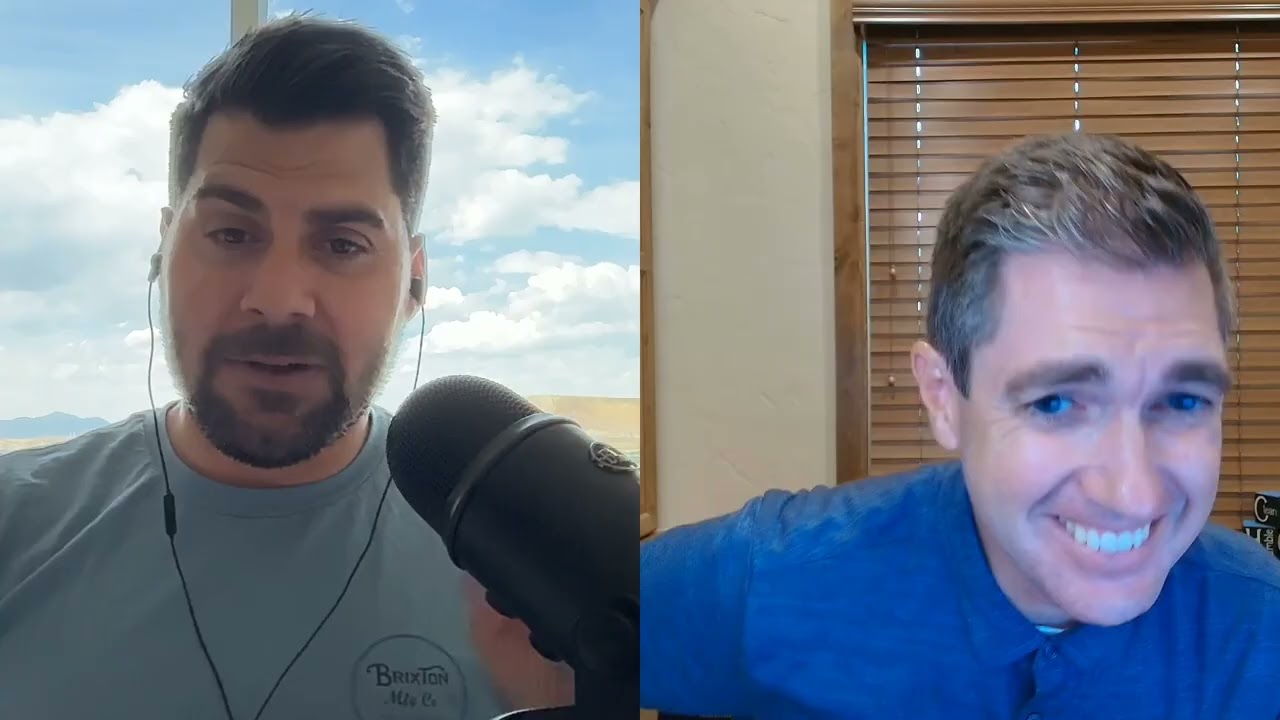
Say No To PPOs Podcast - Ben Tuinei & Jordon Comstock
In this episode, we break down what’s really happening behind the scenes in dental insurance—and why more practices are walking away from PPOs than ever before.
You’ll learn how insurance companies are tightening control through contracts, AI-driven claim denials, and long-term agreements that quietly limit your ability to negotiate or exit. While most dentists stay stuck in the system, a growing number are shifting to a new model—one built on membership plans and recurring revenue.
We dive into real data comparing PPO, cash, and membership patients—and the results are eye-opening. Membership patients generate significantly higher annual revenue, stay longer, and accept more treatment, making them the most valuable patient type in a modern practice.
We also explore how AI is impacting both sides—how insurance companies are using it to delay and deny claims, and how practice owners can use AI to gain leverage, improve strategy, and scale more efficiently.
If you’re tired of writing off 40–50% of your production and want a smarter, more predictable way to grow your practice, this episode will give you the blueprint.
Build a patient membership plan with BoomCloud™ & Become Fee For Service - www.boomcloudapps.com
Negotiate your PPO Fees & Increase Revenue per patient - www.Veritasdentalresources.comAI Claim Denials - https://boomcloudapps.com/how-to-outsmart-ai-dental-claims-denials-and-take-back-control-of-your-practice/
Full transcript
Complete text of this video
What's up everybody and welcome to another exciting episode of the Navigating Dental Insurance Podcast. I am your co-host today Jordan Comtock with me as usual, Mr. Ben Tuna. What is up, dog? >> What's up, Jordan? Hey, this is the Reunited remake, right? >> Yes. Yeah, we're we're back. We're doing another uh uh series, I guess, uh together. And I couldn't be more excited, dude, because you're my homie, >> dude. Likewise. You know, it's funny because you're big into music. My son's big into music and we
went to this um festival in Tempe, Arizona last month. >> Okay. >> And I think I can't remember the names of the bands, but they're the bands that break up and they get back together and they break up. >> It's true. Yeah. Yeah. >> I just want to let the listeners know that there was not a breakup here. >> We just got busy. >> We We just got busy. We're busy individuals and um the timing just worked out again >> uh to just pick up the
podcast and start recording again. So, dude, I'm so pumped that we're doing this again. >> Likewise, man. I love the theme there in the background. You know, we kind of both have the island theme going cuz Jordan is now Polynesian. >> Yeah, I'm half Polynesian. Yep. >> Yeah. Yeah. >> Half Polynesian, half German, I guess. >> Hey, same here. I'm quite German, too. >> Are you too? It's part of the the world dominance bloodline. You should watch You need to watch Nuremberg, >> the one with
Russell Crow and um oh gosh, what's his name? The guy that played Freddy Mercury. >> Oh yeah, yeah, yeah. I don't know his name, but I know who you're talking about. >> But the Germans almost took over the world, so there's something to be said about that. >> Probably. Yeah. Oh, this is awesome, dude. So, today we're going to be talking about just industry updates. We're in the year 2026. There's a lot happening everywhere uh from insurance to negotiations to membership plans dropping PPOs and AI
AI is everywhere and I've been following that uh hand like >> my hands are dirty in in in AI every day building things and understanding how it works and how we can use it in our practices. So that's what we're going to be talking about today. Uh, and Ben, I'll let you start because insurance, what's going on? >> You know what's really funny, Jordan, >> is um, in the last 5 years, so many doctors have been going out of network with insurance plans. And as a
result, the insurance industry, every insurance company has been creating new recredentiing language because they know doctors sign recredential without reading them. And in those agreements, they're saying, "Oh, yeah. By accepting recredentiing, you agree to not negotiate for 3 to 5 years." >> Oh Yeah. >> And you also agree to not terminate for 3 to 5 years. >> Sneaky. So they're doing Okay. So they're doing longer term type longer terms in their uh contracts because they see they're having churn. That's churn, right? Or attrition. So they're
trying to solve that. Okay. Interesting. and they're and they're playing on the feedback that they already know is very few doctors actually read their agreements. >> Most sign them because it's a patient uh retention measure >> and most don't even know that these insurance contracts are unil sorry they're bilateral. They're they're not unilateral which is one-sided >> bilateral both parties get to agree to the get to negotiate the terms. So that's that that's the biggest thing that I wanted to point out is that don't get
bullied by these insurance companies. Read those agreements. >> Well, you probably can you probably can upload those agreements into like chat GBT and get like a summary and like risks and all that stuff and then take that to an attorney be like what's what's going on here, right? >> Yes. >> Is that's what I would do at least. >> Yeah. And along those lines, Jordan, um I actually had um I don't know if you know John Christensen. He's he's the owner of Chrisad. >> Oh, yes,
I do. >> He's so kind enough to come out straight out to my house and he was here yesterday and we had a super nice collaborative chat. I had no idea that Chat GPT is owned it. I It's partially owned by a bunch of insurance companies. >> Interesting. which >> which makes sense because >> yeah when you look at when you research insurance related stuff it is very heavily one-sided towards insurance >> so I guess >> yeah with if you if you open it up like
just uh without guardrails or or uh data yeah you're probably right it may just be open generic stuff about insurance companies >> yes I I watched Greg Grommy's Dr. Grommy's post. He's um you know he he's the predecessor of um Dr. Charles Blair. >> Oh, cool. >> And he he is just blasting out there that look you got to be careful with chat GPT is great for contract review. So your your your recommendations there are solid >> but it's so funny that um the uh AI
technology that everybody uses these days like chat GPT when it comes to insurance it's very heavily leaning towards the insurance opinions on things you know >> so I just want to throw that out there >> so that people know why they're getting the wrong answers. The workaround for that is you can build and this I'm going to be techy here. Uh you build a a custom GPT or a custom claude project. I claude is another chat GPT type >> solution >> and then you upload instructions
into it uh on who you are and what you're wanting it to do. Give it a job ro essentially. That's the proper way to use uh AI today. If you use it broadly then there's some danger like what you're saying Ben. Um, so typically what I what I I I'll do is I'll upload like uh this is your role chat GPT give it instructions. Here's the data that I want you to pull from my data about my practice or whatever it may be. Upload that into
a custom GPT and then start asking it uh certain questions and then you get a refined more focused versus a broad um approach to the answers. Right? that that there's there's ways to use it today that most people don't. We do trainings here at Google Cloud for our our team members because everyone's using uh AI for answers and and one thing that I've noticed uh to your point, Ben, is yeah, when you use it broadly like that without context or without uh guardrails, it can go
whack. You can get wacky town. >> That that makes sense. >> Build a custom GPT, which is geeky stuff, but you can YouTube it. No, I love that because I have a a great friend of mine who's teaching me how to create um he has uh he's using chat GPT and has taught it to give the Kai answer. His name's Kai. >> So, it's it's it's ask Kai. So, his people go to the Ask Kai tab and they ask any question about the practice >> and
it always gives Kai's he's taught it to give Kai's answers. >> Yeah, we we do the same thing here. Like I have a CEO GPT, BoomCloud CEO GPT that people can be like, "Hey, how do I how do I talk to Jordan?" Like what's his personality like? It has my personality data in it and says, "Well, or some of it, not all of it, cuz I don't want to expose all of my personality. I don't want them manipulating me. I have guardrails for that." Um, but
I do want them knowing how to talk to me, right? So, it teaches my employees how to talk to me on if they have an idea and how how to think about it and position it. uh in regards to the business. So yeah, you can be you can use AI to be really powerful and we're kind of jumping to this, but um that's how I recommend using these tools is is is building basically your own brain within chat GBT so it it is not taking the
broad uh biased information that the insurance companies may be putting out there. >> Yeah. Yeah. >> I love it, man. No, I love it. I got I have so much to learn from you with uh the AI technology here because I'm convinced that what you said is right. When you have guard rails and parameters on how it should serve you, especially when you're paying for it. >> Yes. >> You know, everybody that I know that has your brain for tech, they love systems like that because
it creates efficiencies. Doesn't necessarily replace people. It makes your people better because >> it's streamline. >> Yeah. Yeah. That's true. depending on what you needed to do. Yeah. Which I can share more of that down the line here. It's really interesting what you can do. But, you know, insurance companies are using it too, Ben. I mean, I've read several articles recently that they're using AI to like deny and decline. Deny uh and >> Yes. >> What's the other word? Uh I just forgot it. Deny and
>> uh >> adjudicate. >> Yeah. Just just mess up the process. Right. I don't know if there's been any other uh updates on that, but have you heard anything like that recently? >> Oh, yeah. The deny and delay culture here. >> That's what I was thinking of. Delay. >> Oh, is that the other word? >> I couldn't think of delay. Jeez. >> It's all good. >> Yeah. So, it's it's always been an issue, but now with AI, is that is that becoming a bigger issue? What
are you seeing? >> Yes. So, um it is you're absolutely correct. the rate of denials are getting out of control. >> Yeah. >> And it is entirely based upon the fact that these insurance companies are using AI to automatically deny claims and then send notices to the providers or doctors as to why the claims were denied in a way that kind of sounds legit. >> But it's it's 100% inappropriate for claims review to be performed by a non like a like a computer system, right? >>
Like a computer system. But there's I'm sure they're finding ways around it, loopholes around it. Even though, you know, there may be some laws or whatever that protect that. You know, >> the loophole is that the doctors um don't know how to fight those things. And >> like the best way to fight that, like when you're getting a consistency of denials and it's like, wow, the treatment is sound and we verify that benefits are covered, >> you have to call the insurance companies and do do
a HIPPA request and request the names and credentials of every person that access the claim, especially who denied it. And HIPPA requires you to disclo the insurance companies to disclose that information when it's requested. Otherwise, the insurance that insurance company would uh carry very steep fines from the federal government if they violated those. >> But when when whenever you make that request on a specific claim, um if it is AI an AI denial, 100% of the time they reverse the claim because they don't want these
insuranceances don't want to fess up. >> Yeah. that they're auto adjudicating and they're denying and delaying based around based upon a computer algorithm, not necessarily a licensed human being that can see what the diagnosis is and read the record. >> Interesting. >> Yeah, that's an interesting problem that probably will continue to evolve and be complicated and messy for practice owners. >> Oh, yeah. Yeah. It's it's getting worse. But the funny thing is, Jordan, is that there are laws and there are regulations to prevent things like
this from happening. And I think the reason why the insurance industry is beefing up their efforts here is because most doctors have no clue what their rights are, you know? >> Yeah. >> So, it's kind of like getting arrested and, you know, even though you have nothing to hide and you say yes to somebody searching your vehicle, you could say no. >> Yeah. >> If they if they don't have probable cause, you could say no. Right. >> Exactly. Yes. It's just a it's a function of
knowing what your rights are. And with with all that dentists have to focus on these days, it's it's it's to me it is the insurance companies taking advantage of the fact that doctors are so busy. >> Yes, that's >> you know, and they bank on the fact that you're not going to research or figure out what your rights actually are. But that's what it to me that's what it boils down to is once you understand your rights, it's so much easier to deal with these insurance
companies because you can you can fight them with a whole lot of gold teeth. >> Sweet. Yeah. >> I'm trying to find this article on the on my site that I'm I've we wrote a while ago about this topic. um because I think I have some sources, but if if I don't find it on the on the recording, I'll try and post it in the show notes on some of the news articles that I found that are quoting sources for the AI claims, all that all
that >> Yeah, >> we'll just say it as it is, right? Um you know, >> it's it's what it is. So, I yeah, I'm trying to search because I have a we have a massive database of these articles here, but I just have too many. So, I will I'll post it here in the show notes because that is a really interesting article that we wrote maybe a few months back um all about these AI uh AI claim denials and delays. I'll find it, but it would
be interesting. I'll share with you too, Ben, because that's it's an interesting little read. >> Yeah. >> For this for this topic. Any any anything else in in the insurance landscape? What what else is happening? Man, it's been a while since I've heard an update from your viewpoint of what you're seeing daily. Um like what is the biggest pain point right now that practices are having? >> Yes. So the final two that I'll mention because I really want to hear your thoughts too on the membership
plan space and AI space even further >> is um the insurance industry is they're consolidating dental um they're buying >> Yeah. >> vendors. They're buying companies like yours. They're buying dental practices. >> Sure. >> And I mean >> they're almost acting like a giant private equity I would imagine. >> Yes. Yes. I mean, we've all heard that Delta Dental in Wisconsin purchased Cherry Tree Dental, the big DSL out there. >> But the funny thing is is that Guardian and Carrington and a bunch of these other
insurance plans have they've been own they've owned practices for more than 15 years, you know. >> Sure. Yeah. >> And then in addition to that, I I have to be careful not to mention the names of the companies, but I have direct knowledge that these bigger insurance companies own some of the biggest vendors in dentistry. Oh, sure. Yeah, I've heard that. >> I'm sure there's a lot that that you can research and and try to tie it all together. That's a big that's a big nest.
>> Yeah. In fact, the biggest vendor in dentistry, um, they're owned in large part by the the insurance companies, you know, the public traded dental companies especially are gobbled up by the insurance industry. >> And that's designed to control, right? The ind the the insurance industry wants control. >> We're now on your board. Yeah. In fact, I know that you were approached by Delta and and same with me. I've been >> Yeah. We and and many companies in dental as I'm learning these days, they're all
being approached by these insurance companies because I think the writings on the wall that the insurance profitability is going to start to diminish because the doctors are fed up. >> Yeah. Well, they they operate like a multi it's a multi-sided market, right? So is if if you know the the average practice owner population starts you know uh going out of network and moving that way it does it changes the the landscape pretty quickly you know if if the nation of dentists do that >> um >>
because then it's a lopsided market for them and they got to figure out how to how to uh compensate for that the lopsidedness right that's kind of how multi multi-sided markets work. Google is a multi-sided market. Um, there's a lot of them around. So, one side gets wonky, then it really messes up the business model of that >> industry. >> So, no, that's really interesting. Um, that's interesting that they're they're just getting their hands in in things, right? Purchasing businesses. It's it literally is they're almost
like they're a private equity firm that's now gobbling up business practices and vendors in this space. That's really interesting, you know, and not a bad strategy. Like it's, you know, it's good strategy, >> but it's from a practice owner standpoint, it's like, h okay, um there's there's there's some lines maybe being crossed >> because now it's like, oh, you own this and this and this. Uh what about me as a practice owner now? It's uh it can cause some issues there. Um big time as that
evolves, right? >> Oh yeah, big time. Unfortunately, it's not it's not too far deep into the component where insurance companies own everything yet, you know. >> Well, that's that's just in general like insurance is a massive industry, not just in dental, but outside of dental and they do have capital, right? That and it's a financial product. So they they know what to do um with money meaning like well let's let's take just this is insurance in general no matter what industry that has insurance it's like
okay it's really brilliant business model um let's take um doesn't mean it's it's uh good for the the customer though um um let's take you know millions of people monthly payments we'll suck them into to our organization. We'll put it we'll delay it, deny it, put it into the market and in other assets, scale, you know, grow grow the income. It's an investment strategy. That's what insurance is. It's just an investment strategy. It's not really a true product if you think about it, right? Even even
medical insurance like it's not really a true product. It's a investment strategy when you boil it down and like look at how how the money flows. It's like, oh, this is a financial product. Most financial products are investment strategies for the board and the people involved. And maybe they're public. I don't know how many insurance companies are public, but I would imagine there's a good chunk of them. But it's an investment strategy, not a true product that solves the problem in our uh nation is kind
of how I look at it. So >> yeah, >> that's really interesting, Ben. Very interesting stuff going on with insurance. >> I know. I know. And I'm curious to hear about your take on where like the membership plan space is, you know, because I it's funny. I I keep hearing about more and more insurance companies developing new discount plans which are >> sort of same design as a membership plan. And it to me it's like >> they're close. Yeah. They're close sister cousin. Yeah. >> I
think there's they're they're trying to compete at that level. But what's what's going on that there in that space? >> Yeah. So, I mean, I work on the with the with practices mostly. Uh, well, all 100%. I don't work on with the discount plan providers out there. Um, you know, like I think there's a few of them out there. I don't remember all their names, but if you you think about like the discount only plans that are out there that exist, it's it's really just a
membership type model. Um, but it's it's different because it's not offered by a practice. is offered by a third party where like when a practice uses BoomCloud for example, it's their plan. It's not like it's not offered by me and my entity as a third party, right? There's some nuance there. So yeah, you are seeing discount plans open up and and it's really interesting, but um it's still the same problem. It's like, okay, we're going to we're just going to negotiate hard the dentist here and
then just collect the fees on our end. And and with the discount plans, there's no typically there's not um submissions. It's just a forced discount, right? Um to the to the practice. But what we're what we're seeing is I'm seeing more and more practices across the nation um fully remove themselves from PPOs and offer more and more membership plans which is one of the reasons why I started BoomCloud is to help with that movement that's been a very long time coming right it's taking a long
time but uh I'm seeing more and more practices do that we just had uh one of our top practices well all of our top practices that scaling their membership plans have dropped uh all of their their PO contracts um and are now out of network and and running a membership only practice which is really cool >> you know and typically what I see like the the practices that do that they get around a thousand plus active members and it gives them the ability to it gives
them the cash flow to then say okay >> all right we can start cutting um and have cash flow coming in um and and build the build the the the financial base up before we start cutting these these membership plans. I got some data here on this topic. So, we I analyzed a couple of our top uh a handful of our top uh practices um that we looked at three cohorts, three patient types, PO patients, cash patients, and membership patients. Um and this is the data
that led them to then say, well, let's just drop the other two types and convert everything to to membership, right? So, uh, practices, you know, the average that we saw like annual revenue per patient in these three three cohorts. We got PO patients, which was like $950 in revenue uh in a year's time is where we're looking at it. Um, so the average PO patient was spending $950 in a year's time. Cash only patients surprisingly were a little less about like $800 and a little over
$800, right? And then uh membership patients ranged from anywhere from $1,500 to $25ish00 in the same year. So if you do if you look at those numbers, uh just to recap, 950 in annual revenue per patient for a PO, uh a little over $800 for cash patients, so slightly worse, and then uh between $1,500 and $2,500 in annual uh revenue produced per patient uh in those three cohorts, which is really really interesting data, right? Because then it's like if you're a business operator then you're like
oh why are we investing more why are we investing more into lower value uh patients I hate to patients that don't produce enough revenue cost we know that there's a cost to acquire patients we know there's a cost to manage patients right so why are we go why are most dentists you know choosing the least uh the least productive patient type to scale their businesses, right? So like Wood River Dentl for example started looking at this data and they're like why are we doing this? Right?
>> And we noticed too the average retention for PO patients range from 3 to 5 years cash only was 2 to four years in in patient retention >> which is surprising because everybody idolizes the cash patient right in dentistry but when we actually put a microscope over and be like what's the data say? This is really interesting data, right? And then the the members uh range from 5 to 8 years with this particular with this practice, right? And then lifetime lifetime value, revenue value, which is
a really important business metric. PO patients was uh 3,800 bucks, cash only 2,700 bucks. So less. >> Wow. >> And a a membership patient 15,275. drastically more. Uh so that's a lifetime value over the the the life of a membership patient and the other types, right? And the last one I have here is >> um the uh let's see, cost to acquire um it's all pretty pretty much the same. Cost to acquire a PO patient ranges uh from 1 to 300. They're all the same actually.
The cost to acquire is all about the same. Um but the revenue economics post are drastically different. Right? So that's from several case studies that we looked at of practices that that were on the verge of dropping all their PPOs. Right now I um I'm doing a series with one of my uh top customers on how they looked at this type of data and then how they dropped all PPOs and how they're operating today which is an we should bring uh Dr. Dr. Dan Nelson, bring
him on to this podcast and interview him because it's really interesting on his on his viewpoints as a practice owner and what he did um to combat the the pain point he was have. The biggest pain point he's having is we're writing 50% off of of uh our production. And that's massive when you got inflation's still wacky. Everything's wacky still in the finance world, right? It's so wacky. So that's kind of that's what I'm seeing. I'm seeing more practices doing that and just strategically instead of
like years ago you would you I would get a call and and hear a bunch of practice being you know they they call all angry about insurance and be like we're just dropping tomorrow. It's like whoa slow down there turbo you I heard more stories like that uh several years back. Today I'm seeing more strategy behind it which is really really good. That's the right way to do it. Right. and and like Wood River Dentl for example, they did this over the course of two years
after they built up a good patient base of members that were paying monthly and yearly that they then started chipping away and I I know you've talked about this for a long time. They started chipping away uh one insurance at a time until this year they they dropped the big boy, right? >> And they're doing great. they're they're, you know, I need to go fly fly up there and take them out to dinner and uh have a party because that's a that's a pretty cool achievement
that they hit there. But that's that's kind of what I'm seeing more and more. And then today um using technology like AI to help you become the like your business strategist. if you give it the right data around this topic, uh you could be you could be dangerous in a good way um in reducing your your dependence on on PPOs, right? So that's what I'm seeing more of and we're we're building more and more tools around this topic, AI tools that will help them analyze their
PO uh strategy and help them uh more systematically reduce dependence on PPOs and increase patient uh um members because that's they're a really high quality type of patient. And one thing I talk a lot about with with several of our practices is understanding every business whether it's you Ben or my business or or a practice has something what we call ideal customer profile or ideal patient profile. If you're a practice owner and you just market to the masses, you're going to get a a lot of
low value patients that don't that don't uh helps sustain the economics of your of your business, right? And I've done this with my own business where I've invested into like startups for example. Boomcloud doesn't do well with startups because it costs a lot of money to get a practice set up on a membership plan and launched and going. I got there's a there's a period of where we are investing with our team into that and there's um I don't make money right away right when I'm
helping a practice initially especially startup. So the same thing with practice ownership is okay, who are your ideal customer profile or types and focus on attracting more of them versus just the masses, you know, and I'm seeing more practices be a little more conscious of that. And if you're not conscious of that, start researching ideal uh patient profile or ideal customer profile. It's a marketing term, >> but it's a it's a way to identify who your best patient is or patient type and attracting more of
those. And that's that's another interesting thing that I see shifting in the space, especially for those that are dropping PPOs. So, that's kind of my viewpoints, Ben, on what what I'm seeing uh in my day-to-day and talking to, you know, the group of uh practices that are doing really well with their membership plans um at least on my platform. So kind of interesting. Um I think uh you know moving into the tech side of things with AI like AI could be used against you and it
could be used for you right with you. >> Right. Right. >> So if if you're using it the right way and there's many there's many wrong ways to use it like we initially talked about like just going in opening up chatgpt and just having an open broad conversation. That's really risky because then it's like who's controlling the algorithm. Yeah. Is Yeah. Is it owned by insurance companies and and are they feeding the the knowledge of the AI to it? Right. So it's like that's why I
always say if if you have chat GPT or claude create a custom claude or custom GPT with with instructions on how you want it to work and then it'll f it'll follow it. that's the prop the appropriate way to use um AI in as a as a practice owner or business owner. So yeah, Ben, that's that's kind of >> it, man. >> Top of mind right now. >> No, I love it. I was most impressed at the statistics regarding lifetime patient value, you know. >> Yeah.
>> Almost like three over 3,000 for PO patient, but 15,000 >> 15,000. Yeah. in for >> because they they say oh and I do have case acceptance rates in that. So I read it just off of an article that our team put together on these case studies and case acceptance rates actually increase. Uh PO case acceptance was pretty decent on average. I think it was like 30% a little over 30%. Cash patients actually were the worst case acceptance. >> Yeah. Because if you think about it,
they don't have any financial programs incentivizing the patient to say yes, a cash patient. Maybe they have like a 10% off, but it's not really uh it's not very strong um uh incentive for most patients. So, when we analyzed it was like 20 it's like 26% case acceptance on average for cash patients. So, PO patients actually have a better case acceptance rates rate than cash patients, right? Um, and then membership patients were above 40% case acceptance because it was like a program that and it was
a it's a clear program >> that incentivizes a patient to say yes, right? Which was really interesting. So, um, that's a metric I did not read out of the case study, but that is um I'll I'll link the article because it goes into all the all the depth. Um, >> yeah, man. >> That I won't do. So it's really interesting when you like put a microscope and look at the data and say what does the data say you know which is something like that's how my
mind work is like works it's like what does the data saying and how should I utilize that data to make a business decision for my practice so that and that's one thing one amazing thing about you know claude or chat GPT or whatever AI tool you're using is you can give it data and and and basically have it be your business strategist Right? As long as you set it up correctly, like I've said, >> um that's one thing that you can do for your practice and
say, you know, how can I drop these PPOs or how can I find better patients and use it for strategy? Uh that's one thing that I use it daily and it's it's been really helpful. But >> yeah, >> you got to build build the brain of how you want it to work. >> That's that's amazing. you know, >> you know, I think I think the big the big takeaway that I'm hearing is that uh if you don't have a membership plan, if you're not well, if
you and if you actually do have a membership plan, but you're not seeing that conversion of those patients converting into treatment, then naturally the system itself that you have is probably not working the way it should for you, right? There's more strategy behind. >> It's not just like putting up your shingles and expecting people to come in. it doesn't work anymore, you know. >> No, it's it's actually never worked. Uh GTM or go to market is always been no matter what industry you're in, uh marketing
is always the thing that gets thing that gets industries to move, right? So if you think like even um years ago when digital marketing wasn't a thing, businesses still had to do marketing. Even even practices did it. It could have been just a billboard in front of their office, right? a big sign as the traffic the traffic that was driving down the street saw the sign like oh there's a dentist there right like in the 80s and 90s >> right that was that's marketing it's just
not digital right today you got traffic uh digital traffic coming through Google search coming through social media Tik Tok all this stuff it it's just evolved right so marketing has always been something that's really important in any business >> in software businesses in in your business, Ben, in practices. It's it's always it's really really important. That's another thing that AI is disrupting for for all of us, for practice owners, or just any business owner is the marketing function. It's like, okay, so now patients, they do
get on to chat GPT and they're like, "Ah, my tooth hurts. Where should I go?" >> Yeah. >> And what does ChatGpt do? Chat GPT goes to Google or Bing or whatever. And then it goes and it finds dozens of sources fast and systematically versus if you're scrolling, you know, with your thumb. You're slowly looking, you're slowly looking at one by one, right? It's very slow process, which is crazy. That was the fastest process up until now, right? >> So like as a practice and you're
you're let's say you're trying to track more patients um and and let's say your website's not built in a way the AI will read it. That's another thing that's happening today. But the beautiful thing about all that is you can get AI to help you, >> you know, set up your website the right way without having to hire all these marketing agencies that that they can be really costly to practices. Right. >> Right >> now, of course, I'm a marketing guy. I'm a uh that's my
background. So, it marketing comes easier to me than than it would a dentist, right? It's almost like I should do a course on how to how to build your marketing team with AI because you can. That is one job role, Ben, you mentioned earlier. That's one job role that I have completely automated through AI is my marketing team. My marketing team today >> is a they're AI workers. >> Yeah. Wow. >> I made them a break room though, Ben. You know, they have a break room.
They can play they play video games after they hit their quota. But no, you today you can build some digital AI workers or AI employees to help you do certain things um like like marketing functions. >> I feel like I can do a whole course on this because that's that's kind of where my where where my focus has been lately is how do I use AI to now not just search and and get strategy, but how do I actually use it to produce something of value
for my business, right? And that's kind of where it's shifting today with Agentic AI is coming into all industries, not just the tech industry. It's coming into all uh industries. There's a tool out there called uh OpenClaw. Have you heard of this, Ben? >> I have. >> This is deep tech now. Yeah, this is deep tech. Uh openclaw is a first aentic AI, meaning you put it onto your computer and it's autonomous. If you don't give the right instructions, it's gonna do some wacky things, right?
So, it's literally an >> It runs wild. >> It will run wild. Yeah. So, if you don't if you don't learn how to give just AI guard rails today, even in your chat GPT, that's like the basic uh thing that you need to do. But, Agentic AI is coming and it's it's developing at a rate that I've never seen before in tech. I've been in tech 10 years now, Ben, this year. um a little bit longer but boomcloud for 10 years this year and I have
never seen anything like this in the technology industry how it's disrupting every industry in good and bad ways right depending on how you use it or who uses it >> right >> right so but agentic AI is another thing that's that's coming and it's literally AI that automatically does things for you right I think then then you get the robots and then the world's over. >> Oh man. Yeah. No, I'm with you. We've been developing our AI right now and I'm actually quite impressed because I
I'm looking at my screen here. Um the AI system that I'm using has worked 86 hours this month so far. >> That's on things that I was supposed to do, but it did it for me. >> Yes. Yeah. >> So, as a as a owner of a company, it's like, man, where else where where else am I going to get another 86 hours? You know what I mean? Exactly right. And like some of the easiest the easiest tasks today is like hey we can we can
automate uh marketing tasks really easy with AI. We can automate uh like custom like you can you can literally for all your practices out there that have websites. You can create like a a an automated chat system for your website >> or hire somebody to do it because I know you're busy. Um but then you can you can say as a doctor you can give it all your knowledge right and say of course you can't diagnose all the all that stuff right >> but you can
but you can you know talk in a certain way that gets them to book a an appointment through your website or whatever the the call to action is >> so that's that's typically where you want to start is through marketing or customer or patient experience online. You can build tools like that for your your practice and it's really I mean I'm in tech and in marketing I want to say it's not that hard but it it might be hard >> for if you're not in AI
every day like I am. Right. Right. >> Um but but no matter what you can find somebody that can help you do that. That's the point. Right. >> So that's kind of what I'm seeing with a Agentic AI is coming. It's developing really fast and it's it's in every industry now. So there's also there's risks to that too. There's HIPPA risks, there's security risks if you don't control it, right? Which, you know, you have to control it with guardrails. >> So, that's I mean, that's what
I'm seeing, Ben. So, hopefully that's that's helpful for everybody, um, and understanding kind of the world of insurance, uh, negotiations, uh, membership plans, and and AI. >> I love it. I love it. Super super helpful information. I mean, just even as me as a business owner, hearing what you're saying and my nifty um AI notetaker here that's listening to us is >> Yeah, exactly. >> I I already built guard rails on what to listen for on things that we're interested in >> and it's already writing
right now like this thing the things that you're saying in terms of AI technology. Yeah. >> But I I I think that every business owner needs to take that seriously because >> Yes, they do. I mean, getting so many extra hours given back to you, right, where you you invest in these tools that perform >> in a way that doesn't require you to spend another $5,000 on an employee, right? >> Yes. Exactly. Or a vendor. Yeah. >> Right. Or a vendor. Exactly. You know, so time
benefit >> especially in marketing that's being that industry is being disrupted a ton. Um, but no, it's really beneficial, but it it's still there's still a learning curve for us. And like I'm in it every day, Ben, and I'm like >> I'm having a hard time keeping up and I'm in it every day. It's insane. So, no, I think it's really important and important talk topic moving forward as it evolves because it's evolving faster than anything I've seen, which is cool and a little bit scary,
but mostly cool, >> right? >> You know, um, as side note, Ben, I I built, you know, I'm into music. I built an AI band, rock, hard rock band, and it's scaling at a rate. Um, I get like I get like 4,000 followers a month on Spotify and I've hit like I've hit almost 4 million streams and I'm those royalties are coming in uh because music creates royalties, you know. >> Um, and that's one thing I'm investing in. is like, "Okay, um, how do I use
AI to build my dream of having a hard rock band?" And, uh, the hard rock band is called Machine 6, if anyone's interested. Uh, so go check it out, listen to some of the tunes. But I built all that with AI, with AI marketing, AI band, all of it. Uh, that's the power of it. You can do a lot with it in any industry, you know what I mean? So, anyways, Ben, any last thoughts? Well, my I put that machine six down because my son's building
a band here. I'm going to plug him into that follow. >> Yeah. Yeah. Yeah. Let him let him headbang a little bit. >> Nothing else for me. I I love what you have to say here on on AI tech. It's definitely something that I'm like knee deep into now. I wish I started this journey a long time ago, though. >> Yeah. >> Because technology is one of those things that could make your life significantly easier. Yes, >> if you work at it. >> Well, you can
even build like a a if you get a denial or whatever, like a AI that helps you um fight those denials. Like I I built something the other day to help me >> Yeah. >> fight an issue that uh uh that I was having and it's like doing an excellent job at at winning. So, I'm like, "Okay, cool. This is really awesome." But again, you got to give it the right information and give it guardrails. So >> anyways, Ben, with that being said, brother, we'll put
this episode live so all of our uh uh audience members can listen to it and hopefully find some value. And until then, we will see you uh next episode and we hope everyone has a rocking day. >> Rocking day. Take care, everybody. Love it, man. Hey, I got to run.