Videos / Watch
Recession Strategies for Practice Owners
August 19, 2026 · BoomCloud™
About this video
Million Dollar Membership Plan - Book: https://boomcloudapps.info/squeeze-page1656208290187
Full transcript
Complete text of this video
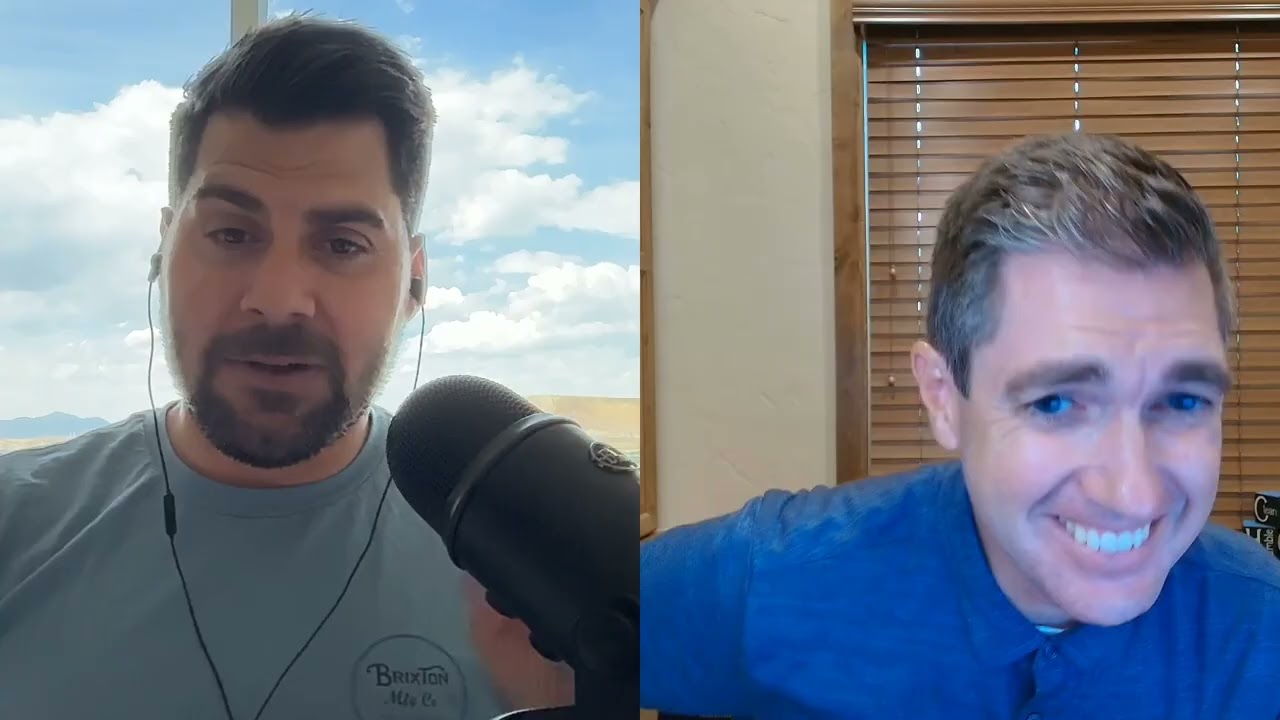
Welcome to the navigating dental insurance podcast, where we don't [music] take from insurance companies. Here are your hosts, Mr. Jordan Comstock and Mr. Ben Tuinei. This podcast is sponsored by BoomCloud Dental Membership Software, www.boomcloudapps.com, [music] and Veritas Dental Resources, www.veritasdentalresources.com. [music] Enjoy the show. >> What's up, everybody? And welcome to another exciting episode of the navigating dental insurance podcast. I am your co-host today, Jordan Comstock. With me, as usual, Mr. Ben Tuinei. What's up, dog? >> What's up, Jordan? >> How you been? >> Pretty good,
pretty good. How have you been? >> Good, man. Just busy. Kids are all sick, so I've got to deal with all of that craziness. But, other than that, things are going well. We're getting ready to go to Greater New York. The dental conference out there. I'm excited to go out there. I've actually never been to New York, so I'm excited to see the big city, right? But, at the same time, I'm not excited cuz I don't like big cities. >> [laughter] >> Very busy. >> Yeah,
like that. Yeah. >> Nighttime not so bad, like the middle of the night, but anytime during the day, holy smokes. You're going to be sitting in traffic for a while. >> Yeah, yeah. We We luckily, so our VP of sales over here at BoomCloud, he's been a ton of times, so he's like, "No, we're getting a hotel like in walking distance from the event." Cuz he's like, "It's going to be crazy." I'm like, "All right, cool. You're the boss." >> Yeah. >> Now. >> [laughter] >>
Yeah, you have to cuz cabs and all that, I mean, it's just It's just crazy but it's a fascinating city, you know, when you when you >> fly in we Are you guys flying into JFK or LaGuardia or >> Uh I don't know. I'll have to look at what the everything's been booked. I just don't know. I just show up and go. >> Yeah, JFK LaGuardia where you can really see the city. Well, Newark you can see the city too. But it's an it's an amazing
an an amazingly huge city. You know, it's nothing like you've ever seen. And when you go to LA you see a few buildings here and there. You know, LA and Salt Lake in terms of the amount of buildings is about seems like it looks the same. >> Mhm. >> But when you go to New York it is a concrete jungle. Like it is crazy how many buildings are there, the high-rises. It's actually a very fun city because from a dining experience and entertainment experience Yeah, yeah.
>> We're going to go to this couple restaurants that Tyson, our VP of sales, and a couple of my other reps that you know, they go there all the time. So like, "Yeah, we're going to take you here and we're going to take you there. We're going to take you here and there." I'm like, "Hey dudes, I'm I'm just I'm coming. Um I will you just wherever you tell me to go I'll I'll go with you guys cuz um >> Yep. >> I Yeah, if if
I were just going I'd probably just go to a steak house and then go back to the hotel. >> Yeah, you got to try some New York pizza while you're there. People in Chicago don't like to hear that, you know, they But but New York pizza's the local New York pizza, the good pizzerias are actually pretty darn good. I love New York pizza. >> Sweet. Yeah, I'm excited to taste that now. >> No, very good. Man, election day. We're not going to talk about politics but
today's post-election day. To- today's the day of the results. And have you seen the stock market today? I haven't seen it just yet. I was kind >> I have not looked. I've just I've just I think I woke up today and I read that this Facebook laid off like 11,000 people. That's all I've seen. I know they're a public company. So that That's all I've seen today, but what Yeah, what is this What is the stock market doing? Is it tanking? >> Oh, the Dow Yeah,
the Dow fell 500 points today. >> Yeah. >> Yeah, it's an it's an emotional roller coaster, the stock market, but you know, one thing rings true is that it seems like, you know, with You said it was Facebook that did those layoffs? >> Facebook did 11,000. Obviously, everyone knows what, you know, Twitter's laying off people. That's been like in the in the headlines, I think, for the past little bit. I don't know I can't remember how many, but it was it was a ton. Um that
they laid off. And then you got other tech companies right now laying off uh just lots of people uh mainly because they've just they're not being good stewards of their money. >> [laughter] >> It seems like, right? They're not being smart with their cash and their their their revenue. They're just They're just being irresponsible with it. Is what it seems like to me, you know? Obviously, there's every company's different, but that's what it seems like. Every time I read something, I'm like, like, how How did
you make that mistake? You had to lay off 11,000 people. Like, that's a ton of That's a big mistake. >> You know, it boggles my mind that during times of prosperity, companies tend to overspend, right? They spend I don't know what formula they use to to spend that way. I probably because they want to take advantage of the growth. But when when slowdowns happen, which they happen every 10 years, a major slowdown economic slowdown happens. Is that they all freaked out and start you know, firing
people or laying people off, which I'm of course, you know, changes people's lives. Yeah. And I guess, you know, it seems like our our last couple podcast themes are, you know, how do you prepare for down times? >> Yeah. We're headed there. >> The recession is hitting. For many people, it's already hit, you know? >> Yeah. Yeah, well, there's 11,000 from Facebook. That's I mean, that's uh even though it's not like at scale across the United States, they're hit that's their we can classify that as
their own personal recessions are starting, right? So, you're going to start seeing more and more companies do that because you know, maybe they got tons of money from from like PPP loans, you know, from 2020 and the growth. I know the tech scene grew quite a bit in in 2020 cuz everyone moved to digital, right? You got the story of Zoom, you know, everyone just now everyone knows what Zoom is, you know, before before 2020, nobody knew what Zoom was. Um so, you you got, you
know, people that or companies that in the pandemic, especially digital companies or software companies and on the online economy, it grew quite a bit. So, people got usually what happens is is people kind of get too optimistic about um growth and and all that. They're like, "Let's go grow forever." Right? Which that's it's everything always has its ups and downs, right? So, that's what that's what I I'm seeing, right? A lot of people put a ton of money and the tech industry grew quite a bit
and now it's contracting, which is normal and healthy, right? Um [clears throat] but that yeah, today we want to talk about, you know, prepping for once again another economic downturn. Um you know, both Ben and I have met run managed and operated companies through several downturns and um have learned quite a bit through through the process of going through those experiences. And I'm sure, you know, everyone listening here too has gone through that, too. But we want to offer some tips and some guidance on, you
know, how we've been able to get through some of these economic downturns and and how you should start thinking now. It's better to do this now than before it's, you know, starts approaching your local area. >> [laughter] >> Yeah. >> You know, cuz it's going to happen. >> It It is going to happen. So, what we What do we have on the list that's first? Is it write-offs? >> Yeah, so the first one we have today like I So, my everyone, you know, most of my
customers know, you know, Boom Club customers and our listeners know that my mom and my family's in dentistry. Uh you know, and my mom runs an office and uh my aunt runs an office and I asked him I asked them, you know, when you were running a practice I asked my aunt this who she works for Boom Club now. Um what was a common write-off, right? And she said anywhere between what 250 and you Well, actually you told me this, Ben. It was anywhere between 250
to 350. Um $250,000 in write-offs every year. Um and then I asked, you know, um uh these office managers that are in my family. And they're like, "Yeah, last year we wrote off 388,000 in fees that we could have collected, but you know, the insurance companies um that's just the deal that they're in right now with the insurance companies." I'm like, "Man, imagine if most practices understood how to optimize their revenue uh with insurance by by cutting out the you know, the bad plans and optimizing
the plans that they want to that they they feel that are worth keeping." Because I mean over the I did the math over the course of a 30-year career, that's like $10.5 million lost because of insurance companies. That's $10.5 million for the practice owner to reinvest and to build up the practice and to increase the value and to invest into your team members and invest into you know, the cool tech of of in dentistry. That is a a a lot of money. Or or a revenue
that you can put towards your retirement or future or current investments that you're trying to do within your practice or outside of your practice. And and insurance is doing that to your to your practice. Insurance is doing that to these practices and I I just I don't know why, Ben, but I've always just had an issue with that. Why do I have an like I don't even own a dental practice. I just have an issue with what insurance companies are doing to, you know, practice owners.
You know, maybe it's cuz I grew up in dentistry and it's close to my family, but I don't know. >> Doesn't seem Let me tell you a quick story. I don't I know. So, last night I get an email from one of my clients out of New Jersey and it's actually the off- the insurance coordinator saying, "I talked to MetLife. MetLife said that somebody in your office um had had us opted out of MetLife on such and such date and here's a case number and and,
you know, you guys didn't you guys didn't get the doctor's approval for that. So, she was quite upset. And I looked at my records. I'm like, "I don't have any clue. Like those That doesn't match our communications with MetLife." So, she's like, "I spoke to MetLife and they told me all this stuff that happened." And I'm looking at the actual evidence of what occurred. I'm like, "Number one, MetLife is lying to you. >> Mhm. >> And what the result of that is MetLife convinced this person
in this practice to enroll under a direct contract >> Mhm. >> and completely bypass the 32% increase that we had we put in place. And so, MetLife lied to this practice or this this insurance coordinator throwing us under the bus and basically saying, "You know, if you if you get under a direct contract and didn't say what the fees would be, you know, all the problems that you're experiencing now in terms of your your credentialing and all that would be I'll I'll approve it today." And
that insurance coordinator said, "Done. Let's get it done today." Well, when I looked at the final fees, that that wiped out 32%. >> Wow. >> for this one doctor from MetLife. And this practice, you know, in a single year would probably do about $275,000 in revenue from MetLife. >> From MetLife? >> That is >> 32% of that? >> Yeah. >> Wow. >> I mean, and this is this is MetLife making themselves look like the hero. I'll approve it today. You don't need to work with these
guys. Yeah, of course you don't need to work with the guys that are trying to get you a 32% increase, you know? >> Yeah. >> But, my biggest beef with insurance is that they lie. And they they lie to the extent where they they feel like there's no accountability, that nobody's going to catch them in their lie. It's kind of like that politician that tells a blatant lie. >> [clears throat and laughter] >> And then when you fact-check them and >> Don't they all do that?
>> Where the heck did they come up with that number or that statement, you know? It's like, yeah. Who's People aren't fact-fact-checking these statements that are coming out of their mouths. Well, insurance companies kind of take it to the next level because it it it has everything to do with money, you know, in their end. And that saving 32% for one practice, you multiply that by 100,000 practices, that is big-time savings for one company, you know? >> Yeah. >> So, >> No, it's really interesting, you
know, and and and part of, you know, prepping for any type of economic downturn is looking at what, you know, what what are your contracts, you know, with with PPOs? And what like what what are you writing off and how can you optimize that by either dropping some of these plans or renegotiating them, um, you know, in your favor, obviously. >> Yeah, totally. I just Take no prisoners, you know? Don't don't don't give in to the lies of the insurance companies to cuz guess what? >>
Yeah. >> They're going to tell your your patients, the insurance companies are going to do the same thing and they're going to throw you under the bus when when they're talking to your patients about benefits to position themselves as the insurance company to look good. They are not your friend. >> Yeah. >> They are not in it to win it with you. >> Well, that's a crazy thing, you know, because they're they're essentially, you know, you can look at them as a as a just a
like a type of partner that a practice partners up with, right? To offer benefits and and savings to to patients. It's like, man, if I had a partner that forced me to discount everything because you know, um, forced me to discount everything, caused problems with you know, with my patients' experience and blame and blame all the the bad experience stuff on on the practice. >> [laughter] >> Mhm. >> And delayed cash flow, like that's not a really good partner. It's like the worst part like if
I had one of those, I I I always say this, I would fire their ass. >> [laughter] >> You know, >> we got to just >> it just drives me crazy. >> But we got to look at the realities too, like facing a recession, >> Yep. >> you know, the question is becomes from the patient's perspective, where would they rather go in network and >> Yeah. >> out of network. And this is a tough conversation to have because >> Yeah. >> you know, back in 2008,
you know, a a lot in Arizona alone, like 600 plus practices closed down, right? It was very competitive in that market. And a lot of the patients just stopped being active, right? >> Yeah. >> Um, and it it seemed like the patients that were active were the insured patients that still had jobs, you know, and >> Sure. >> coming in. I was running a a group practice at that time and you know, what I what I saw was um, we were still able to have effective
marketing, but people only wanted to go in networks, you know? And I think I think the challenge with that mindset when we're in a recession, people don't want to spend, right? Um, p- a- a- and it seems like that a lot of doctors are fearful of going out of network, especially during a recession because of the potential of losing patients. My my opinion is that I discovered a lot of practices in 2000 well, 2010 I discovered a lot of practices in Arizona that are FIFA service.
They slowed down, but so did we. >> Yeah. >> But did they go out of business? No. >> Their their margins probably were healthier if you if the out of network compared to like the in network like profit margins. >> Well, they did >> Yeah, they slowed down, but the margins were still healthier than I in network. >> So, this is the big difference. For every one patient that they saw a PPO practice would need to see at least three patients to make the same level
of profit. >> times the effort, yeah. Wow. >> Pretty much. And so, the FIFA service practices didn't have to work as hard to sustain the businesses. The The truth is is the economy always rebounds. >> Oh, yeah. Well, there's always opportunities even in a downturn, right? I've always found opportunity, right? Now, everyone can just sit and be like, "Well, this sucks. The economy is right?" Complaining and whining about it, but the reality is like take action and you own it, right? Okay, cool. Yeah, this is
what I this is what the current landscape looks like now. How can I be creative and and make this work for my practice, right? It's just being a little more scrappy, right? Than what you're you're currently used to in terms of your mindset and how you operate grow your company cuz a lot of companies grow really well during, you know, recessions. >> Oh, yeah. >> So, there's just stick it out. >> There's a book that from >> [clears throat] >> not Rich Dad Poor Dad, the
um Think and Grow Rich. Have you read that book? >> Oh, yeah. >> You've read that Everyone should read that book. With every challenge or problem, there's an equal opposite, right? I didn't say that quote the way Napoleon Hill says it from that book. But that's one of the the quotes or or mindsets that has is like with every challenge there's always an equal opportunity, you know, on the opposite side, right? Every any every problem you deal with there's always an equal opportunity, right? There's never
one or the other. There's always both, right? So, that's I think something that we should keep in mind as we go into this. It mindset matters, you know, and if you have the the wrong mindset going into a a downturn that it you're going to really struggle. At least that's what I have found over the years. The mindset really matters. >> Oh, yeah. Like just like, you know, professional athletes. Any professional athlete will tell you it's it's 90% physical Excuse me, 90% mental, 10% physical. >>
Yep. >> I mean, look at what the Urban Meyer did in in Ohio and in Florida and you know, taking a fourth-string quarterback and winning the national championship where that same effort cannot be duplicated under different leadership, you know. >> Yep. >> And getting the team members to commit to to get their mindset in the right place, having some type of motivation, right? >> Yeah. Totally. Mindset and effort, I would I would add effort in there. Um if you have the mindset of of not scared
of getting your hands dirty, right? And putting the effort into making something work. I think that's the mindset that is both athletes have that. Professional athletes our VP of sales over here is was a pro baseball player for about 5 years. So, he I've seen that type of mindset come out of him quite a bit, you know, when he's teaching the teams over here. It's really it's fun to it's fun to see that an athlete as a leader, a especially a pro athlete like Tyson um
from our team. He played for the Dodgers, if anyone's wondering. Hopefully hopefully there's some fans out there. Um Anyways, so reducing your insurance participation and doing it, you know, strategically, you know, as I would say a lot of people well, people that I've known in the past have just ripped it out like a band-aid. That's not always the best strategy. I mean, they end up making it work in the long run, but um being strategic with it, you know, and I know we've done plenty of
episodes on that. Um the second thing is cash mat- cash flow matters. Um cash doesn't matter. Uh if you got cash reserves, I mean, that's that's great, but you want to turn it into cash flow as quickly as possible. And that's why one of the reasons why I've always loved, you know, membership plans over the years is because it helps practices develop a consistent cash flow or or produce produces recurring revenue. Um which also produces loyalty. Um so, if people are subscribed to your dental office,
they're less likely to cancel. In in a downturn, people still need dental care. I mean, I worked for a dental lab in in in in 2007 and 8. In in that economic downturn, and people still needed their work done. Like, people are in pain, people care about their health care, right? And they need it. So, it's like as long as you're providing ways for them to um get it um conveniently, I think membership plans are a great way of of doing that, but but they also
create that loyalty system as well as, you know, especially as you're dropping PPOs, you can convert people over to your membership plan. Um in addition to that, that like the recurring revenue, the cash flow uh the predictable cash flow that it generates um is super critical. Um there's a quote in an economic um recession or downturn, the the most important thing to be looking at is your cash balance and your cash flow. Um if you're not if you don't have good cash flow, and the crazy
thing is, Ben, insurance companies kind of jack up the cash flow by denying and delaying claims, right? And making it hard to that cash flow to to come in easy, right? That's why I like I like financing and helping patients with financing and membership plans cuz they're they're they're avenues to get the patient to accept and and receive the treatment, right? >> Oh, yeah. >> So, we have Oh, go ahead. >> No, we we did a lot of financing in 2008 and we charged patients what
we calculated was the material cost of delivering treatment as a down payment. >> [snorts] >> Oh, cool. Smart. So, get covering the costs. >> Yeah, and then we did uh we >> cash flow. >> Yeah, we did we did our own in-house cuz uh finance cuz we had a we hired a Chase banker and he did all the case presentation. >> Yeah, yeah. >> And he created the treatment plans on the spot. And And she made the the in-house financing arrangements on the spot with interest
rates. >> Yeah, so you do the like installment plans. Payment in-house installment plans is kind of what I call those. >> We did that during a recession and we had we probably had a good you know, we're still doing around 300,000 a month for that one practice in collections. And uh we the the main reason why is we were able to help people reach easily reach into their pockets each month to afford the treatment they needed. >> Yeah. I think that's a We didn't put this
on our our list to talk about, but naturally we we started talking about it. I definitely think that's smart and we we've over the years with with uh BoomCloud and our uh technology we've added um we actually had it since the beginning. We've just souped it up over the years. We've we allow we have a system in our application that allows you to do uh in-house installment plans and add your own interest and have it automatically deducted from the patient's accounts and uh bank accounts and
credit cards and or debit cards, whatever they use. And then we've recently uh rolling out here in the next couple weeks um something like an accounts receivable automation tool that will look at your, you know, what which patients owe you money and it'll it'll, uh, send a text out to your patients that owe money and say, "Hey, it looks like, uh, Hey Jordan, it looks like, uh, you um, you've got a a cash balance owed of $2,000, let's just say it. Um, click here to pay
your bill." And it allows the patient to choose their own adventure and they can either click and pay their full cash balance or create a, uh, in-house installment plan. We have like op- we have pre-built options for like a 3-month plan, a a 6-month, a 9-month, a 12-month, and I think we go all the way up to 18 or 24 months. So, the patient can then say, "I can afford this. Let's go." Right? So, we're mak- we're help- trying to help and prepare for this economic
downturn that, you know, that feature of our our platform is is, uh, I think launching in end [clears throat] of November 2022 or or December 2022, I can't remember. But, you know, making it so patients can choose their own adventure and and pay for the treatment that they need and want, um, [clears throat] you know, is is a way to, you know, generate that cash flow and get people saying yes and and focusing on that cash flow, right? In addition to membership plans. You know, we
just had our, uh, our batch of we have a batch of practices across the nation that are now hitting their what we call the million-dollar membership plan, which is really cool because that means they're generating a million dollars just in membership revenue, which is, you know, revenue whether you do dentistry or not, that revenue is coming in. So, I'm even more excited to be talking about this in the industry than I was even when I started the company, Ben, because it's I truly feel like we're
helping and empowering practices, um, especially with this, you know, an a uh, up and coming uh, uh, economic downturn. So, what's the next topic here? We have, I I wrote down, you know, another thing to prep for any type of downturn is, you know, increasing lead gen and networking opportunities in your practice. And I I chose lead gen because too many marketers are always talking about you got to do marketing, you got to promote. And then they put their billboard a billboard up that says, "Doctor
Smith is great." >> [laughter] >> Right? Or they're like, "Hey, we should you know, sponsor the school." But which I have no problem with. I think it's great. But it's not a lead gen marketing tool. Like a lead gen tool is is or a lead gen marketing strategy is creating new lead opportunities. Meaning they're coming to your website and scheduling a an appointment. That's a awesome lead gen opportunity. Or coming in and and maybe you have like a a course on I don't know, periodontal disease.
And maybe the patient Googled online and they're like, "I feel like I have some type of You know, everyone's Googling these days and figuring out and self-diagnosing, right?" But you can create like a course, like a free course that they can download in exchange for your your emails and things like that. Like educational content that people are searching for, right? Or how do I white my What's the best way to white my teeth, right? Cuz I know that's a most common, you know, search term in
dentistry. But providing educational content tools and and both Ben and I have done this for years. You know, we do webinars, we do I I write a lot of ebooks and and give them for free to people and like just go to our website and and and download one of the ebooks. And then that's my lead gen strategy, right? Um and I'm going to be I'm open with that because I want to teach other practices, you know, that it's a smart way to do business and
to and to meet new people that potentially can be patients, right? So lead gen, that's that's what we should what you should be focusing on. Um networking is another one of my favorite things. Ben, that's how you and I met. We met just >> I know. >> We went We went to some networking meeting, I think, from There were some consultant other business consultants here in Utah that were meeting once a week or were trying to. And um I'm a big fan of networking because it's
how I've grown my business in tough times and good times. Right? And the fact that Ben and I met through networking and and it's turned into a wonderful relationship over the years to the point now we're neighbors. >> [laughter] >> No, uh we've you know, the networking brought us to uh help each other out over the years, you know, start a podcast, um refer each other over the years. Speaking of that, I got referrals for you. Uh >> [laughter] >> Oh, thanks. >> Um yeah. Um
I think networking is one of the best things you can do as a practice or it just any business owner. It's It's It's uh It's a transferable skill, is what I call it. So, no matter what type of business you own, you can network and it can be a benefit. So, um networking and and meeting other businesses around your area and seeing how you guys can how how you can help them and how they can help you and just, you know, help help your local, you
know, other businesses out. That's kind of my mindset in regards to networking. So, I don't know if you have anything on that, Ben, but that's I think it's super important to start ramping that up now. >> Like uh friend of mine, well, client and friend, uh Dr. Kim Nickle up in um Park City, Utah, launched her practice June 2020 when everything was shut down in Park City. >> Uh-huh. >> By the end of June of the end of that year, she treated 500 patients. Um you
know, as a startup practice, that's actually phenomenal. >> Yeah. >> But she's part of all the local entrepreneur networking groups. >> Like BNI and the Chamber of Commerce, stuff like that. >> Yeah. >> Yeah. If you know If you know anything about Park City, you have almost every major successful business billionaire has a has a cabin up there. >> Yeah, totally. They do. Yeah. It's nice. >> And when you when you're rubbing shoulders with that that level of caliber of people that employ thousands if not
millions of people, um it worked out well for her to where she built a fee-for-service practice out of network with every insurance >> Wow. >> in the heart of Utah where every dentist participates with every insurance plan. >> Uh-huh. >> she do that? Networking. >> Yeah. >> [laughter] >> No, it really is that important. I I I like everything that I've been able to do, you know, starting a company with no money. Yeah, I had no money. I was broke when I started BoomCloud. Um it
I all it it all goes back to the effort I put into networking, right? In the industry and with people around me. And I think um it's a really smart way to go about um running and growing businesses because um relationships is what matters, right? >> Mhm. >> That's how you build companies. It's all relationships from your team members and your employees to other businesses, you know, around you or in your same industry. Um so, I think that's a huge thing that that as practice owners
you you know, get good at networking and lead and creating leads. >> Yep. And what >> Even if you're not a marketer, you don't have to be a market You don't have to be a marketing genius to create leads. Um you just need to have a little system that allows you to collect patient information before they become a a patient. >> Yeah. >> You know. >> Yep. >> Yeah. So, which leads us to the scrappy and bootstrap mindset. >> Yes. And I I do need to
run here. I have a very hard stop, 2 minutes ago. But we'll >> We'll continue. Sounds like we need to continue, Ben. >> [laughter] >> Yeah. Part two. You know, bootstrapping is as simple as it sounds, you know, I you know, I run my business I I feel like I bootstrap all throughout my career. Sure. You know, I splurge from now and then, but I I invest and reinvest and save and reinvest into my team and my business. >> Yeah. >> You know, I don't I
don't drive fancy cars. I don't live in a fancy expensive house. You know, I don't have high monthly expenditures personally. Um >> It's money. >> I feel like when you when you focus your your money spending it on reinvestment, right? Um and of course having a massive rainy day fund because at some point you may need to use it. >> Totally. >> But living your life like that to where you can draw from your income to play, right? >> Yeah. >> You're not necessarily spending 100%
of your earnings. Um that's dangerous. I see that all the time with business owners that spend everything that they earn because >> Yeah, it's very risky. >> mansions. Yeah, and it's like you know, I I would love to do I may do that at some point when I retire. >> Totally. >> But but now it's like I you know, planning for hard times is what how I how I've been building my business. I know that we're going to have economic downturns. So, if this recession hit
as an example and we had no revenue in 2023, we're totally fine. >> Yeah. >> We can do that. You know? >> Yep. So, cash cash flow and cash reserves and that scrappy bootstrapped mindset is kind of how you do that. So, a lot of books on the topic. Um but sounds like we'll we'll do a another part two episode to talk about some of the other ways practices can plan for any downturns here. So, with that said, Ben, awesome episode today and uh thank you
all for listening and we hope you have a rocking day. >> Take care, everybody. Thanks, Jordan.