Videos / Watch
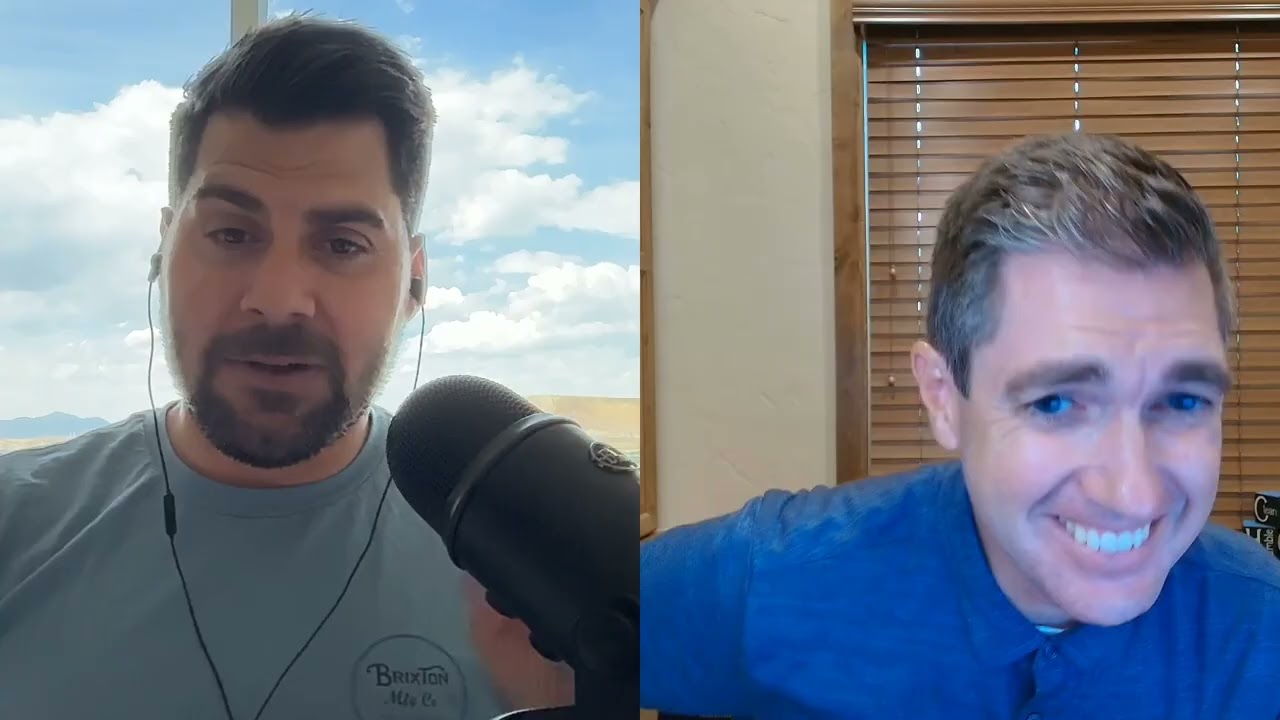
As a buyer, should I go FFS or PPO? With the famous Brain Hanks
August 19, 2026 · BoomCloud™
About this video
Check out Brian's podcast and websites:
https://practicepurchased.podbean.com/
https://www.dentalbuyeradvocates.com/team/
This episode is packed with a lot of great information about trends with patient attrition/patient retention as it pertains to PPO and FFS (fee for service) practice purchases. The key message Brian shares is that both practice types are totally worth pursuing as the net patient attrition numbers lean in favor of the new practice owner. Among the many practice transition experts we interview, Brian's processes are among the best in the industry as it pertains to practice acquisitions. What's crazy is that among his clients, the average patient attrition trend for new practice buyers after 12 months of ownership is -2.3%. This is the best percentage we've seen in the industry as what that means is you are 2.3% ahead in overall patient count after the first 12 months of of ownership. We've always been a fan of Brian and highly encourage listeners to check out his podcast and website.
Full transcript
Complete text of this video
[music] >> Welcome to the navigating dental insurance podcast where we don't take from insurance [music] companies. Here are your hosts, Mr. Jordan Comstock and Mr. Ben Tuinei. >> Welcome to another exciting episode of the Insurance and Tackle podcast. My name is Ben Tuinei and today I'm your solo host for this [music] particular episode. Super excited about this episode. As you know, Naren, Jordan and myself have primarily just been talking about topics that we know in dentistry as it pertains to sort of untangling the mess of
insurance in dental practices. But today, we're going to do something different. I'm so excited to bring on a good friend of mine, Brian Hanks, who is probably one of the most I I would say smartest transition expert in dentistry in terms of helping you buy a practice, right? He's written a number of books. And I've read and bought Is it two or three books that you wrote? I got them on the shelf over there. I should have counted before we started. >> [laughter] >> But at
any rate, welcome to the show, Brian. >> Thanks, Ben. I will take smart. I was hoping for best looking, but I'll smart is more accurate. So, thank you. I'm I'm happy to be here. >> You know, I I met your entire family for the first time, what, three, four weeks ago? We're we're both on the flight to New York City for spring break. I got to say all around, you you also win the award for best looking family as well. >> [laughter] >> Right back at
you. It was fun. >> Yeah, you have some really good looking kids. So. >> Thank you very much. Thank you very much. But yeah, no, I'm excited to be a guest. I've been a listener of the podcast, big fan of yours, Jordan's, the whole team. And anyway, it's exciting to dive into the topic. >> No, absolutely. Yeah, I I get a lot of comments and feedback about your podcast from mutual friends. And so for our listeners that haven't checked out Brian's podcast, um uh we'll put
a link to your podcast in the show notes for other listeners to go and So the number one piece of feedback that I hear about Brian is that sort of this educational platform is a whole body. It's He knows what he knows and understands and just gives you the information that you're looking for. Um and so we highly recommend his podcast to it's been rated as one of the number one podcast for gosh, many years. At least you you want that award for a few years
running now. >> I did, yeah. Yep. >> Congrats on that's amazing. >> Thank you. Thank you. >> Well, let's Yeah, let's dive in. >> Yeah, yeah. Yeah, let's dive into the So So what we want to talk about is um this whole part about practice acquisitions on whether to buy a fee for service practice or a fee for service focused practice. Um what is your take on that, Brian? And is it a big deal or not when you're making the decision on what type of practice
>> Yeah, that's a good question. Okay, so if you phrase the question, okay, I I think I want to buy a practice. Um should I buy a PPO focused practice or a solely fee for service practice? There's a very, very clear answer. And it's the right answer, okay? The answer is yes. That's it. I mean, I'm tongue in cheek a little bit and I understand the nuance of the question and we will get into the nuance, but the the important thing is to buy a practice.
And and I'm not I don't I am not a believer that every single dentist needs to own their practice. That's not what I'm saying. But I am saying that if you want to be an owner and you want to make A, make more money and B, have some control over your career. And what I mean by control is not controlling. Uh it's control over you know, who you work with, which assistant you like and don't like, the patients you see and you don't see, uh the
hours you're open, when you take vacations, all those things. And yes, which insurances you do or don't take, you got to be an owner to have that type of control. And so, the most important thing is to get into ownership. Now, yes, if you are certain that you're only a fee-for-service dentist and people you insurance-based patients are going to be a terrible fit for you, okay, yes. As you're looking for acquisition opportunities, have a bias towards fee-for-service focused or maybe even 100% fee-for-service practices. Um and
and target those. Just know that it's going to take you a little longer to find them and and you're going to have a little more competition when you're either bidding for or trying to be the buyer of those practices. Uh but all things being equal, have a bias towards where you want to go, but if you think, you know, down the road, I've been listening to Ben, I've been listening to Jordan, these guys, and and they they're making a pretty compelling case for fee-for-service or at
least, you know, a healthy relationship with these insurance companies. And this one that I'm looking at is kind of 80% PPO, that's not a necessarily a red flag. It just means that potentially you have a little more work down the road to transition that practice into the type of practice that you ultimately want. Does that Is that a hedged enough answer for you, Ben? I know that that's a little bit of a hedge, but does that make sense? >> No, it it makes perfect sense. And
I I I often wonder about um me not being an expert in the world of transitions is um do personality types sort of make a difference in terms of whether I want to do a fee-for-service or PPO routes? Does that have anything to play into that? >> It's a good question. Um I think it's personality type might be an outcome. I think I would phrase it as a propensity for uh business. You know, does the dentist tolerate the business side of dentistry or does the dentist
and and that same dentist by the way tends to be the clinical ninja right that every CE course they take is clinical focused or are you a business owner who happens to be to be a dentist and happens to work in people's mouths and you actually kind of do like the the websites and processes with the front desk and how do we answer the phones and which software do we use? If that gets you excited then I would say then you're probably going to be a
better fit for something more like a fee for service office and and but if you're a clinical ninja and you just love working on teeth then for the most part with some exceptions obviously you can pretty much tolerate anybody who sits in your chair and that's that's going to be where they come from is going to be irrelevant to you for fee for service PPO doesn't matter. >> Yeah, got it. The only reason why I asked that question is a few years ago actually a client
of mine started practice in Park City as like a startup from scratch. >> Wow. >> And initially she wanted to go the route of PPO so because of course there no existing patient records right new space everything everything is brand new. She was of the mindset because of the Utah sort of how things are done here in terms of dentistry and insurance at the time everybody took insurance everybody took every dental plan under the sun right and then the pandemic started and her her launch date
was June 1st 2020. >> Oh gosh. >> And >> [laughter] >> here she is in network with a bunch of PPOs well between June and December she she treated 600 patients. >> Wow. >> And quickly started to realize that the need to be a network was unnecessary. >> Yep. >> But I think her personality type well the way she is as a person is she's so she's such a networker right where a A of times when you look at her Instagram or Facebook uh pictures photos,
they're with celebrities. They're with, you know, Park Park City's like a second Hollywood or something. >> Right. >> Yeah. So, I wonder if that had a play into it in terms of um but you gave me you gave a better answer in terms of business acumen, right? But kind of looking at at it from that perspective. >> Actually, I think there's something to your answer. I think if you're a dentist, let's say you're a dentist, you're saying, "Well, you know, I'm not a clinical ninja and
I don't mind the business side. It doesn't get me excited." Another good question to ask is the one you're asking. Do you like to Are Are you social? Are you outgoing? Are you the type of person that throws the house party with the 47 different guests? If that's you, you're a fee-for-service doctor. >> Mhm. Yeah. Got it. Got it. What about this whole area of patient attrition, Brian? Like when when when it comes to buying a practice, can you speak to like patient attrition trends uh
on both sides, PPO practices and fee-for-service practices? >> I can and I've got some data for you. Okay, so I've got some hard numbers to give folks as they're thinking about patient attrition, but let's define uh what people tend to say to me as they're acquiring a practice. So, you asked the question, Ben, should I buy a PPO or fee-for-service practice? Implicit in that question sometimes is a fear that the buyer like to the dentist coming into the practice is going to be a poor fit
with the seller somehow or the patients are going to be angry or they're not going to be uh welcoming of the new doctor and this new doctor will have dropped 800,000, a million dollars, 1.5 million dollars and be sitting there twiddling their thumbs while she waits for patient chance to come back, right? And okay, so let's um and and the the other often heard comment is PPO patients are stickier than fee-for-service patients. So, risk of patient attrition is lower with a PPO practice. Okay, um here's
the data. First, the data [snorts] is actually correct that patient attrition is lower in PPO practices and fee for service practices do see more patient attrition and PPO practices. But, here's the big butt. If you stop listening right there, you'll make a mistake. So, actually let me give you a kind of overall patient attrition numbers and then let me break it down by fee fee for service and PPO. I'll ask it Ben, I'm going to turn the tables on you. I'm going to ask you a
pop quiz question. What do you you think the average patient attrition number is for all dental practices, all specialties nationwide? Okay, rural, urban, suburban, doesn't matter. Like when the average buyer buys from the average seller, what percentage of patients don't show back up? >> I I would guess 10%. >> Okay, yeah, pretty reasonable guess. Yeah, one out of 10. Um You're you're dead wrong. I can't believe you host a podcast. Just kidding. Just kidding. >> [laughter] >> And >> Gee, thanks Brian. >> Do you do
you even work in dentistry? What the heck? >> [laughter] >> The the actual number is a negative number. It's actually negative 2.3% according to my data. And what does a negative patient attrition number mean? It means that the average buyer actually adds net patients to a practice. Which makes sense if you think about it. You got a motivated young energetic buyer that's buying from a seller that in many cases is kind of checked out or in the twilight of their career, coasting or something like that.
Not everybody, not every seller is that way, but that's kind of you know, those are general themes. Okay, so if the average patient attrition number is actually negative, that means attrition isn't really a thing in the average deal. Doesn't mean it won't be a thing in your deal. Just means that you've got a tailwind. And the worry that you have, this internal like churning of the gut, oh no, are they going to like me? is unfounded and they're going to love you, right? The average patients
they're they're going to love you, okay? There are some exceptions we can talk about, but let's break down my like I said 2.3. Um PPO practices, uh it's actually it's like 2.38 or something. So, um PPO practices, um no patient patient attrition. In fact, it's just a little bit better than the average. And then fee for service practices, here's the deal. It's um it's right at like 1 1.5% in fee for service practices see an average net increase in the number of patients in the in
year one of 1.1 to 1.5% more than the seller did on average all specialties nationwide. Okay, so but here's the deal. With the PPO practices, um there's like one two maybe three patients that are just heartbroken that the seller is gone. And it's it's a very small number. With the fee for service practice, it's somewhere between 15 and 25 patients are very loud and very very disappointed that the seller is not going to be there anymore. Um of by the way, you know, average patient count
is like 2,000 2,500 or something. So, to have let let's say it's the bigger number. It's 25 patients loudly walking through the grocery store telling everybody they know, "Oh, I can't believe Dr. Wynn is gone and I have to deal with Dr. Smith now." and you know, that that is hard. And as a buyer, gosh, you know, it's the it's the one negative Google review. Even though you got 86 positive ones, everybody remembers that one negative. But if you go in prepared that if I buy
a fee for service practice, there's going to be a few more loud, you know, loudly negative patients. Just expect it. You're going to be fine. Most of the patients will love you. >> That's that's amazing. So, follow-up question about these percentages. >> yep. >> [clears throat] >> Negative two 2.3% is the average net base Are these from your >> Just my data. Yep, this isn't peer-reviewed, like, you know, nobody no PhD student kind of submitted this to a scholar scholarly article. This is just my data.
Yep. >> Well, that's that's impressive because years ago when I was working well, I used to communicate closely with transition brokers in Arizona when I was living there. >> Yeah. >> Um so, they're the ones I gave me that 10% average 10% attrition average. I remember but that was like 12, 13 years ago, you know. >> And remember, I've got a biased sample size, right? I've got buyers who work are willing to pay someone like me to help them through a transition. So, maybe I've got
a pool of buyers who are more business-savvy than the average. So, maybe the true nationwide average out there is actually a slightly negative number, but it's not Everybody fears it's like your number 10%, 20%, maybe gosh, even 35% and that's just not the case. >> Yeah, so so you're actually educated me on on sort of um what I'm thinking in my mind is that there are some existing patients that would naturally leave. But but but is is this negative two 2.3 sort of um a balancing
act with the aggressiveness of the new the the new practice owner in terms of adding new patients to the practice, right? Is Does that have a lot to do >> That's right. Yes, so that's it's a Notice I said net patients. Yes, so you are going to lose some patients. You're going to lose some. And you're going to gain some patients and the gain is because you're going to revamp the website and you're going to actually get rid of the toxic employee that everybody kind of
talks about behind her back, but the seller never got rid of and and yes, it's going to be a net increase with some patients lost. >> That's actually a better way to look at it in my opinion. That's why I said you're one of the smartest, if not the smartest transition broker in the country because >> Thanks, man. >> you know, you do hear about this whole fear, like what exactly what you talked about is that there's no goodwill, there's not enough, you know, patients are
leaving as a result because the doctor's been here for many years. >> Yep. >> But when I think about the before and after picture of clients that buy practices, um every recollection that I have, you're absolutely right. A year later, not only is it a net net patient increase, but it's a it's a it's a net increase in revenue, as well, most of the time. >> Yep. >> You know? I wonder if it has to do with the process, right? Because you do see different methodologies
among transition experts in the industry in terms of um results, like there are stories of >> Yes. >> a higher rate of doctors not like buying a practice and practice continues to decline because that's the trend of days of seeing practice owner, right? >> Right. >> What What do you think of in terms of your process that sort of helps um with this whole net increase of 2.3%? >> Yeah. The The biggest piece of advice I can give is to make sure that there's a reasonable
overlap in clinical fit. Okay? Uh so, sometimes you'll hear clinical fit uh phrased as due diligence, sometimes you'll hear it phrased as, "Well, I had a lunch with a with a conversation with the doctor and we just we really clicked in terms of our philosophy." Uh but clinical fit is going to be the major driver that. And in the cases where I have seen a high number of patient attrition, by the way, the worst I've ever seen was -12%, okay? So, that's my all-time lowest number.
And And that Listen, if you bought a million-dollar practice and 12% of the patients didn't show up, that would hurt, absolutely. Um but but let's be real, nobody's applying for unemployment, you know, doctors still making their student loan payments, and everybody still gets movie tickets. So, um, it's it's not the disaster I think a lot of dentists fear. But, um, you know, that's the accountant talking. So, let me kind of emotionally speak to that -12. It's it's usually because uh, doctor, you know, seller was a
watch and wait, and the buyer was, uh, let's throw four crowns on anything that moves, you know, type of doctor. And the the whiplash for the patient is acute. And they're thinking, "Oh my gosh, like who is this guy? That they must not know what they're doing because the the last guy told me that I'm okay, and we just need to watch these potential trouble spots." Um, and yes, I had one kind of, you know, like green Mormon dentist buying like a Hasidic Jew neighborhood in
South Brooklyn. And and that was, you know, like culture fit can be a thing, but I think most dentists are pretty savvy enough that, um, you know, they're not they're not, um, stepping too far into those minefields. >> Right, right. Well, that makes perfect sense. What advice do you have for, um, the students, you know, coming right out of school? Do you recommend that, like for the you you you do have a lot of students that are just so hungry to get into practice ownership, and
many of them do right like right out of school. Yeah. Like what's what's your advice in in the whole the global scheme of things in terms of what would make for the best practice owner, right? In terms of their understanding of business and clinical and all that. So, for students, what's your advice to them in terms of when should I buy? >> Mhm. Wait 12 months post graduation. With the exception being if you did, uh, um, multi-year specialty of some kind. You did ortho, pedo, OMS,
you know, some kind of specialty, my 12-months advice doesn't apply. Uh, Uh for any GPs, anybody that does GPR, AGD, something like that, um I've talked to and helped a number of dentists buy immediately after their D4 year. And I call them up a year, two, five years later and say, "Hey, if you could go back in time and buy the practice again, would you or would you wait, you know, a year or two?" 100% of the time, they say, "Brian, I'm glad I bought a
practice. I learned a lot. I wish I would have waited. I didn't know." And it's usually something they thought was super important right out of dental school that later on they find out wasn't. It could be geography, it could be the money, whatever it was. Uh um so my biggest piece of advice is use the wait, um you know, I I listen, if I were coming out D4 or I did a, you know, a one-year residency of some kind, I would go work for someone that
had a similar practice to the one I want to buy. And I would aim to buy a practice roughly 12 months after my uh education is finished. Whatever that looks like. Meaning, 6 months after my education is finished, I'm looking for practices, I'm talking to brokers, I'm calling Brian Hanks, I'm talking to Ben Tuinei, and um and um I'm getting ready to close about 12 months after. Uh coincidentally, Ben, that's the magic number for banks. The banks that are doing the lending, they want to see
about 12 months, at least 12 months experience and some production history. Why? Clinical skills, hand speed, you've seen some things, you know, "Well, I thought I really liked implants. Now I've placed a bunch and actually, hmm, maybe I actually really like Invisalign." Um those are the types of thoughts that people have, you know, 12-ish months after they get out of school. >> Got it. Got it. So this is a lot to do with banking relationships, right? They just want to see that you have some history.
>> two. It's It's the bank and it's the doctor gets a little time under their belt and they are clearer about where they would actually want to take their career. >> No, that's perfect. That makes perfect sense to me. Um well, very good. Um so, for those of you that might be listening in terms of not owning a practice yet, maybe getting into into that here in the future. We have a lot of military dentists that listen to the podcast that are thinking about practice ownership
at some point after they retire. So, the podcast for Brian is the it's the practice purchase podcast, right? The practice purchase but hobbying.com. Is that the is that the main website? >> You got iTunes and just search practice purchase or Spotify or any of those and we did it like a season. Ben is one advantage I have is transitions happen in a moment in time, right? And so, people want to binge the topic, which is lucky for me. So, we it's more like a Netflix season.
You know, you can listen to 20 episodes. They're all 20 minutes or less and they're all about they kind of break up the process of a practice acquisition. But, yeah, thanks and it is nice to be in the podcasting world with other good folks like you. So, I appreciate the shout-out. >> No, like likewise, Brian. And then, we're going to have Brian on our Insurance Untangled webinar here on June 14th. So, stay tuned for that. Go to insuranceuntangled.com to get information on registration and so forth.
We certainly look forward to your to more of your feedback on that podcast and we do have a tentative from Howard Farran, Dr. Howard Farran. >> saw that I'm on the panel with Howard. I thought, "Okay, I got to gear up. I'm going to have to speak loud." [laughter] I don't know. He's one of the He's the god He's the podfather, right? And he's such an important voice in the industry. I can't wait. >> Yeah, I I am looking forward to to both of you cuz
it's it's going to be a full hour that's dedicated to Brian and Howard in terms of picking your brain on all things business. And what two better people I can't think of any better two people to be on a panel like that. So, we're super excited. Uh Brian, any any closing thoughts for our listeners as we kind of wrap up today's episode? >> Think about um two thoughts. Number one, if you're a dentist listening and you're a regular listening listener to this podcast, Ben's podcast, Insurance
on Ta it you're the type of dentist very likely that has the inkling to be an owner, don't be scared of it. Do it. Do it sooner than you think you're ready because if you're if you're the type of dentist to listen to podcasts like this, you um you're going to be very successful and I I don't think you really do, but like in a sense kind of owe it to the industry. Like there's so many bad dentists out there. You're not one of them, okay?
Second piece of second thought is um keep doing stuff like this. Keep attending the business-focused CEs and the the there's so much in dentistry that's about the clinical skills. Those will always be your most valuable skills, the hands that go in a mouth, but your second most valuable skills are the business skills that you bring to the career. So, keep doing stuff like this. Keep listening to Ben. Keep listening to Jordan. If you pop over to my podcast every once in a while, it'd be great,
but keep talking about the business side of dentistry and you'll be in great shape. >> Excellent, Brian. That's amazing. So, for those of you that might be interested in Brian's topics, visit his website dentalbuyersadvocates.com. And we'll have that posted in the show notes. Um you can see his team, articles, other resources, of course his books and podcasts. All of those are on dentalbuyersadvocates.com. So, check that out. Brian, it's been super fun and also a privilege to have you on the podcast today. So, we really appreciate
you spending 25 minutes with us and >> [music] >> of course you live down the street and I think we need to have lunch maybe maybe maybe once or twice this year sometime. >> [laughter] >> Let's do it. Sushi, it's been a privilege to be on the show. Thank you for having me. >> It's been our pleasure and want to thank our guests for joining us on another amazing episode of Dental Insurance Excuse me, not Dental Insurance, the Insurance Entangled podcast. So, if you enjoyed today's
episode, uh share it with other listeners, especially those that are looking to do a practice purchase or thinking about it at some point. Um check out Brian's website. He has a lot of amazing things. And of course, stay tuned to insurancentangled.com. Um we're we're we're having a number of other series of webinars throughout the remainder of this year where we will bring on other um experts to sort of talk about all things business related, not just with insurance, but practice management in general. So, till next
time, hope everybody has a great day. And again, Brian, it's been a privilege. Thank you for being on the show today. >> [music] [music]