Essential Covid-19 Dental Screening Form Guide
The Essential COVID-19 Dental Screening Form: Ensuring Safety and Compliance In the evolving landscape of dental practice management, one thing remains constant: the priority of patient and staff safety. While the height of the global pandemic may have transitioned, the health protocols established during that time have fundamentally changed how we handle infection control and […]
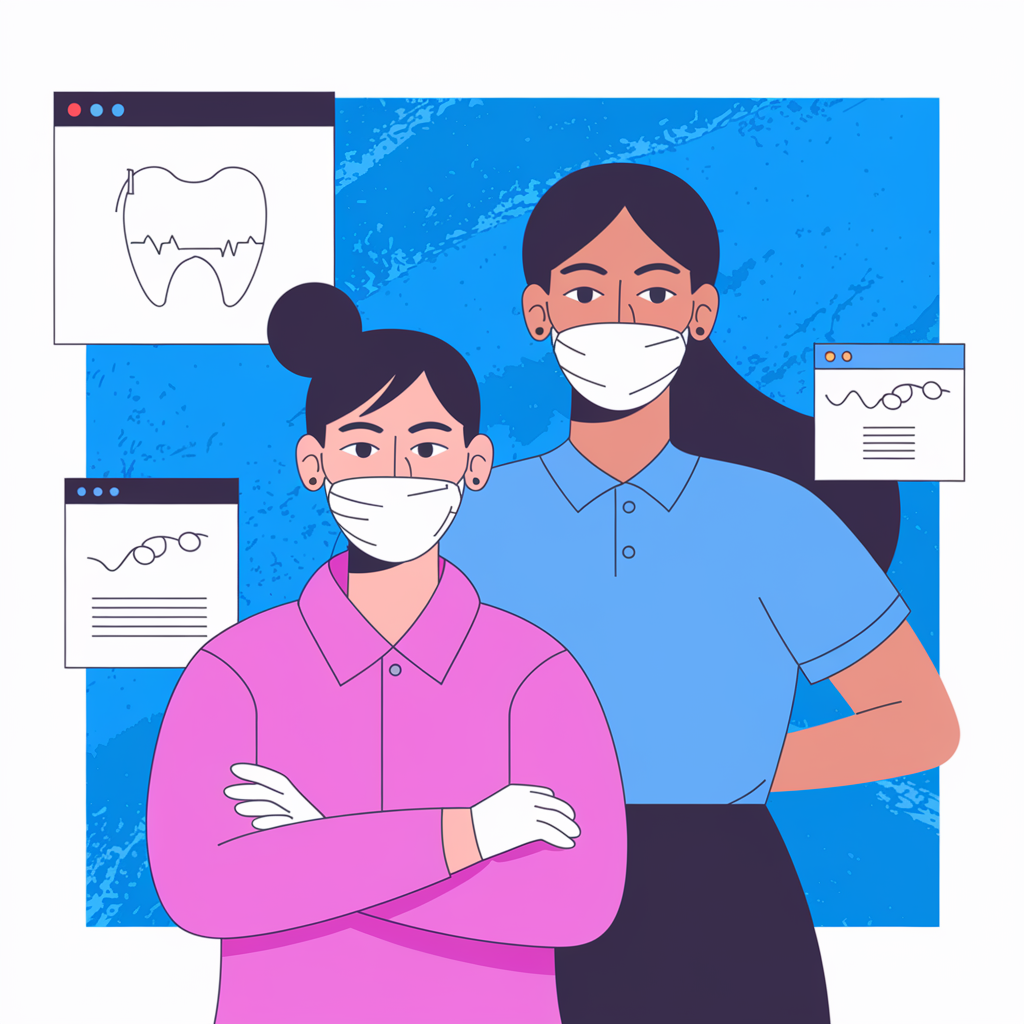
The Essential COVID-19 Dental Screening Form: Ensuring Safety and Compliance
In the evolving landscape of dental practice management, one thing remains constant: the priority of patient and staff safety. While the height of the global pandemic may have transitioned, the health protocols established during that time have fundamentally changed how we handle infection control and patient intake. Utilizing a robust COVID-19 dental screening form is no longer just a temporary measure; it is a hallmark of a modern, safety-conscious practice.
As the founder of BoomCloud, I’ve seen thousands of practices attempt to manage their administrative workflows with outdated paper systems. Transitioning to a digital dental intake form template not only saves time but creates a layer of legal and clinical protection that paper simply cannot match. In this guide, we will explore why the COVID-19 screening process remains vital, how to structure your forms, and how digital solutions can streamline your entire operation.

What is a COVID-19 Dental Screening Form?
A COVID-19 dental screening form is a prehistoric clinical tool redesigned for the modern age. It is a specialized questionnaire intended to identify patients who may have been exposed to SARS-CoV-2 or who are currently exhibiting symptoms of respiratory illness. By requiring patients to complete this form before they even step into your waiting room, you create a “digital gatekeeper” that preserves the “green zone” of your clinical space.
This form typically covers recent travel, contact with known positive cases, and a checklist of current symptoms. In the broader scope of dentist patient forms, the screening form acts as the first line of defense, ensuring that the clinical team can prepare accordingly or reschedule appointments if a risk is detected.
When Should Dentists Use This Form?
Timing is everything when it comes to infection control. For the best results, the covid-19 dental screening form should be administered at two distinct points:
- Pre-Appointment (24-48 hours prior): Digital forms should be texted or emailed to the patient. This allows the practice to cancel or move the appointment without a physical person entering the building.
- Day of Appointment: A brief confirmation of the answers can be done upon arrival. If the patient has not completed the digital version, they can do so on a sanitized tablet or via a QR code in their own vehicle.
By integrating this into your standard dental patient information form workflow, you ensure that screening is a habit rather than an afterthought. This consistency is what builds trust with your patient base, showing them that your practice takes their health seriously.
Key Sections of a COVID-19 Dental Screening Form
A comprehensive form must be both thorough and concise. You want to gather enough information to make an informed clinical decision without creating “form fatigue” for the patient. Here are the essential sections every template should include:
1. Patient Identification and Contact Info
While this may seem redundant if you already have a new dental patient form on file, capturing current contact information is vital for contact tracing. If a staff member tests positive later, you need an accurate, immediate way to reach every patient who was in the office that day.
2. Symptom Checklist
List the most common symptoms as defined by current CDC and ADA guidelines. This includes fever, cough, shortness of breath, loss of taste or smell, and fatigue. Using a simple “Yes/No” checkbox format makes this quick for the patient to navigate.
3. Exposure History
Ask specifically if the patient has been in close contact with anyone diagnosed with COVID-19 in the last 10 to 14 days. This section is often more critical than the symptom list, as many individuals remain asymptomatic while being contagious.
4. Attestation and Signature
A formal statement where the patient confirms that the information provided is accurate to the best of their knowledge. This provides a level of legal protection for the practice, proving that due diligence was performed regarding screening protocols.
Legal Importance and HIPAA Context
From a risk management perspective, the covid-19 dental screening form is a critical piece of documentation. If a cluster of infections is ever traced back to your office, having a documented history of screenings demonstrates that your practice followed standard of care protocols. It proves you were not negligent in your duty to protect the public.
Regarding HIPAA, it is vital to remember that screening forms contain Protected Health Information (PHI). If you are using digital tools, they must be secure. However, simply asking someone if they have a cough does not inherently violate HIPAA—it is how you store and transmit that data that matters. Using a platform like BoomCloud Forms ensures that your HIPAA form, dental consent form, and screening data are all handled with enterprise-grade encryption.
How Digital Forms Improve Practice Efficiency
If you are still using paper forms, you are losing money. It sounds harsh, but it’s true. Paper forms require manual data entry, scanning, physical storage space, and significant staff time. Transitioning to a digital dental new patient form offers several advantages:
- Auto-Syncing: Data can flow directly into your practice management software.
- Reduced Overhead: No more paper, ink, or filing cabinet costs.
- Better Patient Experience: Patients prefer filling out forms on their own devices rather than on a clipboard in a waiting room.
- Real-Time Alerts: Digital systems can flag “high-risk” answers immediately, notifying your front desk before the patient even arrives.
Best Practices for Implementation
To get the most out of your dental exam forms and screening protocols, follow these professional tips:
- Keep it Current: Update your form as CDC guidelines change. A digital platform makes these updates instant across all patient touchpoints.
- Link Your Forms: When you send a medical history form, include the COVID screening and dental consent form in the same digital package.
- Training: Ensure your front office staff knows how to handle a “positive” screening result with empathy and professionalism.
FAQ: Common Questions About Dental Forms
What should be included in a standard dental intake form template?
A standard template should include personal demographics, insurance information, a comprehensive medical history form, emergency contact details, and initial consent for examination.
How often should a dental patient information form be updated?
While a covid-19 dental screening form is used for every visit, a general patient information form should be reviewed and updated at least once a year or whenever the patient reports a significant change in health or insurance.
Can I combine digital dental exam forms with my membership plan sign-ups?
Absolutely! In fact, integrating your forms with your membership platform is the best way to increase enrollment. When patients are already engaged in the digital intake process, presenting them with membership options is at the peak of their attention.
Conclusion: The Future is Digital
The covid-19 dental screening form was the catalyst that pushed many dental practices into the digital age. But the benefits of going digital extend far beyond a single virus. By digitizing your dental consent form, HIPAA form, and medical history form, you are building a more resilient, efficient, and profitable practice.
At BoomCloud, we believe that administrative work shouldn’t get in the way of clinical excellence. That’s why we’ve built tools to help you manage your patient relationships better. If you’re ready to ditch the paper and streamline your intake process, it’s time to upgrade your system.
Ready to Streamline Your Dental Practice?
Stop wasting time with paper clipboards. Get access to customizable, HIPAA-compliant digital forms today.
