When to Use Mouthwash: The Right Timing for a Healthier Smile (and Lower Dental Bills) 😁🦷
Using Mouthwash… But Still Getting Cavities? 😬💸 If you’ve been asking when to use mouthwash, you’re not alone. Many people rinse daily, thinking they’re doing everything right—yet they still end up with cavities, gum issues, or expensive dental treatments. It’s frustrating. You’re trying to take care of your teeth. But without the right information—and the […]
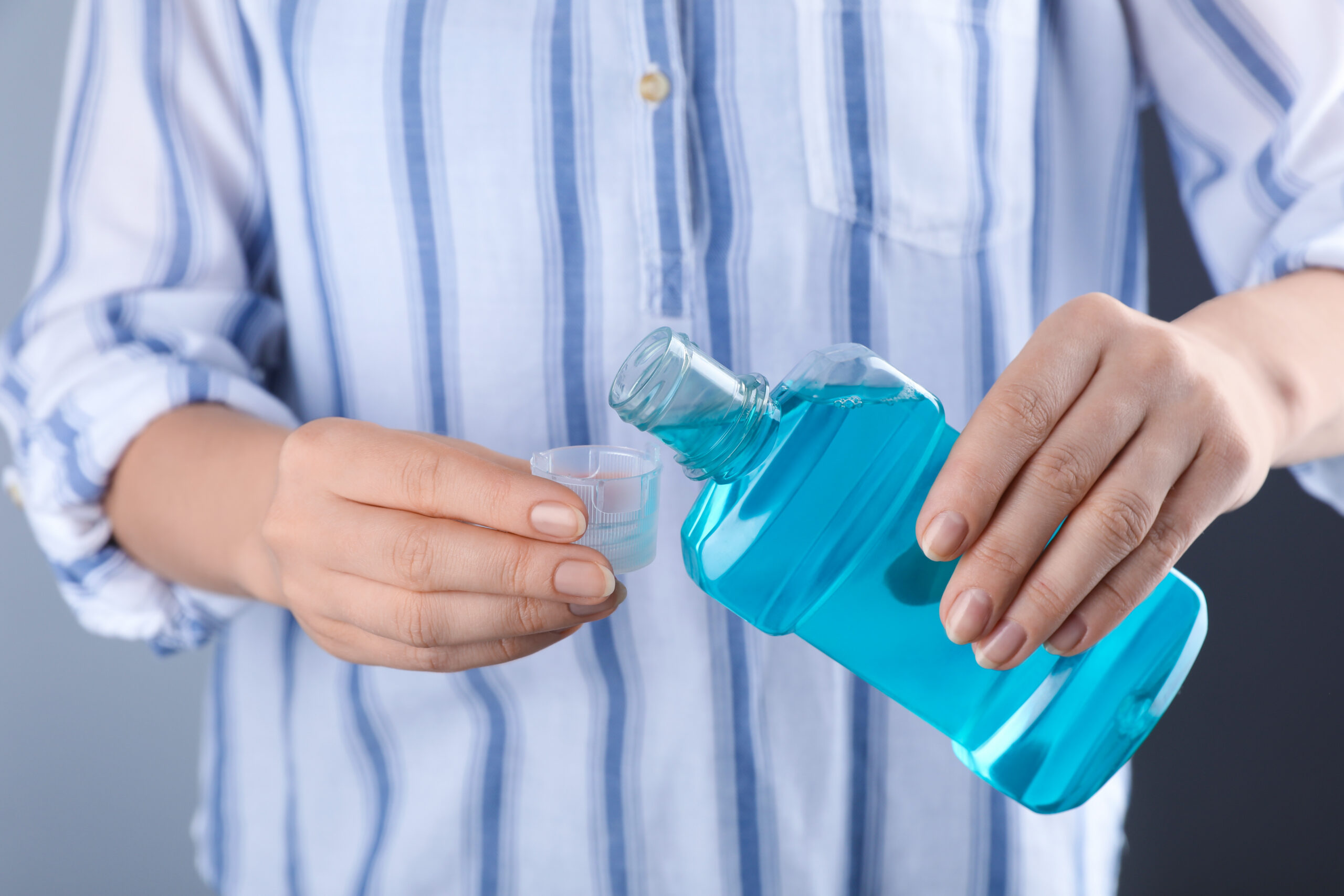
Using Mouthwash… But Still Getting Cavities? 😬💸
If you’ve been asking when to use mouthwash, you’re not alone. Many people rinse daily, thinking they’re doing everything right—yet they still end up with cavities, gum issues, or expensive dental treatments.
It’s frustrating. You’re trying to take care of your teeth. But without the right information—and the right dental support—you could still face unexpected bills.
The good news? Knowing when and how to use mouthwash properly can protect your smile. And pairing smart oral care with the right dental plan can protect your wallet too.
Let’s break it down. 👇
When to Use Mouthwash for Maximum Benefit 🧐
Timing matters more than most people realize.
Here’s when dentists typically recommend using mouthwash:
After Brushing and Flossing
Using mouthwash after brushing and flossing helps:
-
Reduce bacteria
-
Strengthen enamel (if fluoride-based)
-
Freshen breath
However, some dentists recommend waiting at least 30 minutes after brushing with fluoride toothpaste before rinsing, so you don’t wash away protective fluoride.
Midday Boost
If you can’t brush after lunch, mouthwash can:
-
Reduce odor-causing bacteria
-
Rinse away food particles
It’s not a replacement for brushing—but it helps.
Before Bed
Nighttime is critical because bacteria multiply while you sleep. Using mouthwash before bed can:
-
Lower bacterial levels
-
Reduce plaque buildup
-
Protect against gum disease
Common Mouthwash Mistakes 😕
Even if you know when to use mouthwash, mistakes can limit its benefits:
-
❌ Skipping flossing
-
❌ Using it instead of brushing
-
❌ Choosing alcohol-based rinses that irritate gums
-
❌ Rinsing too quickly (swish at least 30 seconds)
Mouthwash is a supplement—not a substitute—for brushing and flossing.
Why Proper Oral Care Saves You Money 💡
Here’s the connection many people overlook:
When you don’t maintain proper oral hygiene—including knowing when to use mouthwash—you increase your risk of:
-
Cavities
-
Gum disease
-
Tooth infections
-
Root canals and crowns
And those treatments aren’t cheap.
Root canal: $700–$1,500+
Crown: $1,000–$1,500+
Deep cleaning: $200–$400 per quadrant
Preventive care always costs less than restorative care.
The Insurance Problem: It Doesn’t Always Cover Enough 🚫📄
Even if you have dental insurance:
-
Major procedures are often covered at only 50%
-
Annual maximums limit benefits
-
Waiting periods may apply
Without insurance? You’re often paying full retail pricing.
That’s why many people delay treatment—even when they know something isn’t right.
The Smarter Alternative: Dental Membership Plans ⭐
Here’s where things get interesting.
Many dental practices now offer in-office membership plans designed to make preventive care affordable and predictable.
These plans typically include:
-
A low monthly or annual fee
-
Routine exams, cleanings, and X-rays
-
Discounts on additional treatments
-
No waiting periods
-
No claims or insurance paperwork
Patients often save 20%–60% compared to standard pricing.
Instead of worrying about insurance approvals, you get transparent, upfront savings.
A Real Story: Small Habit, Big Savings 🏆
Meet “Jason,” who thought daily mouthwash was enough. He skipped regular cleanings because he didn’t have insurance and assumed they’d be expensive.
Eventually, he developed gum inflammation that required deeper treatment.
Instead of panicking, Jason found The Patient Marketplace, a platform that connects patients with dentists offering membership plans.
Through The Patient Marketplace, he:
-
Found a dentist offering an affordable membership plan
-
Paid a simple annual fee
-
Received cleanings and exams included
-
Got discounted gum treatment
-
Saved over $800 compared to standard fees
Now Jason understands not only when to use mouthwash, but also the importance of professional preventive care.
How The Patient Marketplace Makes It Easy 🔍😊
Finding affordable dental care shouldn’t be stressful.
The Patient Marketplace helps you:
-
✅ Find dentists near you
-
✅ Compare membership plan benefits
-
✅ See transparent pricing
-
✅ Choose care that fits your budget
No surprises. No complicated insurance forms.
👉 Visit The Patient Marketplace to explore affordable dental options today.
When to Use Mouthwash—and When to See a Dentist ⏰
Mouthwash helps, but it can’t fix:
-
Persistent bleeding gums
-
Tooth pain
-
Loose teeth
-
Ongoing bad breath
If you notice these symptoms, schedule a dental visit. Acting early prevents bigger, more expensive problems later.
When to Use Mouthwash: The Bottom Line 😄🦷
If you’ve been wondering when to use mouthwash, here’s the simple answer:
-
After brushing and flossing
-
Before bed
-
As a midday supplement when brushing isn’t possible
But remember—mouthwash alone isn’t enough.
Pair smart daily habits with affordable professional care.
Take Control of Your Smile—and Your Budget 👇🚀
Healthy teeth don’t happen by accident. And they don’t have to cost a fortune.
Start Here:
-
Visit The Patient Marketplace
-
Find a dentist offering a membership plan
-
Protect your smile with affordable preventive care
👉 Explore your options now at The Patient Marketplace
A healthier smile—and smarter dental spending—start today. 😁💙

Written by
Keilani
Keilani writes for BoomCloud™ on patient membership plans, recurring revenue, and reducing PPO dependence.