How Much Does a Single Tooth Denture Cost? Affordable Solutions & Savings Tips
A single tooth denture can be an affordable replacement. Compare material costs, understand what your quote includes, and weigh insurance, memberships, and payment options.
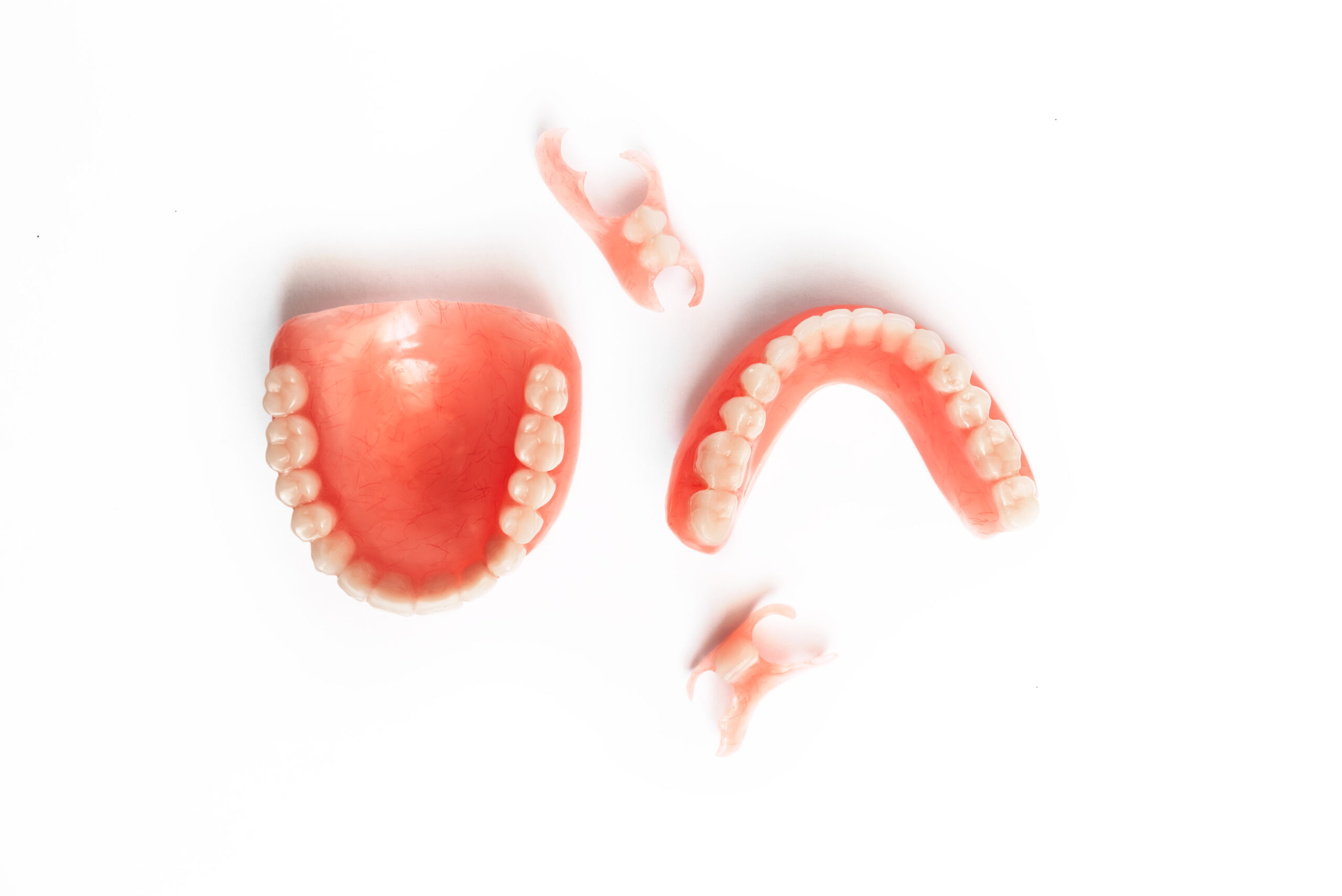
Start by comparing the complete treatment estimate, not only an advertised starting price. A membership plan is not insurance; it is a direct agreement with a dental practice that may include preventive care and member pricing.
For a single tooth denture, use $300–$1,000 as a general planning range for a basic removable acrylic appliance, often called a flipper. Flexible or cast-metal options can fall within a broader $400–$2,500 planning range, depending on the design. These are estimated U.S. price ranges, not national averages or guaranteed quotes: costs vary by region and provider, and examinations, extractions, or later adjustments may cost extra.
Single tooth denture cost by material
A single tooth denture is a removable partial denture that replaces a missing tooth. The price pays for more than the artificial tooth: it includes the base, any clasps or supporting framework, laboratory work, and fitting services specified in your quote.
The following ranges are starting points for comparing appliance prices without insurance. They are not all-inclusive treatment estimates, and local quotes may fall outside them.
| Type | Estimated planning range | What to consider |
|---|---|---|
| Basic acrylic partial, or flipper | $300–$1,000 | Often a lower-upfront-cost temporary replacement; can feel bulky or have chewing limitations. |
| Flexible partial | $400–$1,500 | Flexible base and tooth-colored or gum-colored retention may suit some patients; repair options depend on the material. |
| Cast-metal partial | $600–$2,500 | A rigid framework may provide support, but visible clasps and higher upfront costs can be tradeoffs. |
| Immediate acrylic partial | $300–$1,000 | Made for placement after extraction; healing-related relines or replacement may be additional. |
“Immediate” describes when the appliance is placed, not a separate premium material. An immediate partial may also be an acrylic flipper. Ask your dentist to name both the material and the intended use so you do not compare overlapping labels as different products.
Why partial dentures cost more than an artificial tooth
A partial must stay in place without damaging the gums or remaining teeth. That requires impressions or scans, bite assessment, design, fabrication, and fitting. A partial replacing several teeth is not necessarily priced by multiplying a one tooth denture price by the number of missing teeth. Much of the work is shared across the appliance.
“Dental plate cost” is another broad search term. A dental plate can mean a small partial or an appliance replacing an entire arch. Confirm which appliance the advertised price covers before treating it as a comparable quote.
What changes the cost of one tooth partial dentures?
Material matters, but your mouth and the treatment plan matter just as much. A front-tooth replacement may need careful shade matching and discreet clasps. A back-tooth replacement must account for chewing forces and available support. Neither location automatically costs less.
- Condition of your mouth: decay, gum disease, or an infected tooth may need treatment before a partial can fit safely.
- Retention and support: the position and health of nearby teeth affect the design.
- Laboratory and cosmetic work: customization, material selection, and expedited fabrication can change the fee.
- Healing: gums and bone change after an extraction, which can alter fit.
- Provider and region: local overhead, laboratory arrangements, and the complexity of your care influence pricing.
A higher price is not proof that an appliance is better for you. Ask what the additional cost buys: a different material, a more suitable design, included follow-up care, or simply a different fee structure.
What should your denture quote include?
The cost of a single tooth denture and the cost of completing treatment can be different. Before agreeing, request an itemized estimate that separates the appliance from any supporting care.
- Examination and necessary X-rays.
- Extraction, if the tooth has not already been removed.
- Impressions or digital scans and laboratory fees.
- Delivery, fitting, and bite adjustments.
- Follow-up adjustments and the period during which they are included.
- Relining or rebasing if healing changes the fit.
- Repairs or replacement if a temporary appliance will not be the final solution.
A worked example of the total bill
This is an illustration, not a price quote; replace every figure with your own estimate. Suppose the appliance costs $700, the examination and imaging cost $150, and a later adjustment costs $100. Your total would be $950, before any extraction or other treatment. If that adjustment is included in the appliance fee, the same example totals $850.
The point is not the example price. It is that a lower advertised appliance fee can become a higher total bill when necessary services are separate.
Does insurance cover a single tooth denture?
Some dental insurance plans contribute toward removable partial dentures, often under major restorative or prosthodontic benefits. Others exclude them or apply restrictions. There is no reliable universal “with insurance” price because your benefit rules and remaining coverage determine your share.
Ask the dental office to submit a pretreatment estimate, and confirm these details with your insurer:
- Is this specific removable partial covered?
- Does a waiting period or missing-tooth exclusion apply?
- What deductible and coinsurance apply?
- How much of the annual benefit remains?
- Are there replacement-frequency limits?
- Will choosing a different material leave you paying the difference?
- Is the provider in network, and which fees are allowed?
A pretreatment estimate helps you budget, but it is not a guarantee of payment. Eligibility and available benefits can change before treatment. Also confirm whether an immediate partial and its later replacement are both eligible rather than assuming insurance will pay toward each.
How to pay less without insurance
Compare written quotes for equivalent treatment
Ask local offices for estimates using the same material and treatment goal. Comparing a temporary flipper with a definitive metal-framework partial does not tell you which provider is less expensive. Include follow-up visits and travel costs, especially if the lower quote requires a longer drive.
Check a practice's dental membership plan
A dental membership is an agreement with a dental practice, not insurance. Depending on its terms, it may include preventive care and reduced fees for other treatment. Dentures, laboratory charges, and specialist services may be included, limited, or excluded.
I founded BoomCloud™, which helps practices manage membership plans, enrollment, recurring billing, renewals, and member reporting. The practice sets its own patient fees and benefits. Using membership software does not guarantee a denture discount.
Ask for the actual member price, the membership commitment, any enrollment charges, and when benefits start. Do not assume membership savings combine with insurance or other offers.
Worked example only; substitute your own figures: a quoted denture fee of $1,000 reduced to $800 creates $200 in treatment savings. If joining requires a $240 annual membership, the denture discount alone does not cover the membership cost. Included preventive care might still make it worthwhile if you need and use it.
Contact dental schools and community clinics
Dental school clinics may offer lower fees for supervised student care, although appointments can take longer and not every case is accepted. Community health centers or charitable programs may offer income-based assistance or referrals. Ask specifically whether removable partial dentures are available; a clinic providing cleanings and extractions may not fabricate dentures.
Use payment options without hiding the total cost
A payment plan spreads the bill; it does not necessarily reduce it. Ask about interest, fees, credit approval, late-payment terms, and any deferred-interest conditions. Compare the full amount payable, not just the monthly payment. HSA or FSA funds may also help with eligible dental expenses; confirm your account rules and retain the itemized receipt.
Is a temporary denture actually cheaper?
A flipper can be a practical way to fill a visible gap while tissues heal or while you plan another replacement. It often has a lower upfront cost than more complex options, but buying a temporary appliance and a later replacement can increase your total spending.
Ask whether the proposed denture is intended for temporary or longer-term use, what eating restrictions apply, and what happens as your gums heal. Do not assume an inexpensive temporary appliance is suitable for unrestricted chewing or indefinite use.
A removable partial generally does not require implant surgery, but extractions or other preparatory treatment may still be necessary. Suitability depends on your bite, remaining teeth, gum health, and ability to clean the appliance.
Compare the denture with other replacement options
A removable partial is often a lower-upfront-cost option. A fixed bridge or an implant-supported crown may provide a different level of stability, but each has distinct treatment requirements and maintenance needs.
For a missing tooth, the implant alternative is usually an implant with an abutment and crown, not an “implant-supported denture.” Ask for a complete implant estimate rather than comparing an advertised implant-post fee with a complete removable appliance. Bridge estimates should likewise include all required components and tooth preparation.
Discuss maintenance before choosing. Removable partials need cleaning, periodic fit checks, and sometimes repairs or relines. Follow your dentist's instructions for wearing and removing the appliance. Have soreness or looseness checked rather than bending clasps or repairing the denture yourself.
My recommendation: choose the lowest total cost for a clinically suitable option, not simply the lowest advertised price. Get the material, included services, follow-up terms, and expected next steps in writing.
Frequently asked questions
How much does a single tooth denture cost?
An estimated planning range is $300–$1,000 for a basic acrylic partial. Flexible or cast-metal designs can fall within $400–$2,500. Costs vary by region and provider, and those ranges may exclude examinations, extractions, and later fit changes. Your itemized treatment estimate is the better guide to what you will actually pay.
How much is a partial denture for one tooth?
A partial denture for a missing tooth is the same general category as a single tooth denture. The material, supporting framework, and included care determine the price. When searching for “1 tooth denture cost,” check whether the result describes a temporary flipper or a longer-term partial before comparing fees.
How much is a denture for one tooth with insurance?
Your out-of-pocket cost depends on whether the appliance is covered, the insurer's allowed fee, your deductible, coinsurance, and remaining benefits. Request a pretreatment estimate rather than subtracting a generic coverage percentage from the dentist's price. Confirm whether follow-up care and any eventual replacement are covered separately.
Before you choose a practice
Comparing dental costs and membership plans
Can a membership plan lower my dental costs?
It can, depending on the practice's membership price, included services, and treatment pricing. Compare the plan's full terms with the written estimate for the care you expect to need.
Do dental membership plans have insurance networks?
No. The plan belongs to the dental practice that offers it, so benefits generally apply only at that practice. Confirm the services, pricing, renewal terms, and cancellation terms before enrolling.
Where can I find a dentist that offers a membership plan?
The Patient Marketplace lists participating practices with membership options. Compare what each practice includes and confirm the terms before contacting the office.

Written by
Keilani
Keilani writes for BoomCloud™ on patient membership plans, recurring revenue, and reducing PPO dependence.