Does Insurance Cover a Broken Tooth? Here’s What You Need to Know (and How to Save Without It)
A cracked or chipped tooth needs an exam, not a guess. Compare repair cost ranges, understand what insurance may cover, and find practical ways to lower your out-of-pocket bill.
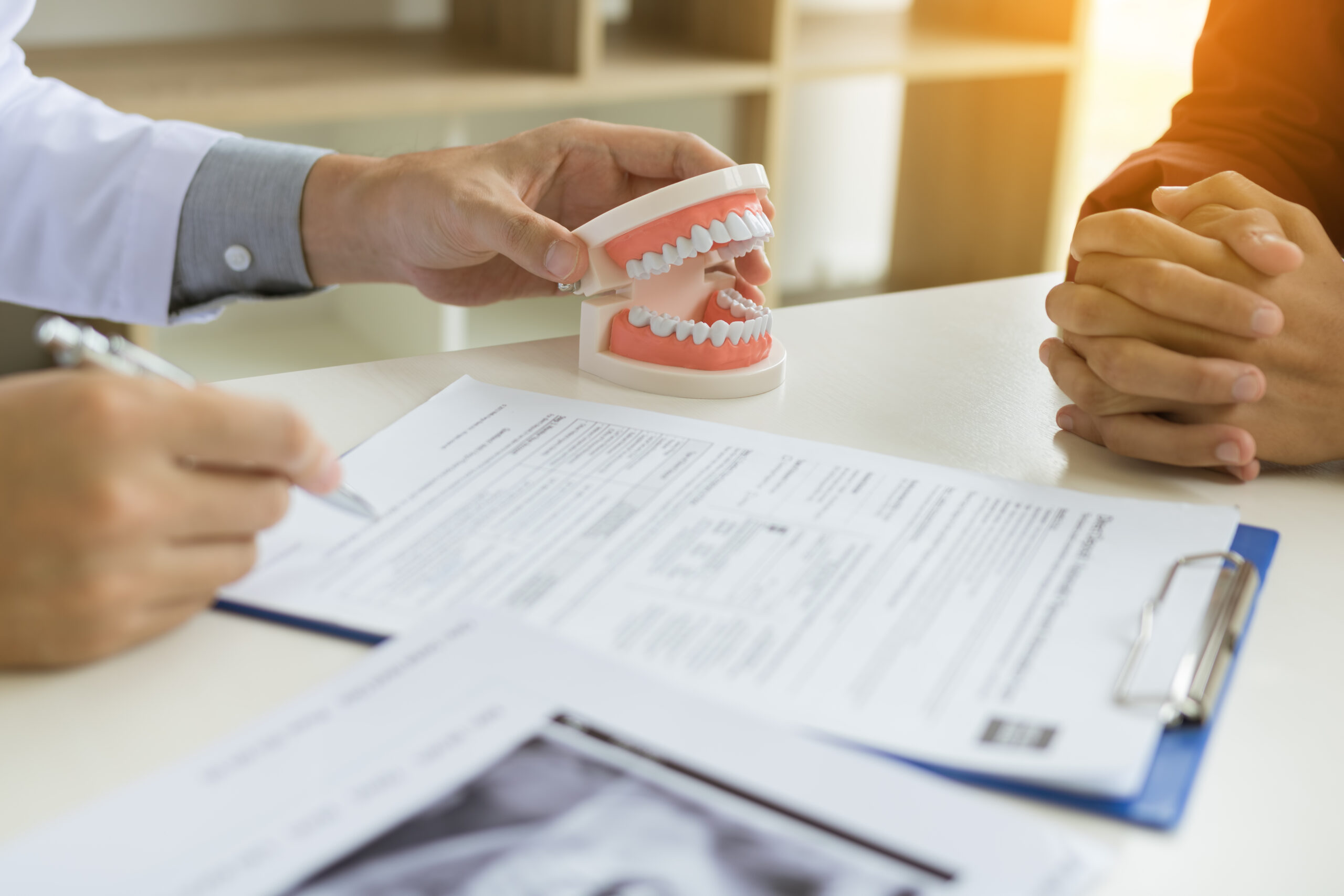
If you have a cracked tooth and no dental insurance, you can still get treatment: ask for a problem-focused exam, a written repair estimate, and the office’s self-pay or membership options. Dental insurance may cover chipped or broken tooth repair when it restores tooth structure or function, but coverage depends on your policy and the procedure. Your cost depends on the damage, your region, and your provider—not just whether you have insurance.
Cracked tooth and no dental insurance: what to do now
Call a dentist and describe what happened, whether you have pain, and whether there is swelling. Ask what the emergency exam and any necessary X-rays will cost before treatment begins. You do not need insurance to request an appointment, although payment policies vary by office.
A small chip and a deeper crack can look similar at home. Pain when biting, lingering temperature sensitivity, or a loose piece of tooth deserves prompt assessment. No pain does not prove the tooth is safe to leave untreated.
- Get urgent dental care for severe or worsening pain, swelling, fever, or a bad taste that could indicate drainage.
- Seek emergency medical care for trouble breathing or swallowing, rapidly spreading facial or neck swelling, or uncontrolled bleeding.
- Until you are seen, avoid chewing on that side, choose soft foods, and gently rinse your mouth with warm water.
- Keep any broken fragment and bring it to the dentist. Do not use household glue or put aspirin directly on the tooth or gums.
- Use an over-the-counter pain reliever only if it is safe for you, following the label or a clinician’s advice.
An emergency department can address dangerous infection or trauma, but generally cannot provide the definitive dental repair. You will still need dental follow-up.
Does insurance cover a chipped tooth?
Dental insurance may cover a chipped tooth when the recommended treatment repairs damage rather than changing appearance alone. A filling or bonding procedure to restore a broken edge may qualify. A veneer chosen solely to improve appearance is commonly excluded as cosmetic.
The same distinction applies to cracked and broken teeth. A crown, root canal, or extraction may be eligible for benefits when clinically necessary, but eligibility does not guarantee full payment. Damage from decay or biting can also qualify; coverage is not limited to accidents.
When asking whether dental insurance covers chipped tooth repair, ask about the actual procedure. The insurer processes the dentist’s treatment codes and documentation, not simply the description “chipped tooth.”
What can change your insurance payment?
- Deductible: the amount you may need to pay before eligible benefits apply.
- Coinsurance or copay: your share of a covered service under the policy.
- Annual maximum: the remaining amount the insurer will pay during the benefit year.
- Network status: an in-network dentist may have a negotiated fee; out-of-network billing can leave a larger balance.
- Waiting periods and exclusions: a newly purchased policy may not pay for needed treatment immediately.
- Replacement limits and alternate benefits: a recent crown or a more expensive material may face limits or payment based on a less costly option.
Ask the dental office for a written estimate and, when appropriate, a pretreatment estimate from the insurer. That estimate is not a payment guarantee. Do not delay urgent care solely while waiting for paperwork.
What if the tooth broke in an accident?
Medical insurance sometimes has benefits for dental injuries from qualifying accidents, depending on the policy and circumstances. It generally does not replace dental insurance for routine tooth repair. Tell the office how the injury occurred and ask both insurers which documentation and claim process apply.
How much does cracked or chipped tooth repair cost without insurance?
The following are broad planning ranges for U.S. self-pay care, not national averages or guaranteed quotes. Costs vary by region, provider, tooth location, materials, and complexity. Specialist treatment, sedation, and additional procedures can push the total outside these ranges.
| Service | When it may be used | Illustrative self-pay planning range |
|---|---|---|
| Problem-focused exam | Assess the damage and discuss treatment | $50–$200 |
| Dental X-rays | Check for decay, infection, or other findings | $25–$250, depending on images needed |
| Bonding or filling | Repair a limited chip or damaged area | $100–$600 per tooth |
| Crown | Protect and restore a substantially damaged tooth | $900–$2,500 per tooth |
| Root canal treatment | Treat an inflamed or infected pulp when indicated | $700–$1,800 per tooth, excluding the final restoration |
| Extraction | Remove a tooth that cannot reasonably be saved | $150–$800 per tooth, depending on complexity |
| Veneer | Address selected front-tooth appearance concerns | $800–$2,500 per tooth |
A small chipped tooth may need smoothing or bonding rather than a crown. A deeper crack may require a crown, with root canal treatment if the pulp is affected. Some fractures cannot be predictably restored and require extraction. Only an examination can establish which option fits your tooth; cracks do not always appear on standard X-rays.
Ask whether the quote includes the exam, imaging, buildup, temporary restoration, and final crown. A root canal quote often does not include the crown. An extraction quote does not include replacing the missing tooth with a bridge, denture, or implant.
Cracked tooth repair cost with insurance
There is no reliable single answer to “How much is it to fix a broken tooth with insurance?” Your share comes from the plan’s allowed fee, deductible, coverage level, and remaining benefits. The same crown can leave different patients with very different bills.
A worked example you can replace with your own figures
Suppose an in-network crown has an allowed fee of $1,200, your remaining deductible is $50, and your policy pays 50% of the eligible amount after the deductible. Assume the crown is covered and enough annual benefits remain.
- Amount after deductible: $1,200 minus $50 equals $1,150.
- Insurance payment: 50% of $1,150 equals $575.
- Your payment: $50 plus $575 equals $625.
In that same worked example, if only $300 remains in your annual benefit, the insurer’s payment would be limited to $300, leaving you with $900. These are illustrative figures, not a typical price or a promise of coverage. Replace them with your insurer’s actual terms.
If the repair is excluded, you may owe the entire applicable fee. Ask whether the dentist is in-network for your specific plan, not merely whether the office “accepts insurance.”
Ways to pay less without delaying necessary care
Compare complete self-pay estimates
Ask for an itemized cash or self-pay quote. If the tooth is stable enough for another opinion, compare equivalent treatments, including materials and follow-up. A lower advertised crown price is not automatically cheaper if necessary services are billed separately.
Ask whether a temporary repair is clinically appropriate while you arrange payment. Temporary treatment is not a substitute for the recommended permanent repair, and not every cracked tooth can safely wait.
Check dental schools and community clinics
Dental schools, community health centers, and nonprofit clinics may offer reduced fees or income-based assistance. Availability, eligibility, and emergency capacity vary. Call before traveling and ask whether they perform the treatment you may need or refer it elsewhere.
Review financing terms, not just the monthly payment
Some offices offer payment arrangements or work with outside lenders. Financing spreads a bill out; it does not necessarily reduce it. Check interest, deferred-interest conditions, fees, and the total repayment amount. If you have an HSA or FSA, eligible dental treatment may be payable from those funds; confirm your account rules.
Can a dental membership plan help with a broken tooth?
An in-office membership is a direct agreement with a dental practice, not insurance. Depending on the written terms, it may include preventive visits and discounts on restorative treatment. The dentist sets the price, covered services, exclusions, and participating locations.
As the founder of BoomCloud™, I work on the membership side of dentistry. My advice to patients is straightforward: compare the total cost, not the discount headline. A plan can be useful, but it is not automatically the cheapest option for an isolated chip.
- Does the discount apply to the specific repair being recommended?
- Can you use it immediately for the existing damage?
- Are the emergency exam and X-rays included or billed separately?
- Are specialist treatment and laboratory charges excluded?
- What are the enrollment, renewal, cancellation, and minimum commitment terms?
Compare the self-pay treatment total with the membership treatment total plus all required membership fees. Count included preventive care only if you expect to use it. Membership benefits may be limited to that practice and may not combine with dental insurance; get confirmation before enrolling.
BoomCloud supports practices with membership plan design, enrollment, recurring card and ACH billing, payment retries, renewals, and member reporting. It does not provide your dental treatment or determine your clinical needs. Your dental office should give you the treatment estimate and membership terms directly.
Frequently asked questions
Does dental insurance cover chipped tooth repair?
It may cover repair that restores damaged tooth structure or function, such as a filling, bonding, or crown. Purely cosmetic changes may be excluded. Ask the insurer about the dentist’s proposed procedure, your deductible, and remaining benefits before assuming the repair is covered.
How much is it to fix a broken tooth with insurance?
Your cost depends on the treatment and policy, not just the size of the break. Request an estimate using the allowed fee, your cost-sharing terms, and remaining annual maximum. The worked example above shows how those details change what you owe.
What should I do about a cracked tooth with no dental insurance?
Arrange a dental assessment and ask upfront about exam costs, self-pay pricing, membership discounts, and payment options. Compare community clinics or dental schools if needed. Do not wait for insurance enrollment if you have worsening pain or swelling, and seek emergency medical care for breathing or swallowing difficulty.

Written by
Keilani
Keilani writes for BoomCloud™ on patient membership plans, recurring revenue, and reducing PPO dependence.