The Cost of a Tooth Crown: What You Need to Know
If you’re dealing with a damaged or decayed tooth, your dentist might recommend a dental crown. But the first question on your mind is likely: How much does a tooth crown cost? The price of a dental crown varies depending on the material, location, and whether you have insurance. While some crowns cost as little […]
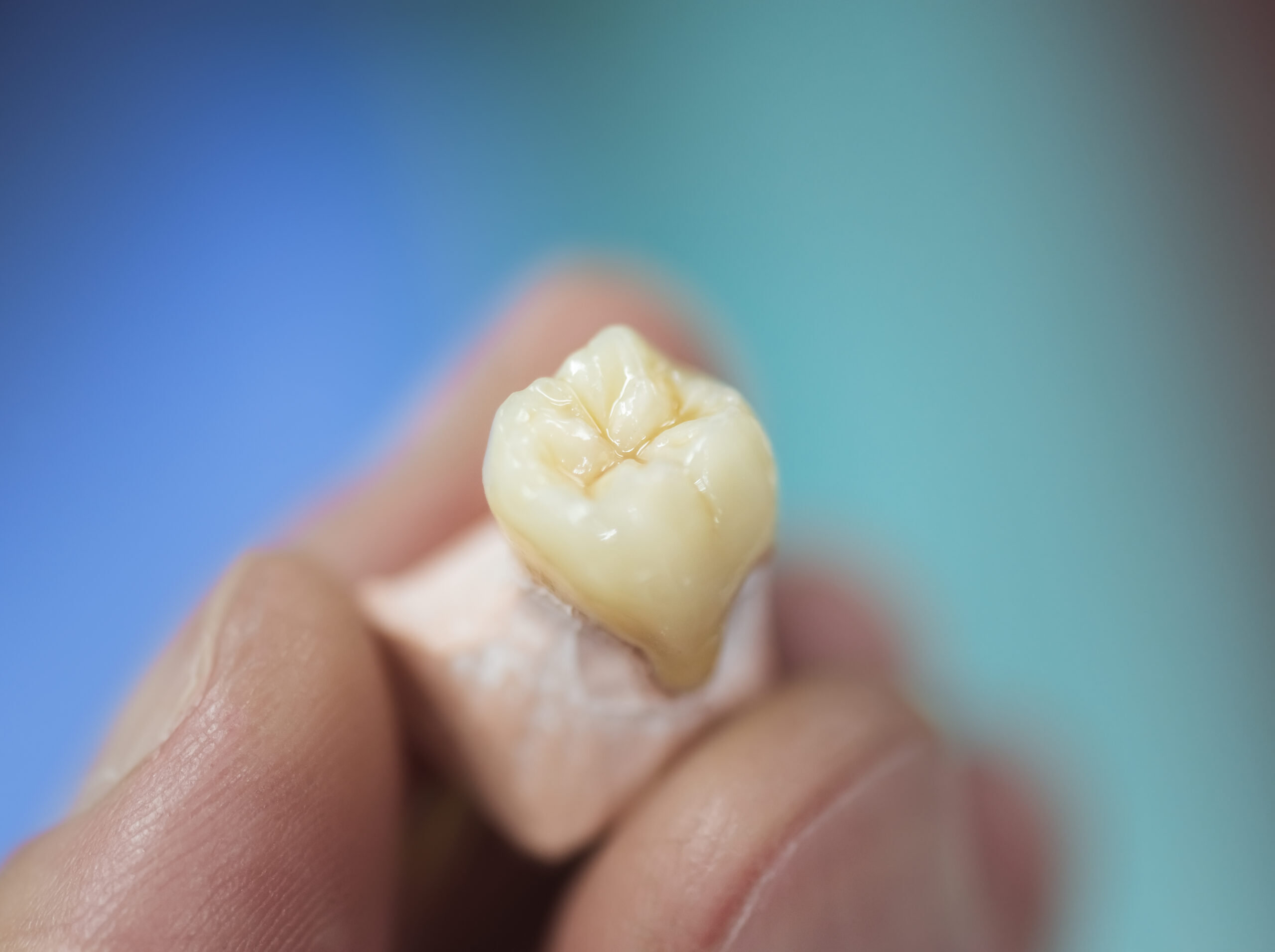
If you’re dealing with a damaged or decayed tooth, your dentist might recommend a dental crown. But the first question on your mind is likely: How much does a tooth crown cost?
The price of a dental crown varies depending on the material, location, and whether you have insurance. While some crowns cost as little as $500, others can exceed $3,000 per tooth.
Here’s the good news: You can save on dental care—even without insurance. Let’s break down the costs and explore a smart, cost-saving alternative that many patients don’t know about.
How Much Does a Tooth Crown Cost?
The price of a dental crown depends on several factors, including the type of material used. Here’s a breakdown:
| Crown Type | Cost (Without Insurance) | Durability | Appearance |
|---|---|---|---|
| Porcelain | $800 – $3,000+ | High | Best match for natural teeth |
| Ceramic | $800 – $2,500+ | High | Natural-looking, great for front teeth |
| Gold/Metal Alloy | $600 – $2,500+ | Very high | Less aesthetic, more durable |
| Porcelain-Fused-to-Metal (PFM) | $500 – $2,000+ | Moderate to high | Can look natural, but may show metal at the gum line |
| Zirconia | $1,000 – $3,000+ | Very high | Durable and aesthetic |
What About Insurance?
Most dental insurance plans cover 50% of the cost of a crown after your deductible is met. However, if your plan has an annual maximum (typically $1,000 – $2,000), you might still face out-of-pocket costs.
Did you know? Many dental offices offer in-office membership plans that can save you more than traditional insurance—without the headache of deductibles, claim denials, or waiting periods.
How to Save on Dental Crowns (With & Without Insurance)
1. The Best-Kept Secret: In-Office Membership Plans
Dental practices are increasingly offering membership plans for patients without insurance.
These plans typically include: ✅ 2 free cleanings per year
✅ Discounts on crowns, fillings, and other treatments (often 10-50%)
✅ No deductibles or waiting periods
Many patients find that membership plans save them more money than traditional dental insurance—especially when it comes to major procedures like crowns.
Find a Dentist Offering a Membership Plan Near You: The Patient Marketplace connects patients with local dentists offering affordable in-office plans.
2. Choose Your Crown Material Wisely
If cost is a major concern, ask your dentist about alternative materials. A PFM or gold crown might be more affordable than all-ceramic or zirconia options while still offering durability.
3. Get a Second Opinion
Prices for crowns can vary significantly between dental offices. Some dentists charge 50% less than others for the same procedure.
Pro Tip: Use The Patient Marketplace to compare prices and find a trusted, affordable provider.
4. Use an HSA or FSA
If you have a Health Savings Account (HSA) or Flexible Spending Account (FSA), you can use pre-tax dollars to pay for your dental crown, reducing your out-of-pocket cost.
5. Ask About Payment Plans
Most dental offices offer flexible financing through services like CareCredit or in-house payment plans, which allow you to break up the cost over several months.
Why In-Office Membership Plans Are the Best Money-Saving Solution
If you don’t have dental insurance (or even if you do but still face high costs), an in-office membership plan can save you hundreds or even thousands on dental care.
Take Action Today: Visit The Patient Marketplace to find a dentist offering a membership plan near you!
Final Tip: Don’t wait until your tooth pain worsens—early treatment can save you money and hassle in the long run.

Written by
Lisa Rasmussen
Lisa Rasmussen writes for BoomCloud™ on patient membership plans, recurring revenue, and reducing PPO dependence.