How Much Do Partial Dentures Cost? Prices by Type and Ways to Save
Partial dentures cost $650 to $2,500 per arch without insurance, depending on whether the partial is acrylic, flexible or a cast-metal framework. Here is what each type costs, what insurance pays, and how a practice membership plan cuts 15–30% with no waiting period.
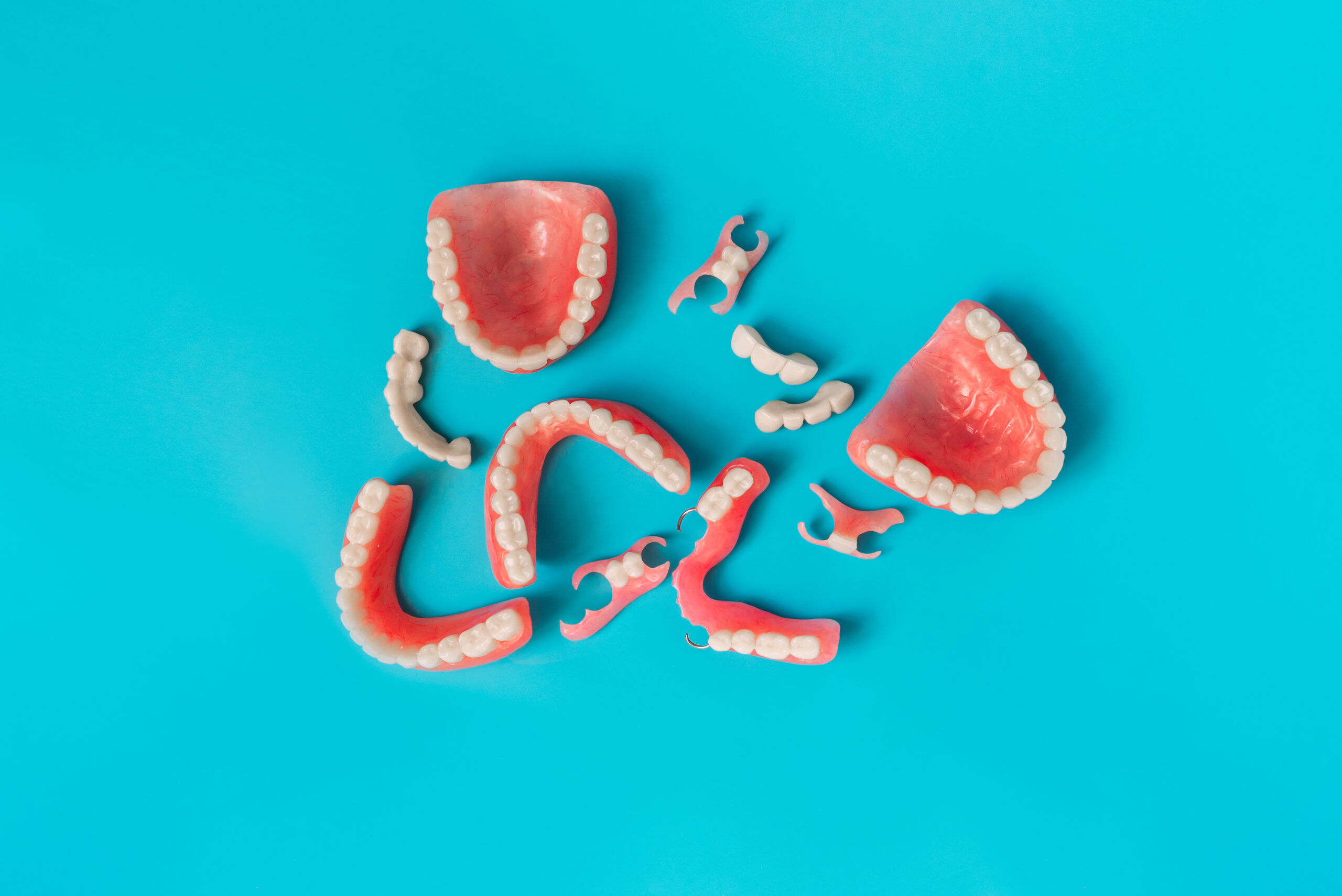
Partial dentures usually cost $650 to $2,500 per arch without insurance. An acrylic (resin) partial is the low end at roughly $650–$1,500, a flexible partial runs about $900–$2,000, and a cast-metal framework partial is the high end at roughly $1,200–$2,800. Dental insurance typically covers 40–50% after your deductible, and a practice membership plan usually takes 15–30% off the full fee with no waiting period.
Partial denture cost by type
| Type of partial | Typical cost per arch (no insurance) | What you get |
|---|---|---|
| Acrylic / resin partial ("flipper") | $650 – $1,500 | Lightest and cheapest; often used as a temporary while you heal |
| Flexible partial (nylon-based) | $900 – $2,000 | No metal clasps, more comfortable, hard to repair |
| Cast-metal framework partial | $1,200 – $2,800 | Strongest and longest lasting; the usual long-term choice |
| Implant-supported partial | $3,500 – $12,000+ | Anchored to implants instead of clasped to teeth |
Ranges reflect published U.S. cost guides, including the ADA Health Policy Institute fee data, CareCredit and Authority Dental cost surveys. Your practice sets its own fee — always ask for a written treatment estimate.
What makes the price move
- How many teeth you are replacing. A one-tooth partial costs far less than one replacing six.
- Materials. Metal frameworks cost more up front and normally last longer than acrylic.
- Prep work. Extractions, fillings or gum treatment before the partial are billed separately.
- Where you live. Big-city fees commonly run 20–40% above rural fees for the same code.
- Follow-up visits. Adjustments, relines and repairs are often extra after the first few months.
What insurance usually pays
Most dental plans classify a partial denture as a major service. That normally means 40–50% coverage after your deductible, a 6–12 month waiting period, and an annual maximum of roughly $1,000–$2,000 that has to cover everything else you need that year. On a $1,800 partial, a typical plan leaves you paying $900–$1,100 out of pocket — assuming your waiting period is already behind you.
The cheaper route most people never hear about
Thousands of dental offices now run their own in-house membership plan. You pay the practice a flat yearly fee, and in exchange you get your cleanings and exams included plus a set discount — usually 15–30% — on everything else, partials included. There is no insurance company in the middle, so there is no waiting period, no annual maximum and no claim to file.
On a $1,800 cast-metal partial, a 20% member discount saves $360, and the preventive visits included in the plan often cover a good chunk of the membership fee on their own.
Find a practice near you with a membership plan →
Five ways to bring the cost down
- Get two or three written estimates. Fees for the same partial vary widely between offices in the same city.
- Ask about a membership plan before you agree to treatment — the discount usually applies the same day you join.
- Ask about in-house payment plans or third-party financing to spread the cost over several months.
- Check a dental school clinic. Supervised student clinics often charge 30–50% less, with longer appointments.
- Start with acrylic if money is tight and upgrade to a metal framework later, if your dentist agrees it is appropriate.
Common questions
How much do partial dentures cost with insurance?
Usually $400 to $1,400 out of pocket, depending on your plan's percentage, deductible and remaining annual maximum.
How long do partial dentures last?
Five to ten years is typical. Acrylic partials sit at the short end; cast-metal frameworks often go longer with relines along the way.
Is a partial denture cheaper than an implant?
Yes, considerably. A single implant with crown commonly runs $3,000–$6,000, while a partial replacing several teeth often costs less than one implant.
Can I get a partial denture with no waiting period?
Not through most insurance, which imposes 6–12 months on major services. A practice membership plan has no waiting period — the discount applies immediately.
Does Medicare cover partial dentures?
Original Medicare does not cover routine dentures. Some Medicare Advantage plans include limited dental benefits with their own caps and rules.
What to do next
Get a written estimate with the procedure codes on it, ask each office whether they have a membership plan and what it discounts, then compare the real out-of-pocket numbers side by side.
Search the Patient Marketplace for a practice with a membership plan →
How prices vary across the country
Geography moves dental fees more than most people expect. The same procedure code is routinely 20–40% higher in major metros such as New York, San Francisco, Boston and Seattle than in smaller Midwest and Southern markets, and practices inside the same city can differ by several hundred dollars because of lab choice, chair time and overhead. Fee surveys from the ADA Health Policy Institute show this spread year after year. That is why a single online "average" is a starting point, not a quote: two or three written estimates in your own area will tell you more than any national number.
What the process actually looks like
Your first visit is an exam with X-rays, a discussion of options, and ideally a printed treatment plan with the procedure codes and fees on it. Ask three questions before you leave: what is included in this fee, what is billed separately, and what does the follow-up care cost. Then ask whether the office runs a membership plan and what it discounts. Practices that offer one will usually apply it at the same appointment, which means the savings land on the treatment you are about to schedule rather than next year.
Why membership plans keep spreading
Dental insurance has barely moved its annual maximum in decades, while treatment costs have climbed steadily. That gap is the reason thousands of practices now sell a plan directly to patients: a flat annual fee, preventive visits included, and a fixed discount on everything else. Patients get care that starts immediately; practices get paid without a claims department in the middle. It is not insurance and it will not cover catastrophic costs, but for routine and mid-sized treatment it is often the cheapest option on the table.
Questions worth asking your dentist
- Can I see the fee in writing with procedure codes before we schedule?
- Is there a less expensive option that would still be a sound clinical choice?
- What happens, and what does it cost, if something needs adjusting later?
- Do you offer a membership plan, and how much would it save me on this treatment?
- Can the cost be split into monthly payments through your office?
Are you a dental practice? See how practices build their own membership plans with BoomCloud™ dental membership plan software.

Written by
Ally Comstock writes for BoomCloud™ on patient membership plans, recurring revenue, and reducing PPO dependence.