Flexible Dentures Cost Too Much? Here’s How to Pay Less!
Flexible dentures are usually priced per appliance, not per tooth. Understand budgeting ranges, what your quote should include, and how to compare insurance and membership savings.
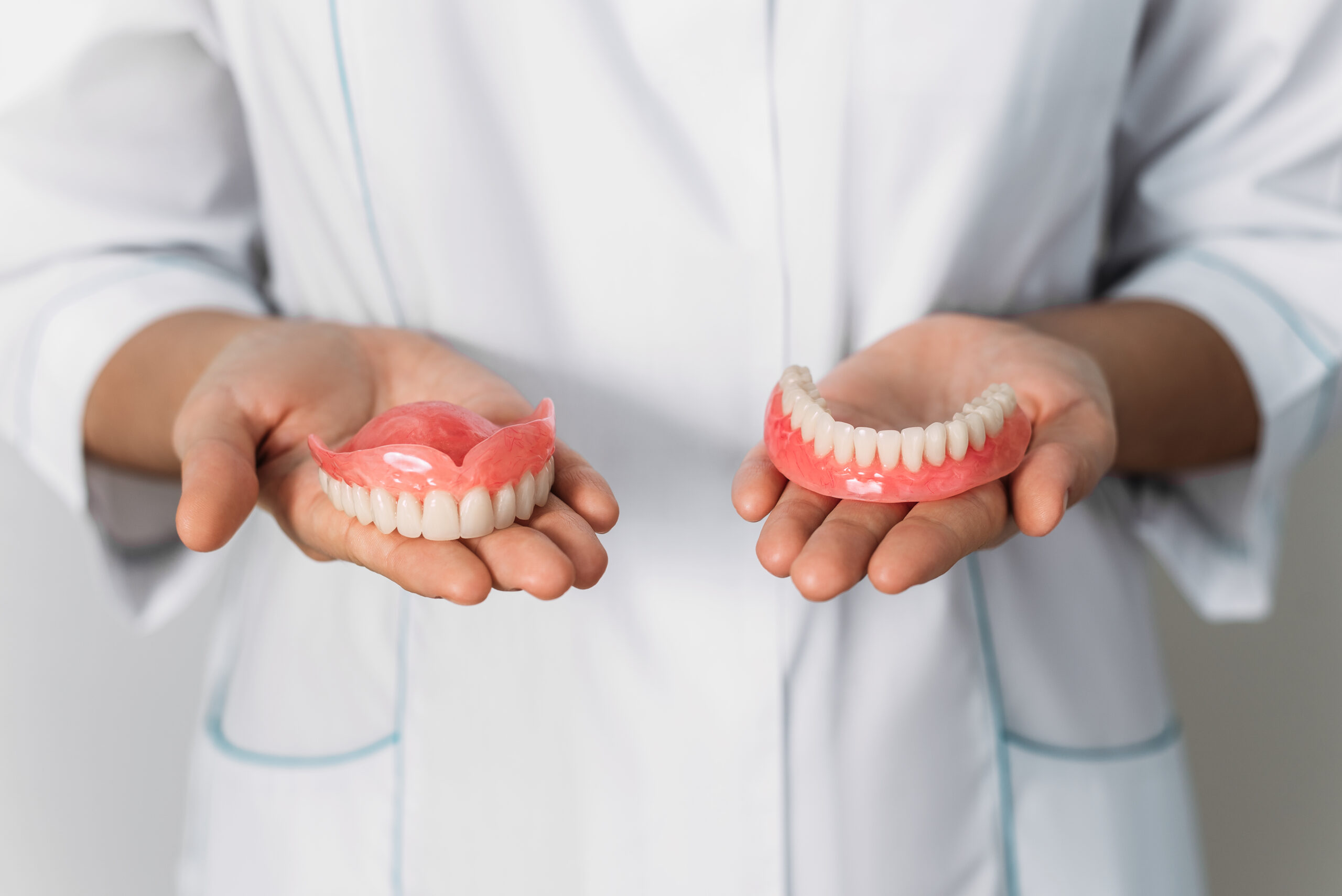
The price of flexible denture per tooth usually is not a separate tooth-by-tooth charge: dentists generally price the complete removable partial denture. As a budgeting estimate, flexible partial dentures may cost around $700–$2,500 per arch, with complex cases potentially reaching $3,500 or more before additional treatment. Costs vary by region, provider, material, and what the quote includes, so a written estimate after an examination is the number to use.
What does the price of flexible denture per tooth actually mean?
A flexible partial denture replaces missing teeth with artificial teeth attached to a bendable, gum-colored base. An arch means your upper or lower dental arch. If you need appliances for both, ask for separate upper and lower prices.
The appliance needs examination, design, impressions or scans, laboratory fabrication, and fitting whether it replaces a small gap or several missing teeth. That is why replacing fewer teeth does not necessarily reduce the price proportionally.
You can divide the appliance price by the number of teeth replaced to understand your expense. Just do not mistake that calculation for the dentist's billing method.
A worked example, not a per-tooth price list
Suppose, in a worked example, a flexible partial replacing 3 teeth costs $1,500. Dividing $1,500 by 3 gives an effective cost of $500 per replacement tooth. That does not mean an appliance replacing 1 tooth would cost $500, or that adding another tooth would increase the bill by $500. Replace these example figures with your own quote.
Ask the office whether its estimate covers the entire appliance, how many teeth it replaces, and whether the price includes fitting and follow-up adjustments.
How much do flexible dentures cost?
Use the ranges below as planning estimates, not verified national averages or guaranteed local prices. Flexible dentures cost different amounts across regions and providers, and two apparently similar quotes can include different services.
| Item | Budgeting estimate | What to check |
|---|---|---|
| Flexible partial denture for an upper or lower arch | $700–$2,500 per appliance | Material, teeth replaced, laboratory work, and fitting |
| More complex flexible partial treatment | $2,500–$3,500 or more per appliance | What makes the design or clinical work more complex |
| Adjustments billed separately | $50–$300 per visit | Whether initial adjustments are already included |
Your total can exceed the appliance price if you need extractions, treatment for decay or gum disease, or other preparation. Ask the office to separate those charges rather than presenting a single unexplained package.
Why flexible dentures price quotes differ
- Material and design: Flexible thermoplastics, clasp designs, and laboratory processes differ.
- Location of missing teeth: The remaining teeth, bite, and support available affect treatment planning.
- Provider and laboratory fees: Clinical time and fabrication costs vary locally.
- Included care: Delivery, bite corrections, and follow-up visits may be bundled or billed separately.
- Future serviceability: Repairing, relining, or adding teeth may require specialized laboratory work or replacement.
Full flexible dentures cost: first confirm the appliance
Flexible partial dentures and complete dentures are not interchangeable. Flexible partials commonly use remaining natural teeth for retention. A complete denture replaces all teeth in an arch and has different support and stability requirements.
If you are searching for full flexible dentures cost, confirm what the provider means. The term may be used loosely for a complete denture with a soft liner, a different thermoplastic system, or another design. A soft liner is not the same thing as a flexible denture base.
There is no dependable price range that applies to every product described as a full flexible denture. Ask for the exact material, whether the base is flexible or rigid, why it suits your mouth, and a complete per-arch estimate. Do not use a flexible partial price to budget for replacing an entire arch.
Are flexible dentures really comfort dentures?
People searching for comfort dentures often want less bulk, less visible metal, and fewer sore spots. Flexible partials can provide gum-colored clasps and a base that some patients find comfortable. But comfort dentures is not a precise clinical category, and flexible does not automatically mean better fitting.
Many flexible partials use nylon-based or other thermoplastic materials. Their properties vary, so ask about the specific material rather than assuming every product is identical or suitable for every allergy.
Fit depends on your gums, remaining teeth, bite, and appliance design. Flexible materials can resist certain fractures, but they are not indestructible. Depending on the system, repairs, relines, and adding replacement teeth may be harder than with conventional acrylic.
Ask your dentist to compare flexible, acrylic, and metal-framework partials for your mouth. A more rigid design may provide better support in some situations. Persistent rubbing, looseness, or pain needs professional adjustment, not an at-home repair.
What should your written quote include?
Before comparing affordable flexible dentures, make sure you are comparing the same treatment. Request an itemized estimate covering:
- The examination and any necessary imaging.
- The exact appliance, material, arch, and teeth being replaced.
- Impressions or scans, laboratory fees, and fitting visits.
- Extractions, gum treatment, or other work needed beforehand.
- Any temporary appliance used while your mouth heals.
- Included adjustment visits and the period during which they are covered.
- Repair, reline, remake, and warranty terms.
- The estimated insurance contribution and your expected balance.
If teeth will be extracted, ask how healing could change the fit and whether later relining or replacement is included. A low initial fee can become expensive when necessary follow-up care is excluded.
How to pay less for flexible dentures
Check the actual insurance benefit
Do not assume that having dental insurance means a flexible material is covered. Ask the office to submit a pretreatment estimate using the proposed procedure codes and appliance description.
Confirm your deductible, remaining annual benefit, waiting periods, replacement restrictions, and any missing-tooth exclusion. Ask whether the insurer pays based on a less expensive conventional appliance, leaving you responsible for the difference.
An estimate is not a payment guarantee. Request the insurer's response in writing and have the office explain your likely out-of-pocket balance before fabrication begins.
Evaluate an in-office membership plan
A dental membership is an arrangement with a participating practice, not insurance. Depending on its written terms, it may include preventive services and reduced fees for specified treatment. Flexible dentures, laboratory charges, and specialist care may have different rules or be excluded.
As the founder of BoomCloud, I work on the membership side of dentistry. My advice to a patient is straightforward: compare the total you will pay, including membership dues. A discount percentage alone does not tell you whether joining saves money.
Worked example: Suppose your denture quote is $2,000, a practice offers a 15% eligible discount, and its annual membership dues are $240. The denture discount would be $300, making your combined denture-and-membership expense $1,940, or $60 less than the original quote. These are hypothetical patient-plan figures; substitute the practice's actual dues, exclusions, and discount.
Ask whether benefits apply immediately, whether laboratory fees are discountable, and whether membership pricing can be combined with insurance. Also review cancellation and renewal terms. Monthly membership dues do not mean the denture itself can be paid off monthly.
Compare local practices and supervised teaching clinics
Request comparable written estimates from local providers. Dental schools and supervised teaching clinics may offer lower-cost treatment, but availability, appointment length, and flexible-material options vary. Confirm they offer the appliance you need before arranging a consultation.
Ask each provider whether a less expensive conventional partial would meet your needs. Changing the material can make sense when the alternative is clinically suitable, not simply because its advertised price is lower.
Separate financing from savings
Payment plans can spread out the bill, but they do not necessarily lower it. Compare the total repayment amount, interest, fees, and late-payment terms. With promotional financing, check whether deferred interest can become payable if you miss the payoff deadline.
If you have an HSA or FSA, ask your plan administrator whether the proposed denture treatment qualifies. Keep the itemized receipt and check your account's deadlines. Avoid delaying necessary care solely to chase a promotion.
How to judge the cheapest flexible dentures
The cheapest flexible dentures are not automatically poor quality, but an advertised starting price is not a complete treatment quote. Ask what is excluded, who handles fitting problems, and what happens if the appliance cannot be adjusted successfully.
Be cautious about ordering without an examination of your teeth, gums, and bite. Your next step is a clinical assessment followed by a written, all-in estimate. Compare your insurance balance, any membership option, and the cash price on that same treatment plan. Choose the lowest total cost that still provides appropriate treatment and follow-up care.
Frequently asked questions
What is the price of flexible denture per tooth?
Flexible dentures are generally priced per appliance rather than per tooth. For budgeting, a flexible partial may fall around $700–$2,500 per arch, depending on region, provider, design, and included care. Dividing your quote by the teeth replaced gives an effective per-tooth cost, not a price for ordering individual teeth.
How much are flexible dentures with insurance?
Your balance depends on whether the appliance is covered, the insurer's allowed fee, your deductible, and remaining benefits. Material upgrades or excluded services can increase what you owe. Get a written pretreatment estimate rather than applying an assumed coverage percentage to the advertised price.
Where can I find affordable flexible dentures?
Compare itemized estimates from local dentists and ask nearby dental schools about suitable treatment. Check whether an office membership reduces the total after dues and exclusions. The best value is an appropriate appliance with fitting and follow-up included, not necessarily the lowest advertised starting fee.

Written by
Keilani
Keilani writes for BoomCloud™ on patient membership plans, recurring revenue, and reducing PPO dependence.